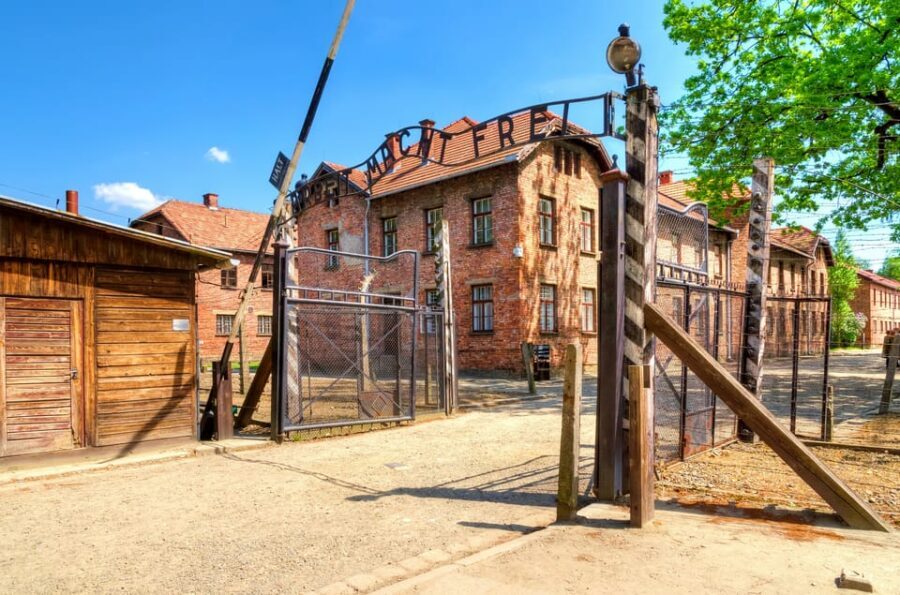
REVIEW · AUSCHWITZ MAIN ENTRANCE GATE
Auschwitz-Birkenau: Guided Tour with Fast Track Ticket
Book on GetYourGuide →Operated by Poland Tours · Bookable on GetYourGuide
This place has a way of staying with you. The big draw here is fast-track entry plus a small-group guided tour that keeps the day moving without turning it into a logistics scavenger hunt. You’ll visit Auschwitz I and Auschwitz II-Birkenau with a guide who can explain what you’re seeing and why it mattered.
I like two things most: first, the tour format that links Auschwitz I to Birkenau so the story makes sense as you go. Second, the guiding style—clear, structured, and human. One English guide named Martin stood out for mixing light moments with serious, well-structured historical context, and that balance matters a lot on a site like this.
One drawback to plan around: even with fast-track tickets, you can still wait up to about 15 minutes, and the meeting point can be confusing when there are lots of people and limited signage. Also, the memorial controls the pace—your tour provider can’t speed up the experience once you’re inside.
In This Review
- Key Things You’ll Notice Right Away
- Fast-Track Entry and a Small-Group Rhythm
- Meeting Point Reality: Why It’s the Toughest Part to Get Right
- Auschwitz I: How the Story Takes Shape
- Auschwitz II-Birkenau: Scale, Deportation, and the Railway Ramp
- Guides, Language Options, and What You Can Expect From the Tour Voice
- Time on Your Side: How the 3–7 Hours Plays Out
- Rules, What to Bring, and What Can Trip You Up
- Price and Value: Is $69 Worth It Here?
- Should You Book This Auschwitz-Birkenau Fast-Track Guided Tour?
- FAQ
- How long is the Auschwitz-Birkenau guided tour?
- Does fast-track mean there is no waiting?
- Are Auschwitz I and Auschwitz II-Birkenau both included?
- What’s included in the tour price?
- What languages are available?
- What should I bring, and what is not allowed?
- Is the tour refundable if I change my plans?
Key Things You’ll Notice Right Away
- Fast-track tickets that reduce line time, though short waiting is still possible
- Small-group structure that helps you actually hear the guide, not just stand near them
- Two different local guides (one for each camp) based on your tour language
- Auschwitz I + Birkenau coverage so you get the full sense of the system
- Auschwitz II-Birkenau details like the railway ramp remains tied to deportations
Fast-Track Entry and a Small-Group Rhythm
Auschwitz-Birkenau is not the kind of place you should “wing.” This guided format is designed for a simple goal: get you inside, get you oriented, and keep you moving at a respectful but practical pace.
The fast-track part is especially useful if you’re visiting during busy hours. Your tickets are pre-booked, so once you arrive, you aren’t trying to figure out the ticket line while the day is already slipping away. That said, fast-track is not instant magic—there can still be waiting time (up to roughly 15 minutes). So I’d treat it as time saved, not time eliminated.
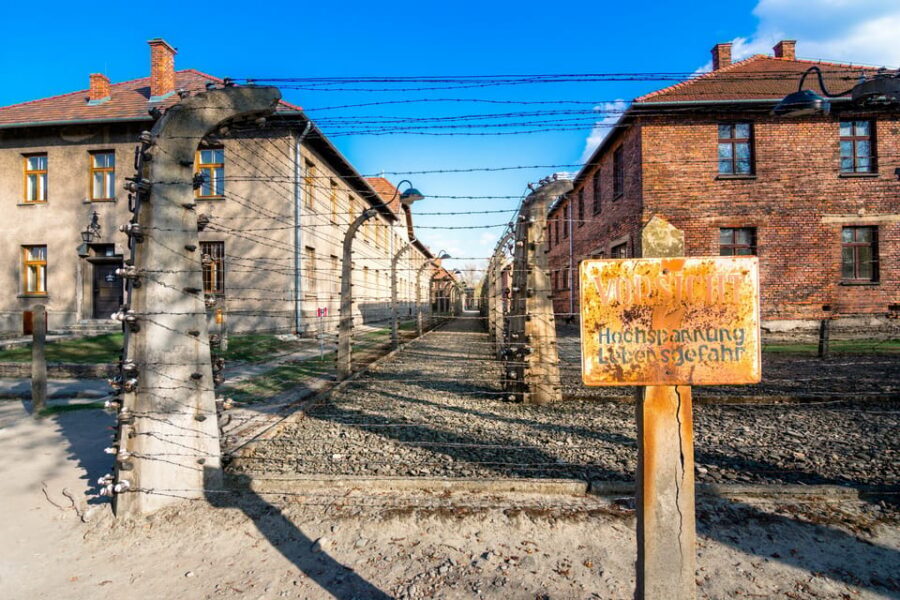
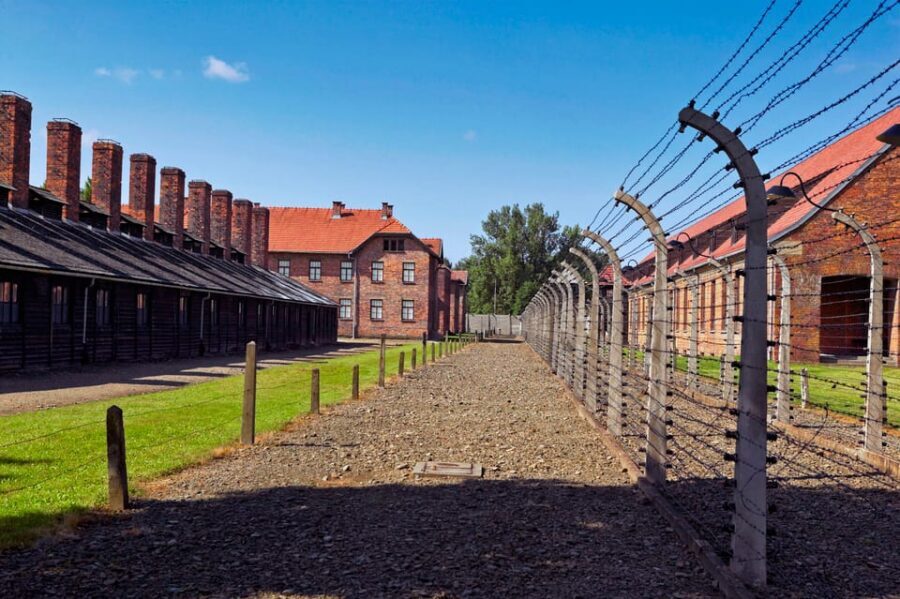
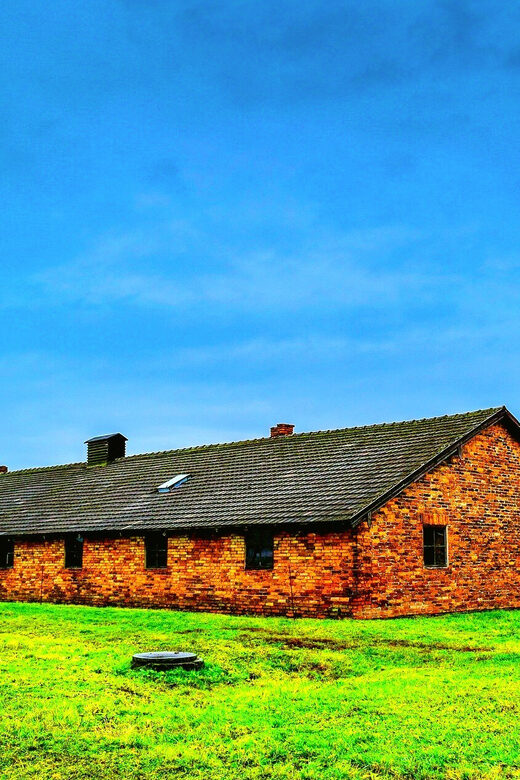
The small-group setup is another real benefit. At Auschwitz, it’s easy to lose your place in a crowd. With a smaller group, you’re more likely to stay together, follow the guide’s path, and catch the context behind what you see—barbed wire, barracks, ruins, and the sheer layout of Birkenau.
Meeting Point Reality: Why It’s the Toughest Part to Get Right
Here’s the honest travel note: the hardest moment can be the first one. The meeting point can vary depending on the booked option, and the area around it can feel crowded or confusing, especially if you arrive right on time and there are multiple groups with similar branding.
One tip from real-world experience: use the meeting details you receive by email and arrive a little early. If you’re driving yourself, keep in mind that parking logistics differ, and some sites charge separate parking fees (one self-drive note mentioned 20 PLN at Auschwitz I and 40 PLN at Auschwitz II). That’s not a dealbreaker, but it can affect how smoothly the day goes if you’re already stressed.
If you do get turned around, you’re not stuck forever. The tour operator can help you find the group, but you’ll still waste minutes. And on this visit, minutes add up because your schedule depends on memorial entry flow and guide timing.
Also, be punctual at the handoffs. There’s a short break during the tour (about 10 minutes). One practical caution: if you run late after a stop, you might miss the group’s transport segment—one person described being just a few minutes late and not being able to rejoin the bus at the end of the Birkenau portion. So set yourself up to be back where you should be when you’re supposed to.
Auschwitz I: How the Story Takes Shape
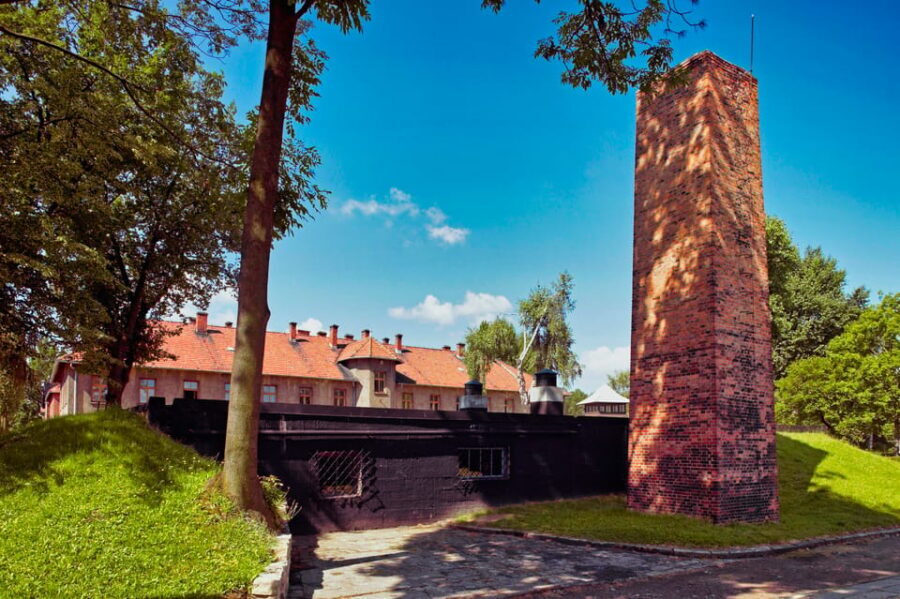
Auschwitz I is where the site teaches you the idea of the system. Even if you know the headlines, walking through Auschwitz I helps you connect the dots between policy, punishment, and infrastructure. The tour focuses on the parts that make the “what happened here” visible: prison blocks and key remains tied to daily life inside the camp.
What makes a guided visit valuable at Auschwitz I is that you aren’t left staring at ruins and trying to guess the timeline. A certified guide explains how the camp functioned and what you’re looking at. That matters because the site isn’t designed to be “read” like a museum exhibit. It’s a place where the landscape itself carries the story.
You’ll also visit areas that help explain the UNESCO World Heritage context—why this is protected and how it represents the worst of Nazi crimes. The goal isn’t tourism; it’s understanding. With a guide, you leave with a clearer sense of how the camp operated before you move on to the scale of Birkenau.
One drawback to acknowledge: the emotional weight hits people differently, and you may feel rushed if you don’t give yourself time to pause. That’s not the tour operator being insensitive—it’s the memorial’s flow and your group schedule. If you tend to get overwhelmed, plan to take your time during the quieter stops rather than saving all your reflection for the end.
Auschwitz II-Birkenau: Scale, Deportation, and the Railway Ramp
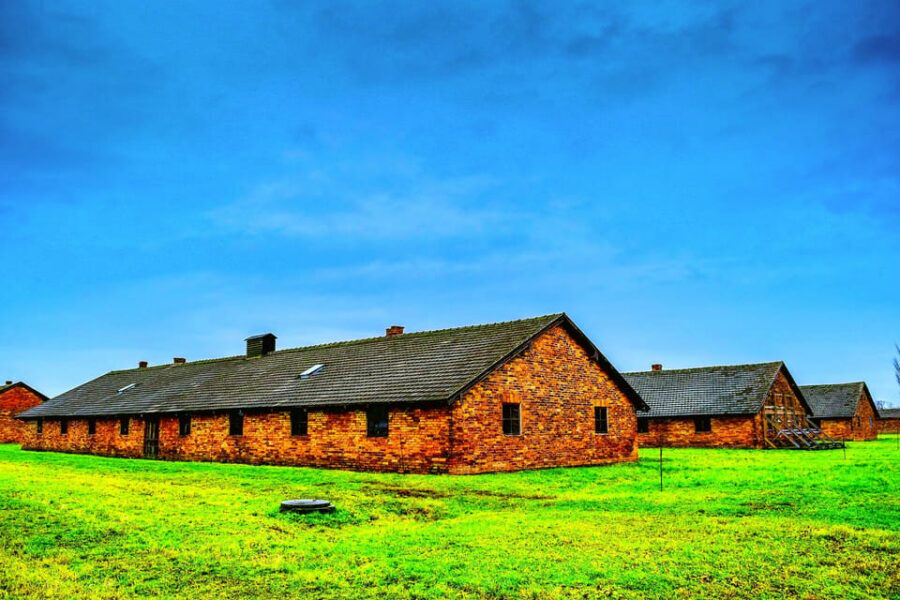
If Auschwitz I is the frame, Birkenau is the picture. Auschwitz II-Birkenau is larger and more open, and that changes how the site feels. There’s a reason people describe Birkenau as different from Auschwitz I: it’s the scale of the system and the visibility of logistics that really lands.
Your visit includes parts of the camp connected to detention and forced labor, plus the remaining structures associated with genocide. The tour includes discussion around prison blocks as well as the gas chambers and crematoria buildings (or what remains of them). Seeing those locations in person is stark. A guide helps you keep the details straight—what you’re looking at, how it worked, and how victims were processed.
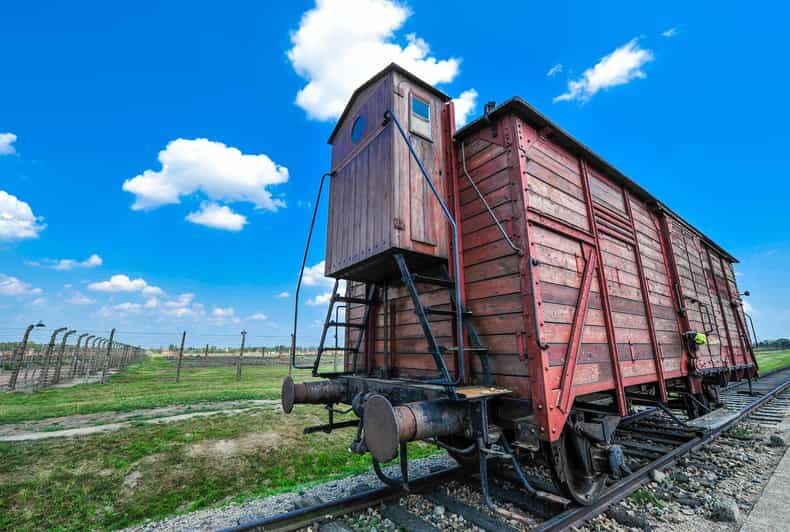
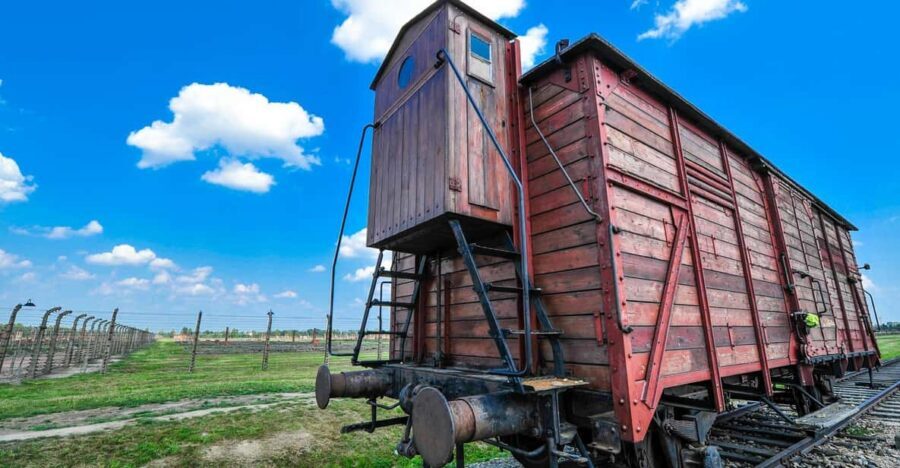
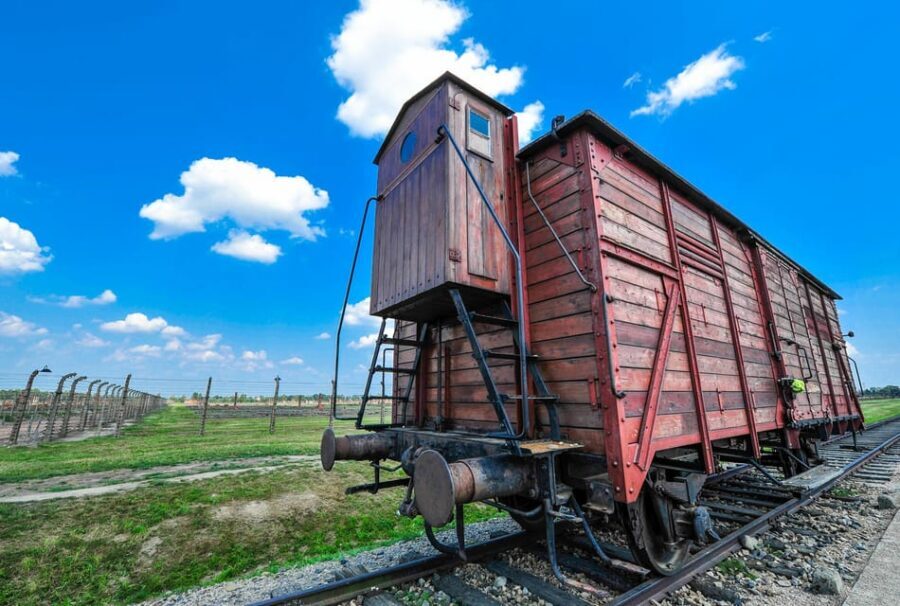
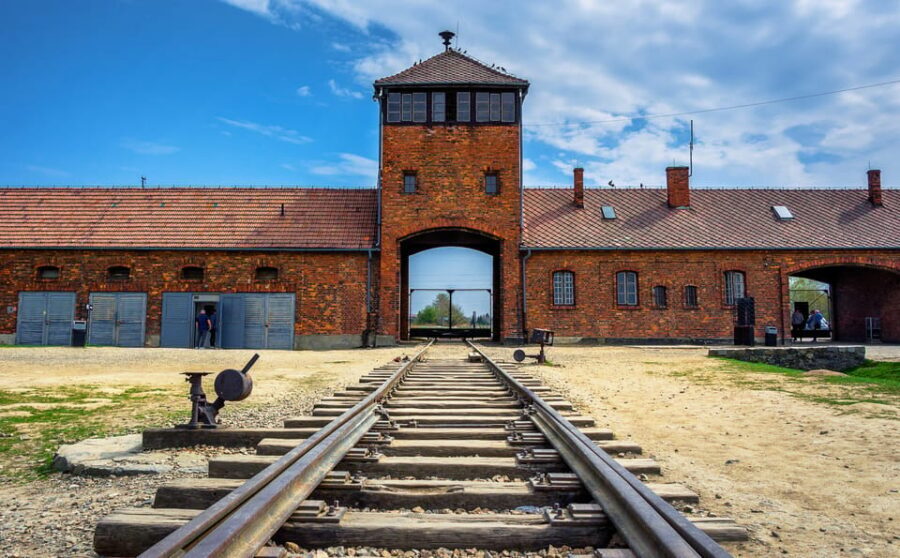
One of the most important details you’ll get here is the railway ramp remains. That’s where prisoners were transported, and the connection between transport and arrival is central to understanding how deportations were carried out. Without a guide, it’s easy to see “tracks and ruins” without grasping how the transportation system shaped everything that followed.
Birkenau is also where you’ll likely understand why you should wear weather-appropriate clothing. There’s a lot of time spent outside, and the memorial’s pacing means you’re not always ducking into shelter. Comfortable shoes matter too, because the walking is part of how you experience the space.
Guides, Language Options, and What You Can Expect From the Tour Voice
The tour includes a live guide at each camp, in languages like English, German, French, Spanish, Polish, Italian. If a certain language doesn’t meet minimum numbers, the provider will shift to English. So even if you book a different language, you can expect the tour to still run with instruction you can follow.
One detail that surprised me—in a practical way—is that the format often means you’ll have a guide for Auschwitz I and another for Birkenau. That can be a good thing. Different guides may focus on different details depending on their expertise, and you get a more complete explanation as you move through the site.
From real feedback patterns, the best tours are the ones where the guide does two jobs at once: respectful interpretation and clear sequencing. The mention of Martin as a guide who stayed entertaining while still covering shocking stories is a good example of that approach—serious content, but explained in a way that keeps you listening instead of zoning out.
If you’re sensitive to emotional storytelling, it’s normal to feel overwhelmed. Guides usually pace their delivery to match the environment. Still, remember that this is not a light historical overview. This is a memorial visit, and the atmosphere does most of the work on you.
Time on Your Side: How the 3–7 Hours Plays Out
This tour can run from about 3 to 7 hours, depending on the starting time you choose and how the visit is scheduled. The key practical point is that you should treat this as your main activity day—one of the biggest values is that it’s a focused block rather than a side trip.
Inside, timing is determined by the memorial’s visitor service. Your tour operator can’t control how long lines move, how groups are routed, or how long you spend at each stop. You’ll also have a short break (around 10 minutes). If you need longer breaks for medical reasons or you have stamina concerns, plan carefully—this is not designed like a hop-on hop-off tour.
Even with fast-track entry, waiting can still happen. When it does, it’s rarely long, but it can feel longer if you’re already anxious about being late for your segment. So I recommend bringing a calm mindset more than hoping for a perfect schedule.
Rules, What to Bring, and What Can Trip You Up
Auschwitz is strict about what you bring in. You should expect luggage limits—large bags aren’t allowed, and anything bigger than about 30 x 20 x 10 cm won’t be permitted inside. To keep things simple, travel light. If you come with a backpack that’s bulky, you might spend time rearranging before you even enter.
Bring a passport or ID card. If you have student status, the student card is mentioned as something to bring, since it may matter for ticketing categories. Also, confirm your name on the booking matches the name on your ID exactly. There’s a clear warning that entry can be refused if the names don’t match.
Weather matters. Wear clothing appropriate for the memorial visit. That’s not just comfort—it’s respect. You’ll likely be outside enough for temperature and precipitation to change how enjoyable (or survivable) the day feels.
Finally, note who this tour is not for: children under 13 and people with mobility impairments or wheelchair users. This is mostly about the walking and how the memorial environment works.
Price and Value: Is $69 Worth It Here?
$69 per person can feel like a lot at first glance—until you price it against what you’re actually buying.
You’re paying for:
- Fast-track tickets (so you don’t spend your limited time fighting entry lines)
- Guides at both Auschwitz I and Birkenau, rather than one overview person trying to cover everything
- A structured route that keeps you from wasting energy guessing what to look at
- Transport from Krakow if you selected the Krakow option (and transport is a big deal because the site is not right inside the city)
If you’re traveling from Krakow, the transport option can turn this into a low-stress day. Instead of arranging bus schedules or worrying about parking at two separate sites, you focus on the visit itself.
If you’re driving yourself, you may lower the cost slightly but risk extra time and friction. Parking fees were specifically called out for self-drive (20 PLN at Auschwitz I, 40 PLN at Auschwitz II), and parking logistics can add stress. In that scenario, the guide’s value still holds—but your real “savings” depends on how smoothly you handle transport.
Bottom line: for most people, $69 is solid value because it buys clarity and time, not just access.
Should You Book This Auschwitz-Birkenau Fast-Track Guided Tour?
If your priority is to visit both Auschwitz I and Auschwitz II-Birkenau with a real guide and less hassle, I’d book it. The fast-track entry helps, the small-group format makes it easier to stay together, and the two-camp structure gives you a clearer understanding of how the system worked across the site.
I’d hesitate only if:
- You know you struggle with finding meeting points in busy areas and you can’t handle a quick reset if you miss the start.
- You need a very flexible pacing schedule. The memorial controls the flow, and the tour is built to follow that.
For everyone else, this is one of those days where the “value” isn’t about fun. It’s about respect, context, and not letting confusion get in the way of learning what you came to understand.
FAQ
How long is the Auschwitz-Birkenau guided tour?
The duration is listed as 3 to 7 hours, depending on the starting time. Check availability to see the exact start times.
Does fast-track mean there is no waiting?
Fast-track helps you skip the ticket line, but waiting times can still be up to around 15 minutes.
Are Auschwitz I and Auschwitz II-Birkenau both included?
Yes. The tour covers Auschwitz I and Auschwitz II-Birkenau.
What’s included in the tour price?
The included items are the full Auschwitz-Birkenau tour, fast-track entrance, guides at each camp, and transport from Krakow only if you selected the transport option.
What languages are available?
The tour is offered in German, Spanish, French, Polish, Italian, and English. If the required minimum numbers for a language aren’t met, the provider will run the tour in English.
What should I bring, and what is not allowed?
Bring a passport or ID card (and a student card if relevant), and wear weather-appropriate clothing. Luggage or large bags are not allowed; items larger than about 30 x 20 x 10 cm are not permitted inside.
Is the tour refundable if I change my plans?
This activity is non-refundable.