REVIEW · AUSCHWITZ II BIRKENAU
Auschwitz-Birkenau: Skip-the-Line Entry Ticket & Guided Tour
Book on GetYourGuide →Operated by SuperCracow.com · Bookable on GetYourGuide
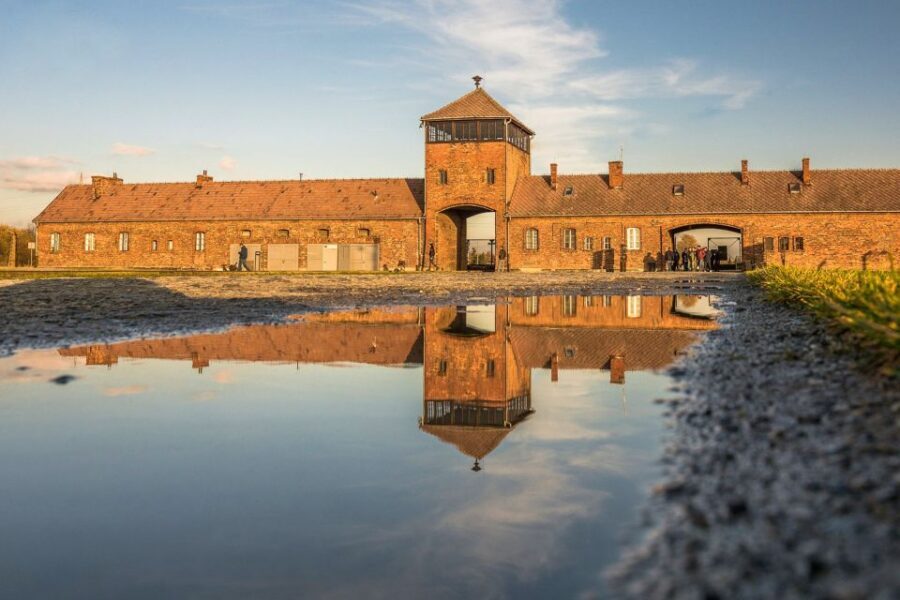
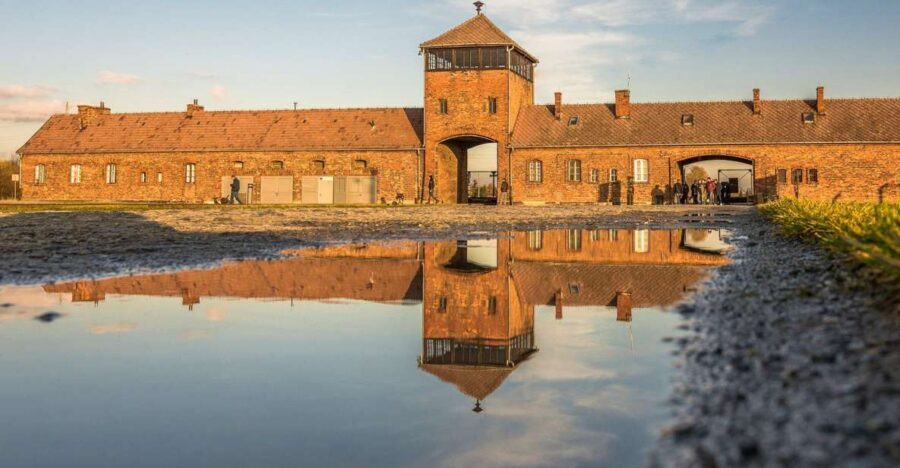
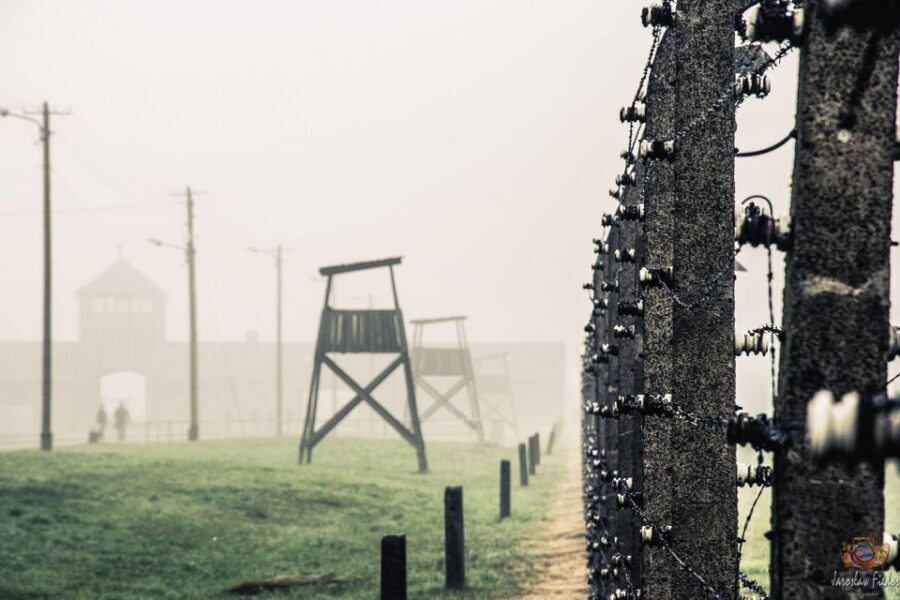
That gate changes the air in the room.
This is a guided Auschwitz-Birkenau visit with skip-the-line access to both Auschwitz I and Auschwitz II Birkenau, led by a licensed guide from the museum. I like the structure: you get the key sites with commentary that explains what you’re looking at, plus a planned break for lunch before heading to Birkenau. One thing to consider is the pacing: with so much ground covered in roughly 225 minutes, you may not have long, quiet time to read every exhibit detail at your own speed.
The experience starts fast, even before you reach the camps. After ID checks and security, you’ll spend the first chunk at Auschwitz I (about 1 hour 20 minutes to 1 hour 50 minutes), then you’ll head toward Birkenau for about an hour more with the same guide. You might also find that some guides, such as Anna or Suzanna, are praised for clear, careful explanations and a sensitive tone, which really matters here.
In This Review
- Key things to know before you go
- Why skip-the-line and a museum guide is the smart combo
- Entering the memorial: IDs, security, and dress rules that catch people
- Auschwitz I: the main gate, barracks, and the story that builds
- The transition break: lunch timing and the quick move toward Birkenau
- Auschwitz II Birkenau: ruins of the gas chamber area and the shock of scale
- Duration and timing: why 225 minutes can feel both short and long
- Price and value: why $21 can be a good deal here
- Who should book (and who might want a different format)
- Should you book this Auschwitz-Birkenau guided skip-the-line tour?
- FAQ
- FAQ
- How long is the Auschwitz-Birkenau skip-the-line guided tour?
- Is skip-the-line entry included?
- Who provides the guide?
- What parts of the camps does the tour include?
- What should I bring?
- Are backpacks allowed?
- How long will I spend at Auschwitz I and Birkenau?
- Is transportation included between Auschwitz and Birkenau?
Key things to know before you go
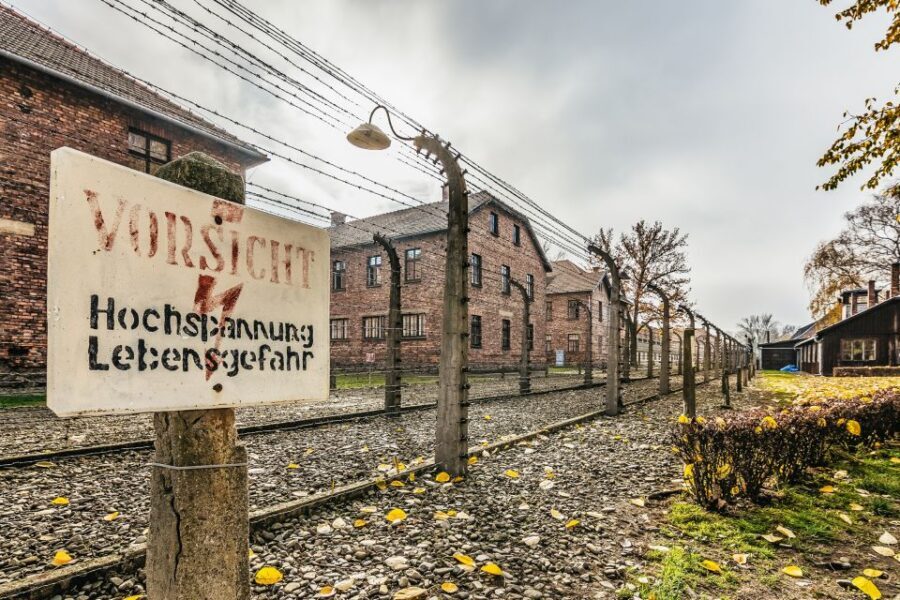
- Skip-the-line entry helps you spend more time on the memorial grounds than standing in queues.
- Museum licensed guide gives you context for what you’re seeing, not just dates and names.
- Auschwitz I first, Birkenau second is the right order for understanding scale and purpose.
- Headsets are a big help so you can keep up with the guide and not crane your neck.
- Time is tight: plan for short viewing windows at key areas and a structured route.
- Pack small and dress appropriately since large bags and some clothing are not allowed.
Why skip-the-line and a museum guide is the smart combo
At Auschwitz-Birkenau, logistics are not the goal. Learning is. That’s why I’m grateful this ticket includes skip-the-line entry plus a licensed guide provided by the museum (so you’re not relying on a random tour person guessing what you need to know).
What makes this format useful is how the tour guides your eyes. Auschwitz I helps you understand how the camp system worked and how the site was organized. Then Birkenau shows you the larger machinery of persecution—where the scale can feel almost unbelievable. A good guide ties those pieces together so you don’t leave with a pile of facts that don’t connect.
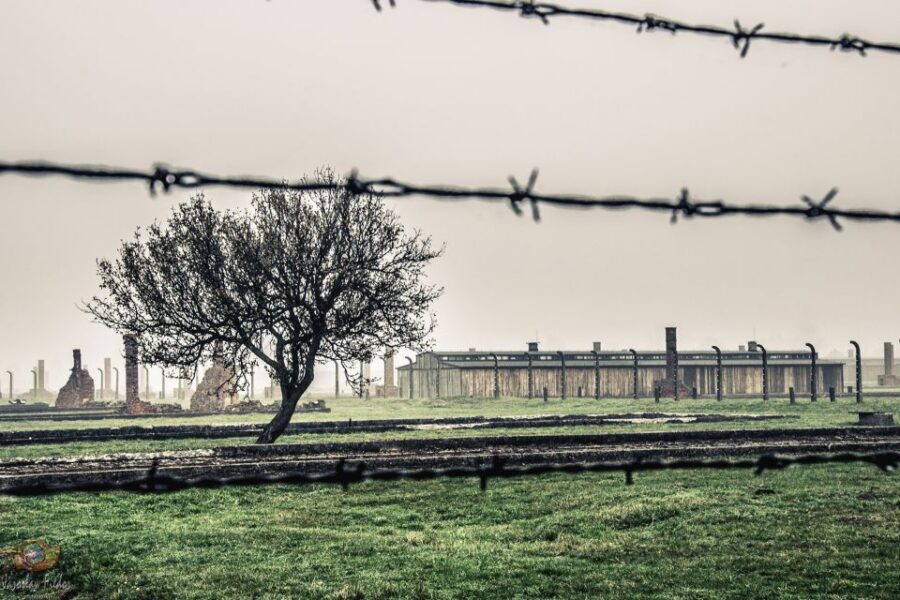
I also like that the tour focuses on the most essential physical remains: the main gate, the original barracks, and the ruins connected with the gas chamber at Birkenau. Those are not just “sights.” They’re evidence. And with a licensed guide, you get the why behind the what.
Entering the memorial: IDs, security, and dress rules that catch people
Before you see anything, you’ll go through a security check at the museum entrance. You’ll need a passport or ID card. Bring it. If you forget, you’ll lose time you don’t have to spare.
You also need to plan around the strict rules on what you can bring:
- No large bags or backpacks. The maximum size allowed is 20 x 30 cm.
- No pets, no smoking, and no alcohol or drugs.
- Clothing limits include no short skirts and no sleeveless shirts.
- No luggage or large bags—so keep your daypack minimal.
This matters because the memorial is crowded, and delays can cascade quickly. If you show up with the wrong bag size, you may be forced to deal with storage in a rush—something you really don’t want right before a heavy, intense visit.
Auschwitz I: the main gate, barracks, and the story that builds
Your first stop is Auschwitz I, usually where the tour’s tone firms up. This is where you get a guided walkthrough of the remains at the heart of the system—right from the sense of arrival.
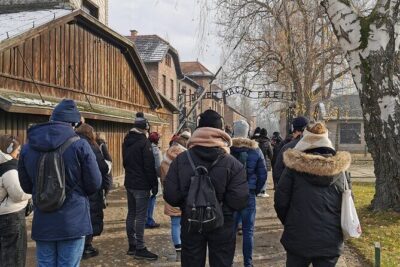
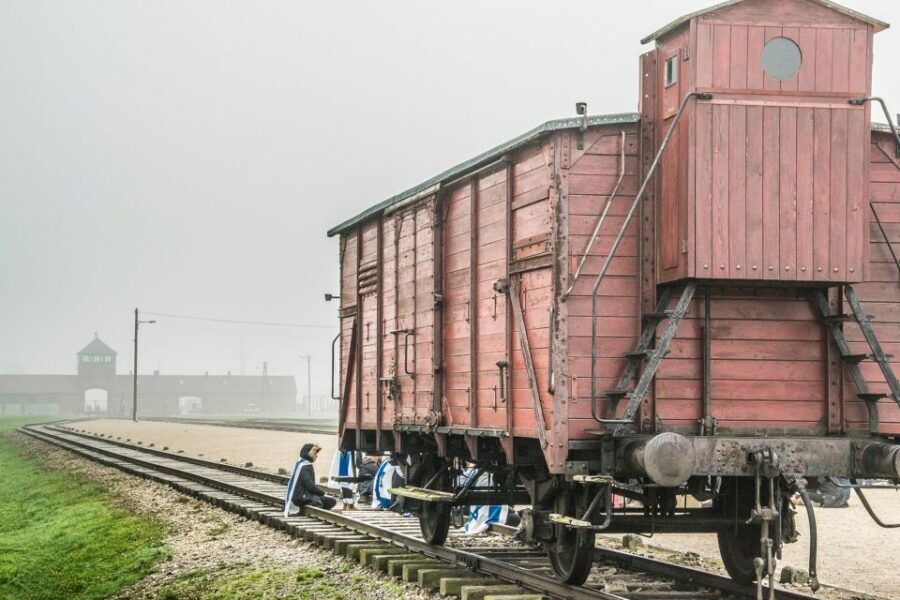
A highlight here is seeing the main gate to Auschwitz. It’s not a photo-op gate. It’s the gateway to a place where normal life was deliberately crushed, and the guide’s commentary helps you see the intention behind the architecture and the layout.
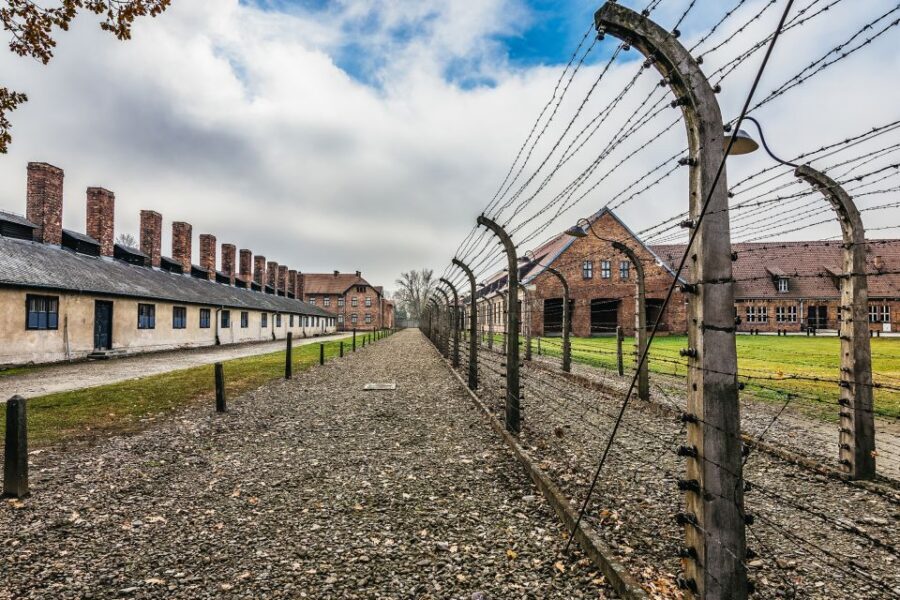
You’ll also see original barracks and camp remains. The value isn’t that the buildings look old. It’s that the guide helps you understand how they were used and what that meant for prisoners day after day. If you’re sensitive to details, you’ll still need the context. That’s the point of having a museum-licensed guide.
How long you’ll be here: about 1 hour 20 minutes to 1 hour 50 minutes in the first part of the museum visit. That range is normal for crowds and timing control on-site, but it does affect how much you can linger at specific rooms or areas.
One more practical note: the start area can get chaotic while groups gather and find their tour leaders. I’d plan to arrive with a little buffer and keep your eyes up for the correct meeting point, since a slow regrouping can knock confidence off your day even before the tour begins.
The transition break: lunch timing and the quick move toward Birkenau
Between the two parts, you’ll get a short break—listed as 10 to 15 minutes—when you can eat lunch. If you skip this and try to buy food nearby on the fly, you may end up stressed. I recommend bringing lunch and drinks because that’s explicitly suggested, and it’s a simple way to protect your mental energy.
Then there’s an important detail about the switch from Auschwitz I to Auschwitz II Birkenau: after finishing Auschwitz I, there is a 15-minute break during which you should go to the car parking area in Brzezinka, by your own transport, roughly 2 km. If you came by public transport, you’re supposed to let the tour leader know before starting so you can reach Birkenau correctly.
Put together, this means you should treat the break like a functioning part of the tour, not like free time. If you want a calm lunch, use the break efficiently. Eat early. Hydrate. Get your bearings. Then move when the group is shifting.
Auschwitz II Birkenau: ruins of the gas chamber area and the shock of scale
Birkenau is where the memorial can hit you hardest, and it’s also where the tour’s structure really pays off. You’ll board for the second part (the visit is planned around getting to Birkenau), and you’ll spend about an hour with the same guide.
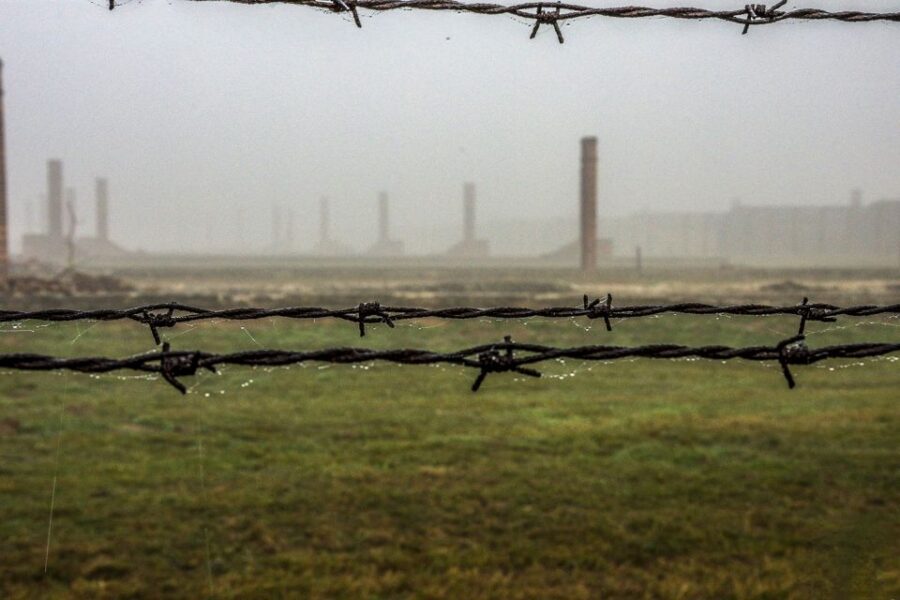
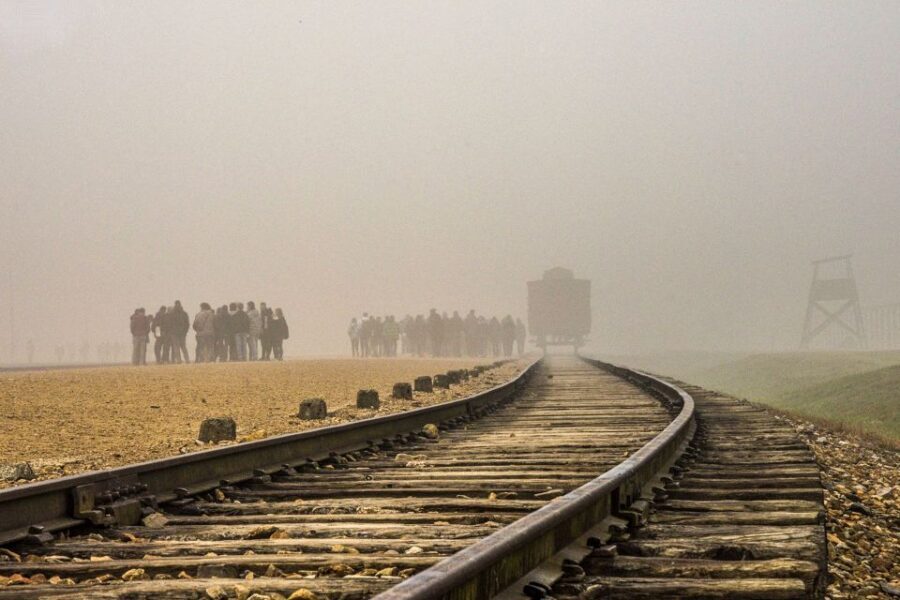
The standout elements include the ruins of the gas chamber area. Seeing what remains, while hearing the guide explain the purpose and historical reality, can be emotionally overwhelming. People often feel a strange mix: the place is physically open and exposed, but the story makes it feel closed in—like you can’t quite breathe your normal way.
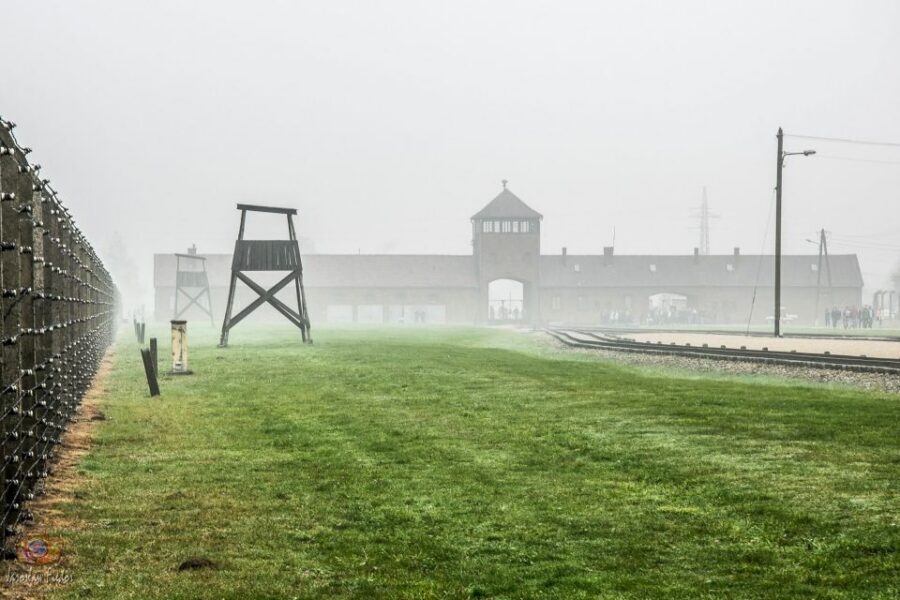
Birkenau is also where the size of the camp becomes the lesson. Auschwitz I helps you understand the system’s early structure. Birkenau shows you the scale and how mass processing worked. That combination is part of why this route is so strongly recommended: it doesn’t treat Birkenau as a separate stop. It treats it as the logical next step.
In terms of pace, you should expect a guided march between key points with limited room to drift. One common complaint is that the tour moves through exhibits quickly because many groups are scheduled. I’d plan accordingly: take notes if you like, but don’t expect a slow browse of every display. The guide’s commentary is part of what you’re paying for.
Duration and timing: why 225 minutes can feel both short and long
The total duration is about 225 minutes (around 3 hours 45 minutes). That sounds doable on paper. In practice, it’s enough time to cover Auschwitz I and Birkenau, but it can also feel intense because the emotional weight doesn’t pause for the clock.
The tour can operate between 7:00 AM and 3:30 PM, and you choose a preferred start time. Still, the exact starting time is sent the day before. That’s a real heads-up. If you’re tying the trip to train schedules, restaurant bookings, or a long drive back, build slack. A small time shift can change your whole day.
For planning, treat this as a half-day commitment with emotional stamina requirements. Don’t stack sightseeing right after. If you need to eat again, give yourself time to do something gentle afterward.
Price and value: why $21 can be a good deal here
The price is about $21 per person, which might seem low for skip-the-line entry plus a licensed guide. The value comes from what’s bundled:
- Entrance ticket to Auschwitz-Birkenau
- Licensed guide from the museum
- All booking fees
You don’t need to buy separate tickets and hunt down a qualified guide. You also get skip-the-ticket line, which reduces the idle wait. That’s not just convenience. It’s more time for the actual content.
What’s not included is also clear. Transportation to/from your accommodation isn’t included, parking fees aren’t included, and food and drinks aren’t included. Since you’re encouraged to bring lunch and drinks, I’d budget for small extra costs only if you forget.
In plain terms: you’re paying for access and interpretation. If you want a guided, structured visit to both Auschwitz I and Auschwitz II Birkenau, this price often feels like you’re buying the right thing rather than cobbling together parts.
Who should book (and who might want a different format)
This tour fits best if you want:
- A clear guided route through Auschwitz I and Auschwitz II Birkenau
- A museum-licensed explanation while you look at the remains
- The ability to manage the day through a structured timeline, including a lunch break
It may not fit you if you:
- Need wheelchair accessibility, since it’s listed as not suitable for wheelchair users
- Want a long, slow, independent walk through exhibits after the guided portion (the tour is structured and time-limited)
- Are easily thrown by last-minute schedule changes, since the exact start time can be sent the day before
If you’re traveling with kids, it can work if they can handle serious topics and a guided pace. Some families say their children stayed engaged during the visit, especially when the guide speaks clearly and calmly through the headsets.
Should you book this Auschwitz-Birkenau guided skip-the-line tour?
If you want the most efficient way to see Auschwitz I and Auschwitz II Birkenau with a museum licensed guide, I’d book this. The mix of skip-the-line entry, guided structure, and coverage of the key remains makes it a strong value for the emotional and educational stakes.
Book with eyes open: you should expect a fast-ish pace, a short break window, and a day that doesn’t leave much room for wandering. If you handle that well, you’ll get exactly what you came for—context you can’t easily piece together on your own, and the chance to stand in the places that carry WWII’s darkest history.
FAQ
FAQ
How long is the Auschwitz-Birkenau skip-the-line guided tour?
The duration is about 225 minutes, which is roughly 3 hours 45 minutes.
Is skip-the-line entry included?
Yes. This option includes skip the ticket line access.
Who provides the guide?
You get a live licensed guide provided by the Auschwitz-Birkenau Museum.
What parts of the camps does the tour include?
You’ll visit Auschwitz I and Auschwitz II Birkenau, including the main gate at Auschwitz, original barracks at Auschwitz I, and ruins of the gas chamber area in Birkenau.
What should I bring?
Bring your passport or ID card. Lunch and drinks are recommended to bring.
Are backpacks allowed?
Large bags are not allowed. The maximum permitted size is 20 x 30 cm.
How long will I spend at Auschwitz I and Birkenau?
Auschwitz I takes about 1 hour 20 minutes to 1 hour 50 minutes, and Birkenau takes about 1 hour.
Is transportation included between Auschwitz and Birkenau?
Transportation to/from your accommodation is not included. For moving between Auschwitz I and Auschwitz II, the tour includes a short break, and you’re expected to reach the car parking area in Brzezinka on your own transport during that break period (about 2 km).