REVIEW · KRAKOW
Krakow: Schindler’s Factory Skip-the-Line Ticket
Book on GetYourGuide →Operated by Krakowbooking · Bookable on GetYourGuide
Krakow’s quiet factory carries loud history. This skip-the-line ticket gets you inside one of the city’s most important WWII museums faster, then walks you through how Nazi occupation shaped everyday life.
I especially like two things: the setting is the original enamel factory tied to Oskar Schindler, and the exhibits focus on personal human stories rather than only big-picture dates. One consideration: the material is heavy and text-heavy, so whether you pick guided or ticket-only really matters for how much it lands.
In This Review
- Key Points to Know Before You Go
- Schindler’s Factory: What Your Skip-the-Line Ticket Actually Does
- The Original DEF Enamel Works (1937): History in the Actual Building
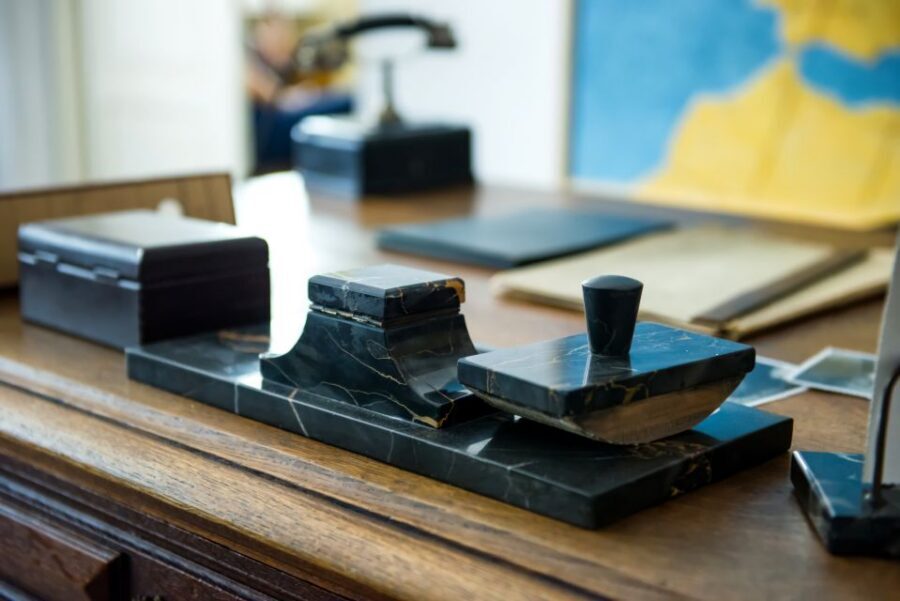
- Schindler’s Office and Survivor’s Ark: The Symbolic Turn in the Story
- Life Under Nazi Occupation: Personal Stories Inside a Larger Catastrophe
- The 90-Minute to 2-Hour Pace: How Long It Feels in Real Life
- Guided vs Ticket-Only: Decide Based on How You Learn
- If you choose the guided option
- If you choose ticket-only
- Getting In Smoothly: ID, Timing, and Finding Your Way
- Price Check: Is $25 Worth It for This Museum in Krakow?
- Pair It With Krakow’s Ghetto Wall and Memorial Square
- Common Mistakes to Avoid (So You Don’t Waste Your Ticket)
- Should You Book This Skip-the-Line Ticket for Schindler’s Factory?
- FAQ
- How long does the Schindler’s Factory visit take?
- What’s included with the skip-the-line ticket?
- Are live guides included for ticket-only options?
- Do I need to bring my ID or passport?
- How will I receive my tickets if I booked a ticket-only option?
- Can I skip the queue at the museum?
- Is this experience wheelchair accessible?
- Is the booking refundable?
Key Points to Know Before You Go
- Skip-the-line access: you avoid standing around while others try to buy entry.
- Original DEF factory space (1937): you’re viewing history in the place where it unfolded.
- Schindler’s office and Survivor’s Ark: a symbolic stop that ties the story together.
- Life under Nazi occupation, not just Schindler: you’ll see how Krakow’s Jewish community was affected day to day.
- Guides like Tom/Thomas and Navia: several guides are praised for clear, emotional storytelling.
- Pair it with nearby ghetto sites: it’s close to the Ghetto Wall and Ghetto Memorial Square.
Schindler’s Factory: What Your Skip-the-Line Ticket Actually Does
For $25, what you’re really buying is time and focus. Schindler’s Factory is one of those places that draws long lines, and arriving without a timed ticket can turn a 2-hour museum visit into a half-day waiting game. With this ticket, you can go straight into the exhibition instead of circling the block hoping the line moves.
The other practical win is psychological. When you’re not stuck in queue stress, you can start the museum with your attention switched on. That matters here, because the exhibits don’t just describe the Holocaust in broad strokes. They show how occupation reached into daily routines, paperwork, jobs, fear, and choices.
If you’re doing the ticket-only option, there’s no live guide included. If you’re choosing a guided option, your live guide will meet you (and tickets are handled differently), which can change how smoothly you follow the story.
You can also read our reviews of more tours and experiences in Krakow


The Original DEF Enamel Works (1937): History in the Actual Building

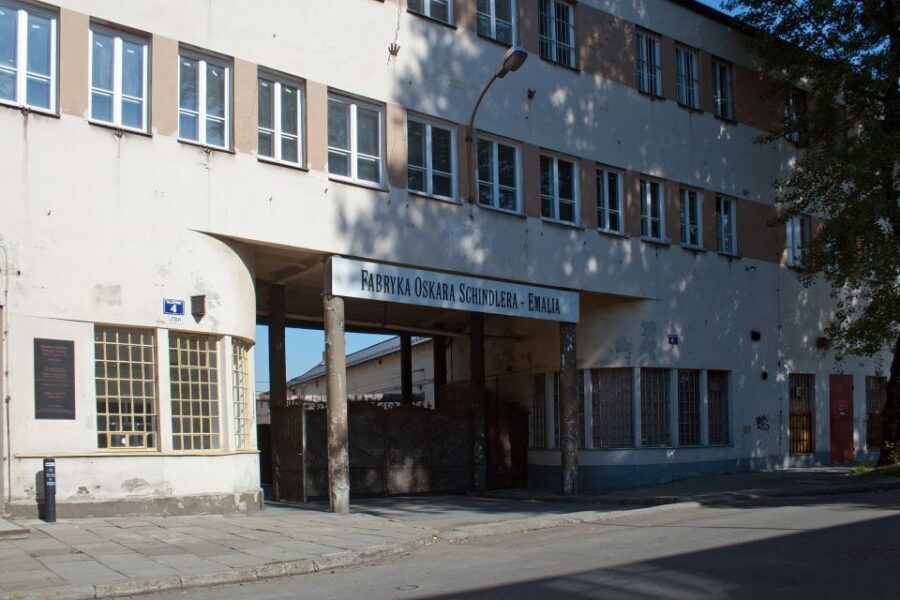
One reason this museum hits so hard is that you’re inside the industrial space connected with Oskar Schindler’s Deutsche Emailwarenfabrik (DEF). The factory dates to 1937, so you’re not visiting a themed replica. You’re walking through a real workplace setting that later became part of the story of survival.
Inside, the exhibits use the factory atmosphere to keep the WWII narrative grounded. You’ll see how industrial life intersected with persecution—how “work” and “orders” could become tools of control, and how human courage could still exist inside an extreme system.
A small detail that matters: when the museum tells the story, it often feels like you’re learning alongside the objects and the rooms. That’s a different feeling than reading chapter headings in a book.
Schindler’s Office and Survivor’s Ark: The Symbolic Turn in the Story
A highlight that keeps coming up is the visit to Schindler’s personal office area and the symbolic Survivor’s Ark. Even if you already know the outline of Schindler’s story, this section tends to change your perspective.
The idea behind Survivor’s Ark is simple but powerful: it frames rescue as something that had to be built intentionally, step by step, while the system tightened. In a museum that can feel relentlessly grim, this is one of the moments that offers structure to the emotions.
You’ll also notice how the museum keeps the focus on individuals. It’s not only about what happened to people; it’s about how people were seen, sorted, threatened, and—through extraordinary action—sometimes saved.
Life Under Nazi Occupation: Personal Stories Inside a Larger Catastrophe
What makes this museum more than a WWII checklist is how it links personal drama to the broader Nazi system. You’ll learn about Krakow under Nazi occupation over nearly six years, and you’ll see the way the occupation reshaped the lives of Jewish residents and others caught in the machinery of persecution.
You can expect the story to cover the overlap between:
- everyday life and imposed restrictions,
- documents and bureaucracy and their human consequences,
- ordinary conversations and the looming danger behind them.
This is also why the film version of Schindler’s story can feel different from the museum experience. If you’ve watched Schindler’s List or read about Schindler’s life in other formats, you’ll still recognize names and themes. But here, the museum keeps pushing outward into what life looked like in Krakow—so the tragedy feels less like distant history and more like a chain of lived events.
The 90-Minute to 2-Hour Pace: How Long It Feels in Real Life

The museum visit runs about 90 minutes to 2 hours. That time window is good if you want a meaningful stop without stealing too much of your day. It’s also honest: this isn’t a quick “photo and go” place.
If you like to read carefully, plan toward the longer end. A number of visitors note there’s a lot of information to take in. If you’re the type who skims exhibit panels, you might feel like you’re rushing; if you read slowly, you’ll likely want a bit more time than you get.
Timing tip: if you’re stacking Krakow sightseeing that day, leave room for a slow-down after the emotional parts. Even if you only schedule other nearby sites, give yourself buffer time so you don’t turn the experience into a timed sprint.
You can also read our reviews of more tours and experiences in Krakow





Guided vs Ticket-Only: Decide Based on How You Learn
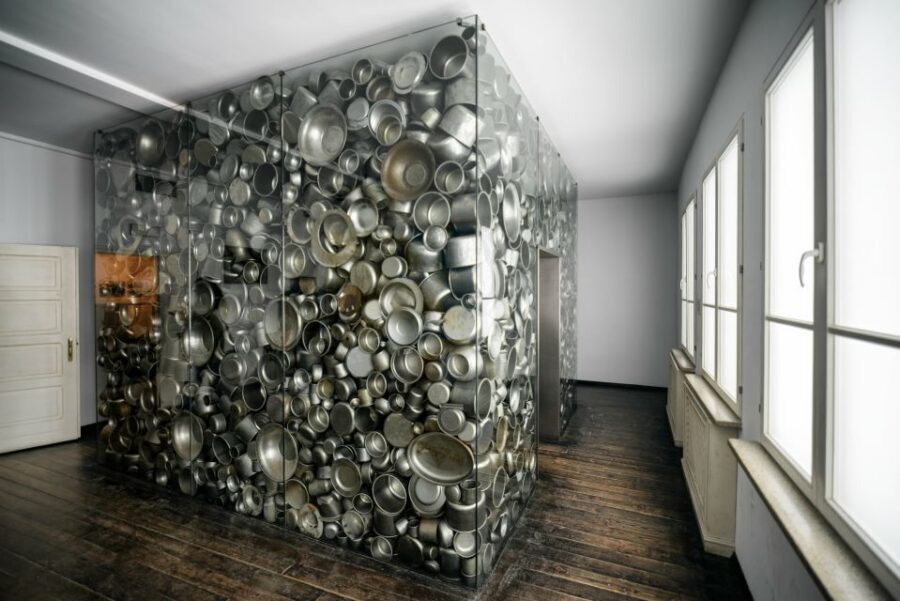
This is the big decision point.
If you choose the guided option
A live guide can connect themes, explain context, and point out what matters most as you move through the rooms. Several guides tied to the experience—names like Tom, Thomas, and Navia—are known for making the story clear and emotionally resonant. You’ll also get the advantage of someone structuring the museum for you, so you’re less likely to miss the “why this detail matters” thread.
A guided tour can also be helpful if you’re not already deep into the Holocaust and Polish-Jewish history. With a guide, you can process faster without having to translate the exhibit narrative yourself.
If you choose ticket-only
You’ll still get skip-the-line entry, and you can go in at your time slot. The museum works, but it places more responsibility on you to connect the dots. If you want to wander at your own pace and you’re comfortable with reading-heavy content, ticket-only can be fine.
One practical drawback: people sometimes find the museum’s information dense. If you prefer explanations spoken out loud—especially during emotional sections—then the guided option is a better fit.
Getting In Smoothly: ID, Timing, and Finding Your Way
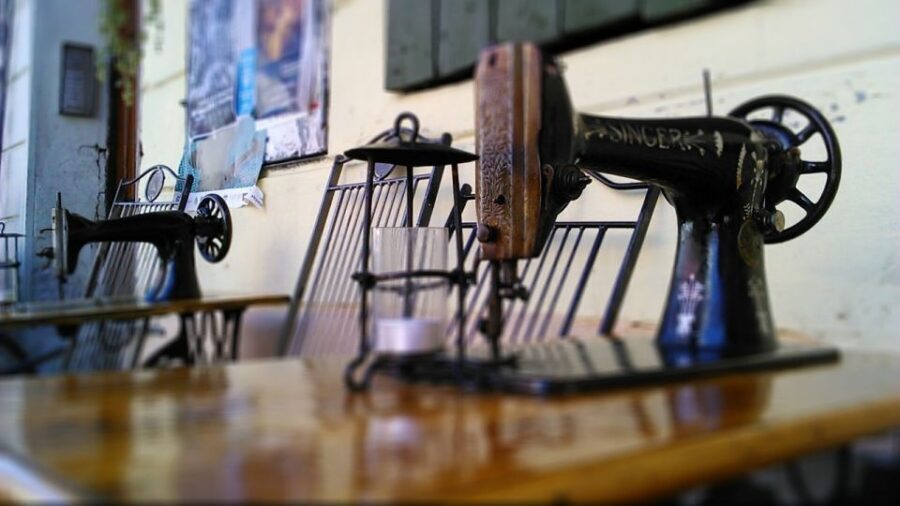
This museum is strict about physical ID or a passport. Bring the real thing. When the story is so serious, the museum process is also serious: you’ll need your document to enter.
Ticket delivery depends on what you booked:
- With the guided option, you should expect tickets provided at the meeting point by your guide.
- With ticket-only, your ticket arrives by WhatsApp or email from the provider a day before your tour. Make sure the contact details you enter are correct, or you may lose the ticket you need.
Meeting point can vary depending on the option booked, so double-check your specific pickup instructions before you head over. Also, one simple tip: when you get near the building, follow the directions on where to queue or walk to the correct entrance path. It’s usually straightforward, but it’s easy to drift if you’re distracted.
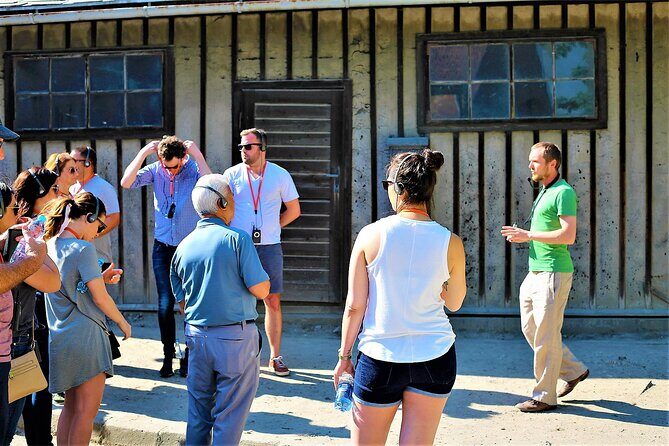
Inside, you’ll likely be set up with audio/earphones for the tour portion if you booked the experience that uses guide audio. There’s also a cloakroom for belongings, which helps if you’re carrying a backpack or extra layers.
Price Check: Is $25 Worth It for This Museum in Krakow?
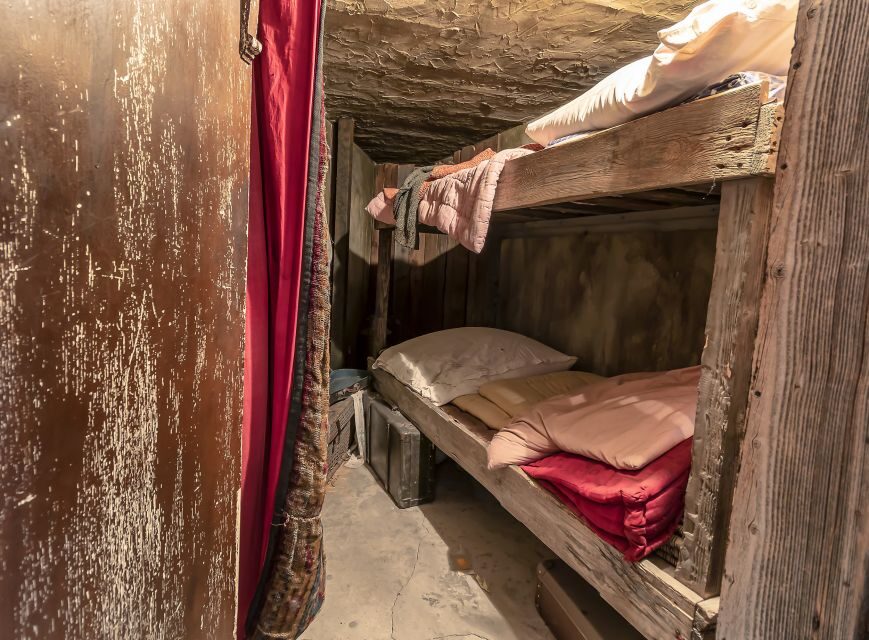
At $25, the cost is not low, but it’s also not outrageous for a top-tier, high-demand museum. Here’s why it tends to feel like good value:
- You’re saving time by skipping the line, which is worth real money when you consider how long the wait can be.
- The experience is structured around key narrative stops, so you’re not just paying entry—you’re paying for story flow.
- With a guided option, you also add a live explanation, which can reduce the chance you’ll leave understanding less than you hoped.
One fair way to judge value: if you’re the sort of person who would otherwise stand in line, spend time figuring out the story, and then wish you had context afterward, the guided skip-the-line format often pays for itself in clarity.
If you’re on a tight schedule and you know you’ll read panels and follow the museum narrative closely, ticket-only can also be a decent way to get in fast without paying for a guide.
Pair It With Krakow’s Ghetto Wall and Memorial Square

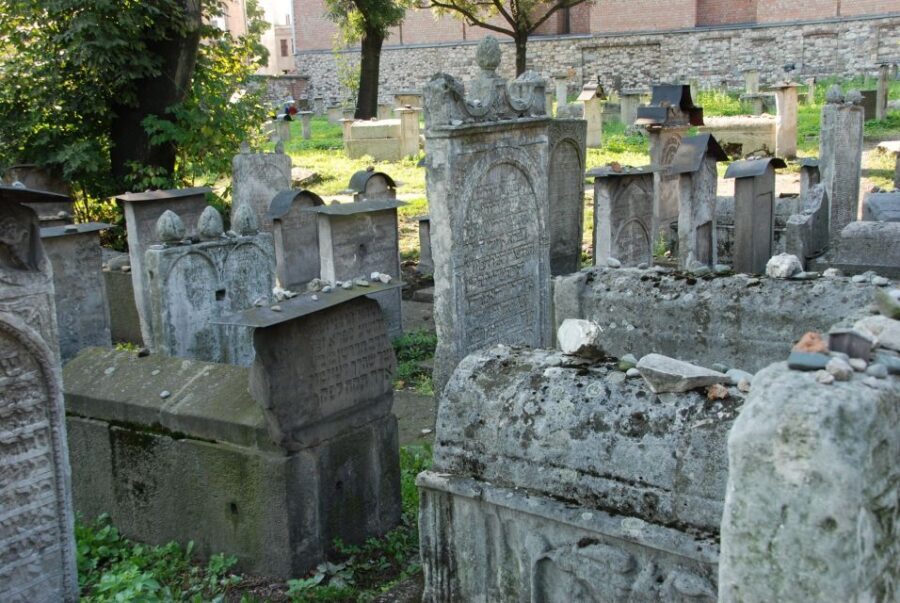
A smart planning move: schedule this museum alongside nearby WWII remembrance sites. The Ghetto Wall and Ghetto Memorial Square are within a few minutes’ walk from Schindler’s Factory area. That means you can turn one emotional visit into a fuller understanding of place and memory.
If you’re hungry afterward, there are cafes and restaurants nearby too. Keep that in mind when you pick your time slot—being able to step out for food without traveling across town makes the day easier.
Common Mistakes to Avoid (So You Don’t Waste Your Ticket)

This museum isn’t hard to visit, but it has a few landmines:
- Forgetting your ID/passport. Don’t.
- Booking ticket-only when you really want narration. The exhibits contain a lot of text and context.
- Over-scheduling the rest of your day. The museum can be emotional and tiring.
- Taking photos nonstop early on. Use the first 15 minutes to get your bearings and then settle in. You’ll understand more that way.
Also note: some visitors point out that a few English text elements can be tough to read due to contrast or placement. If you rely heavily on reading translations, go in expecting to take your time.
Should You Book This Skip-the-Line Ticket for Schindler’s Factory?
Yes—if you want a fast, structured entry into one of Krakow’s most meaningful WWII museums. If you care about understanding the connections between Nazi occupation and daily life, this ticket is a strong choice because it reduces friction and keeps you focused on the story.
I’d book the guided option if you want spoken explanation, tighter context, and better storytelling flow—especially if you’re not already familiar with the history. I’d go ticket-only if you prefer reading at your own pace and you’re comfortable processing dense, emotionally heavy material without a guide.
Either way, start with the right expectations: this is not light sightseeing. But it is clear, powerful, and worth your time in Krakow.
FAQ
How long does the Schindler’s Factory visit take?
Plan for about 90 minutes to 2 hours, depending on the timing of your visit.
What’s included with the skip-the-line ticket?
Your booking includes skip-the-line entry to Oskar Schindler’s Factory. A live guide is included only if you selected a guided option.
Are live guides included for ticket-only options?
No. For the skip-the-line (ticket-only) options, a live guide is not included.
Do I need to bring my ID or passport?
Yes. You must bring your physical passport or ID card for entry.
How will I receive my tickets if I booked a ticket-only option?
You’ll receive your entry ticket by WhatsApp or email from the activity provider about a day before your tour. Make sure your contact details are correct.
Can I skip the queue at the museum?
Yes. The ticket is designed for skip-the-line entry, letting you go straight into the exhibition.
Is this experience wheelchair accessible?
Yes, it is listed as wheelchair accessible.
Is the booking refundable?
No. This activity is non-refundable.