REVIEW · KRAKOW
Krakow: Schindler’s Factory & Ghetto Guided Tour
Book on GetYourGuide →Operated by excursions.city · Bookable on GetYourGuide
This tour hits hard—in a useful way. You get a guided route through Schindler’s Enamel Factory and Kraków’s wartime Jewish ghetto, with the story tied to real places you can stand in front of today.
I especially like how the museum layout uses narrow, dim rooms to recreate the feeling of pressure and confinement. It’s history that you experience with your senses, not just your eyes.
What I love most is the mix of access and context. First, the skip-the-line admission saves time in a museum where you want to start learning right away. Second, the guided ghetto walk turns exhibit facts into a clear, place-by-place timeline, including Ghetto Heroes Square and the Under the Eagle Pharmacy.
One thing to consider: the pace is guided, not free-roaming. The museum includes small rooms and tight corridors, so if you prefer lots of quiet reading and slow photo time, you may feel slightly rushed.
In This Review
- Key things to know before you go
- Schindler’s Enamel Factory: why this museum setup works
- Skip the line and start with the right guide
- What you’ll see inside: Kraków under Nazi Occupation 1939–1945
- Oskar Schindler’s story—placed in the bigger tragedy
- The ghetto walk starts at the walls
- Ghetto Heroes Square and the Chair Memorial
- Under the Eagle Pharmacy: Tadeusz Pankiewicz’s choice to help
- Pace, group size, and why the museum rooms can feel tight
- Timing, meeting point, and how to not miss your group
- Price and value: what $57 buys in a 3-hour experience
- Who should book this tour—and who might skip it
- Should you book this tour?
- FAQ
- How long is the Kraków Schindler’s Factory & Ghetto guided tour?
- What is the meeting point for the tour?
- What’s included in the price?
- Is food included?
- What languages are available?
- Does Schindler’s Factory still have original factory machinery?
- What stops do we see during the ghetto walk?
- Does the tour run in bad weather?
Key things to know before you go
- Skip-the-line entry gets you into Schindler’s Factory faster than doing it on your own
- Narrow, dim rooms are designed to recreate wartime confinement
- A licensed expert guide connects Schindler’s story to what happened to Kraków’s Jewish community and others too
- Ghetto Heroes Square includes the Chair Memorial and the deportation-story setting
- Under the Eagle Pharmacy brings in Tadeusz Pankiewicz and the choice to help
- A 3-hour time box means you’ll see a lot, but you won’t linger everywhere
Schindler’s Enamel Factory: why this museum setup works
Schindler’s Factory is not the kind of museum where you casually drift from plaque to plaque. It’s organized to make you feel the shape of the wartime world—limited space, limited choices, and constant uncertainty.
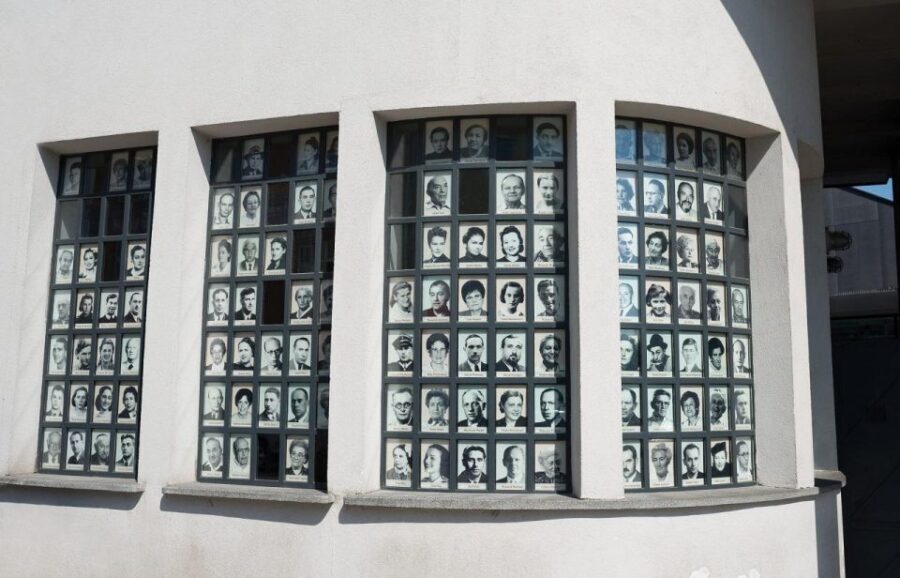
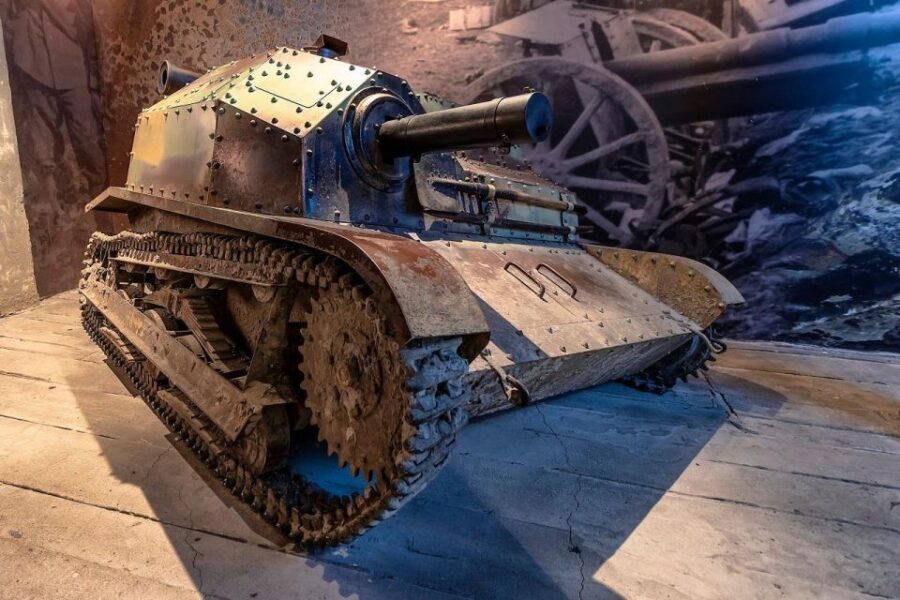
Right at the start, you’ll go into the museum housed in the former enamel factory connected to Oskar Schindler. The big reality check: this is a museum today, and it doesn’t have original factory machinery from Schindler’s operations. Instead, what you get is an exhibit experience built around documents, photographs, artifacts, and scenes that explain how Nazi occupation reshaped Kraków.
You can also read our reviews of more guided tours in Krakow
Skip the line and start with the right guide
Meeting matters here. You’ll meet your guide in front of the main entrance to the museum on the right-hand side, with an excursions.city sign in hand. Try to arrive about 10 minutes early, because once the group leaves, late arrivals can’t join and tickets can’t be refunded.
That skip-the-line part is a real value add. Schindler’s Factory can be busy, and waiting defeats the point of a guided visit—your goal is to start with context and keep momentum. With your guide, you’re not just scanning the museum. You’re following a guided storyline.
Also, plan on one language per tour group. If you’re deciding between English, Italian, French, Spanish, or German, pick carefully when you book, because the group won’t bounce between languages mid-visit.
What you’ll see inside: Kraków under Nazi Occupation 1939–1945
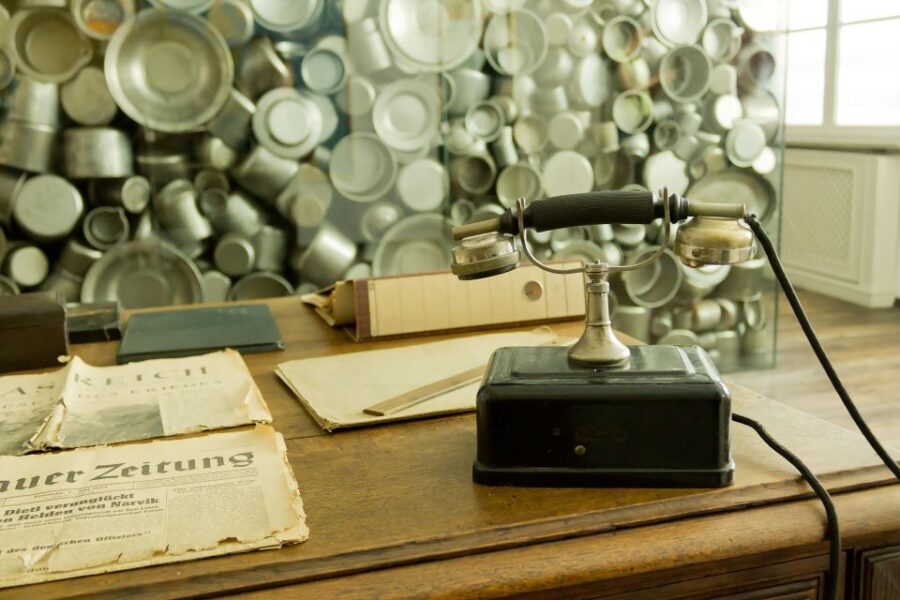
The museum exhibition is centered on Kraków under Nazi Occupation 1939–1945, and that’s key. This isn’t framed as only a biography of Oskar Schindler. Yes, you’ll learn about him and the role his factory played for Jewish workers. But the museum’s emphasis is broader: how war policies changed daily life for both Jewish and non-Jewish residents in Kraków.
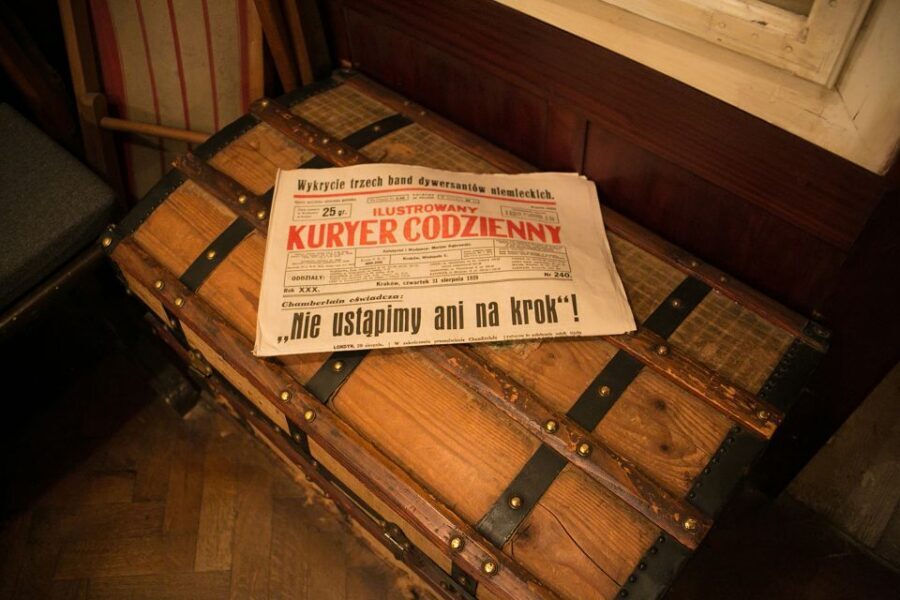
As you move through the galleries, the design deliberately uses narrow corridors and dim lighting. Expect many rooms that feel cramped, with the exhibit telling you where to look and what to notice next. That can sound gloomy on paper, but it works. You start understanding the psychological weight of the setting—fear and pressure aren’t abstract here.
You’ll also encounter originals like photographs and artifacts, plus reconstructed scenes that show how persecution unfolded in stages. The story doesn’t jump randomly; it builds. By the time you’re near Schindler’s role, you understand the broader machinery of oppression that made individual acts of courage so rare and so consequential.
Oskar Schindler’s story—placed in the bigger tragedy
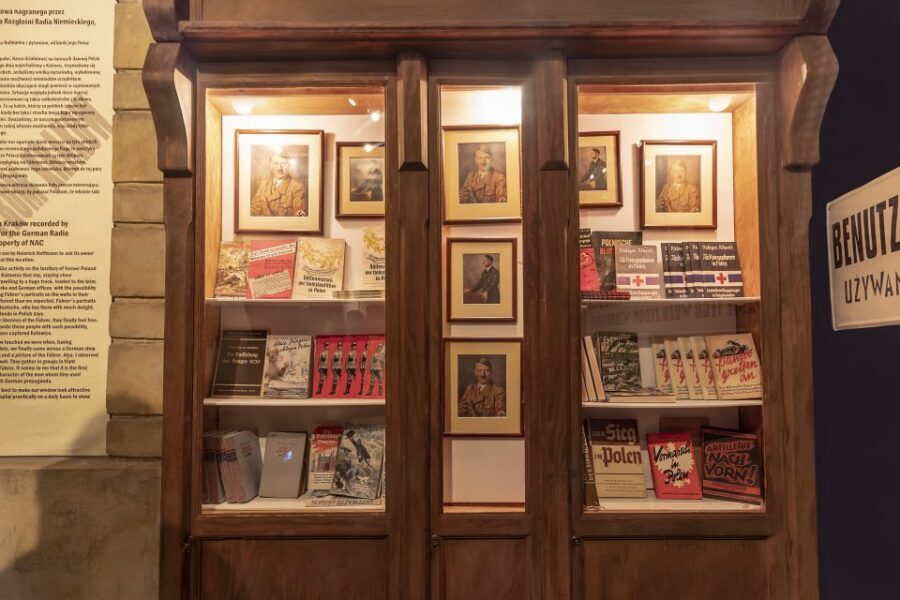
You’ll hear the story of Oskar Schindler and how his factory provided refuge to more than a thousand Jewish workers. But here’s what makes the guided approach useful for your understanding: it doesn’t treat Schindler’s actions as a standalone miracle.
Instead, your guide frames Schindler’s story inside the wider narrative of persecution, deportations, and the destruction of Kraków’s Jewish community. The result is a clearer view of cause and effect. You don’t just leave with names and dates; you leave with a sense of how quickly reality shifted for people who had almost no control.
This is also where your guide’s tone matters. The best guides keep facts precise while still respecting the emotional weight of what happened. In the setup you’re booking, that balanced delivery is a big reason people rate this tour so highly.
The ghetto walk starts at the walls
After the museum, you’ll move from exhibit rooms to real streets. The ghetto portion begins at the remains of the Ghetto Walls—a stark reminder that confinement wasn’t just a feeling. It was a physical system that separated people from the rest of the city.
From there, the walking route builds toward the ghetto’s most important public space, so you’re not wandering. You’re following a geography of memory.
Because this is a short, 3-hour experience overall, expect the walk to stay focused. It’s enough time to connect the dots without turning the experience into a long slog—just long enough to feel the change in atmosphere when you cross from museum learning into outdoor remembrance.
Ghetto Heroes Square and the Chair Memorial
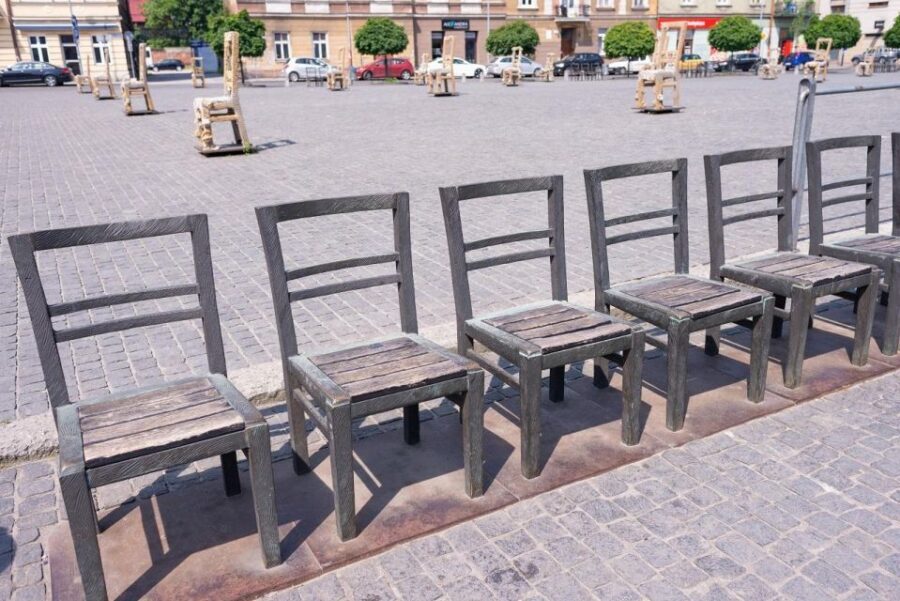
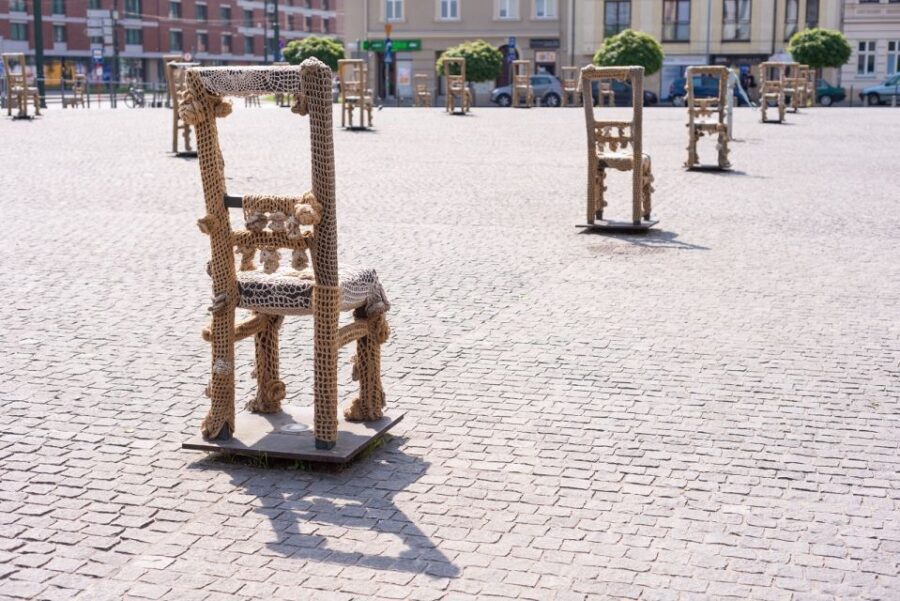
The heart of the ghetto story is Ghetto Heroes Square. This is where deportations to extermination camps took place, and your guide explains what the square represents today.
The Chair Memorial is the standout. The chairs are symbolic, each one tied to lives lost. It’s not about shock value. It’s about scale and absence—how many people disappeared, and how that disappearance should never become ordinary.
If you’re the type who needs time to process visuals, bring that energy with you. You’ll likely have a few moments where you’ll want to stand quietly and let what you learned sink in.
Under the Eagle Pharmacy: Tadeusz Pankiewicz’s choice to help
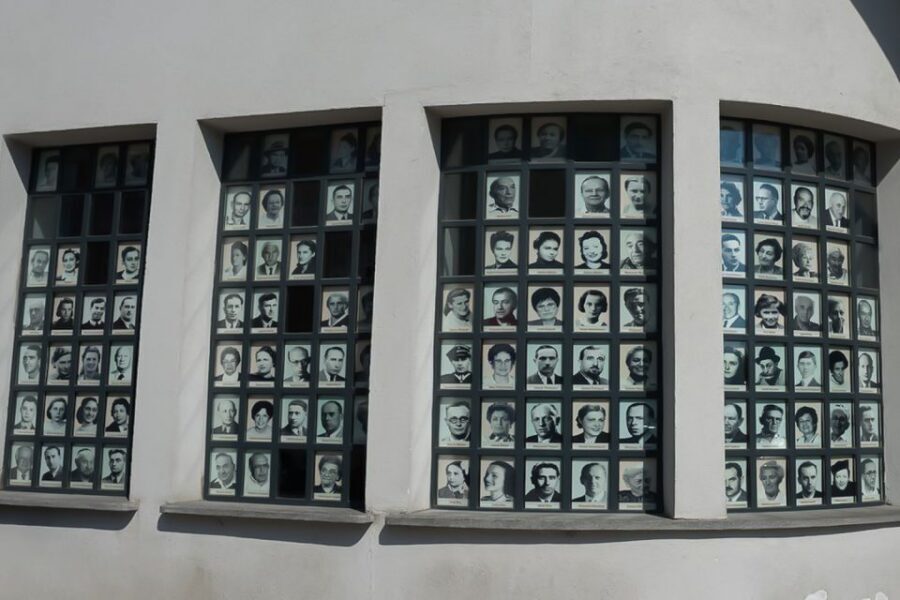
Across from the square you’ll see the Under the Eagle Pharmacy, and this stop brings in a different kind of courage: helping from within danger.
Your guide will tell you about Tadeusz Pankiewicz and his staff, who aided ghetto residents by preserving medicine and hope. This isn’t only about survival in the most physical sense. It’s about medicine as a form of resistance—keeping people alive long enough to endure another day.
I like that this detail refuses a one-note story. You get persecution and deportation, but you also get human decisions—people choosing to protect others when the system was designed to destroy them.
Pace, group size, and why the museum rooms can feel tight
The total duration is 3 hours, which means this tour is built for a focused visit rather than leisurely wandering. You’ll likely spend a chunk of that time inside the museum—often around the two-hour range in practice—then move onto the ghetto walk.
Here’s the practical part: the museum’s corridors and rooms are small by design. Some people find it totally fine. Others want more space and more time to look closely at every exhibit and every caption.
You can help yourself by setting expectations. Go in knowing you’ll get a strong narrative and then, if you want, plan to return later for slower solo time. You’ll get more out of that second visit if you’ve already walked through the guided structure first.
Also, head support can matter. In this kind of museum tour, sound equipment and clear audio are often used so you don’t miss details while you’re walking through tight spaces. With a good guide setup, you won’t feel like you’re straining to hear.
Timing, meeting point, and how to not miss your group
This tour is weather-ready. It runs in all conditions—rain or shine—so plan clothing for Kraków’s reality, not ideal postcard weather.
You should also build in a buffer for finding the meeting spot. Meet your guide at the Schindler’s Factory main entrance on the right-hand side with the excursions.city sign. If you’re cutting it close, you’ll feel stressed before the first exhibit even begins.
Finally, from January 1, 2026, there’s an added practical step: your admission uses personalized tickets. The operator asks for the names of all participants during booking, and entry can be denied if names aren’t provided. If you’re traveling with friends, check the booking details early so everyone’s name is correct.
Price and value: what $57 buys in a 3-hour experience
At $57 per person for about 3 hours, the price looks reasonable when you break down what you’re actually paying for.
You get:
- a guided museum visit with skip-the-line admission
- a ghetto walking tour with a licensed guide
Most self-guided attempts fail at one of those two parts. You can buy tickets and walk through on your own, but you’ll likely miss the story connections. You can book a walking tour, but without the museum context, the ghetto stops can feel like disconnected memorials.
In other words, you’re paying for a guided narrative that ties the museum’s wartime depiction to the physical sites outside. That connection is the value.
Still, be honest about the mental load. This isn’t light entertainment. If you prefer upbeat history tours, this one will feel heavy.
Who should book this tour—and who might skip it
This is a strong match if you:
- want a clear guided structure through Schindler’s Factory and the ghetto area
- like expert context that connects documents to place
- are okay with a sobering subject and a pace that doesn’t stop for long photo breaks
You might think twice if you:
- need lots of quiet time to read every label slowly
- get overwhelmed in tight indoor spaces
- prefer purely outdoor sights over museum narratives
If you do book, I’d pair it with extra time afterward in Kraków to decompress. The story stays with you, and a little breathing room afterward makes the experience feel more manageable.
Should you book this tour?
Yes—if you want the best shot at understanding Kraków under Nazi occupation in a short time. The skip-the-line entry and licensed guide setup matter, especially because the museum’s design can be intense and easy to misread without context. The ghetto walk then anchors what you learned to visible landmarks: the walls, Ghetto Heroes Square with the Chair Memorial, and Under the Eagle Pharmacy linked to Tadeusz Pankiewicz.
If you’re the careful planner type, arrive early, choose your language, and wear shoes you can walk in comfortably. Do that, and you’ll come away with a clearer, more grounded picture of both tragedy and human choices.
FAQ
How long is the Kraków Schindler’s Factory & Ghetto guided tour?
The tour lasts 3 hours.
What is the meeting point for the tour?
Meet your guide in front of the main entrance to the Schindler’s Factory Museum, on the right-hand side, where they hold an excursions.city sign.
What’s included in the price?
The tour includes a guide, skip-the-line admission to Schindler’s Factory, and a walking tour of Kraków’s ghetto.
Is food included?
No. Food and drinks are not included.
What languages are available?
Tours are offered in Italian, English, French, Spanish, and German, and each group tour runs in only one language.
Does Schindler’s Factory still have original factory machinery?
No. The building is now a museum, and it does not contain original machinery from the factory.
What stops do we see during the ghetto walk?
You’ll visit the remains of the ghetto walls, Ghetto Heroes Square (including the Chair Memorial), and the Under the Eagle Pharmacy.
Does the tour run in bad weather?
Yes. The tour goes ahead in all weather, rain or shine.
If you tell me your travel dates and preferred language, I can help you pick a good time slot and suggest how to plan the rest of your Kraków day around it.