REVIEW · KRAKOW
Krakow: Auschwitz-Birkenau Guided Tour Pickup/Lunch Options
Book on GetYourGuide →Operated by SeeKrakow · Bookable on GetYourGuide
Auschwitz-Birkenau is not a casual outing. This guided day trip gives you a structured way to understand how the camps worked and what you’re actually looking at, from Auschwitz I’s preserved buildings to Auschwitz II-Birkenau’s extermination sites. I especially like having an English-speaking museum guide who can put names, places, and dates into plain language, without turning the visit into a rushed lecture.
You’ll also appreciate the practical flow of a day trip: round-trip transportation, set breaks, and planned time in the permanent exhibitions and on-site areas like gas chambers and crematories. The one real drawback to consider is that the schedule is driven by museum pacing, so you may feel time pressure in the exhibitions if you want to linger and read every detail slowly.
In This Review
- Key things I’d bank on before you go
- A day trip from Kraków that’s built for clarity, not just photos
- Pickup, transfer time, and the part where you should stay alert
- How the museum entry works and why the skip-the-line matters
- Auschwitz I: the administrative camp segment that sets the framework
- Birkenau: gas chambers, crematories, and the scale that overwhelms
- Breaks and the lunch reality: what you can plan for
- Skip the line, but don’t skip the rules
- Price and value: what you get for about $200 per person
- Group size, headsets, and why “can I hear the guide?” is real
- Who this tour fits best in your Kraków plans
- Should you book this Auschwitz-Birkenau guided tour?
- FAQ
- FAQ
- How long is the Auschwitz-Birkenau guided tour from Kraków?
- Where is pickup in Kraków?
- What time do the tours usually start?
- Is the guide available in English?
- Do we skip the line?
- Which parts of Auschwitz are included?
- Is lunch included?
- Can I bring luggage or large bags?
- What should I bring with me?
- Is this tour suitable for kids?
- What about accessibility for wheelchair users?
Key things I’d bank on before you go
- Licensed guide, museum-first focus: You’re not just sightseeing the grounds; you’re following trained interpretation.
- Skip-the-line entry: Separate entrance helps with the worst of the queue stress.
- Auschwitz I + Birkenau coverage: You get the main camp and the key original areas of Birkenau, not just a quick photo stop.
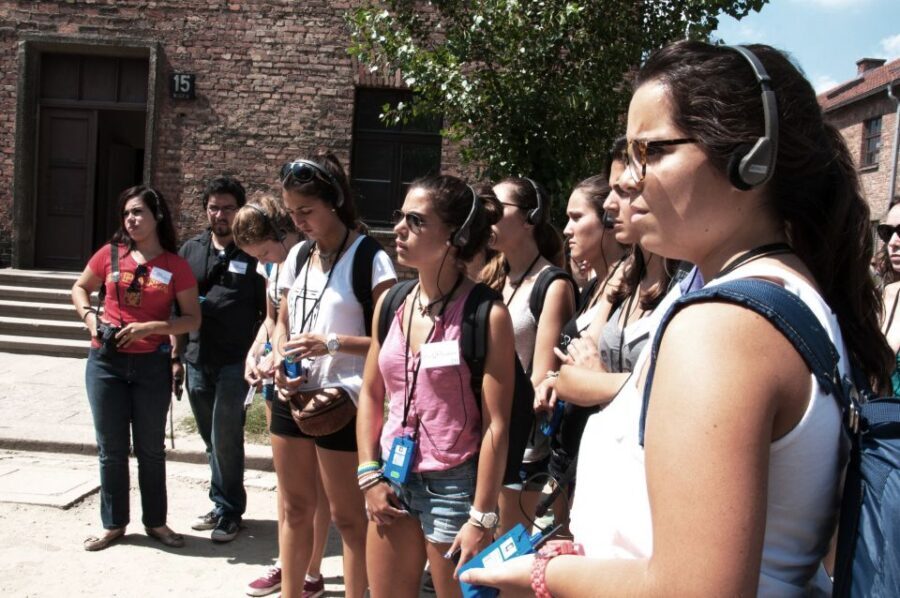
- Audio headsets used on-site: These help you hear the guide even when groups are moving through crowded rooms.
- Food plans need thinking: Lunch is not built into the visit, and on-site options are limited.
- Pick-up can be chaotic in a shared area: Multiple groups can mean confusion if you don’t find your rep fast.
A day trip from Kraków that’s built for clarity, not just photos
This is the kind of tour where the value isn’t the bus ride. It’s the guided interpretation and the fact that you’re seeing the sites in a logical order. You start in Kraków, then head to the complex where the Nazis ran an administrative center, an extermination site, and a major labor component. Even though your guided stops focus on Auschwitz I and Auschwitz II-Birkenau, the framework matters: Auschwitz I helped manage the system, Birkenau is where the mass killing sites are located, and Auschwitz III (Monowitz) is the labor camp piece that fits into the broader machine.
The emotional impact can land hard. People do leave moved, shaken, and sometimes quiet. That’s normal here. I like that the tour format doesn’t treat the subject like a checklist. It gives you enough context to make what you see less random.
If you’re worried about how you’ll handle the visit—don’t. You don’t need to be emotion-proof. You just need comfortable shoes and a plan for a long, heavy day.
You can also read our reviews of more guided tours in Krakow
Pickup, transfer time, and the part where you should stay alert
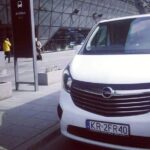
The day starts with pickup in Kraków and a transfer of about 1.5 hours to the Auschwitz area. Along the way, you’ll have that buffer time to settle in and prepare your brain for what’s coming next. When you arrive, the tour includes an initial break—roughly 10 to 20 minutes—before you enter.
Here’s the practical caution I’d highlight: pickup is sometimes shared with other companies and can feel messy at the meeting point. One review mentioned shouting names that were hard to hear and meeting reps that weren’t clearly marked, which led to stressed, back-and-forth searching. You can avoid most of that by being early, watching for your group rep, and having your confirmation message accessible on your phone.
Also note the timing flexibility. Start times can fall between early morning and the afternoon window, and your exact pickup time is confirmed by email the day before. So you should plan your Kraków day around that message, not around guesses.
On the ride itself, expect a typical group-transport setup. Some people have flagged limited legroom and a driver style that felt fast or uncomfortable to them. If you’re sensitive to motion or space, pack water when allowed (see food notes later) and bring layers for comfort. This won’t be a luxury transfer; it’s a tool to get you there on time.
How the museum entry works and why the skip-the-line matters
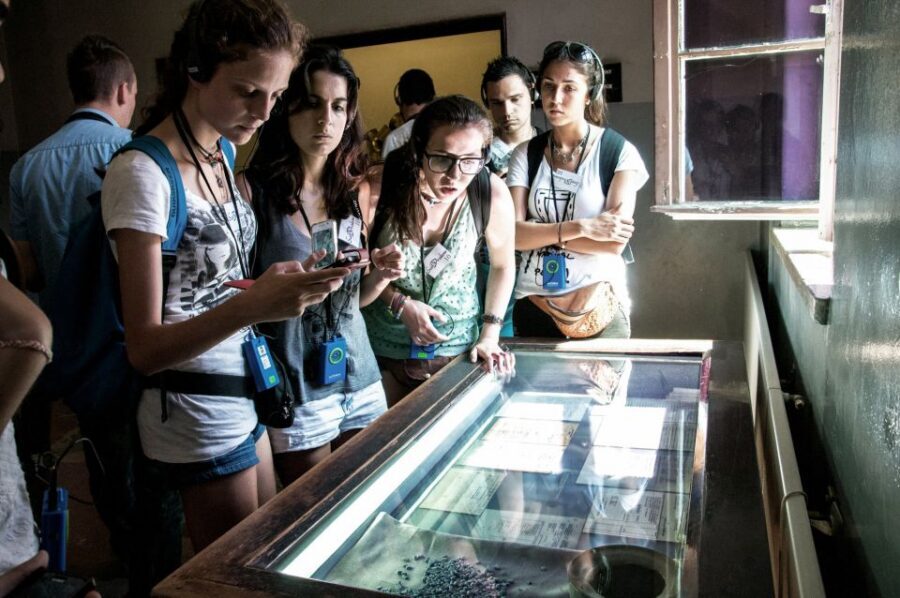
Once you’re at the complex, you go through security screening similar to an airport process—ID and tickets are checked, then you get audio equipment (headsets) so you can follow along with the guide.
The skip-the-line element helps. Instead of fighting for entry time, you’re funneled through a separate entrance that’s designed for tour groups. That matters because the site is busy and you’ll be moving with other tour groups anyway.
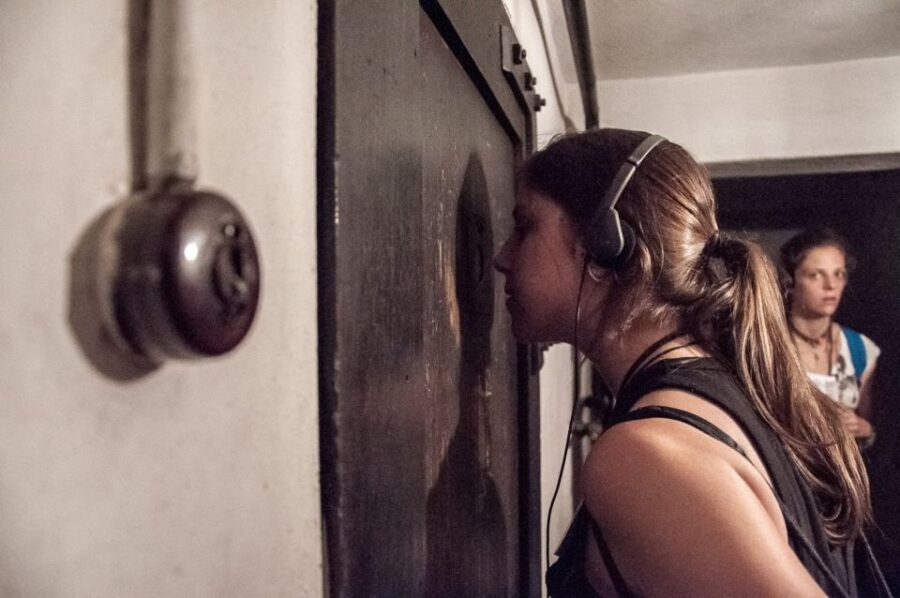
Headsets are a real plus, but they’re not magic. Some visitors reported occasional headset reception issues or crackly audio. If that happens, don’t panic—just raise the issue to your guide or staff, and keep watching for visual cues while you move between buildings.
Auschwitz I: the administrative camp segment that sets the framework
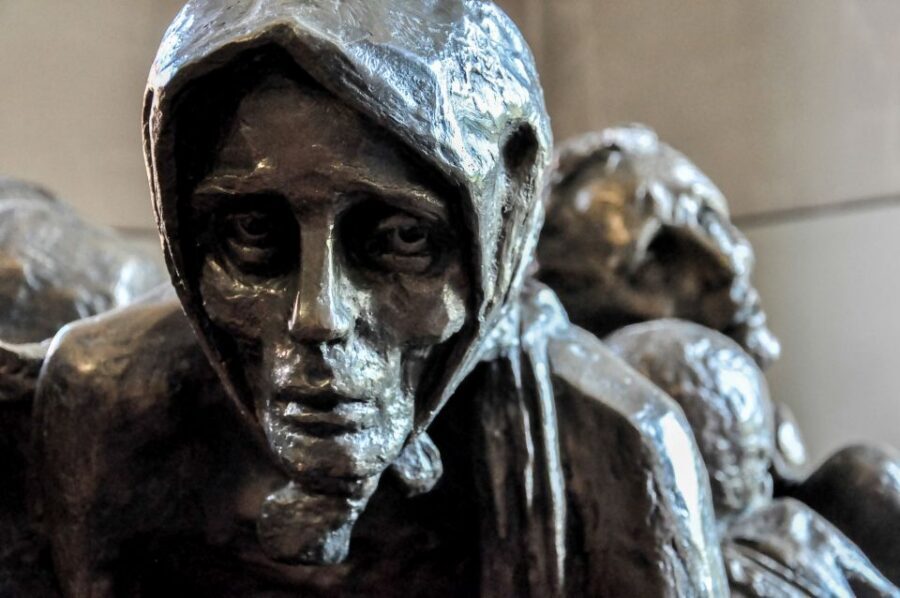
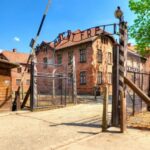
Your Auschwitz I portion is where you build the mental map. You enter the main part of the complex through the main entrance and see original camp buildings. This is not a museum “about the idea” of the camp; it’s the preserved physical layout that helps you understand how the system operated.
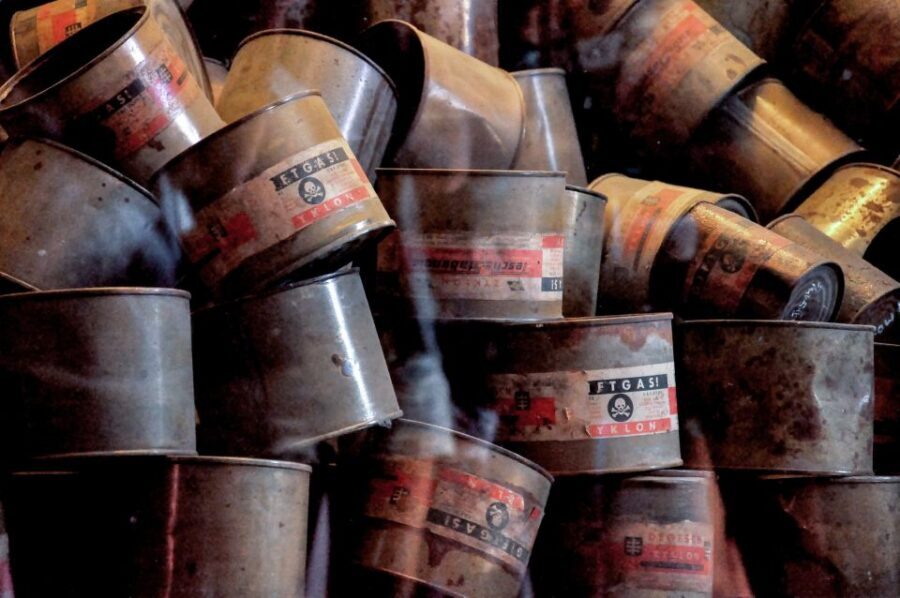
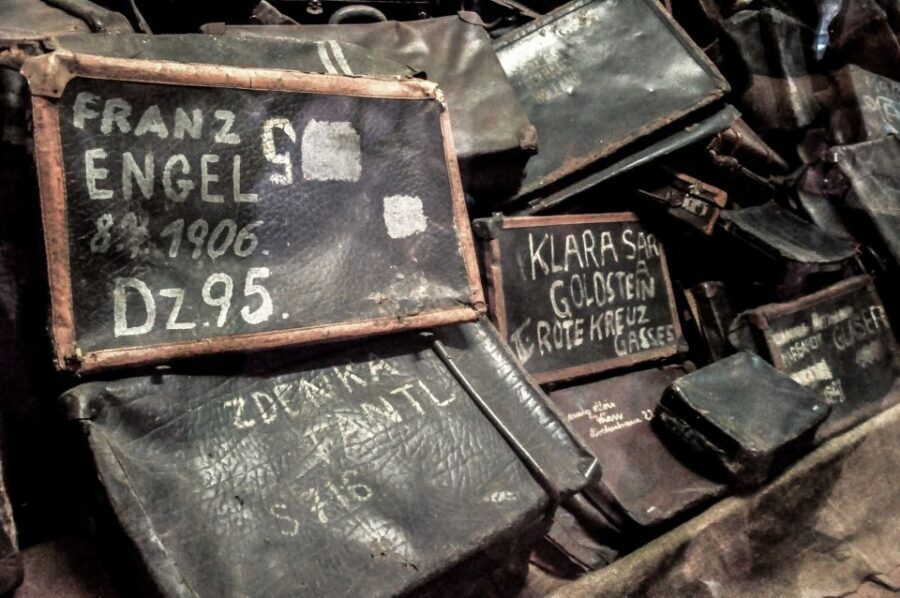
Auschwitz I is the administrative center in the overall camp complex. That’s why it’s so important. It’s where the bureaucracy, organization, and control mechanisms come into focus, alongside the evidence presented in the permanent exhibitions. The tour includes time for the museum permanent displays and the chance to see personal belongings kept as part of the historical record.
Your guide’s job is to translate the site into understandable structure. In the best moments, they connect what you’re seeing—objects, rooms, documents, building layouts—to the lived reality of prisoners. This is also where you’ll likely feel the weight most strongly, because the exhibits include personal items and story fragments that make the loss feel immediate rather than abstract.
Time can feel tight. One critique I took seriously from visitor feedback: the visit can feel rushed, and some people wish they had more time to read at their own pace, especially in photo halls or rooms with dense information. The tour is organized around museum-determined pacing, so if you know you need long reading time, plan to return later on your own someday. On this day trip, the goal is coverage with expert guidance, not leisurely wandering.
Birkenau: gas chambers, crematories, and the scale that overwhelms
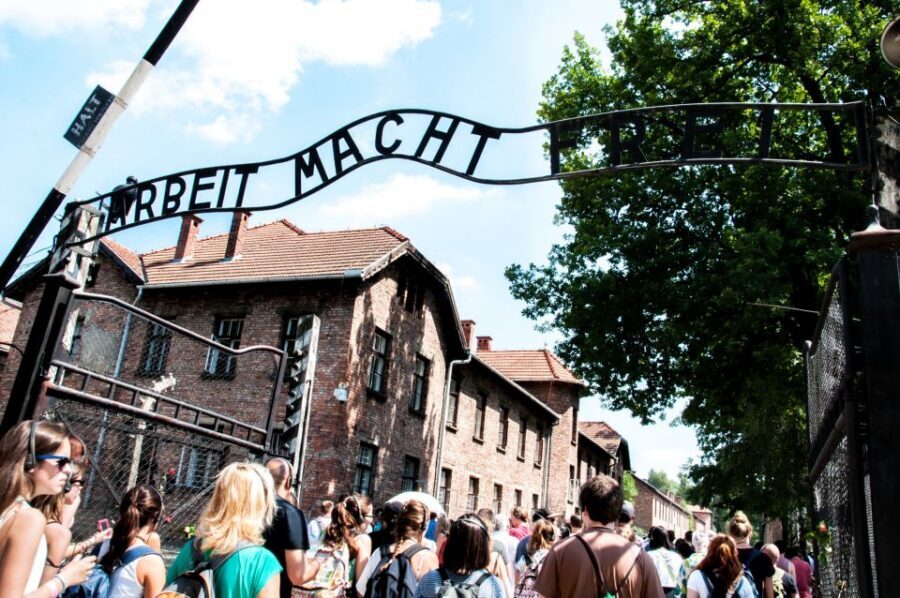
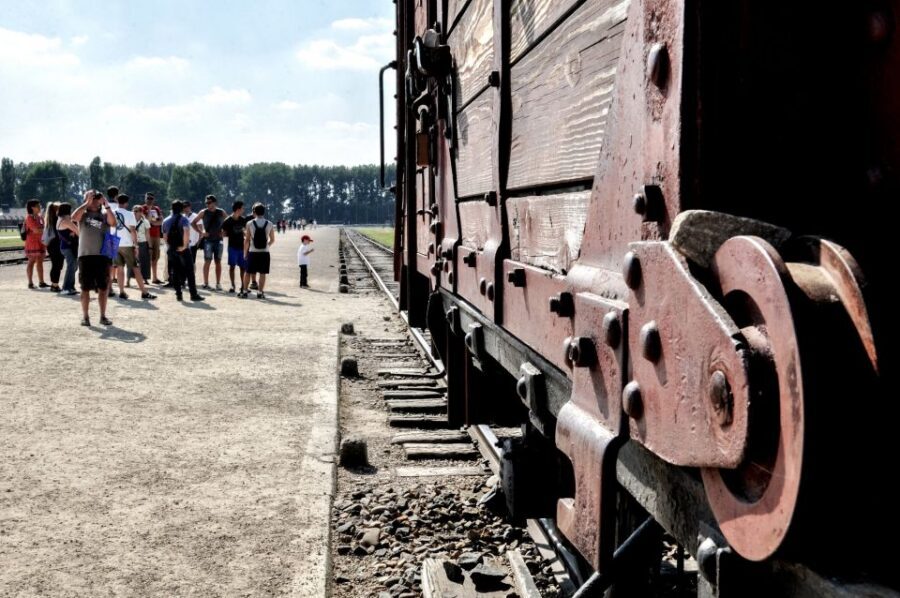
After a short break (about 10 minutes before moving on), you head to Auschwitz II-Birkenau. Your guided segment here is shorter—about one hour—because the site is spread out and the ground experience matters.
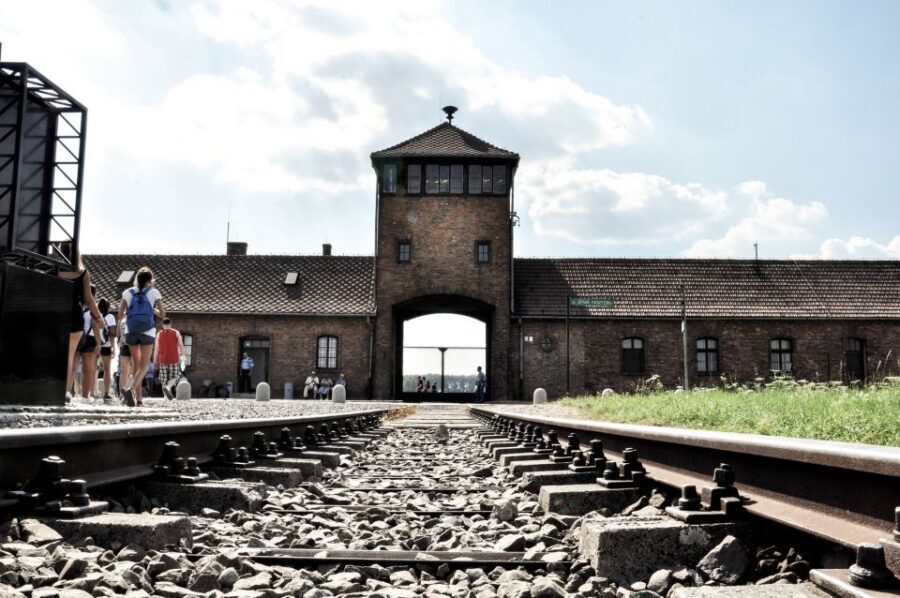
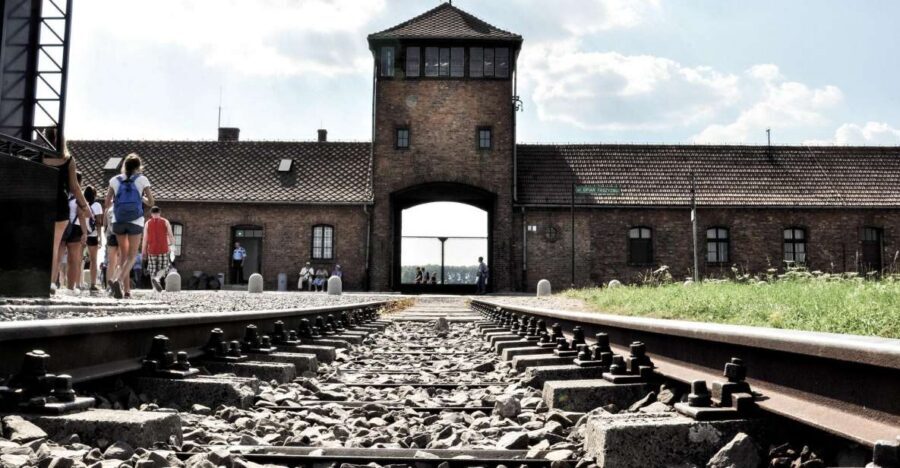
Birkenau is the extermination camp area of the complex. This is where you’ll visit key original buildings and the sites associated with gas chambers and crematories. If Auschwitz I helps you understand the system’s structure, Birkenau shows the scale of it. The barracks where prisoners were kept are part of that lesson too: you’re not just looking at one building, you’re looking at how space was used as part of mass imprisonment and death.
A tour guide is especially valuable at Birkenau because the site is large and the history can otherwise blur. With guidance, you’re less likely to treat the place like an open-air monument and more likely to understand it as a deliberate, brutal infrastructure.
Expect moving at a pace set for group logistics. The grounds can be uneven, and there’s a mix of walking, entering and exiting buildings, and dealing with stairs. Even if you’re reasonably fit, you should wear shoes with real grip. This is not the day for soft sneakers that fail on icy or uneven surfaces.
You can also read our reviews of more tours and experiences in Krakow



Breaks and the lunch reality: what you can plan for
Your day trip includes several breaks, roughly:
- an arrival break after transfer,
- a short break before moving from Auschwitz I to Birkenau,
- and a longer break before heading back.
Food is the tricky part. Museum rules mean a lunch break is not included in the visit itself. Some tour options include a lunchbox, but you’ll still need to eat outside the camp areas during allowed times. On-site food can be limited, and some visitors noted that there are only vending-machine options and that food or drinks aren’t allowed in the camp areas.
So my practical advice is: treat the lunchbox as your backup, but also plan for the possibility that what you can eat will be limited to break windows. If you’re the type who gets hangry quickly, prepare for a long day where meals happen around transfers and breaks, not during the museum exhibits.
Also think about what you’ll bring with you: comfortable clothing for the weather, no sleeveless shirts, and nothing bulky. There are rules against luggage or large bags, so keep it simple.
Skip the line, but don’t skip the rules
This tour is built around museum entry rules. That includes checking IDs at entry, and making sure the name you provided matches the name on your ID. If those don’t match, entry can be refused—so double-check booking names before you go.
There are also restrictions on what you can wear and bring:
- no pets,
- no luggage or large bags,
- no sleeveless shirts.
Bring your passport or ID card and dress for the weather. You’ll be outside some of the time, and your feet will do a lot of work.
Price and value: what you get for about $200 per person
At around $200 per person for an 8-hour day trip, this isn’t a bargain. But it’s also not just paying for a ticket and a seat on a bus. Your cost covers:
- round-trip transportation from Kraków,
- entrance tickets,
- a professional licensed museum guide,
- guided time at Auschwitz I and Auschwitz II-Birkenau,
- and (if you select it) a lunchbox.
Where that value shows is in the guide experience and in the logistics. You get skip-the-line entry through a tour setup, plus interpretation that can help you understand what you’re seeing without guessing. Several visitors described how the tour guide made a big difference in hearing the story sensitively and accurately.
That said, there’s a fair trade-off. Some people felt they could have read more slowly or accessed fewer items due to pacing. If you’re the type who wants total control of your time, you might prefer visiting independently. But if you want the “right order” explanation and the structure that keeps you from missing crucial context, the price starts making sense.
Group size, headsets, and why “can I hear the guide?” is real
The tours often involve a group large enough that you’ll use headsets. In one case, a group was split so that the final follow group was smaller, and the headsets were described as good quality and clear.
Still, you may run into practical issues:
- headsets can have reception glitches,
- group movement can be tight,
- and the site can be busy with other tours.
So bring patience. Keep your place in line, and keep an eye on your guide. If you feel you missed instructions, ask your guide or the staff. The system works best when you stay with your group.
Who this tour fits best in your Kraków plans
This is ideal if:
- you want an English-language guide with museum training,
- you prefer a structured schedule rather than planning the route yourself,
- you’re okay with a long day and a heavy subject,
- and you value context as much as the sites themselves.
It may be a weaker fit if:
- you need lots of silent reading time,
- you dislike group pacing,
- you’re traveling with children under 14 (this tour isn’t suitable for them),
- or you have mobility needs that require careful planning.
One important note on accessibility: the included information says wheelchair accessible, but another line says it’s not suitable for wheelchair users. If you need accessibility accommodations, confirm directly with the operator before booking so you’re not guessing.
Should you book this Auschwitz-Birkenau guided tour?
If you’re going to Auschwitz-Birkenau from Kraków, I think booking a guided day trip is the safest path to real understanding. The guide time at Auschwitz I and Auschwitz II helps you connect exhibits and locations to the broader story, and the skip-the-line entry plus transport removes a lot of stress from your day.
I’d especially book it if you’re short on time in Kraków or you don’t want to figure out the logistics for a difficult visit. I’d hesitate only if you strongly prefer self-paced museum wandering, or if you’re sensitive to tight schedules and group movement.
If you decide to go, bring comfortable shoes, your ID, and a calm mindset. You’re walking through history that still has the power to break you open. The structure of this tour helps you make sense of it without losing the thread.
FAQ
FAQ
How long is the Auschwitz-Birkenau guided tour from Kraków?
The total duration is 8 hours. The exact start time can vary based on availability.
Where is pickup in Kraków?
Pickup depends on the selected option, and you’ll be given the exact pickup point and time by email before the tour.
What time do the tours usually start?
Start times can be anywhere in a broad window, with pickup possible between about 5:30 AM and 3:00 PM. Your confirmation email will specify your exact time.
Is the guide available in English?
Yes. The live guide language is English.
Do we skip the line?
Yes. You’ll enter through a separate entrance to help you avoid the main line.
Which parts of Auschwitz are included?
You’ll have guided tours of Auschwitz I (Main Camp) and Auschwitz II-Birkenau, with museum time at Auschwitz I and a Birkenau visit that includes key original camp areas.
Is lunch included?
A lunchbox is included only if you choose the option. The tour also follows museum rules that do not include a lunch break during the visit.
Can I bring luggage or large bags?
No. Luggage or large bags are not allowed.
What should I bring with me?
Bring your passport or ID card and wear comfortable shoes. Dress for the weather.
Is this tour suitable for kids?
No. It’s not suitable for children under 14.
What about accessibility for wheelchair users?
The information includes both wheelchair accessibility and a note that it may not be suitable for wheelchair users. If accessibility affects your plans, confirm details directly before you book.