REVIEW · KRAKOW
Krakow: Auschwitz-Birkenau and Salt Mine Guided Tour
Book on GetYourGuide →Operated by SuperCracow.com · Bookable on GetYourGuide
Two places, one very long day.
This is the kind of Krakow tour that gives you structure for something heavy: you get guided context for Auschwitz and Birkenau, then a very different underground payoff in the Wieliczka Salt Mine with real local expertise. The biggest downside to plan around is time and stamina, since it’s an early start with lots of walking and a schedule that doesn’t let you linger.
What I like most is how the day is managed for clarity. You travel in an air-conditioned bus with a tour leader, you hear the guide clearly through provided headsets, and you finish with enough light left in the day to make the salt mine feel like a true contrast. In well-rated days, guides such as Mario (often mentioned for Auschwitz) and Dorothy (mentioned for the salt mine) are described as respectful, organized, and easy to follow—exactly what you want when the subject matter is emotionally demanding.
In This Review
- Key things that make this tour worth your time
- Price and what you’re really paying for
- Morning logistics: early pickup, clear transitions, and real time pressure
- Auschwitz I: how to use the guided time best
- Birkenau (Auschwitz II): the outdoor reality and why it feels different
- The quiet slot: free time and what to do with it
- Wieliczka Salt Mine: the contrast that makes the day make sense
- Transport comfort: what the bus solves, and what it can’t
- What to pack (and what to skip) so you don’t lose time
- Who this tour fits best (and who should choose something else)
- The bottom line: should you book this Krakow day trip?
- FAQ
- FAQ
- How long is the tour from Krakow to Auschwitz-Birkenau and the Wieliczka Salt Mine?
- Do I get pickup from Krakow?
- Is transportation included?
- What’s included in the tour price, and what isn’t?
- Do I need to bring snacks or lunch?
- Can I bring a backpack to Auschwitz?
- Is the tour suitable for wheelchair users or mobility impairments?
Key things that make this tour worth your time
- Headsets in English so you can actually hear the guide during busy museum hours
- A small-group feel that helps you keep up with the pace and ask questions
- Two memorial stops with planned transitions between Auschwitz I and Birkenau
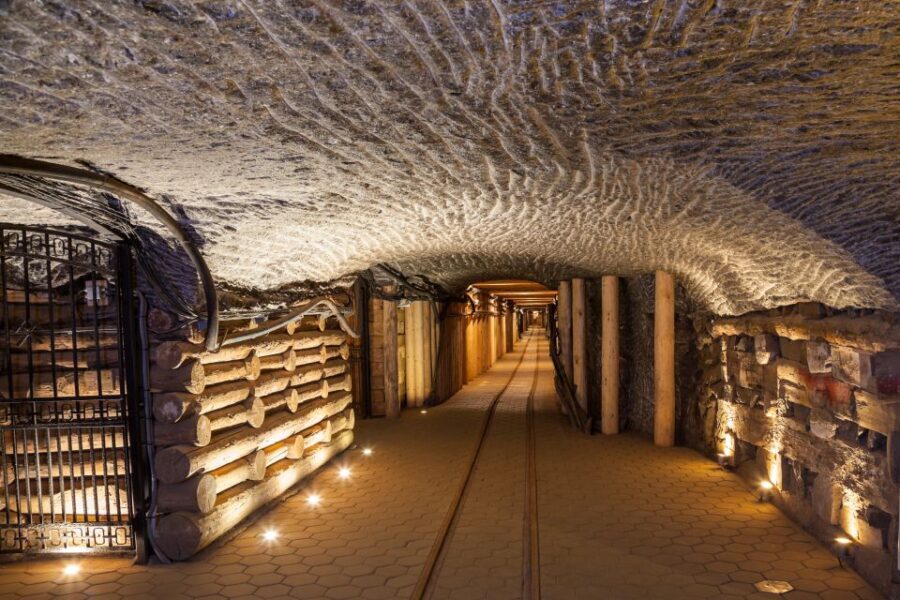
- Wieliczka Salt Mine guided exploration with chambers and original salt sculptures
- A full-day schedule that ends around 8:00 PM, so it’s not a half-measure
- Travel restrictions you can prepare for (including no large bags in Auschwitz)
Price and what you’re really paying for
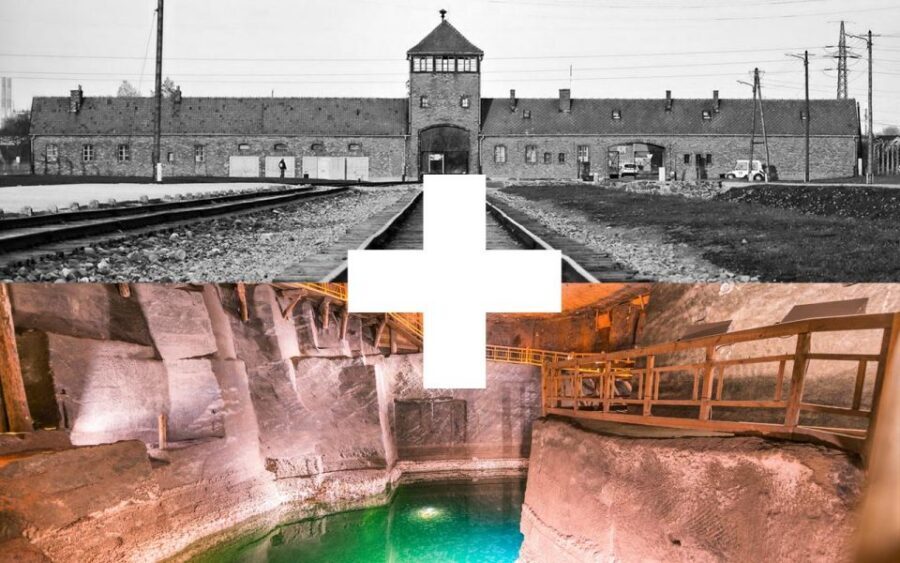
At $54 per person for an 11-hour guided day, this isn’t the cheapest option in Krakow, but it’s also not just a bus ride. You’re paying for three concrete value drivers:
First, you’re bundling Auschwitz-Birkenau + Wieliczka Salt Mine into one day, including the relevant entry tickets and guided time at both. Second, you get transportation by air-conditioned bus plus a tour leader to help keep the schedule moving. Third, the tour provides headsets, which sounds small until you’re standing in a loud, crowded place and you can’t hear the explanation.
Food and drinks are not included, which matters. You’ll likely spend extra on snacks, or you’ll want to bring your own and treat the provided breaks as time to eat, not to hunt for a meal. If you’re the type who likes to eat lightly, pack smart, and keep moving, the price feels fair.
You can also read our reviews of more guided tours in Krakow
Morning logistics: early pickup, clear transitions, and real time pressure
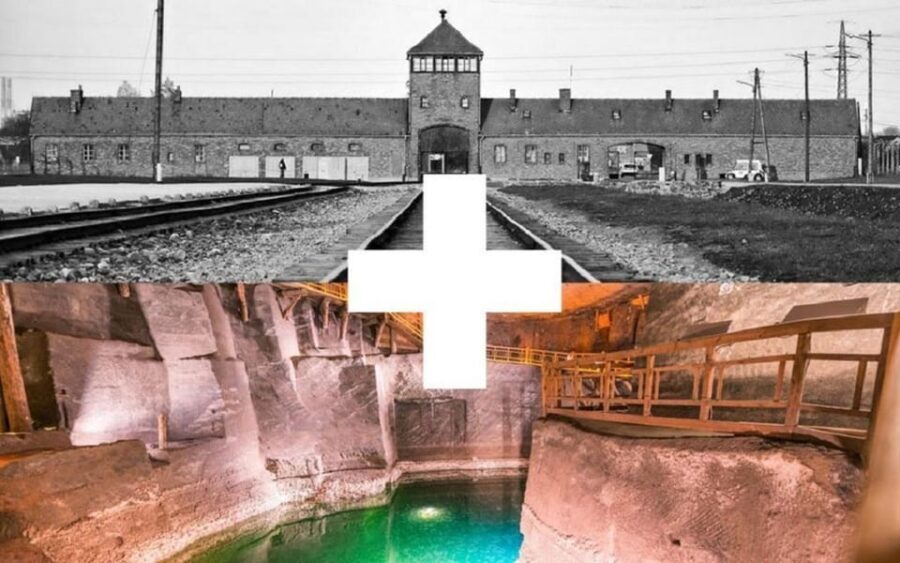
This is a classic full-day Krakow excursion. You start in the morning, with pickup from a selected meeting point or possibly your hotel. The tour’s start window can fall between 5:00 AM and 10:00 AM, and the exact time is sent to you the day before.
A common pattern is that you’ll transfer first for about 1.5 hours to reach Auschwitz. Then the schedule becomes more fixed by what the memorial service allows, not by the tour company. That’s important: the breaks you get and how long you spend at each part are influenced by on-site rules and visitor flow.
Here’s the practical takeaway: if you’re hoping to do everything slowly and without fatigue, this isn’t that day. If you can handle a long day, you’ll be grateful for how the plan keeps you from getting stuck in ticket lines or confused about timing.
You’ll finish in the evening, around 8:00 PM, and you’ll be dropped off at different points in Krakow’s center (not necessarily where you started). Make sure your evening plans can flex, especially if you like to take taxis or want to walk back to your hotel.
Auschwitz I: how to use the guided time best
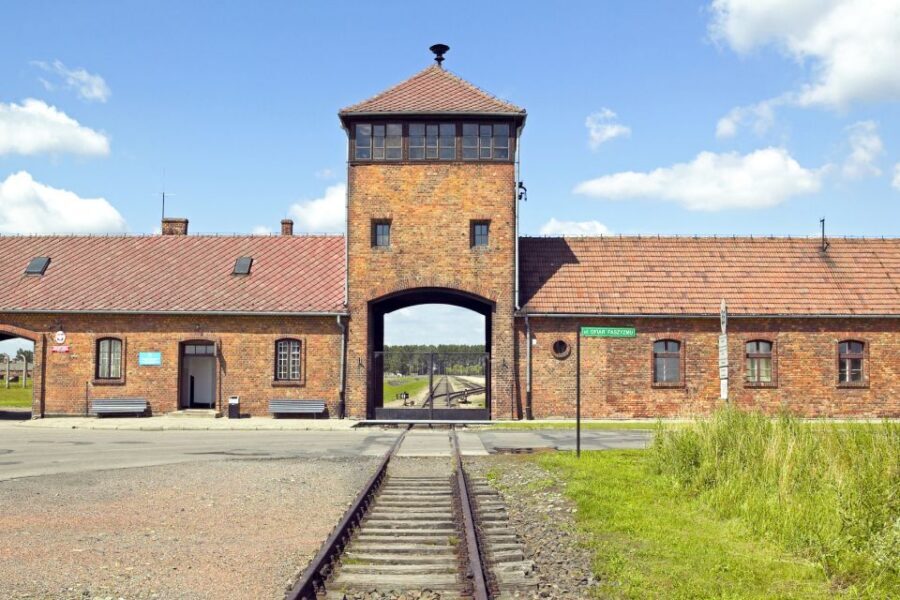
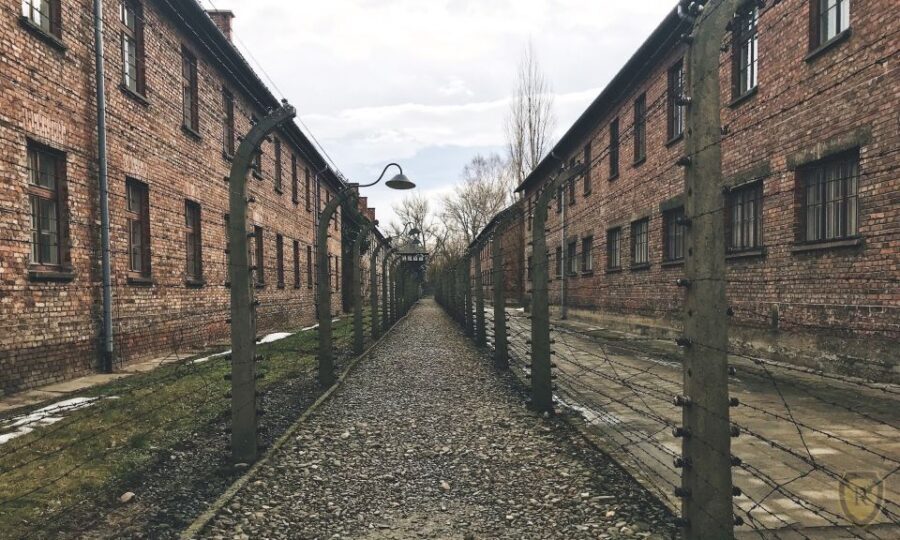
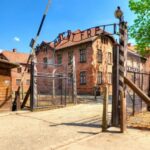
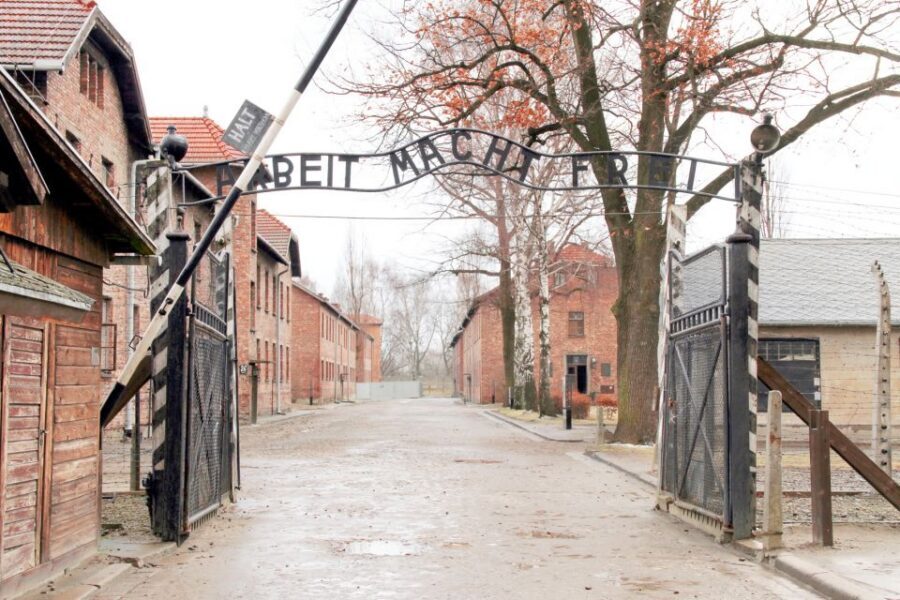
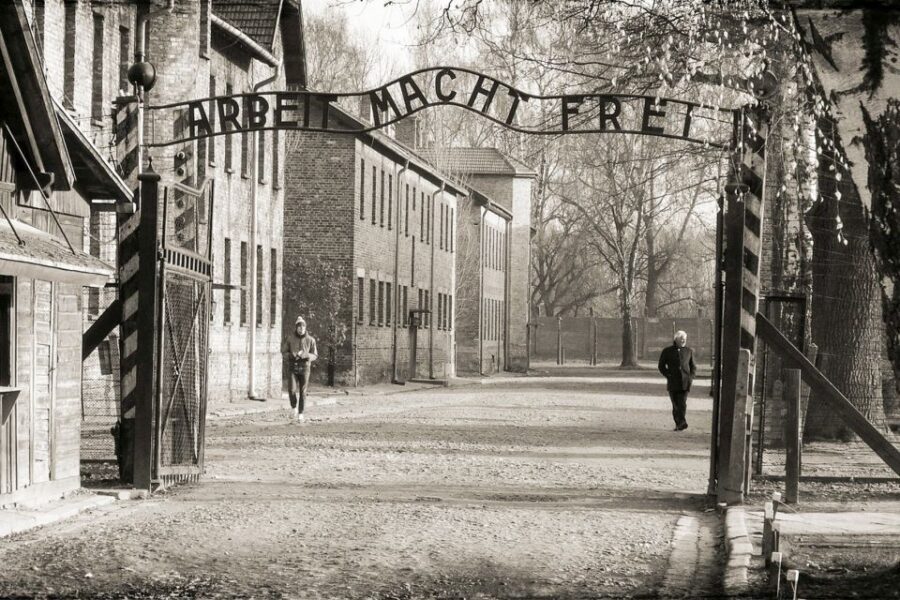
Auschwitz I is where you get the most structured entry into the history of the site. Your time there is about 2 hours, which is enough to understand the basics without feeling like you’re racing through everything.
The key value is the guide. You’re not just looking at buildings and documents; you’re getting the narrative that helps you read the site correctly. That includes respectful explanations and the kind of context that stops you from treating the camp like a checklist.
Two practical things to do before you arrive:
- Read along mentally. Even if you can’t absorb every detail, you can anchor your attention to what your guide emphasizes.
- Watch your bag situation. Auschwitz has strict limits: you can’t bring large backpacks or luggage, and the maximum allowed size is 20×30 cm.
Also, plan to be emotionally affected. This is one of those places where a calm, guided approach matters more than speed. The schedule includes a short break (around 10 minutes) afterward, but the day will keep moving.
Birkenau (Auschwitz II): the outdoor reality and why it feels different
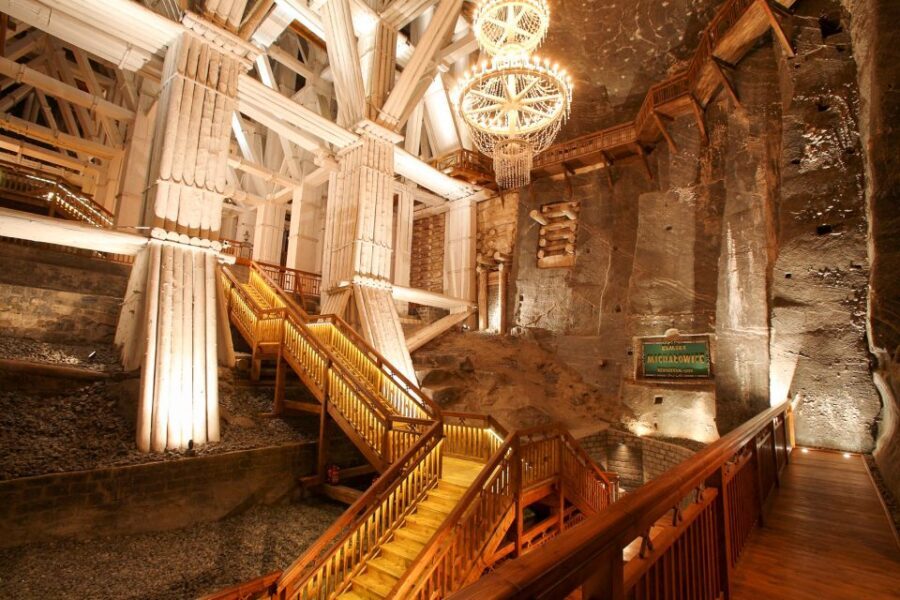
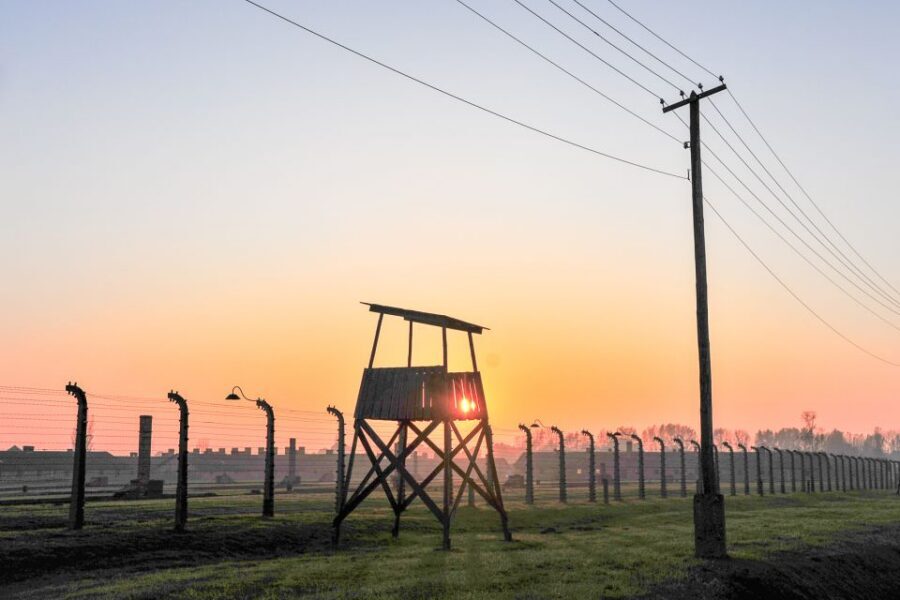
Then you head to Auschwitz II-Birkenau, with roughly 1 hour there. This is where the experience shifts from the enclosed, structured museum feel to an outdoor landscape of barracks, routes, and open space.
Expect this to hit differently. Birkenau’s layout makes it harder to casually wander; distance matters, and the scale can feel overwhelming. That’s why the guide time is so important here. They help you understand what you’re seeing and how to place it within the broader history.
You also need to dress for conditions. Even in winter months, Birkenau is outdoors for a large part of the visit. One detail worth taking seriously from real trip experiences: pathways can be salted/gritted for safety, but you’ll still want warm layers and footwear you trust.
Your guide-led time at Birkenau is shorter than at Auschwitz I, so if you have questions, this is the moment to ask them while your guide is still actively with your group.
The quiet slot: free time and what to do with it
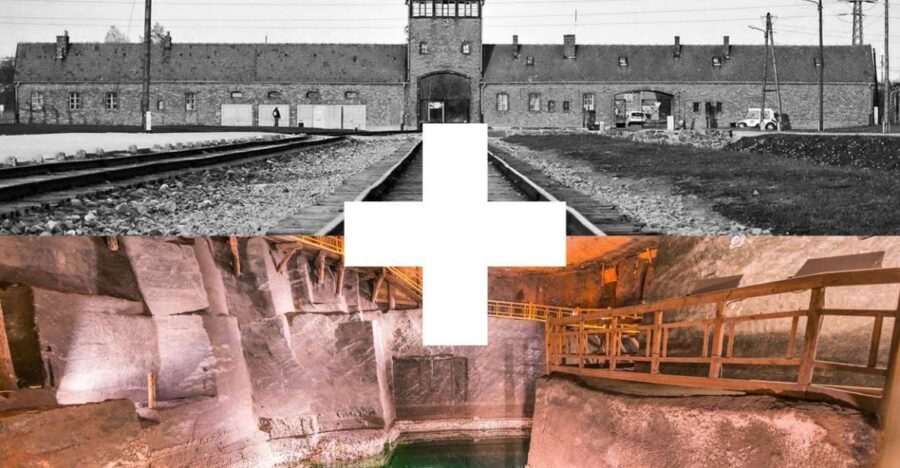
After Birkenau, you’ll have a bit of a breather: roughly 1 hour of free time during the day, after a further 1.5-hour transfer.
This free block can be a gift if you use it well. You’ll likely be tired—mentally and physically. Use this time to reset, grab something to eat if you didn’t pack enough, and use the bathroom if you need to. It’s also a good window to check that your bag is compliant for the salt mine stop (salt mines have their own rules, but the big issue you must respect is the Auschwitz bag restriction).
Don’t use free time to sprint around. The salt mine part is its own experience, and rushing won’t make it better.
Wieliczka Salt Mine: the contrast that makes the day make sense
After the long day of history, you go underground at the Wieliczka Salt Mine for about 2.5 hours. This is your emotional and visual pivot point.
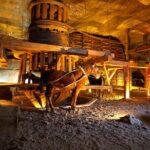
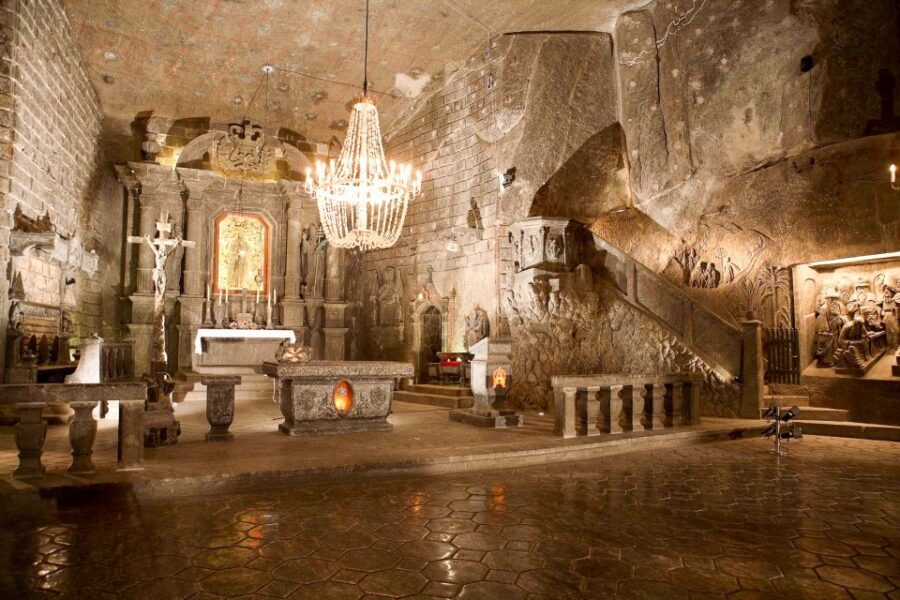
The tour includes a local guide, and the highlights are the amazing chambers and original sculptures made in salt. You also learn about the mine’s history, plus you get to see authentic working areas for miners—so it isn’t just pretty rooms. It’s a working-world story, told underground.
One common note from people who did this day: the salt mine can run warm in certain chambers, even when it’s cold outside. So if you tend to over-pack layers, consider bringing something you can shed.
This is also where the day often feels lighter without being careless. Your guide choices matter here too. You might hear stories and explanations delivered with humor—names like Dorothy get mentioned for a style that’s engaging and easy to follow, even when you’re standing under low ceilings and trying to take photos.
If you want one simple strategy to enjoy the salt mine fully: don’t focus only on the biggest rooms. Let the guide point out details in the medium itself (salt formations and carved work), because those little cues turn the mine from a photo stop into a real place.
Transport comfort: what the bus solves, and what it can’t
The bus is part of the value. You get air-conditioned transportation, and there’s a tour leader to keep the day coordinated. That reduces the stress of transfers and helps you avoid wasting time figuring things out.
From real-day descriptions, the ride is often described as efficient, and the bus can be comfortable enough that you’re not arriving completely wiped out. That matters because your first big stop is early and you’ll walk a lot across both memorial sites and the mine.
But the bus can’t change the basic reality: this tour is long. You’ll want to be ready for a full day of seated travel, then standing/walking time with limited control over pacing.
Also note that the tour ends at a different drop-off point in Krakow, so plan how you’ll get back to your lodging.
What to pack (and what to skip) so you don’t lose time
This tour asks you to bring a few basics, and the list is pretty practical:
Bring:
- Passport or ID card (required)
- Snacks (food isn’t included)
- Packed lunch (recommended)
- Student card (listed option for students)
Watch the bag rules:
- No luggage or large bags
- Auschwitz has a size limit: 20×30 cm max for what you carry into the memorial
Also, you must provide your full name and contact details when booking. For entry, your name needs to match what’s on your ID, and entrance can be refused if it doesn’t line up. That’s an easy thing to fix in advance, so double-check spelling.
Clothing-wise, think two conditions: cold outdoor walking at Birkenau and warmer indoor moments in the mine. Layers beat one heavy coat.
Who this tour fits best (and who should choose something else)
This tour is ideal if you want:
- A structured, guided day at Auschwitz-Birkenau rather than trying to manage it on your own
- A single-day package that pairs memorial learning with a major contrast stop (the salt mine)
- English narration with headsets, which helps a lot in crowded areas
- A plan that is long but coordinated, finishing around 8:00 PM
It’s not a great fit if you:
- Need wheelchair access or have mobility impairments (the tour is listed as not suitable for wheelchair users or people with mobility impairments)
- Are traveling with very young babies (not suitable for babies under 1 year)
If you’re emotionally sensitive, take the pace seriously and plan your energy. This is not a light sightseeing day, but the guided format can make it easier to handle and understand.
The bottom line: should you book this Krakow day trip?
Book it if you want one day that handles two major Krakow-area anchors: Auschwitz-Birkenau with guided explanations and Wieliczka Salt Mine with local storytelling and striking underground carvings. The included headsets, guided segments, and bus transport make it easier to focus on the experience rather than logistics.
I’d pass or look for a different format if you’re worried about the early start, the long day, or the bag restrictions at Auschwitz. If you can pack small, dress for the cold, and treat food as something you’ll plan for, this is a strong value way to experience both sites without wasting time on planning.
FAQ
FAQ
How long is the tour from Krakow to Auschwitz-Birkenau and the Wieliczka Salt Mine?
The tour duration is 11 hours.
Do I get pickup from Krakow?
Pickup is optional. You can choose a meeting point or be picked up from your hotel.
Is transportation included?
Yes. You’ll travel by air-conditioned bus with tour leader assistance.
What’s included in the tour price, and what isn’t?
Included: pickup (from a meeting point or hotel option), air-conditioned bus transport, tour leader assistance, guided Auschwitz-Birkenau tour with entry ticket, guided Wieliczka Salt Mine tour with entry ticket, and headsets. Not included: food and drinks.
Do I need to bring snacks or lunch?
Yes. There is a lunch break, but food and drinks aren’t included, so bringing snacks and packed lunch is recommended.
Can I bring a backpack to Auschwitz?
You cannot enter Auschwitz-Birkenau with large bags or backpacks. The maximum size permitted is 20×30 cm.
Is the tour suitable for wheelchair users or mobility impairments?
No. The tour is listed as not suitable for people with mobility impairments and wheelchair users.