REVIEW · KRAKOW
Auschwitz Birkenau and Wieliczka Salt Mine Guided Full Day Tour
Book on Viator →Operated by Choose Cracow · Bookable on Viator
A day like this does not mess around. You cover two of Poland’s most intense sites—Auschwitz-Birkenau and the Wieliczka Salt Mine—with guided time at each, plus a hotel pickup/drop-off so you’re not wrestling transit. I especially like the structure: a proper break between Auschwitz I and Birkenau, and museum guides on the ground who run the story on-site.
My other big plus is how hassle-free it feels logistically. You get prebooked tickets, a driver who keeps the day moving, and clear planning details like the approximate start time (8:00am, earlier in December). One drawback to plan for: it’s a long, emotional day with lots of walking, outdoor time at the camps, and stairs at the salt mine.
In This Review
- The Best Parts of This One-Day Auschwitz and Salt Mine Combo
- Auschwitz-Birkenau Meets Wieliczka: Why This Mix Works
- Hotel Pickup in Krakow: Smooth Start, Small Catch
- Entering Auschwitz: What You’ll Actually Face on the Ground
- Auschwitz I to Birkenau: Why the Break Between Parts Helps
- Birkenau: Expect More Walking and Open-Air Exposure
- Wieliczka Salt Mine: 16°C, 380 Stairs, and the Elevator Back
- The Guides and Driver That Make or Break the Day
- Value: Is $151.16 a Fair Deal?
- Timing and Pace: It’s Long, and That’s Part of the Deal
- Who This Tour Fits Best (and Who Might Skip It)
- Should You Book This One-Day Auschwitz and Wieliczka Tour?
The Best Parts of This One-Day Auschwitz and Salt Mine Combo
- Two major sites, one managed schedule: Auschwitz I and Birkenau plus the Wieliczka Salt Mine in a single day with guided time at each.
- Museum guides, not just a driver: you travel with English-speaking service, and the on-site explanations come from licensed museum guides.
- A real break between Auschwitz sections: you stop, reset, and get transport from the first Auschwitz area to the second.
- Small-group feel: capped at 30 travelers, which helps keep the Auschwitz portion efficient.
- Wieliczka is physical but clear: expect about 380 stairs down to the first level, then an elevator back up.
- Prebooked tickets, fewer stress points: the tour notes there’s no need to queue for tickets.
Auschwitz-Birkenau Meets Wieliczka: Why This Mix Works
I get why this combo is tempting. Krakow already has plenty to see, and squeezing in Auschwitz-Birkenau can feel like a separate trip all by itself. This tour solves that by pairing it with the Wieliczka Salt Mine, a UNESCO site that’s completely different in tone—dark history first, then a surreal underground world of saltwork and vaulted halls.
The best thing about the format is pacing by design. You’re not doing Auschwitz in the morning and then sprinting straight into another self-guided activity. Instead, there’s a break between Auschwitz I and Birkenau, and you’re transported for you to make the transition smoothly. It’s a practical way to keep your day from turning into one long blur.
You can also read our reviews of more guided tours in Krakow
Hotel Pickup in Krakow: Smooth Start, Small Catch
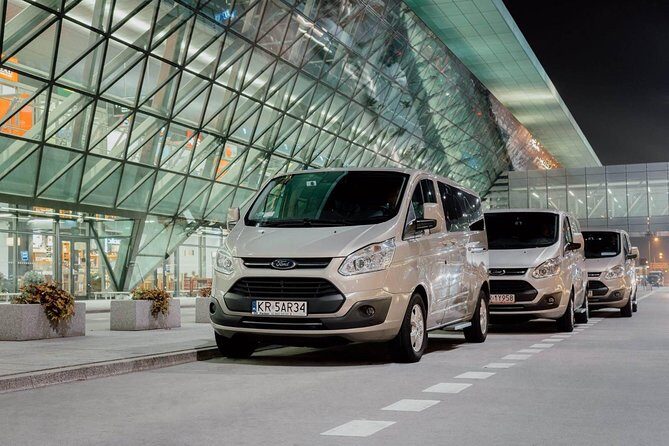
This day starts with pickup. The tour offers hotel pick-up and drop-off around the Krakow city center area and nearby neighborhoods (max 3 km away). If your hotel sits in a restricted driving zone, you’ll be redirected to the closest legal pickup spot, usually a few minutes’ walk away.
The start time is also worth noting. 8:00am is approximate. You’ll get the exact pickup time the day before the tour, which helps a lot when you’re trying to plan breakfast and coffee. In December, the start shifts earlier (around 7:00am) because museum hours are shortened.
One more detail that makes the day feel more secure: the tour emphasizes that tickets are prebooked and you should not need to queue for entry. That matters at Auschwitz, where delays can snowball your whole schedule.
Entering Auschwitz: What You’ll Actually Face on the Ground
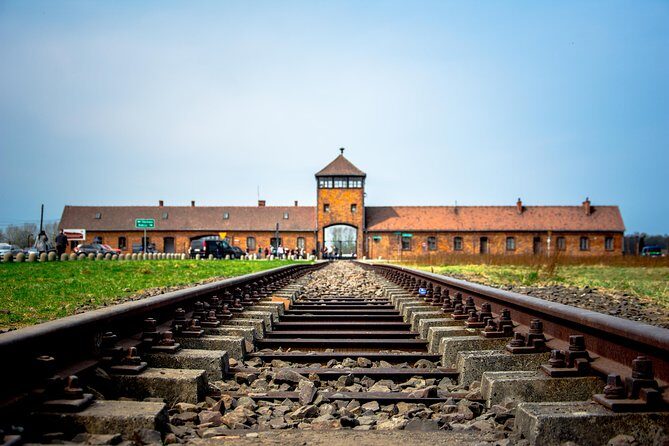
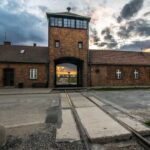
Auschwitz-Birkenau is not a museum you stroll through. It’s a guided visit where the guide’s job is to explain what you’re seeing, not just point things out. This tour includes admission and licensed in-person guides at the Auschwitz-Birkenau site, covering both Auschwitz I and Birkenau.
Plan for two reality checks:
First, the experience is outdoors for much of it. You’ll want weather-ready clothing—rain layer, warm layer, and shoes you can stand in. Even if you travel in comfortable months, the camps can still feel cold and exposed in a way you won’t predict from the city forecast.
Second, it’s an intense subject with security controls. The tour is strict about names and documents. You must provide the full names of all participants when booking, and you must bring a photo ID (like a passport or driving license). Without matching full names and the actual documents, entry can be denied at the entrance to Auschwitz I.
That sounds scary on paper, but it’s simply the price of admission to a place with very formal procedures. Treat it like you’re boarding an airplane: have your documents, and you’ll be fine.
Auschwitz I to Birkenau: Why the Break Between Parts Helps
This tour is careful about the rhythm. You visit Auschwitz I first, then you have a break and transport to Birkenau.
That break is not just convenience. With Auschwitz, your brain needs a minute to catch up with what your eyes have processed. The tour description specifically frames it as a reflection moment, and the logistics back it up: you’re not left scrambling for transit while you’re emotionally overloaded.
Also, you’re not doing the two locations like separate day trips. The schedule includes transportation from Auschwitz I to Birkenau, which removes a common headache. In real life, that’s one less thing you’ll have to solve while trying to stay present.
Birkenau: Expect More Walking and Open-Air Exposure
At Birkenau, you’ll feel the scale. The site is expansive, and you’ll be outdoors for much of your time there. That’s why the tour warns you to dress for weather conditions. If you run hot, bring a layer you can remove. If you run cold, bring a layer you won’t regret.
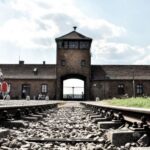
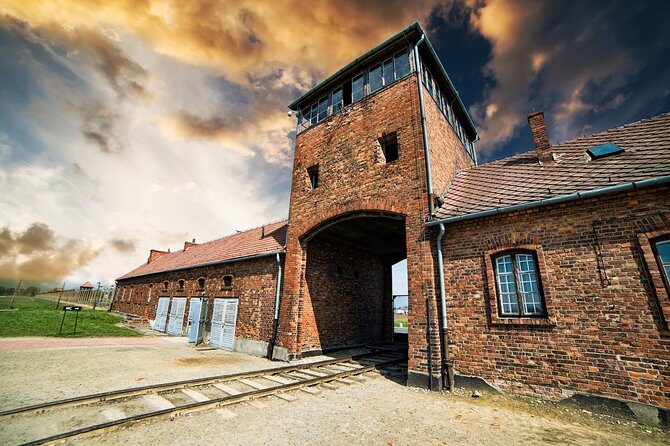
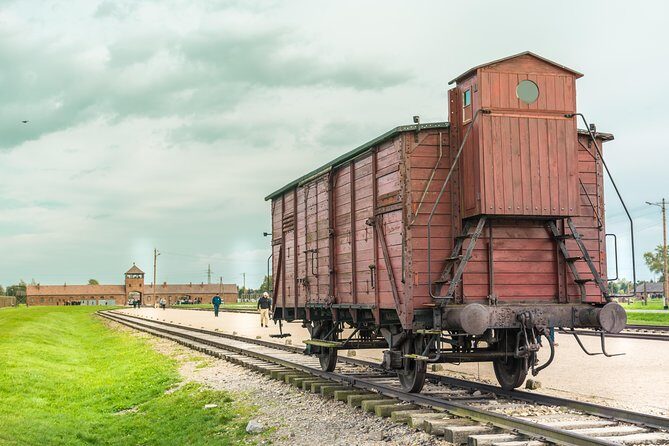
This is also where the guided component matters. You’ll see structures, tracks of history, and preserved spaces that can be confusing without context. The tour’s setup—licensed guides and guided time included—helps turn the visit from a list of sights into a story you can follow.
One practical angle: bring a small daypack and keep essentials accessible (ID, water, and a layer). You don’t want to be digging through bags during security checks or in crowded walkways.
You can also read our reviews of more tours and experiences in Krakow

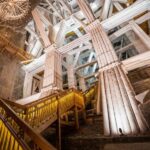

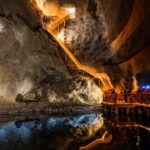


Wieliczka Salt Mine: 16°C, 380 Stairs, and the Elevator Back
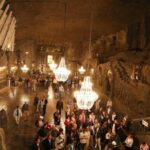
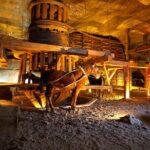
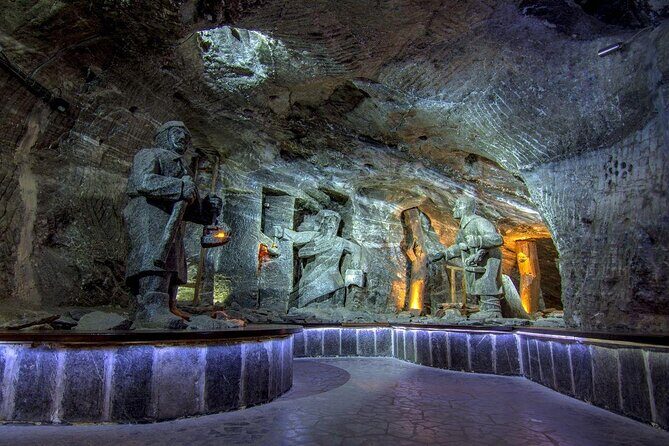
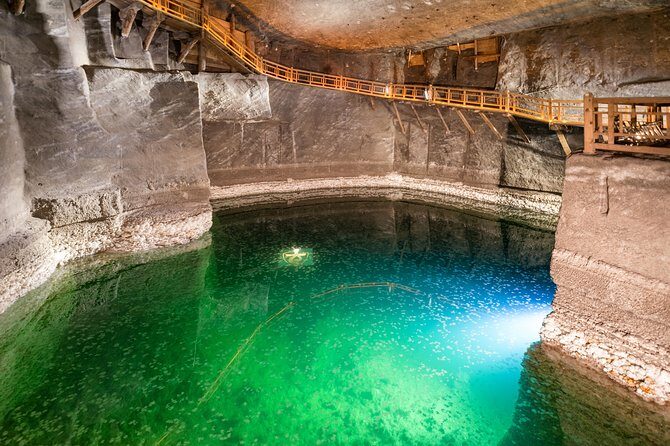
After Auschwitz, the Wieliczka Salt Mine feels like a hard pivot—in the best way. The tour includes a guided visit inside the UNESCO salt mine, lasting about 3 hours, with admission tickets included.
Here’s the reality check you should plan for:
- The route includes about 380 stairs to reach the first level.
- At the end, there’s an elevator back up.
That’s not “just a few steps.” If you have mobility issues, this part could be a challenge. But if you’re reasonably mobile and you pace yourself, it’s manageable. The tour notes the mine is around 16 degrees Celsius inside, so it’s cooler underground even on warm days outside.
Also, even though it’s physically demanding, the guided structure keeps it from feeling like wandering in a maze. You’ll see the saltwork and understand what you’re looking at along the way.
The Guides and Driver That Make or Break the Day
The biggest pattern in the feedback is consistency in the people—good guides, good explanations, and a driver who keeps the day calm.
On the Auschwitz side, I saw multiple guide names praised: Michael is described as outstanding, respectful, thoughtful, and clear. Lidija and other Auschwitz guides show up in feedback too—some notes mention disappointment with one guide name, while other entries praise other guides. The takeaway for you: your day will rise or fall on the in-person guide at Auschwitz, because they do the heavy lifting in terms of how you understand what you’re seeing.
On the salt mine side, names like Agnes, Joanna, and Joanna again appear with strong compliments for knowledge and engaging explanations.
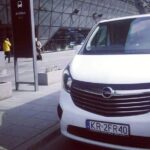
Then there’s the driver—often praised for being friendly, safe, and organized. A few notes mention a step-by-step approach to the plan and even help with navigation cues for getting back from the mine area. That matters because it reduces uncertainty when you’re tired.
Finally, the group size cap is 30 travelers max. One review described small-group handling at Auschwitz for efficiency. Even if the exact split varies, a smaller cap tends to make it easier to stay on schedule.
Value: Is $151.16 a Fair Deal?
Let’s talk value without sugarcoating it.
At $151.16 per person, you’re paying for:
- hotel pickup and drop-off
- air-conditioned vehicle transportation
- English-speaking driver/tour leader service
- admission tickets and fees for both Auschwitz-Birkenau and Wieliczka
- licensed English-speaking museum guides at the sites
This is one of those days where “cheap transport” isn’t the point. The expensive part is the guided museum time and admissions, plus the logistics of connecting two distant sites without you handling the details. If you tried to assemble this yourself—museum tickets, official guide arrangements, and transit—you’d likely spend time and energy you don’t want to spend on your vacation.
One more value note: lunch is optional. You can order a lunch box for 40 PLN. Pre-ordering happens the day before the tour. If you do it, the lunch option is positioned as good value, and one packed lunch description listed items like a sandwich, fruit, a chocolate bar, a croissant, water, and tissues, with a vegan option available. That doesn’t mean every lunch box will match perfectly, but it tells you the tour is not just handing out a sad cookie.
If you’re the type who hates food planning while on the move, the optional lunch may be worth it just for simplicity.
Timing and Pace: It’s Long, and That’s Part of the Deal
The duration is listed as 10 to 12 hours. In practice, it often runs close to a full day, with early morning pickup and a return to town well before dinner for many schedules.
The tour also works at a “keep the day moving” pace because you have two guided museum programs plus transit. One review flagged that Auschwitz-Birkenau plus the mine is a fast day and you’ll want moderate fitness. That’s fair.
What this means for you:
- If you like slow sightseeing, bring patience.
- If you like a well-run plan, this is your speed.
- Either way, wear shoes you trust. You’ll be on your feet a lot.
Who This Tour Fits Best (and Who Might Skip It)
I think this tour is best for you if:
- you have limited time in Krakow and want both Auschwitz-Birkenau and Wieliczka without DIY logistics
- you prefer guided museum explanations rather than solo reading
- you want hotel pickup and a managed day schedule
You might consider another option if:
- long outdoor time at Auschwitz and stair-heavy mine walking is hard for your body
- you prefer to visit Auschwitz at a slower tempo, with more unscheduled personal time
- you are worried about the ID/name matching rules (double-check them now, not later)
Should You Book This One-Day Auschwitz and Wieliczka Tour?
If you want one trip that hits two unforgettable Polish experiences—without you managing admissions, timing, and transport—this is a solid choice. The tour earns its reputation by reducing the usual stress points: pickup is organized, tickets are prebooked, and you get licensed guides at both sites.
I’d book it if you:
- can handle a long day and outdoor walking
- are prepared for security ID requirements
- value guided explanations over solo wandering
I’d pause before booking if you:
- need step-free access for the salt mine portion
- want a more flexible Auschwitz visit where you can spend extra time without a fixed schedule
If you do book, do the boring prep well: bring your photo ID, confirm the exact pickup time you’ll receive, dress for cold or rain, and wear shoes built for long standing and uneven ground. Then let the guides do their job—and take your time with what you’re seeing.