REVIEW · KRAKOW
Schindler’s Factory in Krakow: Guided Tour & Skip the Line Ticket
Book on Viator →Operated by DISCOVER CRACOW · Bookable on Viator
History hits hard here. In one focused visit to Schindler’s Factory Museum, you walk through the rooms that track how WWII changed Krakow, and you get context for what the factory meant for the people inside it. I love the guaranteed entry with timed access, so you’re not wasting energy in a line. I also love that the visit doesn’t stop at Schindler’s story; you also see the factory office and the wartime world inside the exhibits, including original film and radio recordings. One consideration: the museum’s emphasis is more on the course of WWII in Kraków than on Oskar Schindler as a person.
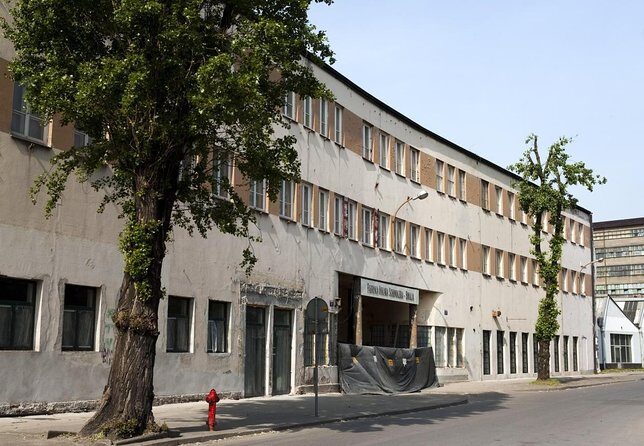
You can go fully self-guided or meet an English-speaking guide for an in-depth walkthrough, typically around 1.5–2 hours. Either way, you start at Oskar Schindler’s Enamel Factory (Lipowa 4) and end back near the meeting point after the tour ends outside the building.
One more practical note: this is a popular stop with a group cap of 25, and some reviews mention that larger groups or certain guides can make the pacing feel rushed. If you’re the type who likes to read everything slowly, build in extra time for your own wandering after the tour.
In This Review
- Key highlights worth showing up for
- Getting to Schindler’s Factory and making the ticket work
- Guided vs self-guided: what changes in the 1.5–2 hours
- The WWII Kraków story inside: photos, hideouts, prisons, and recordings
- The enamelware factory angle: why the production mattered
- How the guides can make or break your experience
- Group size, pacing, and the reality of narrow rooms
- Price and value: is $35.70 fair for this stop?
- Who this suits best in Krakow
- My take: should you book this Schindler’s Factory tour?
- FAQ
- How long does the Schindler’s Factory tour take?
- Is skip-the-line entry included?
- Can I choose between a guided tour and self-guided visit?
- What language is the tour offered in?
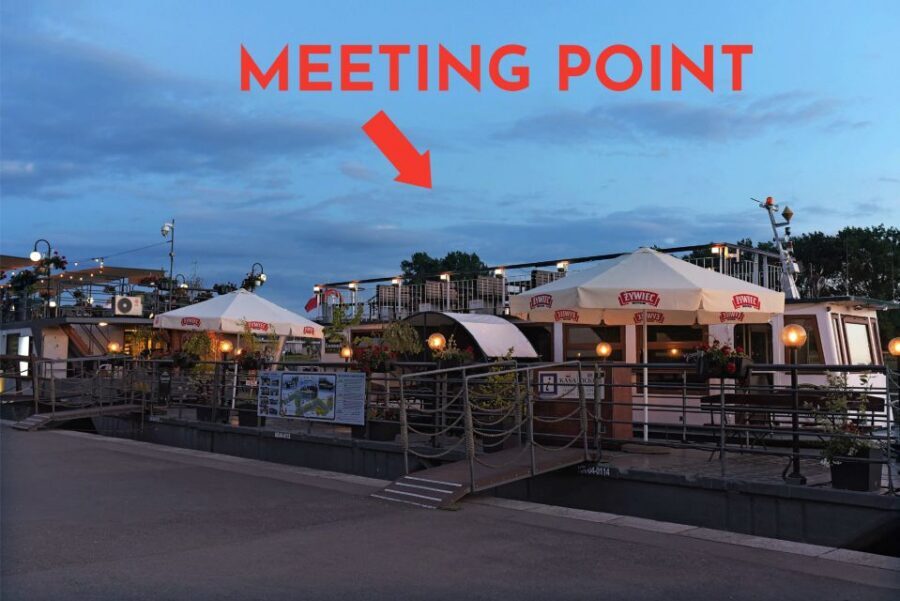
- Where do I meet the guide?
- What happens at the end of the tour?
- Do I need to bring an ID?
- Is the ticket refundable or changeable?
Key highlights worth showing up for
- Timed entry that helps you pick a workable visit time and avoid peak waiting
- Schindler’s office inside the factory, not a separate exhibit elsewhere
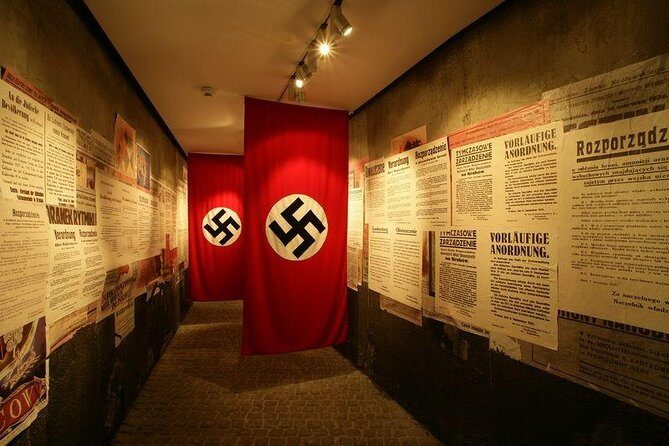
- WWII Kraków rooms with photographs, resistance hideaways, and prison scenes
- Original film and radio recordings that make the fear of occupation feel real
- Factory work you can point to: enamelware like pots, pans, tins, and other items made for the German army
Getting to Schindler’s Factory and making the ticket work
Schindler’s Factory Museum is in central Krakow at Lipowa 4, which is helpful if you’re staying nearby or using public transportation. The whole point of this ticket type is to get you in, and the experience is set up so you choose a start time and then head to the museum on your own.
If you booked the guided option, you’ll meet the guide outside before heading in. If you booked the self-guided option, you can usually go straight inside when your timed window begins—less waiting, more time for the exhibits themselves.
My practical tip: aim to arrive a bit early. Even with timed entry, meeting points can feel chaotic at the start, and you don’t want to burn your first minutes hunting for the right person.
You can also read our reviews of more tours and experiences in Krakow

Guided vs self-guided: what changes in the 1.5–2 hours
The guided version is built for structure. You get a brief introduction about Oskar Schindler, including how his story became world-famous through Schindler’s List (Steven Spielberg’s 1993 film). Then the guide leads you room-by-room so you understand what you’re seeing and why it matters.
The self-guided option is simpler: you enter and move through at your own speed. That can be great if you already know WWII history and want control over reading time, or if you prefer to stop and absorb displays without a group rhythm.
Here’s the trade-off: in a museum like this, a guide helps you connect scattered details into a clearer narrative. But the tour length is still fixed. If you take the guided option, be ready for a faster flow through some rooms—one reason reviews mention you may not have time to read everything wall-by-wall.
The WWII Kraków story inside: photos, hideouts, prisons, and recordings
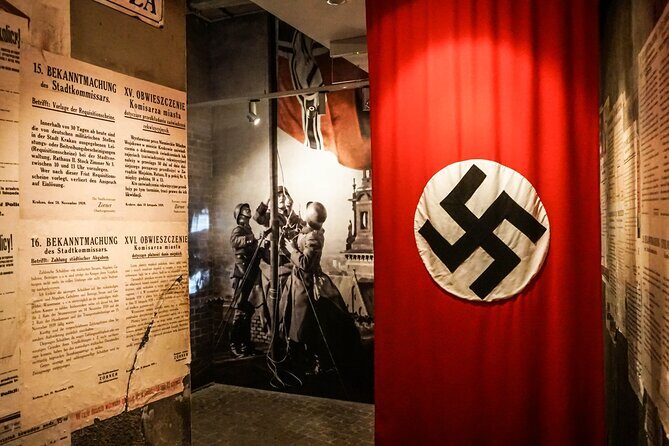
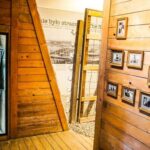
Once you’re inside, the museum’s strongest pull is the way it tracks occupied Krakow’s shift from everyday life into fear and repression. You move through rooms focused on the city’s suffering—photographs show cobbled streets, and the exhibits map the pressure of Nazi- and Soviet-occupation.
You’ll also see resistance hideaways and prison settings represented through displays and documented context. The effect is not subtle: the museum is designed to make you feel how quickly normal life gets crushed.
A standout element is the original film and radio recordings. Hearing fragments connected to that era adds a layer that text alone can’t do. Even if you’re tired from travel, this part tends to wake you back up because it’s immediate.
Interactive displays add another level. They’re not just “look and move on.” You’re nudged to engage—especially in areas that tie Krakow’s wartime changes to what the factory and its workers were facing.
The enamelware factory angle: why the production mattered
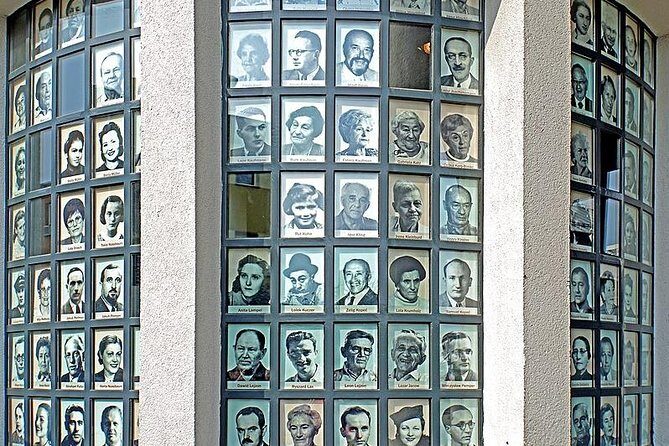
The museum spends real time on what happened inside the factory itself, not just on the general war story. You’ll learn how Schindler’s Jewish workforce produced items such as pots, pans, tins, and other enamelware for the German army.
That’s a big deal for the narrative. The displays explain how this war production created a kind of shield—helping workers avoid the immediate fate of transport to concentration camps. It’s one of the museum’s most important themes: how labor, bureaucracy, and power created space where survival was possible, even if it was fragile and temporary.
You’ll also get to view Schindler’s office, which helps put the factory’s story into sharper focus. In reviews, people often call this moment out because it shifts you from the human-scale suffering of the occupation into the uncomfortable reality of how decisions were made in a workplace setting.
Another key section covers the fates of some of the 1,200 Schindlerjuden—Schindler’s Jews—who worked in the factory. The exhibit doesn’t treat that number like trivia. It frames it as human lives connected to an industrial system that was never meant to be humane.
How the guides can make or break your experience
This is the biggest swing factor. When the guide is strong, the museum can feel like a clear story you can follow without losing details. When the guide is weak or the group gets large, you may end up skimming or missing points.
The positive reviews highlight how much difference a good guide makes. People specifically praised guides by name—Natalia, Elizabeth, Barbara, Marta, and Wojtek—for clear explanations, pacing that felt right, and strong English. Some guides also brought a more personal angle, which makes the exhibits feel less like a checklist and more like a lived reality.
Reviews also mention very practical issues that can affect your day:
- Some visitors didn’t get audio/earphones when they expected them, which can be tough in tight corridors.
- Some tours feel rushed, with not enough time to read.
- A few reviews mention group size of around 25 being too big for narrow spaces, which can make it harder to hear and keep up.
My advice: if you want the guide to matter (and you probably do for a museum like this), choose a guided option and show up early, be close to the front, and don’t plan on “just wandering” during the guided portion. If you’re sensitive to noise, think about selecting the self-guided option so you can control pace.
You can also read our reviews of more guided tours in Krakow


Group size, pacing, and the reality of narrow rooms

The museum can be physically tight—small corridors show up in some feedback—and that affects how you experience the tour. Even if a tour is well run, you’ll still be moving as a group, and you’ll be limited by time.
If you go guided, understand the format: you’ll pass through multiple rooms that cover different stages of Kraków under occupation and wartime transformation. That means some displays will get less reading time than you might want.
One review said the pace felt fast and suggested you need more time (like 3–4 hours) to fully absorb the scale. That’s a useful benchmark for planning. If you want to read everything, consider doing the guided visit and then returning on your own if you have an extra half-day. If you’re short on time, the guided tour is a smart way to cover the essentials without getting lost.
Price and value: is $35.70 fair for this stop?
At $35.70 per person, you’re paying for more than entry. The experience includes the entrance ticket and, if you choose that option, a professional guide plus the benefit of timed access.
For value, ask yourself what’s hard for you:
- If you hate lines and want the stress gone, timed entry and skip-the-line help justify the price fast.
- If you want context so you understand what each room is saying, the guided option usually pays off.
- If you’re comfortable reading exhibits and you already have WWII context, the museum may be doable without paying extra for a guide.
The strongest argument for booking here is time management. Krakow has plenty of attractions, and this one can consume mental energy. Having a planned route and a guide’s framing can prevent “I saw a lot, but I’m not sure what I learned” syndrome.
Who this suits best in Krakow
This is a strong fit if you want a structured introduction to what the factory represented during WWII and how occupation shaped everyday Kraków. It’s also a good choice if you like hearing a story told in sequence—starting with the man and film context, then moving into the factory and the broader wartime city.
It may feel less ideal if you want a deep biography of Oskar Schindler. The experience notes that the museum’s focus is more on WWII in Kraków than on Schindler himself. If your main goal is his personal story above all else, you’ll still learn, but the emphasis won’t be what you expect.
Some reviews mention mobility can be tricky for certain people, though they also mention lifts. If mobility is a concern, plan for stairs and tight spaces by moving slowly and choosing your meeting point positioning carefully.
My take: should you book this Schindler’s Factory tour?
I’d book it if you want timed entry and a guided route that helps you connect the dots between occupied Kraków, the factory’s wartime production, and the fate of the people inside the building. The best guides (and reviews name several of them) can turn a difficult museum into something you understand and remember.
I’d consider self-guided instead if you know you need more time to read at your own speed, or if you’ve had bad experiences with group pacing and want full control.
My final checklist before you click book:
- You want help making sense of the rooms and their timeline
- You value avoiding lines and keeping your schedule tight
- You can handle a museum that focuses more on WWII Kraków than on Schindler alone
FAQ
How long does the Schindler’s Factory tour take?
The tour runs about 1 hour 30 minutes on average, with the visit concluding after your time exploring the museum.
Is skip-the-line entry included?
Yes. This experience includes a guarantee of entry to the Oskar Schindler’s Factory Museum, with timed entry.
Can I choose between a guided tour and self-guided visit?
Yes. You can choose the guided option or pick self-guided access.
What language is the tour offered in?
The tour is offered in English.
Where do I meet the guide?
You meet at Oskar Schindler’s Enamel Factory, Lipowa 4, Kraków, Poland.
What happens at the end of the tour?
The tour ends back at the meeting point area outside the museum, where you can continue exploring Krakow independently.
Do I need to bring an ID?
Yes. Bring a valid identity document such as a passport or ID, since museum staff may request it.
Is the ticket refundable or changeable?
No. The experience is non-refundable and cannot be changed for any reason.
If you tell me what day/time you’re going and whether you prefer guided or self-guided, I can suggest a smart way to fit this stop into a Krakow itinerary.