REVIEW · KRAKOW
Krakow: Wawel Castle & Cathedral Guided Tour
Book on GetYourGuide →Operated by excursions.city · Bookable on GetYourGuide
Wawel feels like a living power résumé. This 2-hour guided tour hits royal chambers and the Sigismund Bell good-luck ritual, so you get both high art and a very Krakow moment. One catch: the pace is fast, so you’ll want comfy shoes and patience for crowds.
You meet at St. Mary Magdalene Square at the Piotr Skarga Monument (your guide holds an excursions.city sign), then step inside with a licensed local guide and, for bigger groups, handy headsets. Do note the dress code for churches and selected museum areas: no shorts or sleeveless tops, and knees and shoulders must be covered.
In This Review
- Key things you’ll notice on this Wawel tour
- Wawel Castle and Cathedral: the reason Krakow earns its hype
- Meeting point at Piotr Skarga Monument: start on the right foot
- Inside Wawel Castle: royal rooms, art, and the feel of monarchy
- What you might notice most in the castle
- Art highlights: tapestries, Italian masterpieces, and Ottoman tents
- Wawel Cathedral: coronations, chapels, and the Sigismund Bell moment
- The signature ritual: climb for the Sigismund Bell
- Crypts and the human side of power
- Group size, headsets, and why pacing matters on a 2-hour tour
- A practical tip
- Price and value: is $57 worth it?
- Who should book this tour, and who might want something else
- Should you book the Wawel Castle & Cathedral guided tour?
- FAQ
- How long is the Wawel Castle & Cathedral guided tour?
- Where do I meet the guide?
- What is included in the ticket?
- What happens if I arrive late?
- Is there a dress code?
- What languages are available for the guided tour?
Key things you’ll notice on this Wawel tour
- Skip-the-line entry to one permanent exhibition at Wawel Castle, so you start seeing rooms sooner
- Royal apartments or State Rooms/Crown Treasury (depending on availability) inside the former royal residence
- Major artworks you don’t usually spot on your own, including Flemish tapestries tied to Sigismund II Augustus
- Wawel Cathedral rituals, coronation history, and chapels/altars you can’t fully appreciate without a guide
- Sigismund Bell tower access, plus the tradition of touching the bell for good luck
Wawel Castle and Cathedral: the reason Krakow earns its hype
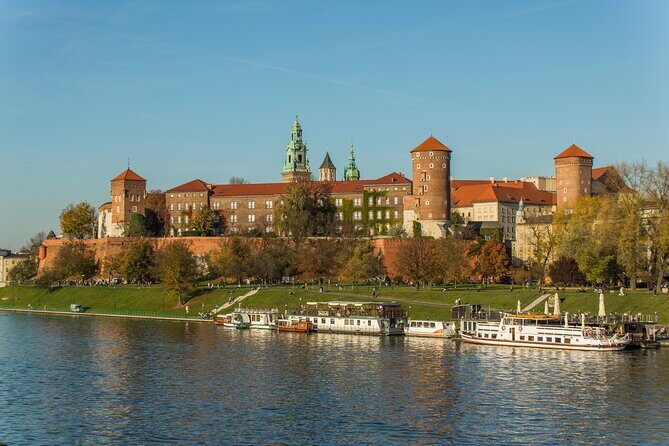
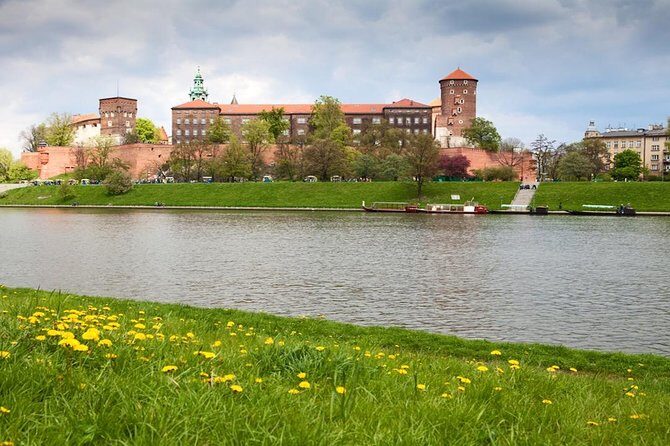
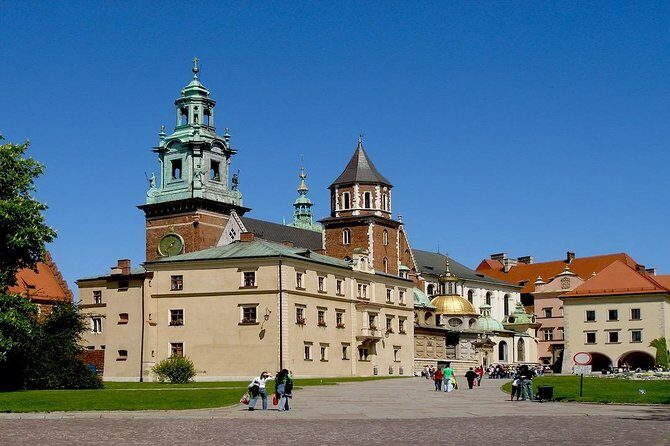
Wawel is Krakow’s gravity. On Wawel Hill sits the royal seat that shaped Poland for centuries, and the whole complex still feels like a national symbol, not just another museum stop. What makes this tour work is that it pairs the two sides of Wawel: the royal world of rooms, art, and power in the castle, and the Gothic world of faith and coronations in the cathedral.
The best part for me is the “two-for-one meaning” of the sights. You’re not only looking at impressive interiors. You’re also learning what they were for: rule, ceremony, and legacy. That’s why Wawel feels different from a generic sightseeing checklist. You’ll come away seeing the links between monarchs, art collections, and the rituals that still echo through the building today.
This also isn’t a slow, wander-at-your-own-speed visit. In 2 hours, you get focused access to the most important highlights without the brain-tax of sorting tickets, entrances, and priorities when you’re short on time.
You can also read our reviews of more guided tours in Krakow


Meeting point at Piotr Skarga Monument: start on the right foot
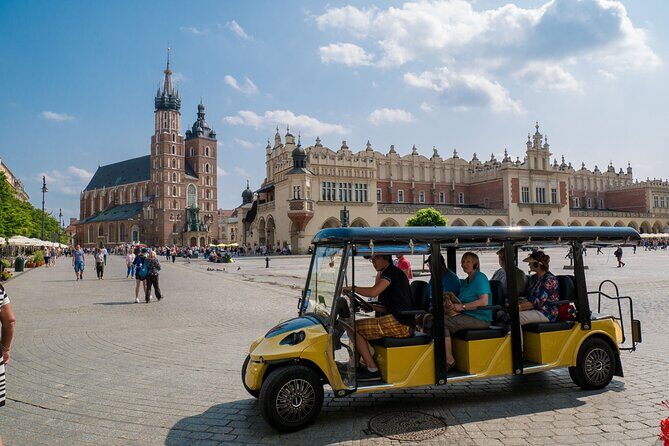
I like tours that use a clear, central meeting spot, because it reduces the chances of turning your “first stop” into a mini scavenger hunt. Here, you meet on St. Mary Magdalene Square at the Piotr Skarga Monument, with your guide holding an excursions.city sign.
One practical note: the meeting point is not located on Wawel Hill. Plan your walk accordingly so you’re not running at the last second.
Give yourself a buffer and arrive 10 minutes early. Once the group departs, latecomers can’t join, and tickets aren’t refundable. That rule is stricter than what you might see with other city tours, so it’s worth respecting.
Inside Wawel Castle: royal rooms, art, and the feel of monarchy
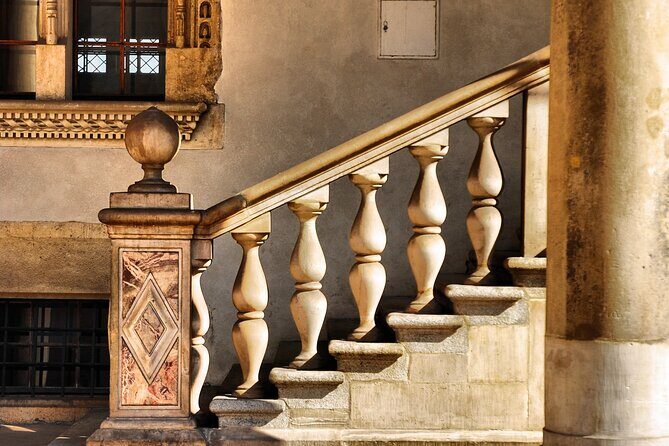
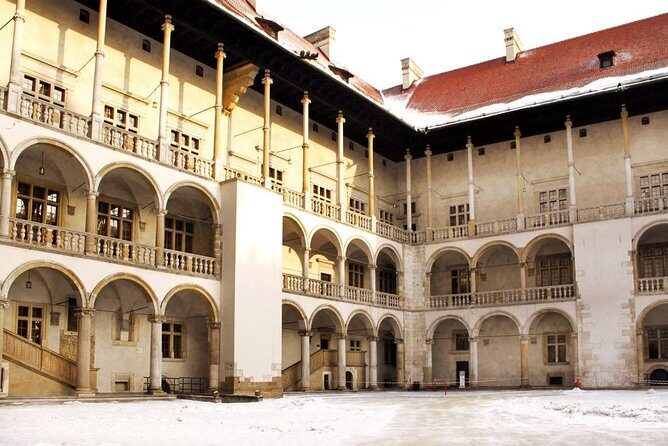
Wawel Castle isn’t presented as a ghostly ruin. It’s an active museum complex, transformed in 1930 into one of Poland’s key museums. That matters because you’ll be seeing spaces that are curated as rooms for looking and learning, not just empty halls.
During your tour you’ll go into State Rooms / Royal Private Apartments or the Crown Treasury, depending on availability. Even if you can’t predict which exact option you’ll get, the structure of the experience is consistent: you move through carefully selected areas and learn how they connect to the kings, the court, and the collections.
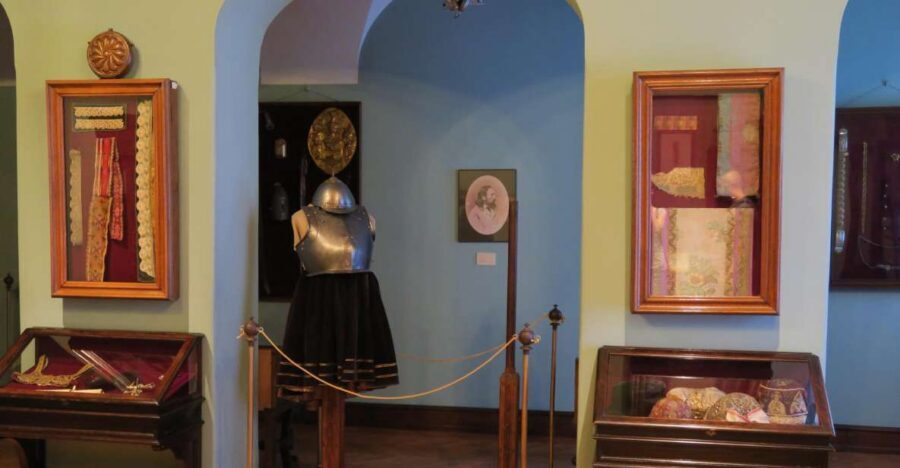
What I love about the castle portion is the mix. You’re not stuck with one theme. You’ll see Renaissance and Baroque royal interiors, plus collections that range from paintings and sculptures to porcelain and military artifacts. That variety helps the story feel real. A royal residence wasn’t only about fancy décor; it was also about politics, protection, and display.
What you might notice most in the castle
- Decorative objects that explain how status was shown, not just what was owned
- Court-style rooms that make the building feel lived-in, even though it’s now a museum
- A sense of timeline, where styles shift between Renaissance and Baroque settings
If you like stories with specifics, you’ll often get them here. Guides such as Helene/Helena, Anna, and Jadwiga are repeatedly praised for turning the rooms into understandable narratives rather than a list of facts.
Art highlights: tapestries, Italian masterpieces, and Ottoman tents
Here’s where this tour gets genuinely interesting. Wawel isn’t only Polish-made. It’s a collection shaped by trade, diplomacy, and collecting habits across Europe and beyond.
Inside the castle, you’ll hear about:
- Flemish tapestries commissioned by King Sigismund II Augustus
- Italian Renaissance masterpieces from the Lanckoroński collection
- Eastern art, including the largest set of Ottoman tents in Europe
That last detail is the kind of thing that changes how you see the entire castle. Instead of viewing it as a purely local monument, it becomes part of a bigger world of influence and exchange. Even if you’re not an art-history person, a good guide will help you understand why these objects were collected and how they fit into the court’s self-image.
Also, you’re walking through rooms filled with textures and objects—paintings, sculptures, porcelain. If you’re the type who likes to pause and look closely, plan to do it in the moments your guide opens up for questions, because the tour is timed.



Wawel Cathedral: coronations, chapels, and the Sigismund Bell moment
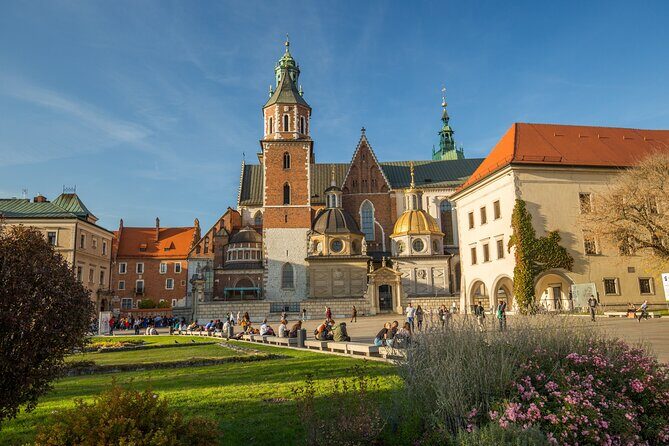
Wawel Cathedral is Gothic and serious. The kind of place where the building itself does part of the storytelling. According to the tour, it’s where Polish monarchs experienced key life events—royal coronations, weddings, and funerals—so you’re not just sightseeing architecture. You’re standing in the backdrop for national rituals.
Your guide takes you into chapels and altars, and this is where having a live person helps a lot. Many visitors might see “another cathedral interior.” With the right explanation, you’ll see the point of each space: what it represented, who it served, and why people cared.
The signature ritual: climb for the Sigismund Bell
Then comes the highlight that’s hard to forget: the cathedral tower. You’ll climb up to see the mighty Sigismund Bell, and tradition says touching it brings good luck.
This part tends to feel extra memorable because it’s physical. You’re doing something, not only looking. It also gives you a nice break from indoor galleries, and when crowds allow, it’s a moment to soak in the view and the scale of the tower space.
One small realism check: cathedral visits can be crowded, and the tour is only 2 hours long. That means you may not get long, quiet time in every corner. Still, the bell tower stop is included, so you’re not leaving without the big ritual.
Crypts and the human side of power
After the cathedral highlights, the tour descends to the crypts, where—based on the tour description—kings, queens, poets, and national heroes rest. This is the layer where Wawel becomes less about royalty-as-icons and more about people.
If you like history that connects to real lives, you’ll likely enjoy what your guide does here: sharing stories of power, devotion, and legacy. In a place this famous, it’s easy for people to get stuck on dates and titles. A good guide helps you understand why those names mattered and how the cathedral and castle functioned together as symbols.
This is also a strong reason to do the guided tour instead of going on your own. You can read plaques later, but in the crypts the atmosphere is the message, and the guide helps you hear that message.
Group size, headsets, and why pacing matters on a 2-hour tour
This tour is limited to a maximum of 30 participants, which is a sensible cap for a site like this. Smaller groups also tend to move with less confusion, and the tour uses headsets for groups of 9+, so you can actually hear your guide even in busy rooms.
2 hours is not long, so think of this as a “priority highlights” visit. The benefit is that you see the big things: major castle interiors, key cathedral spaces, and the bell tower. The downside is you won’t have hours to wander slowly.
Some guests note that the experience can feel fast and busy in peak times. That doesn’t mean it’s low quality. It means you should come with a plan to see what matters most, listen closely, and save extra time for solo browsing afterward if you want.
A practical tip
Wear comfortable shoes. Even with a tight route, you’ll be moving between rooms and levels, including tower access and descending to crypts.
And one small heads-up from real-world experience: bathroom access can be limited during some busy periods. If you can, use facilities before the tour starts so you’re not trying to fit a stop into a timed schedule.
Price and value: is $57 worth it?
Let’s talk about the price in plain terms. At $57 per person for 2 hours, you’re paying for three things that add up quickly at Wawel:
- A licensed local guide who can explain what you’re looking at (castle rooms, cathedral symbolism, and the crypt stories)
- Included tickets for Wawel Cathedral, plus skip-the-line entry to one permanent exhibition at Wawel Castle
- A smoother experience with headsets for larger groups
If you tried to DIY this on your own, you’d still have to buy entry tickets and figure out what order makes sense, especially when crowds slow down lines and when you don’t want to miss the bell tower experience. The guide does the “sorting” for you. That’s the real value.
Not included are food and drinks, so plan to eat before or after. But you do get a structured, high-impact route that covers the essentials.
In short: if you only have one short window in Krakow and you want Wawel’s top moments with interpretation, this price feels fair.
Who should book this tour, and who might want something else
This is a great fit if you:
- Want Wawel Castle and Wawel Cathedral in one go
- Like guided storytelling and want help making sense of monarchy, art, and religious spaces
- Enjoy hands-on moments like touching the Sigismund Bell
- Prefer a small-to-medium group structure rather than wandering alone
It may be less ideal if you:
- Want lots of free time to roam slowly at your own pace
- Hate tight schedules when you’re inside crowded buildings
- Need a lot of rest breaks, because the tour packs a lot into 2 hours
Family tip based on the vibe of the tour: it’s structured as an adult-focused museum/cathedral visit. If your group includes young kids who can’t sit quietly during explanations, consider whether you’ll manage the attention span issue inside worship spaces.
Should you book the Wawel Castle & Cathedral guided tour?
I think you should book it if you want the Wawel highlights without spending your brainpower on logistics. The combo of royal castle interiors plus Gothic cathedral coronation history plus the bell tower ritual makes this more than a standard sightseeing walk.
I’d especially book this when your time in Krakow is limited. The tour duration is short, but the included stops hit the key moments that define Wawel. And the guide quality seems to matter here: guides like Helene/Helena, Anna, Jadwiga, and Alexandra (Ola) come up repeatedly for strong storytelling and clear explanations.
If you’re the type who loves to look deeply on your own, you can still do this tour first to get your bearings, then return later for slower, personal exploring. That’s often the best way to get both speed and depth.
FAQ
How long is the Wawel Castle & Cathedral guided tour?
The tour lasts 2 hours.
Where do I meet the guide?
Meet your guide at St. Mary Magdalene Square, at the Piotr Skarga Monument. The guide will hold an excursions.city sign.
What is included in the ticket?
You get a licensed local guide, skip-the-line entry to one permanent exhibition at Wawel Castle, admission to the Wawel Cathedral, and headsets for groups of 9+.
What happens if I arrive late?
Arrive 10 minutes early. Once the group has departed, latecomers cannot join and tickets are non-refundable.
Is there a dress code?
Yes. For places of worship and selected museums, shorts and sleeveless tops aren’t allowed. Both men and women must cover knees and shoulders.
What languages are available for the guided tour?
The tour is available in Spanish, French, Polish, English, German, and Italian. All group tours run in one language chosen at booking.