REVIEW · KRAKOW
Krakow to Auschwitz Birkenau Guided Tour with Transfer and Ticket
Book on Viator →Operated by Hello Cracow · Bookable on Viator
A visit like this needs real logistics. This guided day trip from Krakow handles the big friction points: round-trip transfer to Oswiecim, museum entry, and a licensed guide who keeps the story clear through a headset system at Auschwitz I. Two things I really like are that you get practical hand-holding from pickup to drop-off, and that you can hear the guide properly without craning your neck.
There’s one trade-off to know upfront: the visit moves at a museum-controlled pace, and the Auschwitz I portion can feel quick if you want extra time to quietly absorb every exhibit on your own.
In This Review
- What you’ll feel, and how the tour is built
- Key points that matter before you go
- From Krakow to Oswiecim: the ride that sets the tone
- Entering Auschwitz-Birkenau: tickets, security, and what to expect
- Stop 1: Krakow’s Rynek Glowny and the transfer setup
- Stop 2: Auschwitz I (Auschwitz I) with headsets that keep you oriented
- The short break that matters
- Stop 3: Birkenau (Brzezinka) at Auschwitz II—vast, windy, and unavoidably exposed
- Stop 4: Back to Krakow—no rush, just enough decompression
- Price and value: why this deal can be a bargain
- What to pack (so the day doesn’t beat you to the punch)
- Who this tour is best for (and who might want a different style)
- Should you book this Krakow to Auschwitz-Birkenau guided tour?
- FAQ
- How long is the Krakow to Auschwitz-Birkenau tour?
- Is pickup from my hotel in Krakow included?
- Are admission tickets included?
- Do you get headsets?
- What documents do I need to enter Auschwitz-Birkenau?
- What should I do about food during the day?
- Is there a cancellation policy?
What you’ll feel, and how the tour is built
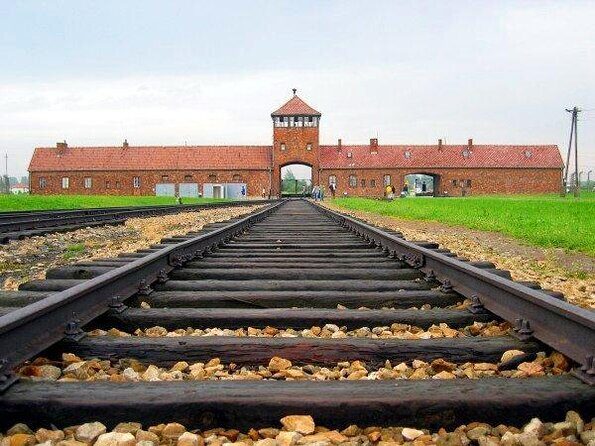
This is emotionally heavy and very structured. The group is kept to a maximum of 30, and you’ll be stopped in the right places to follow the history without getting lost in the scale. Do expect a lot of time outdoors (up to 70%), plus an airport-style security check before entering the museum grounds.
Key points that matter before you go
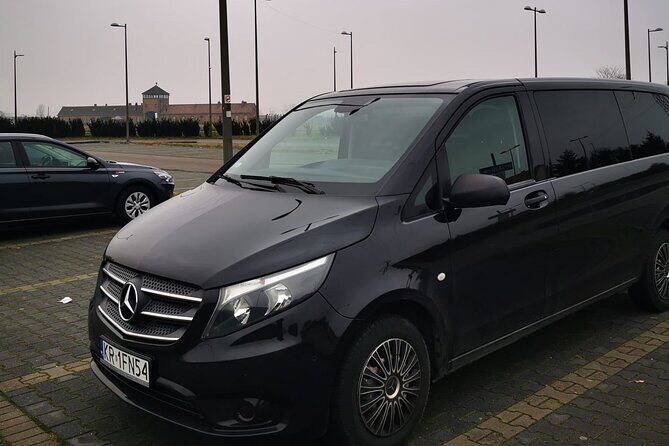
- Hotel pickup or a nearby meeting point keeps your start stress-light in Krakow
- Headsets at Auschwitz I help you hear clearly in a solemn setting
- Auschwitz I then Birkenau gives you the full camp contrast in one day
- Max 30 people keeps the experience organized and manageable
- Museum rules control pacing, so quiet reflection is built in—but not unlimited
- Outdoor walking dominates; plan for cold, wind, uneven ground, and bring water
You can also read our reviews of more tours and experiences in Krakow
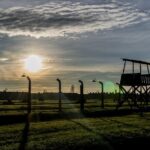
From Krakow to Oswiecim: the ride that sets the tone
The day starts in central Krakow—either from your hotel (if you’re in a smaller-capacity pickup option) or from a meeting point you choose when you book. Departure timing is tied to Auschwitz-Birkenau museum availability, and you’ll confirm your exact time the day before. Either way, the goal is to get you to the gate on time without that frantic last-minute scramble.
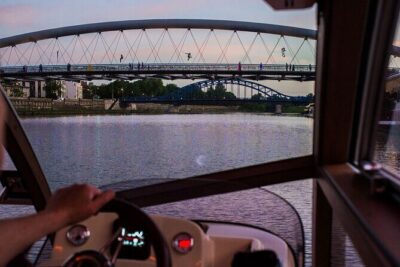
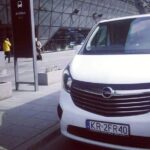
The transfer itself is straightforward: about 1 hour 15 minutes each way, roughly 65 km, in an air-conditioned van or mini-bus. In winter, that bus ride becomes a comfort buffer, and in summer, it helps you arrive not already exhausted. The operator also notes that drivers hold the required EU passenger transport permissions, which is a small detail that reassures you everything is properly set up for a day trip this long.
One detail I’d actually call out: pickups can be limited in certain areas due to roadworks in western Krakow. If you’re staying there, you’ll be asked to use a designated accessible location instead. If you’re near the Main Square, pickup should be assigned close to you. Also, one meeting point at Floriana Straszewskiego 19 is temporarily closed, so you should expect an alternative location if you planned around it.
Practical takeaway: check your message the day before, set a reminder for the pickup window, and don’t assume parking and traffic will behave like a normal city day.
Entering Auschwitz-Birkenau: tickets, security, and what to expect
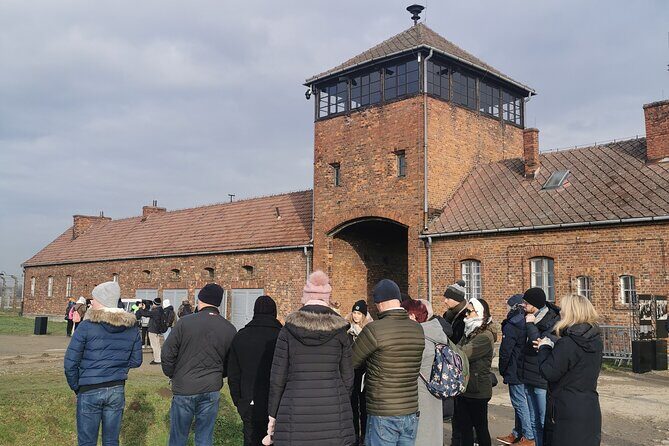
Once you arrive near the memorial site, you’ll have a short break to grab a coffee or step around outdoor exhibits. Then it’s into the museum flow. The tour includes the entry fees for Auschwitz I and Auschwitz II Birkenau, and it also includes insurance and taxes.
Before you go in, expect an airport-style security check. This is one of those things that makes the whole visit run smoothly—once you pass it, you’re in the controlled museum environment and the guide can keep the group moving as required by museum scheduling.
You’ll also be reminded of conduct expectations: smart casual dress, respectful behavior, and no loud behavior, smoking, or eating during the visit. Photography is allowed in most areas, but flash isn’t permitted inside buildings and you should follow any marked restrictions.
And yes, bring your ID. The tour data is very clear: passport or ID is mandatory for each participant, and full names must match the ID exactly. No nicknames. No shortcuts.
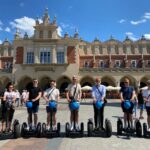
Stop 1: Krakow’s Rynek Glowny and the transfer setup
Your tour begins back in Krakow—either with hotel pickup or a meeting point. Starting from Rynek Glowny Central Square area is convenient because it’s easy to orient yourself. From there, the plan is to get you out of town without wasting time.
What I like about this setup is that you’re not guessing how to get to Oswiecim and you’re not dealing with ticket lines. Many independent travelers waste energy just figuring out logistics for a day trip that’s already long. Here, the transport is timed around museum access, and the guide is there to support the group when questions pop up.
The tour also includes “professional assistance in case of any issue.” In a day like this, that matters more than it sounds. If something goes sideways—late pickup, confusion about your meeting spot—that support can save your whole schedule.
Stop 2: Auschwitz I (Auschwitz I) with headsets that keep you oriented
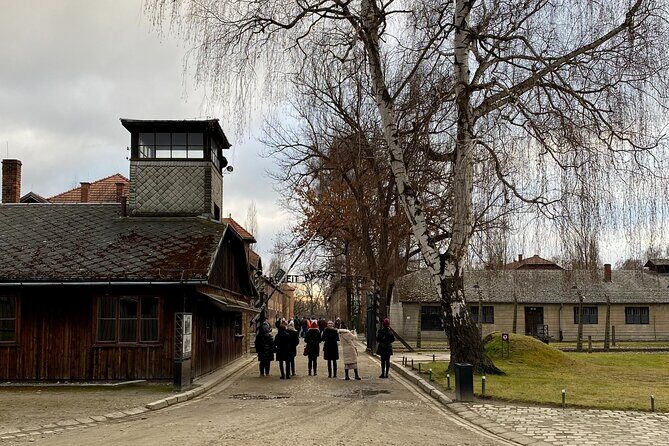
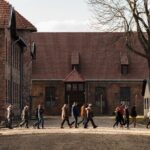
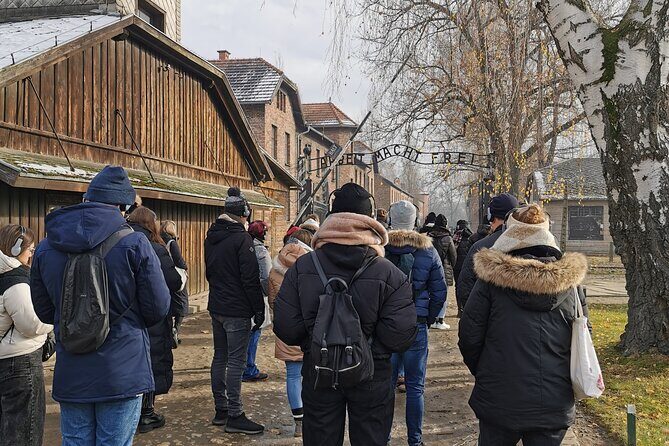
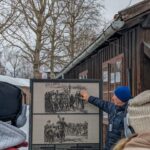
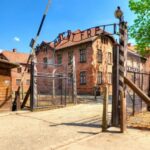
At Auschwitz I, you walk through the gate and into the original camp area. This is where the story often feels most immediate because the site is more compact and built-up, so you see details up close. You’ll spend about 2 hours here, and this is the portion where the tour specifically uses headsets, so you can hear the guide clearly.
The centerpiece sign Arbeit Macht Frei appears at the entrance area, and the guide explains the camp’s original purpose as a concentration camp and detention center after Germany annexed Poland in 1939. You’ll also cover the core historical elements that people come to understand: fortified walls, barbed wire, original wooden buildings, and the grim infrastructure of gas chambers and crematoria.
Two things to know about how this part is designed:
1) The group size matters. The tour uses a limit of up to 30 people, which the museum allows for a visit that’s still workable for everyone.
2) Pacing is controlled. One downside that comes through clearly in the tour feedback is that Auschwitz I can feel fast if you want long pauses to read every sign slowly. That doesn’t mean it’s rushed disrespectfully—it means it’s paced to fit museum rules and keep the narrative moving.
This is also where the guides’ delivery style really shapes your experience. In past runs, guides have included people like Marta, who’s described as empathetic and full of facts, and Miso, who many people found engaging. English quality can vary by guide, but the headset system at Auschwitz I usually helps a lot with clarity.
If you’re the type who needs time to absorb, I’d plan to treat Auschwitz I like a guided route with optional pauses, not like a self-paced museum tour.
You can also read our reviews of more guided tours in Krakow
The short break that matters
After Auschwitz I, you get a short break—about 15 minutes—to reset before Birkenau. This is not the time to plan a long snack stop, but it’s enough to drink water, use the restroom, and mentally brace for the wider-open Birkenau area.
If you’re sensitive to long, cold outdoor stretches, this short break is the moment to take it seriously. People often forget that the emotional weight is multiplied by fatigue, and a few minutes of physical comfort helps you stay present.
Stop 3: Birkenau (Brzezinka) at Auschwitz II—vast, windy, and unavoidably exposed
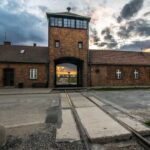
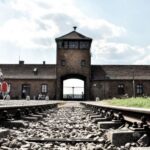
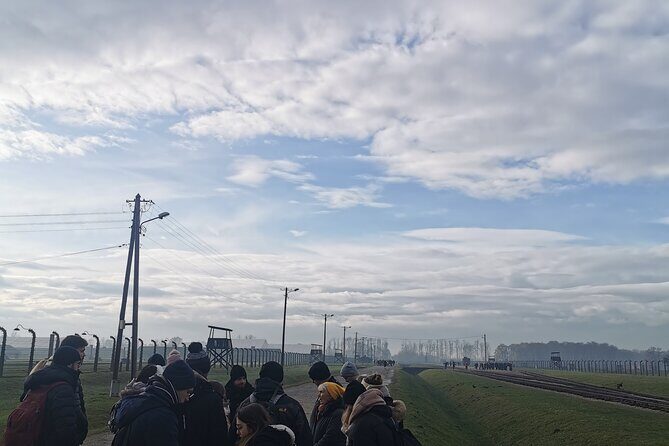
Birkenau is the largest camp built and operated for the Nazi plan to create a Europe that was free of Jews. You’ll transfer only a few minutes from Auschwitz I to Birkenau (the tour frames it as close, just a few minutes away), and then the guide continues the story.
You’ll spend about 1 hour at Birkenau. That hour covers the layout and the scale: overcrowding, brutal living conditions, selection processes, and the Nazi doctors behind pseudo-scientific “medical experiments.” The tour also mentions Josef Mengele specifically, and you’ll learn about the liberation timeline ending with January 27, 1945.
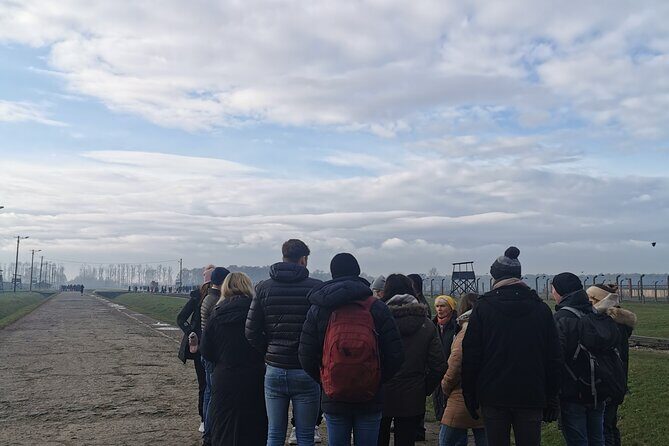
Here’s the practical catch: Birkenau is outdoors and much more exposed, and the tour data also indicates headsets are part of the Auschwitz I portion. In other words, you’ll need to rely more on yourself and your guide’s voice out there. On windy days, this can feel less “audio-supported” than Auschwitz I.
This stop is emotionally intense in a different way. At Auschwitz I you’re surrounded by structures; at Birkenau you feel the emptiness and the distances. That’s why people often describe it as eerie and hard to endure, but also why it’s essential if you want the full picture.
Wear shoes you can walk in on uneven ground. In the provided feedback, people called out that you can get some mud or muck, and you will be on your feet for a lot of the day.
Stop 4: Back to Krakow—no rush, just enough decompression
When the tour ends, the operator doesn’t rush you out. There’s at least a 20-minute break where you can step into a bookstore, grocery store, or just sit and breathe. Then you head back to Krakow, about 1 hour 15 minutes.
The tour ends at your meeting point or drop-off location. That “at least 20 minutes” buffer is a small kindness. After Auschwitz-Birkenau, you don’t want to go straight from emotional overload into another big decision. This gives you a moment to buy water, grab a snack, or simply wait until your body catches up with your brain.
Price and value: why this deal can be a bargain
At $36.28 per person, this tour is priced to be accessible, especially considering what’s included. You’re paying for:
- licensed local guiding
- Auschwitz I and Auschwitz II entry fees
- headsets (at Auschwitz I)
- round-trip transportation from Krakow
- insurance and taxes
Individually, it’s usually more expensive to combine a long-distance bus/van transfer, museum entry, and a licensed guide in a single day slot. This is the part I’d highlight for value: your money is buying you time you’d otherwise spend juggling tickets, transport, and timing.
Also, group size is capped at 30, which can help you avoid the chaos of very large bus tours. You still get a guided flow, without feeling like you’re in a moving crowd all day.
One caveat on value: you’ll have to handle food separately. Lunch isn’t included, and there’s no time for a full meal between visits. If you don’t plan snacks, you’ll end up spending extra or feeling drained at the wrong time.
What to pack (so the day doesn’t beat you to the punch)
This tour runs in all weather, and up to 70% is outdoors. That makes packing less about comfort and more about making it through the day with your focus intact.
Bring:
- comfortable shoes you don’t mind getting a bit mucky
- layers (winter can be brutally cold; feedback mentions -10 to -25 conditions)
- a drink or water bottle
- a snack for the gaps (the tour explicitly says there’s no time for a full meal and no food facilities on-site)
Food reality check: lunch isn’t included. The tour says there’s no time for a full meal between visits, so plan a light snack strategy before you go. Some people in the feedback also mentioned a lunch bag or packed option offered by the company, which can help if you don’t want to DIY it. If you don’t count on that option being available for your exact departure, bring your own snacks and you’ll be safe.
Who this tour is best for (and who might want a different style)
This works well if you want a day trip that is:
- organized with transport and entry taken care of
- led by a licensed guide with clear storytelling
- structured enough to keep you aligned with museum timing
- supportive with headsets where they make the most difference
It may be less ideal if you know you’ll feel irritated by a guided pacing approach. One piece of feedback notes the Auschwitz I visit can be too quick for some people who want long pauses to read every exhibit slowly. If you’re that kind of visitor, you can still do this tour—but go in with expectations that the guide will keep the group moving.
It also suits most fitness levels, since the route is manageable, but you should assume plenty of walking on uneven surfaces. In one review, someone noted it’s generally flat with a few stairs in some buildings, but the broader point remains: you’re walking a lot for a long day.
Should you book this Krakow to Auschwitz-Birkenau guided tour?
I’d recommend booking this tour if you want one reliable day where logistics are handled and you can focus on the meaning. The value is strong for the inclusions, and the organization feedback is consistently positive—communication, transport timing, and clear guiding show up again and again. It also has a high rating (4.8) and a strong recommendation rate (95%), which is worth taking seriously for a trip this important.
I’d consider another style or adjust your expectations if you’re craving a super slow, self-paced museum experience. This tour is guided and museum-controlled, and Auschwitz I pacing may not match your personal rhythm. Also, plan for outdoor exposure at Birkenau where headsets may not be part of that section.
If you’re ready for a sobering day and want it done properly from Krakow, this is a solid choice.
FAQ
How long is the Krakow to Auschwitz-Birkenau tour?
The tour lasts about 7 hours (approx.), including the transfer time between Krakow and the Auschwitz-Birkenau site.
Is pickup from my hotel in Krakow included?
Pickup is available, but the tour notes hotel pickup is offered in the limited option to a smaller group size. If you’re not eligible for hotel pickup, you’ll be given a meeting point instead.
Are admission tickets included?
Yes. Admission ticket fees are included for Auschwitz I and Auschwitz II (Birkenau).
Do you get headsets?
Headsets are included for hearing the guide clearly during the Auschwitz I portion. The Birkenau portion is conducted outdoors, and headset availability is not stated as part of that section in the tour details.
What documents do I need to enter Auschwitz-Birkenau?
You must provide full names matching your ID or passport, and you need passport or ID for each participant. If you don’t have ID, you won’t be allowed to enter.
What should I do about food during the day?
Food and drinks are not included. There’s no time for a full meal between visits, and there aren’t food facilities at the sites as part of the tour timing, so you should bring snacks.
Is there a cancellation policy?
Yes, you can cancel for free up to 24 hours before the experience starts for a full refund.