REVIEW · KRAKOW
From Krakow: Auschwitz-Birkenau Guided Tour & Hotel Pickup
Book on GetYourGuide →Operated by Royal Cracow · Bookable on GetYourGuide
Auschwitz changes your sense of time. This Krakow day trip is built for clarity: hotel pickup gets you to Oświęcim, and a licensed guide helps you understand what you’re seeing at Auschwitz I and Auschwitz II. Two things I especially like are the structured guided route at both sites and the way the tour uses period photos and personal artifacts to make the history easier to grasp. One drawback to plan for: this is a long, heavy day, and once you’re inside, you’ll be moving with the memorial’s schedule.
What also helps is how practical the tour is. You ride in a modern air-conditioned coach, and you get a short break before continuing to Auschwitz II, where the original barracks and gas chambers come into focus. If your group is led by guides such as Nicholas or Ziggy, you’ll benefit from commentary that stays respectful and keeps the group on track, not drifting. Just remember there’s no room for distractions like flash photography or large bags.
In This Review
- Key Takeaways Before You Go
- Auschwitz-Birkenau From Krakow: The Value of a Guided, One-Day Route
- Hotel Pickup and Coach Ride: How the Day Starts Smoothly
- Auschwitz I: Museum Time and the “Arbeit Macht Frei” Moment
- Auschwitz II-Birkenau: Barracks, Gas Chambers, and Platforms
- The Guide Factor: What Makes the Commentary Work
- Group Size, Timing, and the Emotional Reality of a Long Day
- What to Bring (and What Gets You Turned Away)
- Languages, Pickup Times, and How Skip-the-Line Works in Practice
- Price and Value: Why $21 Can Make Sense Here
- Should You Book This Tour From Krakow?
- FAQ
- How long is the Auschwitz-Birkenau tour from Krakow?
- Do I get hotel pickup in Krakow?
- What time does the tour start?
- Is entry to Auschwitz-Birkenau skip-the-line?
- What language are the guides available in?
- What should I bring for the visit?
- What is not allowed during the tour?
- Can I cancel for a refund?
Key Takeaways Before You Go
- Hotel pickup that starts close to where you sleep (pickup is optional and can be from any address in Krakow, depending on the option)
- Licensed guides at both Auschwitz I and Auschwitz II so you aren’t left piecing things together alone
- Skip-the-line ticket in many cases, with possible waiting if reservations aren’t available
- A clear pacing plan: coach ride, guided museum time, short break, then Auschwitz II
- Strict on-site rules: passport/ID, comfortable shoes, and no flash or large luggage
- Small-group or private options may be available for a less crowded feel
Auschwitz-Birkenau From Krakow: The Value of a Guided, One-Day Route
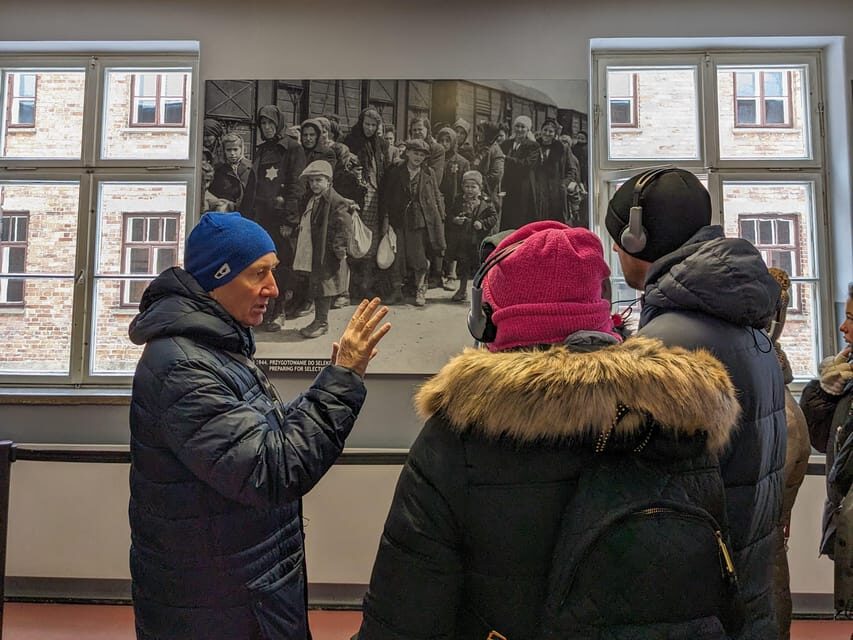
This tour is one of the most straightforward ways to get from Krakow to Auschwitz-Birkenau without dealing with complicated day-of logistics. The day is designed like a clean funnel: you’re picked up, transported in an air-conditioned bus, and then you’re led through the memorial on a guided path. That matters, because Auschwitz isn’t the kind of place where “wandering” usually helps. You want context, timing, and a guide who can point out what you’re looking at and why it matters.
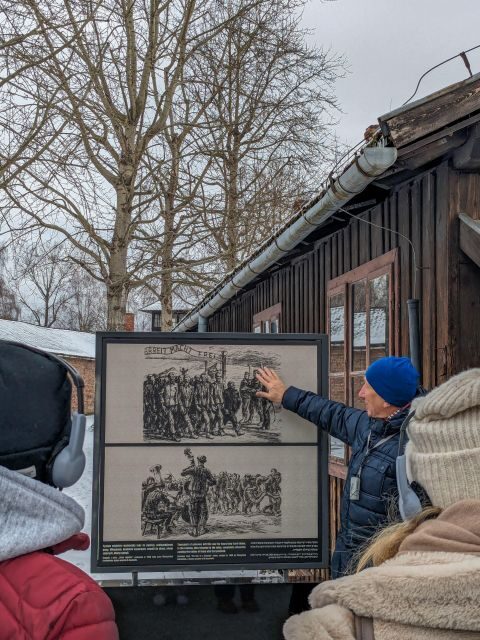
The biggest value here is simple: a professional, licensed guide at Auschwitz and Birkenau, plus time built into the schedule to hear how the camps were operated and what prisoners endured. You’re also not just looking at buildings—you’re seeing key locations and museum displays that connect to the people who died there, including their belongings. Even if you’ve read about Auschwitz before, the guided format helps you connect the dots in the right order.
Price is also worth talking about. At about $21 per person, you’re paying for four major ingredients in one bundle: transportation from Krakow, a full guided experience at the memorial, entry support (often skip-the-line), and a structured return to Krakow. It’s not a “cheap ticket” museum visit; it’s a whole day of guided work, and that’s where the value shows.
You can also read our reviews of more guided tours in Krakow
Hotel Pickup and Coach Ride: How the Day Starts Smoothly
Getting to Auschwitz on your own can be stressful, especially when you factor in timing, traffic, and where you’ll actually begin your visit. This option removes that friction. Pickup depends on the option you choose, but the tour is set up so you can start from your accommodation or a nearby meeting point. The pickup window can start early—between 5:00 AM and 1:30 PM—and you’ll get the exact start time communicated the day before.
Once you’re on the bus, expect about 1.5 hours heading toward Oświęcim. The coach is modern and air-conditioned, which sounds minor until you remember how long you’ll be on the move. A lot of the “comfort” of the day is really about reducing stress so you can focus on the experience once you arrive.
A practical plus: this tour tends to be well organized around multiple Krakow drop-off points. You’ll be returned to the city at the end, with many different locations listed, including major hotels and central pickup zones. That means you’re less likely to end the day stuck in transit or hunting for a ride.
Auschwitz I: Museum Time and the “Arbeit Macht Frei” Moment
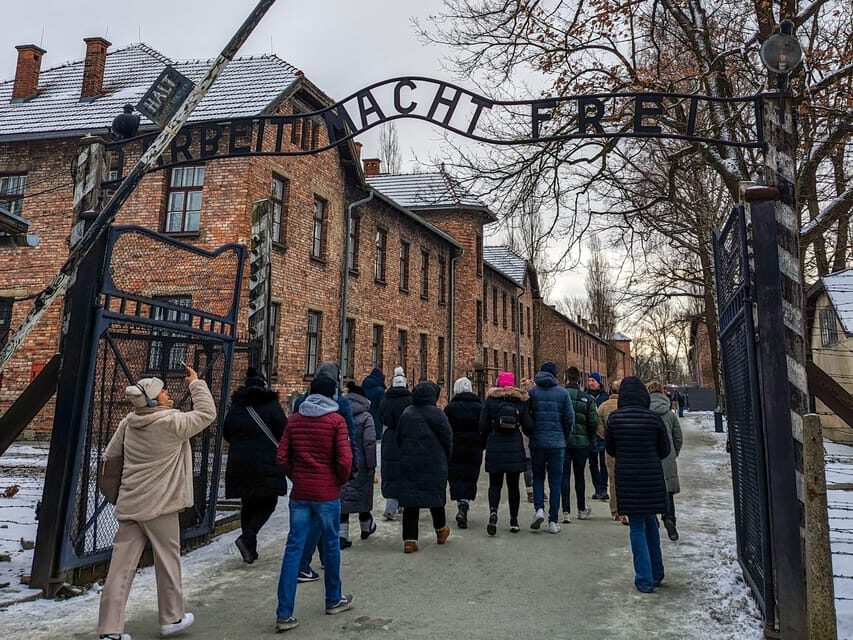
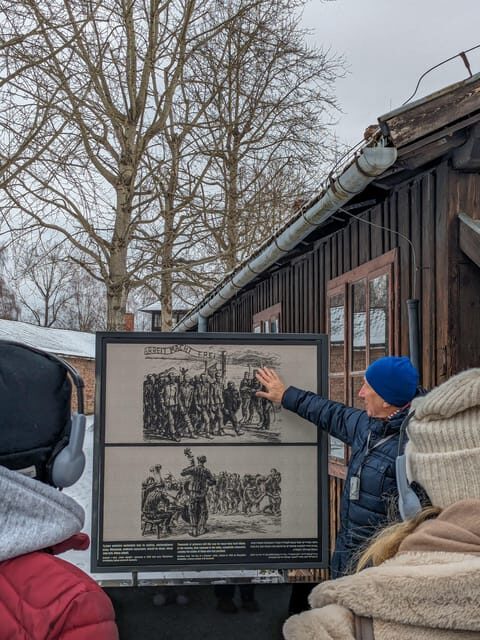
When you arrive, you’ll enter the Auschwitz-Birkenau Memorial and Museum with a guide. You should plan on a guided session of about 3.5 hours at the Auschwitz side of the memorial experience (with the day also including guided time at Auschwitz II). This portion is where the tour builds understanding—origins of the camp, how it functioned, and what life was like for prisoners under inhuman conditions.
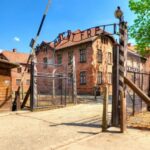
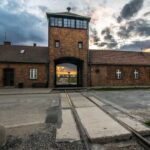
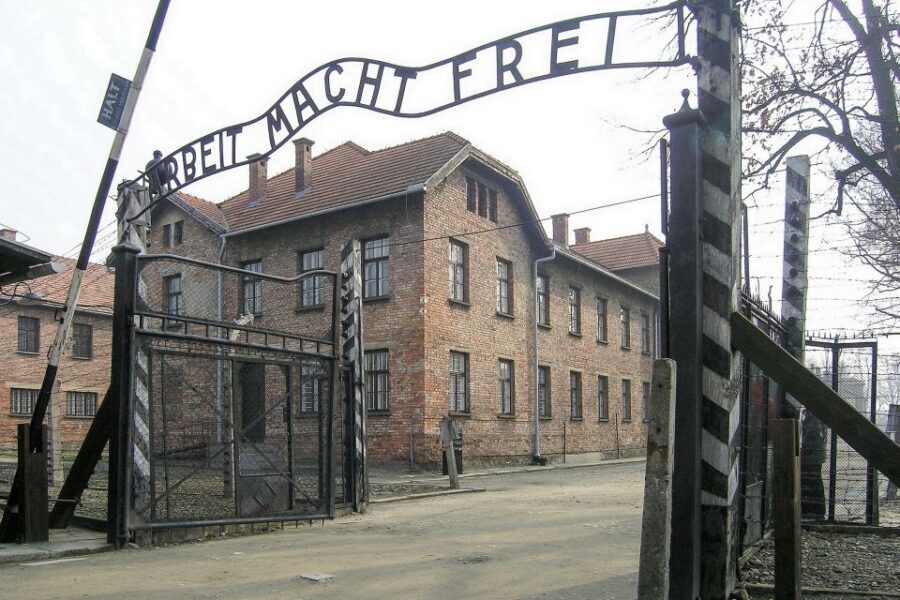
One image you can’t miss is the infamous entrance gate with the words Arbeit Macht Frei. The guide’s job here is to keep it from becoming a random photo moment. You’ll connect the symbol to the system of terror behind it, and you’ll get a clearer sense of what the camp’s presence meant for the people sent there.
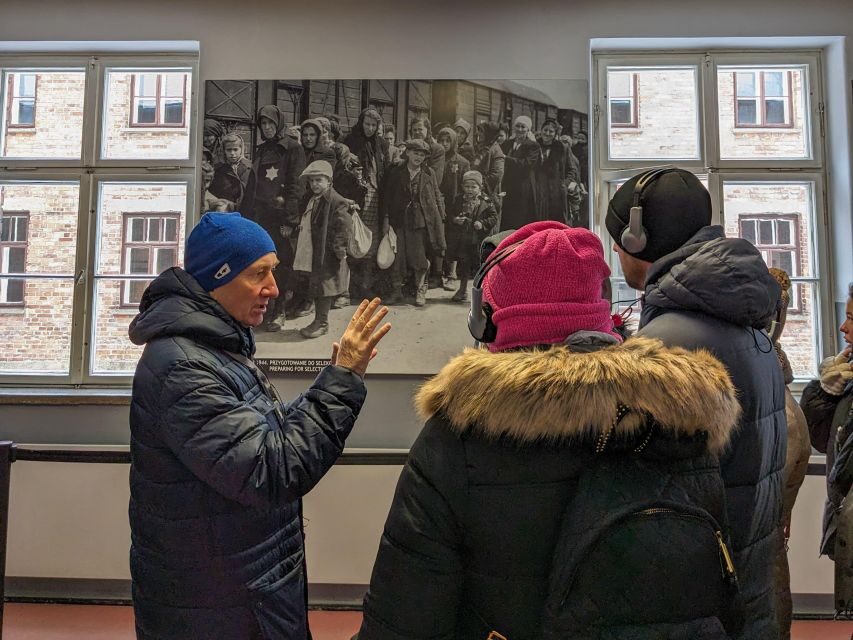
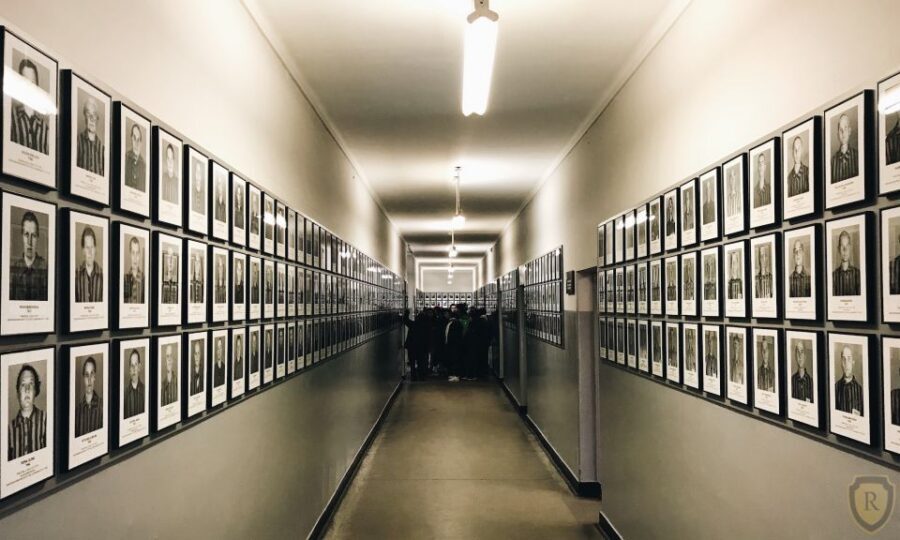
The museum component also matters because it’s where the tour brings in personal artifacts and period photos. Instead of treating this as a set of “ruins to see,” the tour links the exhibits to the human beings who were targeted. The tour also frames the scale: 1.3 million Jews, along with prisoners from Poland, France, and Italy, were murdered there during World War II. That context doesn’t feel like extra trivia—it’s the backbone for understanding what you’re walking through.
A drawback to consider: museum-style time can be mentally demanding. You’ll be on your feet and in a dense environment with lots to absorb. Wear comfortable shoes, because you’ll do much more walking than you might expect from a “short” day on paper.
Auschwitz II-Birkenau: Barracks, Gas Chambers, and Platforms
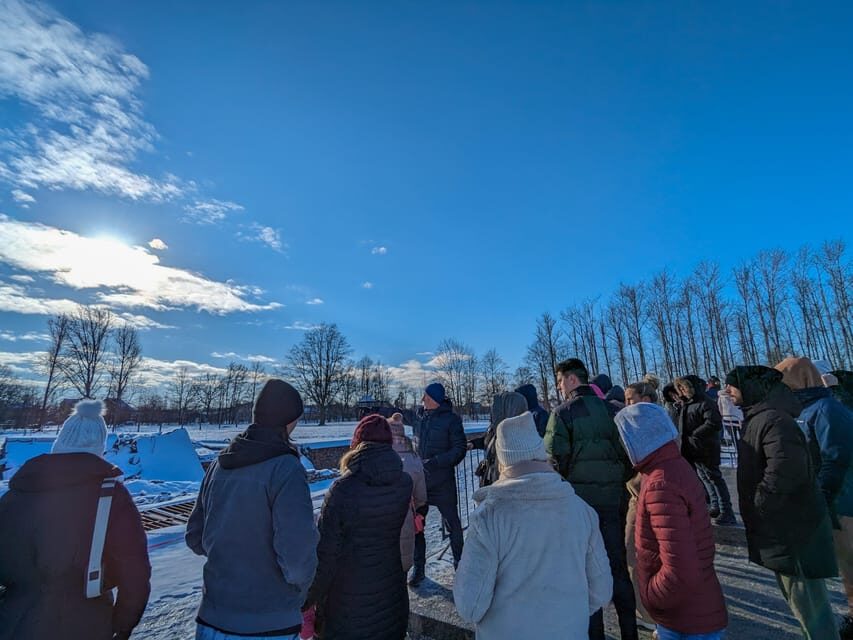
After a short break (about 10 minutes), you’ll head to Auschwitz II-Birkenau for guided time of roughly 75 minutes. If Auschwitz I helps you understand the narrative, Auschwitz II tends to hit with more physical weight—intact buildings, expanded spaces, and specific structures that show how the camp was laid out to process prisoners.
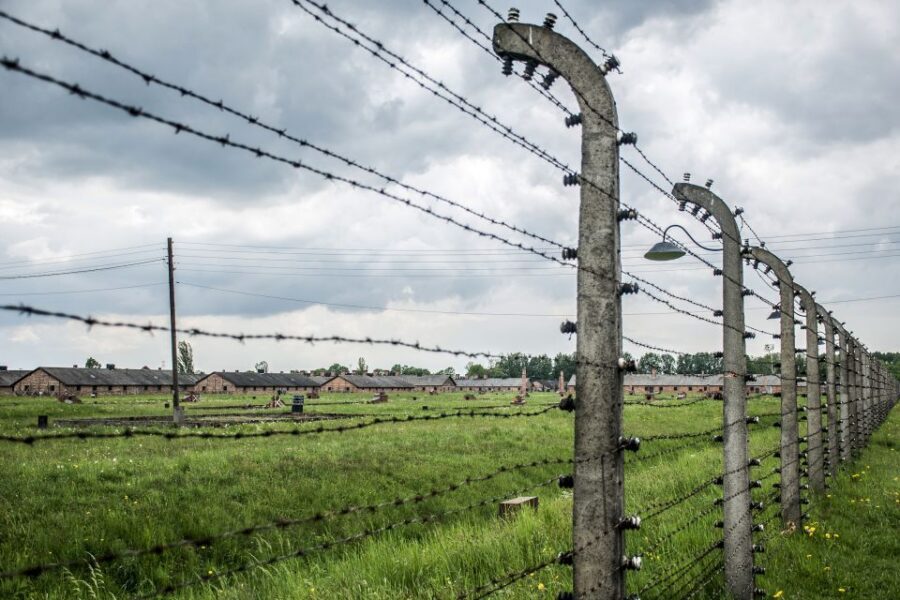
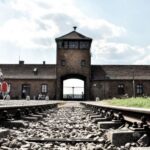
This is where you’ll see original barracks and the gas chambers, along with platforms and other key sites. The guide’s explanation is crucial here, because many people arrive with vague ideas of what they’ll see. Without a guide, it can be easy to miss the meaning of what’s in front of you. With a guide, you’ll understand how these locations fit into the camp’s operation and how that operation translated into suffering.
This part of the day can feel both quiet and surreal. You’ll likely notice that the site doesn’t invite casual conversation. The tour’s structure helps here: you’re not left wandering alone between locations—you’re guided through a sequence that keeps your attention on what matters.
The Guide Factor: What Makes the Commentary Work
A tour like this lives or dies by the guide. The good ones manage a difficult balance: they provide facts, they point out what to look for, and they treat the place with care. This tour includes a professional licensed guide and, based on the names that come up often in this experience (like Nicholas and Ziggy), the tone tends to be respectful, with explanations that help you absorb more without sensationalizing anything.
During the coach ride, you may also get extra context while you’re traveling. That can be a real advantage because it gets your brain ready before you step onto the memorial grounds. One review note that stands out in a practical way: communication around pickup can be handled well, including clear instructions shared ahead of time. That kind of organization is more important than it sounds when you’re starting your day at an early hour.
Here’s how to use the guide wisely: ask yourself what you need to understand before you start taking photos or reading signs. If you’re unsure what a specific building or exhibit is trying to show, that’s exactly when your guide’s narration becomes useful.
Group Size, Timing, and the Emotional Reality of a Long Day
The total duration runs 7 to 10 hours, and that’s a real number, not marketing fluff. Between coach time, guided museum time, a short break, and guided time at Auschwitz II, you’ll be moving for most of the day.
That long stretch is the biggest scheduling consideration. Even if the pace is organized, you’re absorbing heavy material, and your energy will dip. Plan for that. Eat before pickup when you can, and if the optional lunchbox add-on is available at checkout, consider using it—because it saves you from hunting food during the day.
Also note that tour timing is influenced by the memorial’s visitor service. That means you should treat the day as guided rather than flexible. You’re not going to “pop out for one stop” or swap around the order on the fly. If your day is packed with other plans, keep them light for the rest of the day.
Age and suitability are also worth respecting. This tour is not suitable for children under 12, and it also isn’t listed for wheelchair users or people with mobility impairments. If anyone in your group has hearing-impaired needs, the tour isn’t considered suitable based on the provided details.
What to Bring (and What Gets You Turned Away)
You’ll want to travel prepared so you don’t lose time at the start. Bring:
- Passport or ID card
- Comfortable shoes
The ID detail is important: entrance may be refused if the name on your booking doesn’t match the name on your ID at entry. That’s easy to fix ahead of time, but it’s the kind of problem you don’t want on a day you can’t reschedule easily.
What’s not allowed:
- Intoxication
- Flash photography
- Luggage or large bags
If you’re the type who likes to pack a lot “just in case,” this is your reminder to travel light. You’ll thank yourself later when you’re moving through the memorial.
Languages, Pickup Times, and How Skip-the-Line Works in Practice
This tour offers live guiding in multiple languages: Dutch, Italian, Spanish, English, German, and French. In a place where details matter, choosing a language you fully understand is one of the simplest ways to get more value out of the day.
Skip-the-line is included for many options, but not all. The tour notes skip-the-line entry ticket to Auschwitz-Birkenau Memorial & Museum is available except for Last Minute, Early Morning, and Roundtrip options. Also, if online reservation isn’t available, you may have to wait in line for tickets, depending on visitor numbers. The waiting time for the Last Minute option can run up to a few hours.
My practical take: if you’re going for a first-time visit and you hate the idea of queue time, choose an option that includes skip-the-line rather than gambling on availability.
Price and Value: Why $21 Can Make Sense Here
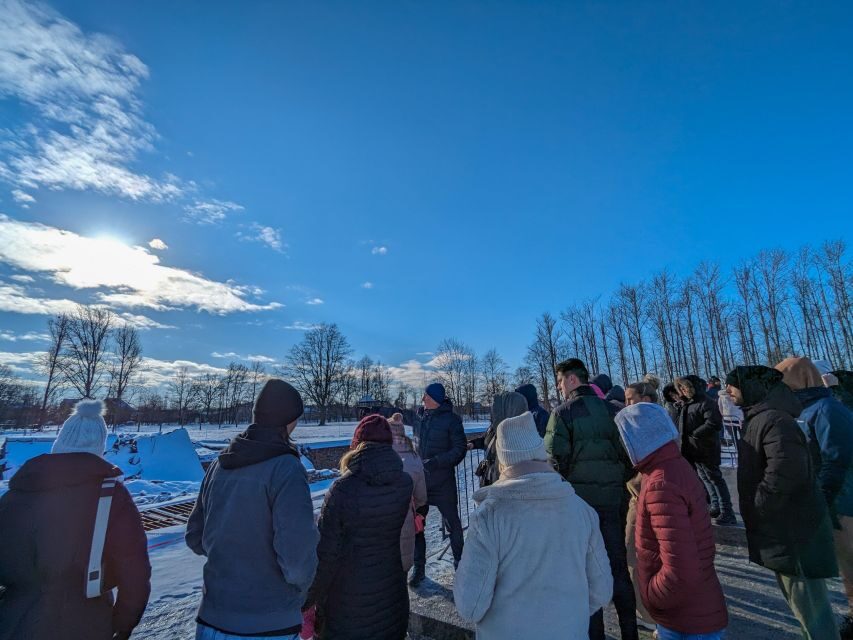
At around $21 per person, this tour is priced for a value-first day. You’re not only paying for transit from Krakow to Oświęcim. You’re also paying for:
- air-conditioned coach transport
- a licensed guide
- guided access to the museum and Auschwitz II sites
- skip-the-line entry in many cases
- optional lunchbox add-on (if selected at checkout)
What you’re really buying is time with trained interpretation. In Auschwitz, that’s the difference between seeing objects and understanding systems. A low-cost self-guided outing might sound cheaper until you realize you’re still spending the day walking, reading, and guessing what you’re seeing. Here, the guide gives you the structure.
So yes, the price is low relative to the emotional and educational weight of the day. The key is matching expectations: this is a serious site, with strict rules and a schedule you follow.
Should You Book This Tour From Krakow?
Book it if you want an organized, guided day from Krakow with hotel pickup, licensed interpretation, and a clear route through both Auschwitz I and Auschwitz II. It’s a good choice when you care about understanding what you’re seeing and you prefer not to manage transportation and timing on your own.
Skip or rethink it if you need a more flexible day plan, if your group includes someone who falls outside the listed suitability limits, or if you struggle with long, emotionally heavy museum visits. Also consider the ticket situation: if you pick an option that doesn’t include skip-the-line, you might spend extra time waiting.
FAQ
How long is the Auschwitz-Birkenau tour from Krakow?
The duration is listed as 7 to 10 hours, depending on the starting time and the memorial’s visitor service schedule.
Do I get hotel pickup in Krakow?
Yes, pickup is offered depending on the option selected, and pickup is possible from any address in Krakow (as stated in the tour details).
What time does the tour start?
The possible start time is between 5:00 AM and 1:30 PM (and in rare cases earlier). You choose a preferred time, but the exact start time is communicated the day before.
Is entry to Auschwitz-Birkenau skip-the-line?
A skip-the-line entry ticket is included for most options, except for Last Minute, Early Morning, and Roundtrip options.
What language are the guides available in?
Live tour guidance is available in Dutch, Italian, Spanish, English, German, and French.
What should I bring for the visit?
Bring your passport or ID card and comfortable shoes.
What is not allowed during the tour?
The tour states that intoxication, flash photography, and luggage or large bags are not allowed.
Can I cancel for a refund?
Yes. The tour offers free cancellation up to 24 hours in advance for a full refund.