REVIEW · KRAKOW
Krakow: Auschwitz-Birkenau Guided Tour with Pickup & Lunch
Book on GetYourGuide →Operated by SuperCracow.com · Bookable on GetYourGuide
That early start gets your day right.
This Auschwitz-Birkenau day trip runs from Krakow to Oświęcim (about 60 km west) with hotel pickup and drop-off and skip-the-line entry, so you spend less time wrangling logistics and more time focusing on what matters. What I like most is the structure: a short orientation film before you enter, then guided time in Auschwitz I and Birkenau, with a licensed guide who keeps the story clear and respectful.
I also like the “real-world” practicality built in. The ride is air-conditioned, the pace is guided by museum flow (so you’re not stuck waiting in random ways), and the tour spans roughly 7–10 hours, which feels doable for a site this heavy. The one drawback to plan around: your pickup time can swing widely (the window starts at 5:00 AM and can be as late as 1:30 PM), and on busier days you may still face security/queue time once you arrive.
In This Review
- Key things that make this tour worth your attention
- Krakow to Auschwitz: what the drive sets up for you
- Getting in faster: skip-the-line entry and the reality of queues
- Before the camps: the short film that helps everything click
- Auschwitz I: what you’ll see, and why the guide’s framing matters
- The short transfer: using the bus time wisely
- Birkenau (Auschwitz II): the last stretch that hits hardest
- Price and value: what $21 buys you in the real world
- Getting ready: dress code, bags, and the rules you’ll notice
- Who should book this Auschwitz-Birkenau trip?
- Should you book it or skip it?
- FAQ
- How long is the Auschwitz-Birkenau guided tour from Krakow?
- Does this tour include hotel pickup and drop-off in Krakow?
- Is skip-the-line entry included?
- What languages are the guides offered in?
- Is transportation included, and is it air-conditioned?
- What do I need to bring with me?
- Are large bags or backpacks allowed?
- What items are not allowed on the tour?
- What about lunch—do I get food during the tour?
Key things that make this tour worth your attention
- Skip-the-line entry to Auschwitz-Birkenau Memorial & Museum, so you’re not stuck at the ticket counters
- Pickup from multiple Krakow meeting points and return drop-off after the tour
- Licensed historian guidance inside Auschwitz I and Birkenau, in multiple languages
- A film before Auschwitz I, which helps you understand the camp system before walking the grounds
- Tight but structured touring: Auschwitz I first, then a short transfer, then Birkenau as the emotional closer
Krakow to Auschwitz: what the drive sets up for you
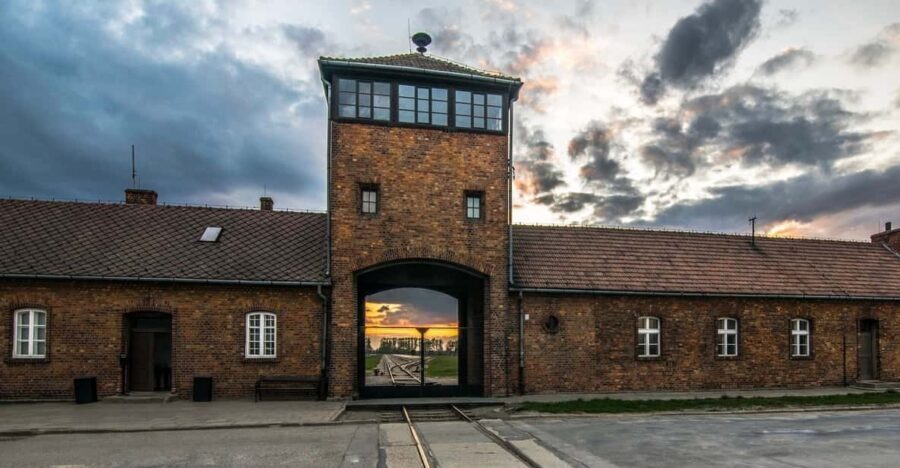
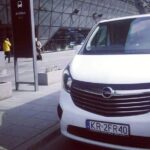
The day starts with a coach ride that’s part transport, part mental ramp-up. You’ll leave Krakow for the Auschwitz-Birkenau complex on the outskirts of Oświęcim, roughly 60 kilometers away. That distance matters because it gives you a full, “real day” experience rather than a rushed half-visit.
Your pickup is built around convenience. You choose a meeting option from the listed Krakow points (including Pawia 18a, Wielopole 2, and Starowiślna 65), and you’ll be returned to one of the drop-off locations after the last stop. The schedule is flexible at the beginning: the tour start can fall anywhere in the broad 5:00 AM to 1:30 PM window. You’ll get the exact start time the day before, and your first-choice time isn’t guaranteed.
This variability isn’t a gimmick—it’s the reality of getting groups into a museum that runs on timed entry and crowd flow. If you’re the type who hates surprises, treat the “exact pickup time” message as your anchor. Plan your Krakow morning the way you’d plan for an early train: simple, no tight reservations right before pickup.
You can also read our reviews of more guided tours in Krakow
Getting in faster: skip-the-line entry and the reality of queues
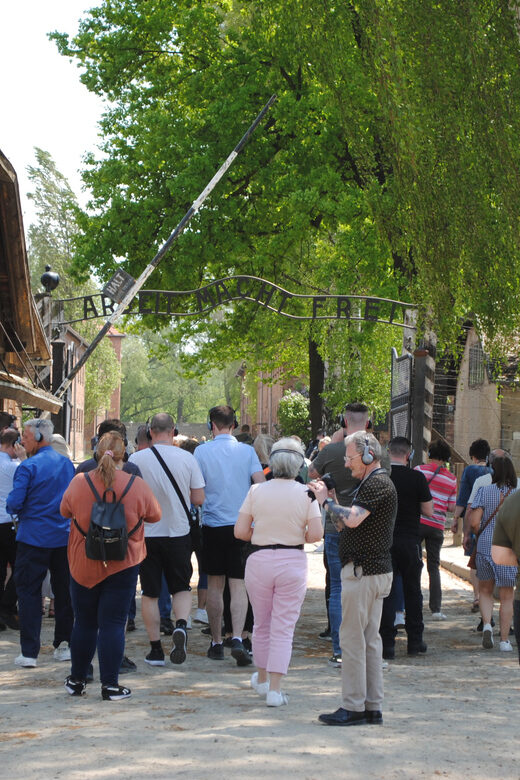
The big win here is skip-the-line entry to the Auschwitz-Birkenau Memorial & Museum. That usually means less time stalled at the ticket stage. But it’s not a magic wand for everything. The museum still has security screening, and in some situations—especially for last-minute departures—waiting time can stretch between 1 and 4 hours.
That’s why your best move is attitude and planning. Bring patience. Dress for long outdoor stretches, since parts of the complex require walking in open areas. And if the day starts super early, it’s not just to be dramatic; it’s often how tour groups are positioned to enter when they can.
Also note how pace works. The museum determines the tempo. Even with a great guide, you’re not in control of how quickly you move from one section to the next once you’re inside. So if you dream of taking your time everywhere, you’ll have to accept that this is an organized visit with set landmarks.
Before the camps: the short film that helps everything click
Right after your arrival, the tour includes a film shown in a prepared cinema room. This isn’t filler. It’s there to give you the basic structure: how the camp system functioned during World War II, and how Auschwitz operated beyond the most famous images.
I think this step is valuable because it changes how you read what you see afterward. Without that context, you’ll likely still feel the weight of the place, but you might miss some of the connections the guide will later explain in Auschwitz I and Birkenau. With the film, the tour becomes more than a walk-through—it becomes a guided understanding of mechanisms, not just scenes.
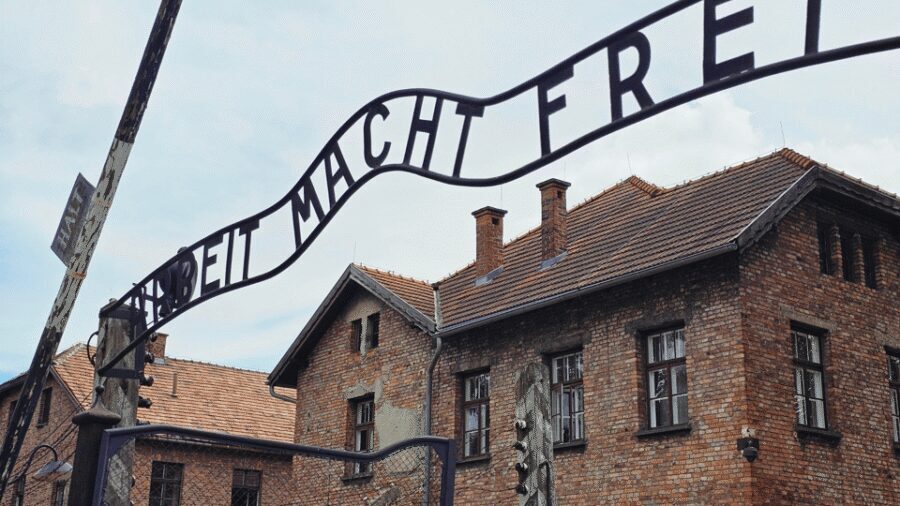
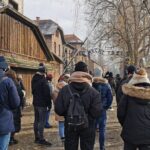
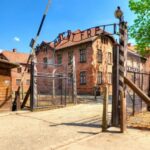
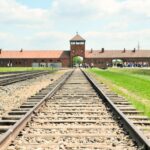
Then you enter the Auschwitz grounds through the famous gate marked Arbeit macht frei. Even if you’ve seen photos before, standing there changes the scale instantly. The film helps you move from shock to comprehension, even if you stay in a state of discomfort.
Auschwitz I: what you’ll see, and why the guide’s framing matters
Auschwitz I is the first major guided segment, lasting about 2 hours. This is where the preserved area you walk through is shown with historical explanation and interpretive structure. You’ll be guided through sections that represent how the camp was established and used—before the later mass extermination component becomes the focus.
This part is where the guide’s approach really matters. The better guides keep facts clear and keep the story respectful. From the range of guide names you might encounter on this route—people like Conrad, Michael, Bart, Caroline, and others—the common thread in feedback is that they explain details without turning the experience into a lecture you have to survive. If you’re going in expecting a timeline only, you might find yourself thinking in cause-and-effect instead.
You should also know what you’re signing up for emotionally. Auschwitz I can feel dense. The preserved spaces and exhibits compress years of history into a short path. It can feel fast even when it’s not. Reviews include comments that Auschwitz I can feel a bit hasty at times—something tied more to museum routing than to any single guide’s speed.
So here’s my advice: don’t chase every exhibit label. Pick up the guide’s main connections—camp purpose, prisoner experience, and the way the system worked—then let the hard images do their work. You’re not trying to “finish” Auschwitz I. You’re trying to understand it.
The short transfer: using the bus time wisely
After Auschwitz I, there’s a short ride to Birkenau. The transfer is quick—about 10 minutes by bus/coach—which means there’s not much downtime built into the middle. That’s typical for an Auschwitz-Birkenau day: the organizers want you to maintain a sequence, so your understanding builds rather than resets.
Use that bus segment to reset your body. This isn’t a spa day, and your senses will be overloaded. If you need water (not provided information here), or you need a restroom moment, try to handle it at the available breaks rather than hoping the timing works out later. The overall day is structured with limited stopping, and you’ll feel it by the time Birkenau begins.
You can also read our reviews of more tours and experiences in Krakow


Birkenau (Auschwitz II): the last stretch that hits hardest
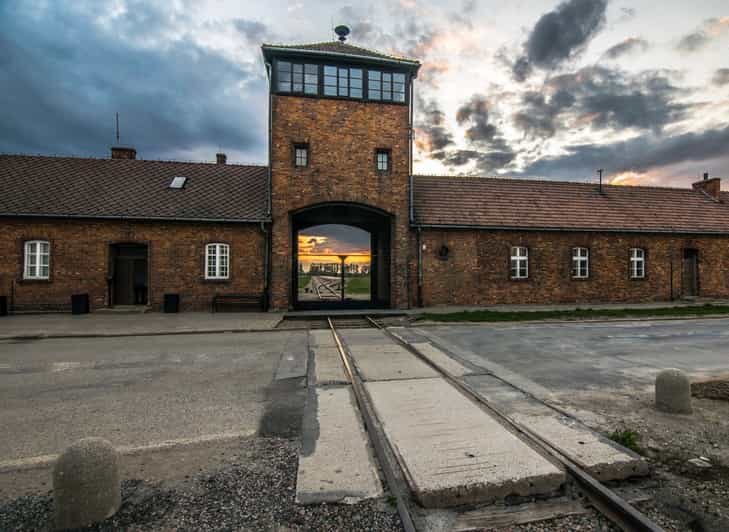
Birkenau is where the tour shifts into the portion most people associate with mass extermination—linked to the Nazi policy described as the Final Solution. This segment runs about 1.5 hours and is scheduled as the last major stop, which gives it that “closer” feeling.
Birkenau is also more open, and that matters. The grounds can feel like walking into scale itself: more space, more lines of sight, more distance between what you see and what you can fully comprehend. Even if you’ve read about it for years, Birkenau forces a different kind of mental pause.
One practical note: Birkenau is the final hour of your guided time. If your brain is already exhausted, you may want to pace your attention—listen for the guide’s main points, then allow yourself quiet moments when you feel the need. Some people find Birkenau slower than Auschwitz I because the guide’s pacing and the physical space make it feel less compressed.
The tour closes after Birkenau with the ride back to Krakow. You’ll leave with that familiar mix: shock, grief, and a need to talk less and process more.
Price and value: what $21 buys you in the real world
At about $21 per person, this tour is priced as a budget-friendly way to do a “big two” day: Auschwitz I plus Birkenau, guided by a licensed historian, with transport and skip-the-line entry included.
Here’s what you’re actually getting value for:
- Transportation on an air-conditioned coach from Krakow to Oświęcim and back
- Licensed guiding inside both sites, not just at one
- Skip-the-line entry to Auschwitz-Birkenau Memorial & Museum
- A structured day length (7–10 hours) that’s realistic without swallowing your whole trip
What you’re not getting is a slow, unstructured experience. This isn’t the kind of tour where you wander for hours. The museum sets the flow, and the day is built to cover key areas in a limited timeframe.
Optional lunch can be added as a lunchbox at checkout. Reviews suggest the lunchbox is often tasty and filling. One caution: some scheduling tightness means there may be limited or no dedicated time to sit down and eat. You may receive the box but still feel like you’re mostly on the move. If you’re prone to getting hungry, the lunchbox is still a good safety net—just don’t assume it comes with a relaxing lunch break.
Getting ready: dress code, bags, and the rules you’ll notice
This site has rules, and they’re not optional. Make sure you pack the basics smartly:
- Bring passport or ID card
- Avoid large luggage or backpacks; the maximum allowed size is 20 x 30 cm
- No pets, no weapons or sharp objects
- No smoking
- No sleeveless shirts
- No alcohol or drugs
These restrictions affect comfort more than you might expect. A sleeveless shirt could become a last-minute problem if you’re traveling light. A too-big bag can become a bigger problem than you want on day one. Check your bag size before you leave Krakow. If you’re carrying something bulky, leave it behind.
Also remember this is not suitable for people with mobility impairments. That’s a direct, important consideration for your decision-making. If you have mobility needs, it’s worth looking for an alternate format that better matches access requirements.
Who should book this Auschwitz-Birkenau trip?
I’d book this if you want a guided, structured day that hits Auschwitz I and Birkenau with minimal fuss. It’s especially good if you:
- Prefer having a licensed historian guide explain the story in context
- Want hotel pickup and drop-off so you aren’t managing transport out of Krakow
- Like knowing your day plan ahead, even if the exact pickup time shifts
- Appreciate skip-the-line entry and an air-conditioned ride on a long day
I’d think twice if you:
- Need a slow “stop whenever I want” pace
- Get stressed by early mornings and schedule changes
- Want a truly flexible lunch break (the lunchbox is optional and may not be paired with sit-down time)
- Rely on mobility accommodations
Should you book it or skip it?
If your goal is to do Auschwitz-Birkenau in a respectful, guided way without turning your day into logistics, I’d say book it. The combination of skip-the-line entry, pickup/drop-off, air-conditioned transport, and licensed guiding is hard to beat at this price.
Just book with your eyes open. Expect an emotionally heavy day. Accept that the museum pace controls parts of the schedule. And pick your priorities: listen closely, take breaks when you can, and don’t try to speed-run every detail. If you do that, this trip can give you something more useful than an experience you only remember as a blur—you’ll leave with a clearer understanding of how the system worked, and why it mattered.
FAQ
How long is the Auschwitz-Birkenau guided tour from Krakow?
The duration is listed as 7–10 hours.
Does this tour include hotel pickup and drop-off in Krakow?
Yes. Hotel or meeting point pickup and drop-off are included, depending on the option you select.
Is skip-the-line entry included?
Yes. Skip-the-line entry is included for the Auschwitz-Birkenau Memorial & Museum.
What languages are the guides offered in?
The tour offers English, Italian, Spanish, French, and German.
Is transportation included, and is it air-conditioned?
Yes. You travel by air-conditioned coach/transport.
What do I need to bring with me?
Bring a passport or ID card.
Are large bags or backpacks allowed?
No large bags or luggage are allowed. The maximum allowed size for a backpack is 20 x 30 cm.
What items are not allowed on the tour?
Pets, weapons or sharp objects, smoking, luggage/large bags, sleeveless shirts, and alcohol or drugs are not allowed.
What about lunch—do I get food during the tour?
A lunchbox is included only if you select the lunchbox add-on at checkout.