REVIEW · KRAKOW
From Krakow: Auschwitz-Birkenau Full-Day Guided Tour
Book on GetYourGuide →Operated by Royal Tours Krakow · Bookable on GetYourGuide
This is a day that changes you.
A full-day trip to Auschwitz-Birkenau is heavy, yes, but also clear-cut: you get guided context, real on-site details, and a route that takes you from Auschwitz I to the far larger Birkenau—so you leave understanding what you saw and why it mattered.
I especially like the licensed, in-person guidance. It’s the difference between walking through places that look old and grasping what each section was built to do. I also like the comfort and efficiency of an air-conditioned minivan with pickup and drop-off, plus a skip-the-ticket-line setup that saves stress for a time-sensitive museum day.
One consideration: this is long and emotionally demanding, with a pace set by the Memorial itself. Expect lots of walking, museum schedule shifts, and strict entry rules—so plan on taking the day seriously.
In This Review
- Key highlights worth knowing
- From Krakow to the Memorial: What Your Day Sets Up
- Auschwitz I: The First Iron Gate and the Meaning You’ll Hear
- Block 11 and the Remaining Gas Chamber: The Parts You Can’t Unsee
- Auschwitz II–Birkenau: Why Scale Changes Everything
- The Memorial Moment: Paying Respect Before You Leave
- Timing, Schedule Shifts, and Why the Day Can Move
- Price and Value: What $89 Buys You in Real Terms
- What to Bring and Wear: Small Rules That Matter
- Who This Tour Is Best For (and Who Might Want a Different Plan)
- Should You Book This Auschwitz-Birkenau Full-Day Guided Tour?
- FAQ
- How long is the Auschwitz-Birkenau full-day guided tour?
- Where does pickup happen?
- What transportation is used from Krakow?
- What is included in the price?
- Do I need to buy tickets in advance?
- Which languages are the live tours offered in?
- What do I need to bring for entry?
- Are there restrictions on what I can wear or carry?
- Is this tour suitable for children?
- Is the tour refundable if plans change?
- What happens if the museum changes the tour time?
Key highlights worth knowing
- Auschwitz I plus Auschwitz II (Birkenau) in one guided day, instead of picking just one camp
- Block 11 focus, including the role of Zyklon B and the standing gas chamber/crematorium at the end
- Headset included, which helps a lot when you’re standing close to crowds and listening for details
- Air-conditioned minivan from Krakow with pickup/drop-off for a smoother start and finish
- Real guide names you’ll see in the wild, like Monika, Joanna, and Jakob, known for clear explanations
From Krakow to the Memorial: What Your Day Sets Up
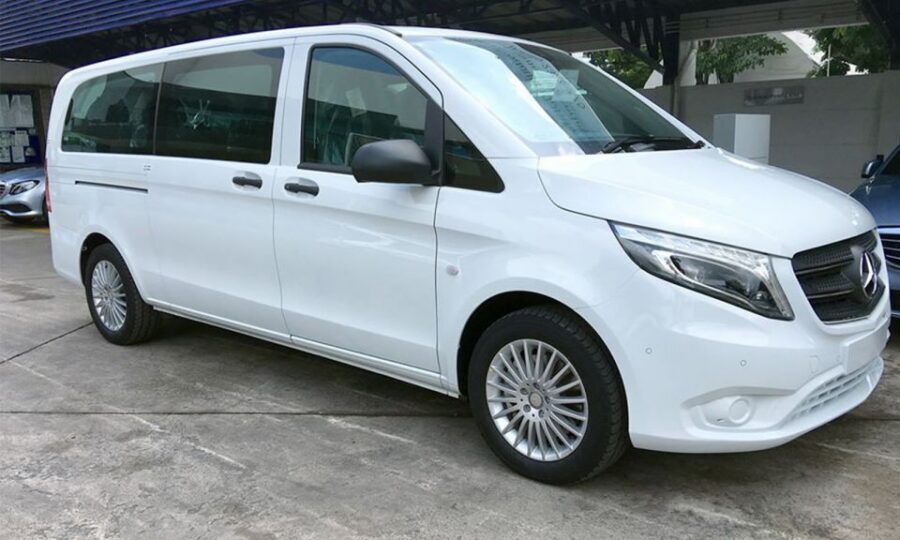
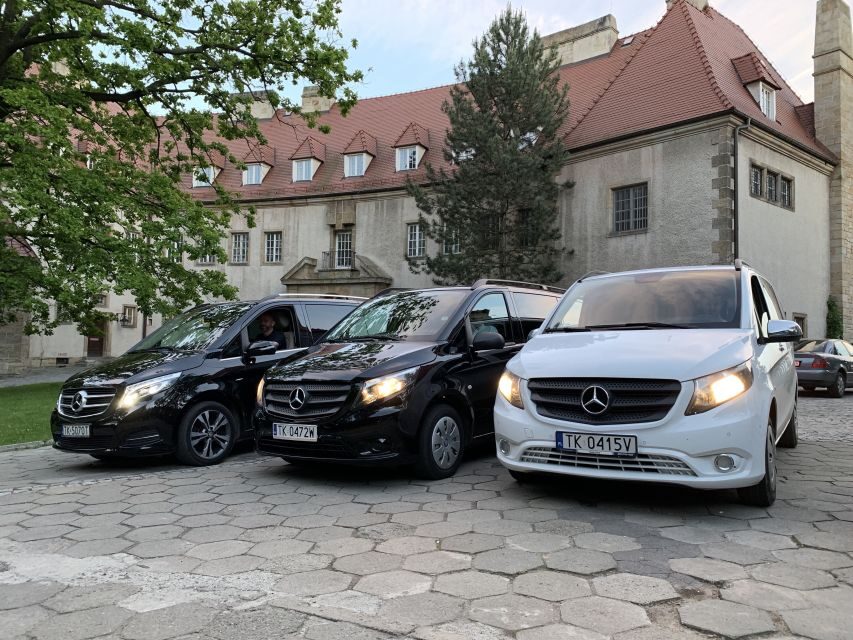
The most practical thing about this tour is that it handles the hard parts of logistics for you. You leave Krakow in an air-conditioned minivan, and the driving is done for you so you can focus on being present when you arrive. It’s also built around a museum rhythm, with planned coach time and scheduled breaks so you’re not stuck trying to figure out timing on your own.
You also start with a small advantage that matters: the tour includes entrance fees and a setup that helps you skip the ticket line. That sounds like a minor perk until you’re dealing with cold mornings, security checks, and the fact that museum access is time-managed. Instead of wandering, you get a guided flow right away.
Finally, this kind of day works best when you can listen and ask questions. The tour provides a headset, and it’s there for a reason: Auschwitz is not a place where you want to strain to hear. When I see tours that include audio help, it usually means the operator wants you to actually understand what the guide is pointing out.
You can also read our reviews of more guided tours in Krakow
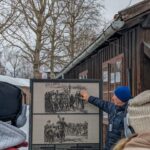
Auschwitz I: The First Iron Gate and the Meaning You’ll Hear
Your day begins with travel time from Krakow and a first arrival break before the guided portion. Once you’re through the entry process, you’ll start at Auschwitz I, the original camp site. The guided block there is long enough—about 105 minutes—that the guide can connect details instead of rushing from stop to stop.
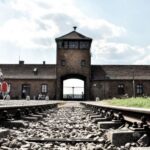
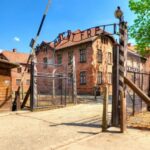
The first moment is famously stark: walking through the iron gate with the slogan Arbeit Macht Frei. You’ll hear what it literally translates to (Work sets you free), and you’ll also hear it explained in its hateful context. That’s important. The point isn’t to memorize a phrase. It’s to understand how lies and propaganda were turned into part of the system.
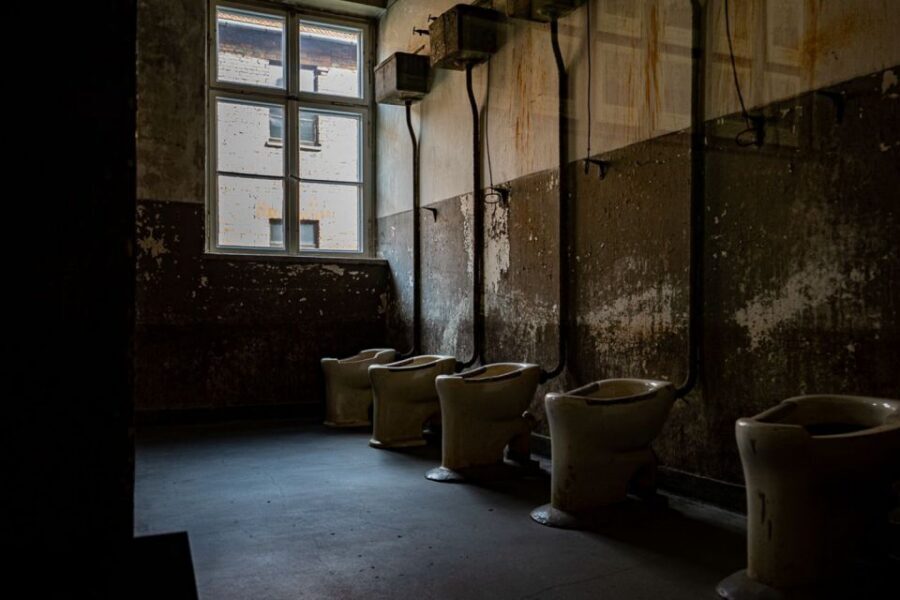
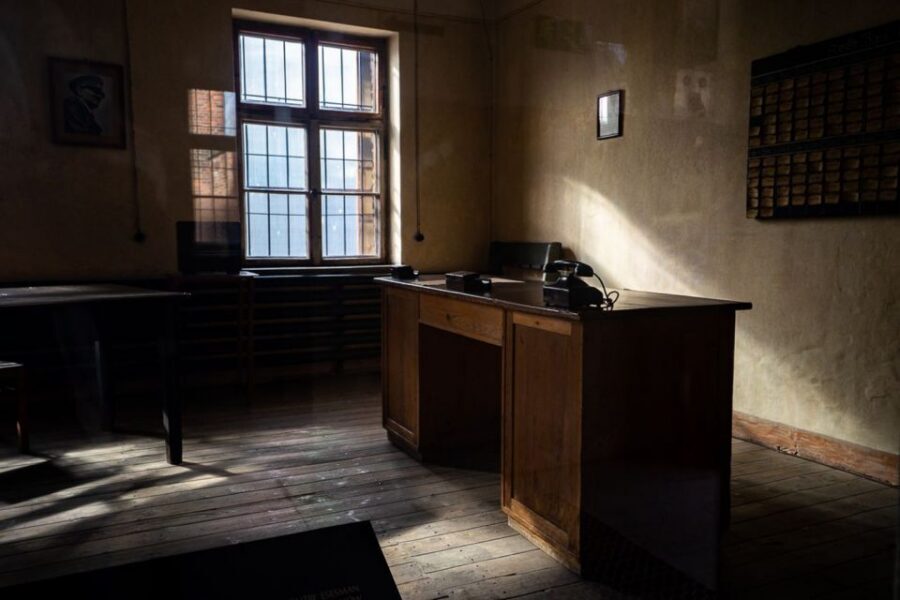
After the gate, you’ll see 22 brick barracks, part of where hundreds of thousands of victims were held. The guide’s job is to help you read what you’re seeing: not just buildings, but a designed prison system. You’ll likely feel the difference between imagining a concentration camp and standing where the layout shaped daily life.
One more thing I appreciate here: Auschwitz I is your foundation. If Auschwitz II feels larger and more open, Auschwitz I helps you anchor it. You’ll see how the later camp expanded the same machinery—just on a more massive scale.
Block 11 and the Remaining Gas Chamber: The Parts You Can’t Unsee
The tour’s most intense segment is Block 11, sometimes described as a prison inside the prison. This is where the guide spends time on the logic of terror—special torture areas and the punishments inflicted on prisoners. The route through Block 11 doesn’t feel like a checklist. It feels like a guided explanation of how cruelty was systematized.
You’ll also learn about the first extermination attempts using Zyklon B. That’s a detail you may hear elsewhere in books and documentaries, but hearing it explained on-site is different. The guide frames it so the information stays connected to what happened there, rather than floating as a fact you can mentally file away.
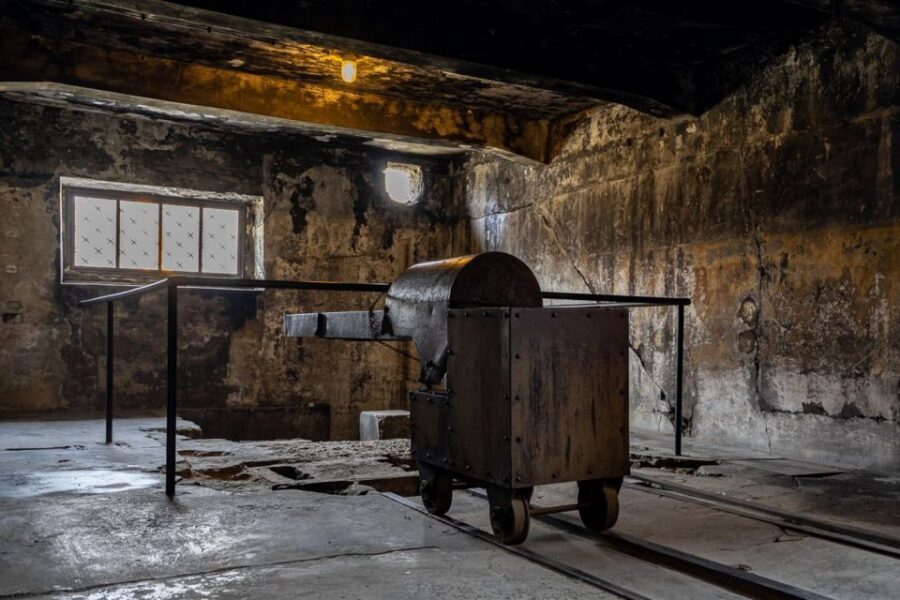
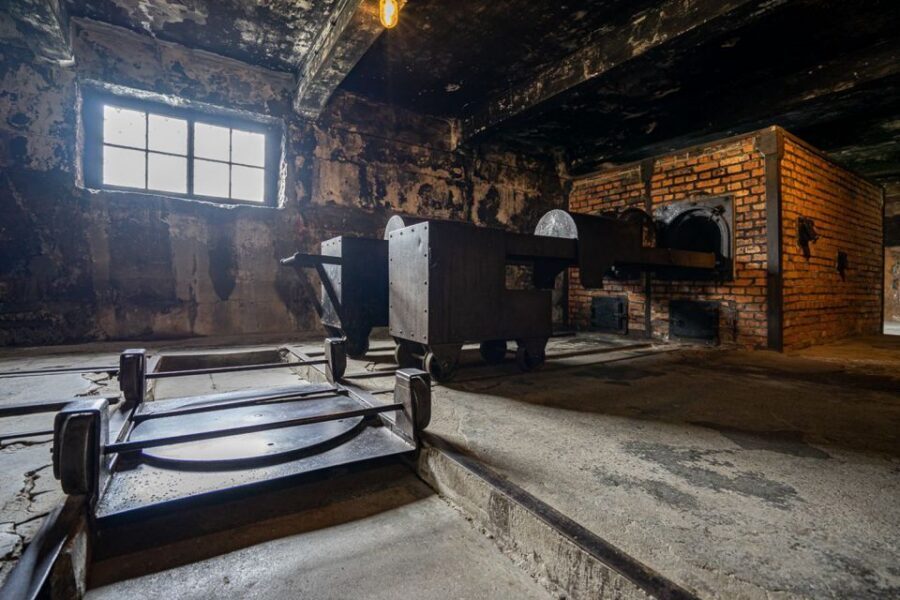
At the end of the Auschwitz I area, you’ll reach the only crematorium and gas chamber still standing at that location. This is one of those stops where the guide’s tone matters. A good guide doesn’t turn it into drama. They keep the focus on what this place represents and how to witness it with respect.
In reviews, people often talk about how the experience is deeply moving and sobering. That matches what the tour format supports: you’re not rushing through. You’re hearing context, then looking, then listening again. For many visitors, that rhythm is what prevents the day from turning into numb sightseeing.
Auschwitz II–Birkenau: Why Scale Changes Everything
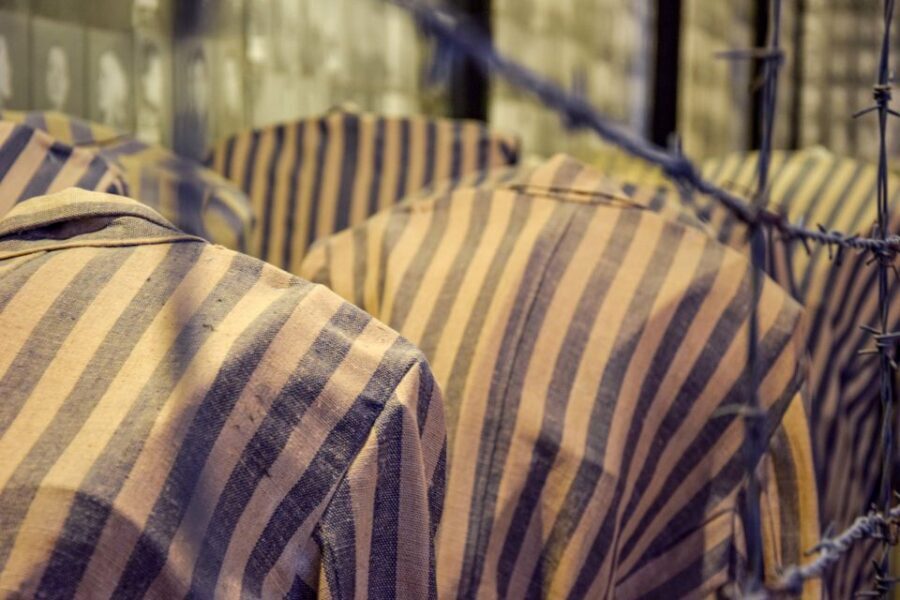
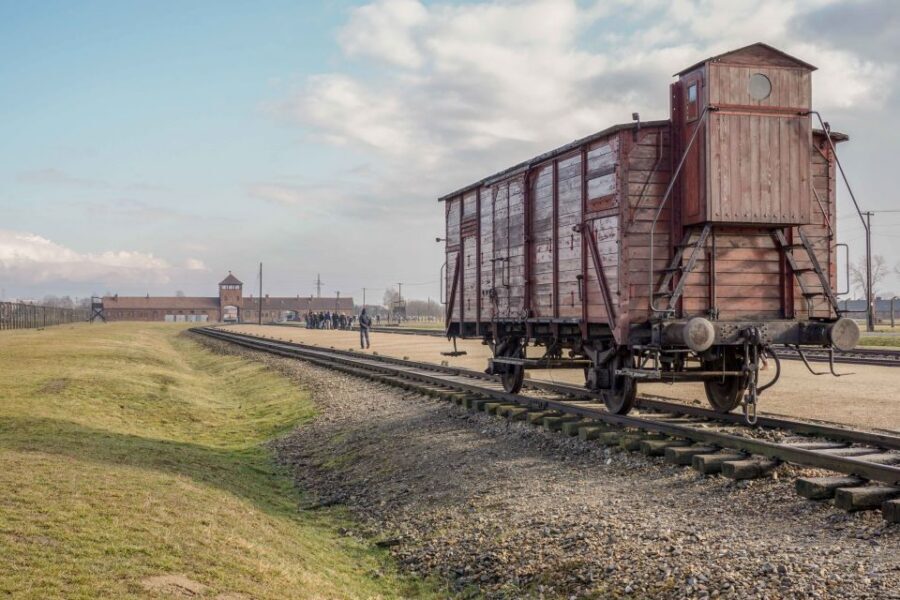
After Auschwitz I, you transfer to Auschwitz II–Birkenau. The bus ride itself is short, but the shift in space is big. Birkenau is 25 times larger than Auschwitz I, and it was the largest of the concentration camps. The guide also puts the scale into words: over 1 million people died there.
You’ll get about 1.5 hours of guided time at Birkenau. That’s a workable amount, but don’t expect it to feel leisurely. Birkenau is built for scale, and the walking can add up—especially if you’re also stopping for photos, brief pauses, or simply to absorb what you’re seeing.
This is where the headset helps again. Birkenau can feel like wide-open space, but the guide is still connecting dots—how the camp functioned, how deportation and imprisonment were organized, and what the grounds were used for. The purpose of the route here isn’t to make it look “big.” It’s to help you understand how mass incarceration played out physically.
One note on photography: the tour data includes that visitors were surprised by how many places you were allowed to take pictures, even though the reasons are not always obvious. If photography matters to you, I’d treat it as secondary to listening and reading the guide’s guidance. This isn’t a place for distraction; it’s a place for respectful attention.
The Memorial Moment: Paying Respect Before You Leave
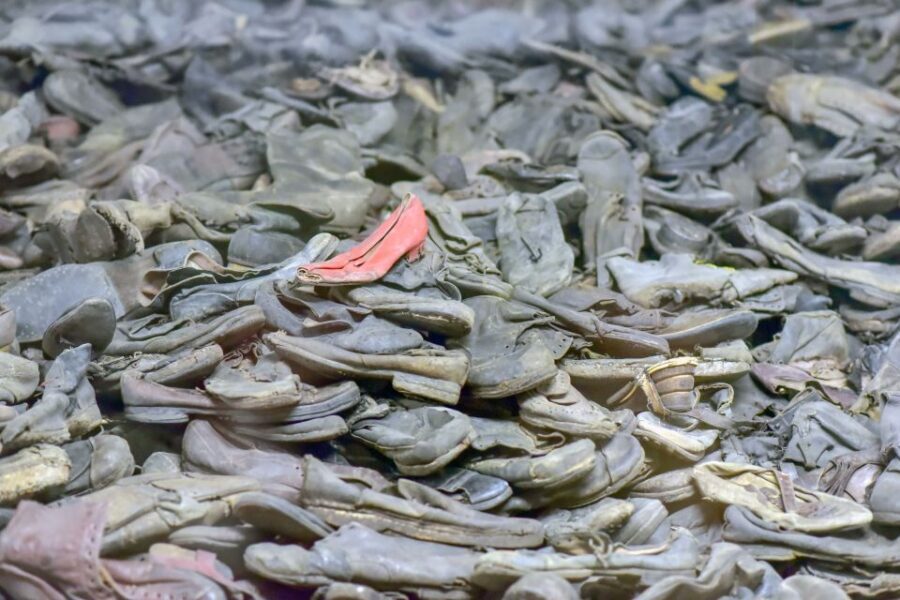
At the end of the Birkenau visit, the day wraps up at the Memorial area, with time for reflection and a moment to pay respects to victims of the genocide before heading back toward Krakow. That ending matters because Auschwitz isn’t only about history facts. It’s also about remembering human lives that were destroyed.
You’ll also get a break before the return coach time. Some participants highlight there are toilet stops and time to grab something to drink. Even in colder months, it’s smart to plan for comfort. Water matters more than you think on a long, walking-heavy day.
When the day is done, you’re going back to the city you started in. That transition can feel strange—almost too normal. I’d recommend you keep your evening plans simple. Let the day land. Don’t schedule a long dinner with a lot of loud distractions right after.
You can also read our reviews of more tours and experiences in Krakow




Timing, Schedule Shifts, and Why the Day Can Move
This tour is listed as about 7 hours, but there are two reality checks that visitors should know ahead of time.
First, museum timing can change. The tour operator notes that the Memorial’s preferred tour time may change and isn’t guaranteed. If it shifts, they contact you the day before to confirm a new time. Also, time changes do not qualify for a refund. That’s not a scare tactic—it’s just how the museum system works.
Second, the pace and duration of break times are set by the Memorial’s visitor service. That means you shouldn’t count on squeezing extra time in the camp. Plan around the schedule you get, not a schedule you hope for.
The route is also designed around short travel legs and breaks. You’ll have a brief break around the first site, then a larger break period at Birkenau, then the return coach segments back to Krakow. In one account, the group was back by early evening, around 6pm, which gives you a sense of how the day can compress once you’re moving.
Price and Value: What $89 Buys You in Real Terms
At $89 per person, this tour isn’t trying to be the cheapest option. It’s aiming for practical value: you get pickup and drop-off, air-conditioned minivan transport, entrance fees, an on-site local guide, and headsets. You also get a booklet in different languages, which can help you follow along and review points after.
If you were to DIY this, you’d still face the biggest friction points: managing transport, managing ticket timing, and spending extra time figuring out what to focus on once you’re there. Auschwitz is not a place where “winging it” usually improves anything. It usually makes you depend on luck—like whether you find a guide you can hear well or whether your entry timing works.
The included skip-the-ticket-line element is also a value driver. It reduces waiting and keeps you aligned with the guided timing, which matters because the museum experience is structured.
So the real question isn’t whether $89 feels high. It’s whether you want to pay to remove stress and gain guided context in a place where stress doesn’t help. For most people, the answer is yes.
What to Bring and Wear: Small Rules That Matter
Auschwitz has entry rules, and they’re the kind that can ruin your morning if you ignore them.
Bring passport or an ID card. You also need to provide your full name and contact details as part of booking, and entry can be refused if the name you provided doesn’t match the name on the ID shown at entry.
Dress matters too: sleeveless shirts are not allowed. Wear something you’ll be comfortable in while walking. Even in colder months, comfortable footwear matters because the day involves a lot of moving.
Bags are restricted: bags larger than 20x30x10 cm aren’t allowed in the museum. If you’re traveling with a bigger bag, plan to store it before you arrive.
Finally, the tour rules prohibit alcohol and drugs, as well as explosive substances. Basic, but worth stating.
Who This Tour Is Best For (and Who Might Want a Different Plan)
This tour is not recommended for children under 14. That’s partly because of the emotional weight and partly because of the pace and walking involved.
Where it shines is for adults and older teens who want a guided route through both main sites—Auschwitz I and Birkenau—so the story connects. If you want to ask questions, listen to someone experienced with clear explanations, and get a structured day with headsets and included entrance time, this is a strong match.
It’s also a good fit if you prefer order over chaos. Multiple accounts mention smooth organization and guides who were friendly and helpful with questions. One example includes a guide named Monika, praised for being fabulous and information-packed. Another mentions Joanna as detailed and passionate. Jakob is also mentioned for strong English and clear explanations. I can’t promise any specific guide on your date, but the pattern suggests this operator puts real effort into communication.
If you’re the type who hates group pacing, remember the Memorial sets much of the timing. You’ll follow that rhythm.
Should You Book This Auschwitz-Birkenau Full-Day Guided Tour?
If you want a guided Auschwitz day that’s built for understanding—not just staring at ruins—then yes, I’d book it. The mix of Auschwitz I plus Auschwitz II, the headset, and the fact that transport and entrance are handled is a practical combination for a place where time and attention matter.
Book it if:
- You’d rather pay for guidance than spend your energy figuring out what to look for
- You want a full day with structured breaks and a smooth Krakow start
- You’re okay with strict entry rules and a heavier emotional tone
Skip it (or consider a different approach) if:
- You need a fully flexible schedule, because museum timing can shift and refund rules aren’t flexible
- You’re not ready for long walking and a very sobering subject
- You’re traveling with a child under 14
Most importantly: go in with respect, bring your ID, wear good shoes, and treat the day like a serious appointment with history.
FAQ
How long is the Auschwitz-Birkenau full-day guided tour?
It’s listed as 7 hours.
Where does pickup happen?
Pickup is available from your accommodation in Krakow, and the meeting point can vary depending on the selected option.
What transportation is used from Krakow?
You travel in an air-conditioned minivan.
What is included in the price?
The tour includes pickup and drop-off, transportation, entrance fees, a local guide, headsets, and a booklet (available in different languages). It also includes an English-speaking driver.
Do I need to buy tickets in advance?
Tickets are part of the tour, and the experience includes a skip-the-ticket-line setup.
Which languages are the live tours offered in?
Live tour guides are available in German, English, and French.
What do I need to bring for entry?
Bring your passport or ID card.
Are there restrictions on what I can wear or carry?
Yes. Sleeveless shirts are not allowed, and bags bigger than 20x30x10 cm are not allowed in the museum.
Is this tour suitable for children?
It’s not recommended for children younger than 14 years old.
Is the tour refundable if plans change?
No. The activity is listed as non-refundable. The same applies if museum timing changes.
What happens if the museum changes the tour time?
The preferred tour time may change and isn’t guaranteed. The operator will contact you the day before to confirm the new time, and time changes do not qualify for a refund.