REVIEW · KRAKOW
Krakow: Oskar Schindler’s Factory Entry Ticket & Guided Tour
Book on GetYourGuide →Operated by Discover Cracow · Bookable on GetYourGuide
Krakow history hits in real rooms.
This guided entry to Oskar Schindler’s Factory Museum turns Schindler’s story into something you can follow scene by scene, with artifacts, multimedia exhibits, and an English-speaking guide who puts the events in order for you. I also like the practical value here: you avoid the museum hassle and get straight into the experience.
I especially appreciate how guides such as Marta and Wojciech are praised for making the timeline clear and for connecting what you see in the galleries to what Jewish workers and Krakow residents faced under Nazi occupation. One possible drawback: the subject is heavy, and the museum can feel intense even with a guide, so it helps to mentally pace yourself.
If you want a light, “quick photo stop” visit, this isn’t that. The tour focuses on the wartime reality and the choices behind it, so plan for an emotionally serious hour and a half.
In This Review
- Key things to know before you go
- Schindler’s Factory in Krakow: why this guided visit matters
- Meeting at the main gate: start fast, stay focused
- The museum tour flow: what a 1.5-hour visit feels like
- What you’ll see: artifacts, multimedia, and wartime recreations
- Schindler’s role: courage, manipulation, and moral risk
- Service quality: when a guide turns facts into understanding
- Price and value: is $35 worth it?
- Timing in Krakow: closures and last entry
- Who this tour is best for (and who should rethink it)
- Should you book? My straight answer
- FAQ
- How long is the guided tour at Schindler’s Factory?
- Where do I meet the guide?
- Is the tour offered in English?
- Does the ticket include skip-the-line admission?
- What’s included in the price?
- What is not included?
- Is flash photography allowed?
- When is the museum closed?
- What time is the last admission?
- If I have the Krakow City Pass, do I still need to book?
Key things to know before you go
- Skip-the-line entry means less waiting and more time inside the exhibits.
- Licensed English guides bring structure to a complicated history.
- Wartime artifacts and multimedia help the story land, not just read on placards.
- Context goes beyond Schindler and covers how people were treated under Nazis and other occupiers.
- A no-flash rule keeps the experience respectful (and dark enough that your phone can still feel useful).
Schindler’s Factory in Krakow: why this guided visit matters
This is one of those places where the walls feel like witnesses. Schindler’s Enamel Factory in Krakow became a museum to honor victims of the Holocaust and to explain how Oskar Schindler used his factory to protect Jewish workers. The big reason a guided tour is worth it is simple: the museum tells a story across many rooms, and the guide helps you connect the dots so it doesn’t turn into scattered reading.
You’ll be looking at wartime material through a mix of exhibits, authentic recreations, and multimedia presentations. That blend matters because it keeps the story from staying abstract. Instead of only dates and names, you get atmosphere and context—exactly what helps most people understand why Schindler’s actions were risky and why survival depended on more than one man’s good intentions.
You can also read our reviews of more tours and experiences in Krakow


Meeting at the main gate: start fast, stay focused
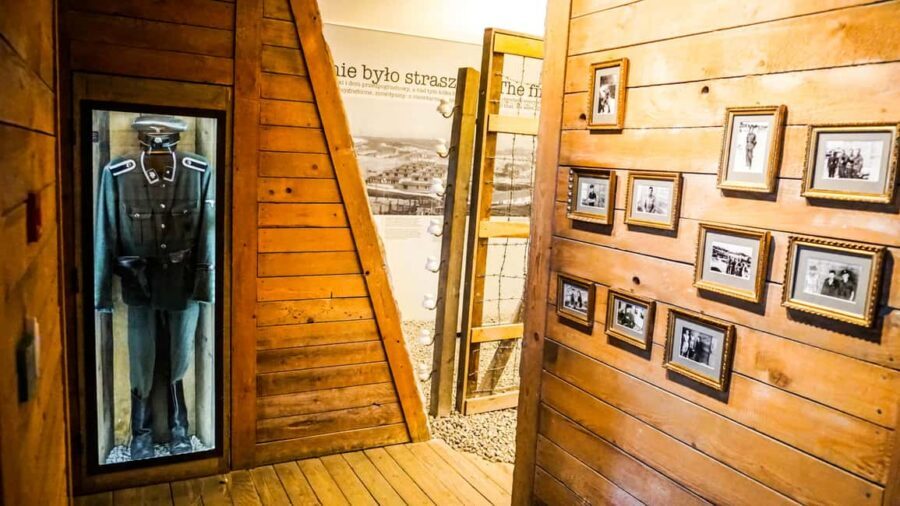
You start outside Oskar Schindler’s Enamel Factory, next to the main gate right outside the entrance. Your guide will be holding a sign that says Discover Poland Schindler’s Factory.
That meeting setup is more than a minor detail. It helps you get your bearings fast, especially if you’re coming straight from Krakow’s streets where everything can feel slightly chaotic. Also, since you’re there for a scheduled entry, starting with the guide keeps you from wandering into the wrong line (or the wrong entrance) and losing time.
The museum tour flow: what a 1.5-hour visit feels like
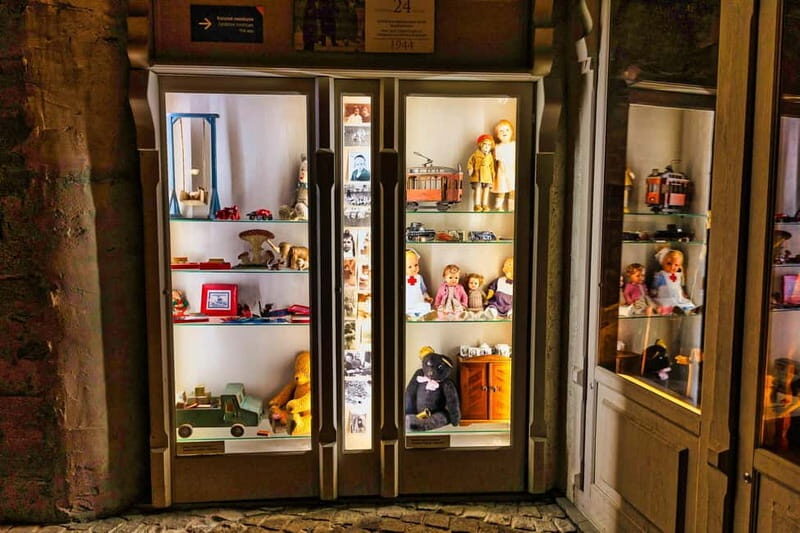
The guided experience runs about 1.5 hours. You’ll enter with skip-the-line admission, then follow your guide through the museum focusing on the most important parts of the narrative.
A useful way to picture the pace: the museum is full, and there’s too much to absorb if you only skim. A guide helps you prioritize. In particular, the commentary is designed to help you understand Krakow under Nazi occupation—not only the Schindler angle, but also the broader experience of people living through the war.
One thing to keep in mind: the tour’s goal isn’t to show you everything. It’s to show you the story in a clear order, with enough detail that the exhibits make sense. If you’re the type who wants to read every label, you’ll still feel like you’re racing—so plan either extra time afterward or a return visit if you truly want a slower pass.
What you’ll see: artifacts, multimedia, and wartime recreations
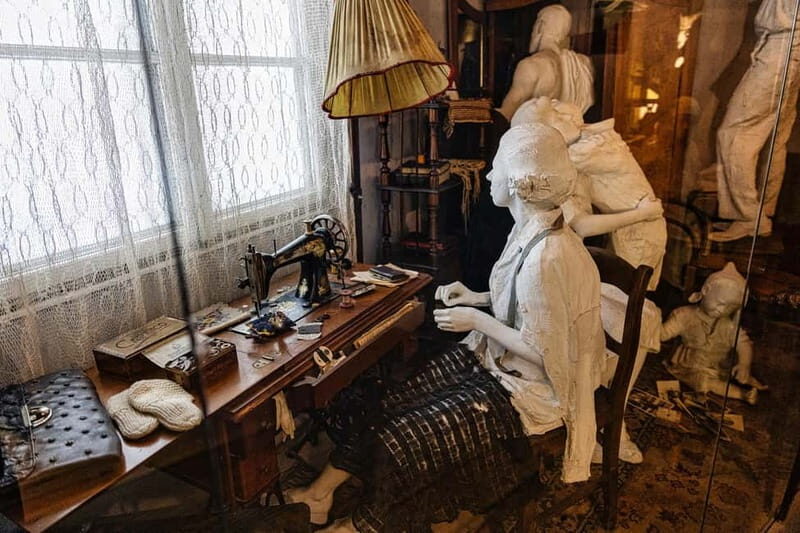
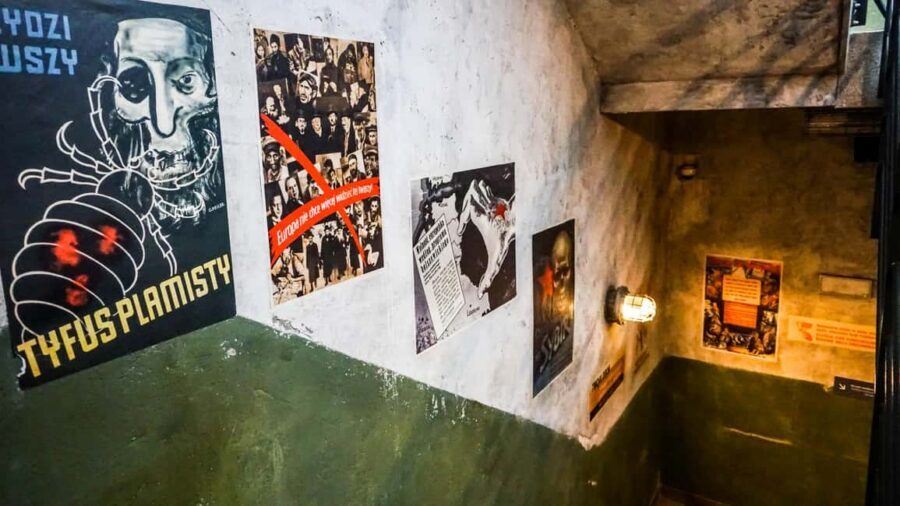
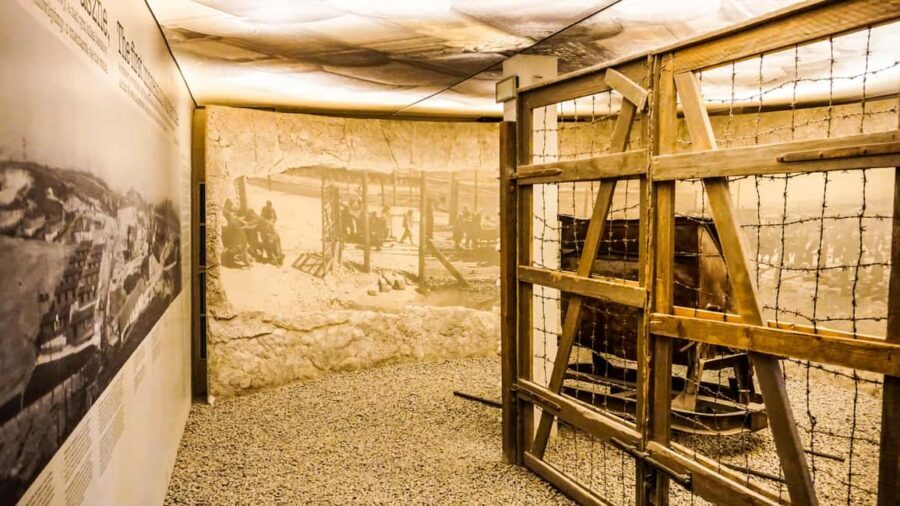
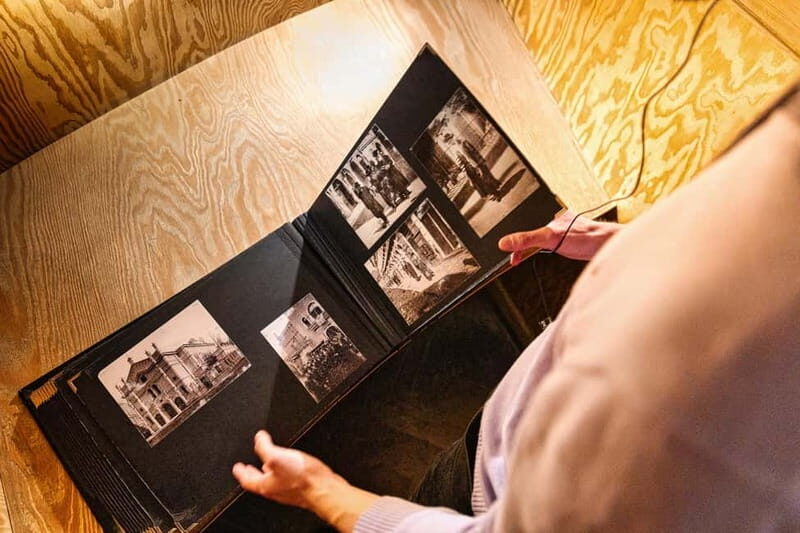
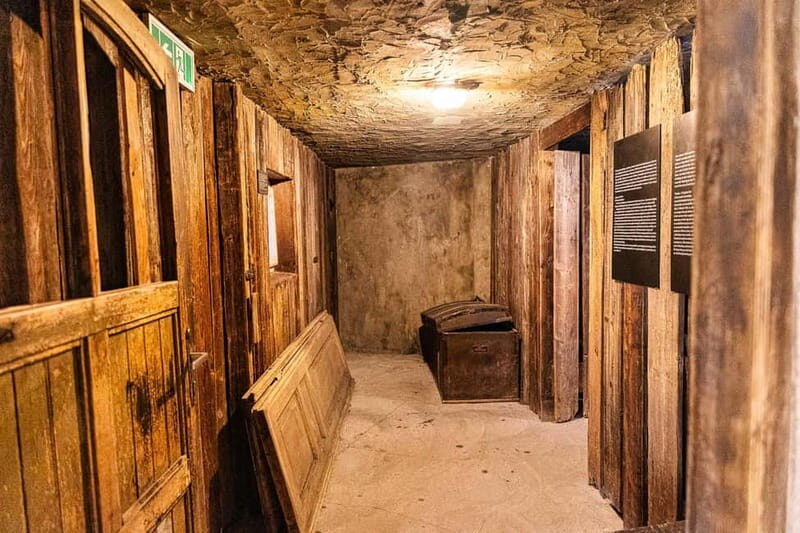
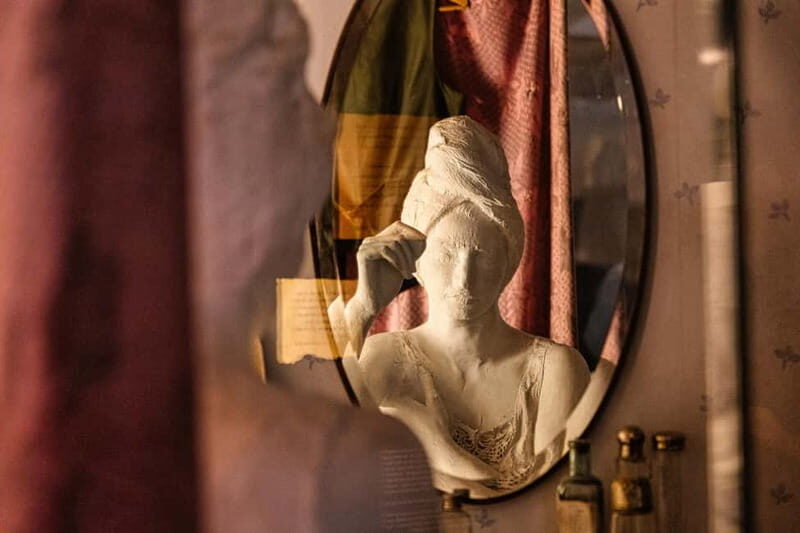
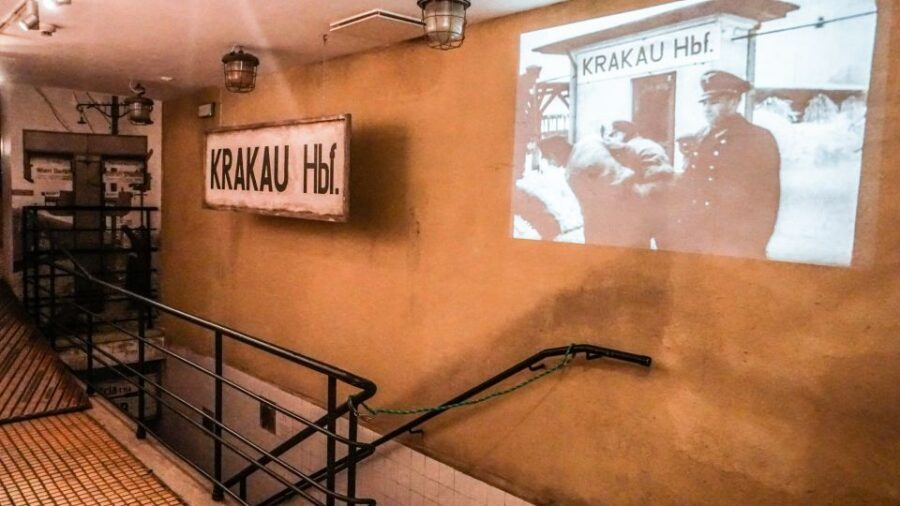
This museum doesn’t rely on one format. You’ll encounter wartime artifacts, multimedia exhibits, and authentic recreations of wartime Krakow. That combination is a big deal because Holocaust-era history often sits awkwardly in a “museum voice” when it’s only text. Here, the visuals and recordings help you grasp what everyday life and persecution looked like, even if you can’t fully imagine it.
It also helps that a guide points out what to focus on. In places where English labels might be limited, a guide becomes the translation of the whole exhibition. Even when you know the broad story from movies or books, the guide’s job is to connect what you recognize with what the museum is emphasizing in this particular setting.
Schindler’s role: courage, manipulation, and moral risk
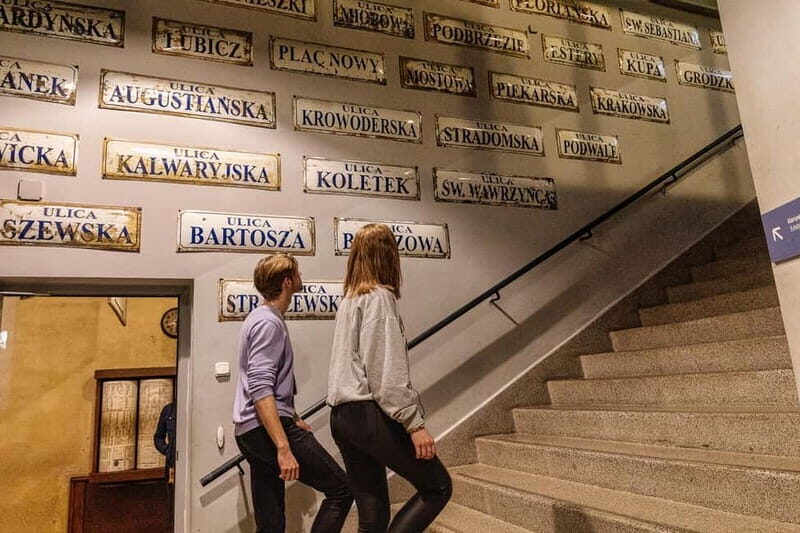
Oskar Schindler is described here as a German industrialist and a member of the Nazi Party who used his factory to shield Jewish workers from persecution—at serious personal risk. The museum also connects this story to the wider cultural memory shaped by Schindler’s List.
But what makes this experience more meaningful is that it doesn’t reduce everything to one heroic man. The museum focuses on the lives Schindler’s workforce included, and the wider reality of occupation. That matters because it keeps the story honest: rescue isn’t a tidy Hollywood plot, and survival depended on a shifting mix of power, paperwork, and chance—plus the extremely dangerous decisions people made.
If you’re curious about the “how” behind survival, this tour is strong. Your guide helps explain the timeline and the stakes as you move through the exhibits, which is where many self-guided visits struggle.
You can also read our reviews of more guided tours in Krakow


Service quality: when a guide turns facts into understanding
The reviews around this tour are very consistent on one point: the guides do the heavy lifting. Names that come up often include Marta and Wojciech, praised for being friendly, informative, and organized, plus for being willing to answer questions. You’ll also get that practical benefit of a guide who keeps the group together and on pace—especially helpful in a museum where there’s a lot to look at and it’s easy to get separated.
This is also where “skip the line” becomes more than just convenience. Less waiting means you start the museum with momentum. A guided group can settle faster, and you’re more likely to stay attentive rather than rushing while tired.
One small caution: if you end up with a guide whose style is less engaging, the museum is still powerful. But you’ll feel the difference quickly. This is one of those tours where having commentary isn’t optional if you want the full value.
Price and value: is $35 worth it?
At $35 per person for skip-the-line admission plus a licensed guide lasting about 1.5 hours, the value is mainly about two things: time saved and understanding gained.
Time saved: waiting outside in a major museum can eat into your schedule fast in Krakow. Since the museum has specific closure days, you don’t want to burn your slot stuck in a queue.
Understanding gained: the museum’s subject is layered. Without guidance, you can still read and learn, but you may miss the big structure—the ordering of events and what the exhibits are trying to emphasize. The guide experience is priced into the ticket, and that’s exactly what many people appreciate most.
So I’d treat this as a “pay for clarity” purchase. If you’re someone who wants context and narrative order, $35 feels reasonable for what you get.
Timing in Krakow: closures and last entry
Plan around the museum’s schedule. The information provided says the museum is closed every Monday and also on the first Tuesday of each month. It also notes that last admission is one hour before closing.
That affects your planning more than you might expect. Krakow has plenty of things to do on Mondays and around early-month dates, but you’ll want Schindler’s Factory to be an anchor—not an afterthought. Build your days so you’re not forced into a rushed final hour because you misjudged the closing time.
Who this tour is best for (and who should rethink it)
This is best for you if:
- You want a guided, English-led explanation rather than wandering through on your own.
- You care about Krakow under Nazi occupation and not only the Schindler story.
- You prefer learning with visuals plus narration, especially in a museum environment heavy with context.
It’s not ideal if:
- You want a casual, quick visit.
- You struggle with emotionally intense settings and would rather keep things lighter.
If you’re traveling with teens or family, this could still work—just be honest with yourself about the tone. It’s respectful and educational, but it’s not designed for fun.
Should you book? My straight answer
Yes, I think you should book this tour if you want more than entry. Skip-the-line admission plus an English licensed guide for about 1.5 hours is a smart combination for a museum this heavy and this content-rich.
If you’re tight on time in Krakow, it’s especially worth it. If you have the flexibility to return later, you could also do a second visit on your own at a slower pace—but as a first stop, a guided version gives you the structure that makes the exhibits land.
FAQ
How long is the guided tour at Schindler’s Factory?
The duration is about 1.5 hours.
Where do I meet the guide?
Meet outside Oskar Schindler’s Enamel Factory next to the main gate right outside the entrance. The guide will be holding a sign that says Discover Poland Schindler’s Factory.
Is the tour offered in English?
Yes, the host or greeter language is English.
Does the ticket include skip-the-line admission?
Yes. It includes skip-the-line admission to Oskar Schindler’s Factory Museum.
What’s included in the price?
Included are skip-the-line admission and a licensed guide.
What is not included?
Hotel pickup and drop-off and food and drinks are not included.
Is flash photography allowed?
No, flash photography is not allowed.
When is the museum closed?
The information provided says the museum is closed every Monday and on the first Tuesday of each month.
What time is the last admission?
Last admission is one hour before closing.
If I have the Krakow City Pass, do I still need to book?
Yes. The Krakow City Pass does not provide a skip-the-line ticket for Schindler’s Factory. You must book your entry ticket in advance.
If you want, tell me your travel dates in Krakow and whether you’re doing other WWII-related stops. I can help you sequence this so you’re not stuck around a closure day.