REVIEW · WIELICZKA
Krakow: Schindler’s Factory, Jewish Ghetto & Salt Mine Tour
Book on GetYourGuide →Operated by INTERCRAC Ltd. · Bookable on GetYourGuide
Some tours feel like a checklist. This one has meaning.
You’ll spend a full 7 hours threading together three of Krakow’s biggest historical anchors: Schindler’s Factory, the former Jewish Ghetto area, and the Wieliczka Salt Mine. I like that it’s paced so you get guided context where it matters, then you switch to slower exploring underground.
Two things I really like: the museum guide at Schindler’s Factory (you’re not just looking at rooms, you’re following a story), and the scale of the salt mine route (3+ kilometers through 20 halls, including St. Kinga’s Church). The main drawback is the fixed schedule: late arrivals aren’t accepted at Schindler’s Factory, so you need to be on time and ready.
In This Review
- Key points worth knowing
- A packed day in Krakow: Factory, Ghetto, and Wieliczka in 7 hours
- Schindler’s Factory Museum with an English guide
- Podgórze streets and the ghetto wall you can still see
- Heroes’ Square and the Empty Chair Monument with 68 seats
- Wieliczka Salt Mine: the ride out and what you’ll do underground
- St. Kinga’s Church and 20 halls on a 3+ kilometer route
- Price and logistics: whether this day makes sense for your trip
- Who this tour fits best
- Should you book this Krakow Schindler’s Factory, Ghetto & Salt Mine tour?
- FAQ
- Where is the meeting point?
- What’s the tour duration?
- Is this an English-language tour?
- How many people are in the group?
- What’s included in the price?
- Is food included?
- Do I need to buy tickets in advance?
- Is there an underground walking route at Wieliczka?
- What if I arrive late?
- Can I cancel for a refund?
Key points worth knowing
- Small group size (max 15): easier listening and a calmer pace.
- English live museum guide: the heavy material is explained clearly.
- Schindler’s Factory + ghetto streets in one flow: you see the places, not just the facts.
- Empty Chair Monument’s 68 seats: a simple memorial you can’t easily forget.
- Wieliczka mine depth (340 m): you’re going far underground for an organized self-paced route.
A packed day in Krakow: Factory, Ghetto, and Wieliczka in 7 hours
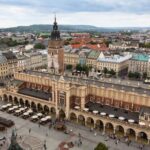
This is one of those “all killer, no filler” days. You start at the Oskar Schindler-related museum site, then move through the former ghetto area, and later head out to Wieliczka Salt Mine, a small town about 10 km from Krakow. It’s a lot—on purpose—so you’re not left wondering what you could have squeezed in.
The value is in how the day is structured. Schindler’s Factory and the ghetto area give you context for WWII-era Krakow, and Wieliczka gives you a completely different kind of underground experience. If you like tours that cover ground without rushing every single minute, this hits a sweet spot because you’ll have guided time for the most sensitive parts, then freer time in the mine.
Just keep in mind: it’s a group tour with a strictly defined schedule. That means you should plan your morning like a pro—no wandering, no “I’ll be there in 5 minutes,” no banking on traffic luck.
You can also read our reviews of more tours and experiences in Wieliczka.
Schindler’s Factory Museum with an English guide
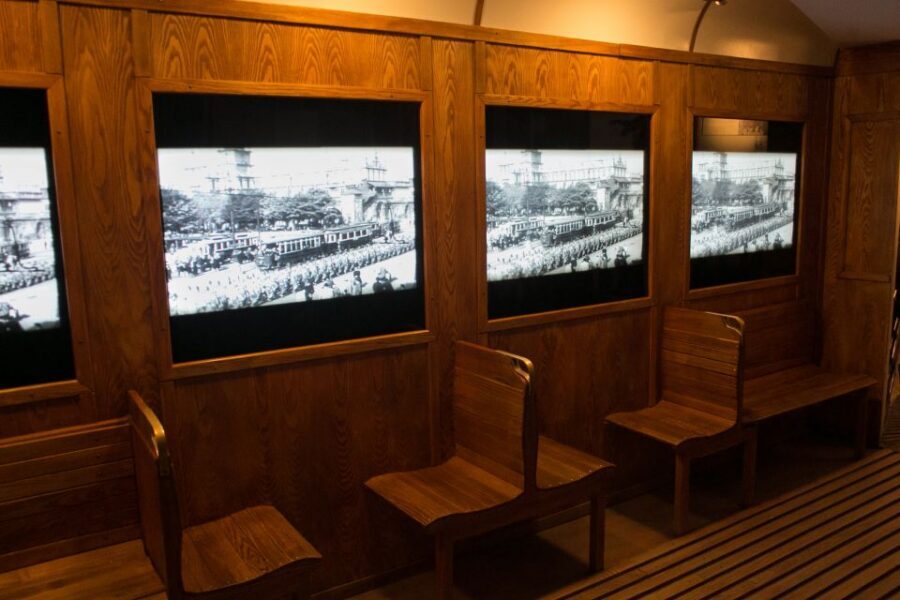
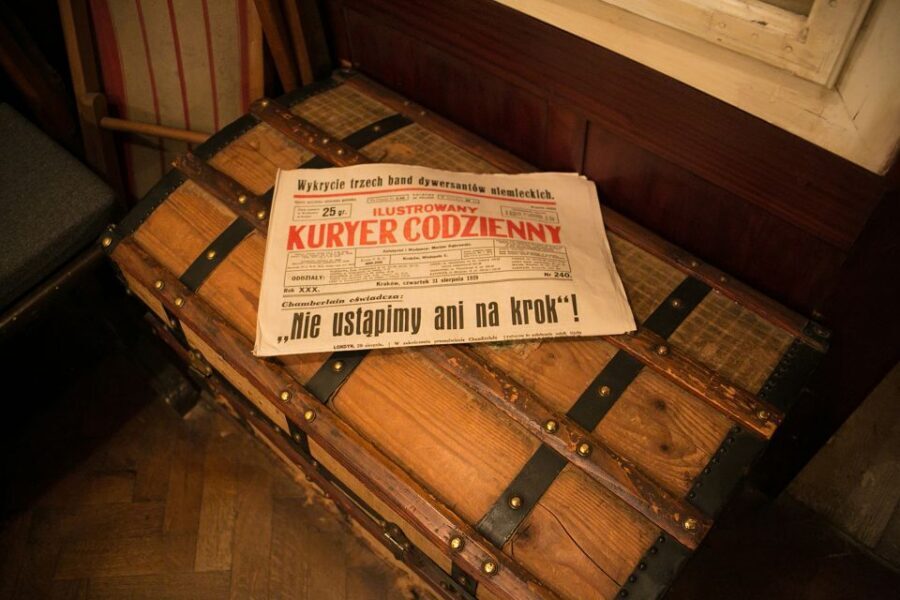
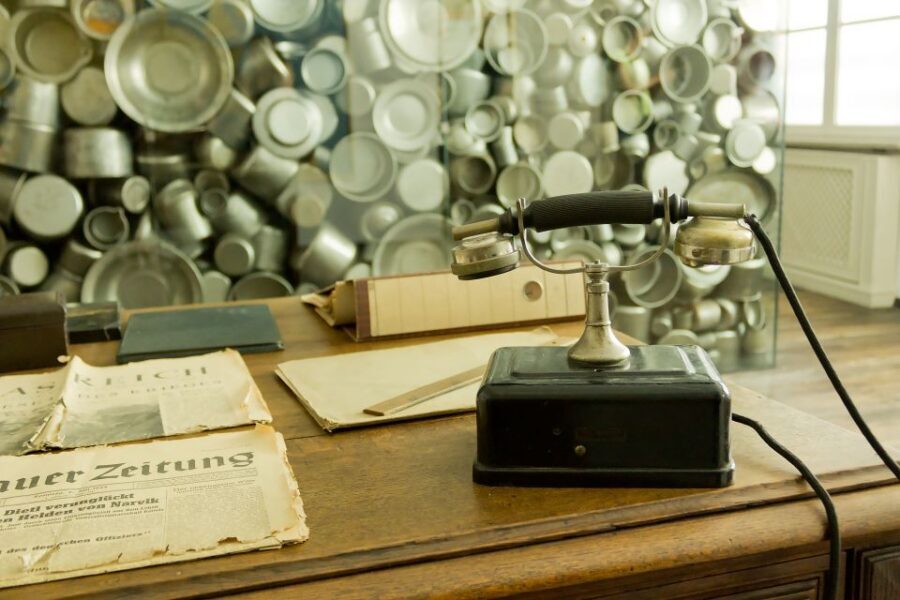
Your day begins at the entrance to Oskar Schindler’s Enamel Factory Museum. The guide waits holding an excursions.city sign, and the tour starts with the museum visit and guide-led storytelling. Since this museum is connected to the narrative that appeared in Spielberg’s Oscar-winning film Schindler’s List, the setting makes the story hit differently. You’re not just reading about Oskar Schindler—you’re standing in the kind of space where his real-world role becomes easier to grasp.
What I appreciate about a guided format here is control. WWII history isn’t light reading. A good guide can explain the German entrepreneur’s impact on Jews during the war in a way that’s clear, chronological, and respectful. With an English live guide, you avoid the common trap of seeing exhibits but missing the connections between them.
One practical consideration: Schindler’s Factory Museum doesn’t accept late arrivals. That’s not a “maybe” or a “try your luck.” If you arrive late, you may miss entry and the tour won’t be able to bring you in midstream. If you’re staying in central Krakow, I’d still build in extra buffer time for the walk to the meeting point.
Podgórze streets and the ghetto wall you can still see
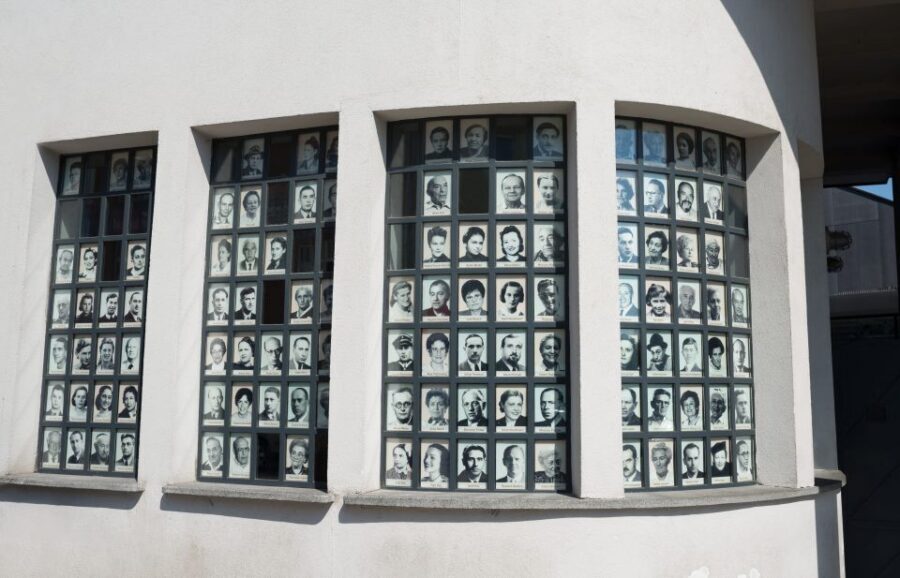
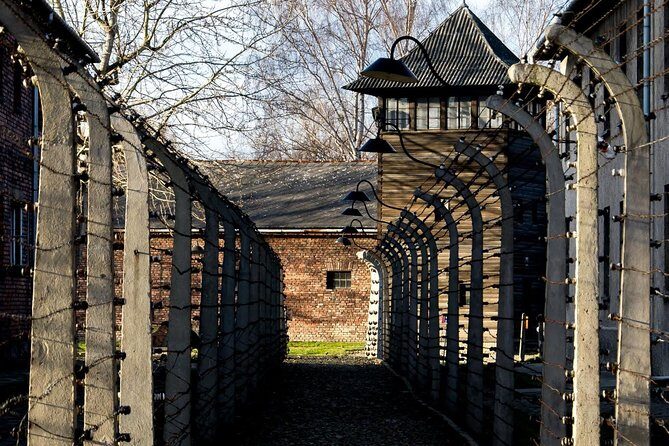
After the factory, you continue with a walk through the former ghetto district, specifically the Podgórze area. This is the part where the tour becomes a “place-based” history lesson. Instead of only hearing about what happened, you’re seeing physical clues: surviving walls, buildings, and landmarks that mark where life was forced to change.
You’ll look for evidence of the terrible events of the Second World War and pass by highlights such as:
- a part of the undestroyed wall around the ghetto
- houses where thousands of displaced Jews once lived
- the pharmacy called Under the Eagle
What makes these stops valuable is how they slow your brain down. A memorial photo can feel distant. A corner, a wall segment, or a particular building name makes it more immediate. Even if you don’t consider yourself a history person, this kind of guided walk tends to do what guidebooks rarely can: it helps you connect the “why” behind each place.
Tip for your experience: keep your headphones away and listen to the guide here. This is the moment where details about what you’re seeing matter most.
Heroes’ Square and the Empty Chair Monument with 68 seats
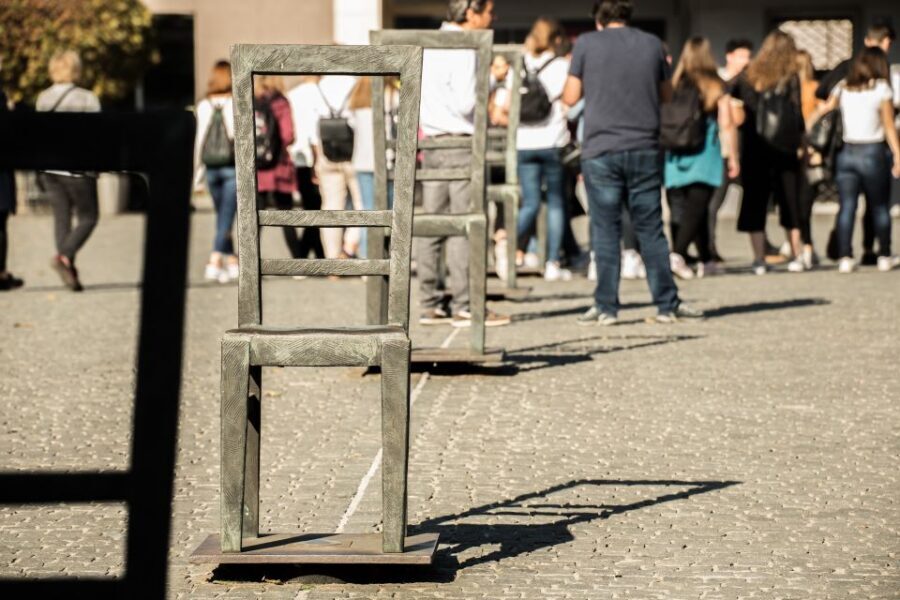
The tour culminates this ghetto section in Heroes’ Square, where you’ll visit the Empty Chair Monument. It uses a symbolic set of 68 chairs, and that number matters because it gives the memorial a shape you can feel in your body—rows, space, and absence all at once.
Monuments like this work best when you give yourself a minute to actually look. Don’t treat it like a quick photo stop. Stand there, read what you can, and let the guide’s explanation connect the art to the story you’ve already heard.
This is also a good spot to pause for yourself. The day deals with heavy material, and the tour’s structure helps—factory, ghetto streets, then this memorial. I like that it doesn’t jump to something unrelated right away. It keeps your emotional context aligned with what you’re learning.
Wieliczka Salt Mine: the ride out and what you’ll do underground
After the first half of the tour, you’re driven to Wieliczka Salt Mine, about 10 km from Krakow. The ride matters more than people think. It’s a reset—time to step back from the WWII context and switch gears mentally before you go underground.
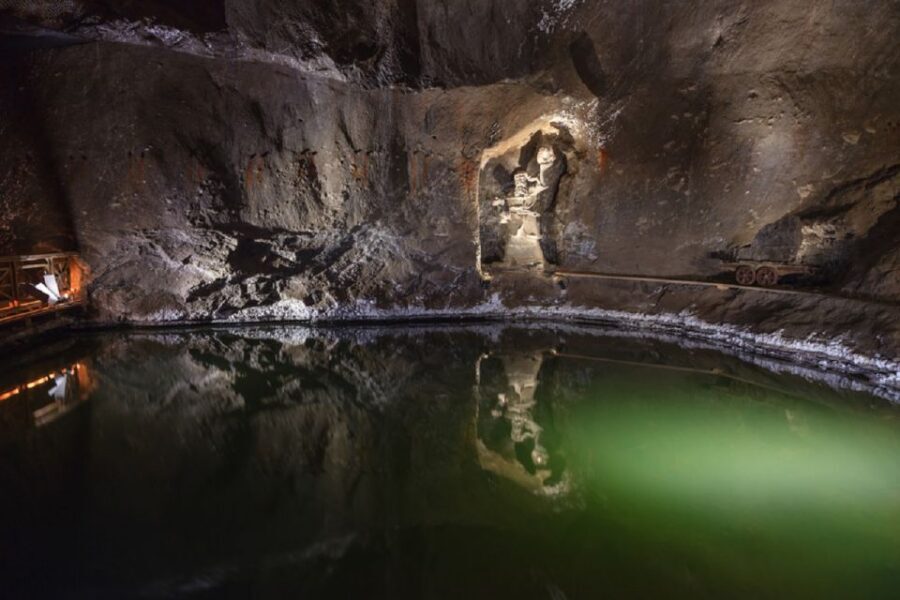
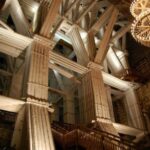
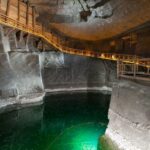
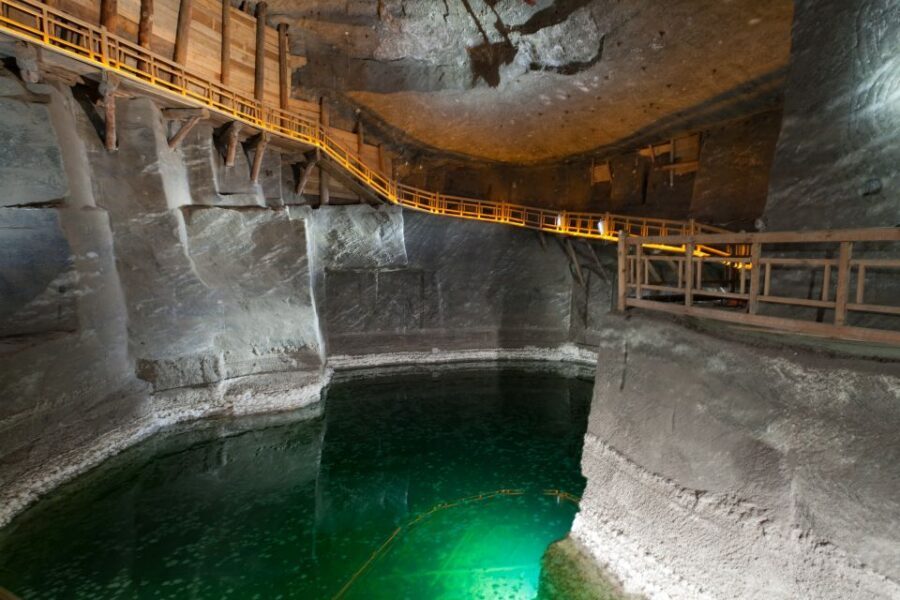
Wieliczka is one of the largest old salt mines in Europe, and the scale is hard to ignore. It’s a 700-year-old mine, with a depth of 340 meters. The total length of corridors and tunnels is over 245 kilometers. Those numbers help you understand you’re not looking at a themed exhibit—you’re walking through a working-material world that’s been mapped and used for centuries.
Another key detail: you explore the mine at your own pace once you’re there. That freedom is a major plus. You’re not forced to sprint from hall to hall behind a guide. You can linger where you want, take photos when the light feels right, and move at a human pace.
Since food and drinks aren’t included, consider planning a snack or water before you start the mine part. Underground walking can surprise you with how tiring it feels.
St. Kinga’s Church and 20 halls on a 3+ kilometer route
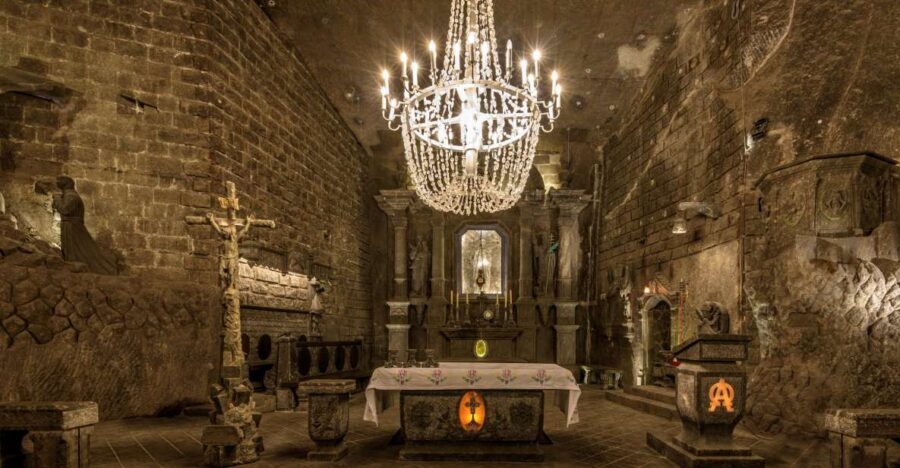
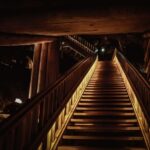
Inside the mine, you’ll walk a route of more than 3 kilometers through 20 halls. That’s enough distance to feel like a real journey, not a quick “showcase loop.” Expect the underground experience to be structured but not tightly controlled—ideal for travel styles that like agency without losing orientation.
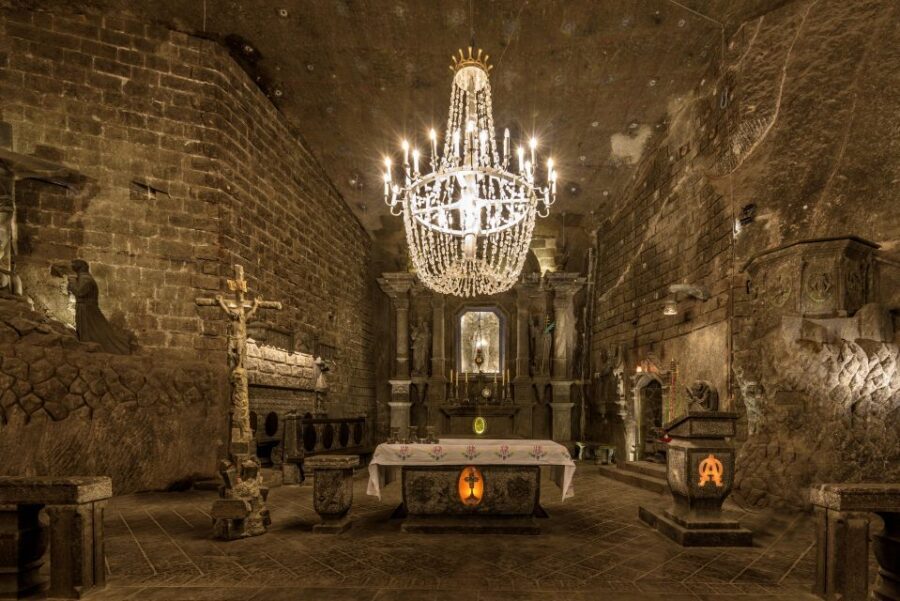
The headline stop is St. Kinga’s Church, the largest hall on the route. The church is named for the patroness of miners, and it’s famous for its salt-carved artistry. You’ll see an interior with chandeliers and sculptures of saints carved out of salt. It’s one of those places where the medium changes your perspective. Salt isn’t just a mineral here—it’s the building block of sculpture, design, and space.
You’ll also learn about the mine’s curative microclimate and the sanatorium, located 135 meters below ground. Even if you’re not pursuing any wellness angle, it’s interesting context: the mine isn’t only historic; it has been used for health-related purposes.
Practical note: since you’re walking in multiple halls, dress smart for cooler, stable underground temperatures. Comfortable shoes matter more than you’d think once the walking adds up.
Price and logistics: whether this day makes sense for your trip
At $136 per person, this isn’t the cheapest way to “do Krakow,” but it’s also not random pricing. The ticket and guide structure are doing real work for you.
Included essentials:
- Admission tickets to Schindler’s Factory Museum and Wieliczka Salt Mine
- A museum guide for the Schindler’s Factory and Wieliczka Salt Mine portions
- Round-trip transportation between Krakow and Wieliczka
When you compare that to piecing everything together yourself, the value comes from time and coordination. In a 7-hour day, the logistics matter. You don’t have to figure out transport timing, get yourself to the right start point, or worry about syncing guided segments.
The “possible drawback” angle is that it’s tight and scheduled, with a strict entry rule at Schindler’s Factory for late arrivals. If you tend to run late, this tour may feel stressful instead of enjoyable.
One last logistics detail from real-world experience: some people appreciate the transport driver being willing to drop guests somewhere in central Krakow after the tour, instead of forcing everyone to return to the exact same point. That kind of flexibility can make your day smoother.
Who this tour fits best
I’d book this if you:
- want one day that meaningfully covers both WWII history and a major Krakow attraction
- like guided explanation for heavier topics, then independent exploring where it’s appropriate
- prefer small groups (max 15) so you can actually hear and follow along
I might skip it if you:
- need lots of free time for wandering or shopping mid-day
- dislike rigid schedules and can’t reliably arrive early
- expect fully guided roaming inside every part of the mine (your time in the mine is described as self-paced on a set route)
Should you book this Krakow Schindler’s Factory, Ghetto & Salt Mine tour?
If your goal is a thoughtful, efficient, and well-structured day, I think this is a strong pick. The biggest reasons: you get an English museum guide where it counts, you visit landmark locations connected to the ghetto story (including Under the Eagle and the Empty Chair Monument with 68 chairs), and you end with a major attraction that’s physical and memorable underground at Wieliczka.
Just be honest about your tolerance for schedule pressure. If you can arrive early and keep pace with the group, this one-day combo offers a lot of value for the money—and it avoids the common trap of cram-then-forget tourism.
FAQ
Where is the meeting point?
The meeting point is in front of the entrance to the Oskar Schindler’s Enamel Factory Museum. Your guide will wait holding an excursions.city sign.
What’s the tour duration?
The tour duration is 7 hours.
Is this an English-language tour?
Yes. The live tour guide is English.
How many people are in the group?
It’s a small group limited to 15 participants.
What’s included in the price?
Admission tickets to Schindler’s Factory Museum and Wieliczka Salt Mine, a museum guide for the Schindler’s Factory and Wieliczka Salt Mine parts, and round-trip transportation between Krakow and Wieliczka.
Is food included?
No. Food and drinks are not included.
Do I need to buy tickets in advance?
The tour includes admission tickets, and it also notes that you can skip the ticket line.
Is there an underground walking route at Wieliczka?
Yes. You’ll walk a route of more than 3 kilometers through 20 halls.
What if I arrive late?
The schedule is strict. Schindler’s Factory Museum does not accept late arrivals, and late persons will not be admitted to the tour without the possibility of returning the money.
Can I cancel for a refund?
Yes. You can cancel up to 24 hours in advance for a full refund.