REVIEW · WIELICZKA
Krakow: Wieliczka Salt Mine and Auschwitz-Birkenau Tour
Book on GetYourGuide →Operated by Poland Tours · Bookable on GetYourGuide
Some days hit hard.
This one mixes Auschwitz-Birkenau with the Wieliczka Salt Mine, so you go from WWII atrocity sites to an underground world of rock-salt chapels in a single long day. I like that it includes a licensed, English-speaking guide for Auschwitz-Birkenau and a local guide in the mine, so you get context instead of just seeing buildings and tunnels. I also like the practical setup: air-conditioned transport, skip-the-line tickets, and an English driver who can help if questions pop up. The main drawback to plan around is the emotional weight at Auschwitz plus the physical demands of a long 12-hour schedule.
You’ll be crossing two very different kinds of spaces. Auschwitz is heavy and uncomfortably real; the salt mine is chilly, enclosed, and built for walking at an underground pace. I love that the mine tour doesn’t just show rooms, it talks about salt extraction that dates back to the Middle Ages and the idea of the mine’s special micro-element air. One consideration: this tour is not recommended if you have claustrophobia or mobility challenges, since you’ll be in underground areas and on your feet for most of the day.
In This Review
- Key things I’d look for
- A day that connects Krakow with Auschwitz and Wieliczka
- The 12-hour pacing: how it usually works on the ground
- Auschwitz-Birkenau: what you’ll actually see with a licensed guide
- Wieliczka Salt Mine: the underground city and its salt air pitch
- Transportation, guides, and the English-speaking comfort zone
- Price and value: why $111 can make sense for this long day
- What to bring (and what can get you turned away)
- Who should book this tour, and who should skip it
- Booking carefully: the practical bits that can make or break your day
- Should you book this Krakow Auschwitz and Wieliczka tour?
- FAQ
- How long is the Krakow: Wieliczka Salt Mine and Auschwitz-Birkenau tour?
- Where does the tour start?
- Is the tour guided in English?
- Are entrance tickets included?
- Do I get lunch on this tour?
- Does the tour include skip-the-line tickets?
- What do I need to bring for entry?
- Are student tickets available?
- Is this tour suitable for children?
- Are luggage, pets, or large bags allowed?
- What’s the name rule for Auschwitz-Birkenau entry?
Key things I’d look for
- Skip-the-line entry so your day doesn’t get eaten by queues
- English live guidance in both Auschwitz-Birkenau and Wieliczka
- A 40–60 minute lunch break built into the switch between sites
- Underground chapels and statues carved from rock salt in Wieliczka
- Name matching rules tied to Auschwitz-Birkenau admission requirements
A day that connects Krakow with Auschwitz and Wieliczka
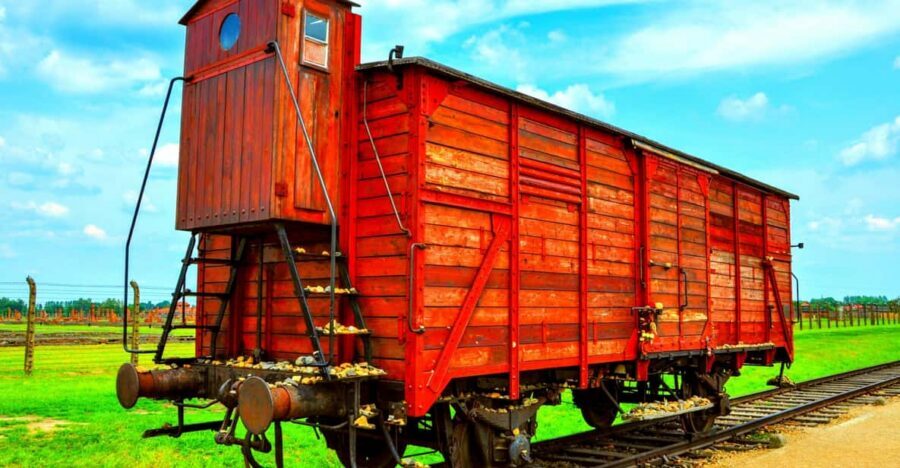
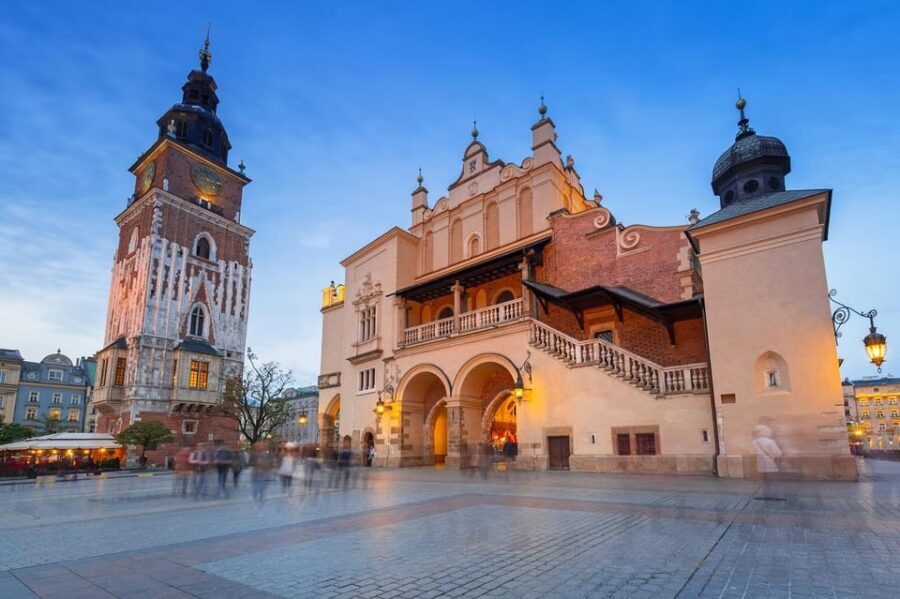
This tour starts with a straightforward goal: you leave Krakow and spend the day at two of southern Poland’s most important destinations. You’ll ride in an air-conditioned vehicle with pick-up from a meeting point in Krakow, then you’ll move through the sites with live guidance and paid entry taken care of.
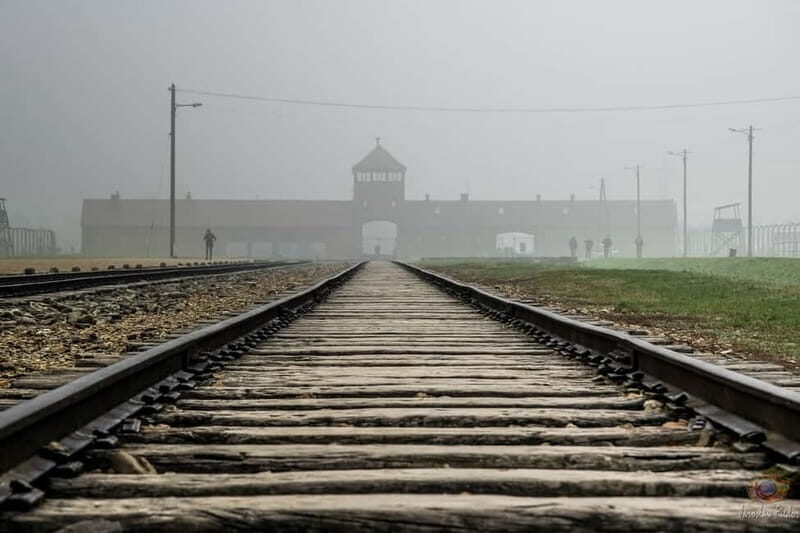
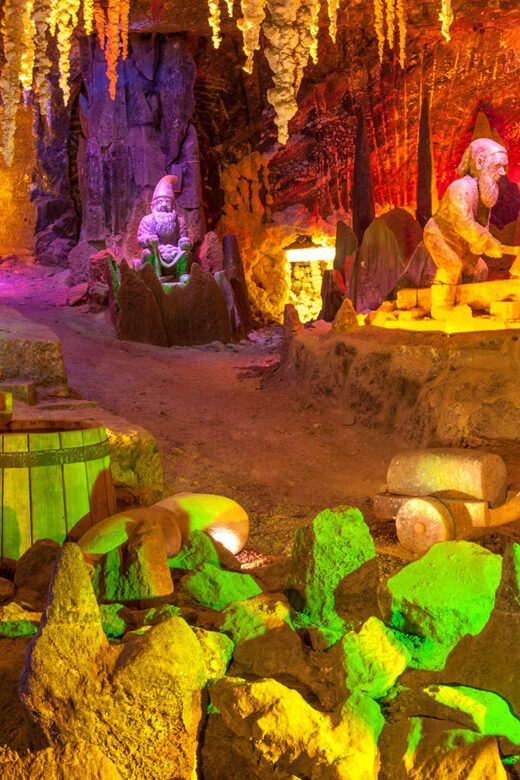
What makes it interesting is the contrast. You’ll see the remains of Auschwitz and Birkenau, including prison-block areas and the gas chambers and the railway ramp where people arrived. Then you’ll descend into a working historic mine that’s been carved into something like an underground city, with chapels and statues cut directly out of rock salt.
The other thing to like is that the schedule is long but structured. With a day-trip format of about 12 hours, you’re not piecing things together on your own, and you get an included lunch break between the two sites.
You can also read our reviews of more tours and experiences in Wieliczka.
The 12-hour pacing: how it usually works on the ground
A 12-hour day sounds simple on paper. In real life, it’s a lot of time sitting on a coach, walking in two different environments, and waiting for the guided parts to line up.
Here’s the rhythm you should expect: you depart Krakow, reach Auschwitz-Birkenau, and do the guided visit first with a licensed guide. You’ll then travel to Wieliczka Salt Mine and complete the underground guided tour before returning to Krakow.
That included 40–60 minute lunch break matters. It’s your chance to eat without rushing, but it also means you’ll want to plan for buying food and drinks yourself, since those are not included. Pack a small amount of patience for the timing; you’re moving between two major attractions with security and admission rules.
Auschwitz-Birkenau: what you’ll actually see with a licensed guide
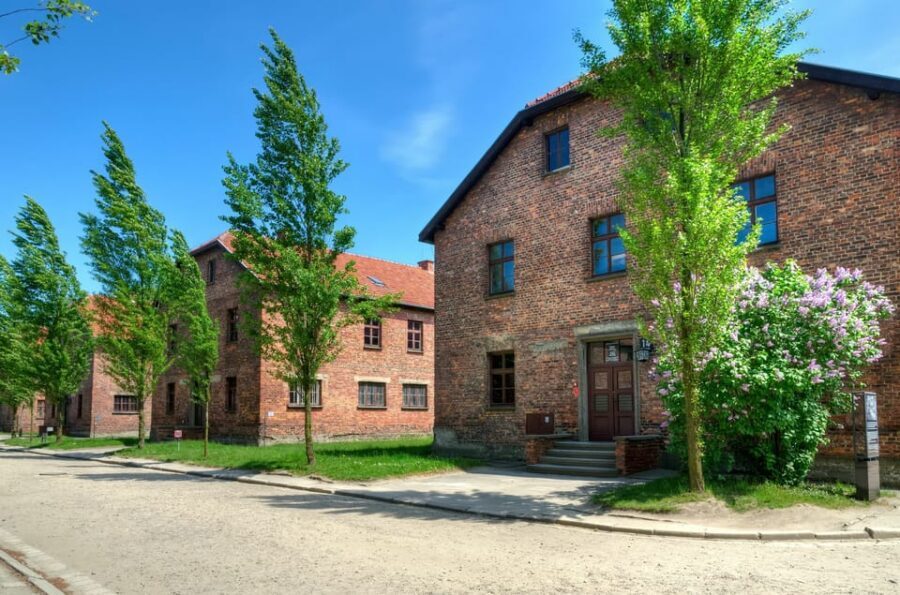
This is the core of the day, and it’s also the part you should treat with care. You’re visiting the remains of Auschwitz-Birkenau, where the guided tour explains the history of the camps and the genocide that took place during WWII.
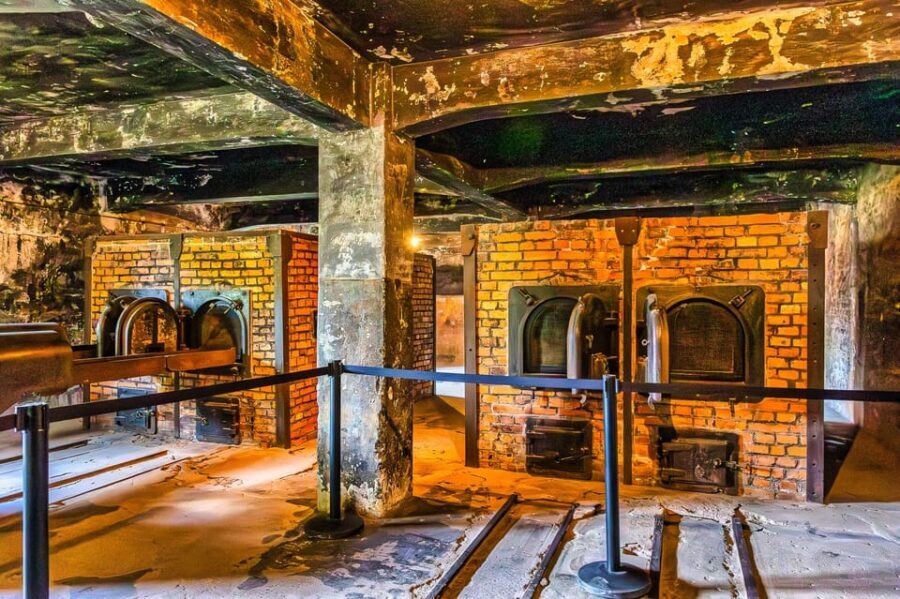
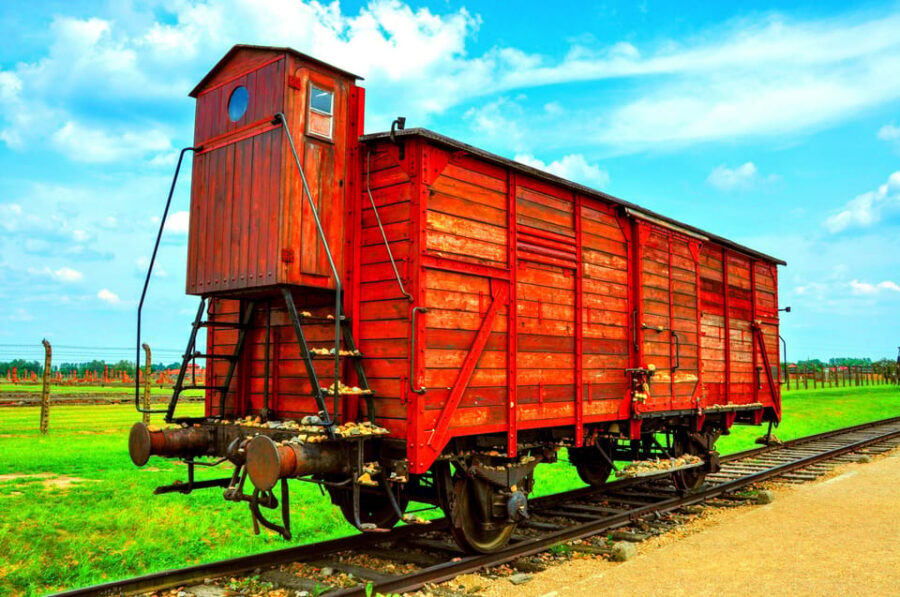
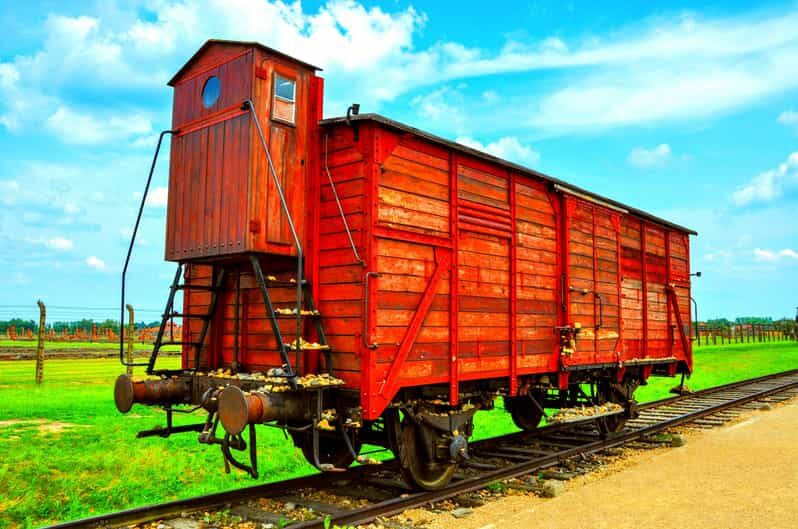
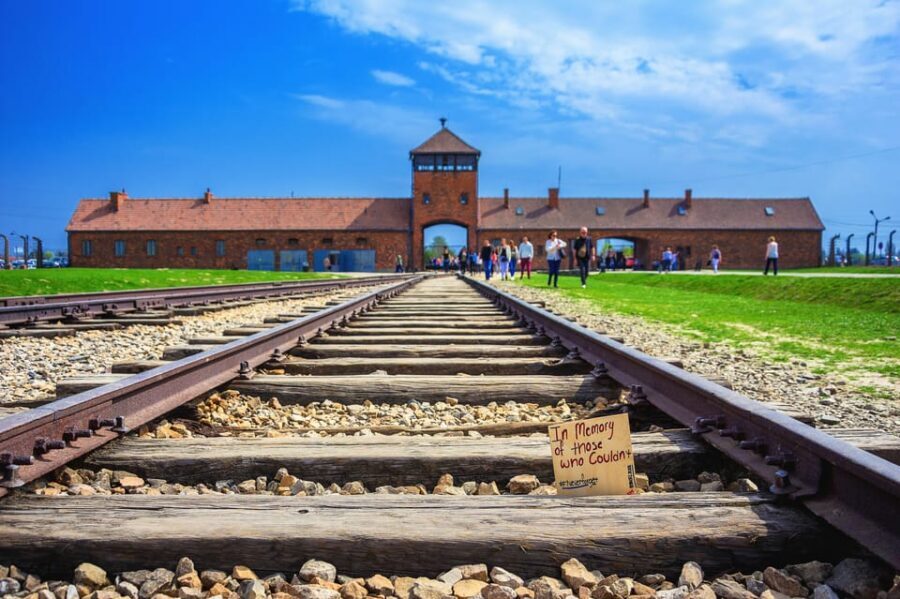
The tour is designed around key physical reminders. You’ll see original areas associated with imprisonment, and you’ll also visit what remains of the gas chambers. In Birkenau, you’ll see the remains of the railway ramp, the place where prisoners arrived to face what came next.
The value here is the guided framing. At a site like this, the buildings are powerful, but they’re also confusing if you don’t know what you’re looking at. With a licensed, English-speaking guide, you get the storyline straight: how the camp system operated, why the arrival areas mattered, and what the surviving structures represent today.
A practical point: bring warm clothing even if the weather above ground feels mild. Auschwitz can feel cold and exposed, and Wieliczka adds another temperature shift once you head underground. Also, wear comfortable shoes you can stand in for extended periods. This is a walking-heavy day.
Wieliczka Salt Mine: the underground city and its salt air pitch
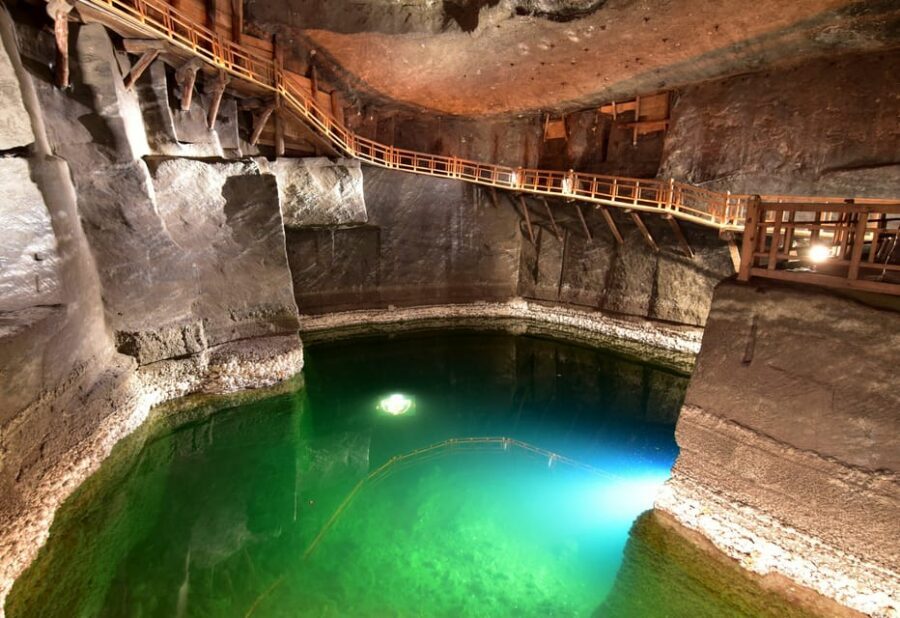
After the seriousness of Auschwitz, Wieliczka can feel like a shock to the system. That’s not a bad thing. It’s actually useful, because the mine tour gives your day a different kind of meaning: human ingenuity, centuries of extraction, and a place that’s become part art project, part monument, part functioning underground site.
Your visit includes a local guide leading you through the mine’s underground spaces. You’ll learn about salt extraction that goes back to the Middle Ages, which helps you understand why this place became important long before modern tourism existed.
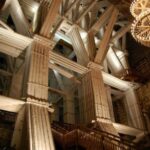
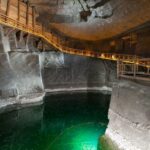
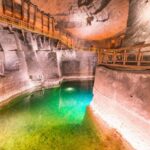
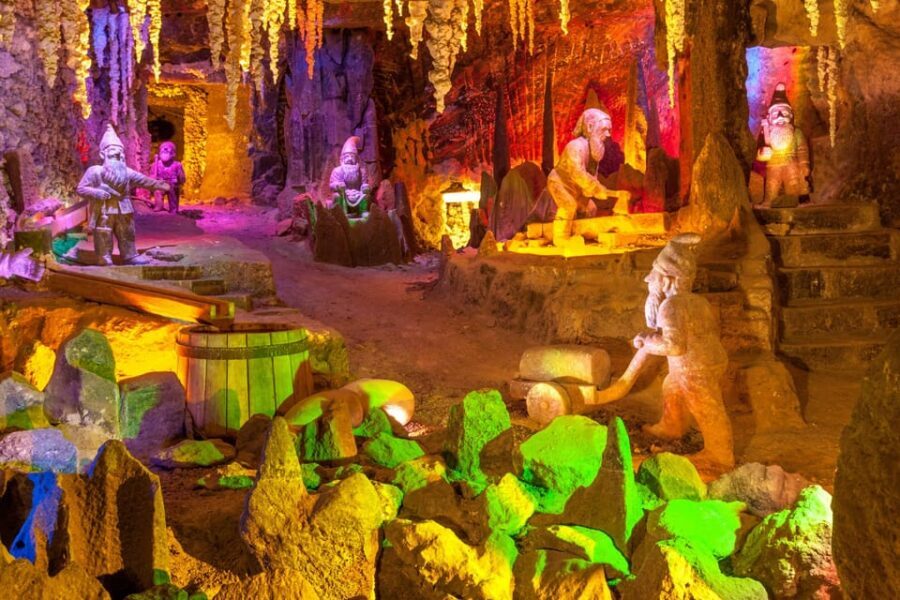
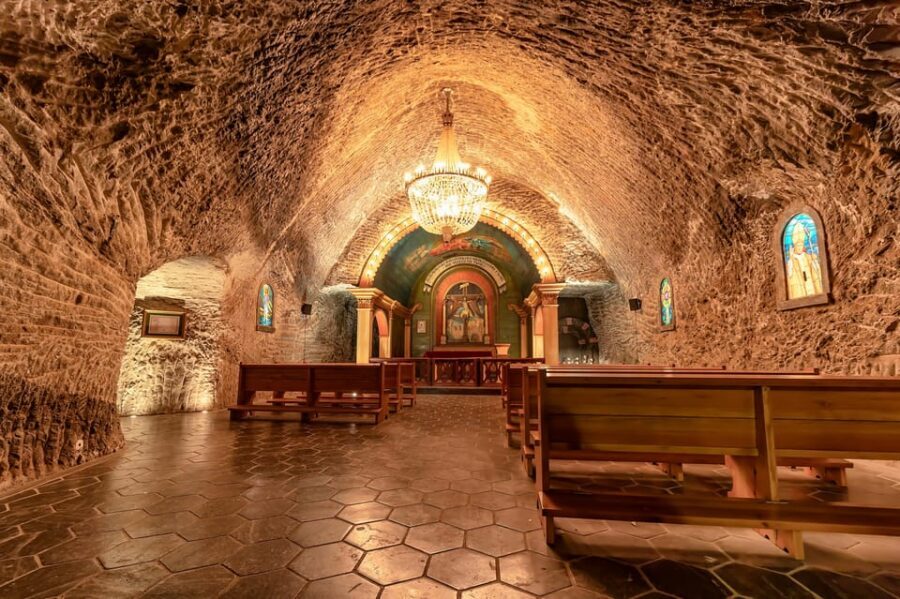
Then comes the visual payoff. You’ll see statues and chapels carved out of rock salt. The carvings are the headliner, but the real value is the explanation of how salt work shaped the mine’s layout and how the mine’s underground environment is described as having healing properties—specifically the idea of a special climate and micro-element filled air.
Is the healing claim something you should take as medical advice? The tour describes it that way, but you should treat it as a wellbeing concept, not a guarantee of treatment. Still, it’s a memorable setting, and it gives the underground experience a theme beyond sightseeing.
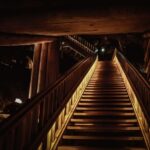
One more practical note: if you’re the type who dislikes enclosed spaces, Wieliczka is exactly where you’ll notice that quickly. The tour isn’t recommended for people with claustrophobia, and that includes the underground sections where you may be surrounded by stone walls and lower ceilings.
Transportation, guides, and the English-speaking comfort zone
I like tours that handle the boring parts so you can focus on what you’re there for. This one does that. You get transportation by an air-conditioned vehicle, and you’re picked up from a meeting point in Krakow.
You’ll also have multiple layers of guidance. Auschwitz-Birkenau includes a licensed guide, and the salt mine includes a local guide. On top of that, there’s an English-speaking driver who can answer questions during the ride.
That matters more than you might think. On a day with two heavy sites, you don’t want to spend energy figuring out what happens next. A driver who can explain the timing and route can keep you calm when the schedule is packed.
Also, the tour includes skip-the-ticket-line. That can save time and reduce stress, especially on busy days when admission lines stretch.
Price and value: why $111 can make sense for this long day
At about $111 per person for a 12-hour day trip, the price isn’t only “transport and tickets.” You’re also paying for two live guided experiences and admission into both sites.
Here’s what you’re getting:
- pick-up in Krakow and air-conditioned transport
- live English guidance at Auschwitz-Birkenau
- live guidance at the salt mine
- entrance tickets for both
- a lunch break window (but you supply food and drinks)
That combination is usually the difference between a day that feels organized and a day where you’re constantly switching between apps, websites, and confusing schedules. With entrance tickets included and line-skipping support, you’re reducing the biggest friction points.
The downside of that value model is that there’s less flexibility. When tickets depend on your identity information, you’re expected to show up ready and correctly matched to the booking. If you’re the type who might miss a start time or get caught up in last-minute changes, you’ll want to be extra careful.
What to bring (and what can get you turned away)
This tour gives you a clear packing checklist, and it’s worth following it closely.
Bring:
- Passport or ID card (required for entry)
- comfortable shoes for a long walking day
- warm clothing
- student card if you’re booking student pricing
Don’t bring:
- pets
- smoking
- luggage or large bags
There’s also a size limit mentioned: baby carriages and luggage larger than 30 x 20 x 10 centimeters aren’t permitted inside. If you’re traveling with a baby, bring your own child seat or child sling.
The big rule to know: Auschwitz-Birkenau requires you to provide your full name and contact details as part of the booking. Entry can be refused if the name you booked with doesn’t match the name on your ID. That’s not a “maybe” rule. It’s a strict one, so double-check spelling before you go.
Who should book this tour, and who should skip it
This is best for adults and older teens who can handle a serious historical site and a long day on their feet. The tour isn’t recommended for children aged 13 and under, and it also isn’t recommended for people with walking disability or claustrophobia.
If you’re traveling solo, this still works well because the structure is tight: you’re not figuring out transport between sites, and you have guides to help you understand what you’re seeing.
If you’re traveling with someone who’s sensitive to enclosed spaces, make the decision based on Wieliczka. Auschwitz is open-air in many areas, but the mine is underground and can feel tight.
And if you’re worried about emotional intensity, plan for it. Auschwitz-Birkenau isn’t a “quick photo stop.” It’s a guided visit to places tied to mass murder, so keep expectations grounded and give yourself time to process.
Booking carefully: the practical bits that can make or break your day
This tour is non-refundable, and tickets are non-refundable as well. That means you should only lock it in if your travel plans are stable.
I also strongly suggest you confirm the pickup details in advance and keep the operator contact info handy. On the kind of shared-day tour where you rely on a specific meeting point, small communication gaps can turn into long waits. So do what you can to avoid surprises: arrive a little early at the meeting point and keep your phone charged.
Finally, remember that lunch is on you. The tour includes a 40–60 minute break, but food and drinks aren’t included. Bring cash or a card you can use easily, and pick something fast that won’t slow you down when the tour clock starts again.
Should you book this Krakow Auschwitz and Wieliczka tour?
Book it if you want one organized day that combines Auschwitz-Birkenau with Wieliczka Salt Mine, and you value live English guidance at both stops. The skip-the-line support, tickets included, and driver help make it a strong value if you don’t want to manage two separate logistics chains.
Skip it if you can’t handle long walking, you have mobility limitations, or you deal with claustrophobia. Also pass if you’re the type who gets stressed by strict entry requirements tied to name and ID matching.
If you decide to go, do yourself a favor: wear the right shoes, bring warm layers, and plan to let the morning at Auschwitz set the tone for the whole day. Then let the salt mine be the reset, not the distraction.
FAQ
How long is the Krakow: Wieliczka Salt Mine and Auschwitz-Birkenau tour?
The tour runs for 12 hours.
Where does the tour start?
You’re picked up from a meeting point in Krakow.
Is the tour guided in English?
Yes. You’ll have an English live guide for Auschwitz-Birkenau and an English-speaking driver is also provided.
Are entrance tickets included?
Yes. Entrance tickets for the Salt Mine and Auschwitz-Birkenau are included.
Do I get lunch on this tour?
You get a 40–60 minute lunch break, but food and drinks are not included.
Does the tour include skip-the-line tickets?
Yes. The tour offers skip the ticket line.
What do I need to bring for entry?
Bring your passport or ID card, wear comfortable shoes, and pack warm clothing. If you’re booking student pricing, bring your student card.
Are student tickets available?
Yes, but student tickets require valid student ID and you must be no older than 25. If you’re older than 25, you need an adult ticket.
Is this tour suitable for children?
It’s not recommended for children aged 13 and under.
Are luggage, pets, or large bags allowed?
No pets. No smoking. And luggage or large bags are not allowed, including items larger than 30 x 20 x 10 centimeters.
What’s the name rule for Auschwitz-Birkenau entry?
You must provide your full name and contact details as part of the booking. Entry can be refused if the name on your booking doesn’t match the name on your ID.