REVIEW · OSKAR SCHINDLER S FACTORY
Schindler’s Factory Guided Tour
Book on GetYourGuide →Operated by INTERCRAC Ltd. · Bookable on GetYourGuide
Nazi-occupied Kraków stops being an idea. I love how this museum leans on original artifacts and 1940s reconstructions to show what life felt like, not just what happened. The guided tour uses the exhibition Kraków under Nazi Occupation 1939–1945 to trace Oskar Schindler’s story in the middle of the city’s daily survival.
My other big win is the way the tour frames Schindler as one thread in a much wider fabric: Jewish and non-Jewish residents enduring occupation, fear, uncertainty, and hard choices. The only real catch is pacing. The museum layout has narrow passageways, and with a 90-minute format you can feel slightly rushed if you want to read every caption.
In This Review
- Key Points I’d Mark on Your Map
- Entering Schindler’s Enamel Factory: When the Building Becomes Part of the Story
- The 90-Minute Guided Flow Through Kraków Under Nazi Occupation 1939–1945
- Schindler’s Story, Without Losing Kraków: How the Guide Builds the Bigger Picture
- The Licensed Guide Factor: Why This Tour Works Better Than Going Solo
- Artifacts and Reconstructed Streets: The Moments That Stick
- Price and Value: What $49 Buys You in This 90-Minute Format
- Tips for Getting the Most Out of Your Time (Without Feeling Rushed)
- Should You Book This Schindler’s Factory Guided Tour?
- FAQ
- How long is the Schindler’s Factory guided tour?
- What is included in the price?
- Where do I meet my guide?
- What languages are available for the tour?
- What is the maximum group size?
- Can I arrive late and still join the tour?
- Do I need to provide names when booking?
- Is there free cancellation and reserve now, pay later?
Key Points I’d Mark on Your Map
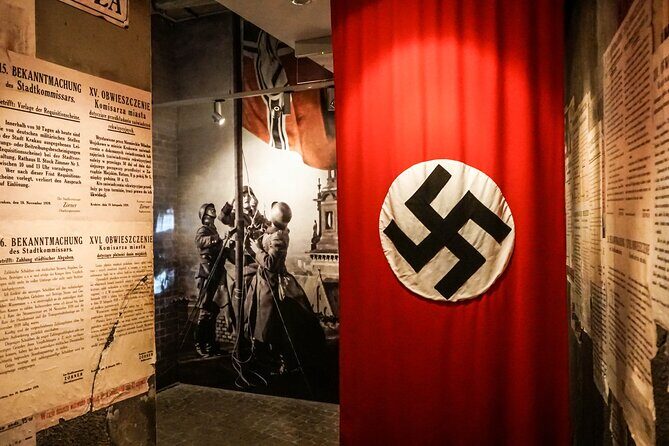
- Fast-track admission saves you time so the story starts sooner
- Period reconstructions and original items help you picture everyday life, not just dates
- Licensed guide in your chosen language keeps the threads clear and human
- Schindler’s role plus the wider Kraków story explains survival on multiple levels
- Small group size (max 25) makes it easier to ask questions and hear the guide well
- 90 minutes means you’ll get a strong overview, but not a slow, label-by-label museum day
Entering Schindler’s Enamel Factory: When the Building Becomes Part of the Story
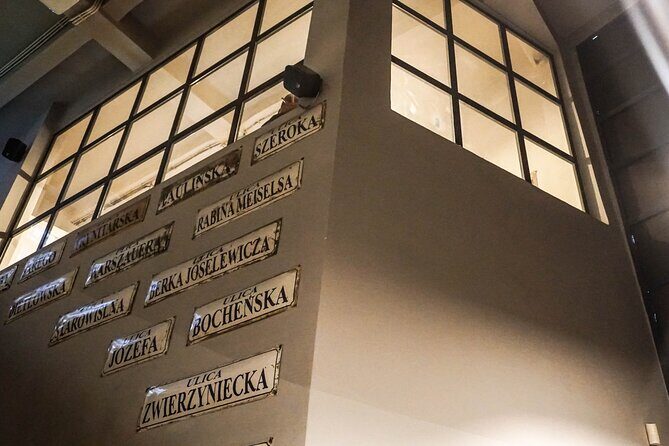
Schindler’s Factory is in Kraków, and the setting does a lot of the work before you even reach the exhibition rooms. It’s housed in Schindler’s Enamel Factory building, but today it operates as a museum. The important detail: you won’t find the original production equipment here, so don’t come expecting to tour working machinery. Instead, think of the space as a shell built to carry the story.
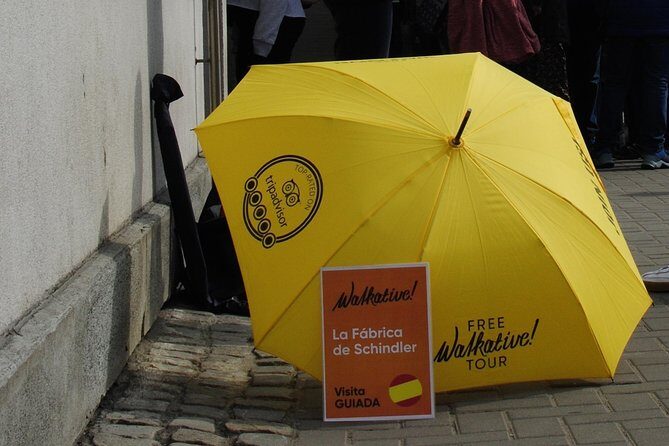
Before the tour starts, you’ll meet your guide right in front of the main entrance to the Schindler’s Factory Museum, on the right-hand side. You should look for the Schindlers Factory Guided Tour sign. Plan to arrive at least 10 minutes early. Once a group enters, late arrivals aren’t accommodated, and tickets aren’t refundable.
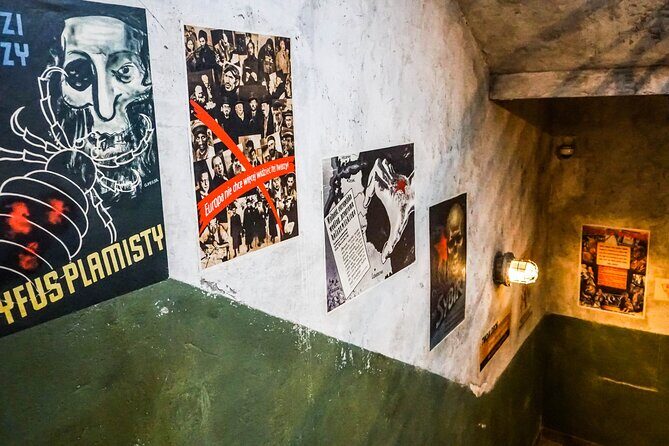
Inside, the museum corridors and passageways are narrow and designed to create the feel of wartime Kraków. That design choice is meaningful. It adds physical friction to your movement, and it quietly reminds you that the period was not about open space and freedom. Just note: if you’re claustrophobic or traveling with mobility constraints, the layout could be a bigger factor for you than you might expect.
You can also read our reviews of more guided tours in Oskar Schindler S Factory

The 90-Minute Guided Flow Through Kraków Under Nazi Occupation 1939–1945
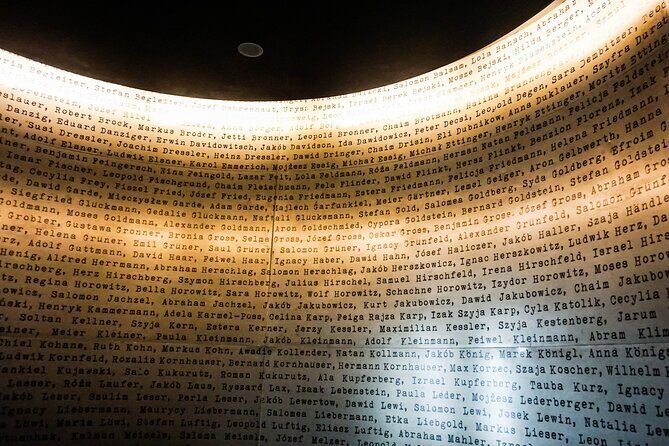
This is a guided museum experience built around one main exhibition: Kraków under Nazi Occupation 1939–1945. The “through-line” is Oskar Schindler, but the guide keeps pulling you back to the broader city reality—how occupation changed daily life, what people faced, and how survival played out in ordinary places.
Expect the tour to move in a structured way, covering:
- the context of Nazi-occupied Kraków
- the fear and uncertainty that shaped daily routines
- how Jewish and non-Jewish residents endured war conditions
- where Schindler’s choices fit into that pressure
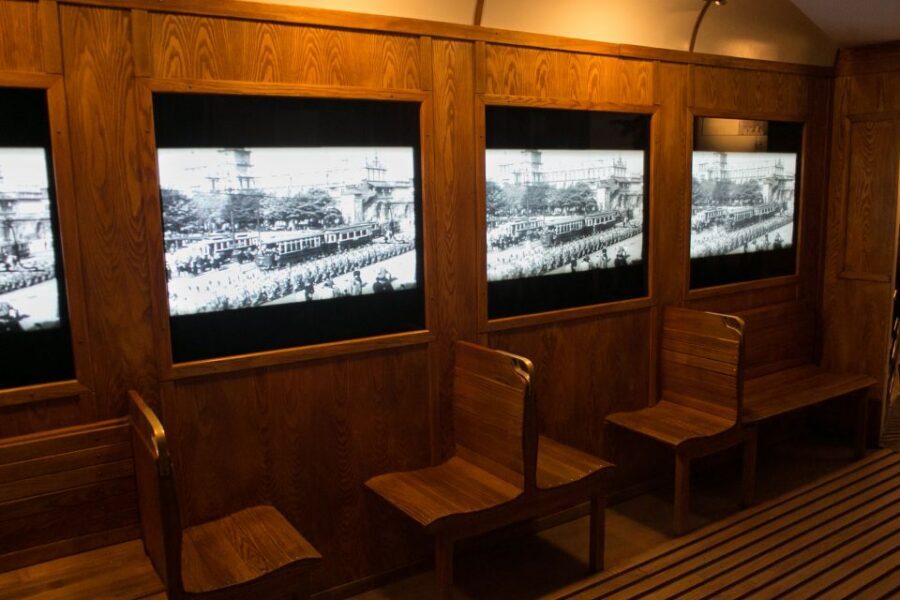
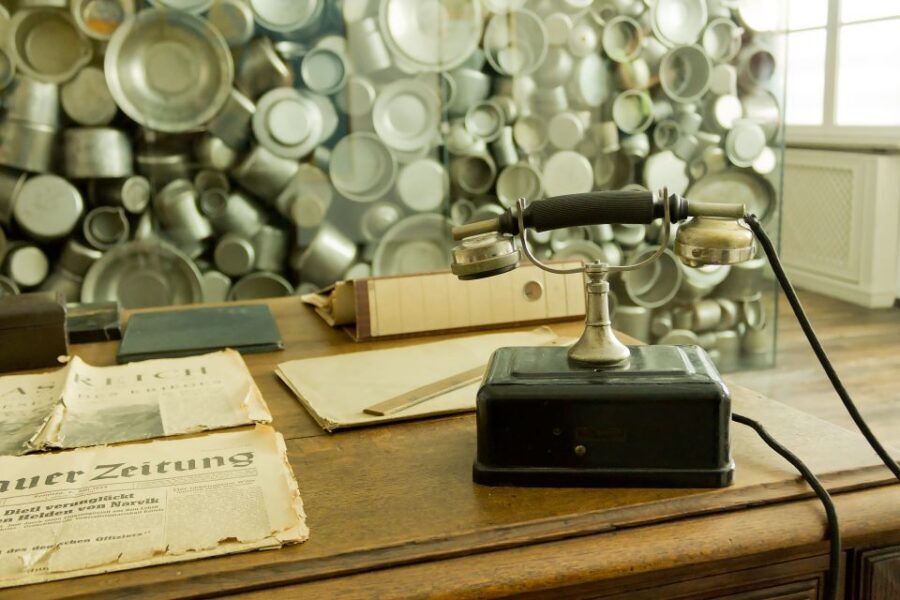
The tour description emphasizes photos, personal objects, and reconstructed streets. That’s a key promise: you won’t just get a lecture of facts. You’ll be shown material that helps you “read” the era with your eyes, while the guide supplies the connective tissue—what each room means, and why it matters.
And yes, the tour is 90 minutes. That means you get a well-shaped overview, not an all-day museum crawl. If your museum style is to linger, you’ll likely want a self-paced visit on another day. A guided format is fantastic for orientation and for getting the big picture and emotional context quickly.
Schindler’s Story, Without Losing Kraków: How the Guide Builds the Bigger Picture
Oskar Schindler is the entry point, but the goal is not to shrink the war into one man’s biography. The tour explains how Schindler employed Jewish workers and used his position, influence, and resources to protect them from deportation. More than a thousand men and women survived because of his actions.
During the tour, you’ll hear about the people often referred to as Schindlerjuden—the Jewish workers and their stories. That framing matters because it stops the narrative from becoming abstract. Instead of treating survival as a headline, you’re guided toward the human scale: family ties, daily risks, and the difference between being noticed and disappearing.
At the same time, the tour doesn’t treat Schindler as an isolated miracle. The guide weaves his choices into the broader wartime reality of Kraków under siege. That broader context is the piece that makes this tour feel stronger than the typical “one name, one exhibit” experience.
You’ll also learn how Jewish and non-Jewish residents endured the war. That’s valuable because it widens your understanding of what occupation did to the whole city—its routines, its pressures, and its moral traps. If you’re building a trip that includes other WWII sites, this kind of context helps you process what comes next without getting lost in details.
The Licensed Guide Factor: Why This Tour Works Better Than Going Solo
This experience includes a professional, licensed guide. That’s not just a comfort feature. In museums like this, the guide is what turns objects into meaning.
You’ll hear the story explained through the lens of Schindler’s life, but you’ll also get the larger explanation of how the city’s inhabitants were pushed into impossible circumstances. The guide helps you connect:
- what you see in the rooms
- what that tells you about daily life
- how survival was shaped by both individuals and systems
Language is also a real factor. Tours run in a single language, and you choose your preferred option at booking. Available languages include German, French, Spanish, Italian, and English. If you’re traveling in a small group and language choice is important, pick the one you can follow easily. The pacing and the subject matter make it tough to “half-understand” your way through.
Some guides stand out in visitor feedback. Names you might run into include Eva, Ewa, and Phil—people who delivered tours with real passion and clarity. Since guide assignments can vary by date, the best move is the same: pick the language you’re most comfortable with, then go in ready to listen.
Artifacts and Reconstructed Streets: The Moments That Stick
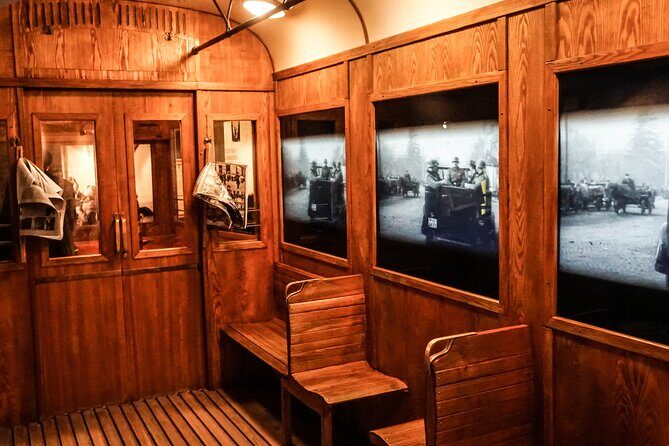
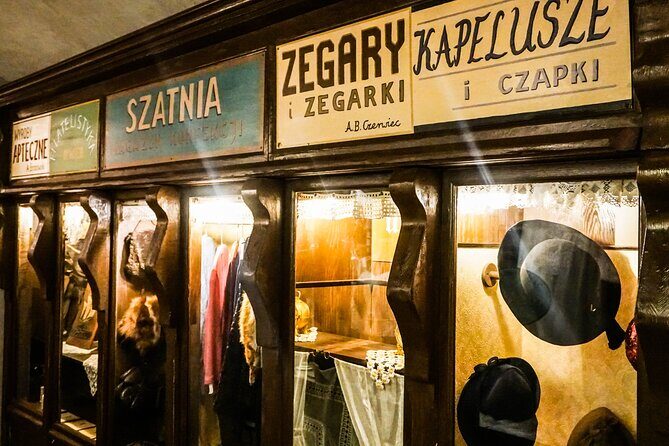
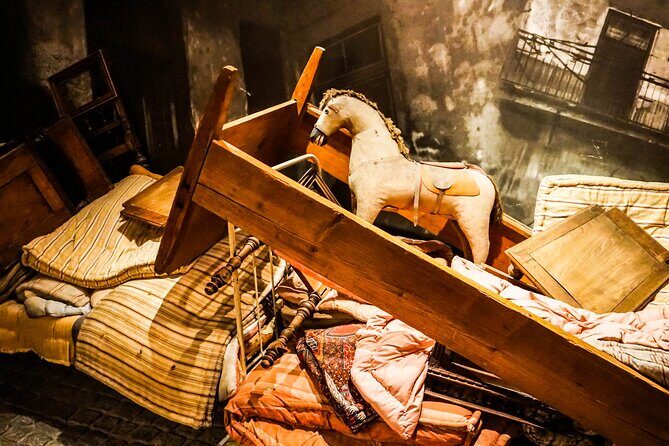
One reason this museum has such an emotional pull is the combination of authentic materials and recreated scenes. You can expect to see original artifacts and authentic reconstructions from the 1940s. The reconstructed streets and period details help you picture what it meant to live in Kraków under occupation—how people moved, what they feared, and what daily life looked like when normal life broke down.
The guide uses photographs and personal objects to bring the stories to the surface. That helps you avoid a common museum problem: staring at a timeline and forgetting it’s made of real people.
Now, the practical note. With a 90-minute format, there may not be time to read everything slowly. Some visitors feel the tour is paced quickly through certain room areas, and you may only get brief moments to scan displays. If you’re the type who needs to read every label, you’ll probably want to come back later for a self-guided pass. But if you want understanding and structure, the guided approach is exactly the right tool here.
Also, since the layout includes narrow passageways, you might find it harder to stop and fan out for photos the way you can in open museums. Keep your camera handy, but think of photos as quick documentation, not as a replacement for reading and listening.

Price and Value: What $49 Buys You in This 90-Minute Format
At $49 per person for a 90-minute guided tour, you’re paying for three main things: (1) a licensed guide, (2) fast-track entry, and (3) interpretation that connects the exhibition themes to Schindler’s actions and the city’s lived reality.
Here’s how I think about value for a site like this:
- If you go on your own, you can still learn, but you might miss the “why” behind the way rooms are arranged and the way the narrative connects.
- With a guide, you get the connective thread: what to pay attention to, how Schindler’s choices relate to the larger occupation context, and how survival stories fit into the wider picture.
The fast-track admission also matters. For a museum experience that depends on momentum and attention, losing time to ticket lines can derail your mental readiness. Getting in smoothly helps you settle into the story without stress.
Is $49 cheap? No. Is it fair for a licensed, guided, time-managed experience in a highly significant museum? For most first-time visitors, yes. The key is to show up mentally prepared. You’re not buying a casual walk; you’re buying a focused understanding of WWII Kraków through one critical lens.
Tips for Getting the Most Out of Your Time (Without Feeling Rushed)
This tour is designed to cover a lot of emotional and historical ground in 90 minutes. That means you should travel light on expectations.
Do this instead:
- Arrive early so the start isn’t stressful.
- Choose your language carefully so you can fully follow the explanation.
- Expect narrow spaces and tight movement; wear shoes that handle museum walking.
- Listen for the guide’s “connections,” not just the names.
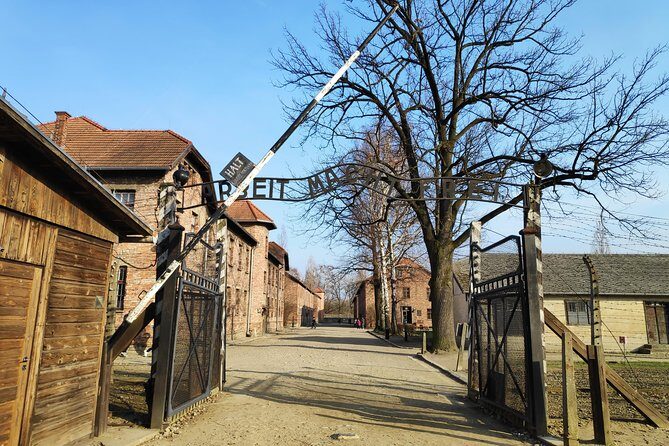
If you’re going to Auschwitz after this, doing this first can help you absorb the wider context of occupied life before you face the next site. The Kraków emphasis matters, because it explains how oppression worked in daily routines and community survival—not just what happened in a single location.
Should You Book This Schindler’s Factory Guided Tour?
Book it if you want a structured, guided way to understand Nazi-occupied Kraków and to see how Schindler’s choices fit into the broader story of survival. It’s especially worth it if you like learning through artifacts, photos, and guided narration rather than wandering without direction.
You might skip or adjust your plans if:
- you strongly prefer reading at your own pace for long stretches
- you’re expecting to see original factory production equipment (the museum doesn’t contain that here)
- you’re very sensitive to narrow, tight passageways
For most people, the decision is simple: if you want real context, you’ll leave with a clearer understanding of how ordinary Kraków residents endured the war—and how one set of choices made possible the survival of more than a thousand people.
FAQ
How long is the Schindler’s Factory guided tour?
The tour lasts 90 minutes.
What is included in the price?
The experience includes a professional, licensed guide and fast-track admission to Schindler’s Factory.
Where do I meet my guide?
Meet your guide in front of the main entrance to the Schindler’s Factory Museum, on the right-hand side. Your guide will hold a Schindlers Factory Guided Tour sign.
What languages are available for the tour?
The tour is offered in German, French, Spanish, Italian, and English. The group tour is conducted in a single language.
What is the maximum group size?
Group size is limited to 25 participants.
Can I arrive late and still join the tour?
You should arrive at least 10 minutes prior to the tour start time. Late arrivals cannot be accommodated once the group has entered, and tickets are non-refundable.
Do I need to provide names when booking?
Yes. Because the museum issues personalized tickets, providing the full names of all participants at the time of booking is mandatory.
Is there free cancellation and reserve now, pay later?
Yes. You can cancel up to 24 hours in advance for a full refund, and you can reserve now & pay later (paying nothing today).