REVIEW · KRAKOW
Auschwitz Birkenau Guided Tour/Skip The Line/PickUp/Guide ENG
Book on Viator →Operated by Auschwitz & Salt Mine tour to KrakowTrip.com · Bookable on Viator
Dawn in Krakow comes early. This day trip is built for people who want to fit Auschwitz-Birkenau into a Krakow visit without fighting ticket lines, and the English guide plus headsets helps you follow the story clearly. One thing to plan for: it is a lot of walking and standing, and breaks for food are short.
What makes this experience work is the structure. You get door-to-door pickup in the morning, a guided visit split across the two memorial sites, and a return to Krakow in the same window most people are ready for lunch. In real-life terms, the driver does a lot of the heavy lifting; names like Daniel and Zibi show up in the smooth, on-time days I’d want on my side.
In This Review
- Quick take: what stands out (and what to watch for)
- Door-to-door pickup at dawn: getting to Auschwitz without wasting your day
- Skip-the-line effect: getting in fast and staying respectful
- Auschwitz with an English guide: how the first half sets the tone
- Birkenau: seeing the scale and why the second site lands harder
- Group size and headsets: how to make sure you actually hear the story
- Price and value: what you’re really buying for around $37.49
- What to bring for a long, cold, walking-heavy day
- Who this Auschwitz-Birkenau day trip suits best
- Should you book this Auschwitz-Birkenau guided tour from Krakow?
- FAQ
- What time is pickup from Krakow?
- Is admission to Auschwitz-Birkenau included?
- Is the tour offered in English, and do I get audio?
- Do they include food or drinks?
- What ID do I need to enter?
- Is there a bag size limit?
Quick take: what stands out (and what to watch for)
- Clear listening setup: headsets are provided, so you can hear the guide without craning your neck.
- Early arrival advantage: you get picked up in the dark, then you’re positioned to avoid the longest public lines.
- Two-site pacing: the day is arranged around both Auschwitz and Birkenau, not just a rushed photo stop.
- Door-to-door minivan convenience: you start and end at your Krakow hotel/apartment/hostel.
- Strict bag rules: backpacks and handbags must fit within 30x20x10 cm, so pack light.
- Food is on you: nothing is included for lunch, so plan for a quick break or an optional lunch box.
Door-to-door pickup at dawn: getting to Auschwitz without wasting your day
Your morning starts with a pickup window between 06:00 and 07:00 in Krakow City. In practice, many departures feel even earlier, with pickups reported around 05:50 and 06:45, so it helps to set an alarm and expect a prompt departure. You’ll receive your exact pickup time 1 to 2 days before the trip, which keeps you from playing guess-the-bus in the morning.
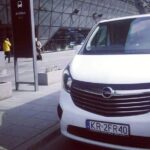
The transport is in comfortable minivans, and it’s a shared group ride. That matters because you’ll trade a little privacy for a faster start: instead of managing your own public transit and transfers, you just show up at your door and go. The tour also runs with timed movement, including drive time between the two camps and short toilet breaks, so you get back to Krakow by early afternoon for many schedules.
One practical tip: don’t plan a big breakfast at the last second. Aim for something quick before pickup, and keep water within your carry-on limits. If you get motion-sick easily, consider bringing something for that too, since the drive is long and the day is emotionally heavy once you arrive.
You can also read our reviews of more guided tours in Krakow
Skip-the-line effect: getting in fast and staying respectful
This is billed as a guided tour with skip-the-line style entry, and what that really means for your day is simple: you avoid the most painful part of the experience—standing around while others queue. With a group booking, you can often bypass the long ticket line and move directly toward the museum and orientation process.
You’ll also get a mobile ticket, which helps you avoid printing paper on travel days. Even so, you should treat museum entry like it’s an exam: go in with the right documents and the right bag.
Two rules are easy to overlook until the moment you need them:
- Bring a valid ID or passport. The guards check before you enter, and without it you won’t get in.
- Keep your bag small: luggage and handbags must not exceed 30×20×10 cm.
Yes, this can feel strict. That’s the point. At this kind of memorial, they control the flow so the sites can be visited in a thoughtful, organized way.
Auschwitz with an English guide: how the first half sets the tone
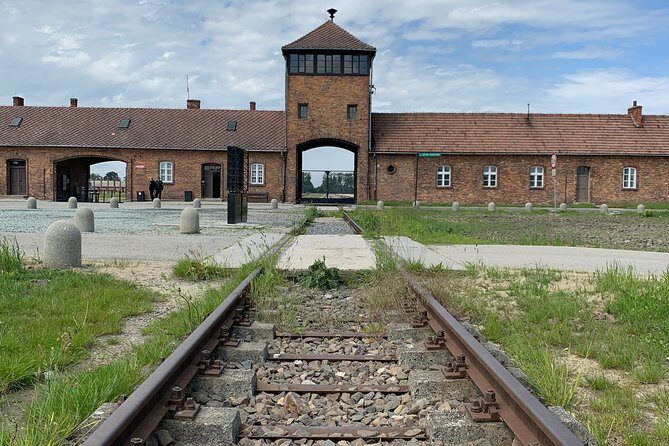
The day typically starts with Auschwitz. This is where the tour’s context matters most, because you’re walking through a complex and highly controlled environment that asks you to slow down mentally even if you’re physically moving.
What I like about the way this tour is set up is the combination of English-language guidance and headphones. Headsets sound like a small thing until you’re in a loud crowd or standing at a display with wind and poor acoustics. With headphones, you can hear the guide clearly and follow along without constantly stopping to catch words.
The guided portion is designed to take about 3.5 hours in total across the sites (with the day structured to split time between Auschwitz and Birkenau). That’s a sweet spot for many people: long enough to feel guided and grounded, short enough that you’re not losing your whole day to logistics.
That said, you should expect crowds and pace. Even with a guided schedule, the memorial sites can be crowded, and some areas can be hard to read or view when foot traffic is thick. The tour helps here because the guide directs your attention to what matters first, but you still may not linger forever at every display.
And yes, it’s emotional. The point isn’t to make it easy—it’s to help you understand what happened and what those preserved spaces are meant to communicate. A good guide keeps the tone respectful and steady, so you can focus on meaning rather than confusion.
Birkenau: seeing the scale and why the second site lands harder
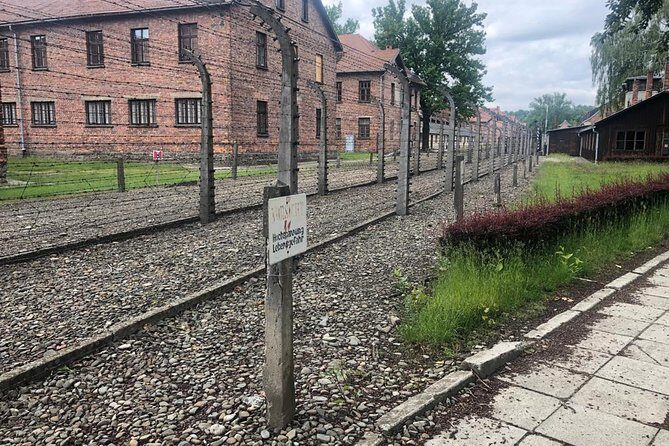
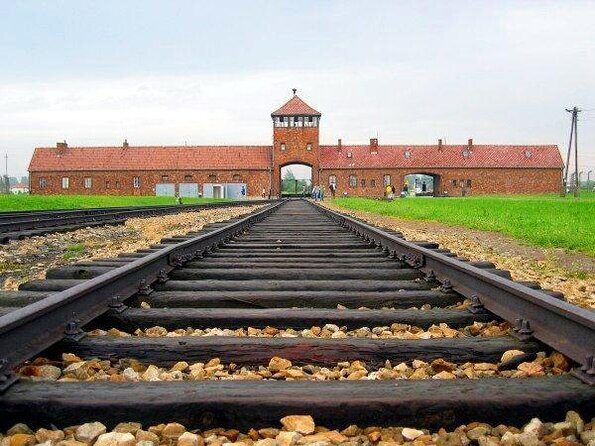
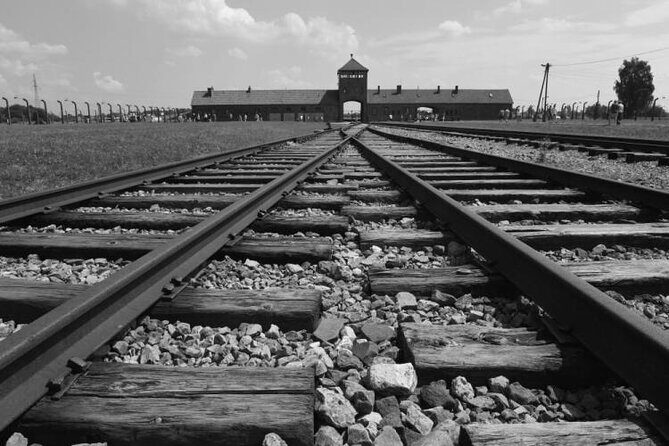
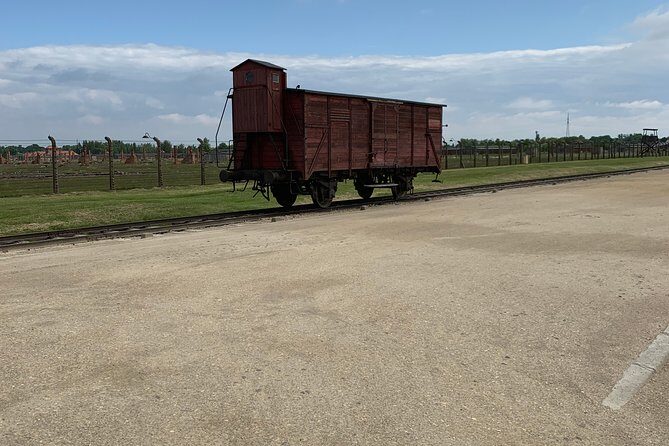
Birkenau is where the day tends to hit even more. It’s not just another section of the memorial; it’s a place that forces you to grasp scale. The openness can feel strange compared with enclosed museum buildings, and that contrast makes the story feel larger and harder to ignore.
On many days, the tour is paced so you drive between the camps, take a short break (often for toilets and regrouping), then meet the guide again for the second half. That structure is helpful because it reduces the risk of your group getting scattered when you’re dealing with confusion, wind, and uneven ground.
In the best tours, the guide’s commentary matches what you’re physically seeing at that moment. You’re not just reading panels—you’re hearing explanations that connect locations to the larger system. That’s how the memorial becomes more than facts on a board.
Physically, plan for uneven paths, stairs, and mostly standing and walking. There are places with no seating. In winter weather, wind can make it feel colder than you expect, so pack a warm layer even if Krakow itself is mild that day.
Group size and headsets: how to make sure you actually hear the story
This tour runs as a small-group experience compared with the big coach chaos, but group sizes can still be sizeable. The operator indicates caps at up to 30 travelers, while also noting a maximum of 15 people per booking. Either way, you should assume you’ll be part of a shared group and follow the guide’s directions closely.
Where the group setup really helps is in audio. Multiple people with headphones in a crowd prevents the classic problem of everyone turning their head and trying to hear one person speaking. With headsets, you can keep your attention on the exhibits and not on volume control.
I also recommend you bring a small note-taking mindset. Not because you’ll want to write a lot, but because being emotionally affected makes memory fuzzier afterward. If you jot down key points while the guide is speaking, you’ll remember the shape of the story better when you’re back in Krakow.
If your group is large, don’t fight the pack. Move calmly, stay with your guide, and resist the urge to wander toward the next photo. In a memorial like this, that wandering can turn a guided experience into a disconnected one.
You can also read our reviews of more tours and experiences in Krakow


Price and value: what you’re really buying for around $37.49
At about $37.49 per person, this tour competes well as a practical way to do Auschwitz-Birkenau from Krakow. What you’re paying for isn’t only the entrance. You’re also paying for:
- Door-to-door transport in a minivan
- A licensed driver
- A guided experience in English
- Headsets so you can hear the guide
- A structure that helps you get in with less waiting
The entrance ticket is included, and that’s the baseline. The value comes from removing the hardest parts of DIY planning: getting there early, managing two sites in one day, and understanding what you’re looking at while you’re walking.
The big thing to remember: food and drinks are not included. So your true budget depends on how you handle lunch. Some people bring snacks, others plan for a quick purchase or an optional lunch box offered for an extra fee on some days. If you’re the type who needs a proper meal to keep going, budget for it before the trip day or as an add-on.
If you want a simple rule: treat this as a guided logistics package with admission. If you try to do the same day alone, the early start plus two-site pacing tends to cost you time and mental energy, even if the ticket itself is the same.
What to bring for a long, cold, walking-heavy day
Even if you travel light, this is one day where being prepared helps a lot.
Bring:
- Your ID or passport (non-negotiable for entry)
- A small bag that fits 30×20×10 cm
- A warm layer for windy weather (the sites can feel colder than you expect)
- Comfortable walking shoes with solid traction
- Water and a snack plan for the gaps between the guided portions
If you’re wondering about lunch: you should assume you won’t have a full sit-down meal built into the schedule. The day is tight, with short breaks for toilet and regrouping. I’d rather you plan ahead than end up hunting for food with a drained brain.
Also consider a small moment of respect planning. Turn your phone off during the most sensitive areas if you can. Keep your camera away until the guide indicates it’s appropriate. It’s easier to stay grounded when you reduce distractions.
Who this Auschwitz-Birkenau day trip suits best
This tour is a strong fit if:
- You want one organized day from Krakow rather than planning multiple transit steps.
- You prefer an English explanation and headsets over reading panels alone.
- You like the idea of a structured pace that keeps you from missing key areas.
It may be less ideal if:
- You expect lots of free time to wander slowly without a group schedule.
- You have limited tolerance for cold weather and uneven ground.
- You need frequent long meal breaks. Lunch time is short, and food isn’t included.
For families: children must be accompanied by an adult, and most people can participate, but you should still judge the day realistically. This is intense, and the best experience is the one where everyone can handle the emotional weight.
Should you book this Auschwitz-Birkenau guided tour from Krakow?
I’d book it if you want a smooth, guided, early-start day that prioritizes learning and reduces time wasted waiting in lines. The combination of transport, English guidance, and headphones you can actually use is what makes this feel worth the money. Just go in with the right expectations: you’re trading comfort for clarity, and it’s mostly walking and standing.
Skip booking only if you strongly prefer total independence, you have trouble with long cold walks, or you can’t commit to strict entry rules like ID/passport and small bag size. If those aren’t your issues, this is the kind of Krakow add-on that helps your visit feel complete instead of chaotic.
FAQ
What time is pickup from Krakow?
Pickup is scheduled between 06:00 and 07:00 from Krakow City. The final exact pickup time is sent to you 1 to 2 days before the trip, and some departures run very early in practice.
Is admission to Auschwitz-Birkenau included?
Yes. The admission ticket is included in the tour price.
Is the tour offered in English, and do I get audio?
Yes. The tour includes an English-speaking guide, and headphones are provided so you can hear the guide clearly.
Do they include food or drinks?
No. Food and drinks are not included. You may need to plan your own snack or lunch, and some days optional lunch may be offered at an extra cost.
What ID do I need to enter?
You need an ID or passport. Guards ask about it before entry, and without it you may not be able to enter the memorial.
Is there a bag size limit?
Yes. Backpacks or handbags can’t exceed 30×20×10 cm.