REVIEW · KRAKOW
Nowa Huta: Steelworks Administration Buildings/Shelters Tour
Book on GetYourGuide →Operated by eNHa Trip Nowa Huta tour · Bookable on GetYourGuide
Cold War vibes, underground included. Nowa Huta was built as a socialist dream city, and this tour lets you see how the steel empire ran its daily life. You’ll visit steelworks administration spaces and then go down into bomb shelters and an underground command area, where the walls and rooms still feel stuck in the 1950s.
I especially like two things: first, the chance to tour the interior of the administration complex, including its ornate staircases and office rooms. Second, the underground portion is unusually specific, with a connecting tunnel between buildings and a clear look at shelter-style spaces and communication areas.
One drawback to plan around: the tour is not suited for mobility impairments or wheelchair users, since you’ll be moving through indoor staircases and underground areas.
In This Review
- Key things to know before you go
- Nowa Huta’s steelworks admin complex: why this district matters
- Meeting at the Steel Mill gate and getting your bearings fast
- Inside the administration buildings: the ornate offices and the Soviet workplace vibe
- The underground tunnel, bomb shelters, and the underground command center
- Radio control room, radio station, and authentic tapes
- Staircases, the workers’ theater hall, and architecture you can feel
- Optional vintage car photos and expanding to district sightseeing
- Price and value: $24 for 1.5 hours of access and atmosphere
- Who should book this Nowa Huta tour?
- Should you book this tour?
- FAQ
- How long is the Nowa Huta steelworks administration and shelter tour?
- Where do I meet the guide?
- How do I get there from Krakow?
- Is the tour offered in English?
- Does the tour include the operating part of the steelworks?
- Is the vintage car part of the standard tour?
- Is this tour suitable for wheelchair users or mobility impairments?
- What’s the typical price?
Key things to know before you go
- Two almost-twin administration buildings: you’ll compare what looks similar and what’s different
- Underground tunnel + shelters: you get the evacuation and command layout, not just a surface stop
- Radio control room and radio station: listen to authentic tape recordings made there
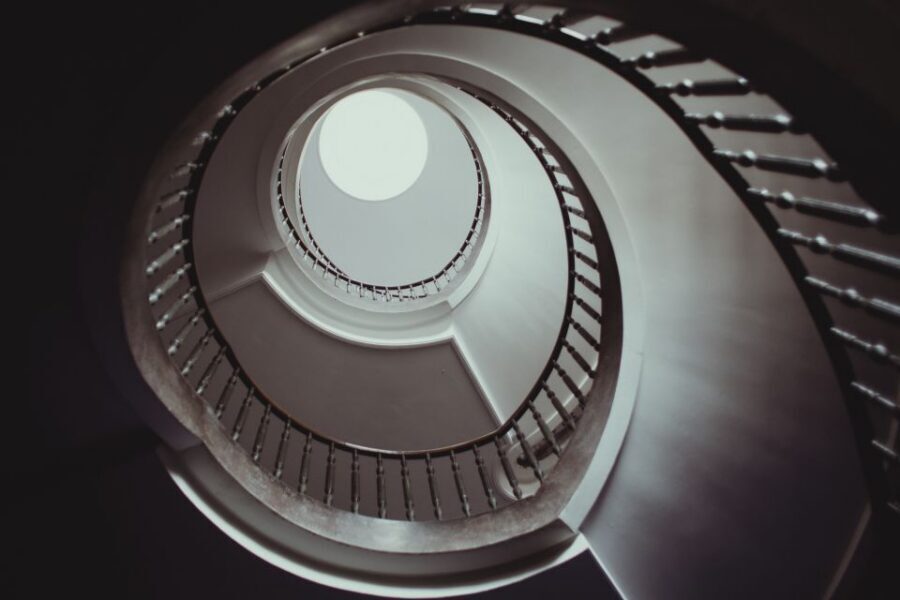
- Architecture lovers’ payoff: renaissance-like entrance hall details, ornamental stone rooms, and oval staircases
- Photo-friendly extras: optional vintage car presentation for pictures
- Time feels just right: about 1.5 hours total, focused on key rooms rather than a long slog
Nowa Huta’s steelworks admin complex: why this district matters
Nowa Huta sits next to Krakow, but it feels like another chapter of Europe. It was planned under Soviet influence, built to support heavy industry, and arranged to run life around the steel mill. When you’re standing in these administration buildings, you can feel the logic of that system: who had power, where decisions happened, and how the plant controlled information and people.
This tour focuses on the parts the public usually can’t access: administrative spaces where directors and engineers worked, plus the “if things go wrong” side of the operation below ground. The result is more than industrial sightseeing. It’s an on-the-ground look at how Cold War-era planning showed up in real buildings, real rooms, and real procedures.
You can also read our reviews of more tours and experiences in Krakow.

Meeting at the Steel Mill gate and getting your bearings fast
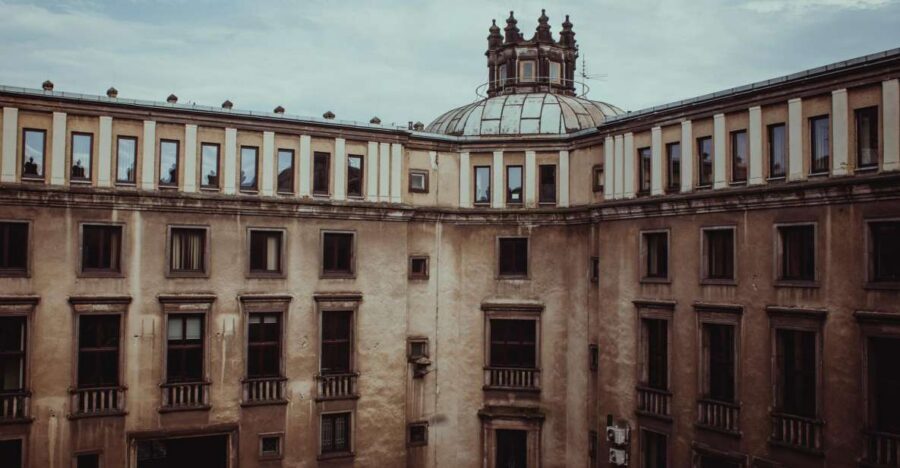
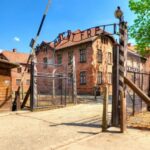
You start at the steel mill building entrance main gate. It’s the building on the left with the info point, and it’s the practical anchor for the whole experience. If you’re coming from Krakow center, take tram or bus and get off at the Kombinat stop.
Getting there early helps. You want a minute to settle in before the guide starts turning the building into a story. Also, since this is a tight 1.5-hour tour, you’ll appreciate not feeling rushed—especially if you’re someone who likes taking a couple photos before the main indoor stops begin.
Inside the administration buildings: the ornate offices and the Soviet workplace vibe
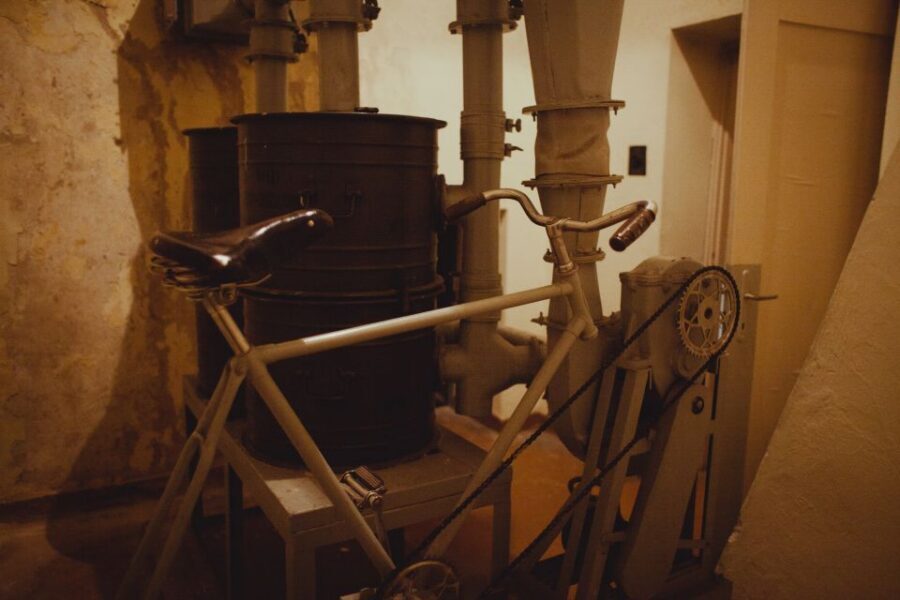
The most satisfying part for me is that you don’t just pass by the buildings. You go inside, into spaces that were meant for command and control. The tour typically moves through two administration buildings that are close to twins, which makes the comparison angle more interesting. As you walk, you can spot how function and status are built into design: the flow of movement, the room priorities, and the visual language of power.
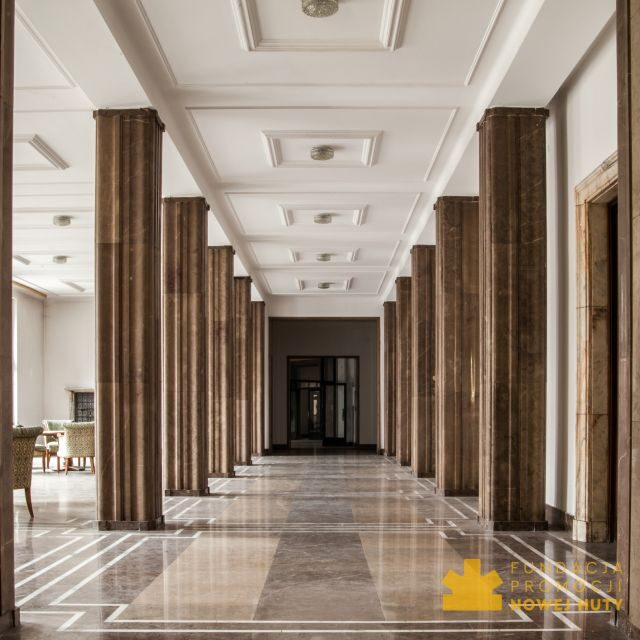
Expect a look at the majestic entrance hall, which is described as resembling a renaissance staircase. That kind of detail in an industrial headquarters is a clue: the directors wanted authority to feel prestigious, even in a steel city. You’ll also see rooms with solid ornamental stone used as part of the aesthetic—exactly the sort of touch that’s easy to miss from the street.
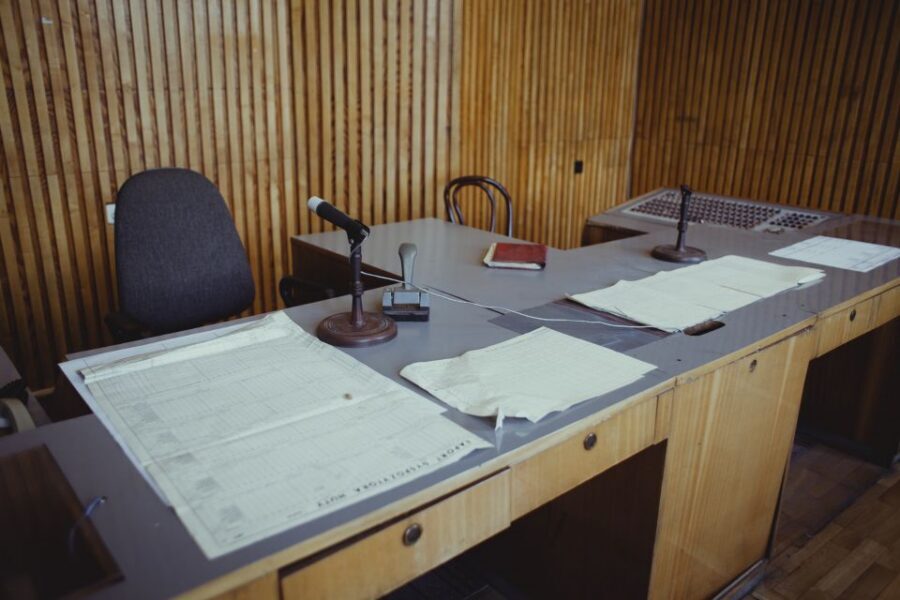
The offices are a highlight too. You’ll visit directors’ executive offices and engineers’ corner offices, so you get a more complete picture than a single office set. The tour is structured to show you what each group needed: decision-making spaces up top, technical leadership in their own zones, and the everyday systems that supported the plant.
Practical note: this isn’t a quick walk-through with minimal stops. You’ll spend time indoors, which is great for photos and for getting a real sense of scale.
The underground tunnel, bomb shelters, and the underground command center
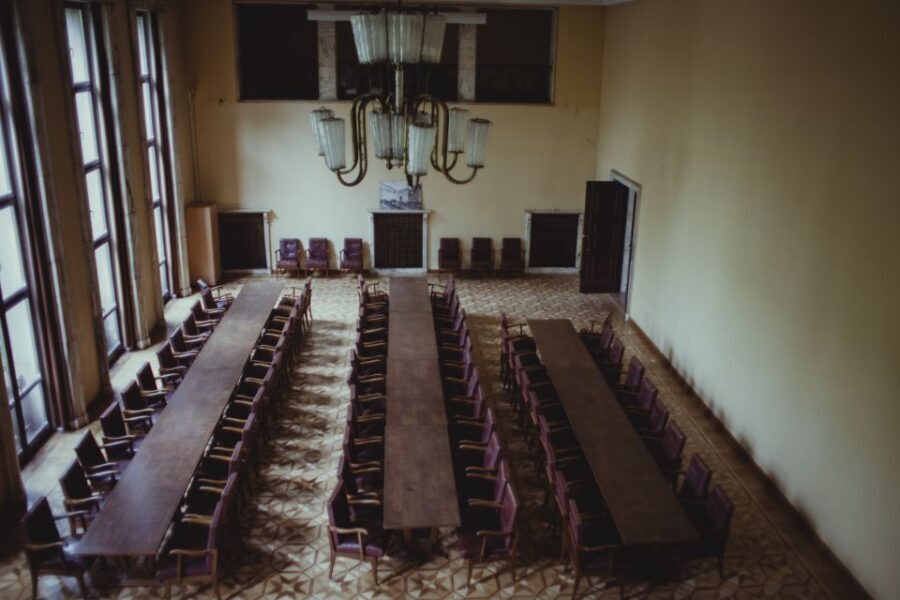
Then comes the part that makes this tour different from a typical city stop: the move underground. You’ll travel through a tunnel connecting the two buildings, and that physical link matters. It shows you the design intent—separating surface life from emergency response, but still keeping communication and coordination possible.
In the shelters area, you’ll see how bomb shelters were laid out in the later 1950s. The tour guidance typically focuses on what these rooms were for: communication spaces and the kinds of areas that supported operation during an emergency. You’ll also get a sense of the atmosphere down there, where the building stops feeling like offices and starts feeling like an emergency machine.
If you’re a Cold War history fan, this is where the tour earns its price. It’s not just the idea of shelters—it’s a guided walkthrough of what the interior spaces looked like and how the underground command structure worked.
Radio control room, radio station, and authentic tapes
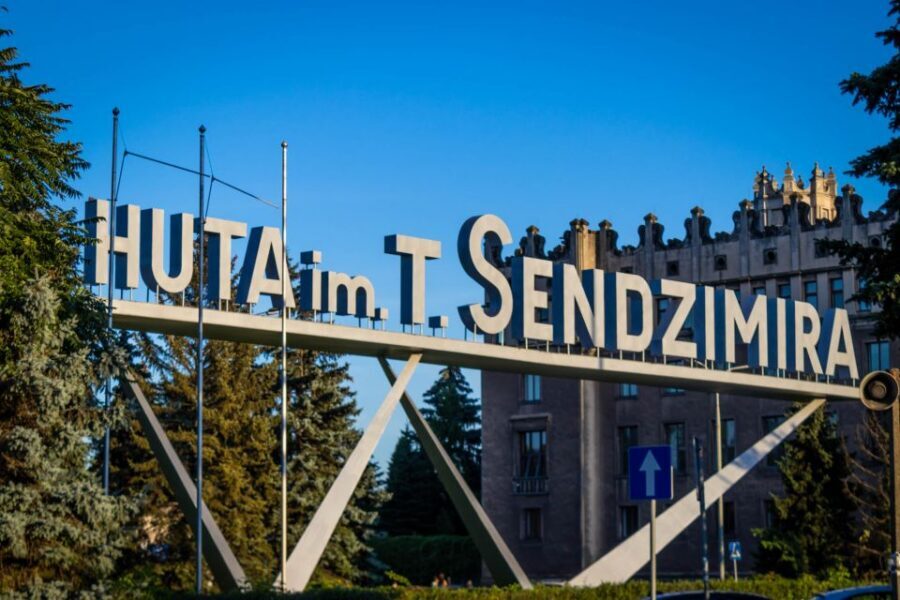
One of the most memorable details on this tour is the radio portion. You’ll check out how the radio control room and radio station works, and you’ll hear authentic tapes recorded there.
This isn’t just a “look at the room” stop. The audio element helps bring the building to life, because you’re not only reading about the era—you’re hearing remnants of how information moved. In a city designed around steel output, radio communication would have been part of keeping everything aligned, especially during tense times.
If you care about how technology shaped daily systems, you’ll appreciate the attention to the mechanics. It turns a theme—control and coordination—into something you can actually understand.
Staircases, the workers’ theater hall, and architecture you can feel
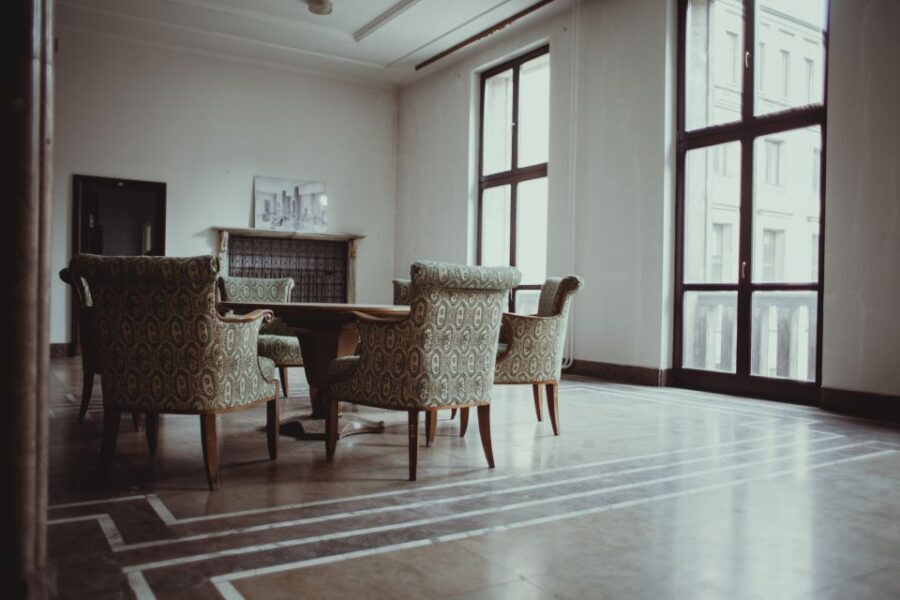
Between the office rooms and the underground segments, the tour also gives you architectural anchors. One of the cool specifics is that there are eight oval corner staircases located in both buildings. As you move through the complex, those staircases give you repeating reference points—like the building’s visual signature—and they help you understand how people would circulate across floors.
There’s also a theater hall in the workers’ building. Even better, it’s still used today. That’s a big difference from many Cold War-era sites: instead of everything being abandoned and frozen, you get at least one space that continues to serve the community.
These architecture and reuse details make the tour feel more grounded. It’s not only about the machinery of a bygone era. It’s also about how the structures lived on after political and industrial shifts.
Optional vintage car photos and expanding to district sightseeing
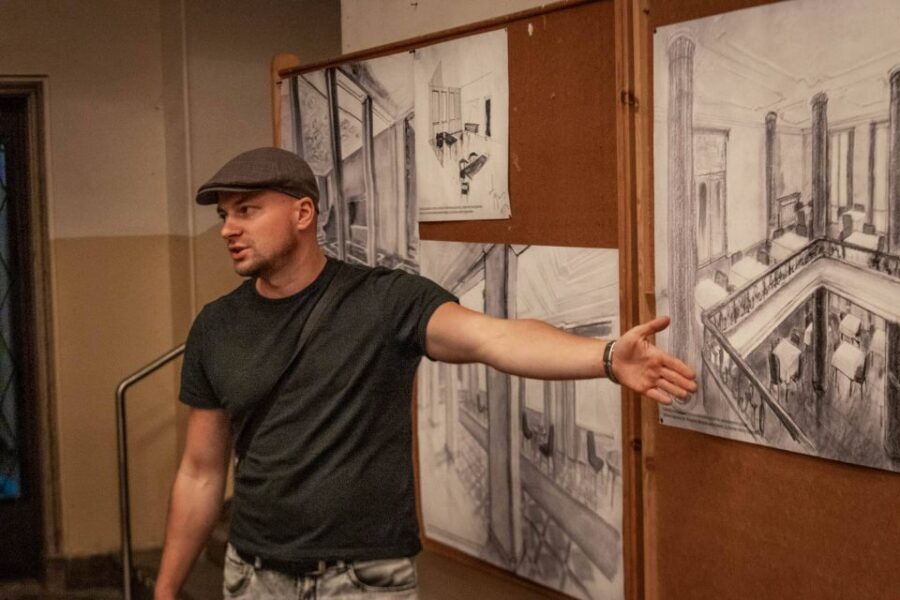
If you choose the vintage car option, you’ll get a communist era car presentation for photos. This is one of those extras that can make a short tour feel more cinematic, especially if you’re traveling with someone who likes props, photos, or themed stops.
The tour also notes you can expand beyond the buildings and add private sightseeing of the entire Nowa Huta district with an experienced local guide. That add-on can be worth considering if you want the bigger picture—how the planned city layout connects to the steel mill story.
Price and value: $24 for 1.5 hours of access and atmosphere
At about $24 per person for roughly 1.5 hours, this tour is priced like a focused special-access visit, not a long-day excursion. The value comes from two things you can’t easily replicate on your own: interior access to the administration buildings and a guided, structured walkthrough of the underground shelter spaces.
Also, the tour saves you from the usual problem of industrial sightseeing: the hard part isn’t seeing steel from outside—it’s understanding the rooms, the purpose, and what you’re looking at. The guide’s storytelling is part of why people rate the experience so high, with names like Mateusz showing up often as a favorite for mixing information with humor and keeping questions moving.
You do need to match your expectations: the tour includes the admin buildings and shelters, but entry to the operating part of the steelworks is not included. If you’re imagining active blast furnaces or working production lines, this won’t be that. Instead, it’s the command center brain trust and the emergency planning side of the industrial world.
Who should book this Nowa Huta tour?
This is a strong fit if you want something different from Krakow’s Old Town circuit. It’s also ideal if you care about 20th-century history, the Cold War, socialist planning, architecture, or how technology and communication shaped institutions.
You’ll likely enjoy it if you like guided interpretation—someone pointing out what each room meant—rather than only wandering through spaces. And if you’re the kind of person who loves detail, the radio station stop and the specific interior features (like the oval staircases) will feel satisfying.
Skip it if you need wheelchair access or if walking and stairs in indoor and underground areas are a challenge.
Should you book this tour?
Yes, I’d book it if you’re in Krakow and you want one visit that feels like a real time capsule. The combination of administration interiors plus underground shelters is rare, and the tour time is short enough that it doesn’t drain your whole day.
Book especially early in your trip planning if your schedule is tight, and prioritize it if your interests lean toward Cold War-era design, communication systems, and industrial governance.
If you’re only looking for open-air viewpoints or general city wandering, then you might be better off with a more surface-level district walk. But if you want rooms, tunnels, and the physical logic of the era, this one makes a clear case.
FAQ
How long is the Nowa Huta steelworks administration and shelter tour?
The tour lasts about 1.5 hours.
Where do I meet the guide?
Meet at the steel mill building entrance main gate. It’s the building on the left with the info point.
How do I get there from Krakow?
From Krakow center, you can reach the area by tram or bus and exit at the Kombinat bus stop.
Is the tour offered in English?
Yes. The guide speaks English.
Does the tour include the operating part of the steelworks?
No. Entry to the operating part of the steelworks is not included.
Is the vintage car part of the standard tour?
A vintage car presentation is included if you select the option for it.
Is this tour suitable for wheelchair users or mobility impairments?
No. It’s not suitable for wheelchair users or people with mobility impairments.
What’s the typical price?
The price is listed as $24 per person.