REVIEW · KRAKOW
From Krakow: Guided Auschwitz-Birkenau Group Tour by Minivan
Book on GetYourGuide →Operated by Auschwitztour · Bookable on GetYourGuide
Some days in Poland hit hard fast.
This one runs like a smooth, well-run operation: hotel minivan pickup, a museum guide from the site itself, and skip-the-line tickets so you can get inside quickly instead of wasting your morning in the crowds. Two things I really like here are the guided flow through Auschwitz I and Auschwitz II-Birkenau with a licensed English guide, and the way the day is paced to cover the big, important stops (main gate, wooden barracks, crematorium/gas chamber areas, and the Death Wall). The main drawback to know upfront is that this isn’t a leisurely stroll. You’ll do a lot of walking, and on crowded days you may still face bottlenecks inside buildings or along routes.
You also get the practical benefit of a single organized day: a direct round-trip drive from Krakow plus a structured museum visit that totals about half the day on-site. In one of the better-arranged groups I’ve heard about, drivers like Konrad, Daniel, Robert, and others kept things clear on timing and added extra context en route. Just don’t expect this to feel “pleasant.” It’s serious history, and the memorial takes time to process properly.
In This Review
- Key highlights that matter (not just nice to have)
- A day trip that’s built around one big goal
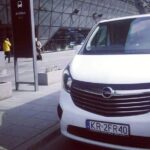
- Pickup in central Krakow, then a straight shot to the memorial
- Skip-the-line tickets: what they really buy you
- Auschwitz I: the main gate, buildings, and the official story
- Auschwitz II-Birkenau: what “scale” looks like in person
- The snack break that won’t save your day—but helps you finish it
- How the on-site museum guide shapes the visit
- Walking pace, group size, and the reality of crowds
- Price and value: is $68 a good deal?
- Who should book this Auschwitz-Birkenau day tour from Krakow?
- Should you book this Auschwitz-Birkenau tour?
- FAQ
- How long is the Auschwitz-Birkenau tour from Krakow?
- What time does pickup happen in Krakow?
- Is skip-the-line entry included?
- Is the guided tour provided by the museum?
- How many people are in the English museum guided group?
- What sites do you visit during the guided portion?
- What documents do I need to bring?
- Are strollers or luggage allowed?
- Is the tour suitable for people with mobility impairments?
- Is food included?
Key highlights that matter (not just nice to have)
- Skip-the-line entry helps you start the visit sooner instead of queueing at the gate
- Museum-licensed English guide (max group size 30) gives you accurate, official context
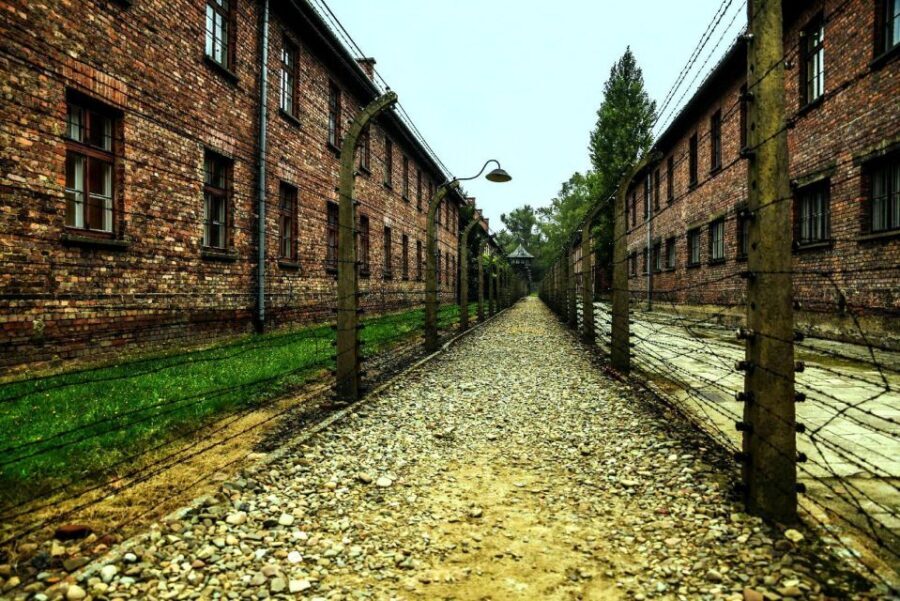
- Auschwitz I route includes the main gate area, wooden barracks, bathhouse, watchtower, and more
- Birkenau essentials include crematorium/gas chamber-related sites and the Death Wall
- Minivan logistics from central Krakow keeps it simple: pickup, guided museum time, then drop-off
A day trip that’s built around one big goal
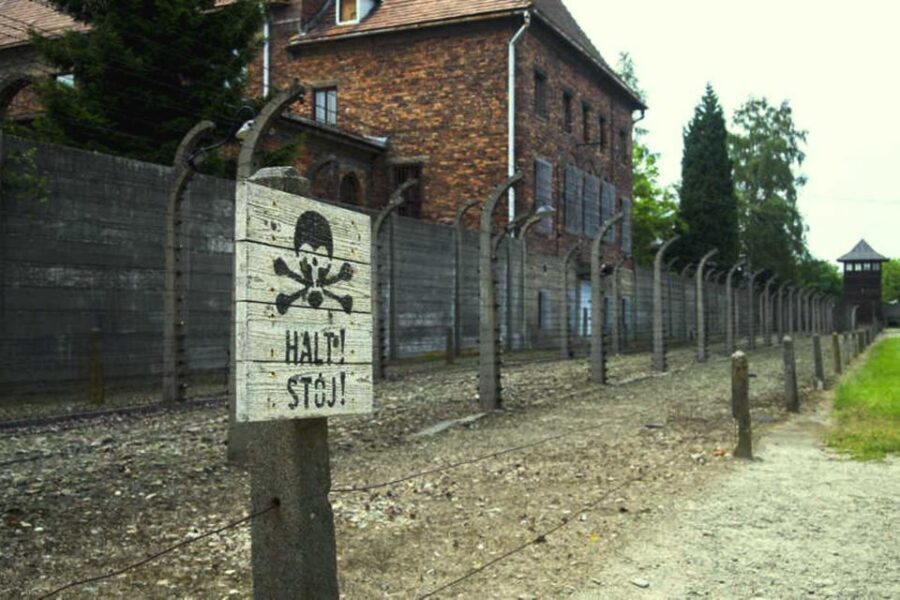
If you’re basing yourself in Krakow, this tour is the direct way to reach Auschwitz-Birkenau without the stress of figuring out transport, tickets, and timing on your own. The drive is about 1 hour 10 minutes each way, and the full day runs about 6.5 hours from pick-up to drop-off.
What I like about this format is that it respects your time. You don’t spend your morning hunting buses or waiting around for the right entrance. Instead, you’re picked up in central Krakow and you head straight toward the memorial. Then, once you’re inside, you follow the museum’s structure so you see the key areas in a logical order.
One note: this is a heavy visit. You’ll want comfortable shoes and the mental stamina to move through places designed to be difficult to witness. Think “focused day,” not “casual sightseeing.”
You can also read our reviews of more guided tours in Krakow
Pickup in central Krakow, then a straight shot to the memorial
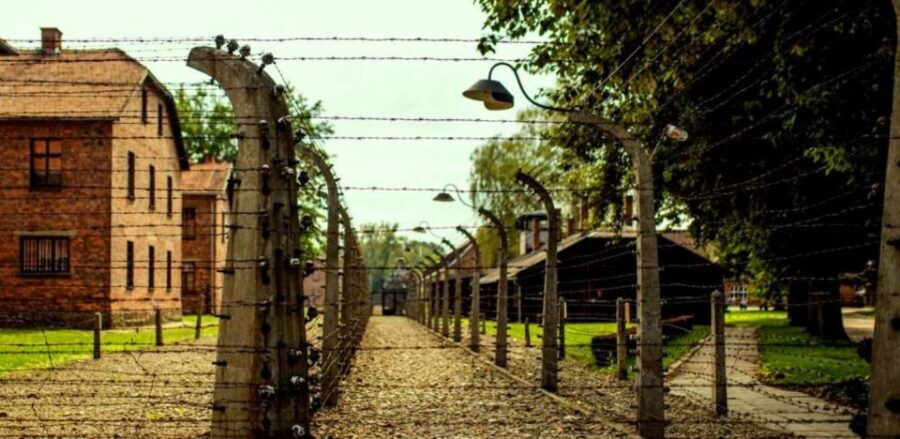
Your morning starts with pickup from one of several central locations in Krakow, with hotel pickup in particular between roughly 7:00 and 8:40 AM (the exact time is confirmed closer to departure). Drop-off back in Krakow is typically between 3:00 and 4:00 PM, after the museum visit and return drive.
A few practical details make a difference here:
- You should be outside your accommodation, not inside the lobby, about 5 minutes before the scheduled pickup time.
- The driver waits no longer than 5 minutes after the scheduled time.
- Bring your passport or ID. The memorial’s entry rules require your booking name to match your ID.
This part matters because Auschwitz days are unforgiving on timing. If you miss the pickup window, you can lose the whole rhythm of the day.
Skip-the-line tickets: what they really buy you
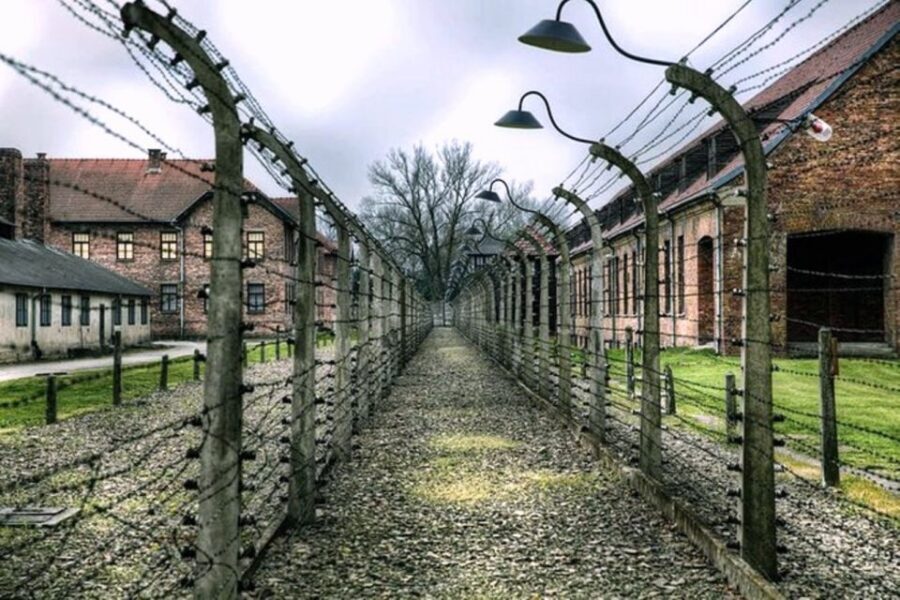
The tour includes skip-the-line access using prepaid tickets. That’s a real advantage at Auschwitz, where crowds can stack up fast. Instead of joining a long general queue, you can use your ticket and move into the site more efficiently.
Still, here’s the honest expectation: Auschwitz is a complex place with many groups and many controlled entry points. Even with skip-the-line tickets, you might still spend short stretches waiting as you transition between buildings or routes, especially during peak periods.
So think of skip-the-line as a time-saver, not as a guarantee of instant movement every minute.
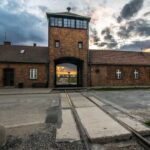
Auschwitz I: the main gate, buildings, and the official story
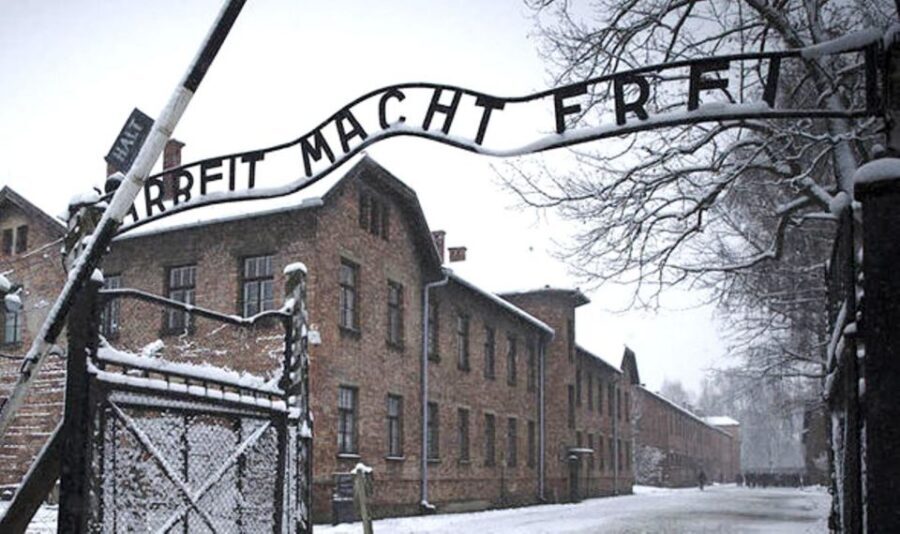
The first on-site section is Auschwitz I, and the guided portion there typically takes about 1.5 hours (as scheduled on this route). This is where you get the structure of the system: what Auschwitz was, how it worked, and why the memorial shows it in such a deliberate way.
Your guide leads you through the core areas, including:
- Passing beneath the Arbeit Macht Frei sign at the main entrance
- Seeing buildings tied to daily prisoner life and the camp’s operation
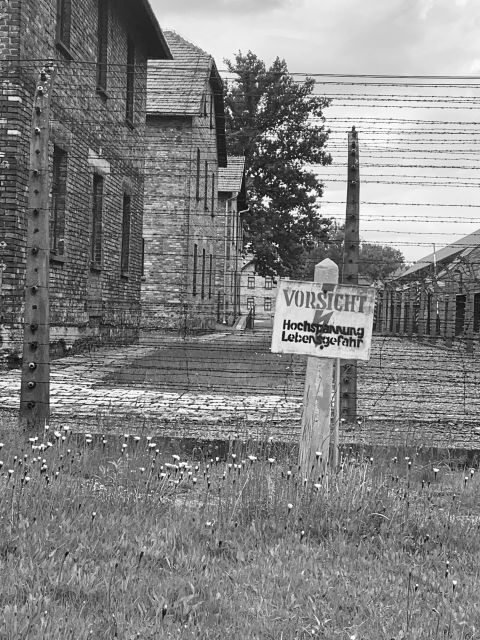
- Visiting original elements like wooden barracks, the bathhouse, and a watchtower
- Learning about how the camp became one of the most notorious symbols of the Nazi regime
The guide is the key here. The museum’s English commentary is designed to keep the story factual and chronological, not vague. On some days, the pace can feel brisk as the group covers lots of ground, but the trade-off is that you get the major Auschwitz I landmarks in a controlled, respectful order.
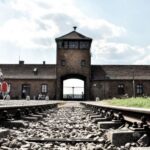
Auschwitz II-Birkenau: what “scale” looks like in person
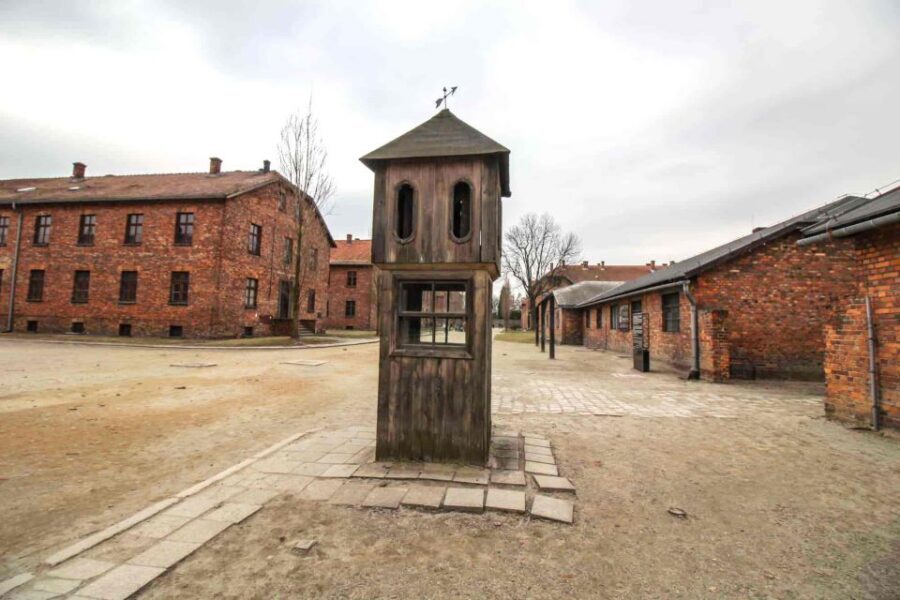
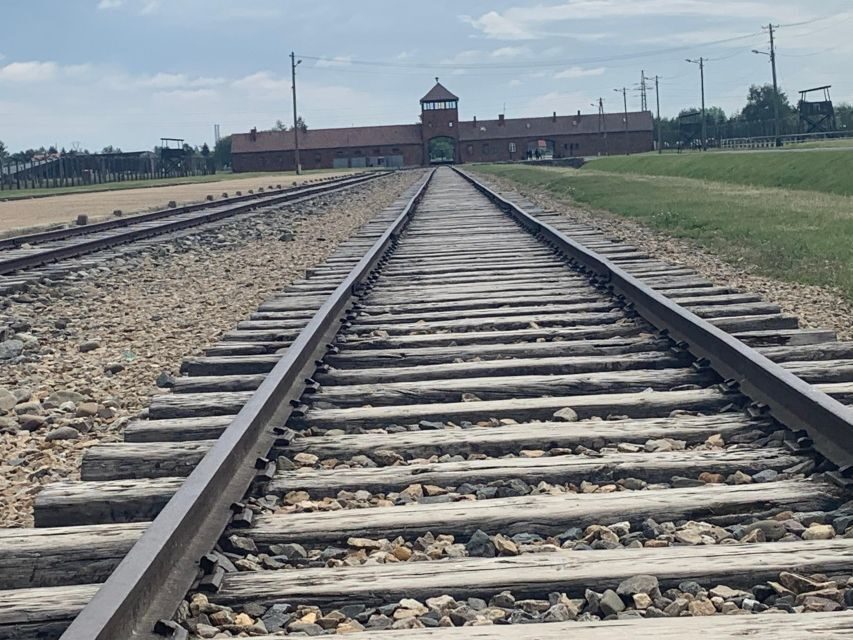
After Auschwitz I, you move to Auschwitz II-Birkenau, which is the larger site and often the more emotionally difficult one. The guided time here is about 1 hour on this particular tour schedule.
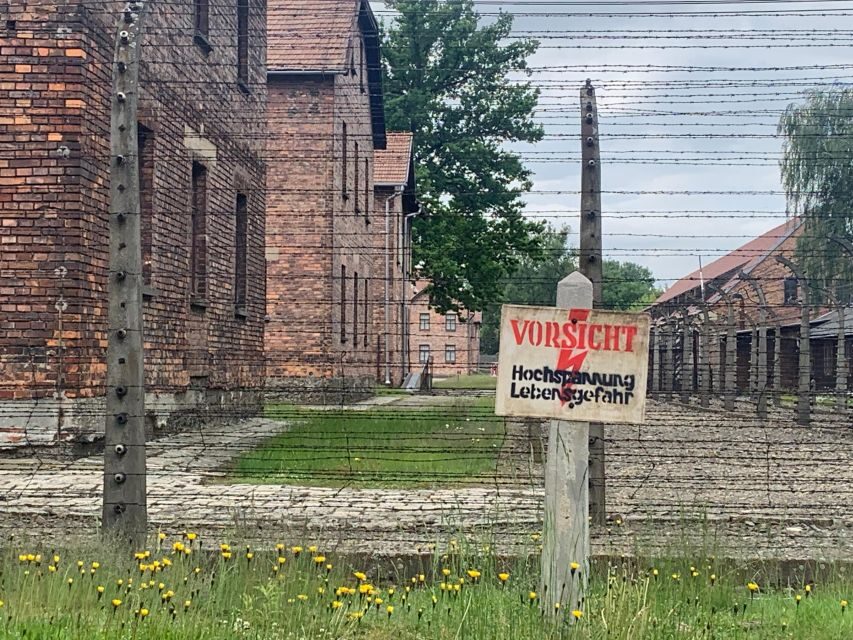
Even with a shorter Birkenau block, you’ll hit the essentials that people remember for life:
- The crematorium and the gas chamber areas (as presented by the museum)
- The Death Wall
- Additional camp remnants and structures that show the scale of the operation
Birkenau is where the meaning of numbers becomes visible. It’s not just buildings and fences—it’s space. You can feel the enormity of the camp layout as you walk, and your guide’s job is to connect that physical layout to the human reality behind it.
One consideration: on very hot or high-demand days, the museum can adjust timing. In one case described to me, the Birkenau part felt shorter than expected because of heat. If you’re traveling in warmer months, wear breathable layers and plan for a slower body pace even when the tour schedule stays tight.
The snack break that won’t save your day—but helps you finish it
There’s a quick 10-minute break after visiting Auschwitz for snacks and to use facilities. It’s short on purpose, because the schedule is built around getting you back to Krakow at a decent hour.
If you’re prone to getting hungry fast, treat this like a last chance to top up. Since food and drinks aren’t included, you’ll either want to plan for buying something before the tour or be ready to grab something during that brief window if options are available.
How the on-site museum guide shapes the visit
This tour uses an English guide provided by the Auschwitz-Birkenau State Museum. That’s a big deal. You’re not relying on a third-party explanation. You’re hearing the story as the memorial frames it.
In groups I heard about, guides such as Magda and Sabina brought a steady, serious tone and kept adding context as the day moved along. You might notice different speaking styles, but the goal stays the same: help you understand not just what happened, but how the camp system worked and how it affected people in occupied Poland and beyond.
Also, museum rules can shape what you see and how long you spend in certain areas. The overall tour flow is tied to the memorial’s visitor service decisions, not just the driver’s preferences.
Walking pace, group size, and the reality of crowds
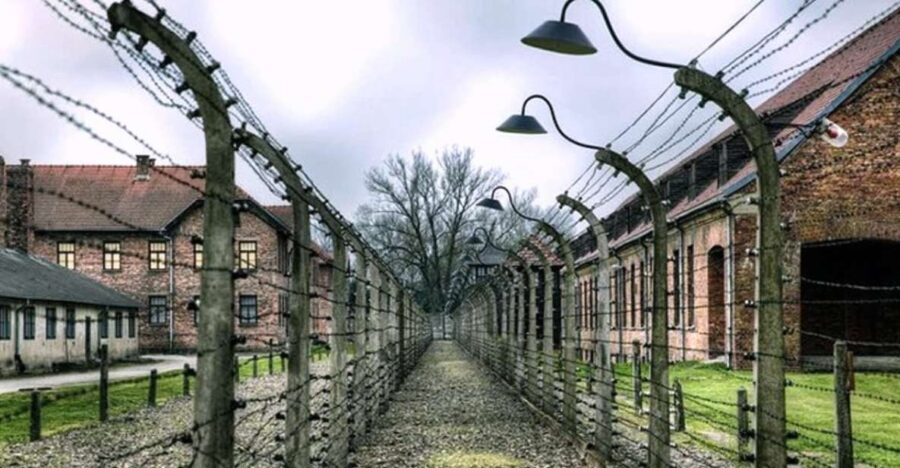
The museum guided portion is capped at a maximum of 30 people for the English tour. That’s a manageable size for hearing instructions and moving together. Still, the overall site is crowded, and your group will share space with other tours.
In particular, you may experience a bit of waiting while groups funnel through buildings. It can feel repetitive at times if you’re constantly moving from one controlled area to another. If you’re sensitive to crowds or hate lines, try to focus on what you’re seeing rather than the friction of the environment around you.
Physical note: this tour is not suitable for people with mobility impairments, and there are steps and a lot of walking. Bring shoes you can stand in for a long time, and consider how your knees and ankles handle uneven outdoor surfaces.
Price and value: is $68 a good deal?
At $68 per person, you’re paying for more than a bus ticket. Your package includes:
- Transportation (minivan transfer)
- Admission fees to Auschwitz-Birkenau
- Hotel pickup and drop-off
- A professional museum guide in English
- Skip-the-line access using prepaid tickets
Food and drinks aren’t included, and there are also limits like no large bags or strollers. But for many people, the value is simple: you’re buying accuracy (museum guide), time efficiency (skip-the-line), and low-stress logistics (pickup and return).
If you tried to do it alone, you’d likely spend time coordinating transport and tickets, and you’d probably still end up joining guided content inside anyway if you want the official story. For a one-day trip from Krakow, this price tends to feel fair for the amount of guided time and included logistics.
Who should book this Auschwitz-Birkenau day tour from Krakow?
Book this if you want a structured, officially guided Auschwitz visit with minimal planning. It’s especially good for:
- First-time visitors who want the story told in order
- People who prefer a group day with pickup and return already handled
- Anyone traveling on a tight schedule who can’t spare an overnight trip
It may not be the best fit if:
- You need minimal walking or you’re unable to handle steps
- You get overwhelmed by crowds and prefer smaller, more flexible pacing
- You’re hoping for time to linger and process slowly at every stop (the schedule is efficient by design)
Should you book this Auschwitz-Birkenau tour?
Yes, you should consider booking—if you’re ready for a serious, structured day and you want it done right. This tour’s value comes from the museum-licensed guide, the skip-the-line advantage, and the simple round-trip logistics from central Krakow.
If your top priority is maximum flexibility and lots of free time inside the sites, you might feel the schedule is a bit tight. But if you want the big Auschwitz I and Auschwitz II-Birkenau highlights explained clearly, without the hassle, this is a solid, practical choice.
FAQ
How long is the Auschwitz-Birkenau tour from Krakow?
The duration is about 6.5 hours total, including travel and guided museum time.
What time does pickup happen in Krakow?
Pickup is in the morning, with timing between 7:00 and 8:40 AM (time is confirmed). Drop-off is typically between 3:00 and 4:00 PM.
Is skip-the-line entry included?
Yes. The tour includes prepaid skip-the-line tickets so you can enter the memorial more quickly.
Is the guided tour provided by the museum?
Yes. You get a professional guide provided by the Auschwitz-Birkenau museum, in English.
How many people are in the English museum guided group?
The museum guided tour group has a maximum size of 30 people.
What sites do you visit during the guided portion?
You’ll visit Auschwitz I and Auschwitz II-Birkenau, including major memorial areas such as the main gate and key camp structures and sites.
What documents do I need to bring?
Bring your passport or ID card. The name you provide for booking must match the name on your ID.
Are strollers or luggage allowed?
No. Baby strollers are not allowed, and you also can’t bring luggage or large bags.
Is the tour suitable for people with mobility impairments?
No. This tour is not suitable for people with mobility impairments.
Is food included?
No. Food and drinks aren’t included, though there is a short break during the day for snacks and facilities.
If you want, tell me your travel month and whether you’re going with older family members or anyone with limited mobility, and I’ll help you judge whether this exact timing feels right.