REVIEW · KRAKOW
Schindler’s Factory Guided Tour in Krakow & skip the line ticket
Book on Viator →Operated by SeeKrakow Day Tours · Bookable on Viator
Waiting in line is not your problem. This skip-the-line Schindler’s Factory guided tour gets you into the Fabryka Emalia Oskara Schindlera museum fast, and I like how it uses guided storytelling to connect the rooms to the people and events. The main drawback to plan for: the museum is crowded and the rooms are tight, so hearing the guide can be hard, and headsets are not consistently available.
This tour also covers the full arc of Krakow under Nazi occupation, not just a single name. You’ll move through the permanent exhibition Kraków Under Nazi Occupation 1939-1945, from the months right before the war through the lead-up to the ghetto and Płaszów Concentration Camp, ending with the arrival of the Soviet Army in 1945. Some guides stand out for careful, sensitive pacing, including people like Alicia, Ava, Eva, and Joanna.
In This Review
- Key things to know before you go
- Schindler’s Factory in Krakow: what this place really is
- The “skip the line” ticket: when it’s worth paying extra
- Your guided route: 90 minutes that starts with a factory name
- Entering the permanent exhibition: Kraków under Nazi occupation
- Oskar Schindler: the guide role vs what the museum already shows
- Group size, room size, and the hearing problem
- How the museum visit feels: evidence, artifacts, and time to look
- Value check: $42.95 for a guided, skip-the-line museum ticket
- When this tour is a great fit (and when to skip it)
- Should you book Schindler’s Factory guided tour with skip-the-line?
- FAQ
- How long is the Schindler’s Factory guided tour?
- Is the tour available in English?
- How much does the tour cost?
- Does the ticket include admission?
- Is skip-the-line access guaranteed?
- What is not included in the price?
- Will I have headsets during the tour?
- Are children allowed?
- Is this refundable if I cancel?
Key things to know before you go
- Skip-the-line access helps you avoid the worst of museum queueing in Krakow.
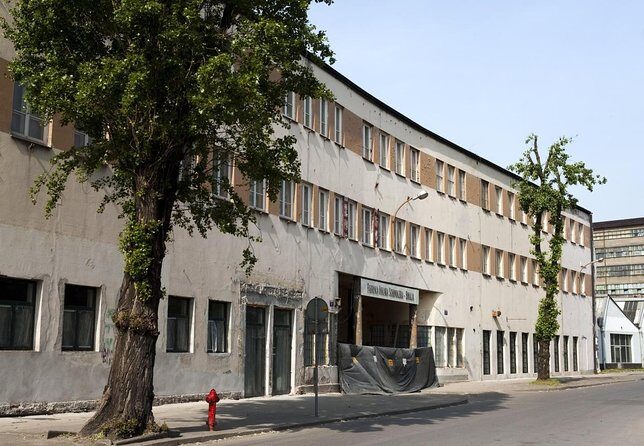
- Original factory setting: the museum sits in Oskar Schindler’s enameled goods factory building.
- Covers the whole occupation timeline, from just before the war to 1945.
- Some guides are excellent at pacing and human detail, including Alicia, Ava, Eva, and Joanna.
- Small rooms + large groups can make the tour feel rushed, especially without headsets.
Schindler’s Factory in Krakow: what this place really is
Schindler’s Factory Museum isn’t just a movie tie-in. It’s housed in the actual factory site tied to Oskar Schindler, and that matters because the setting makes the story feel grounded in real walls and real work life.
What I like most is that the tour format gives you a guided “spine” through the museum. You’re not left staring at panels with zero context. You get a path through events—Polish and Jewish life in Krakow before the war, the early months of Nazi occupation, the ghetto period, and what comes next.
That said, this is a memorial space. The subject matter is tragic, and the exhibits include brutal history and mass suffering. If you need time to emotionally process, you may want to keep that in mind while you’re deciding between guided versus self-guided.
You can also read our reviews of more tours and experiences in Krakow

The “skip the line” ticket: when it’s worth paying extra
This experience includes guaranteed skip-the-line access. In practical terms, that means less time standing around and more time inside the museum, where there’s a lot to read and see.
That benefit is biggest on peak days and busy arrival windows. If you’re trying to fit Schindler’s Factory into a tighter Krakow schedule—say, after a morning at nearby sights—skip-the-line can be the difference between a calm visit and a squeezed one.
One fairness note: a few people felt the guided package costs more than buying museum admission directly. If you’re the type who reads slowly and likes to set your own pace, you might decide the money is better spent on a self-guided visit. But if you want structure and a guide to connect dots, the skip-the-line can be a strong value.
Your guided route: 90 minutes that starts with a factory name
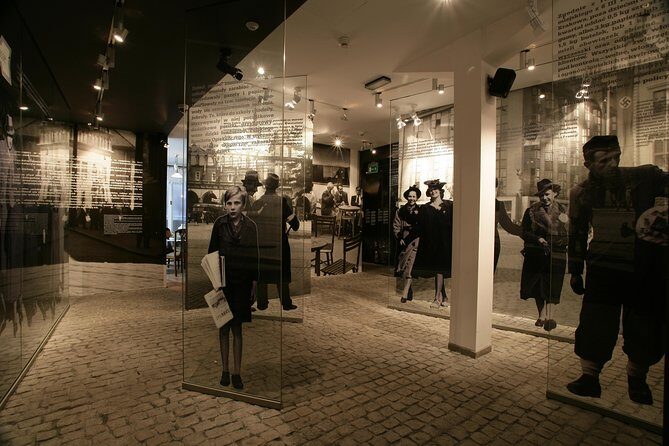
The tour runs about 1 hour 40 minutes (approx.) and is offered in English. You’ll start at Fabryka Emalia Oskara Schindlera, the Schindler enamelware factory site, and then follow the museum’s time-based flow.
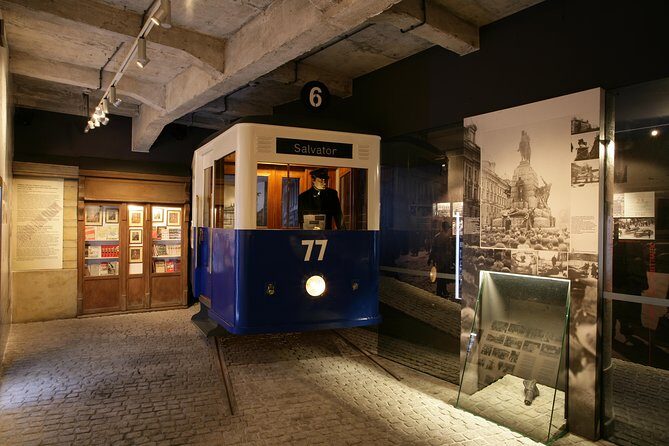
The guided experience is designed to take you step-by-step through Krakow’s wartime story. In this setting, that means you’ll be moving through rooms that each represent a different slice of time, with the guide linking what you see to the bigger picture.
Where it can feel awkward is the pacing. Some visitors report being rushed because the group is kept moving, especially when rooms are packed. So go in with the mindset that this is a guided overview, not a free, slow browse of every exhibit.
Entering the permanent exhibition: Kraków under Nazi occupation
The core of the visit centers on the museum’s permanent exhibition Kraków Under Nazi Occupation 1939-1945. You’ll learn the history in sequence, starting with events that happened about a month before the war and then moving through the first months of Nazi occupation.
You should expect a mix of context and specific stories. The tour connects the wider policies of occupation to what that meant for people in Krakow—both Polish and Jewish residents.
In the “middle” of the story, you’ll also reach the ghetto and Płaszów Concentration Camp topics. That part of the museum is especially heavy, and the guide’s tone and pacing matter a lot here. Some guides (like Joanna and Eva) are praised for sensitivity and clarity when handling the hardest material.
Oskar Schindler: the guide role vs what the museum already shows
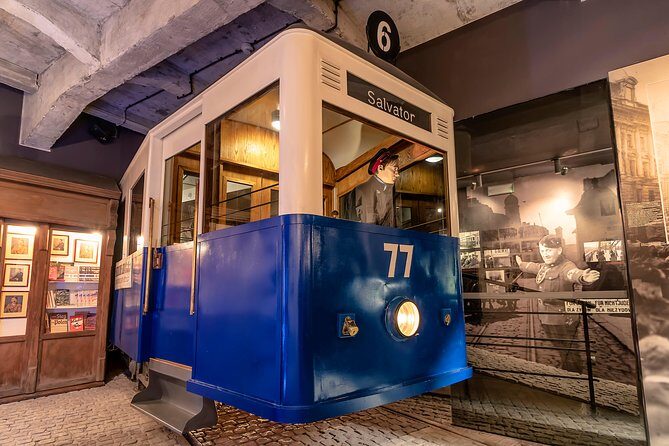
If you come in expecting a tour that focuses mainly on Schindler the man and the factory’s day-to-day operations, you might have mixed feelings. Many guides do connect Schindler’s role to what you’re seeing, but the museum itself is structured around occupation history overall.
So you may get less of the factory floor story than you hoped. One recurring idea from visitors is that Schindler-focused content can sometimes feel limited compared with the broader war narrative. If your top goal is factory operations and Schindler’s particular role in more detail, you might want to supplement your tour time with extra self-guided reading afterward.
That said, the tour still helps because it explains why certain rooms exist and what’s being documented. It’s one thing to see photos and text on a wall; it’s another to understand how those artifacts fit into the timeline of Krakow under Nazi rule.
You can also read our reviews of more guided tours in Krakow

Group size, room size, and the hearing problem
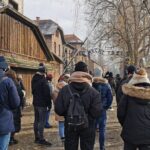
This is the part you should plan for. The museum has small rooms, and group tours can squeeze around one guide while other visitors brush past. Several people noted they couldn’t hear clearly or that the guide spoke quickly.
Headsets are the big practical question. The venue does not currently provide this service at the moment, which means you may need to rely on your position in the group. If you’re farther back, you’ll likely hear less, and that can be frustrating when the tour is also rushed.
If you go, I’d recommend this mindset:
- Aim to position yourself where you can see the guide and the display at the same time.
- Expect that you may have to accept some “move along” moments.
- If hearing is important to you, consider whether a smaller-group option or self-guided visit might fit better.
When it works well, the experience can feel like someone turned the museum from static exhibits into a story. When it doesn’t, it feels like information you barely caught while being moved forward.
How the museum visit feels: evidence, artifacts, and time to look
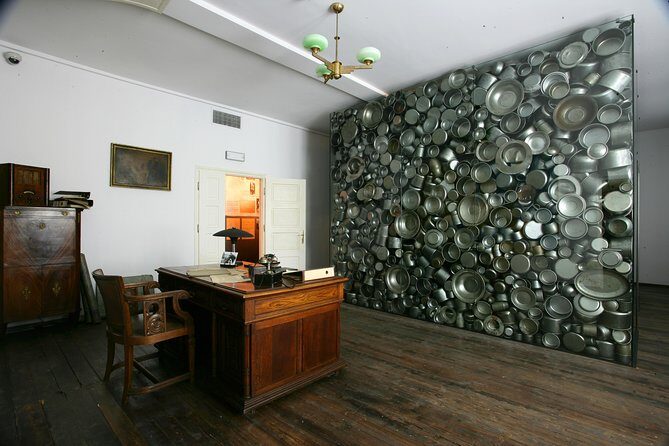
Schindler’s Factory is full of material—photos, exhibits, and documented history. The guide’s job is to pick out what’s most important so you don’t miss the context.
But time inside is still limited by the guided format. Some people said the group didn’t have enough time to stop and read plaques or watch videos in detail. Others noted that their guide made space for looking around without feeling constantly rushed.
This is where the guide quality changes the whole experience. When you’re with a guide who balances speaking with pauses, you can actually absorb what you’re seeing. People highlighted guides like Alicia and Ava for making the museum feel alive and for asking the group questions that help you think instead of just listening.
Value check: $42.95 for a guided, skip-the-line museum ticket
At $42.95 per person for a roughly 1 hour 40 minutes visit, you’re paying for three things: the guide, the structured route through the museum, and the guaranteed skip-the-line entry.
Here’s how I’d judge the value for you:
- If you want help making sense of what you see, a guide can be worth it.
- If you hate queues and you’re working with a tight day schedule, skip-the-line is real money saved in time.
- If you read slowly and want to control your pace, you may feel the guided tour is pricey compared with buying tickets at the museum and going at your own rhythm.
It’s also a bit of a trade-off. A guided route can help you see the best sequence, but it can reduce your time per exhibit. For some people, that feels like a fair exchange. For others, it’s the part they didn’t like.
When this tour is a great fit (and when to skip it)
This tour fits best if you want a guided, English-speaking overview of Krakow’s Nazi occupation period in a way that connects rooms to the human story.
It’s also a good pick if you prefer structure. The tour gives you a clear “what comes next” flow, which helps if you’re visiting only once and don’t want to guess what to look for first.
You might skip the guided version if:
- you strongly want Schindler and the factory story first, not the wider war narrative
- you’re sensitive to rushing or loud crowds
- you know you’ll struggle to hear in small rooms without headsets
On the other hand, if you’re choosing this because you like the idea of a skilled, sensitive guide handling the heavy topics, you’ll likely appreciate it. Several guides were singled out for clarity and care.
Should you book Schindler’s Factory guided tour with skip-the-line?
Book it if you value time saved and a guided roadmap through Kraków Under Nazi Occupation 1939-1945. The skip-the-line ticket plus a strong English guide is a smart way to make sure you actually understand what you’re seeing, even if the museum is busy.
Hold off (or consider self-guided) if you need slow, quiet reading and maximum exhibit time. Without headsets from the venue, hearing can be a gamble in cramped rooms, and a rushed group can cut down your ability to absorb everything.
If you can, I’d also plan your expectations around the guide style: when guides like Alicia, Eva, Ava, and Joanna set a thoughtful pace, the experience can feel powerful and well explained. When the group is large or moves too fast, you may leave wishing you had more time in the exhibits.
FAQ
How long is the Schindler’s Factory guided tour?
The tour lasts about 1 hour 40 minutes (approx.).
Is the tour available in English?
Yes, the experience is offered in English.
How much does the tour cost?
The price is $42.95 per person.
Does the ticket include admission?
Yes. Admission to the museum is included with the tour.
Is skip-the-line access guaranteed?
Yes. There is guaranteed skip-the-line access for faster entry.
What is not included in the price?
Food and drinks are not included, and there is no hotel pickup/drop-off or transportation to/from the attractions.
Will I have headsets during the tour?
The museum does not currently provide headsets, so hearing the guide may be harder in crowded areas.
Are children allowed?
Children must be accompanied by an adult.
Is this refundable if I cancel?
No. This experience is non-refundable and cannot be changed for any reason.