REVIEW · KRAKOW
Krakow: Wawel Castle & Cathedral Guided Tour
Book on Viator →Operated by excursions.city · Bookable on Viator
Wawel feels like Krakow’s power center. This tour strings together Wawel Royal Castle and the Wawel Cathedral so you see how monarchy, faith, and art share the same hill. I like that admission is built in, so you spend your time looking instead of waiting. I also love the mix of big-name art, odd artifacts (armor and military items), and that signature bell moment.
The main thing to think about is pace. It’s set up as a two-hour overview with a group flow, so if you want to linger in every room or you dislike lots of dates and ruling-family details, you may feel a bit rushed.
In This Review
- Key Things You’ll Notice on This Wawel Tour
- Wawel Royal Castle: State Rooms, Art Galleries, and the Ottoman Tents
- Wawel Cathedral: The Sigismund Bell and the Royal Crypt Stories
- How the Tour Timeline Helps You Beat the Wawel Ticket Hassle
- Dress Code, Shoes, and Other Practical Rules at a Place of Worship
- Small-Group Pacing and the Role of the Guide (Helena and Ana as Examples)
- Value Check: Is $59.26 a Good Deal for Two Museums?
- Who Should Book This English Wawel Tour (and Who Might Skip It)
- Should You Book This Wawel Castle & Cathedral Guided Tour?
- FAQ
- How long is the Wawel Castle & Cathedral guided tour?
- What’s the tour price per person?
- Is admission included for both the castle and the cathedral?
- What language is the tour offered in?
- Where is the meeting point?
- Is the meeting point on Wawel Hill?
- What dress code should I follow?
- How big is the group?
- Does the tour include the cathedral tower and the Sigismund Bell?
- Is it close to public transportation?
- What’s the cancellation window?
Key Things You’ll Notice on This Wawel Tour
- Royal Castle museum rooms with Renaissance and Baroque interiors
- Flemish tapestries and Italian Renaissance works, plus a spotlight on the Lanckoroński collection
- Eastern art highlights, including the largest set of Ottoman tents in Europe
- Cathedral tower time to see the Sigismund Bell and the touch-for-luck tradition
- Crypts under the cathedral where Polish leaders, poets, and national figures are remembered
- Small-group format (max 30) with one English language for the whole group
Wawel Royal Castle: State Rooms, Art Galleries, and the Ottoman Tents
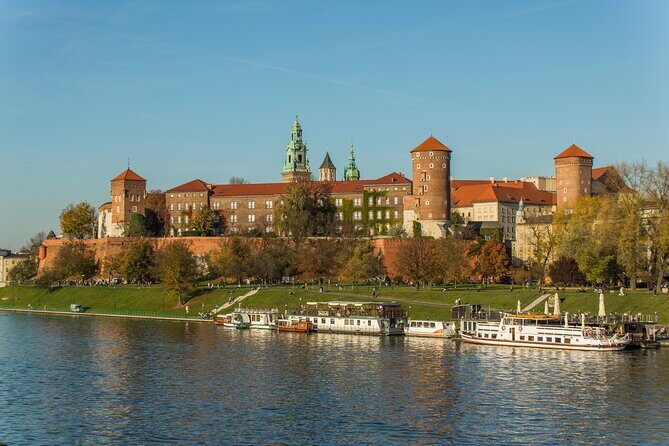
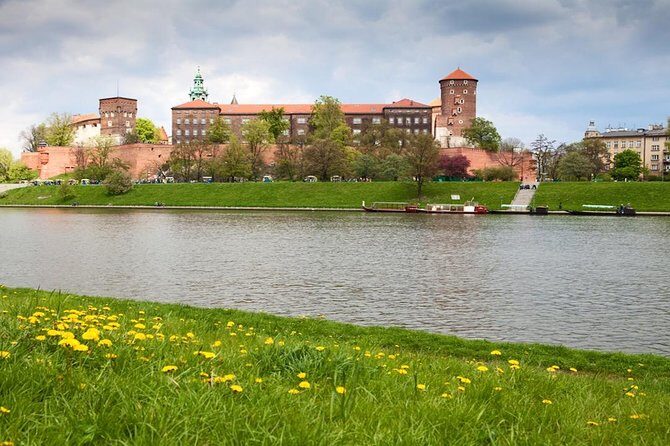
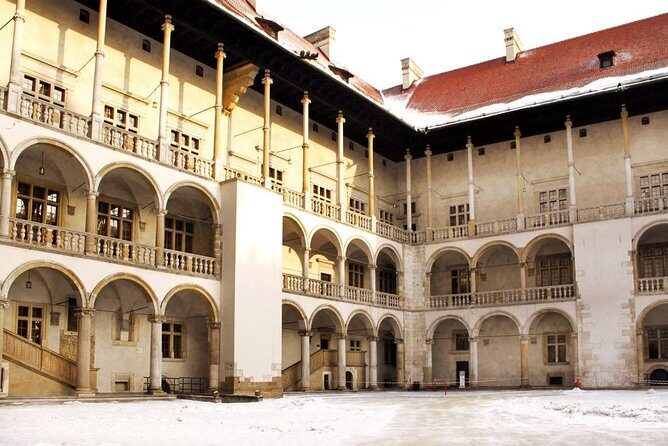
Your castle hour starts with what Wawel is at its core: a former royal residence that now functions like a museum of power and taste. The Royal Castle was transformed in 1930 into one of Poland’s major museums, and the tour walks you through grand chambers where Renaissance and Baroque design do the talking.
What makes this stop feel more than just decorative is the variety of what you’re shown. You’ll spend time on paintings and sculptures, but you’ll also see porcelain and military artifacts—details that help explain how kings looked outward (art and diplomacy) while also preparing for harder realities.
Two art highlights really stand out in how the tour frames them. First are Flemish tapestries commissioned by King Sigismund II Augustus, which give you a sense of the kind of European prestige Krakow’s court wanted. Second are Italian Renaissance masterpieces from the Lanckoroński collection, which helps you connect the dots between Polish patronage and wider European trends.
Then comes a curveball that many people don’t expect: Eastern art. One of the standout items is the largest set of Ottoman tents in Europe. Seeing that in a castle setting is a great reminder that Krakow’s royal world wasn’t only local or only Western—it was plugged into wider trade, politics, and contact across regions.
Practical note: castle visits can involve moving through rooms fairly quickly. If you love slow, photo-by-photo museum wandering, you may want to add extra independent time after this tour ends.
You can also read our reviews of more guided tours in Krakow


Wawel Cathedral: The Sigismund Bell and the Royal Crypt Stories
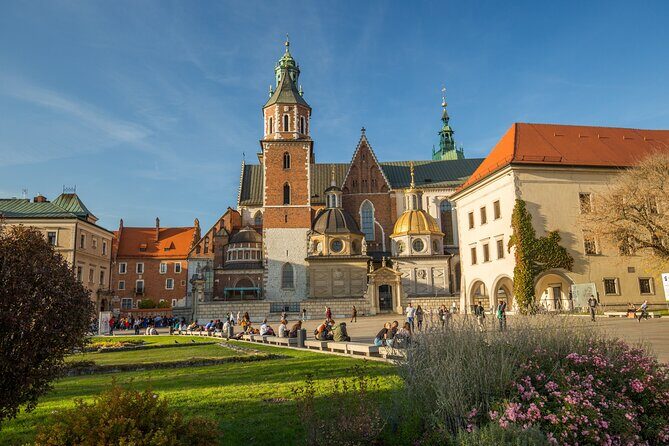
After the castle, you shift from court life and art to sacred space and memory. The cathedral is a Gothic masterpiece, and it has witnessed coronations, weddings, and funerals tied to Polish monarchs. That means your guide can connect architecture to real events, not just styles.
You’ll enter chapels and altars, where the tour’s job is to help you read what you’re looking at. In places of worship, the clues are often the symbols—who is being honored, what themes are repeated, and how devotion is visually expressed. This stop works best when you treat it like a storytelling path, not just a quick photo stop.
The big moment is the tower climb to see the Sigismund Bell. Even if you’re not usually into legends, this is fun because it comes with a simple ritual: touching the bell is said to bring good luck. It’s one of those traditions that makes history feel physical.
Then the tour takes you down into the crypts. This is where Wawel becomes very personal. The crypts are where kings, queens, poets, and national heroes are resting, and your guide ties their identities to the larger story of Poland—power, devotion, and how legacies are kept alive.
One drawback to plan for: crypts and towers can be stairs-and-standing territory. Build in some energy and wear comfortable shoes. If you’re traveling with mobility limits, I’d treat this tour like an active walking experience even though it’s short.
How the Tour Timeline Helps You Beat the Wawel Ticket Hassle
Wawel can be popular, and waiting can eat your day. This is one reason I like this format: admission is included for both the castle and the cathedral. That means less time hunting tickets and more time following your guide’s route.
The whole tour is roughly two hours, split about evenly between the Royal Castle and the cathedral. That structure matters. It prevents the classic problem of arriving at one site and then feeling rushed at the next. It also keeps your information in a logical order: you start with the royal residence and its art signals, then you move to religious and ceremonial space.
Timing also affects how you experience the cathedral tower moment. If you show up late, you can miss the group handoff and the schedule tightens. The operator asks you to arrive 10 minutes early, and once the group departs, latecomers can’t join and tickets aren’t refundable. That’s not just fine print—it’s how they keep the visit on track.
One more logistics detail worth knowing: the meeting point is not on Wawel Hill. You meet at a specific spot in Krakow (Pomnik Piotra Skargi / Świętej Marii Magdaleny area). That can surprise first-timers who assume the tour starts right at the hill. Still, if you arrive a little early and double-check the address on your voucher, it’s easy to handle.
If you like to plan ahead, note that this experience is typically booked about 27 days in advance. I’d treat that as a hint: earlier booking can help you lock in a time that works with your Krakow schedule.
Dress Code, Shoes, and Other Practical Rules at a Place of Worship
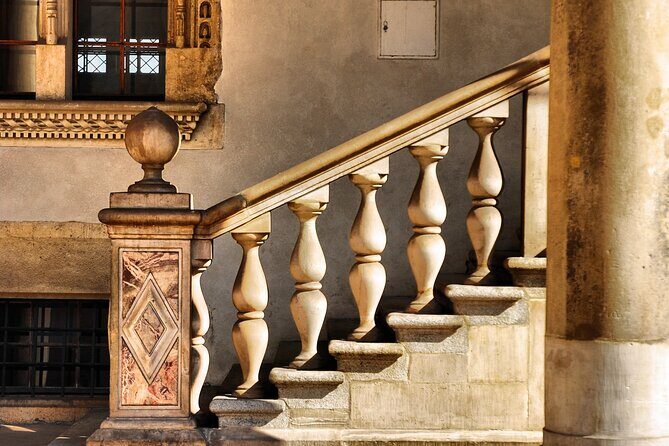
Two categories of rules matter here: clothing and comfort.
For the cathedral and selected museum areas, a dress code applies. Shorts and sleeveless tops aren’t allowed for men or women. You need to cover both knees and shoulders. This is the kind of rule that can derail your day fast if you arrive dressed for summer weather. If you’re unsure, choose a light layer you can put on quickly—think a shawl, light jacket, or pants that cover your knees.
Shoes matter too, because the tour includes a tower climb. Even if the climb doesn’t sound like much on paper, it’s still stairs and a bit of exertion. Comfortable, grippy shoes are the best travel insurance.
Also, remember you’re in two very different environments in one go. The castle rooms can feel spacious and museum-like, while the cathedral areas are more constrained and expect quieter behavior. Keep your voice low, and plan to slow down for the crypts where walking space can feel tight.
If your group happens to be meeting near public transit, that’s a plus. Krakow’s center is walkable, and getting to the meeting point tends to be straightforward. Still, the safest move is simple: arrive early enough to adjust clothes if needed and to settle before the group leaves.
Small-Group Pacing and the Role of the Guide (Helena and Ana as Examples)
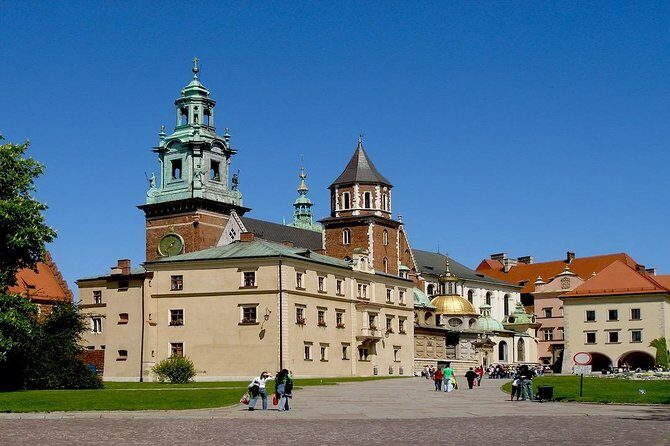
This tour stays small. Maximum group size is 30 people, and the tour runs in one language—English when selected at booking.
Small-group size isn’t just a comfort perk. It’s the thing that helps your guide keep momentum without turning the experience into a lecture you can’t follow. The best part of this format is that the tour connects objects (tapestries, sculptures, porcelain, military items) to stories about rulers and national identity. When a guide can make that connection clearly, Wawel stops feeling like a checklist.
From what I can tell about how guides lead this experience, the personalities matter a lot. Names that come up for this kind of tour include Helena and Ana. You’ll often see the same pattern: clear structure, a strong sense of place, and stories that help you connect the castle world to what’s underneath the cathedral.
Now the honest caution: with only about two hours total, the tour has to cover a lot. That means you may not get long, slow pauses in every room. If you have specific questions, be ready to ask at a moment when your guide isn’t leading everyone through doors. It’s also why your position in the group helps—if you’re stuck at the back, it can be harder to hear the explanation.
If you’re the type who loves taking your time, treat this tour as the start of your Wawel day. Use it to get your bearings fast, then return on your own to spend extra time where you felt the strongest pull—especially if the crypts or specific art items caught your eye.




Value Check: Is $59.26 a Good Deal for Two Museums?
Let’s do the practical math in plain terms. You’re paying $59.26 per person for an English, small-group tour covering two major Wawel sites, each with admission included. The total time is about two hours, so it’s not a half-day commitment.
Is it expensive? Not compared to what you’d spend if you were managing two separate museum tickets plus the hassle of timing. The admission being included matters because Wawel can have waiting periods, and those waits are exactly the kind of travel drag you don’t want in a short Krakow stay.
You’re also buying interpretation. Walking around the castle and cathedral on your own is possible, but you’d have to work harder to figure out what you’re seeing and why it matters. This tour is designed to give you a crash course style overview that links monarchy, art, and faith without needing a textbook.
Where value can drop is when your travel style doesn’t match the format. If you dislike fast pacing or you don’t care much about kings, coronations, and the specific families behind the art commissions, you might feel like you’re paying for content you won’t use.
For most people, though, this is a sensible way to do Wawel in a limited time window—especially if you’re also trying to fit in other Krakow sights the same day.
Who Should Book This English Wawel Tour (and Who Might Skip It)
This tour is a strong fit if you want a guided path through two of Krakow’s biggest landmarks and you like having your questions answered in real time. You’ll probably enjoy it most if you:
- care about the way Polish monarchy and national identity shaped art and institutions
- want help understanding what you’re seeing in the castle chambers and cathedral chapels
- like the idea of a short, efficient visit that still covers major highlights
It can be less satisfying if:
- you prefer to wander at your own pace and spend long stretches in one room
- you don’t enjoy lots of dates and ruler-to-ruler storytelling
- you want repeated chances to go back and forth between spaces
Also keep in mind the tour includes a tower climb and a move from public cathedral areas to the crypts. That’s manageable for most travelers, but it’s not a sit-and-watch only experience.
One more practical note: this is a dress-code-required visit. If you’re arriving from hot sightseeing and you didn’t pack appropriate clothing, you may spend time adjusting rather than enjoying.
If you’re unsure, I think the best approach is this: book the tour if you want structure. Skip or add your own time if your favorite travel moments are slow, quiet museum hours where you can linger.
Should You Book This Wawel Castle & Cathedral Guided Tour?
I’d book it if you want to make Wawel make sense quickly. You get two top sites, admission included, a guided route that links art and power, and signature moments like the Sigismund Bell and the royal crypts. The small-group size helps the experience feel focused rather than chaotic.
I’d hesitate only if you’re a slow-browsing museum person or you know you’d rather do Wawel at your own pace with minimal structured storytelling. In that case, you might prefer self-guided time.
If you do book, plan for the pace: arrive early, wear clothing that fits the dress code, and keep your questions ready for the guide. Then you’ll get the best of Wawel without losing half your day to logistics.
FAQ
How long is the Wawel Castle & Cathedral guided tour?
The tour runs for about 2 hours.
What’s the tour price per person?
The price is $59.26 per person.
Is admission included for both the castle and the cathedral?
Yes. Admission tickets are included for the Royal Castle and the Cathedral.
What language is the tour offered in?
The tour is offered in English, and group tours are conducted in one language chosen at booking.
Where is the meeting point?
You meet at Pomnik Piotra Skargiplac Świętej Marii Magdaleny, 31-044 Kraków, Poland.
Is the meeting point on Wawel Hill?
No. The meeting point is not located on Wawel Hill, even though the sites you visit are on/near it.
What dress code should I follow?
For places of worship and selected museums, shorts and sleeveless tops are not allowed. Both men and women must cover knees and shoulders.
How big is the group?
The tour has a maximum of 30 travelers.
Does the tour include the cathedral tower and the Sigismund Bell?
Yes. You climb the tower to see the Sigismund Bell, with the tradition of touching it for good luck.
Is it close to public transportation?
Yes, the meeting area is near public transportation.
What’s the cancellation window?
You can cancel for a full refund up to 24 hours in advance of the experience start time.