REVIEW · KRAKOW
From Krakow: Auschwitz-Birkenau & Schindler’s Factory Tour
Book on GetYourGuide →Operated by Krakow Tours by Krakowdirect · Bookable on GetYourGuide
Auschwitz and Schindler in one long day. This Krakow trip pairs the solemn Auschwitz-Birkenau visit with WWII context at Oscar Schindler’s Factory, plus a documentary film during the ride. I like that the Auschwitz portion is guided on official routes with included headsets, so you don’t miss key points when the group moves.
What really makes this outing work is the built-in structure. I like the smooth, round-trip transportation (many departures start with hotel/meeting-point pickup) and the fact that both sites are guided, not a free-for-all with wandering people. You might hear guides in the Auschwitz experience like Marta or Alexander, and drivers such as Jaro, Jacob, Krzysztof, or Piotr keep the day moving.
One possible drawback: the Schindler’s Factory Museum stop can feel tight—crowded rooms and a fixed 1.5-hour guided slot can leave you wishing for more time to read at your own pace.
In This Review
- Key Things That Make This Day Trip Click
- First Pickups, Transfers, and Why the Day Starts So Early
- Auschwitz-Birkenau: Official Routes, Headsets, and the Reality on the Ground
- When the Guide Sets the Tone: Respectful, Serious, and Sometimes Challenging
- Podgórze Break: Coffee, Quick Food, and Limited Time
- Schindler’s Factory Museum: WWII Krakow, Enamel Factory Rooms, and the 1.5-Hour Reality
- Transportation and Group Size: Where Comfort Meets Time
- Price and Value: Is $58 Worth It?
- Who This Tour Fits Best (and Who Might Prefer Another Plan)
- Should You Book This Auschwitz and Schindler Day Trip?
- FAQ
- How long is the Krakow to Auschwitz-Birkenau and Schindler’s Factory tour?
- What places are included in this day trip?
- Is transportation included from Krakow?
- Are tickets included, and is there a skip-the-line option?
- Is there food included during the trip?
- Is there audio support during the Auschwitz-Birkenau visit?
- What do I need to bring, and what’s not allowed?
Key Things That Make This Day Trip Click
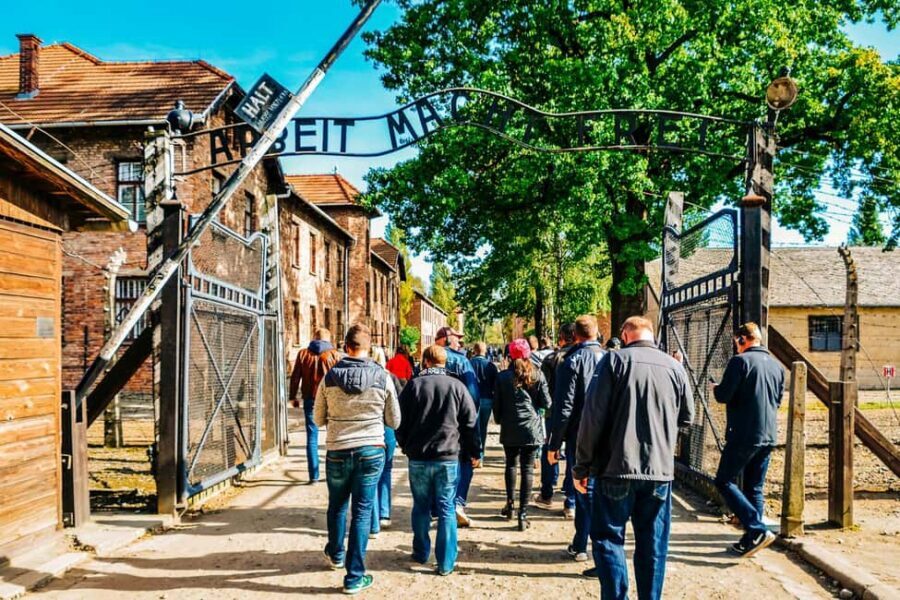
- Skip-the-line tickets plus a guided Auschwitz-Birkenau route with included headsets
- A documentary film en route that sets the scene before you arrive
- A guided Schindler’s Factory visit in the former enamel factory, with an interactive exhibition
- A built-in Podgórze break for coffee/tea and a quick meal stop
- Professional English-speaking tour support from pickup to finish
- Door-to-door options in Krakow, then an easy drop at Schindler’s Factory for a taxi back
First Pickups, Transfers, and Why the Day Starts So Early
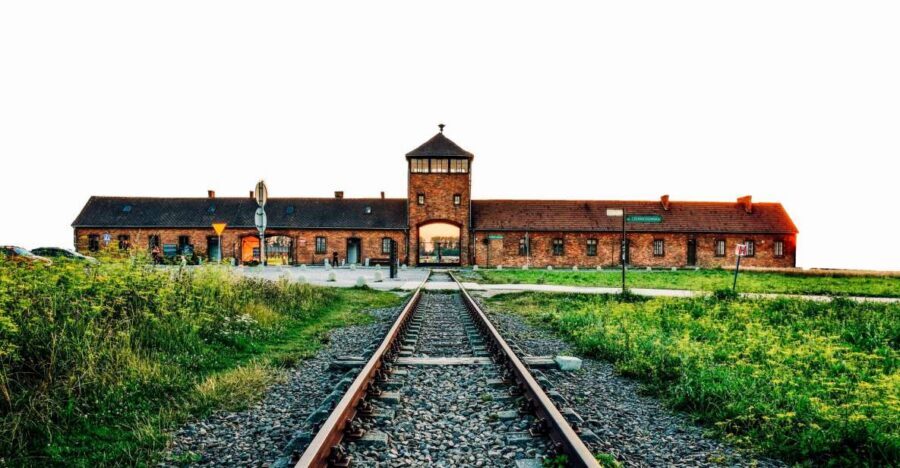
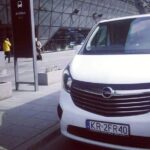
The day is built around travel time and early entry. You’ll transfer to Lesser Poland with a long on-the-road segment before the camp visit, and the pacing reflects that Auschwitz-Birkenau is not a place you want to rush. Pickup depends on your selected option, and the standard meeting point is the entrance of the Radisson Blu Hotel Krakow (Tourist Bus Stop).
Plan on a very early start. Some departures can mean a pickup around the 05:30 range, even if the day’s timing is listed as starting near 08:00, because pickups are staggered across the city. You’ll have a transfer of about 75 minutes before the Auschwitz-Birkenau guided portion, and another 75 minutes after.
On the way, you watch a documentary film before arriving at the camps. It’s not fluff; it helps you get your bearings fast so the guided walk makes more sense once you’re standing in the site.
You can also read our reviews of more tours and experiences in Krakow.
Auschwitz-Birkenau: Official Routes, Headsets, and the Reality on the Ground
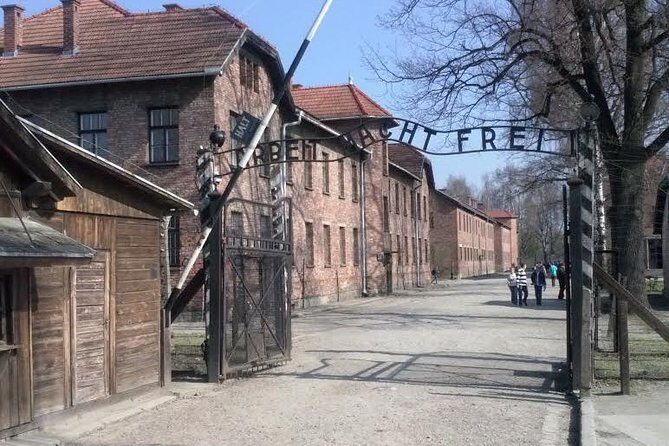
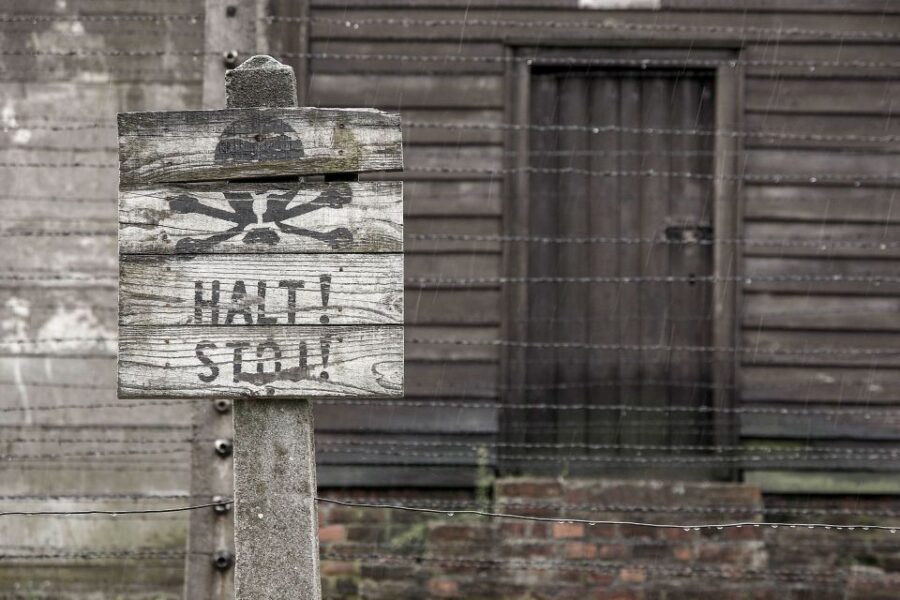
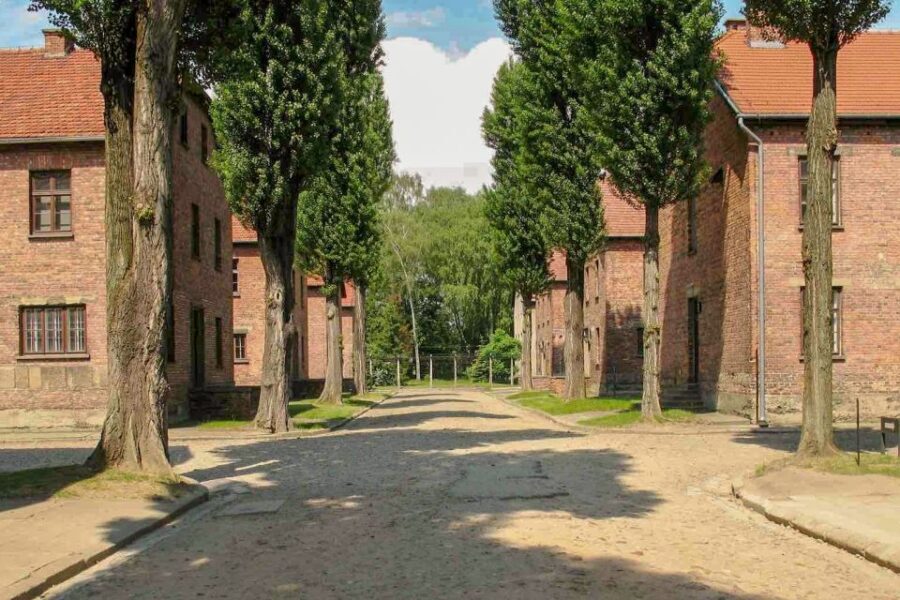
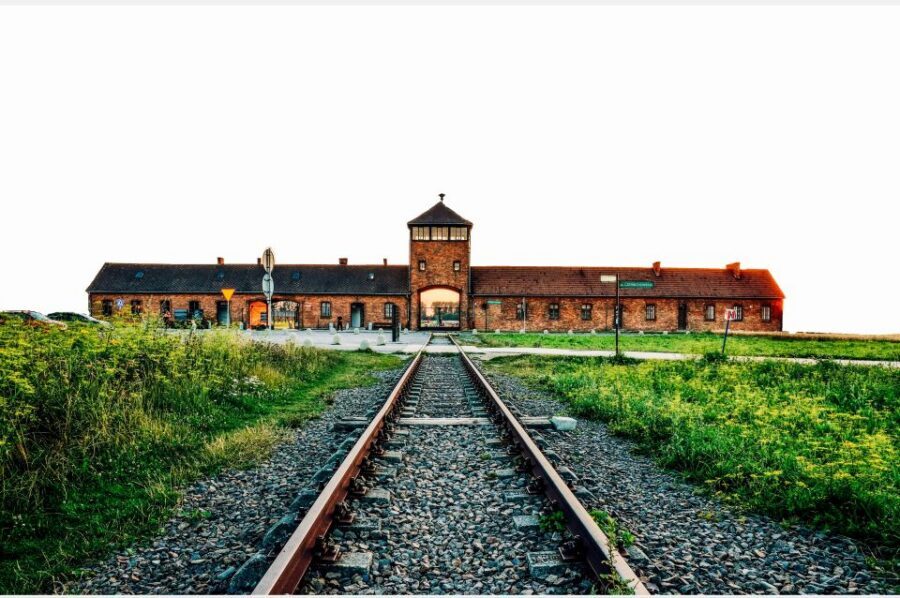
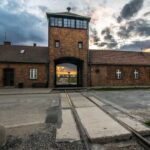
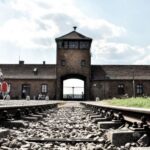
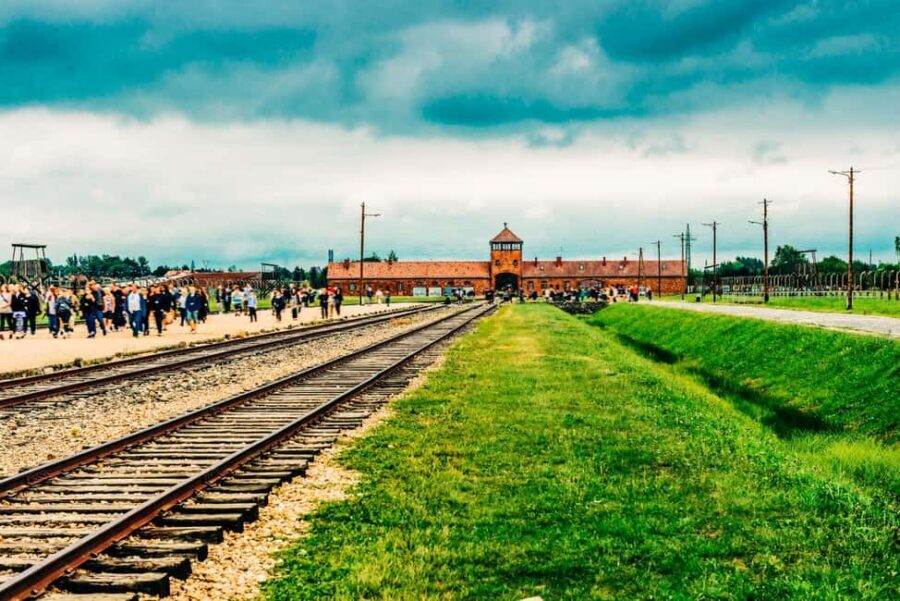
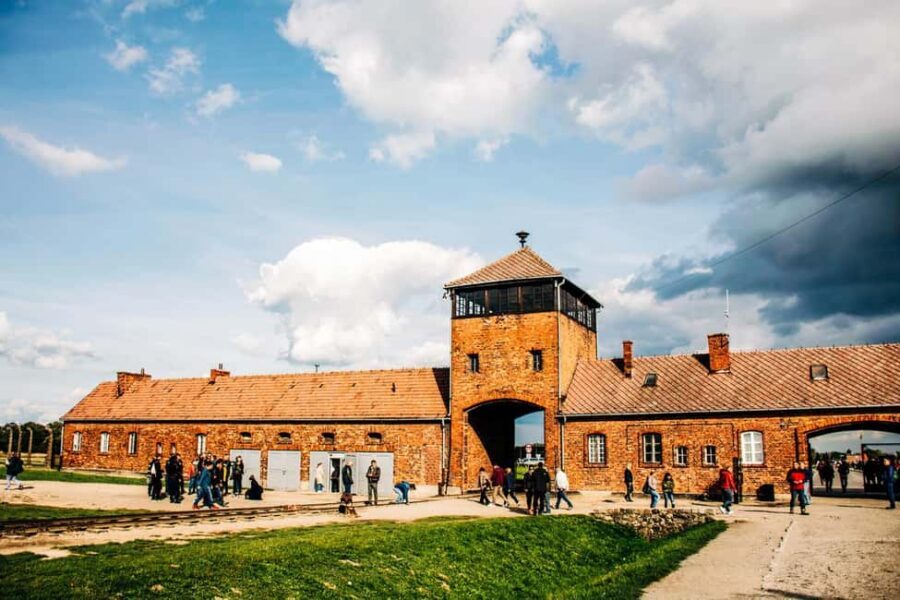
This is the heart of the day, and it runs about 3.5 hours with a professional guide. Auschwitz-Birkenau includes multiple areas that can feel confusing at first glance, so the official route matters. You’ll follow the guide through Auschwitz and Birkenau with a clear structure instead of trying to piece it together from signage alone.
One major thing to understand going in: the camp system changed over time. Birkenau was built by prisoners of Auschwitz, and by October 1941 it served as an extermination camp for roughly 125,000 POW prisoners. That number grew until the beginning of 1945, and calculations estimate that from 1 to 1.5 million people were killed by then.
You’ll also learn how the Nazis tried to erase evidence before liberation in 1945. The camp and its documentation were partially destroyed, and afterward the Polish government decided to restore the site as a memorial to the victims. That context helps explain why so much of what you see today is preservation rather than reconstruction.
Because you’ll be outdoors for part of it, dress for cold and wind. Even if Krakow looks mild that day, Birkenau can feel very exposed. Cameras are allowed per the practical guidance for the outing, but you still have to follow the on-site rules and the guide’s instructions.
Audio is included. Headsets are provided so you can hear your guide clearly, which matters when groups are moving and the spaces are echo-prone. Still, audio quality can vary depending on the day and the setup, so if you’re sensitive to sound, arrive ready to focus on the guide’s pacing.
When the Guide Sets the Tone: Respectful, Serious, and Sometimes Challenging
The best guides don’t just explain facts; they set a tone you can handle. The Auschwitz guides on this kind of trip are often described as calm and serious in how they communicate. Names that have been mentioned include Marta and also Alexander, and those styles tend to help you keep your composure in a heavy setting.
Language can be a factor. Some people note that certain guides can be harder to understand due to accent or voice projection, even with headsets. If English isn’t your strongest language, it can be worth paying attention when the guide gives key terms early, rather than trying to catch every sentence after you’re already tired.
It’s also worth knowing that Auschwitz is not a free-exploration museum. You follow the guide and official route, with restrictions on where you can go. That means you trade flexibility for clarity, and for many people that’s the right deal: less confusion, more meaning per minute.
Finally, a practical rule: the Auschwitz Museum requires your full name and contact details when booking. Entrance may be refused if the name on your booking doesn’t match the ID you bring, so don’t wing it—use your exact ID name.
Podgórze Break: Coffee, Quick Food, and Limited Time
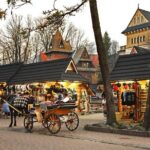
After the first guided segment and the second transfer, you get a break in Podgórze. It’s about 50 minutes, and the intent is to reset before the Schindler’s Factory portion.
You’ll have time for coffee/tea, lunch options, and some free time, but don’t count on a long sit-down meal. Road traffic and how long the first tour runs can affect exact timing, so treat this break as your chance for essentials: water, a snack if you need it, and a bathroom stop.
One small but useful money tip: bathrooms may cost about 2 PLN per use. If you want the stress to be near zero, keep a few zlotys in your pocket.
Schindler’s Factory Museum: WWII Krakow, Enamel Factory Rooms, and the 1.5-Hour Reality
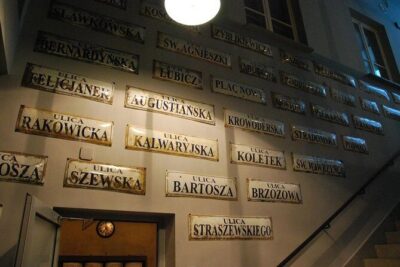
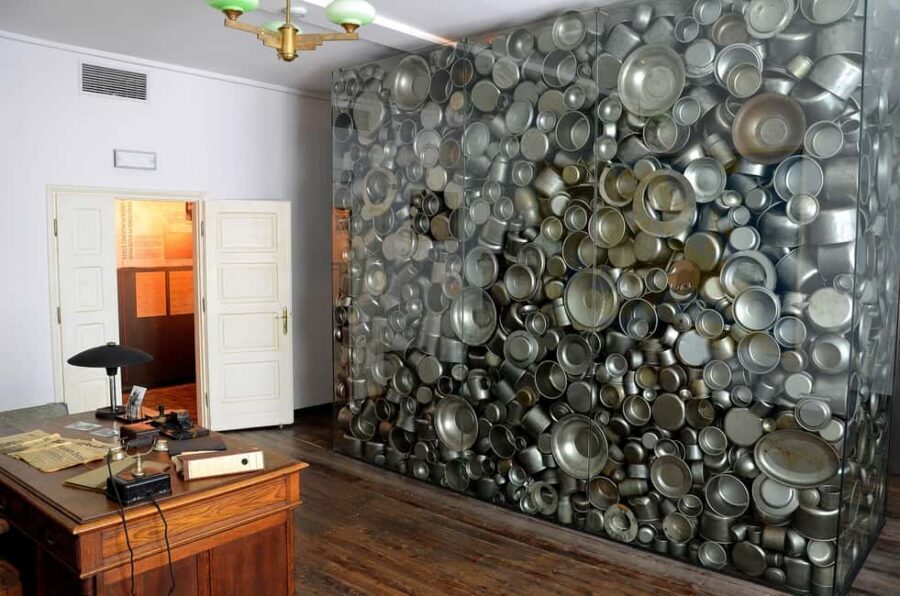
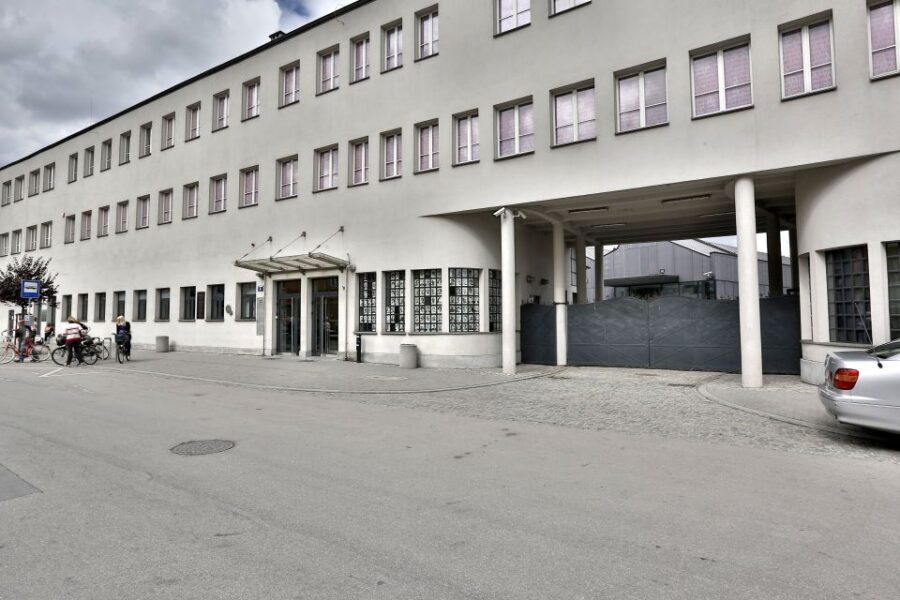
Oscar Schindler’s Factory Museum is housed in a former enamel factory, and the focus is the WWII story connected to Krakow and Schindler’s effort to save lives. Schindler is described as having saved more than 1,000 people during the Holocaust, and the story became widely known through Steven Spielberg’s 1993 film Schindler’s List.
Your guided visit here runs about 1.5 hours, with an interactive exhibition. You’ll see exhibits that connect wartime industry, survival, and Krakow’s occupation-era life. It’s a strong counterpart to Auschwitz-Birkenau because it shows how history wasn’t only camps and borders—it was also factories, paperwork, and choices made by individuals.
That said, manage expectations. Some visitors feel the factory museum can lean more toward the history of Krakow and the occupation context, with less focus on Schindler personally than they hoped. You’ll also be in a guided group setting, and rooms can get crowded, which limits how slowly you can read every panel.
Guides at the factory have varied in pace too. Some people have described a late start or a flustered arrival, while others mention excellent English and content. Either way, the 1.5-hour timing means you should look for the parts that grab you and don’t try to consume everything.
One sweet perk: your final drop-off is at Schindler’s Factory, so you can taxi back to your hotel without needing to figure out transport immediately afterward.
Transportation and Group Size: Where Comfort Meets Time
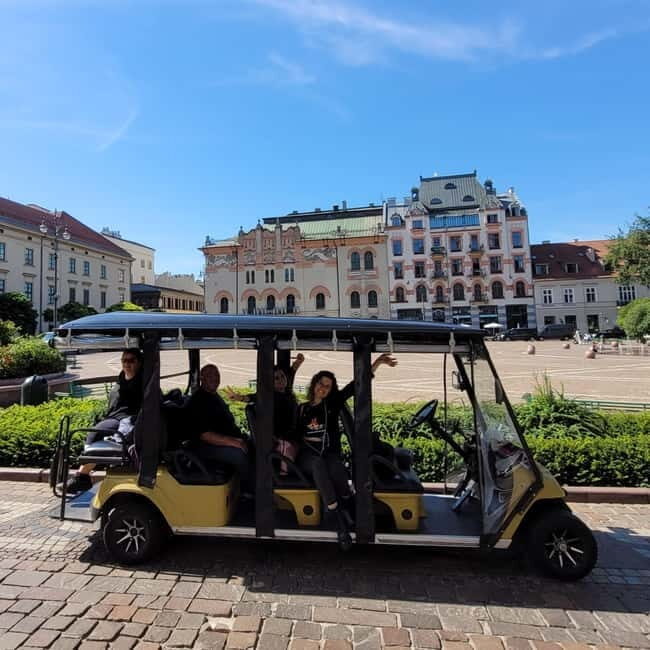
This trip is designed around modern vehicle transfers and organized movement between sites. Round-trip transportation is included, and you’ll also have an English-speaking tour host to help the day run smoothly.
Drivers have been praised by name in different departures—Jacob, Jaro, Krzysztof, and Piotr come up often—which usually signals a calm, efficient experience behind the scenes. Still, vehicle comfort depends on the exact coach/minibus used. Some departures can feel tight, especially for passengers who are tall or prefer extra legroom.
Group size is another factor to watch. While the outing lists small-group availability, some people have mentioned groups of 20-plus, which can make it harder to slow down for reading. On the camps, that usually means you follow the guide closely; at the factory museum, it can mean you can’t linger on every interpretation panel.
If you want the most comfortable experience, dress for long sitting in transit and long standing outside at the camps. Comfortable shoes are not optional here. Also, leave luggage behind—large bags and luggage are not allowed.
Price and Value: Is $58 Worth It?
At $58 per person, you’re paying for more than admission. You’re buying a day with transportation, a guided Auschwitz-Birkenau tour with included headsets, a guided Schindler’s Factory tour, skip-the-line tickets, and a documentary film during the ride.
That combo usually creates real value for two reasons. First, you don’t have to coordinate tickets and timing across two major sites on your own. Second, Auschwitz-Birkenau works best with a structured interpretation, not just a self-guided walk.
Where the value question gets personal is time and depth. If you know you want extra quiet time—especially at Schindler’s Factory—then the fixed 1.5-hour guided slot can feel limiting. But if your goal is one well-run day with context, the price looks fair for the amount included.
Also, the itinerary includes a planned break rather than leaving you to hunt for food in a tight window. Food isn’t included, so you still handle snacks and lunch, but the structure is there.
Who This Tour Fits Best (and Who Might Prefer Another Plan)
This is a good match if:
- You’re on a Krakow visit with limited time and want a serious, guided day trip
- You want English interpretation at Auschwitz-Birkenau instead of trying to DIY the route
- You want the Schindler’s Factory counterpart on the same day, with an organized finish back near the museum
You might consider doing things differently if:
- You’re someone who wants long, quiet reading time at Schindler’s Factory without group pressure
- You’re very sensitive to crowding, since the factory museum rooms can feel busy during guided tours
- You strongly prefer total schedule flexibility, because this day is tightly timed
A small practical note: bring your passport or ID, and use a name that matches your booking exactly. Also, bring your own patience for a day that moves from intense places to museum rooms.
Should You Book This Auschwitz and Schindler Day Trip?
Book it if you want a structured, English-guided day that handles logistics for you and gives you interpretation at both Auschwitz-Birkenau and Schindler’s Factory. If you appreciate clear pacing, skip-the-line entry, and headsets that help you hear the guide, this is a solid value at around $58.
Don’t book it expecting lots of leisurely time in the factory museum. The 1.5-hour guided visit can feel rushed, and crowding can make it hard to read every display panel. If Schindler’s Factory is your top priority, you might plan extra independent time later—but for a first-time one-day overview from Krakow, this hits the main points with good organization.
FAQ
How long is the Krakow to Auschwitz-Birkenau and Schindler’s Factory tour?
The duration is listed as 510 minutes, about 8.5 hours, with the time on-site and transfers included.
What places are included in this day trip?
You visit Auschwitz-Birkenau with a 3.5-hour guided tour, then Oscar Schindler’s Factory with a 1.5-hour guided tour, plus a break in Podgórze.
Is transportation included from Krakow?
Yes. Round-trip transportation by modern vehicle is included, with pickup options in Krakow and drop-off at Schindler’s Factory at the end.
Are tickets included, and is there a skip-the-line option?
Yes. Skip-the-line tickets are included for the sites.
Is there food included during the trip?
No. Food and drinks are not included, though there is a scheduled break for coffee/tea and time that allows for lunch.
Is there audio support during the Auschwitz-Birkenau visit?
Yes. Headsets are provided in Auschwitz-Birkenau to help you hear the guide clearly.
What do I need to bring, and what’s not allowed?
Bring your passport or ID card, comfortable shoes, and a camera. Luggage or large bags are not allowed, and alcohol and drugs are also not allowed.