REVIEW · OSWIECIM
Auschwitz-Birkenau: Guided Tour and Skip-The-Line Ticket
Book on GetYourGuide →Operated by Poland Booking S.C. · Bookable on GetYourGuide
This is not an easy day. I like how the tour is structured as two connected visits, Auschwitz I first and then Auschwitz II Birkenau, so you understand the whole machine instead of hopping between unrelated spots. With skip-the-line entry and a licensed guide, you lose less time and focus more on what matters.
I also really value the professional, licensed interpretation. You’re not just looking at museum rooms and outdoor remains; you’re walking through what they meant, in order, with a guide who helps you keep your bearings. And you actually reach Auschwitz II Birkenau, seeing the gas chambers, crematoriums, and barracks where the persecution was carried out at scale.
One drawback to keep in mind: the memorial controls the pace. Even with a good guide, the time you get at each area can feel tight when the next group is already arriving.
In This Review
- Key Things to Know Before You Go
- Entering Auschwitz I: Security, Museum Rhythm, and Staying Focused
- Auschwitz I Museum: Why a Licensed Guide Changes Everything
- The Break Between Parts: Lunch Planning and the Reset You Need
- Auschwitz I to Birkenau: The 2 km Move to Brzezinka Parking
- Auschwitz II Birkenau: Gas Chambers, Crematoriums, and the Scale of What Happened
- Languages and Communication: Choose One You’ll Actually Hear
- Price and Value: Why $10 Can Be Worth It (and Where Your Extra Costs Live)
- Who This Tour Fits Best, and Who Should Rethink It
- A Real-World Detail: Flexibility When Plans Don’t Go Perfectly
- Should You Book This Tour?
- FAQ
- FAQ
- How long is the Auschwitz-Birkenau guided tour?
- Does this tour include entry tickets and a licensed guide?
- Is transportation to and from your accommodation included?
- Where do I meet the host?
- What identification do I need to bring?
- Are large bags or backpacks allowed?
- Can I take flash photos inside the museum?
- How long do I spend at Auschwitz I and Auschwitz II?
- What language is the tour guide available in?
- Is the tour suitable for children or people with mobility impairments?
Key Things to Know Before You Go
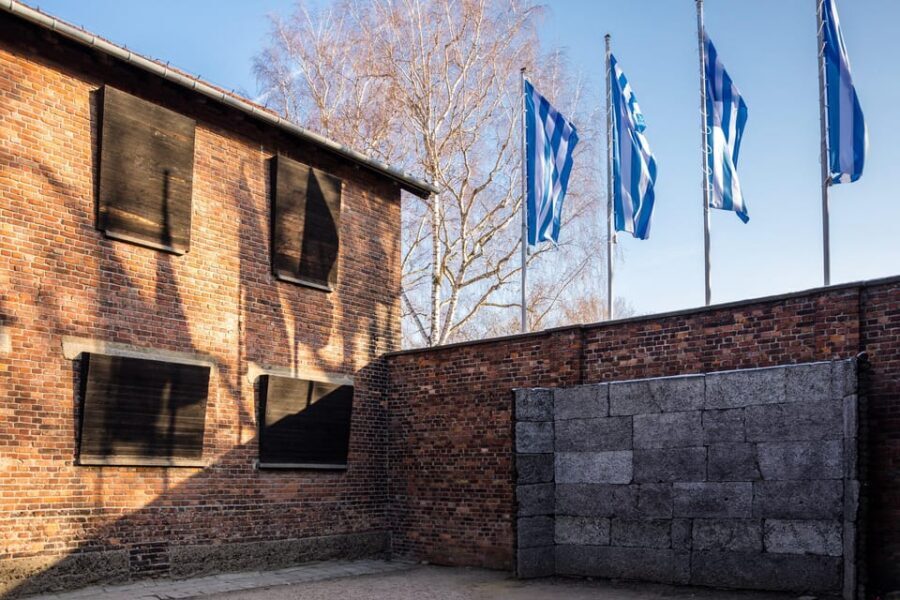
- Two-site structure with the same guide: Auschwitz I museum first, then Auschwitz II Birkenau, with context carried over.
- Skip-the-line entry (after security): you still pass security, but you avoid the long ticket hassle.
- What you’ll see outdoors and indoors: barracks, crematoriums, and the remains connected to the mass murder process.
- Timing is fixed by the memorial: the first museum part is about 1h20 to 1h50, and the whole tour runs about 210 minutes.
- Short breaks, not long rests: plan lunch and hydration because the site time is the priority.
- A short self-transfer moment: after Auschwitz I, there’s a 2 km move to Brzezinka parking by your own transport.
Entering Auschwitz I: Security, Museum Rhythm, and Staying Focused
Auschwitz is overwhelming, even when you think you’re prepared. The first thing I appreciate about this tour is how it gets you into the museum fast enough that you can start absorbing the site while your mind is still fresh.
You meet your host outside the Auschwitz I entrance. You’ll go through a security check and then enter using your pre-booked ticket. From there, the first part of the visit is the museum experience, roughly 1 hour 20 minutes to 1 hour 50 minutes. That time window matters: it’s long enough to cover key areas without feeling rushed in a chaotic way, but it also means you should pay attention to what the guide is explaining rather than getting lost in details on your own.
One practical note: you must bring passport or ID. And you’ll want to keep your bag rules in mind before you arrive. Large luggage and backpacks aren’t allowed, and the maximum permitted bag size is 20 x 30 cm. If you travel light, you’ll feel calmer. If you travel with a big backpack, you’ll spend energy finding solutions instead of focusing on the visit.
You can also read our reviews of more tours and experiences in Oswiecim



Auschwitz I Museum: Why a Licensed Guide Changes Everything
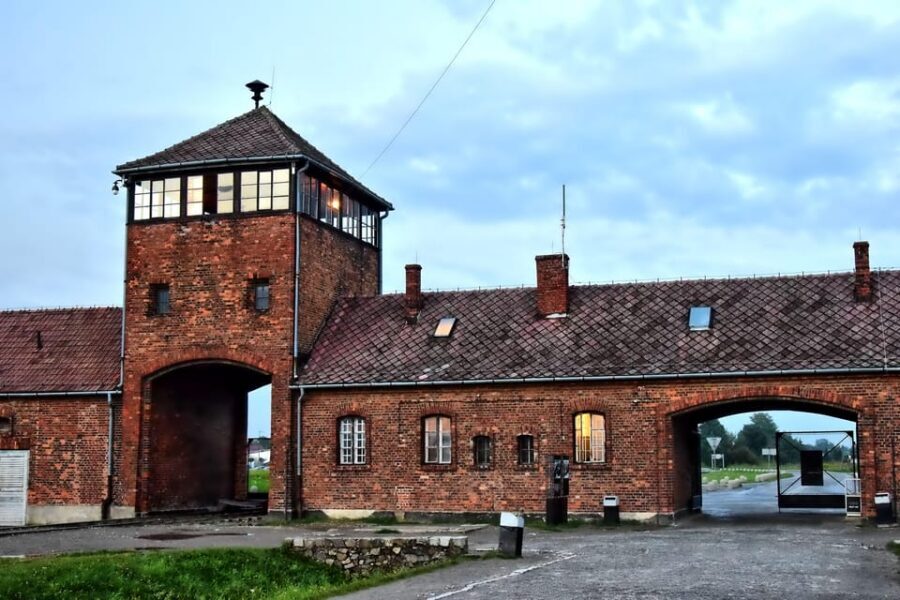
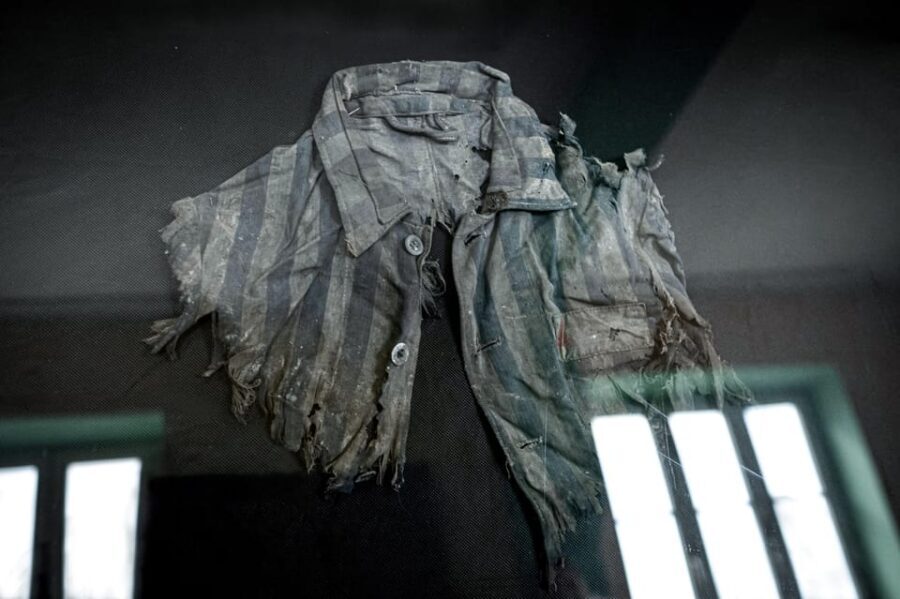
This is the part where I think the licensed guide really earns their keep. Auschwitz I isn’t just a museum building with exhibits. It’s also where the concentration camp system becomes visible through how the story is laid out: who was imprisoned, how control worked, what was taken, and what happened over time.
With a professional licensed guide, you get a guided storyline rather than a random walk. That matters because many visitors feel pulled between the artifacts on display and the emotional weight of the place. A good guide helps you connect the dots—what you’re seeing, what it represented, and how it fit into the bigger picture.
You’ll also be walking through enough of Auschwitz I that you can form a real sense of layout and chronology. It’s not the kind of visit where you check one room and call it done. The guide’s pacing keeps the museum meaningful while still respecting the visitor flow set by the memorial itself.
That said, consider one reality of the experience: the memorial controls how groups move. One review-style lesson you can apply to your day is that you might not have unlimited time at every stop. If you’re someone who likes to linger and read every sign word-for-word, you’ll still be able to do that—but not for every single room. Use headphones and your guide’s explanations as your backbone, then come back to whatever you need most when the group timing allows.
The Break Between Parts: Lunch Planning and the Reset You Need
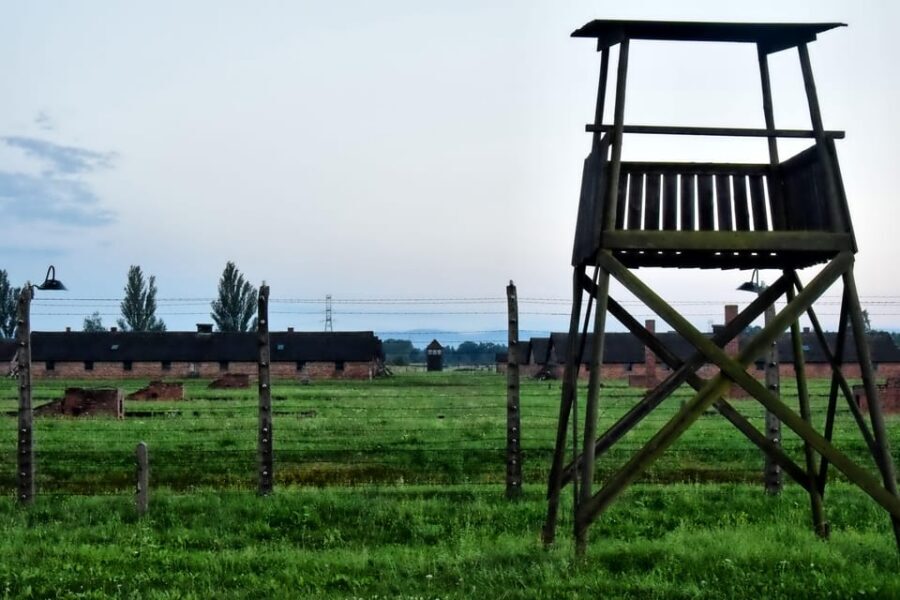
There’s a short break between the first and second parts. Expect 10–15 minutes where you can eat lunch. It’s a relief, but it’s also short. The tour doesn’t include food or drinks, so bring what you need.
I strongly recommend packing lunch and water in advance. Not because this is a fun sightseeing break, but because your body will get tired while your mind is working overtime. Plan for the fact that you’ll be standing, walking, and absorbing a lot in a fixed time frame.
Also, don’t assume you’ll have time for a long cafe stop near the site. This is one of those days where convenience beats ambition. The memorial timeline is the timeline. If you plan around it, you’ll move through the day with less stress.
Auschwitz I to Birkenau: The 2 km Move to Brzezinka Parking
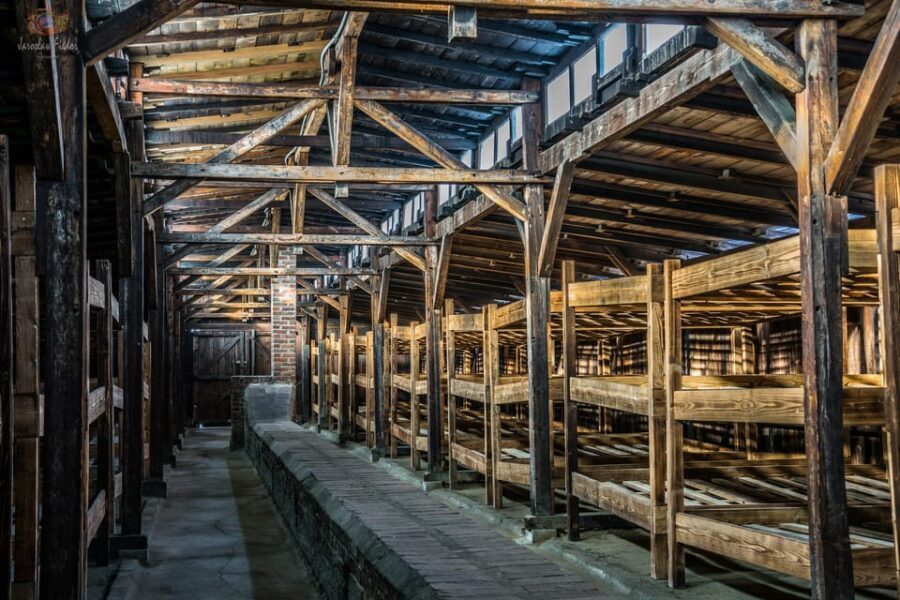
Here’s a logistics piece that’s worth taking seriously. After completing Auschwitz I, there’s a 15-minute break, and during that time you’re expected to get yourself to the car parking area in Brzezinka, about 2 km away, by your own transport.
That means you should think ahead about how you’ll make the connection. If you’re using public transport, the tour info suggests you should inform your tour leader before starting so you can reach Birkenau smoothly. If you’re driving, factor in any parking costs not included in the tour.
This self-transfer segment can be the difference between feeling calm and feeling rushed. If you arrive at the 15-minute mark still figuring it out, you’ll lose emotional bandwidth right when you need it most. So treat it like a practical move, not an afterthought.
Auschwitz II Birkenau: Gas Chambers, Crematoriums, and the Scale of What Happened
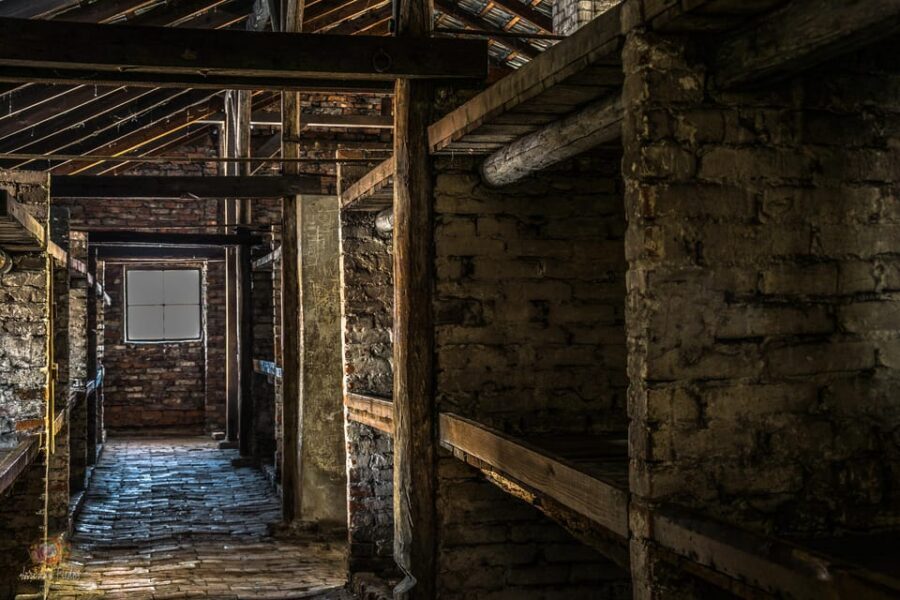
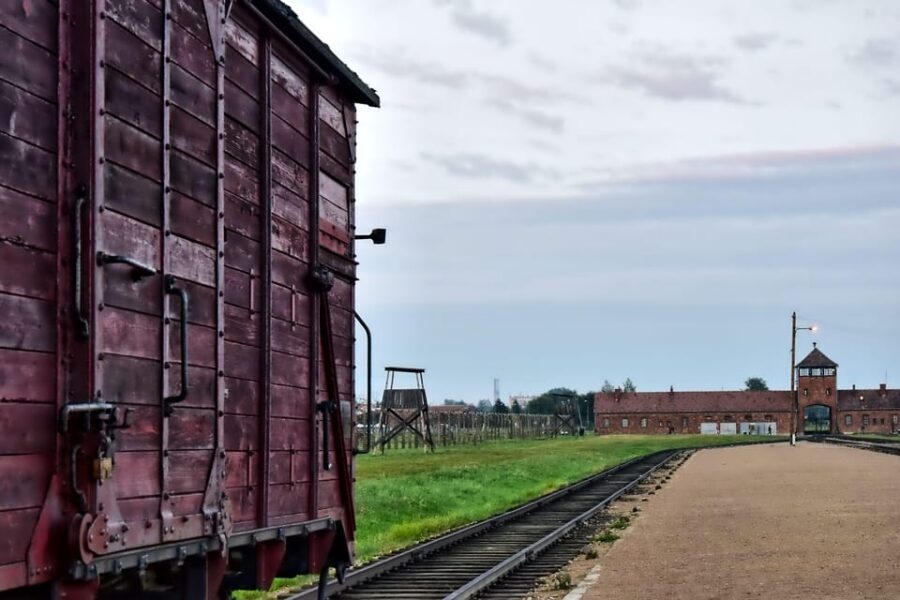
Birkenau is where the visit hits differently. The remains are larger, the space feels more open, and the sense of scale can land hard. The tour takes you there after the break, and you’ll spend about an hour with the same guide at Auschwitz II Birkenau.
This is the part where you’ll see the gas chambers, the crematoriums, and the barracks. With a guide, you’re not looking at isolated structures—you’re hearing what each piece connects to in the camp’s functioning. That’s key. Without context, you might see buildings and think you understand, but not fully grasp how the system worked.
I also like that the guide stays the same across both sites. It reduces confusion. Your guide can connect the dots from Auschwitz I to Birkenau as you move from one setting to another, which helps you build a coherent mental map.
One more thing to expect: Birkenau can be physically demanding. You’ll be walking outdoors and standing in places that can feel exposed. If you’re sensitive to heat or cold, plan clothing accordingly. And again, keep the bag rules in mind so you’re not dealing with storage issues mid-day.
You can also read our reviews of more guided tours in Oswiecim

Languages and Communication: Choose One You’ll Actually Hear
This tour is offered in multiple languages: English, Italian, French, Spanish, and German. That sounds simple, but it’s a big deal in a place like Auschwitz. You want to fully understand what the guide is saying, not just catch phrases.
If you’re booking for a language you’re only partly comfortable with, reconsider. The experience is intense, and translation gaps can make it harder to process what you’re seeing.
You’ll also meet the host outside Auschwitz I, so you’ll have a clear start point. That helps a lot compared to tours that start inside a maze of entrances.
Price and Value: Why $10 Can Be Worth It (and Where Your Extra Costs Live)
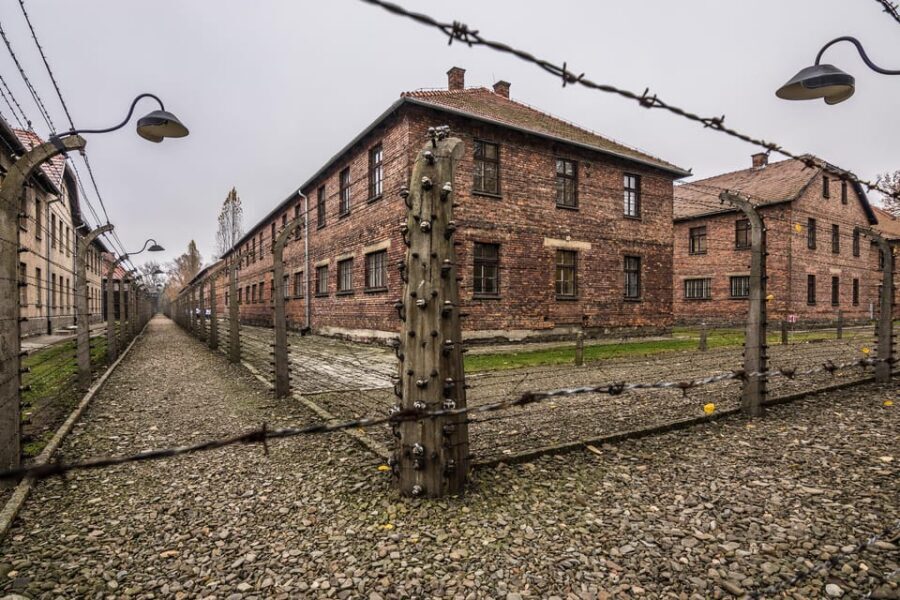
The price listed here is $10 per person, with the Auschwitz-Birkenau Museum entry ticket and a professional licensed guide included. Transportation and food are not included.
At first glance, $10 for a day at two sites with a guide sounds almost too good. But the value makes more sense once you focus on what’s included: you’re getting admission plus guided interpretation for about 210 minutes, covering Auschwitz I and Auschwitz II with scheduled breaks.
Where costs can still sneak in is everything outside that package:
- Getting from your accommodation to the meeting point
- Parking fees if you drive
- Lunch and drinks (recommended to bring)
- The 2 km self-transfer after Auschwitz I to Brzezinka parking by your own transport
So the real question isn’t only price. The real question is how you’ll handle those add-ons. If you already have easy local transport and you bring your own lunch, this can be a strong value. If you’re relying on taxis for every move, the trip can become much more expensive than the tour price suggests.
Who This Tour Fits Best, and Who Should Rethink It
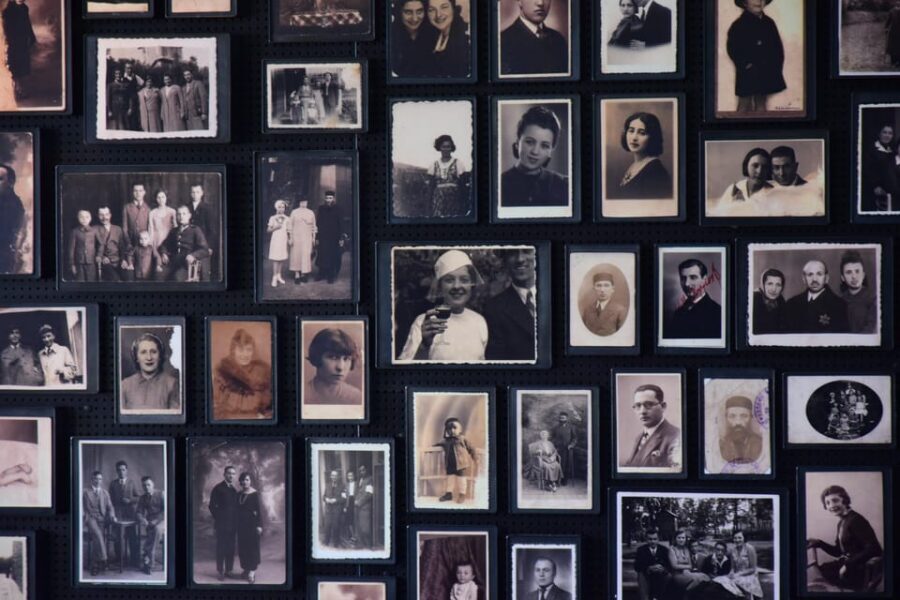
This isn’t a casual museum outing. It’s emotionally heavy and physically demanding, and the tour explicitly lists restrictions.
It’s not suitable for children under 12, pregnant women, or people with mobility impairments. If any of those categories apply to you, it’s better to find an alternative format or specialized support rather than pushing through and making the day harder than it needs to be.
For everyone else, the tour is best for you if you want:
- A structured, guided visit rather than independent wandering
- A visit that connects Auschwitz I to Auschwitz II with the same interpretation
- Skip-the-line entry so your time isn’t consumed by ticket queues and entry delays
It’s less ideal if you need long free time at every stop. The memorial’s timing and visitor flow set the pace, and you should expect limited lingering.
A Real-World Detail: Flexibility When Plans Don’t Go Perfectly
One practical lesson comes from an experience where language and pickup expectations didn’t match the available options. In that case, the guide contacted the guest and helped arrange a way to reach Auschwitz II, and a bus guide named Joanna was described as especially friendly. The guest also reported being dropped back in Krakow’s center for a small local fee.
You should not count on that kind of extra flexibility as a guarantee, but it does hint at something useful: good guides do sometimes help solve real travel problems when you’re figuring out connections between Auschwitz I and Birkenau. If you’re traveling with specific constraints (public transport routes, schedule tightness, or language barriers), it’s smart to communicate early rather than waiting until you’re already on-site.
Should You Book This Tour?
Book it if you want a guided, timed visit that covers both Auschwitz I and Auschwitz II with a licensed interpreter and skip-the-line admission. At this price point, it’s strong value—as long as you plan for meals, local movement, and the 2 km self-transfer to Brzezinka parking.
Skip or rethink it if you need long breaks, maximum mobility support, or you’re traveling with a large amount of luggage you can’t reduce to the 20 x 30 cm limit. And if you’re traveling with children under 12 or if pregnancy or mobility limitations apply, this specific format probably isn’t the right match.
If you do book, treat the day like it’s about respect and understanding. Bring lunch and water, wear comfortable walking shoes, and let the guide’s structure help you stay oriented in a place designed to overwhelm the mind.
FAQ
FAQ
How long is the Auschwitz-Birkenau guided tour?
The total duration is about 210 minutes.
Does this tour include entry tickets and a licensed guide?
Yes. It includes Auschwitz-Birkenau Museum entry and a professional licensed guide.
Is transportation to and from your accommodation included?
No. Transportation isn’t included.
Where do I meet the host?
You meet the host outside the Auschwitz I entrance.
What identification do I need to bring?
Bring your passport or ID card.
Are large bags or backpacks allowed?
No. Large bags and backpacks aren’t allowed. The maximum permitted size is 20 x 30 cm.
Can I take flash photos inside the museum?
Flash photography isn’t allowed.
How long do I spend at Auschwitz I and Auschwitz II?
Auschwitz I takes about 1 hour 20 minutes to 1 hour 50 minutes. Auschwitz II Birkenau takes around an hour with the same guide.
What language is the tour guide available in?
The tour is available in English, Italian, French, Spanish, and German.
Is the tour suitable for children or people with mobility impairments?
No. It isn’t suitable for children under 12, pregnant women, or people with mobility impairments.