REVIEW · OSWIECIM
Auschwitz-Birkenau: Museum Entry Ticket with Guided Tour
Book on GetYourGuide →Operated by LegendaryKrakow · Bookable on GetYourGuide
That place changes how you see the world.
This Auschwitz-Birkenau ticket includes a guided group tour with skip-the-line entry, plus headsets so you can actually follow the story as you walk. You get taken through Auschwitz I on foot, then on to Auschwitz II-Birkenau for the railway area and the ruins tied to mass killings. It’s heavy, but the structure of the tour helps you stay oriented and focused on what matters.
I particularly like that you’re not left figuring things out alone: you meet your authorized live guide on-site, and the headset system keeps the explanation clear even in a large group. One drawback to plan for: the pace can feel rushed, and your time slot can shift, since the museum determines the flow and your arrival window is approximate.
In This Review
- Key things to know before you go
- Why the guided format matters at Auschwitz-Birkenau
- Getting there: plan on your own transport both ways
- Auschwitz I: the 1940 camp footprint, barracks, and exhibitions
- The 30-minute free window: use it for bearings, not scrolling
- Auschwitz II-Birkenau: railway access, mass killing sites, and ruins
- Timekeeping and group pace: why it can feel different day to day
- Price and value: what $52 buys you (and what it doesn’t)
- What to bring (and wear) for smooth entry
- Who this tour suits best (and who may want another option)
- Should you book this Auschwitz-Birkenau guided ticket?
- FAQ
- FAQ
- Where do I meet my guide?
- Is transportation to Auschwitz included?
- How long is the tour?
- What parts of the memorial are included?
- Does the tour include skip-the-line entry?
- Is there a headset?
- What language is the tour guide?
- What should I bring?
- What clothing and items are not allowed?
- Can I cancel or get a refund?
- Who is this tour not suitable for?
Key things to know before you go
- Skip-the-line entry means you spend more time inside the memorial and less time waiting outside.
- Headsets are included, so you can hear your English-speaking guide even when distances and group size get awkward.
- Two sites in one visit: Auschwitz I (on foot) and Auschwitz II-Birkenau (on foot) are both covered with a guided route.
- A structured break gives you a short window of free time before moving to the second camp.
- Your visit depends on booking in advance, since access rules changed in 2020.
Why the guided format matters at Auschwitz-Birkenau
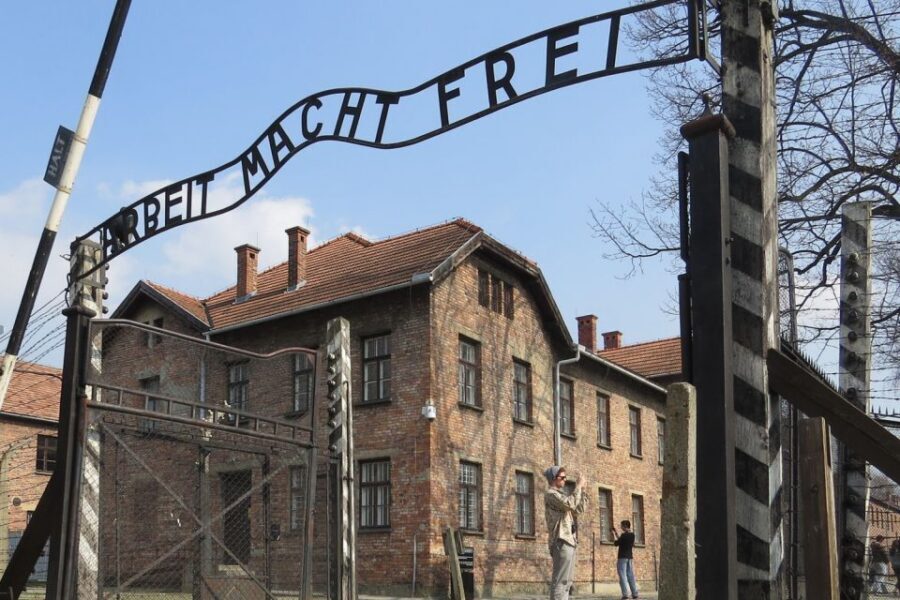
Auschwitz-Birkenau isn’t the kind of place where “wander around and see what you notice” usually works well. The grounds are large, the information is layered, and the emotional impact is intense. What I like about this specific tour is that it gives you a live guide and a route that keeps you from missing the key parts of the story.
You’ll start at the Auschwitz-Birkenau Memorial and Museum Visitor’s Center and meet your authorized guide near the gate area where parking is located. From there, you go straight into Auschwitz I. The headset support is a practical win: you’re walking, often at some distance from your guide, and your ability to hear the explanation shouldn’t depend on your position in the group.
This is also one reason I think the “join a group” setup is worth it. At a site like this, the guide’s words help connect the physical spaces you’re standing in to what happened there—without forcing you to piece everything together on your own.
You can also read our reviews of more tours and experiences in Oswiecim



Getting there: plan on your own transport both ways
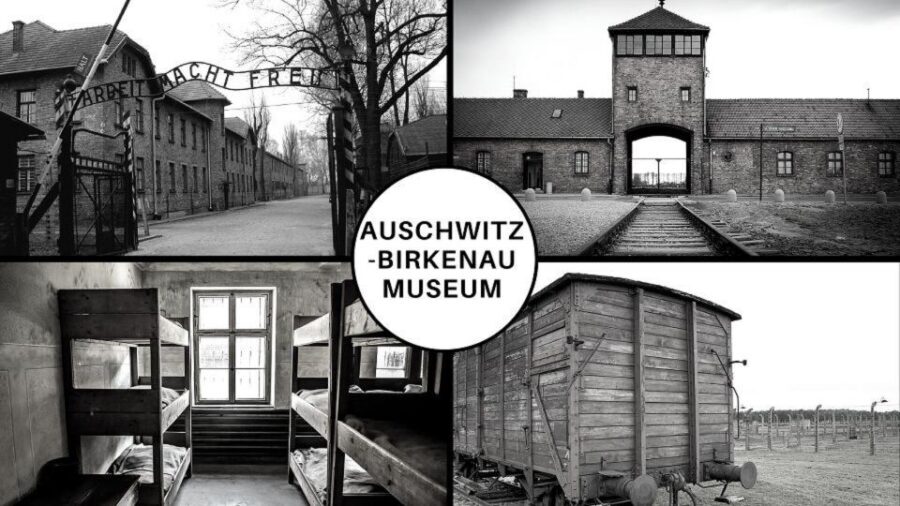
One clear logistics point: this ticket does not include transport to and from Auschwitz. You’ll use your own means of getting to the memorial and back.
Inside the program, you will be transported between Auschwitz I and Auschwitz II-Birkenau (you drive from one to the other), so you’re not stuck managing that jump yourself. But your arrival at the Visitor’s Center is on you.
For planning, that means:
- Build in extra time for the drive and for getting through the start area.
- Wear comfortable shoes that handle walking on camp grounds.
- Think about arrival timing as more flexible than normal, since the museum’s pace determines how your visit moves.
If you’re traveling from Kraków or another nearby base, this type of ticket is still good value because the paid part focuses on the on-site experience: entry, guidance, and headsets. Your cost is mainly covering the guide-led access, not your transportation.
Auschwitz I: the 1940 camp footprint, barracks, and exhibitions
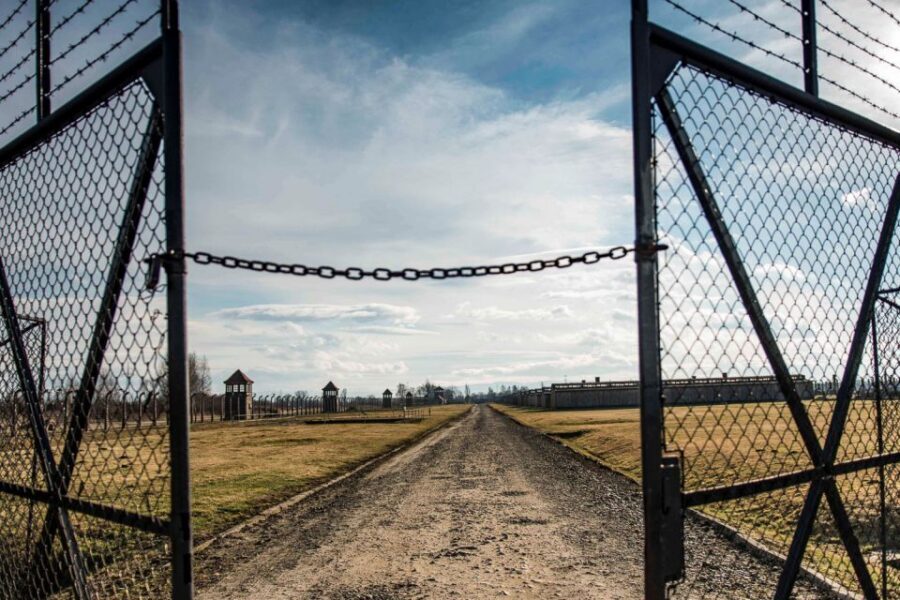
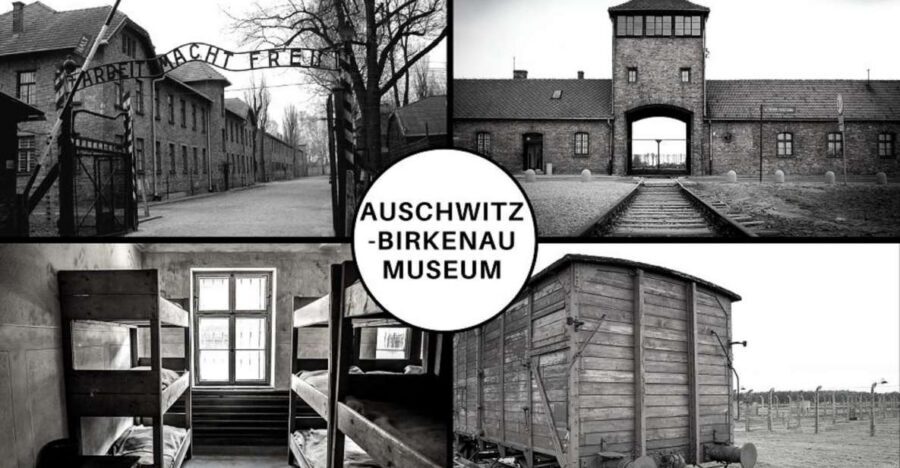
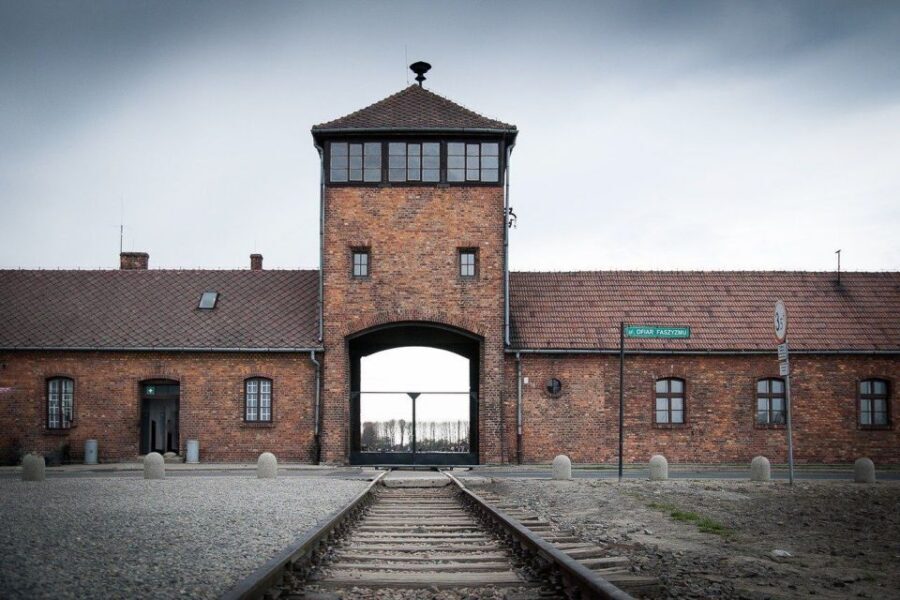
Your first guided segment is in Auschwitz I, a camp built in 1940 in the suburbs of Oswiecim. You’ll walk on the ground of the former camp and start by seeing the entrance zone that sets the tone for what follows.
Expect a route that moves through:
- the camp grounds area where prisoners were held
- barracks and exhibition spaces presented in the structures where people once lived
- the core layout that helps you understand how the camp operated
A big advantage of the guided setup here is listening accuracy. In a setting this serious, it’s frustrating if you miss details because you can’t hear. With the headset, you can keep your eyes on what’s in front of you and still follow the explanation.
The facts your guide is likely to work into the story are stark: the estimated death toll is over 1.5 million people, representing 28 nationalities, and nearly 90 percent were Jews. Hearing those numbers explained in context while you stand in the spaces that carried them is the reason these tours can feel so emotionally heavy.
A consideration here is pacing. One review described the tour as feeling rushed, and that can happen when the museum schedule and group logistics compress walking and stops. If you prefer a slower visit, you’ll need to use your free time wisely and accept that the tour is designed for a set tempo.
The 30-minute free window: use it for bearings, not scrolling
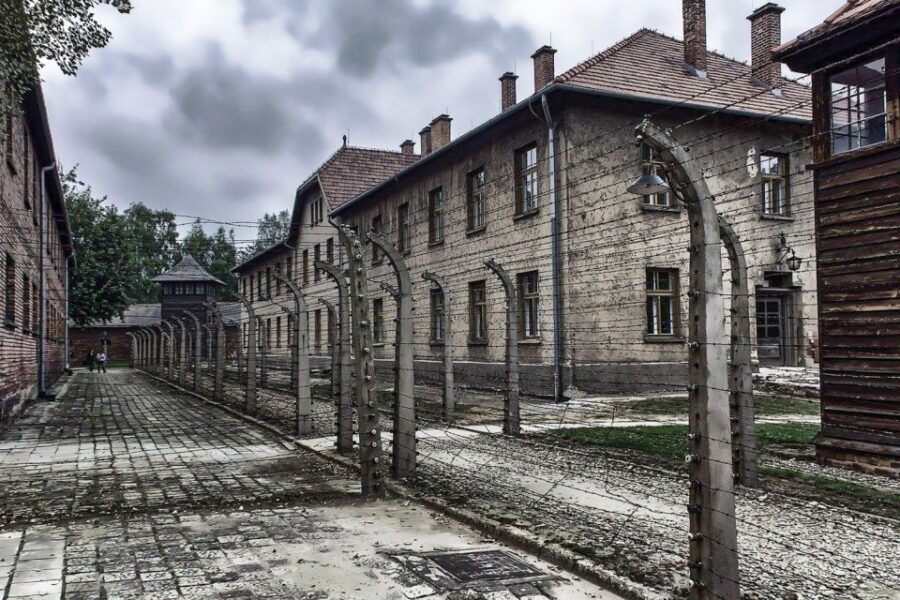
After Auschwitz I, you’ll have a short break with free time. In the structure of this experience, it’s only about 30 minutes—so it’s not meant as a long “catch your breath and fully explore” moment.
Here’s how I’d use it:
- Get your bearings. Decide what you want to remember visually before you move on.
- Take a restroom break and refill water if you need it.
- If you’re the type who likes to read signs, prioritize the ones that connect directly to what your guide has just explained.
This short break is a smart design choice from the tour perspective. It gives you a reset before Auschwitz II-Birkenau, which is a different scale and a different kind of field experience—especially around the railway and ruins.
Also, if your emotional reaction hits hard (it likely will), don’t fight it by trying to power through with nonstop reading. A brief, respectful pause can help you process what you just saw.
Auschwitz II-Birkenau: railway access, mass killing sites, and ruins
Then you shift to Auschwitz II-Birkenau, with a continued guided visit and about 75 minutes of guided walking. This part of the experience is where the camp’s scale really shows itself.
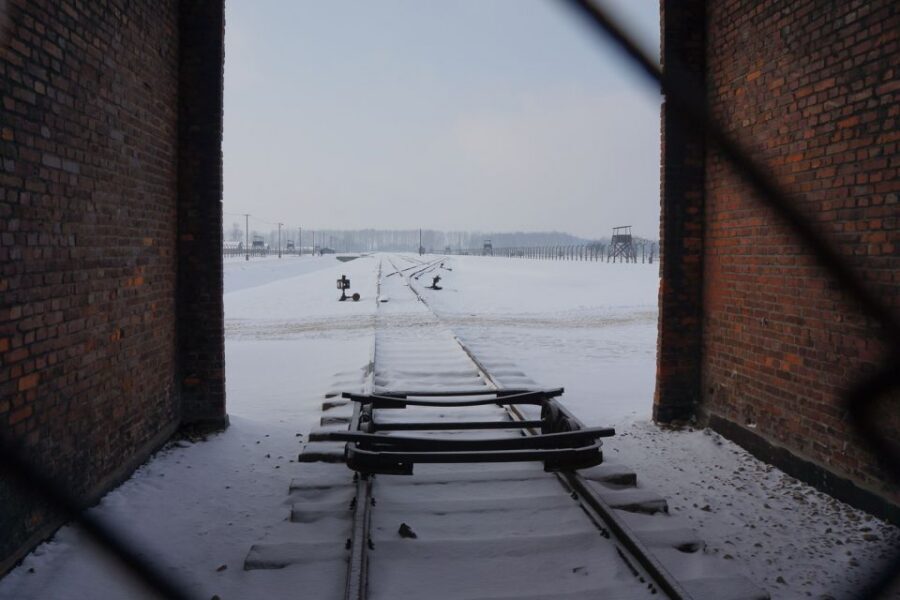
You’ll walk along the railway that helped transport people to the other part of the camp. This detail matters because rail lines aren’t just background here—they’re part of the mechanism of how people were moved and sorted. Seeing the railway area while a guide explains the system helps it click in your mind, rather than staying abstract.
You’ll also see ruins of gas chambers, tied to the mass killing process where people were sent and never returned. The program doesn’t treat this as a general “sightseeing highlight.” It’s presented as memory and evidence, and the emotional weight lands quickly.
What makes a guided format especially valuable in Birkenau is orientation. The grounds can feel open and wide, and without guidance it’s easy to get lost in impressions rather than understanding. A guide can point you to the specific features that explain how the camp functioned.
And yes, this area can feel physically demanding. You’re walking on former camp ground and moving through key zones with a group. Comfortable shoes are not optional—especially if you’re sensitive to swelling, pain, or fatigue.
You can also read our reviews of more guided tours in Oswiecim



Timekeeping and group pace: why it can feel different day to day
The total experience is listed at 210 minutes, with your visit broken into the two camp segments plus the short free time. What makes this tour feel variable is that the museum sets the pace, and your actual timing can shift.
The time window you’re given is approximate, and it may change by up to 4 hours. Also, there can be day-of adjustments. One review mentioned their original time slot was changed the day before, and the tour still worked out, but it’s a reminder to keep your schedule flexible.
Plan your day like this:
- Don’t book a tight, same-hour connection immediately after your tour ends.
- Keep buffers for your return travel to Kraków or wherever you’re staying.
- Treat the “start time” as a target, not a promise.
As for group size: you’ll be issued headsets, which is typically a sign the group can be large or spread out. In one review, a language mismatch made it harder for a group to follow the guide when people didn’t understand much English. Since the tour is English-language, it’s smart to be comfortable listening to English or at least understanding the key themes. If you know you struggle with spoken English, consider planning additional support before you go (like reviewing the broad structure of what you’ll see so the guide can fill in the details).
Price and value: what $52 buys you (and what it doesn’t)
At around $52 per person, the value here isn’t just “a ticket.” You’re paying for:
- skip-the-line entry into the memorial and museum
- a live guided group tour
- headsets so you hear clearly
- guided access to both Auschwitz I and Auschwitz II-Birkenau within the set program flow
- a structured short free period in between
What it doesn’t include is transport to and from the memorial. That’s an important cost factor because you’ll need to cover your own ride to the Visitor’s Center and back.
Even with that, this can still be cost-effective if you’re the kind of visitor who wants the guide’s explanation and wants to avoid long waits in the main ticket line. Skip-the-line is especially valuable at a site where lines can affect your schedule and your energy level.
Also, the experience is listed with an overall rating around 4.2 from 146 reviews. That’s not a guarantee of perfection, but it does suggest the headset + guided format works for many people.
What to bring (and wear) for smooth entry
You’ll want to pack lightly and dress appropriately. The memorial has specific rules, and entry can go wrong if you show up unprepared.
Bring:
- your passport or ID card
- comfortable shoes
Avoid:
- shorts
- sleeveless shirts
- weapons or sharp objects
- luggage or large bags
Bag limits are strict: the maximum allowed bag/purse/backpack size is 30 x 20 x 10 cm. If you’re unsure, assume smaller is better.
One more detail that can matter more than people expect: your full name and contact details are required for booking, and the names need to match your ID exactly. If there’s a mismatch between your booking name and your passport/ID, you might be refused entry. That’s easy to prevent—double-check the spelling when you book.
Who this tour suits best (and who may want another option)
This tour is listed as not suitable for:
- children under 14
- people with mobility impairments
That’s mainly due to the pace, walking time, and the nature of the terrain and visit structure. If you fall into either category, you’ll want to look for an alternative format that matches your needs more closely.
Who it suits:
- adults who want a guided route that keeps you oriented
- visitors who value the headset system for clear listening
- English speakers (the guide is English)
If you’re traveling with a mixed-language group, be aware that understanding depends on your group’s ability to follow English. One review pointed out that an English guide was harder for a group of non-English speakers to follow, which is a good reality check.
Should you book this Auschwitz-Birkenau guided ticket?
If you’re going to Auschwitz-Birkenau, I think booking a guided format like this is the smart choice—especially with headsets and skip-the-line entry. It helps you process what you’re seeing without losing the thread. The visit is structured, you get both Auschwitz I and Auschwitz II-Birkenau, and the English guide adds context to the physical spaces.
You might choose something else if:
- you need a slower, more flexible pace (some visitors feel rushed)
- you strongly prefer self-paced exploring
- you don’t do well with walking on former camp grounds
- your schedule can’t handle approximate start times and day-to-day adjustments
My practical advice: book early, confirm your ID spelling matches the booking name, and keep a big buffer on your calendar. This is not the kind of experience where you want to race the clock.
FAQ
FAQ
Where do I meet my guide?
Meet your guide at the Auschwitz Birkenau Museum Visitor’s Center, looking for the information boards right by the gate leading to the parking.
Is transportation to Auschwitz included?
No. You use your own transport to get to Auschwitz and back. The program includes driving between Auschwitz I and Auschwitz II-Birkenau.
How long is the tour?
The total duration is about 210 minutes.
What parts of the memorial are included?
You’ll visit Auschwitz I with guided walking and then Auschwitz II-Birkenau with guided walking. There’s also a short free time break in between.
Does the tour include skip-the-line entry?
Yes. Skip-the-line entry is included.
Is there a headset?
Yes. Headsets are provided so you can hear the guide clearly.
What language is the tour guide?
The live guided tour is in English.
What should I bring?
Bring your passport or ID card and wear comfortable shoes.
What clothing and items are not allowed?
Shorts and sleeveless shirts are not allowed. Also, weapons or sharp objects are not allowed, and luggage/large bags aren’t allowed.
Can I cancel or get a refund?
The activity is non-refundable.
Who is this tour not suitable for?
Children under 14 and people with mobility impairments are listed as not suitable.