REVIEW · KRAKOW
From Krakow: Half-Day Salt Mine and Schindler’s Factory Tour
Book on GetYourGuide →Operated by Krakow Tours by Krakowdirect · Bookable on GetYourGuide
Two Krakow eras in one long day.
This tour strings together two places that feel worlds apart: an 11th-century Wieliczka Salt Mine deep underground, then the emotional Oskar Schindler’s Factory tied to WWII survival. I especially like the time-saving skip-the-line entry and the practical headsets in the mine, which make the guiding actually work once you’re underground.
Here’s the catch: you’re doing real walking, with steps and tight indoor spaces, so it’s not a calm, sit-down kind of outing. If you have claustrophobia (or mobility limits), you’ll want to think twice before committing.
In This Review
- Key things to know before you go
- Entering Wieliczka’s salt-world (the medieval part you can feel)
- The descent and guided pace: 2.5 hours that goes fast
- St. Kinga’s Chapel and the underground city moments
- Podgórze break: your real chance to refuel and reset
- Oskar Schindler’s Factory: WWII Krakow in a former workplace
- How to make the day work: crowds, sound, and group flow
- Price and value: is $89 worth it?
- Who should book this, and who should skip it
- Should you book this Krakow salt mine and Schindler’s Factory tour?
- FAQ
- Where does the tour start in Krakow?
- How long is the overall tour?
- Are tickets included?
- What’s included for the Wieliczka Salt Mine visit?
- How long is the Schindler’s Factory portion?
- Is food included?
- Is this tour suitable for wheelchair users or claustrophobia?
- What should I bring, and is there anything I can’t bring?
Key things to know before you go

- Medieval mine, still operating: founded around 1044 AD and in continuous operation since the 11th century
- Big physical reach underground: 9 levels, about 327 meters down, with roughly 300 km of halls
- Underground highlights built for photos and wonder: especially St. Kinga’s Chapel and the salt lakes
- A WWII stop that’s more than a movie tie-in: Schindler’s Factory museum in the former factory site
- Guiding matters here: headsets in the mine help you hear the story in crowded areas
- The day can feel long: about 7 hours door-to-door, plus transfers and a 1-hour break for food
Entering Wieliczka’s salt-world (the medieval part you can feel)
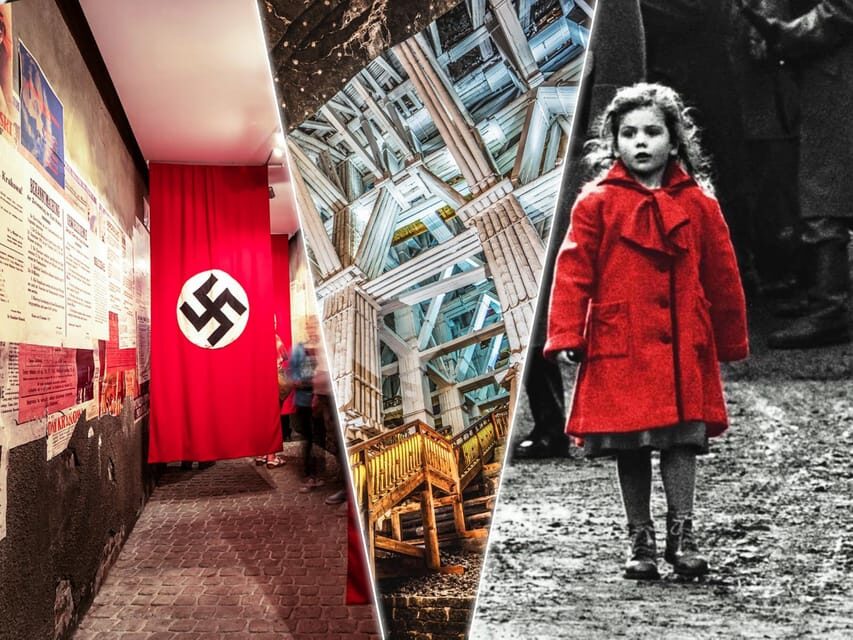
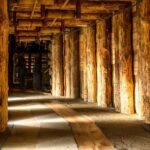
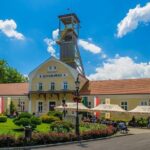
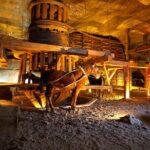
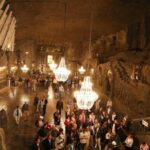
Wieliczka is one of those rare UNESCO-level sites that doesn’t just look old on paper. When you go down into the mine, it feels like a whole working world carved into salt over centuries. This isn’t a theme park version of mining. It’s an underground complex that has been used since the 11th century, and it shows how the work evolved over time.
What makes this especially compelling is how the tour is built around storytelling and structure. You’re taken through major chambers and chapels, not just marched past the most famous spots. The mine’s scale helps, too: the tour covers areas across 9 levels and reaches about 327 meters underground, with hallways extending around 300 kilometers total. You’ll start to get a sense of why salt mining mattered so much here.
I like that the experience is grounded in the real “how it worked” details, while still leaving room for awe—like the salt lakes and the carved spaces that look almost impossible until you’re standing in them.
You can also read our reviews of more tours and experiences in Krakow

The descent and guided pace: 2.5 hours that goes fast
You’re looking at roughly 2.5 hours for the guided Wieliczka Salt Mine portion, plus transfers. That sounds roomy on paper, but underground spaces can slow you down: steps, narrow corridors, crowds, and people stopping for photos.
You’ll also feel the height changes. Even if the route uses lifts where available, the overall flow is physical, and you’ll likely do a lot of descending and then climbing back up later. Comfortable shoes really matter here. If you’re the type who likes to linger, plan on keeping your expectations realistic: the tour is designed to fit the mine’s operational rhythm.
The good news is that the mine visit includes headsets, so you’re not left guessing what the guide is saying from the back of a crowd. I’d still recommend staying closer to the front if you care about the details, especially in busier periods.
St. Kinga’s Chapel and the underground city moments
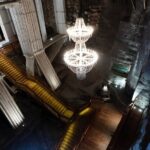
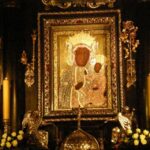
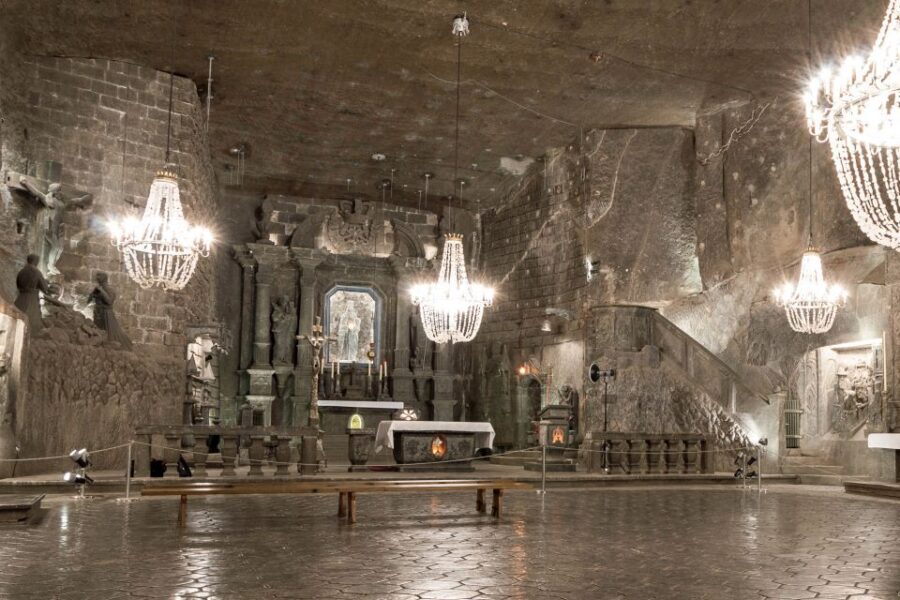
Wieliczka’s most talked-about spaces aren’t there by accident. St. Kinga’s Chapel is a centerpiece, and the tour time gives it the attention it deserves. The chapel is visited by over one million tourists each year, which tells you two things: it’s a true highlight, and it’s also popular enough that timing and crowd control are part of the experience.
But the chapel is just one chapter. You’ll also move through the “underground city” concept—famous chambers and chapels connected by corridors that show the mine’s evolution. That theme matters because it stops the visit from becoming a checklist. Instead of thinking, I saw a cool room, you start thinking, I understand what changed as mining advanced.
And then there are the salt lakes and cave-like stretches. Even if you’ve seen photos before, the real thing hits differently because the textures are sharper, the lighting feels more dramatic, and your brain has trouble accepting that this is all built underground.
Podgórze break: your real chance to refuel and reset
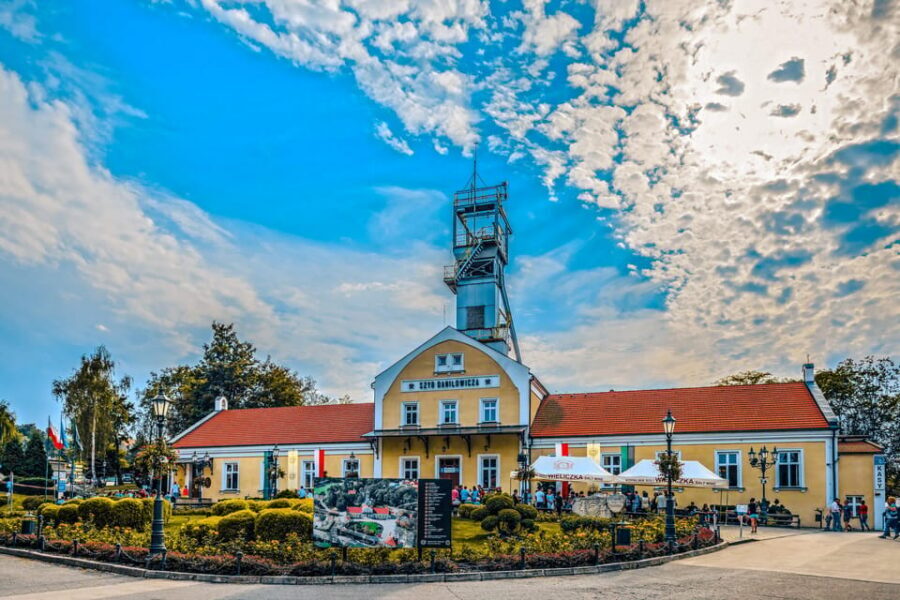
Between the two sites, you get a break in Podgórze. The schedule leaves about 1 hour, with coffee and tea built in, plus lunch as an option. This is a genuine quality-of-life moment on a day that’s otherwise mostly walking and waiting your turn in timed-entry flows.
This break also gives you a smart planning window. If you’re hungry, eat. If you want a quick drink and a snack, do it here rather than hunting later. And if you’re taking photos, take the chance to check your battery and storage now—because once you’re back outside, time can compress again.
One small practical note: the break duration can shift based on road traffic and how long the first guided tour runs. So treat that hour as helpful, not guaranteed-to-the-minute.
Oskar Schindler’s Factory: WWII Krakow in a former workplace
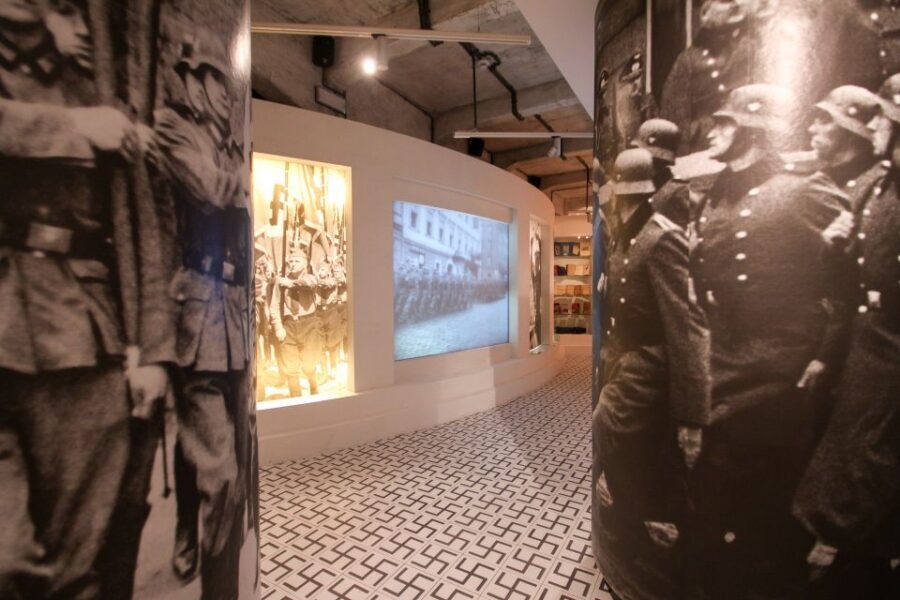
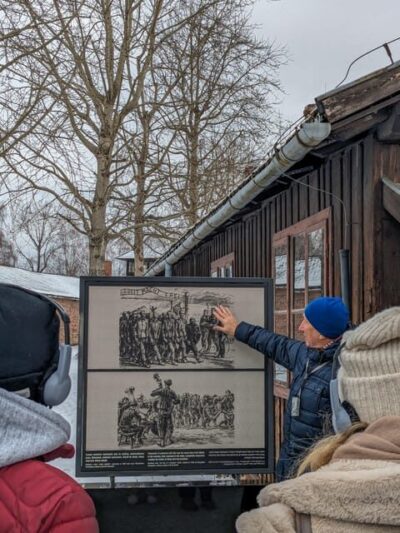
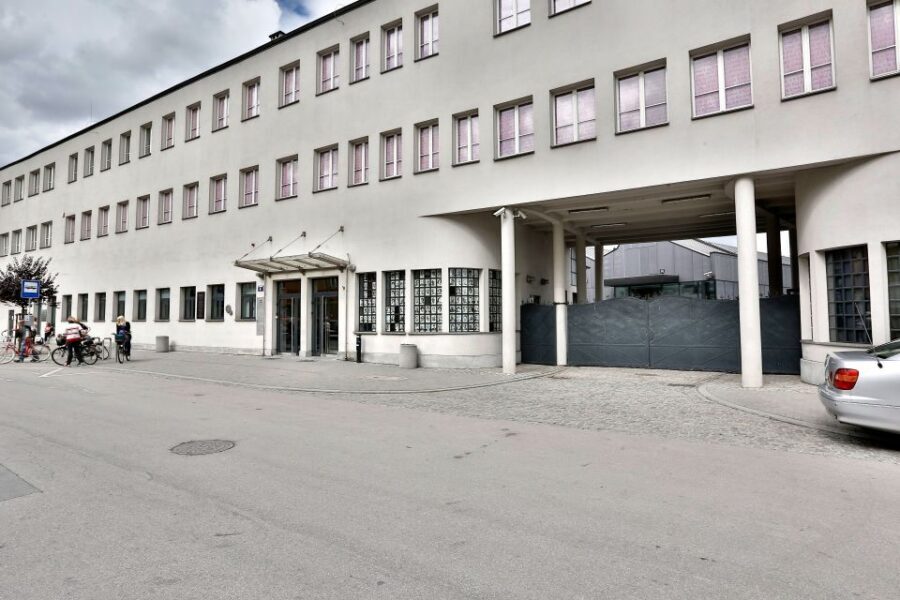
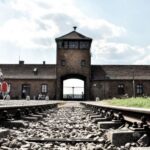
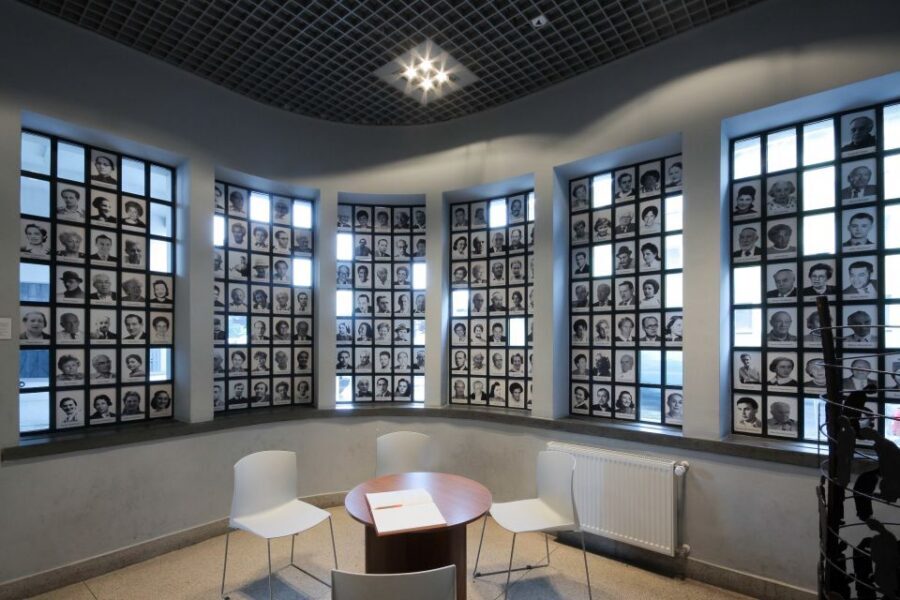
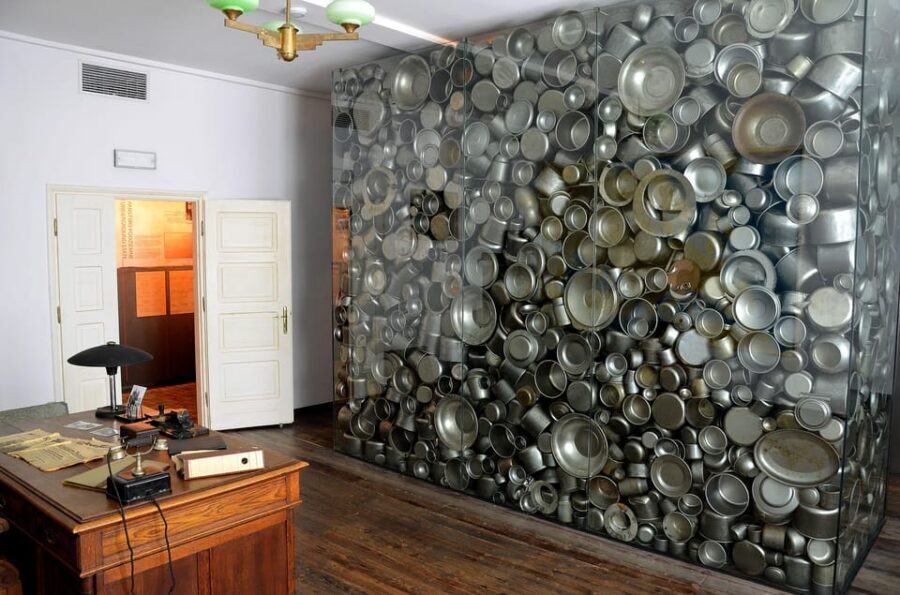
After the underground salt world, you’ll surface into a very different atmosphere. The Schindler’s Factory visit is guided for about 1.5 hours and focuses on WWII Krakow—particularly the Nazi occupation period and what happened to Jewish residents. It’s located in the former factory of Oskar Schindler, an industrialist credited with saving the lives of over 1,000 people during the Holocaust, and it became famous worldwide through the film Schindler’s List.
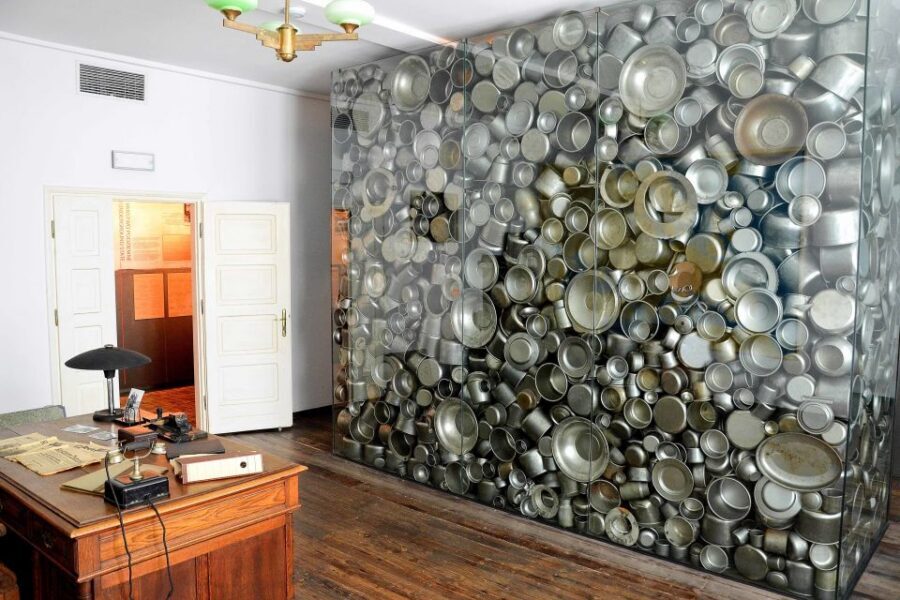
What I like about this museum stop is that it doesn’t feel like a generic history lecture. You’re in a real industrial setting turned into an educational space. That physical context matters. It’s easier to understand how normal work life could be twisted into something horrific when you’re standing in the same kind of walls and corridors.
The tour also includes an interactive exhibition, so you’re not limited to reading labels the whole time. Still, it’s a museum: you’ll want a few minutes to look at displays yourself when the tour pauses.
How to make the day work: crowds, sound, and group flow
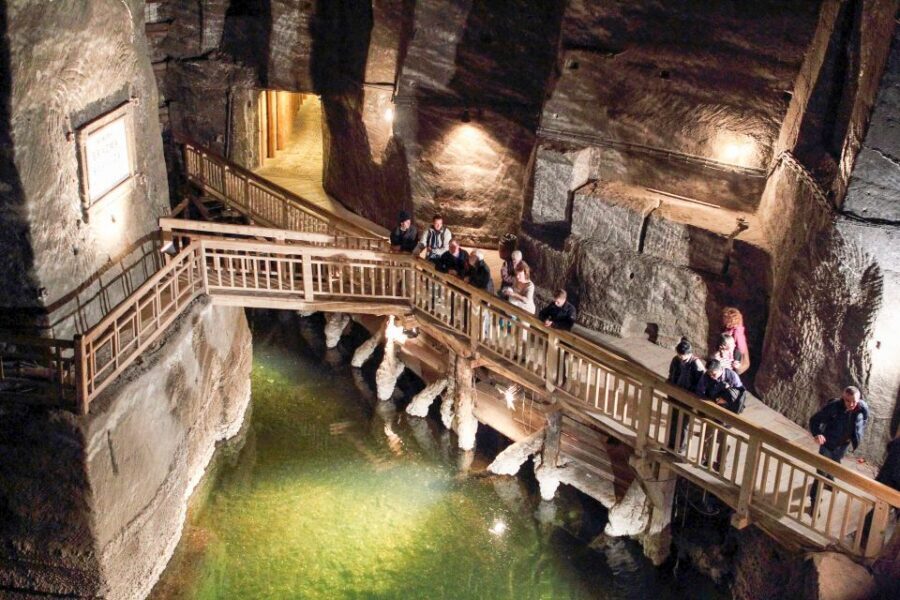
This is the part people don’t always mention when they book. These sites can be busy, and both have tight areas where it’s harder to hear and see. In the mine, headsets help a lot, but your ability to catch visuals and gestures improves if you’re not stuck at the back.
At the salt mine, the guidance is the product. If the group is larger than ideal in a narrow section, you may feel rushed, and some parts can blur together. The same idea can apply to the factory museum experience, where hallways and rooms are designed for visitors, not for big groups spreading out.
So here’s your practical move: when you’re given a chance to position yourself, choose a spot where you can both hear clearly and see what the guide is pointing at. If you’re near someone taller or louder, swap positions when possible. It sounds basic, but it’s the difference between walking through memories and actually understanding what you’re seeing.
Also, the day’s pacing is guided by site rules and visitor services. That means a tour can run slightly long or short depending on crowd flow. If you’re sensitive to schedule pressure, know that this is a structured day, not a wandering day.
Price and value: is $89 worth it?
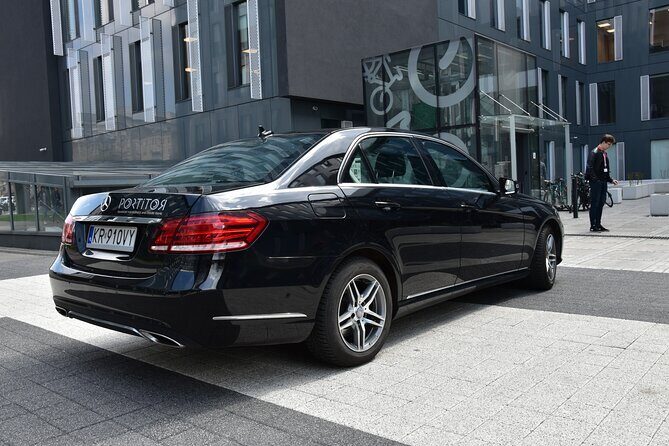
At $89 per person, you’re not just paying for entry tickets. You’re paying for structure: round-trip transportation in a modern vehicle, professional guided tours at both locations, and skip-the-line tickets that help you avoid long waits at popular times.
You’re also paying for the human parts that matter on these sites: an English-speaking tour host for the full trip, plus an official guided route inside the mine (with headsets) and guided interpretation at the factory. For many visitors, that’s the biggest value. Both sites can overwhelm you if you go in alone and try to piece together the story from signage.
Food isn’t included, which is common for tours like this, but you do get a built-in lunch break window. That’s a practical saving of your time and stress.
Is $89 “cheap”? Not really. But it can be a strong value if you want: two major Krakow must-sees, both with guidance, handled in a single day with transfers taken care of.
Who should book this, and who should skip it
This tour is a good match if you want big-impact sights without planning logistics from scratch. You’ll like it if:
- you enjoy guided explanations more than self-guided browsing
- you want one day that covers both culture/architecture and WWII context
- you’re comfortable with lots of indoor walking and steps
It’s not a good fit if:
- you have claustrophobia (the mine is underground and enclosed)
- you use a wheelchair (wheelchair users aren’t suitable for this option)
- you’re sensitive to tight spaces and limited room to move
If you’re older, or you know you tire easily, go in with realistic expectations. The salt mine can be physically demanding even though it’s organized, and the day is long enough that you’ll feel it by the end.
If you’re the type who likes to slow down at museums, you may want a different setup—or you may find yourself wanting more time inside the factory after the tour ends.
Should you book this Krakow salt mine and Schindler’s Factory tour?
I’d book it if you want a guided day that hits two of Krakow’s most important experiences and you’d rather spend your energy on seeing than on figuring out transport, timing, and queues. The combination of Wieliczka’s underground scale (9 levels, about 327 meters down) and the Schindler’s Factory WWII focus is a powerful pairing, and the skip-the-line handling helps the day run smoothly.
I would hesitate if you’re worried about crowding and sound, or if your body needs a lighter day. Also, if you’re very detail-oriented and hate time pressure, you might feel the schedule at both sites. The mine and museum are both structured, and you’ll be guided through key areas rather than free to linger for as long as you want.
One last practical tip: when the tour finishes, you’re dropped off at Schindler’s Factory (with the option to take a taxi back to your hotel). Keep that in mind for your evening plans—don’t schedule anything that requires a tricky return right away.
FAQ
Where does the tour start in Krakow?
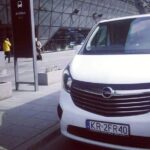
You meet at the entrance of the Radisson Blu Hotel Krakow at the Tourist Bus Stop.
How long is the overall tour?
It runs about 7 hours in total.
Are tickets included?
Yes. You get skip-the-line tickets for all entries.
What’s included for the Wieliczka Salt Mine visit?
You get a guided tour of the mine (about 2.5 hours), plus headsets so you can hear your guide clearly.
How long is the Schindler’s Factory portion?
The guided visit is about 1.5 hours, and there’s also an interactive exhibition.
Is food included?
No. Food and drinks are not included, though there is a break in Podgórze with coffee/tea and lunch options during the free time.
Is this tour suitable for wheelchair users or claustrophobia?
No. It is not suitable for wheelchair users, and it is not recommended for anyone with claustrophobia.
What should I bring, and is there anything I can’t bring?
Bring your passport or ID card, comfortable shoes, and a camera. Large bags or luggage aren’t allowed, and alcohol and drugs are not allowed.