REVIEW · OSWIECIM
Auschwitz-Birkenau: Skip-the-Line Entry Ticket & Guided Tour
Book on GetYourGuide →Operated by KrakowTouring.com · Bookable on GetYourGuide
The line is bad. The story is heavier.
This Auschwitz-Birkenau tour cuts through the waiting with skip-the-line entry, then gives you a guided visit led by a WWII educator who sets context before you step inside. I especially like the practical support (like headsets) so you can actually hear the explanation over the crowd. One thing to plan for: you’ll spend a lot of time walking outside, and the subject matter is intense—bring patience and tissues.
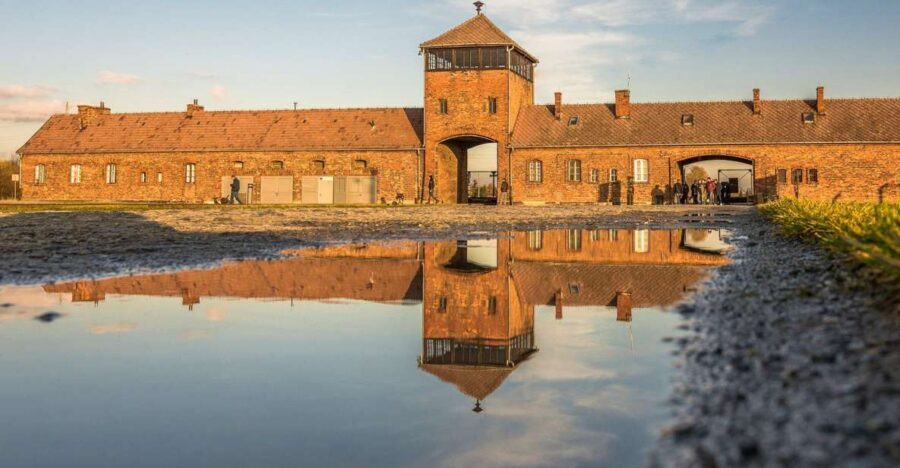
After you pass security, you enter through the area around the famous Arbeit macht frei gate and move through Auschwitz I, where the original preserved barracks and exhibits show the system up close. Then you shift to Birkenau, the larger camp where mass murders were carried out as part of the Nazis Final Solution. Expect a somber, tightly run experience with clear rules—great for getting value, but it can feel fast if you want to linger in every room.
In This Review
- Quick hits
- Skip-the-line at Auschwitz-Birkenau: what it actually saves you
- Meeting your guide and getting into the site without stress
- Auschwitz I: the Arbeit macht frei gate and the preserved camp reality
- The 15-minute break and the 2 km transfer to Birkenau
- Birkenau: seeing why the scale becomes unbearable
- Headsets and pacing: how you keep the story clear
- Price and value: $21 for a guide-led memorial visit
- What to pack and wear so the day stays doable
- Who this guided tour suits best (and who should reconsider)
- Should you book this Auschwitz-Birkenau guided tour?
- FAQ
- How long is the Auschwitz-Birkenau skip-the-line guided tour?
- What is included in the tour price?
- Which languages are the live tours available in?
- What time window does the tour operate?
- Do I need to bring an ID?
- Are large bags and backpacks allowed?
- Is transportation between Auschwitz and Birkenau included?
- Is this tour suitable for children?
- Is it wheelchair accessible?
Quick hits
- Fast-track entry helps you get moving without the worst of the queue
- Headsets mean you can follow the guide even when the group shifts or crowds build
- Auschwitz I + Birkenau in one outing gives you both the early camp system and the wider killing operation
- Arbeit macht frei is a real, you-are-here moment right at the start of Auschwitz I
- A 15-minute break happens after Auschwitz I, followed by a short transfer need on your own
- Guides vary by language clarity, so pick a tour language you can comfortably follow
Skip-the-line at Auschwitz-Birkenau: what it actually saves you
At Auschwitz-Birkenau, timing matters. Security lines, timed entry rules, and crowd flow can turn a “half day” into a stressful scramble if you’re doing it alone. A skip-the-line ticket helps you focus on what matters: getting inside and staying with the group.
You’re paying for more than convenience. The ticket bundle includes a museum guide plus headsets, which is huge for a site like this where facts, dates, and names come fast. In other words, the value is in understanding what you’re seeing—not just standing in front of it.
You can also read our reviews of more tours and experiences in Oswiecim



Meeting your guide and getting into the site without stress
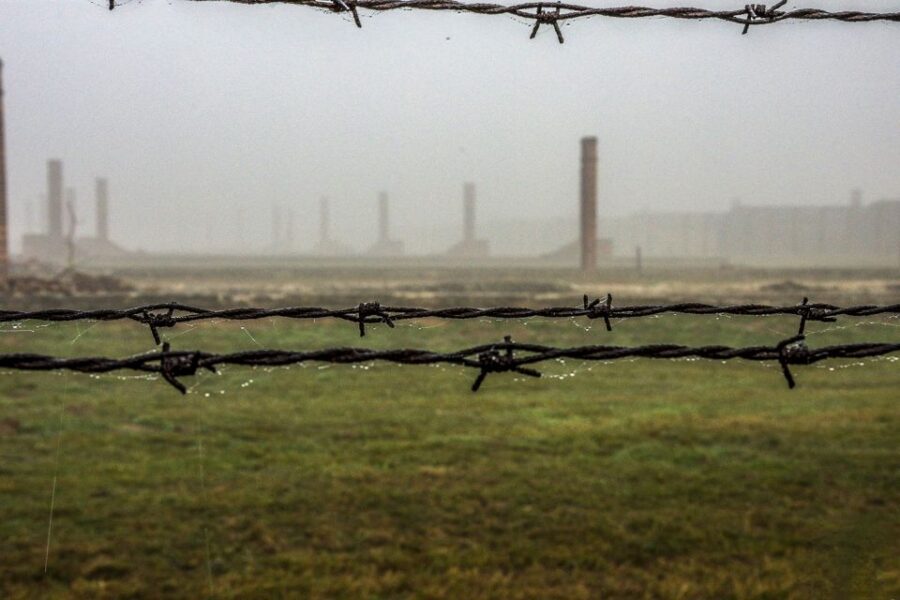
You meet your guide near the museum entrance (the exact meeting point can vary by option). After you connect, you get the entrance ticket, go through security, and join your group.
A heads-up from how this tour tends to run: the start time can be adjusted, and your exact starting time is sent the day before. If you’re traveling from Krakow, build in extra cushion so a timing change doesn’t throw your whole day off. If you’re easy to find, it helps everyone—some visitors run into trouble spotting staff at busy entrances.
Also, come ready to move. This is not a slow museum stroll. You’ll be guided through Auschwitz I first, then Birkenau after a short break and transfer.
Auschwitz I: the Arbeit macht frei gate and the preserved camp reality
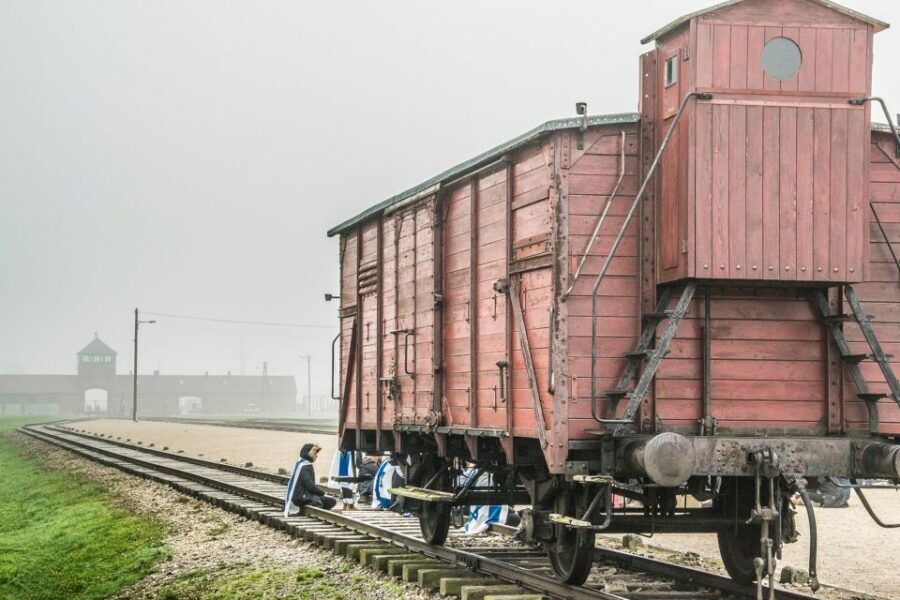
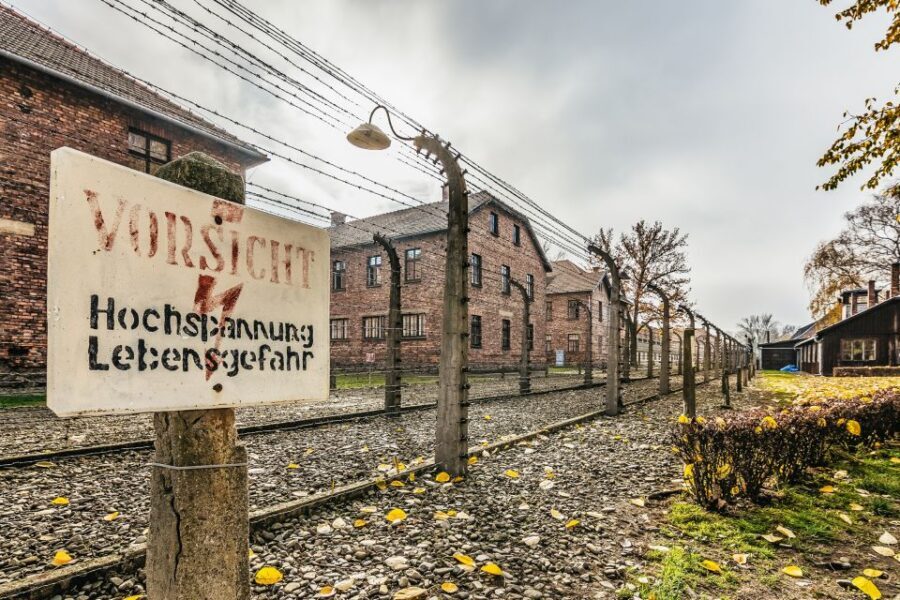
Auschwitz I is where your brain starts to lock onto the place as a system, not just a set of buildings. The tour routes you through the area around the famous Arbeit macht frei gate before you get into Auschwitz I, and the guide uses that moment to set the tone and context.
Here’s what makes this part so important: you see the preserved layout and barracks, not a simplified “exhibit version.” That design choice forces you to think in scale and routine. The guide’s job is to connect what you see—space, organization, restrictions—to the human reality of what prisoners endured.
I also like how the tour tends to keep language intentional. Several guides are reported to use careful, respectful phrasing and answer questions in a way that stays grounded. That matters because it helps you learn without turning the visit into spectacle.
Guides you may be assigned (based on names people have shared) include Margherita, Marta, Jacob, Magda, Oscar Crespo, Conrad, and Margaret. You can’t pick a specific person from the info here, but it’s reassuring to see that the experience has been delivered by multiple professional educators.
The 15-minute break and the 2 km transfer to Birkenau
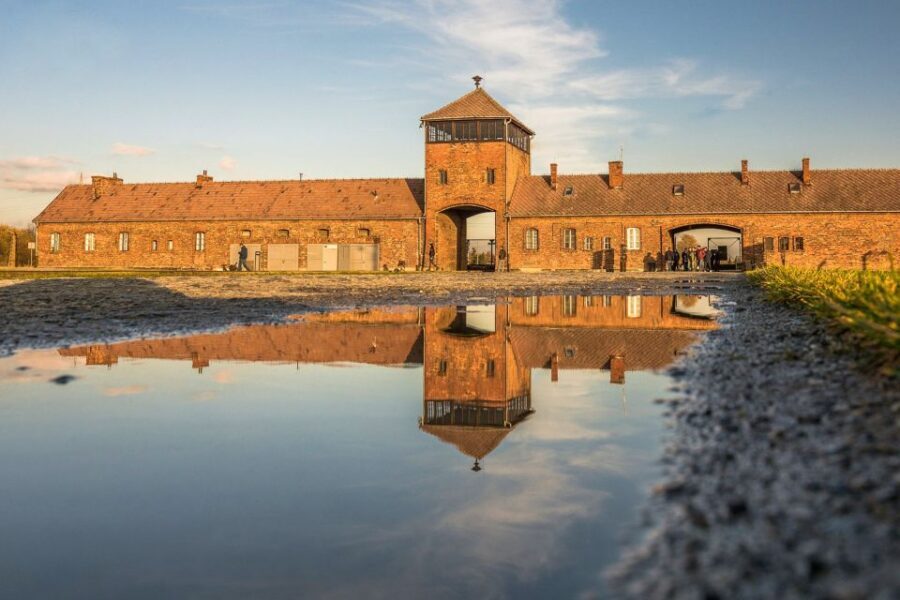
After Auschwitz I, there’s a 15-minute break. During that window, you’re expected to go to the car parking area in Brzezinka on your own transport, which is about 2 km.
That’s the one logistics piece you really can’t ignore. If you arrive at Auschwitz already tired, or if you assumed transportation between sites was fully handled for you, this is where you’ll feel the friction. The tour does not include hotel pickup/drop-off, and transport between Auschwitz and Birkenau is not included.
One practical workaround: people commonly use the shuttle bus between the camps, and it’s described as frequent and free in feedback. Still, don’t treat that as guaranteed in your planning. Treat your transfer as part of the tour day you’re responsible for.
Dress for this transfer too. Even a short walk in cold weather can feel long when you’re waiting for the group to regroup.
Birkenau: seeing why the scale becomes unbearable
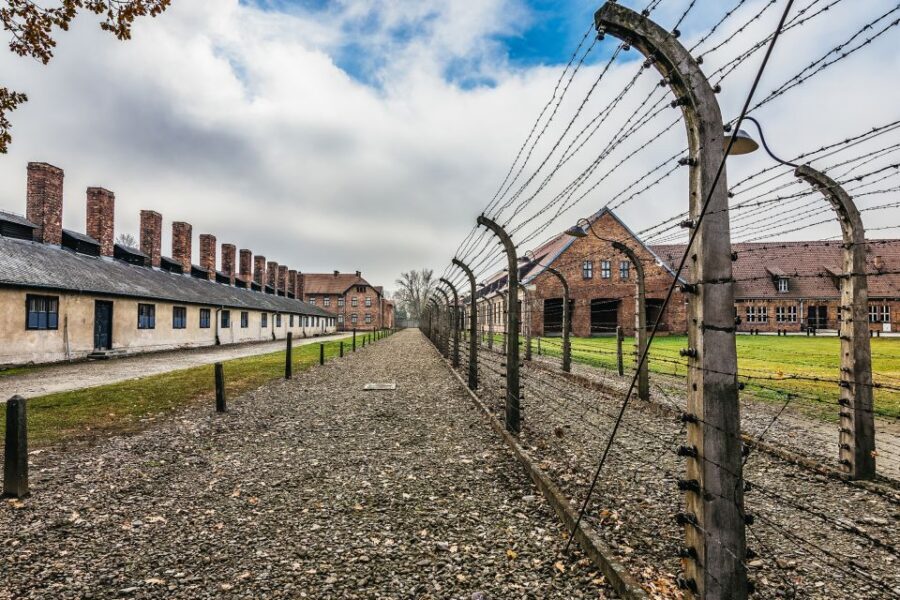
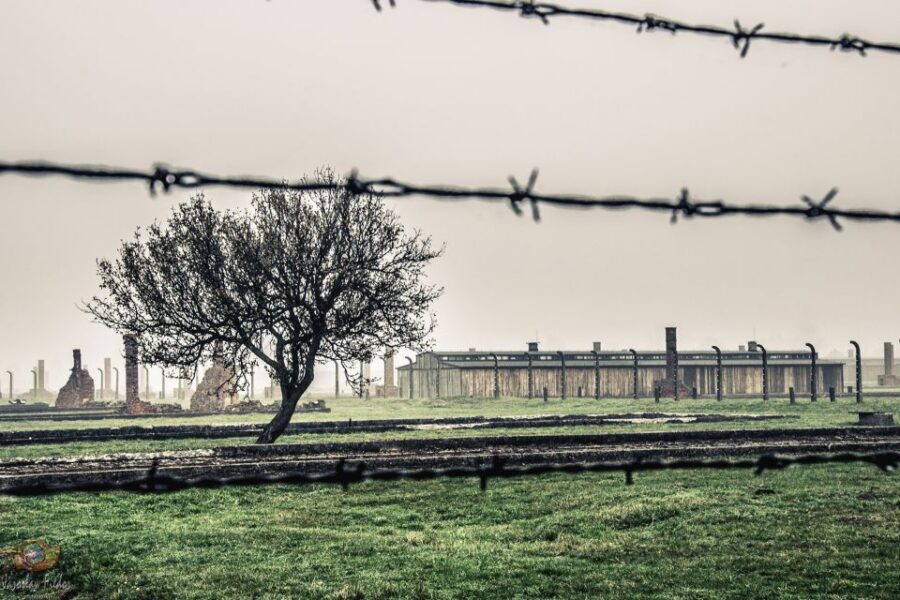
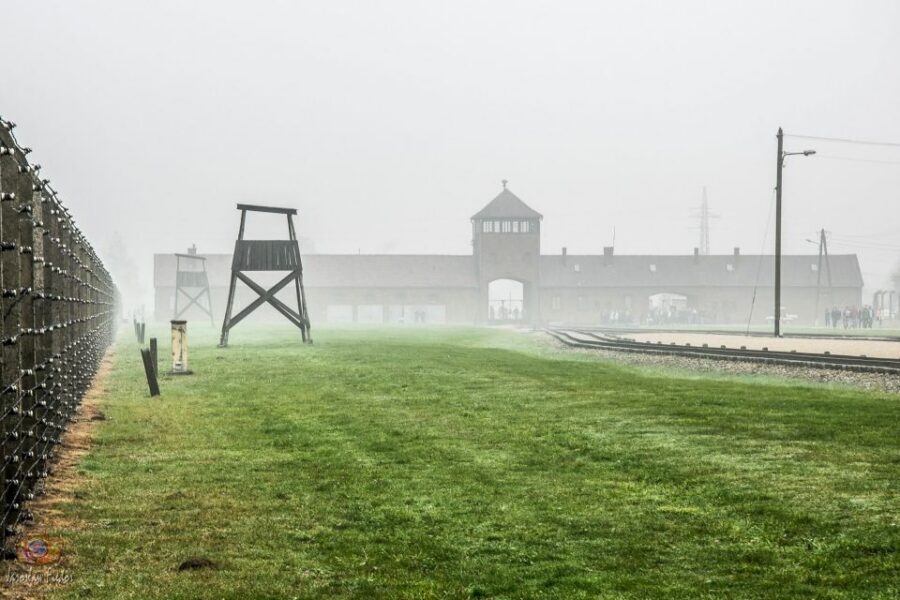
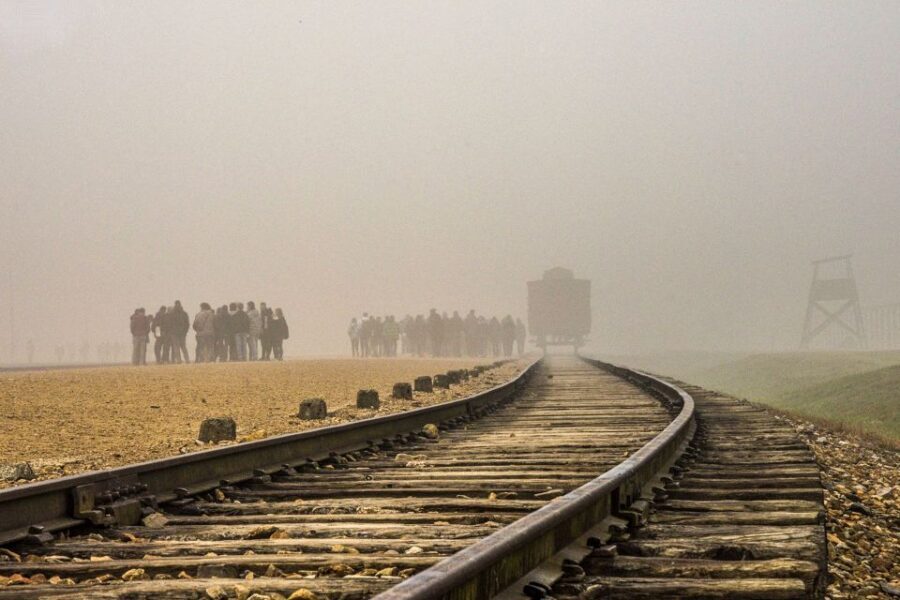
Birkenau (Auschwitz II) is the camp where mass murders were carried out as part of the Nazis Final Solution to the Jewish Problem. Compared with Auschwitz I, the atmosphere shifts because the space is bigger and the routes stretch out.
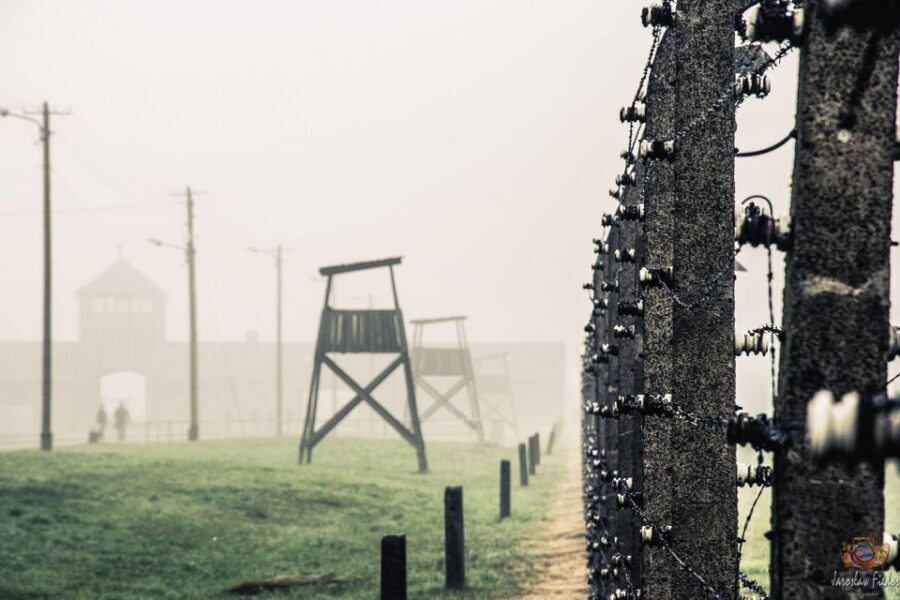
In practice, the visit to Birkenau tends to be where people feel the weight of scale. You can read about it for years, but seeing the grounds helps you understand why the system relied on organization, distance, and isolation. The guide will keep you moving while explaining how the camp operated and why it was built the way it was.
Birkenau is also more exposed. Expect more standing and walking outside. If you’re visiting in colder months, plan like a local: warm layers, gloves if you run cold, and footwear you trust on uneven ground.
You can also read our reviews of more guided tours in Oswiecim


Headsets and pacing: how you keep the story clear
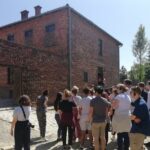
This tour includes headsets, which is one of those “small thing, big difference” upgrades. When you’re in crowds and the group shifts direction, hearing the guide clearly keeps you from losing the thread.
Pacing is generally set to cover Auschwitz I and Birkenau within the total time—210 minutes. That means there’s not a lot of free-form browsing inside every room. Some visitors want more time to read and linger, especially in exhibition areas. If that’s you, be ready to balance reflection with movement.
There’s also a group management reality. Some people have noted it can be easy to get slightly separated in Birkenau, especially if walking pace varies or weather is rough. You can reduce that risk by staying aware of where your guide is and by not drifting too far when you’re free to look around.
Price and value: $21 for a guide-led memorial visit
$21 per person sounds straightforward, but value comes from what’s included. This ticket price covers fast-track entry, a museum guide, and headsets. It’s also tied to a guided route through both Auschwitz I and Birkenau, rather than just admission.
If you were to do this alone, you’d still face security checks and timed constraints, and you’d spend more time sorting out logistics and interpreting what you’re seeing. Here, the guide provides the translation between objects and meaning—exactly what you want at a place like this.
So the best “value” question isn’t, Is it cheap? It’s: Will you get a clear explanation while you stand in front of the evidence? With a live guide plus headsets, you’re paying for learning in real time.
What to pack and wear so the day stays doable
The tour has real rules, and following them makes the day smoother.
Bring:
- Passport or ID card
- Drinks
- A packed lunch
Pack smart for comfort, not just weather. Many people find the emotional impact hits harder than expected, so tissues can be helpful.
Watch clothing and bag limits:
- No luggage or large bags
- The maximum size permitted is 20 x 30 cm
- Short skirts and sleeveless shirts are not allowed
Also:
- No pets
- No smoking
- No alcohol and drugs
If you’re driving, remember that you may have parking costs at different points of the day depending on where you end up. The tour’s own info says parking fees aren’t included, so plan for that risk.
Who this guided tour suits best (and who should reconsider)
This tour is not suitable for children under 12. It also isn’t for wheelchair users. That’s partly about access and partly about the structure of moving through the sites efficiently.
It suits you if:
- You want a guided WWII educational explanation alongside the preserved camp areas
- You prefer having a plan so you don’t lose time figuring out routes
- You’re okay with a somber visit that moves at a steady pace
It might not suit you if:
- You need lots of downtime to process and read slowly in every building
- You’re very sensitive to cold and long outdoor segments without breaks
Should you book this Auschwitz-Birkenau guided tour?
Yes, you should book it if your goal is understanding, not just arrival. The combination of fast-track entry, a live WWII educator, and headsets helps you get real learning without the day turning into a logistical mess.
Do book it with your eyes open: it’s heavy. You’ll walk outside, you’ll follow rules, and you’ll move quickly through two major parts of the memorial. If you can handle that structure—and you want someone to guide you through what you’re seeing—this is a solid, practical way to visit Auschwitz-Birkenau.
If you prefer total freedom to wander slowly with no transfers or regrouping, you may want a different format. But for most people, this guided setup is the right mix of value and direction.
FAQ
How long is the Auschwitz-Birkenau skip-the-line guided tour?
The duration is 210 minutes.
What is included in the tour price?
You get a fast-track entry ticket, a museum guide, and headsets.
Which languages are the live tours available in?
The guide runs in English, German, French, Spanish, and Italian.
What time window does the tour operate?
The tour can take place between 7:30 AM and 3:00 PM. The exact starting time is sent to you the day before.
Do I need to bring an ID?
Yes. You should bring your passport or ID card.
Are large bags and backpacks allowed?
No large bags are allowed. The maximum permitted bag size is 20 x 30 cm.
Is transportation between Auschwitz and Birkenau included?
No. The tour does not include transportation between the two camps. After Auschwitz I, there’s a 15-minute break and you need to get to Brzezinka’s car parking area on your own (about 2 km).
Is this tour suitable for children?
No, it’s not suitable for children under 12.
Is it wheelchair accessible?
No, it’s not suitable for wheelchair users.