REVIEW · KRAKOW
Auschwitz-Birkenau Guided Tour & Transfer from Krakow
Book on GetYourGuide →Operated by LegendaryKrakow · Bookable on GetYourGuide
Auschwitz is not an ordinary day trip. This guided transfer from Krakow takes you to Auschwitz I and Auschwitz II-Birkenau with skip-the-line entry and a timed visit that keeps the logistics from eating your energy. I love how smoothly the day runs thanks to well-organized pickups and transfers, and I also love the guided, on-site walkthrough that helps you follow what you’re seeing instead of just staring at signs in silence. The biggest drawback is the obvious one: it’s heavy, fast-paced, and it’s not designed for lingering or for anyone who needs extra mobility support.
What makes this option especially practical is that it’s built around how the memorial expects visits to flow. You’ll get a guided group experience in English, plus a booklet-style approach where you read information about the places you pass, one point at a time. If you’re hoping for a gentle pace or lots of free time, you should adjust your expectations.
In This Review
- Key things I’d plan for before you go
- Auschwitz-Birkenau from Krakow: why the guided transfer is the smart move
- How the 7-hour structure keeps the day workable
- Auschwitz I: what you’re actually seeing and why the guide matters
- Birkenau (Auschwitz II): the largest camp area and the scale shock
- Transport and pickup: the “make or break” part of a hard day
- What the booklet-style, guided format feels like in practice
- Price and value: is $34 a fair deal for this kind of day?
- Who this Auschwitz-Birkenau tour suits (and who should skip it)
- Practical do’s and don’ts so your day runs smoothly
- Should you book this Auschwitz-Birkenau tour from Krakow?
- FAQ
- How long is the Auschwitz-Birkenau guided tour from Krakow?
- Is skip-the-line entry included?
- What language are the tours in?
- Where are the pickup and drop-off locations in Krakow?
- What should I bring and what clothing is not allowed?
- Who is this tour not suitable for?
Key things I’d plan for before you go
- Skip-the-line entry so you spend time where it matters, not in waiting rooms.
- Two sites in one day: Auschwitz I first, then Auschwitz II-Birkenau on the same guided flow.
- Fixed pacing by the memorial, meaning your schedule is shaped by the visitor service, not by you.
- Clear clothing and bag rules: no shorts, no sleeveless shirts, and luggage limited to 30x20x10 cm.
- English live guide with real commentary, with guides who multiple people describe as respectful and careful with the subject.
- A long transfer day from Krakow, roughly a 7-hour total block.
Auschwitz-Birkenau from Krakow: why the guided transfer is the smart move
If you’re visiting Krakow, this is the excursion you can’t really improvise. Auschwitz-Birkenau isn’t like most museums where you pick up the audio guide and wander when you feel like it. The memorial has strict visitor flow, and that’s exactly why a guided tour with transport can feel like a relief.
This experience is built around round-trip transportation from Krakow, plus skip-the-line entry. That matters because a day like this is already intense. When the pickup is organized and the tickets are handled, you can focus on the walk through the camps instead of the stress of figuring out timing, lines, and which bus goes where.
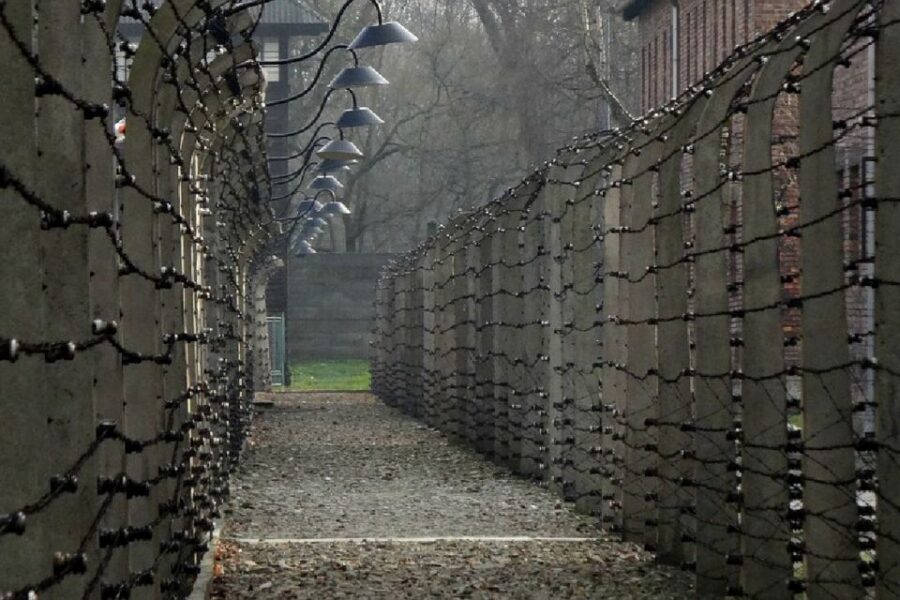
It’s also a “both sites” plan: you visit Auschwitz I, then you go on to Auschwitz II-Birkenau, the larger camp area. Seeing both helps you understand the scale and the system, not just one slice of it. In a lot of places, you can satisfy curiosity with a single stop. Here, one site sets context and the second one shows the broader operation.
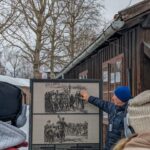
One more practical point: the group tour is in English. You’ll have a live guide and a booklet-style method for following information on the places you see as you move through. That combination tends to work well when you want structure, and you don’t want your attention pulled away by logistics.
You can also read our reviews of more guided tours in Krakow

How the 7-hour structure keeps the day workable

This is a full day that runs on a tight but humane timeline. Expect the total experience to be about 7 hours (listed as 450 minutes). The transfer is part of that total, and the schedule includes guided time plus short breaks.
Here’s how the day generally feels on the ground:
- You start with a Krakow pickup from one of several options (including areas like Kiss&Ride-style stops and well-known landmarks such as Radisson Blu Hotel). Pickup times are approximate, and the exact visiting time is set by the memorial the day before.
- You then travel by coach/bus to Auschwitz, with the first travel block taking about 1.5 hours.
- At Auschwitz I, you get a short break, with coffee and a small window of free time (about 15 minutes), before the main guided walk.
- The guided portion at Auschwitz I is about 105 minutes, which is long enough for the guide to connect what you’re looking at to the larger story without turning it into a rushed checklist.
- You move on shortly after, with a short coach transfer (about 10 minutes) to the next camp area.
- At Auschwitz II-Birkenau, the guided walk is about 75 minutes, followed by another short break and a small stretch of free time (again about 15 minutes, with shopping available).
One thing to know: your pace is controlled by the memorial’s visitor service. That’s not a flaw of the operator—it’s how they manage crowds in a place with limited space and heavy interpretive routes. The upside is predictability. You’re less likely to end up lost or stuck waiting. The downside is you can’t slow down for your own comfort level.
Auschwitz I: what you’re actually seeing and why the guide matters
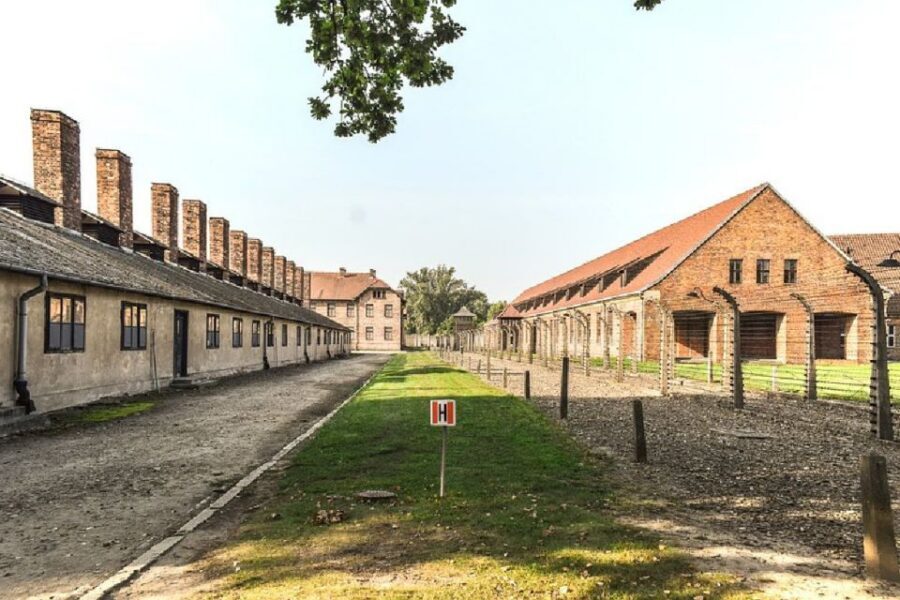
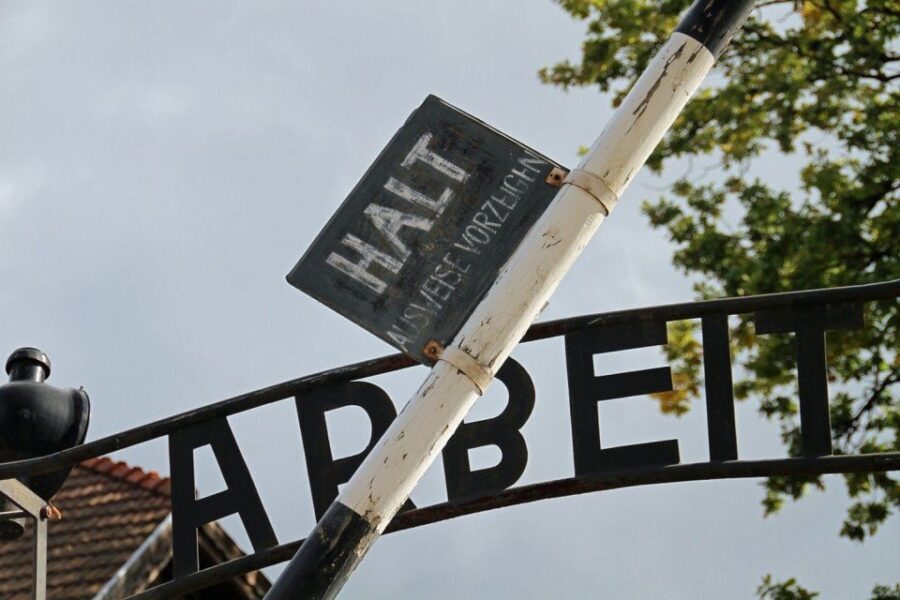
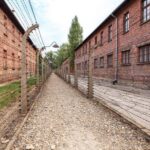
Auschwitz I is the starting point that gives you the framework. You’re not just walking past buildings; you’re walking through a camp system that the Nazis established starting in 1940, in the suburbs of Oswiecim. This is also where many visitors first feel the “weight” of the place, because the site includes structures tied to prisoners’ confinement and the machinery of genocide.
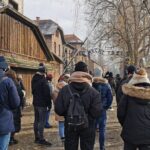
Your experience at Auschwitz I includes a guided tour with time to walk through key areas and see things such as the former gas chambers and the barracks where prisoners were kept. That word choice matters. You’re not seeing a reenactment. You’re seeing the remaining spaces and interpretive markers that let a guide explain what happened there.
You’ll also notice the tour is designed around sequential information. Instead of dumping facts at you all at once, the booklet method pairs reading with where you are standing. That helps you make sense of details that can otherwise feel random—barrier after barrier, doorway after doorway, fence line after fence line.
This is where an excellent guide becomes more than a “nice bonus.” Multiple people in the provided feedback highlight guides who were careful in tone and strong at explaining. Names like Izabela, Mark, Magdalene, Justina, and Mateusz show up in the experiences people describe. Even if you don’t get the same guide, the consistency in what people praise points to the operator’s emphasis on respectful interpretation.
A practical drawback: Auschwitz I isn’t a “sit down and look around” stop. It’s walking, standing, and reading as you go. Wear comfortable clothes and shoes you don’t mind using on uneven surfaces and long stretches.
Birkenau (Auschwitz II): the largest camp area and the scale shock
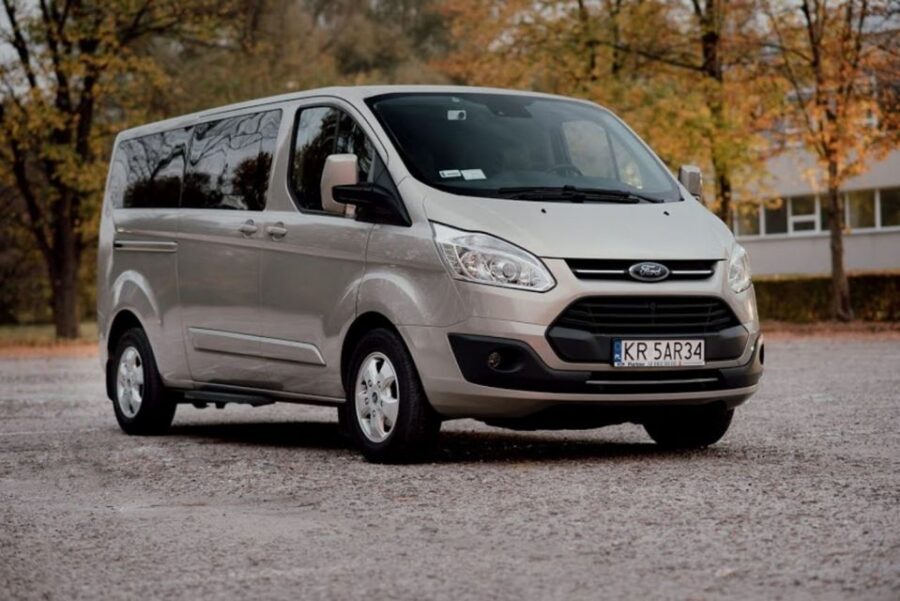
Then comes Auschwitz II-Birkenau, the largest of the former Nazi concentration camps. This site is where the experience shifts from “what happened here” to “how immense the system was.”
The tour gives you a guided walk of about 75 minutes at Birkenau. In that time, you should expect to see the layout and the remaining spaces that document the camp’s scale. One review mentions the famous photo entrance area being covered by a large tent during preparations for a January anniversary, with the museum housed under that setup. That’s seasonal, not guaranteed, but it’s a useful heads-up: in some periods, the view you pictured might be partially altered by temporary structures.
Even if you’ve read about Birkenau before, the physical space can still surprise you. That’s one reason this guided format is helpful. A guide can point out what matters visually, and what you’re meant to understand from what you’re seeing, without turning it into a scavenger hunt.
For me, the key value of visiting both camps in one day is how it helps you connect context. Auschwitz I helps explain the “beginning and structure.” Birkenau shows the “scale and logistics” side of the system. You can leave with a clearer sense of how mass imprisonment and extermination were organized.
Transport and pickup: the “make or break” part of a hard day
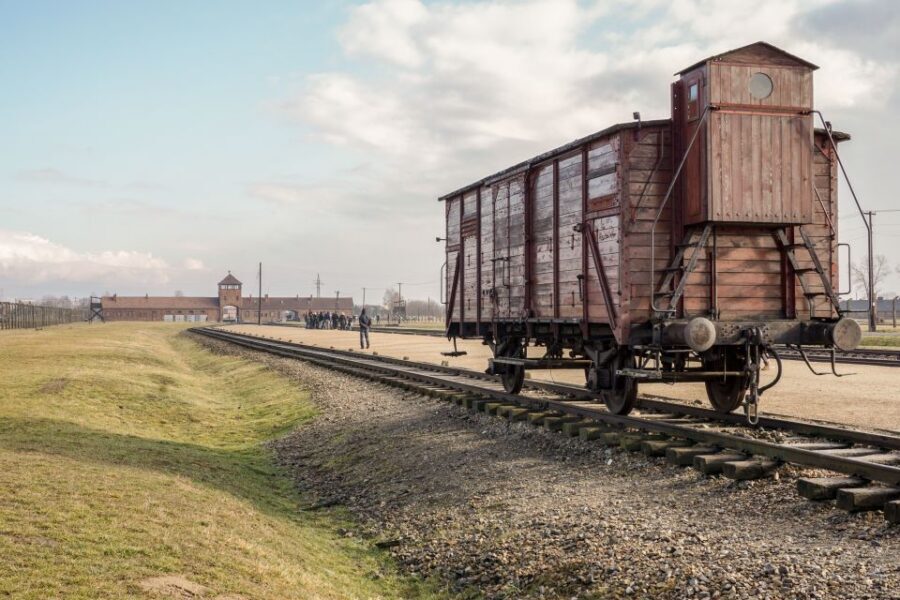
On paper, Auschwitz is the main event. In real life, getting there without stress matters just as much. You’ll be traveling from Krakow by coach/bus, and the experience includes round-trip transportation.
Pickup is available from multiple 6 Krakow options, including Kiss&Ride and specific pickup points like Przystanek Turystyczny and the Radisson Blu Hotel area. What you should like here is flexibility: the pickup points make it easier to meet the group without doing a long pre-dawn commute across town.
Several people also describe communication that made finding the pickup simpler—like receiving a link the day before via message. That’s worth caring about because the worst part of any tour logistics failure is the wasted time right before you go into something this emotionally intense.
The driving experience also gets praised in the feedback. Names like Michael, Matthew, Kamil, Ali, Lucas, Robert, Patryk, and Piotr show up as drivers people found helpful, polite, and professional. Whether your driver matches these names or not, it’s a good sign that the operator invests in the human part of the trip. A calm, clear drive helps you arrive mentally ready.
You can also read our reviews of more tours and experiences in Krakow



What the booklet-style, guided format feels like in practice
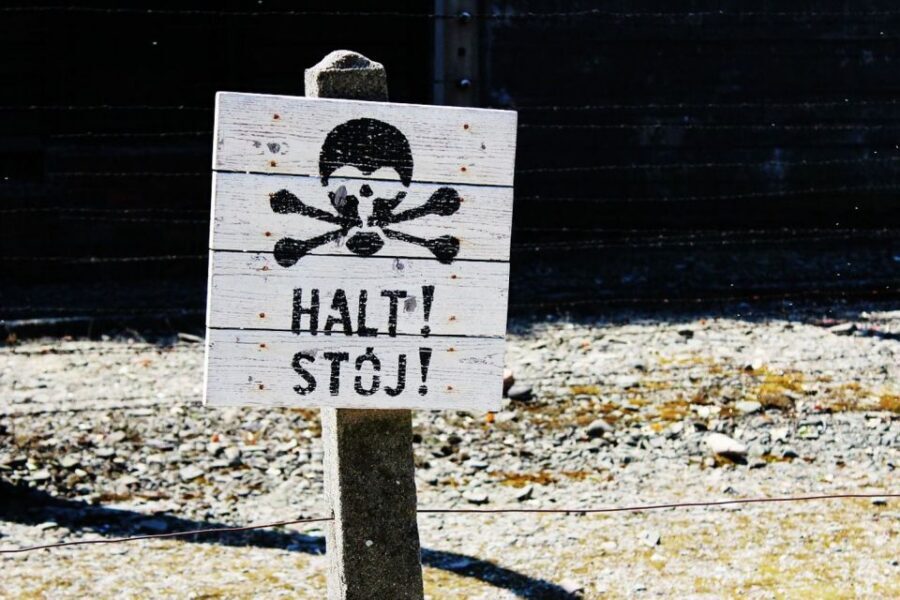
One detail that I think makes this tour more than just transportation is the way information is delivered. You don’t just hear a lecture while the group walks. You get a booklet and read information about places you’re passing, one step at a time.
That structure helps in two ways:
First, it reduces confusion. In a place this heavy, your brain fills in gaps when you don’t have context. A guide and a booklet prevent that guesswork by attaching meaning to locations as you approach them.
Second, it gives your attention somewhere to land. You can focus on what you’re reading and what the guide is pointing out rather than trying to interpret everything alone in the moment.
Also, the tour is described as a guided group tour with a live guide (English). A live guide can pace the commentary to how the day is unfolding, and they can answer questions if the format allows it. Even when questions aren’t possible, guides can still adjust their explanations in real time based on what people seem to be absorbing.
Price and value: is $34 a fair deal for this kind of day?
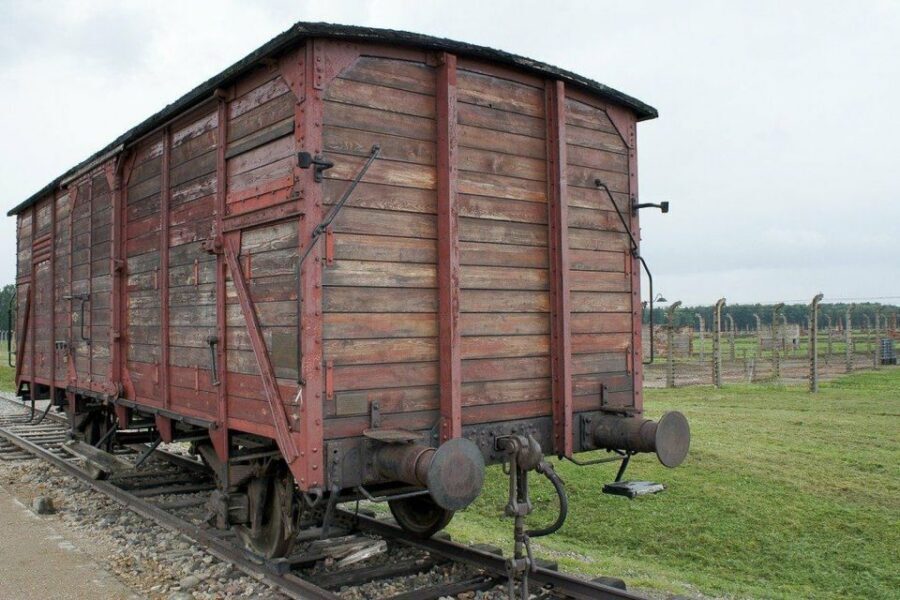
At $34 per person, this is priced as a budget-friendly way to do an Auschwitz visit with the key “pain points” handled. For a day trip that includes round-trip transport, skip-the-line entry, and an on-site guided tour (when you select the guided option), the value is in the bundle.
Here’s how I’d think about it:
- If you try to DIY, you’ll spend time coordinating transport, finding tickets, and managing timing in a place that sets the pace.
- The skip-the-line entry matters because it removes a big unknown at the start of the day.
- The transport removes stress and lets you arrive without worrying about schedules or navigating out to the camp area.
Could you find cheaper? Maybe. But the cheapest option often costs you time and mental energy—two things you want on a day like this. At this price level, it’s a strong option for people who want structure and not a full-service private driver-and-guide setup.
One more note: entrance depends on visitor details. You’re required to provide your full name and contact details as part of the booking, and entry can be refused if the name doesn’t match the ID. So part of the “value” is also risk management: you want to get your booking details right.
Who this Auschwitz-Birkenau tour suits (and who should skip it)
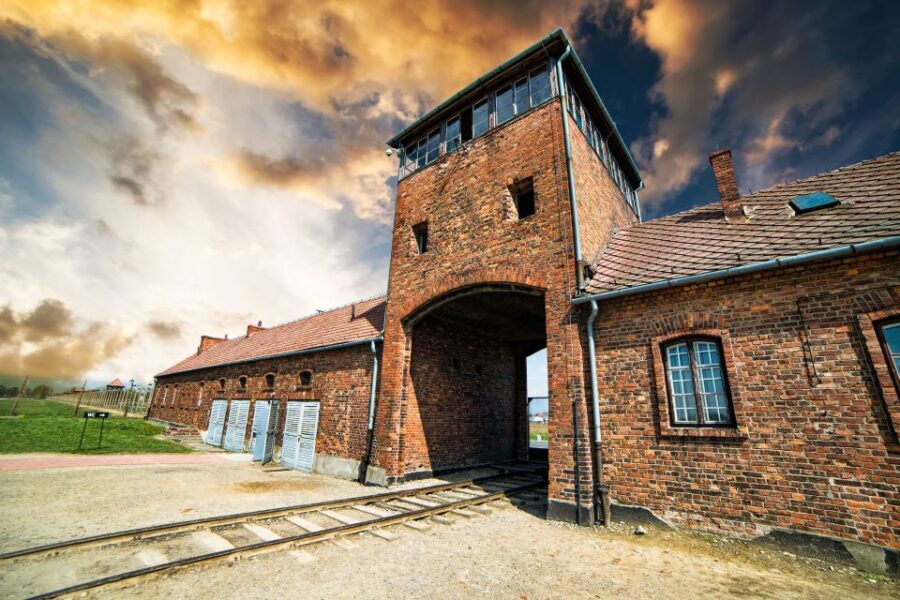
This is a good fit if you want:
- A guided explanation in English and a booklet format that helps you follow along.
- Both Auschwitz I and Auschwitz II in one day, with coordinated timing.
- A trip designed to reduce logistics stress from Krakow.
It’s also a good match if you like being in a group where the day has structure. Many people find that helps them stay focused rather than overwhelmed.
But you should skip it if:
- You’re traveling with a child under 14 years (not suitable).
- You need accessibility accommodations for mobility impairments (not suitable).
Also, be realistic about free time. The breaks are short. If you want long pauses for reflection, this tour won’t feel built for that.
Practical do’s and don’ts so your day runs smoothly
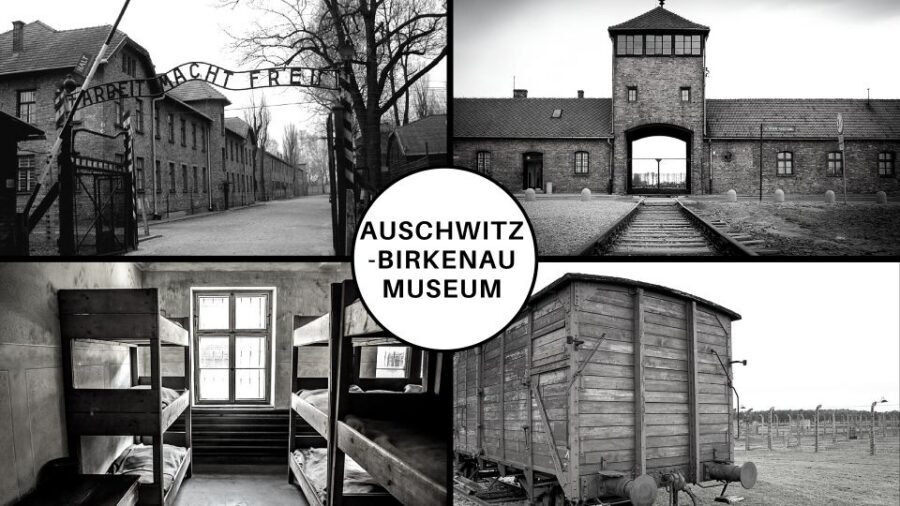
Auschwitz-Birkenau is strict, and the rules are there to manage the visitor space and preserve the site environment. Based on the tour guidance, bring:
- Your passport or ID
- Water and snacks
- Comfortable clothing and shoes
Don’t bring:
- Shorts
- Sleeveless shirts
- Luggage or large bags
- Bags larger than 30x20x10 cm
One more “plan for it” item: departure time is approximate and can change up to 3 hours, because the museum sets the visiting time the day before. Build buffer into your Krakow schedule so you don’t feel rushed beforehand.
Should you book this Auschwitz-Birkenau tour from Krakow?
I’d book this if you want a structured day with the biggest logistics solved: pickup from Krakow, round-trip transport, skip-the-line entry, and a live English guide at both sites. The price-to-inclusions ratio is strong for what you get, and the repeated praise around how smoothly the trip runs is exactly what matters before you enter a place this emotionally intense.
I wouldn’t book it if you’re looking for a flexible, slow, independent museum-style visit. The memorial controls the pace, the day is timed, and the walk is substantial.
If you do book, the smart move is to treat your prep seriously: match your name to your ID, pack within the bag rules, and dress appropriately. Then arrive ready to follow the guide’s structure and let the booklet points anchor what you’re seeing. That’s the best way to turn a difficult day into a meaningful, understandable one.
FAQ
How long is the Auschwitz-Birkenau guided tour from Krakow?
The total duration is listed as about 7 hours (450 minutes), including transport time.
Is skip-the-line entry included?
Yes. The ticket entry to the Auschwitz-Birkenau Memorial is included with skip-the-line access.
What language are the tours in?
The live tour guide is available in English.
Where are the pickup and drop-off locations in Krakow?
Pickup is included from Krakow with multiple options (6 pickup locations). Drop-off is listed as Stare Miasto, Kraków.
What should I bring and what clothing is not allowed?
Bring your passport or ID, water, and snacks. Shorts and sleeveless shirts are not allowed.
Who is this tour not suitable for?
It’s not suitable for children under 14 and for people with mobility impairments.