REVIEW · KRAKOW
Wieliczka Salt Mine Tour Including Hotel Pick-Up
Book on GetYourGuide →Operated by Mr.Shuttle · Bookable on GetYourGuide
Salt is a miracle underground. This Wieliczka Salt Mine tour takes you down about 140 meters into a working salt world that’s been producing salt for over 700 years. The main draw isn’t just the depth—it’s the way the mine looks like art made by miners, with carvings, statues, and equipment all fashioned from salt.
What I like most is the scale of the underground churches and chapels, especially the Chapel of the Blessed Kinga more than 100 meters below the surface. One thing to consider: this is a stair-heavy trip, starting with a wooden descent of 378 steps and continuing with lots of walking overall.
In This Review
- Key things that make this tour work
- A Kraków Day Trip That Feels Like a Working World
- Hotel Pickup From Kraków: The Real Time-Saver
- Going 140 Meters Down: Stairs, Cold, and Claustrophobia Checks
- The Salt Mine Route: 2.5 km of Chambers, Statues, and Tools
- Chapel of the Blessed Kinga: The Moment You Stop and Gawk
- Underground Life Beyond the Chapel: Churches, Sanatorium, and Salt Lake
- Photo Rules, Food Stops, and What to Bring
- Price and Logistics: Is $83 Worth It?
- Who This Tour Fits Best (and Who Should Think Twice)
- Should You Book This Tour From Kraków?
- FAQ
- How long is the Wieliczka Salt Mine tour with hotel pickup?
- How far underground do you go?
- Are there a lot of stairs?
- What’s included in the ticket price?
- Can I take photos inside the salt mine?
- Is luggage allowed?
Key things that make this tour work
- Door-to-door pickup from Kraków cuts travel stress so you get more mine time.
- A 2.5-hour guided route underground with a walking circuit of over 2.5 kilometers.
- Salt-crafted art and tools: carvings, statues, and mining equipment made of salt rock.
- Kinga’s chapel is the big emotional moment, located more than 100 meters underground.
- Headphones inside the mine help you catch every detail from your English guide.
- Lots of steps: plan for the wooden stairs early, then more movement throughout.
A Kraków Day Trip That Feels Like a Working World
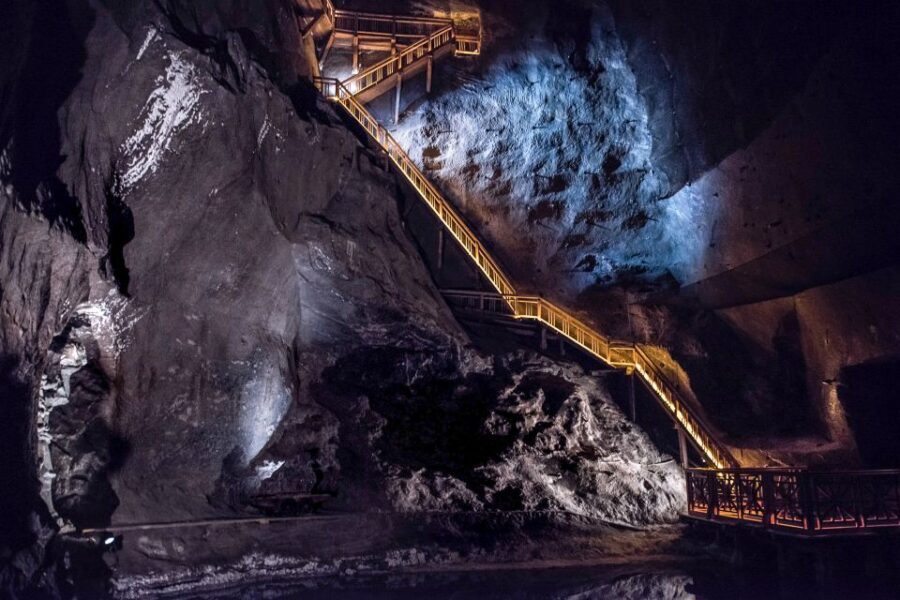
Wieliczka is not one of those places where everything is staged on day one and forgotten on day two. It’s a real working mine that has been producing table salt for more than 700 years. That matters because the visuals don’t feel like a museum set built in one decade. They feel like an industry that kept going, and kept leaving marks behind.
The tour is built around the most memorable part of that story: you see how miners carved, built, and adapted the underground space over generations. You’re surrounded by salt sculptures and salt architecture, and you also get glimpses of mining tools and working areas. It’s the kind of sightseeing that makes you look up, not just around.
You can also read our reviews of more tours and experiences in Krakow.


Hotel Pickup From Kraków: The Real Time-Saver
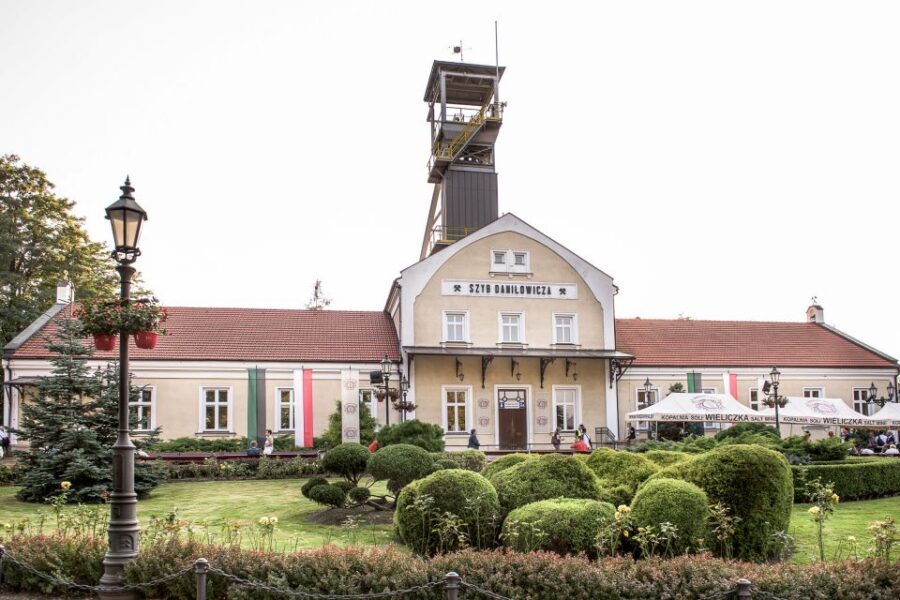
The biggest practical win here is the door-to-door transportation from Kraków. You’re not hunting for meeting points, dragging bags through the city, or timing your walk to someone else’s schedule. Instead, you get a van transfer—about 30 minutes each way—with the mine visit doing most of the heavy lifting.
This is also one of those tours where “small delays” can add up. The operator notes that traffic can cause up to a 15-minute delay at pickup time, so I’d plan to be outside when they expect you. Some guides you may get are named in past experience—Simon and Tomas show up in English-guided tours for clear explanations and good pacing—so you’re likely to start strong once you reach the mine.
One more logistics point: you’re traveling with other people in the van. That’s not a downside; it’s usually part of why the price stays reasonable. Just know you may share the ride.
Going 140 Meters Down: Stairs, Cold, and Claustrophobia Checks
You descend about 140 meters total, and the first big step-down happens early. To reach the first level (around 64 meters underground), you climb a wooden stairway of 378 stairs. That’s not “sporty.” It’s steady, real stair time.
Bring comfortable shoes and wear clothing you can move in. You’ll likely feel cooler air at the beginning, and it can take a minute to warm up once you’re walking through chambers. If you’re the type who needs to regulate your breathing, treat this as cardio with scenery.
Also, be honest about enclosed spaces. The underground is a maze of chambers, corridors, and tight corners, and the return elevator is described as cramped by some people. If you’re claustrophobic, this tour may be challenging. If you do go anyway, I’d follow the practical tip many visitors use: get settled toward the back of the elevator and look up to give your brain more space.
The Salt Mine Route: 2.5 km of Chambers, Statues, and Tools
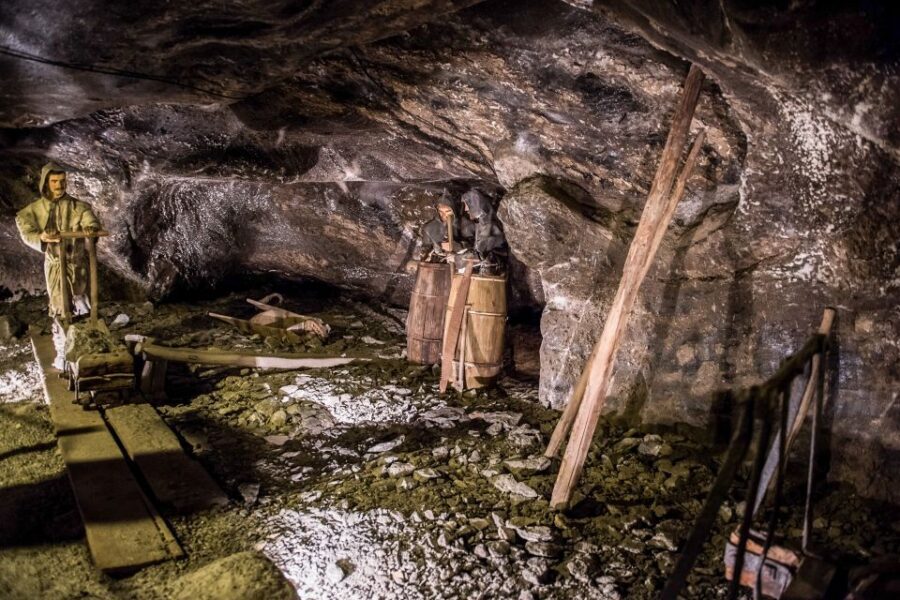
Once you’re underground, the tour pacing is designed to keep you moving but not rushing. You’ll follow a route that’s more than 2.5 kilometers, visiting multiple chambers and underground levels. A key idea here: it’s not one long hallway. It’s a sequence of spaces that change in height, decoration, and function.
Here’s what the tour lets you “read” as you walk:
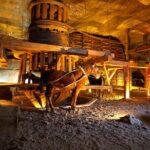
- You’ll see carvings, statues, and mining machines made of salt.
- You’ll learn how miners created artworks over centuries, turning rock salt into altars, churches, and public spaces.
- You’ll visit areas across 9 underground levels, so the mine feels layered rather than repetitive.
At times you’ll pause naturally because the scale is hard to process while walking. You’re looking at life-size salt statues and whole underground church spaces, not just a few photo spots. It’s also a good place to slow down and imagine what daily work would have looked like down there.
One practical note: audio is included. You get headphones inside the mine to hear your English-speaking guide more clearly. In past tours, some people noted occasional headset crackle or weak signal inside certain underground pockets, so don’t expect concert-hall sound. Still, it’s usually enough to follow the story without straining.
Chapel of the Blessed Kinga: The Moment You Stop and Gawk
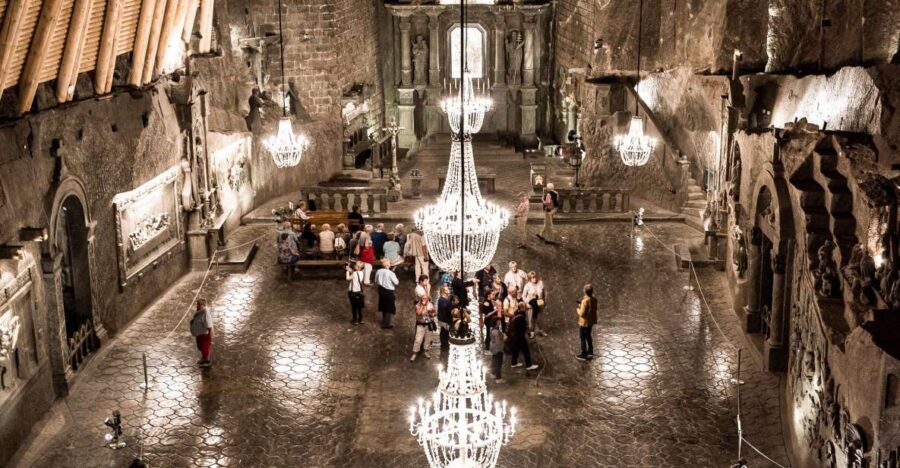
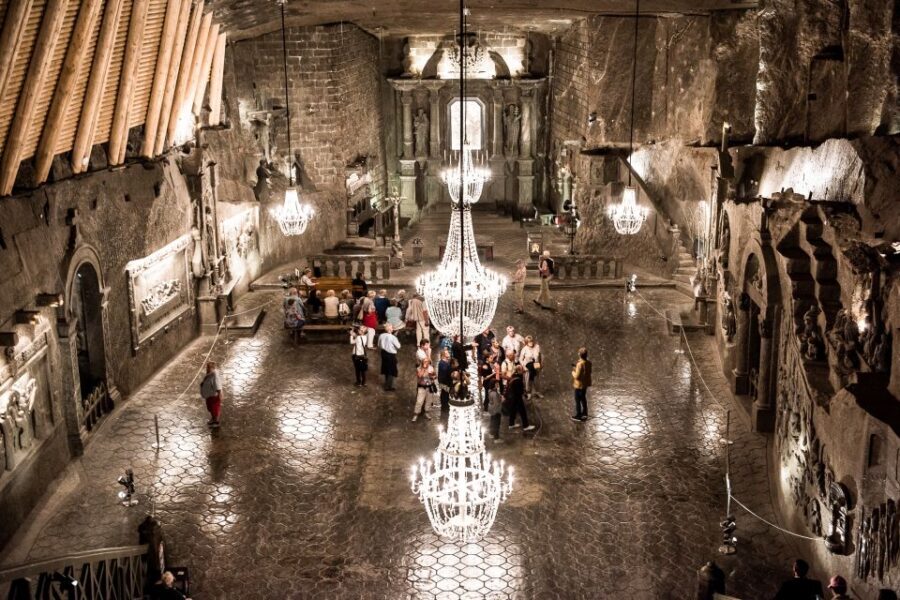
If you’re trying to pick one “must-see” inside Wieliczka, it’s the Chapel of the Blessed Kinga. It’s the largest of the chapels and sits more than 100 meters below the surface, which means you feel the underground scale immediately.
This isn’t just a pretty room. It’s part of what makes the mine different from other underground attractions: the decoration isn’t painted on after the fact. It’s carved and built from salt rock, including altars and sculpture-like forms that reflect a long tradition of underground craftsmanship.
I like this stop for two reasons. First, it gives you a mental reset during the walk: you stop moving and let the space land. Second, it connects the mine’s industrial purpose with its community side. The mine wasn’t only about extraction—it became a place where people built sacred spaces underground.
If you like guides who make details click, keep an ear out for humor and clear explanations. Simon is one name that’s been associated with entertaining, well-paced storytelling, and guides like Tomas or Christopher have also been praised for making the mine’s layout and purpose easier to understand while you’re still walking.




Underground Life Beyond the Chapel: Churches, Sanatorium, and Salt Lake
Wieliczka doesn’t just show you art. It shows how salt shaped different kinds of underground life. Over your route, you’ll get exposure to several “special purpose” areas, including:
- An underground museum
- Special chambers, including a sanatorium for respiratory ailments
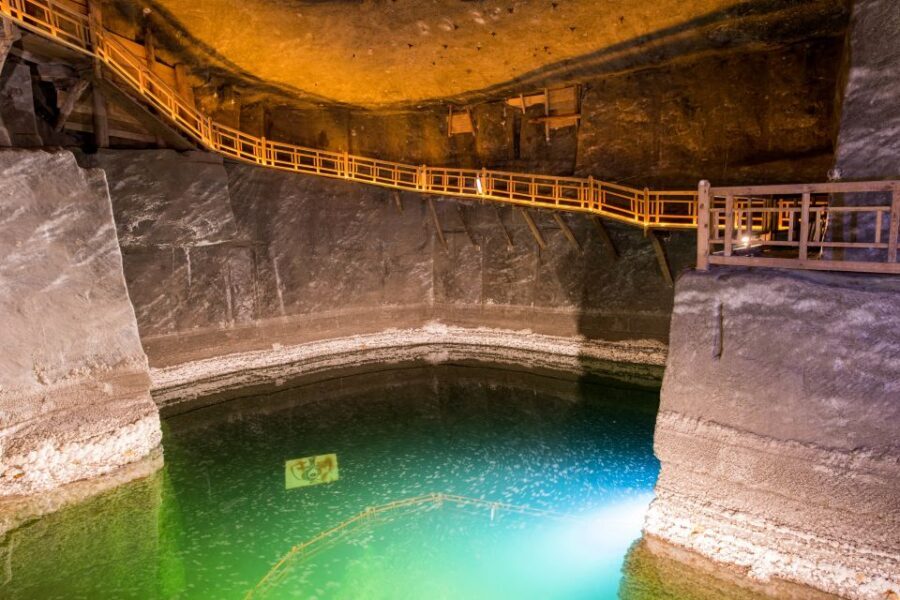
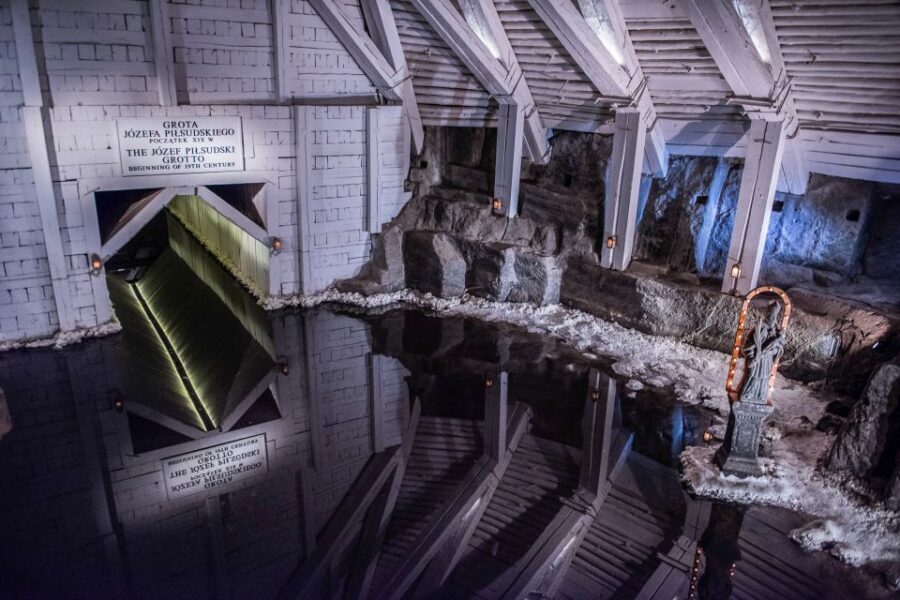
- A subterranean lake, open to visitors since the early days of mining operations
The sanatorium piece is a good reminder that salt caves aren’t only visual attractions. Even if you’re not treating anything medically, the idea adds depth. It makes you think about how the mine’s environment can be used in different ways, not just as a quarry.
And the lake? It’s one of those moments that makes the mine feel alive and changing. A water feature underground shifts the mood from “cathedral of rock salt” to “working underground system with its own ecosystem.”
Photo Rules, Food Stops, and What to Bring
A few small things can make or break your comfort level.
Photos: Photo permission inside the mine is not included in the base ticket. You can pay on the spot (10zł). If photography matters to you, budget for it early so you don’t feel rushed when you see the chapel.
Food and drink: There are places to buy drinks and food underground, but timing can vary. A useful tip is to bring a drink so you don’t end up waiting too long for a refresh point during longer stretches of walking.
Luggage: Large bags and luggage are not allowed. Travel light. Use the daypack rule: if it’s extra weight you can drop back at your hotel, drop it.
Price and Logistics: Is $83 Worth It?
At about $83 per person for a 4-hour experience, the value is strongest when you factor in what’s included and what you avoid.
Included:
- Door-to-door transportation in Kraków
- English-speaking guide at the mine
- Entrance ticket to the Wieliczka Salt Mine
- Headphones inside so you can hear the guide better
- Skip-the-ticket-line
What you’re really paying for is convenience plus guided context. Wieliczka is impressive even without a guide, but the carvings and multi-level spaces make more sense when someone explains how the mine was organized over time. The guide component is where the experience becomes more than “look at salt statues.”
If you were going to pay separately for transport, then buy tickets, and then still try to manage timing on your own, this price often looks easier to justify. The return elevator is quick, and once you’re set up underground, the guided route keeps you from wandering in circles.
Who This Tour Fits Best (and Who Should Think Twice)
This tour is a great fit if you:
- Want a Kraków day trip that’s short on logistics and long on impact.
- Like walking that has a clear payoff every 5–10 minutes.
- Enjoy learning what you’re seeing, not just checking off a landmark.
- Prefer English guidance without needing to translate everything alone.
Think twice if you:
- Have mobility limits related to steps. The wooden stairway is 378 stairs before you even reach the first level, and there are reports of 800+ steps total across the full route.
- Feel uncomfortable with enclosed spaces or a cramped elevator. The mine is naturally tight and underground rides can feel small.
For most people, it’s manageable with the right shoes and a calm pace. Don’t sprint up the wooden stairs. Let your legs warm up and your breathing steady out, because the best parts of Wieliczka come after you get going.
Should You Book This Tour From Kraków?
Yes—book it if you want an efficient, guided introduction to one of the world’s most unusual underground places. The hotel pickup is the deciding factor for many people because it protects your morning from confusion and helps you arrive ready to focus on the mine.
I’d recommend booking with this structure rather than trying to cobble things together yourself, mainly because the guided route, headphones, and ticket handling keep the experience smooth. Just do one homework item: plan for stairs and travel light, and you’ll have a day that feels like more than a tourist stop.
FAQ
How long is the Wieliczka Salt Mine tour with hotel pickup?
The total experience is about 4 hours, including pickup and round-trip van transport, with a guided tour underground of about 2.25 hours.
How far underground do you go?
You descend about 140 meters underground into the mine.
Are there a lot of stairs?
Yes. You climb a wooden stairway of 378 stairs to reach the first level, and the overall route involves many steps.
What’s included in the ticket price?
The price includes door-to-door transportation, an English-speaking guide at the mine, the entrance ticket, and headphones inside the mine.
Can I take photos inside the salt mine?
Photo permission inside the mine is not included. You can pay 10zł on the spot.
Is luggage allowed?
No. Luggage or large bags are not allowed.