REVIEW · KRAKOW
From Krakow: Auschwitz-Birkenau Tour with Transportation
Book on GetYourGuide →Operated by Pavel Travel Paweł Rosół · Bookable on GetYourGuide
This day trip is hard to shake off. Auschwitz-Birkenau is one of the most important places in Europe to understand the Holocaust and what genocide looks like on the ground. What makes this experience feel different is the easy Krakow-to-Oświęcim transport setup, so you spend less energy on logistics and more on being present where history happened.
I especially like the skip-the-ticket-line benefit and the built-in support before you enter. You’ll get informational booklets in multiple languages, plus clear meet-up instructions at the Kiss&Ride point on Pawia Street 18, directly opposite Mercure Hotel. On days like this, those little details matter.
The main consideration is time. You get a visit lasting up to about 2.5 hours (with break time too), which is enough to understand a lot, but not enough to see everything slowly at both camps.
In This Review
- Key takeaways before you go
- Krakow pickup and the real timeline of a 7–8 hour day
- The ride to Oświęcim: comfort, orientation, and how not to waste energy
- A short stop at Judenrampe: why that first 20 minutes sets the tone
- Auschwitz Museum visit: what your up-to-2.5-hours window can realistically cover
- Birkenau Memorial: seeing the scale while your schedule stays tight
- Booklets, photo limits, and getting oriented without a live guide
- Transportation value: why $38 can make sense when you add up what’s included
- Guides, hosts, and the difference between self-guided and guided options
- What to bring, what to wear, and small rules that can ruin your day
- Who should book this Auschwitz-Birkenau trip from Krakow
- Should you book this tour or plan something else?
- FAQ
- How long is the Auschwitz-Birkenau tour from Krakow?
- Where do I meet the tour group in Krakow?
- Does the tour include entrance to both Auschwitz and Birkenau?
- Is food or drinks included?
- Do I need to bring identification?
- Are there any restrictions on taking photos?
- Are sleeveless shirts or pets allowed?
- What if my name doesn’t match my booking?
Key takeaways before you go
- Krakow pickup at Kiss&Ride on Pawia Street 18 makes it easy to find the group.
- Transportation is included, and you ride in an air-conditioned vehicle.
- Entry to both Auschwitz and Birkenau is part of the experience, within the visitor time window.
- Multilingual booklets are provided (up to 19 languages depending on option).
- Some photo restrictions apply in specific spots inside the site.
- The memorial controls the pace, so your schedule inside is not fully in your hands.
Krakow pickup and the real timeline of a 7–8 hour day
This tour is designed as a full day out of Krakow, usually landing in the 7 to 8 hour range. That’s long enough to feel like a proper journey, but short enough that you’re not trapped in transit all day.
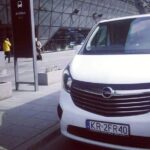
Your day starts with a clear meeting point: the Kiss&Ride stop on Pawia Street 18, opposite Mercure Hotel. Wait on the street side, not inside the hotel or any nearby shopping area. The tour leader calls by name, and they typically show up about 5 minutes before departure or right at departure time. It sounds basic, but on departure mornings this is where stress often happens—so arrive a few minutes early and stay near the curb until you’re called.
One more thing to know: departure times can shift. The operator says changes may happen and you’ll be notified one day in advance. If you’re booking other plans for that same day, keep them flexible.
You can also read our reviews of more tours and experiences in Krakow.
The ride to Oświęcim: comfort, orientation, and how not to waste energy
You’ll travel by air-conditioned bus/coach from Krakow to the Auschwitz-Birkenau area near Oświęcim. The round-trip travel takes roughly about 1.5 hours each way.
This part matters more than it sounds. A place like Auschwitz-Birkenau isn’t something you can do on autopilot. Getting comfortable early helps you arrive steadier, with fewer distractions and less decision fatigue. Even if you’re choosing to explore independently inside, you still want your head in the right place before the first gate.
Depending on the option you choose, you may have a host or greeter (English and Polish are listed). If a live guide is not part of your selection, you’ll rely more on the site’s signage and the provided booklets.
A short stop at Judenrampe: why that first 20 minutes sets the tone
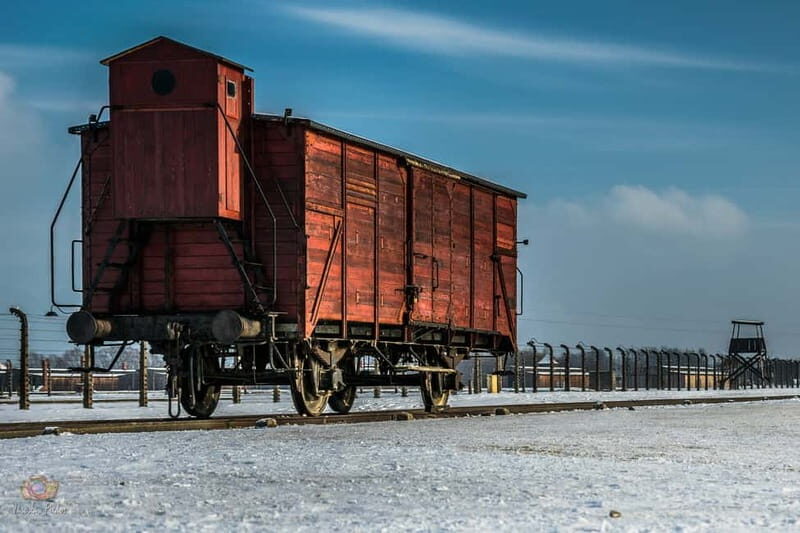
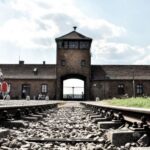
Before you spend most of your time at the camps, there’s a brief stop at Judenrampe, about 20 minutes.
Even with a short window, this is an important moment. It gives you a historical anchor early, so when you start moving through the museum and memorial grounds, you’re not only seeing buildings—you’re connecting the space to what happened there. Think of it as your mental warm-up: not the whole story, but the part that helps you understand why the rest feels so intense.
A quick caution: 20 minutes goes fast. Use it to orient, not to wander.
Auschwitz Museum visit: what your up-to-2.5-hours window can realistically cover
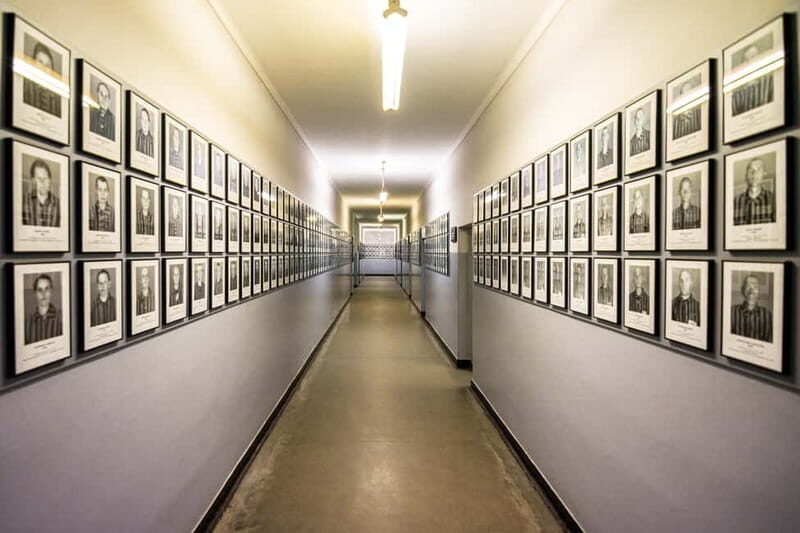
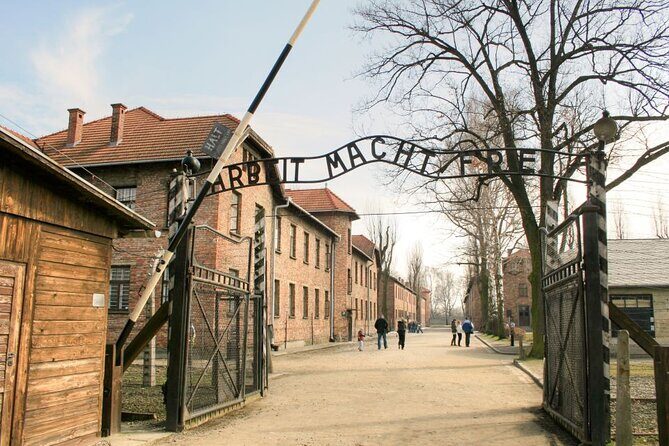
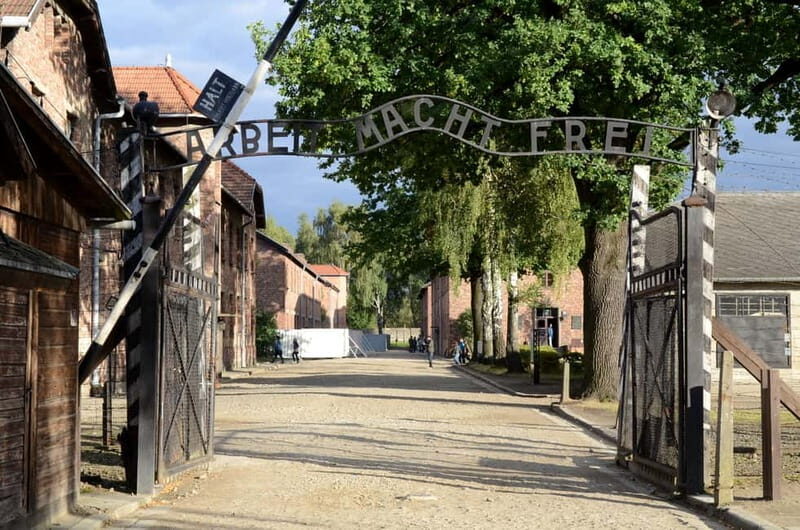
Your main museum time is listed as up to 2.5 hours at the Auschwitz-Birkenau Memorial and Museum area. That time is where the day gets heavy in a very direct way.
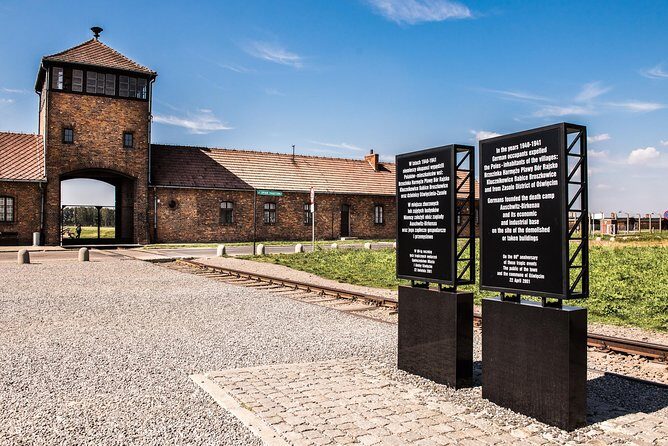
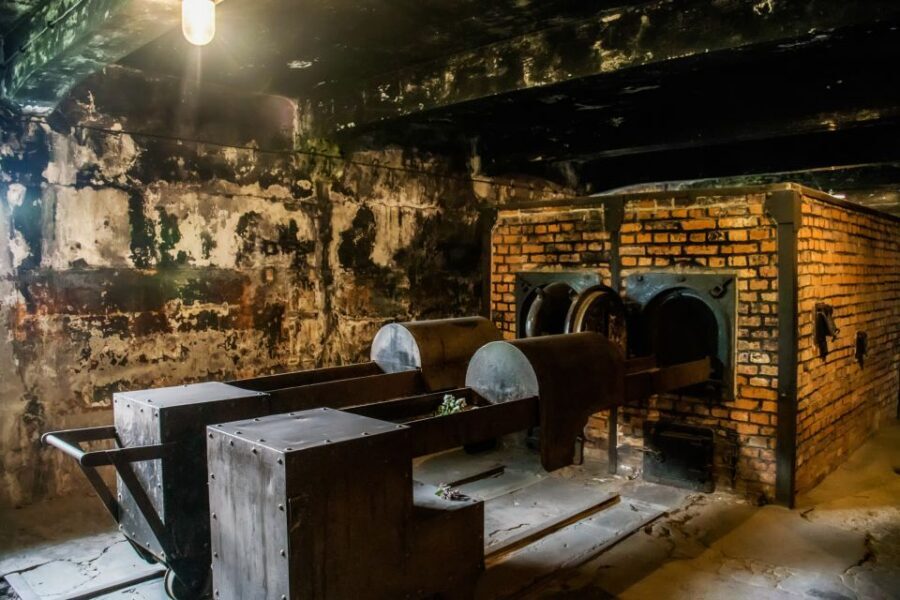
You’ll see many permanent exhibitions on the grounds, plus remnants of prisoner barracks and the notorious gas chambers. The key word here is remnants. You’re looking at physical traces and documented evidence side by side, which can be emotionally jarring even if you already know the history.
Here’s how I’d approach your time if you want to get value without rushing:
- Focus on the exhibition areas that explain how the camp system worked, not only the dates.
- Plan to spend extra time at the memorial spaces tied to the most tragic parts of the site, since those sections are where the meaning lands.
- Don’t treat this like a photo walk. You’ll often find signs that limit where pictures are allowed, and you’ll feel better if you let those rules shape your pacing.
Also remember the pace is determined by the memorial’s visitor service. That means the flow can feel structured and time-boxed, even if you arrived with your own plan. Go with the flow and trust the site’s rhythm.
Birkenau Memorial: seeing the scale while your schedule stays tight
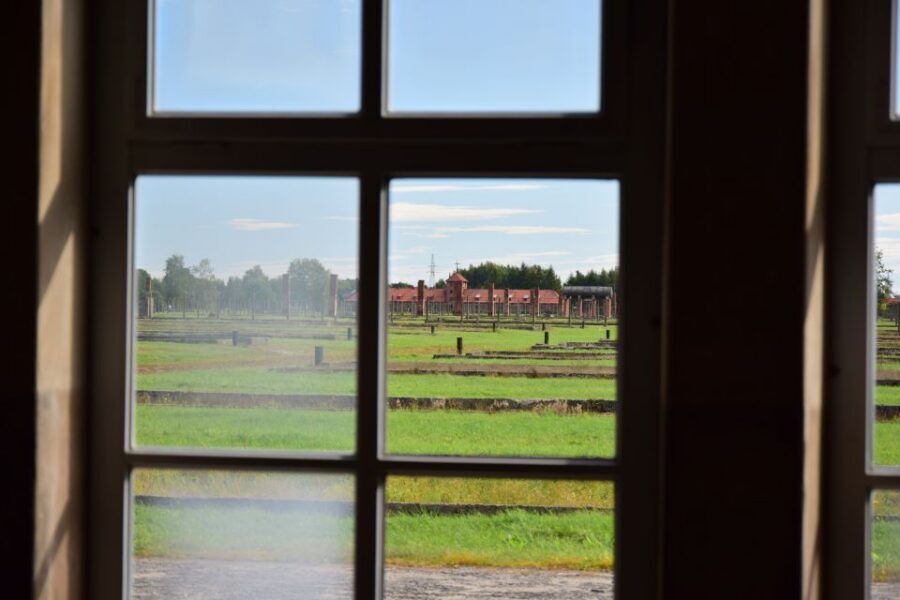
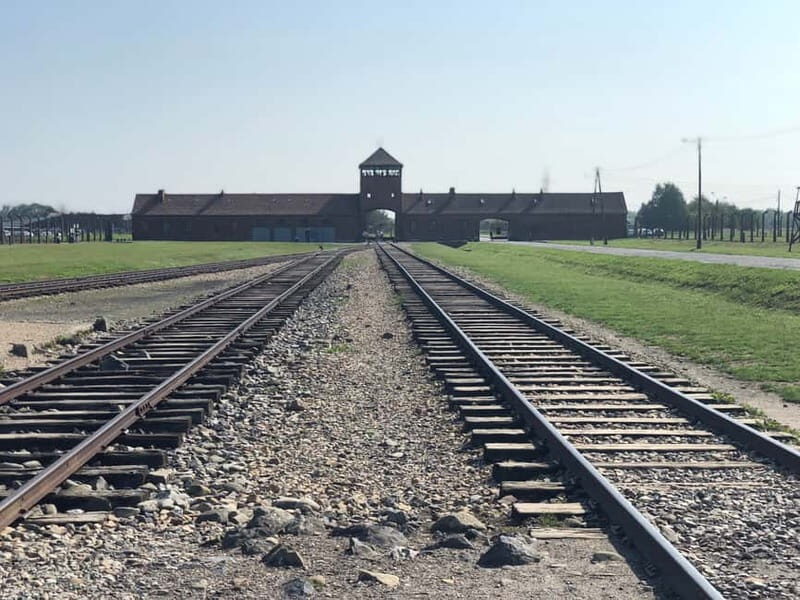
This experience includes both Auschwitz and Birkenau. Birkenau is typically where visitors feel the scale most strongly, because the memorial grounds stretch out in a way that changes your sense of place.
In a perfect world, you’d have hours and hours here. In real life, your day is built around travel time and a timed museum window. So you’ll need to use your time smartly: look for the areas that help you connect the physical layout to what the camp was designed to do.
If you’re going as a family or with teenagers, consider setting expectations beforehand. The site is not designed for quick scanning. Even when you choose self-guided exploration, the grounds are big enough that your feet will do a lot of the work for you. This is also why comfort matters—more on that below.
Booklets, photo limits, and getting oriented without a live guide
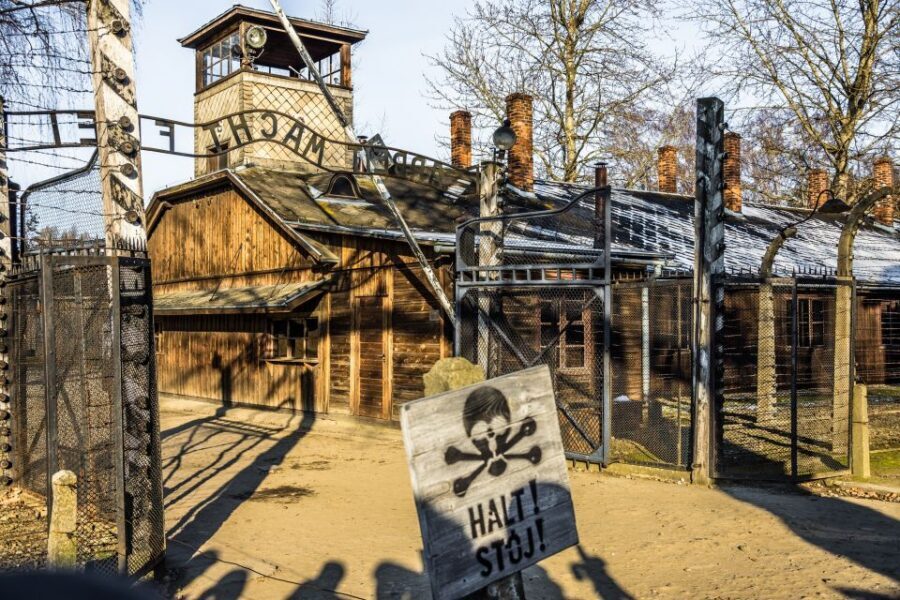
This option includes informational booklets available in up to 19 languages depending on your selected choice. That’s a practical benefit because you can read while you walk, instead of stopping to troubleshoot your phone battery or internet connection.
You should also know that there are places inside where photography is not allowed. Plan on treating those zones with extra care: stop, read, and stay present. The rules exist for a reason, and following them helps you engage better anyway.
When I’m trying to make sense of a site like this, I like having both layers: museum signage plus a booklet. If you find yourself overwhelmed, pick one booklet chapter or theme to follow rather than trying to absorb everything at once.
Transportation value: why $38 can make sense when you add up what’s included
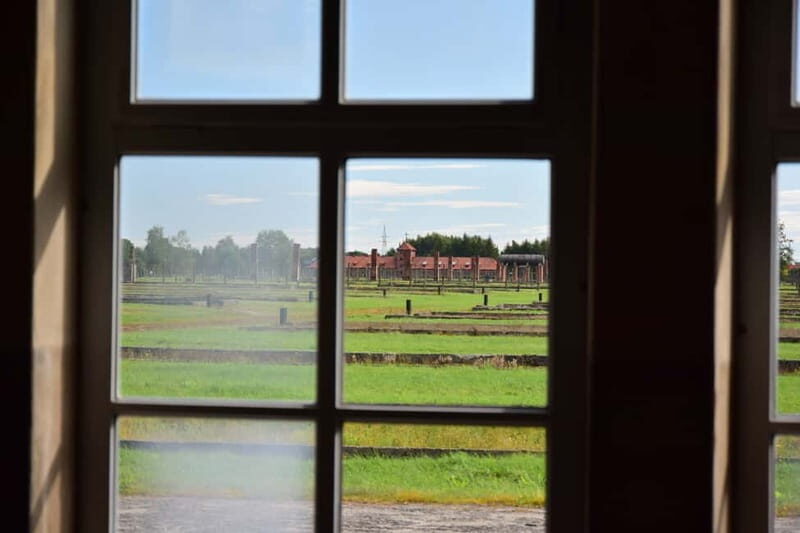
At around $38 per person, this tour price may look low compared to the emotional weight and the importance of getting there properly. The reason it can feel like good value is that you’re not just paying for a ticket. You’re also paying for:
- Round-trip transportation from a central Krakow meeting point
- Entrance to both Auschwitz and Birkenau
- Time management that gets you onto the site in an orderly way
- Multilingual informational booklets
- A skip-the-ticket-line benefit
Now the honest part: this is not a luxury tour, and it’s not a long, slow museum immersion. You trade time for convenience. If you have limited time in Krakow, that trade can be worth it.
If you do have more time, you might wish you had longer inside. But for many visitors, the balance hits the right note: you get there smoothly, you see what you came for, and you still return to Krakow the same day.
Guides, hosts, and the difference between self-guided and guided options
This experience notes that there’s no live guide included unless a guided tour option is selected. Even without a full guide walking with you, you may have a host or greeter on the trip in English or Polish.
One pattern I picked up from guide feedback is that the driving team often plays a big role in making the day feel calm and well paced. Names that show up in feedback include Ollie, Paul, and Peter, who were praised for being clear about what to do and helping the day run smoothly. That doesn’t mean every departure will have the exact same team, but it does suggest a consistent effort at organization.
If you’re someone who likes structure—clear explanations before you walk into the exhibits—choose the guided option. If you want control over your pace, self-guided is a reasonable fit, especially since your time is limited and you can focus on what matters most to you.
What to bring, what to wear, and small rules that can ruin your day
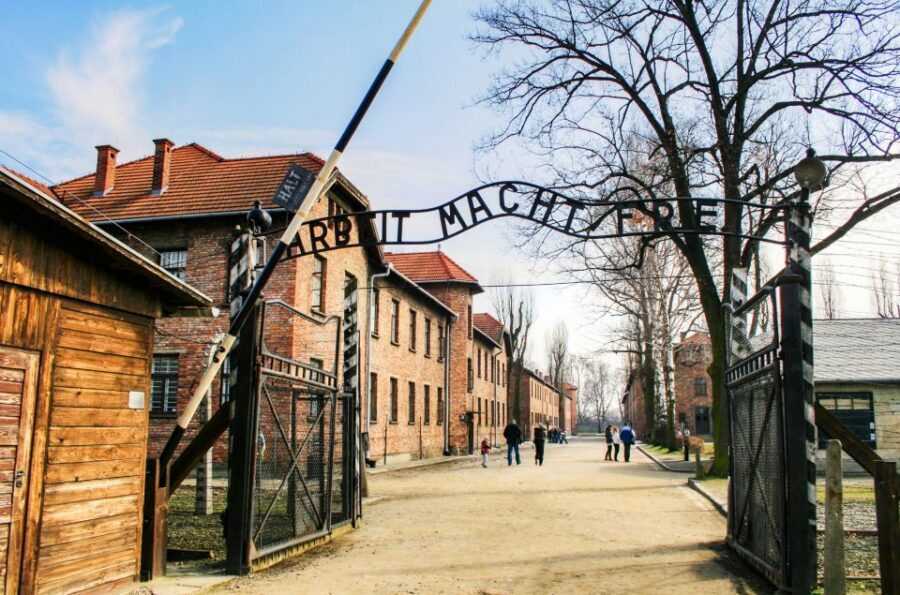
This is the kind of tour where “small rule” problems become big rule problems fast.
Bring:
- Passport or ID card (required)
You should also expect that your full name and contact details are required as part of booking for Auschwitz-Birkenau. The operator warns that entrance may be refused if the name on your booking doesn’t match your name on your ID.
Dress and conduct rules listed include:
- No pets
- No sleeveless shirts
And then a gentle reminder: this is a place where you’ll probably want comfortable shoes. The grounds involve walking, and your energy matters when you’re processing something this intense.
Finally, note that the tour may include time for breaks, but the memorial controls the flow. If you like precise schedules, keep your expectations flexible.
Who should book this Auschwitz-Birkenau trip from Krakow
This day trip works best if:
- You want transportation solved and a smooth day plan.
- You’re okay with a time-boxed visit and using signage and booklets to fill in details.
- You prefer to explore at your own pace inside the site (or you’ve chosen a guided option for structure).
It may not be a fit if you have mobility impairments. The activity notes it is not suitable for people with mobility impairments.
Also, bring your expectations into alignment. This is not entertainment. You’re walking through spaces marked by atrocity. Plan for emotions. Plan for quiet moments. And plan for the fact that your brain may feel tired long after you get back to Krakow.
Should you book this tour or plan something else?
Yes, you should book this option if you value simple logistics and want to visit both Auschwitz and Birkenau without spending your holiday sorting transport, timing, and entry steps.
I’d say skip it only if:
- You strongly need a longer on-site experience than the up-to-2.5-hours window allows.
- You want a fully guided museum-style narrative for every step (since live guiding depends on the option you select).
- You can’t handle walking and the memorial’s set pace.
If you’re deciding based on value, this one is hard to beat for the mix of transport, entrance, and multilingual booklets. Just go in prepared for a sobering day, and let the site—not the schedule—set the tempo.
FAQ
How long is the Auschwitz-Birkenau tour from Krakow?
The total duration is listed as 7 to 8 hours. Your time inside the memorial and museum is up to about 2.5 hours, plus break time.
Where do I meet the tour group in Krakow?
You meet at the Kiss & Ride stop on Pawia Street 18, directly opposite the Mercure Hotel. Wait on the street side, not inside the hotel or a shopping area.
Does the tour include entrance to both Auschwitz and Birkenau?
Yes. The experience includes entrance to both Auschwitz and Birkenau, with a visit lasting up to 2.5 hours.
Is food or drinks included?
No. Food and drinks are not included.
Do I need to bring identification?
Yes. You should bring a passport or ID card, since name details on your booking must match what’s on your ID at entry.
Are there any restrictions on taking photos?
Yes. There are spots in the museum where taking pictures is not allowed.
Are sleeveless shirts or pets allowed?
Pets are not allowed, and sleeveless shirts are not allowed.
What if my name doesn’t match my booking?
Entrance may be refused if the name on your booking doesn’t match the name on your ID at entry, based on the site requirements.