REVIEW · KRAKOW
Wieliczka Salt Mine Tour from Kraków – Skip the Line Entry
Book on GetYourGuide →Operated by Walking & talking · Bookable on GetYourGuide
Eight hundred steps. One surreal underground city.
This tour turns Kraków into a ticket to a UNESCO saltworld: you drop about 135 meters below ground to explore chambers, chapels, and sculptures carved by miners over generations. I like the skip-the-line ticket part (less waiting, more seeing) and I like that the experience is led by a licensed English-speaking guide who explains what you’re looking at. One drawback: it is a structured visit with a lot of walking and stairs, so it’s not a slow, wandering day.
Plan your expectations around the underground conditions. It runs about 4 hours total, with roughly 2.5 hours in the mine and comfortable transport on both ends. The air stays cool—around 17–18°C—and you’ll tackle about 800 steps overall, including a big chunk right at the start.
In This Review
- Key things that make this tour worth your time
- Kraków pick-up and the bus ride that sets the pace
- The 800 steps descent: what it feels like and how to prepare
- Entering the salt city: chambers, galleries, and the wow factor
- Salt chapels and the Chapel of St. Kinga
- The guide’s role: history, mining techniques, and even classical echoes
- Timing and flow inside: why it can feel fast
- Value for $78: what’s included and what to plan for
- Who this tour is best for (and who should think twice)
- Should you book this Wieliczka Salt Mine tour from Kraków?
- FAQ
- Is skip-the-line entry included for the Wieliczka Salt Mine tour?
- How long is the tour from Kraków?
- How many stairs will I walk?
- What temperature should I expect underground?
- What language is the guided tour?
- Is the tour suitable for wheelchair users?
Key things that make this tour worth your time
- Skip-the-line entry into a major Kraków attraction, so you start seeing fast
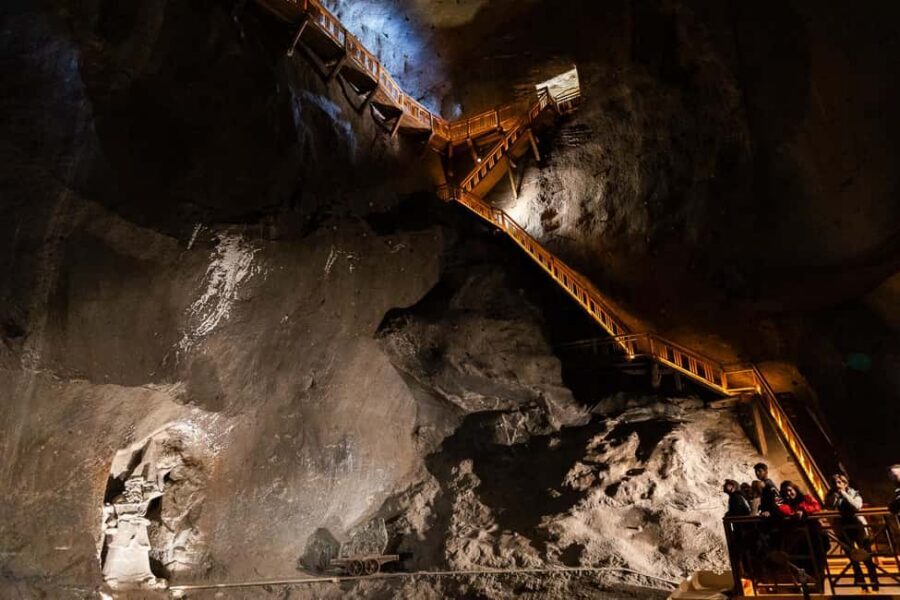
- 135 meters underground with a route that totals about 800 steps
- Chapels and salt art, including the Chapel of St. Kinga with illuminated carvings
- A guided story of centuries of mining techniques and life down there
- A microclimate with mineral-rich air that’s commonly said to feel good for breathing
Kraków pick-up and the bus ride that sets the pace
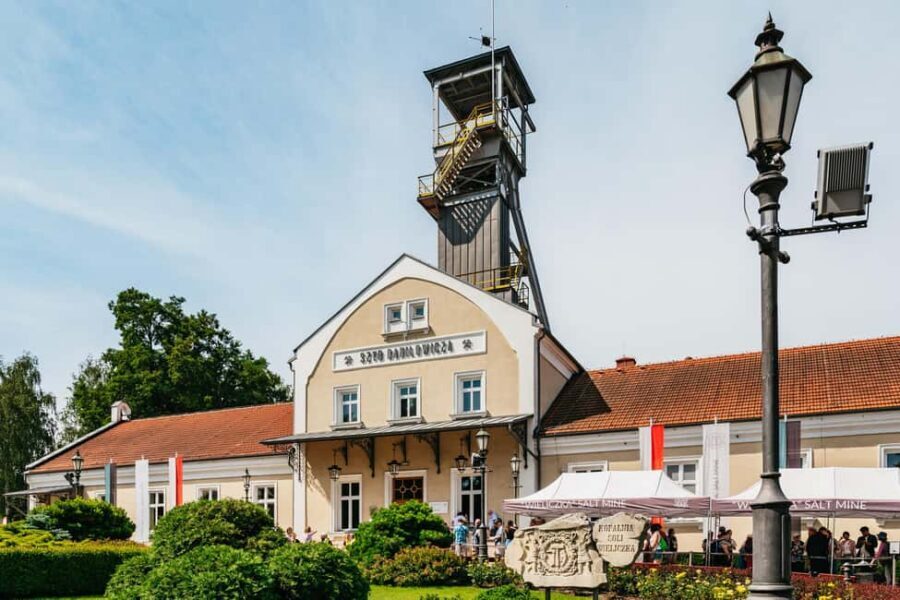
This is a round-trip day trip that’s built for people who want the big highlight without spending half the day figuring out timing. You start in Kraków, then ride by coach for about 30 minutes to the mine area. It’s long enough to get settled, but short enough that you don’t lose momentum before the stairs.
The “skip the line” piece is a real value here. Wieliczka is famous, and waiting around is the enemy of a good day. By booking this format, you’re paying for less idle time and more guided time inside the mine.
One practical note: meeting points can vary depending on the option you book, and pick-ups can shift. The provider may contact you the day before to confirm changes, and the driver generally waits no longer than 5 minutes after the scheduled pick-up time. My advice is simple: be at the meeting point early, and treat the day-before confirmation as important intel.
You can also read our reviews of more tours and experiences in Krakow


The 800 steps descent: what it feels like and how to prepare
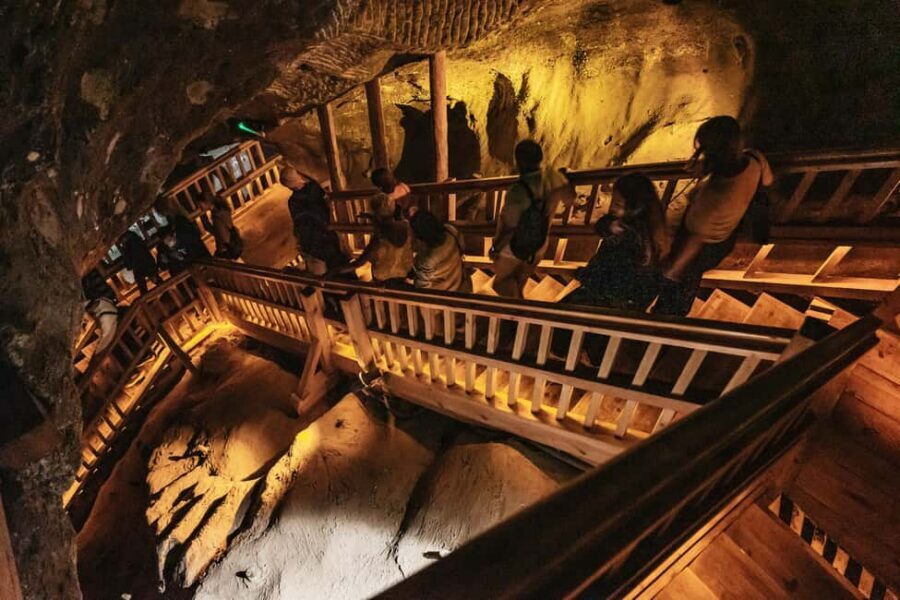
Here’s the core physical reality: you descend about 800 stairs on the route, including roughly 320 steps at the start. That early drop matters, because it’s where people either feel fine… or discover they underestimated the climb back later.
Underground, the temperature sits around 17–18°C, so you’ll feel cooler even if the Kraków weather is warm. Comfortable shoes are non-negotiable; the mine floor is not the place for thin soles or slippery footwear. If you’re choosing clothes, go for layers you can manage—cool air plus steady moving.
Also, this tour is not marketed as wheelchair-friendly. If mobility is a concern, don’t assume you can “power through.” One of the best pieces of advice I can give is to match the tour format to your body, not to your optimism.
One more detail from real-world experience: the return is often faster than the descent. A lift back up is referenced in feedback as being very quick, which helps balance out the uphill effort you did going down.
Entering the salt city: chambers, galleries, and the wow factor
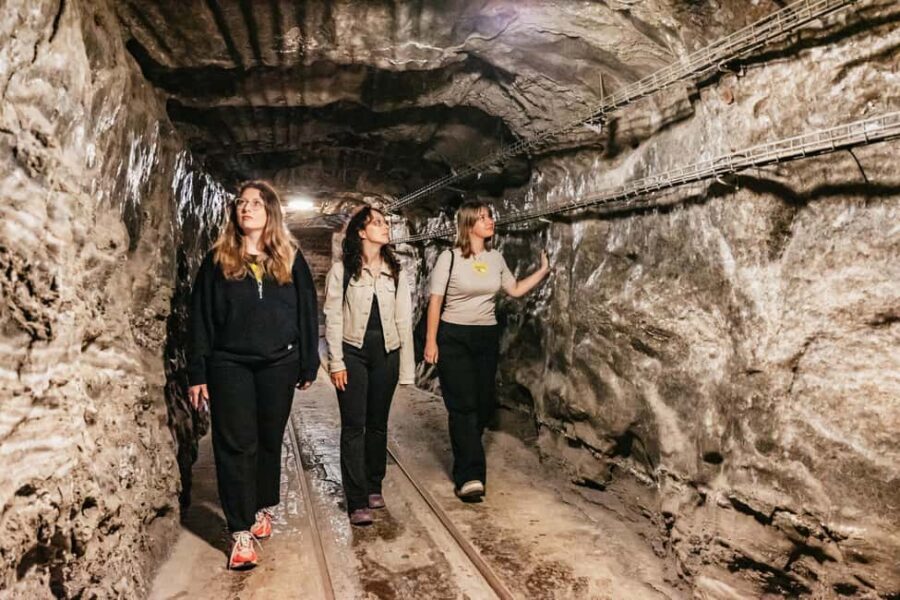
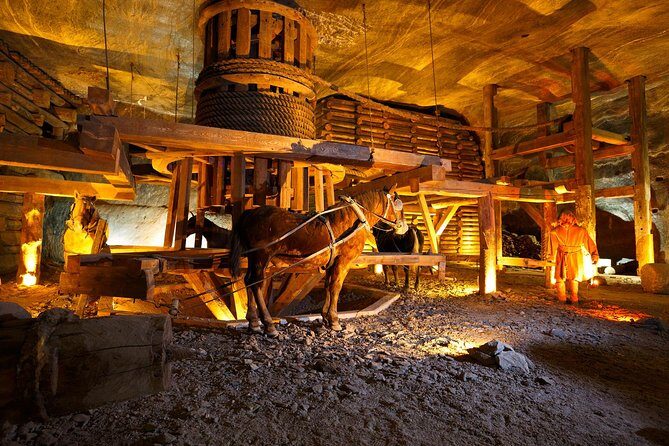
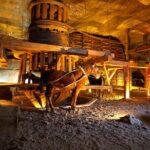
Once you’re underground, you’re not just walking through a tunnel system—you’re moving through a crafted underground world. Expect wide salt chambers, guided stops in key galleries, and the sense that you’ve entered something built by people with time, tools, and patience.
What keeps the experience special is that it’s not only about the novelty of salt walls. Your guide ties the scale and layout to mining history, which makes the spaces feel intentional rather than random. In other words, you’ll understand why certain areas matter.
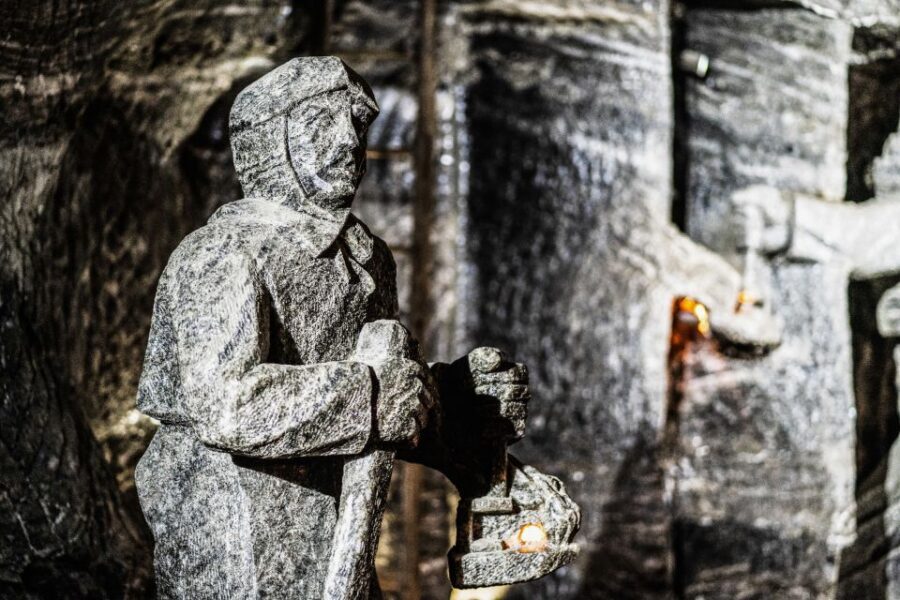
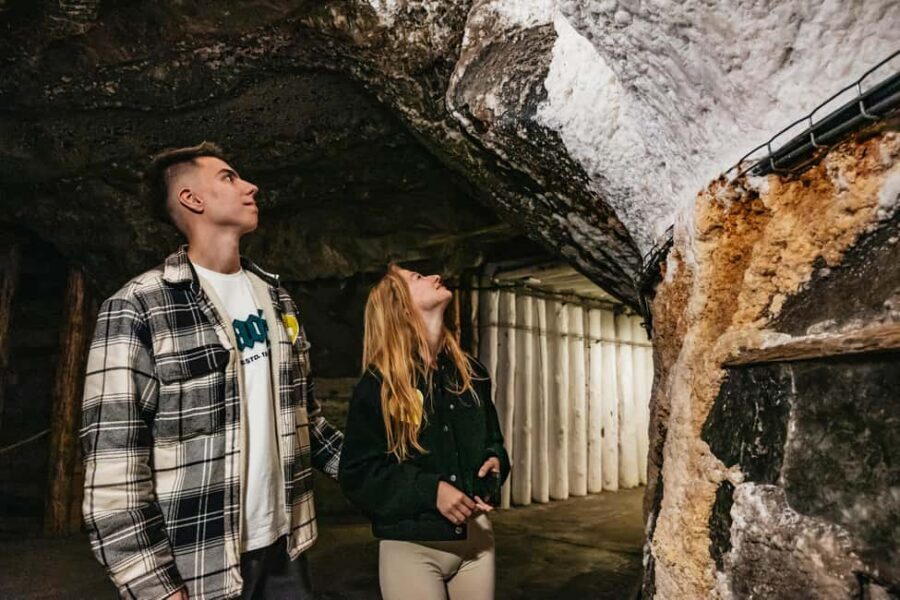
You’ll also get hit with details that don’t show up on photos. The salt surfaces can look almost architectural—edges, curves, and textures that hold shape like stone, but are carved like art. One review highlights the carvings as fabulous, and I get why. The mine’s beauty is labor-made, not decoration-made.
Another element worth knowing: there can be underground lakes and other features that look still or frozen in time. If you like when a place has atmosphere, this is that kind of stop.
Salt chapels and the Chapel of St. Kinga
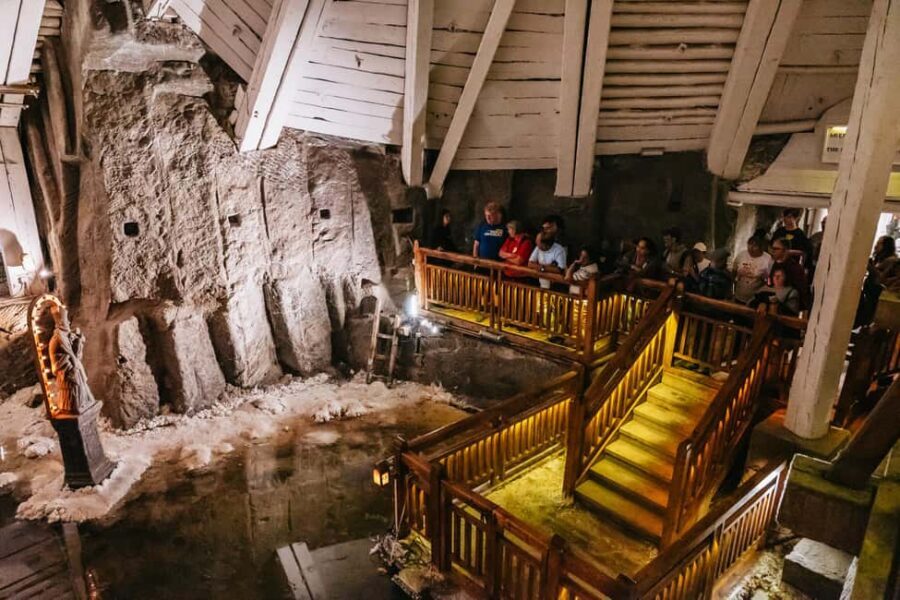
If you want one moment that feels like the whole point, it’s the chapels. These are the places where the mine shifts from industrial history to something you’d expect from a cathedral—except it’s all salt.
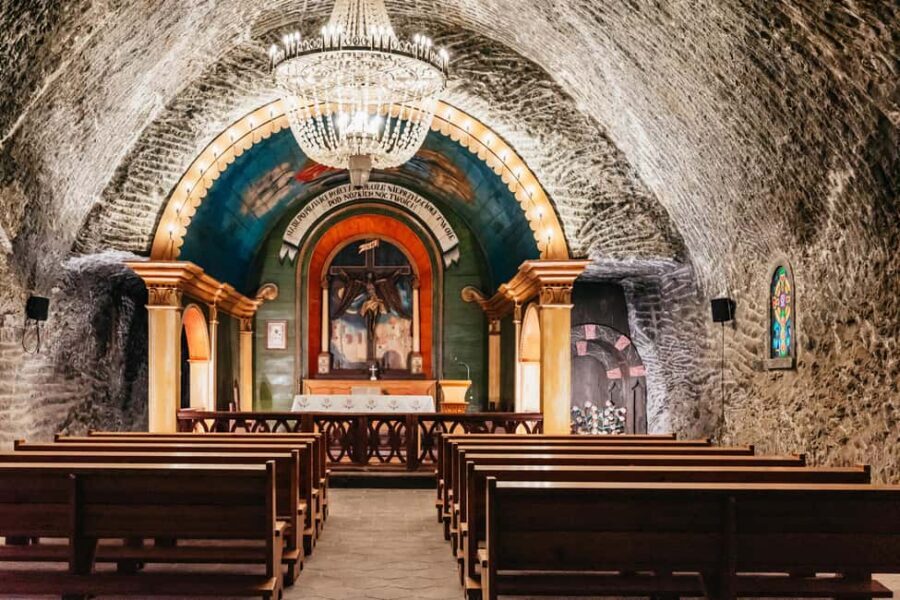
The standout named stop is the Chapel of St. Kinga. It’s described as a breathtaking underground church with detailed carvings and lighting that makes everything feel otherworldly. When you see it in person, it’s hard not to think about the miners as artists as well as workers.
You’ll likely encounter other salt-carved elements too—statues, altars, and decorative details that make the time period feel real. Some guides use the chapel lighting and the spacing between chambers to build a narrative, so the order you see things matters. Go in expecting art, not just geology.
One practical tip: photography is great here, but you’ll move through the mine in a guided flow. If you want fewer interruptions, keep your camera ready before each stop and don’t wait until the guide is mid-explanation to find your settings.
The guide’s role: history, mining techniques, and even classical echoes
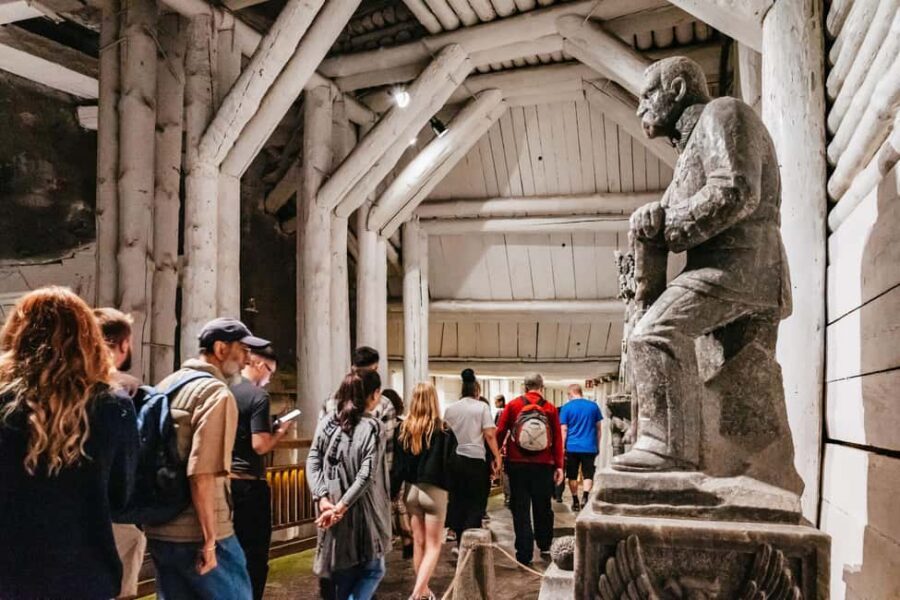
The best tours are the ones that give you something to hold on to as you walk. This one does that by pairing the visuals with the story of mining over about 700 years—techniques used in different eras, and what daily life could mean in an underground salt economy.
Your guide is the difference between watching salt art and understanding why it exists. Feedback repeatedly praises guides by name—Ana, Catherine, Nick, Agnès, Patricia, and Agnieska show up in excellent reviews for being friendly, funny, and informative. That matters because the mine is large enough that it’s easy to get distracted unless you know what you’re looking at.
There’s also a multisensory angle. Your experience can include the mine’s unique acoustics, with classical music often mentioned as echoing through chambers—sometimes specifically Chopin. Even if you’re not a classical super-fan, that kind of sound changes the mood. It makes the spaces feel more like a living place than a museum hallway.
A small caution: in one piece of feedback, English clarity wasn’t perfect for a guide. If you’re sensitive to audio issues, plan to position yourself where you can hear well, and bring small earplugs if that helps you focus.




Timing and flow inside: why it can feel fast
You’re getting about 2.5 hours in the mine, plus transport on both ends. In practice, that tends to make the visit feel “structured.” The mine is too big to linger at every stop, and your group has to keep moving so you fit into the broader schedule.
One recurring theme in feedback is that the experience can be a bit fast-paced, sometimes because other group tours are moving through nearby spaces. Another note says people would have liked a little more free time at an early stop. That’s the trade-off: you get a strong, guided highlights route, but you don’t get a long free-roam window.
My advice is to decide your priorities before you go:
- If you want history and the main art stops explained clearly, this pace is usually a plus.
- If you’re hoping for a slow photo session or long pauses, you might feel rushed.
Value for $78: what’s included and what to plan for
At about $78 per person, the best way to think about value is to look at what’s wrapped in:
- Skip-the-line ticket to Wieliczka Salt Mine
- Licensed English-speaking guide
- Entrance fees
- Two-way transfer between Kraków and the mine area
For many visitors, the “included” part is what makes this price feel fair. You’re not paying extra for transportation, and you’re not stuck negotiating entry timing on your own. In a popular place, that saves energy.
What’s not included: food and drinks. That’s normal for a half-day tour, but it matters. Underground air is cooler, and you’ll be moving. If you don’t eat before you go, you may feel the lack later. Pack a snack for after (if your schedule allows), or plan to grab something back in Kraków.
Also, bring water if you’re the type who needs it on active tours. You won’t get a convenience store experience underground, and dehydration sneaks up when you’re exerting yourself on stairs.
Who this tour is best for (and who should think twice)
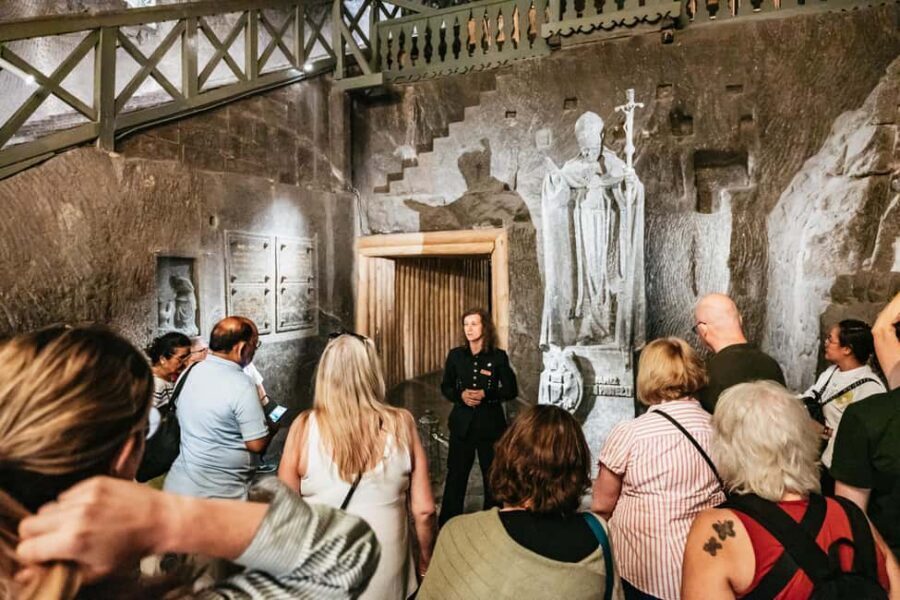
This tour suits people who want a big “wow” day in Kraków with minimal logistical stress. It’s also a strong fit if you like guided storytelling—because the guide does the heavy lifting of connecting mining history to what you’re seeing in each chamber and chapel.
There’s a health-related angle too. The mine’s microclimate is described as mineral-rich and free from allergens, and it’s commonly suggested as a good fit for people with respiratory issues. If that’s your concern, it can be a meaningful day trip beyond sightseeing. Just treat it as a supportive environment, not a cure.
Where I’d be cautious:
- If stairs are a problem for you, don’t assume you can handle 800 steps.
- If you’re looking for long unstructured time, the guided flow may feel restrictive.
- If you’re very sensitive to cool indoor temperatures, dress for 17–18°C.
Should you book this Wieliczka Salt Mine tour from Kraków?
Yes—if your goal is to see the highlights with guidance and you want to waste as little time as possible. The skip-the-line entry and licensed English guide are the big reasons this works well for most visitors. Add in the Chapel of St. Kinga, the salt sculptures, and the sense of entering a real underground city, and you get a day that feels both surprising and well organized.
Hold off or choose a different format if you know your mobility is limited or if you want a slow, photo-first day. In that case, the stairs and the planned pacing are likely to get in the way.
FAQ
Is skip-the-line entry included for the Wieliczka Salt Mine tour?
Yes. The tour includes a skip-the-line ticket to Wieliczka Salt Mine, along with entrance fees so you don’t have to manage separate entry on the day.
How long is the tour from Kraków?
The total experience runs about 4 hours. You spend around 2.5 hours on a guided tour inside the mine, with about 30 minutes of coach time each way.
How many stairs will I walk?
There are about 800 steps on the route, including about 320 steps at the start when you go down.
What temperature should I expect underground?
The mine stays around 17–18°C underground. You’ll be cooler than you expect, so dress in layers and wear comfortable shoes.
What language is the guided tour?
The live guide speaks English.
Is the tour suitable for wheelchair users?
No. The tour is not suitable for wheelchair users.