REVIEW · KRAKOW
Krakow: Oskar Schindler’s Factory Skip-The-Line Ticket
Book on GetYourGuide →Operated by Unlimited Krakow · Bookable on GetYourGuide
Schindler’s Factory hits fast.
This timed skip-the-line ticket gets you into one of Krakow’s most important museums without losing time to long queues. Inside, you’ll move through a timeline of Nazi occupation in Krakow, with photos, artifacts, and personal accounts that connect everyday life to the machinery of terror.
Here’s the best part: it’s not only about Oskar Schindler. You also get a wider look at the Jewish community and how the war changed life citywide. The main drawback is that the museum’s story runs from the first days of the war to the end of the occupation, so if you’re expecting a tour that focuses only on Schindler himself, you may wish there were more detail about him.
In This Review
- Key Things I’d Prioritize Before You Go
- Entering Schindler’s Factory With a Timed Skip-The-Line Ticket
- What You’ll Actually See Inside the Former Enamel Factory
- The Museum’s Timeline Rooms: How the Story Flows
- Schindler’s Office and the Survivor’s Ark Symbol
- Jewish Krakow Under Nazi Occupation: Personal Stories Over Abstract Facts
- How Long 90 Minutes Works (And When You Might Need More)
- The Skip-The-Line Promise: What It Does Well
- Price and Value: Is $24 Worth It?
- Who This Ticket Suits Best (And Who Might Want a Guide)
- Practical Rules That Affect Your Visit
- A Few Smart Tips to Make Your 90 Minutes Better
- Should You Book This Skip-The-Line Ticket?
Key Things I’d Prioritize Before You Go
- Timed entry that you must respect: you’re allowed only within your ticket’s time window.
- A self-guided museum that still feels guided: exhibits are organized like a clear walkthrough.
- Timeline layout through occupied Krakow: the rooms move chronologically across WWII in Poland.
- Schindler’s office moment: the visit to his personal office includes the symbolic Survivor’s Ark.
- Real survivor voices and memories: interviews and recorded recollections make the history personal.
- Clear English support: you’ll find written explanations in English next to many exhibits.
Entering Schindler’s Factory With a Timed Skip-The-Line Ticket

The biggest practical win is simple: your ticket is designed to save you from waiting in the outside queue. Instead of standing around, you show your digital admission at the exhibition entrance and go straight in.
Your ticket comes from the local operator Krakowbooking (not a GetYourGuide voucher). You receive it by email or WhatsApp the day before your visit. When you arrive, you just present the digital ticket at the entry point. It’s worth treating this ticket like it’s your passport—because it is your permission to enter.
Two things to plan around:
- Timing is strict. You can’t just show up whenever. Your access is limited to the day and time printed on the ticket, with reviews noting they’re strict about arriving no more than about 10 minutes before or after.
- You need a physical ID. Bring your passport or ID card with photo for every participant. If you forget it, entry can be denied.
One more heads-up: tickets are non-refundable, so double-check your time slot before you commit.
You can also read our reviews of more tours and experiences in Krakow


What You’ll Actually See Inside the Former Enamel Factory
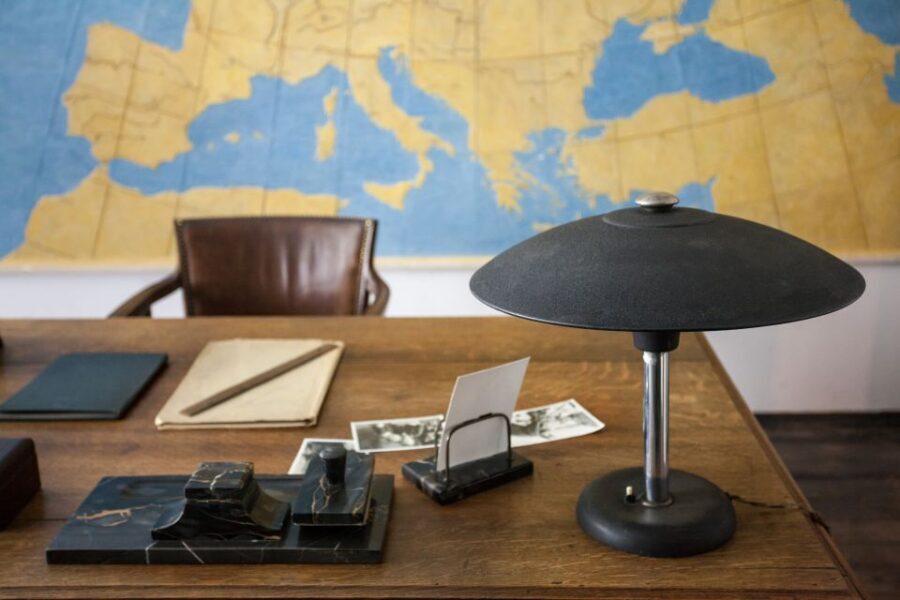
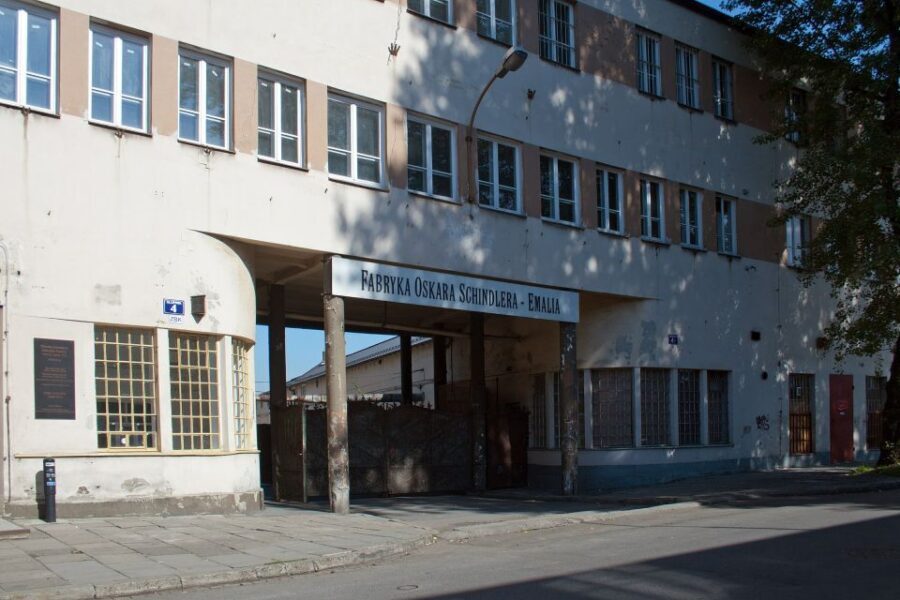
Oskar Schindler’s Factory is the story of a real place with real history. The original enamel factory—Oskar Schindler’s Deutsche Emailwarenfabrik (DEF)—dates back to 1937. After Nazi Germany invaded Poland on September 1, 1939, German troops entered Krakow in early September 1939, and Schindler is believed to have arrived in Krakow on September 6.
In the museum, you won’t feel like you’re reading a textbook. The layout is built like a guided walk through time:
- You start at the beginning of the occupation period and the way war shifted daily life.
- Then you progress through successive rooms that show what changed, what disappeared, and what people tried to hold onto.
- The story keeps reconnecting the big events of WWII to individual choices and personal tragedies.
It’s also why this museum works well for a lot of different travelers. If you like history, you get chronology. If you’re moved by human stories, the exhibits keep pulling you back to people—names, memories, and the gap between official policy and lived reality.
The Museum’s Timeline Rooms: How the Story Flows
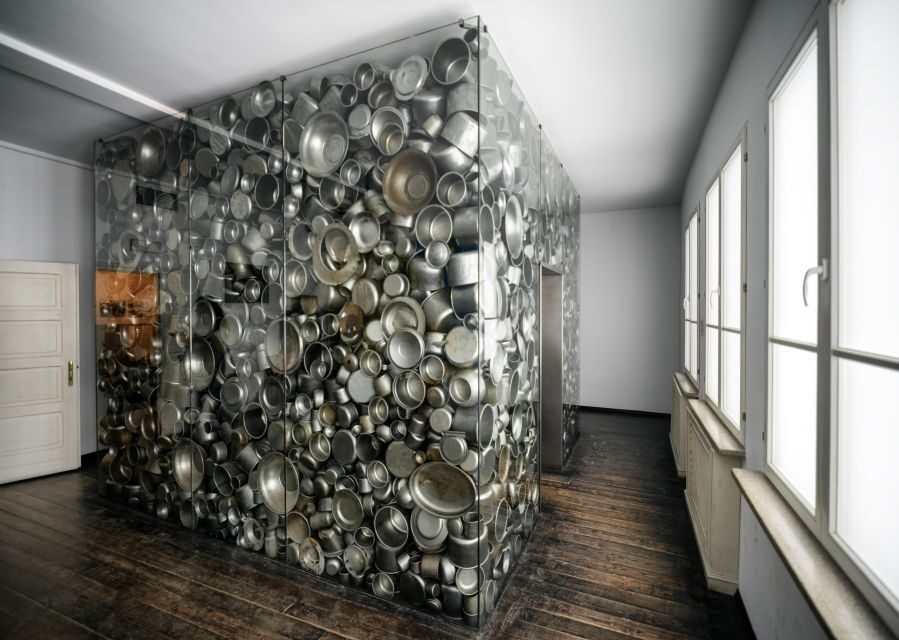
The museum is designed so you can follow it without a guide. You walk room to room, and each area builds the next part of the timeline. Many exhibits include photos and objects alongside written explanations, and several parts include recorded memories or interviews.
What you can expect as you move through:
- Early occupation and the shock of sudden change: the museum frames how quickly ordinary life can be rearranged by force.
- Everyday survival: you’ll see how daily routine, work, and community life were impacted.
- The Jewish community’s experience under Nazi occupation: this isn’t treated like a side chapter. It’s central to the museum’s story.
- The escalation from persecution to mass death: the museum connects the occupation’s rules and restrictions to the broader reality of concentration camps.
- The Schindler connection as one thread in a larger system: even though the museum honors Schindler, it keeps the focus on the wider history happening around him.
One review described it as an interactive museum where each area is like a step in the WWII timeline in Krakow/Poland, with photos plus audio memories. That matches what the experience feels like: you’re moving through events, not just staring at plaques.
Schindler’s Office and the Survivor’s Ark Symbol
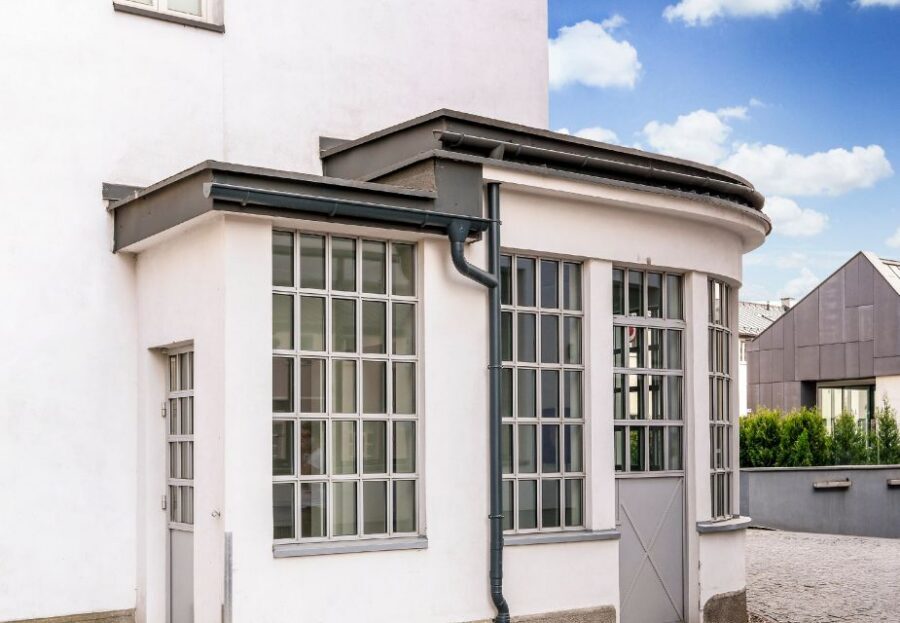
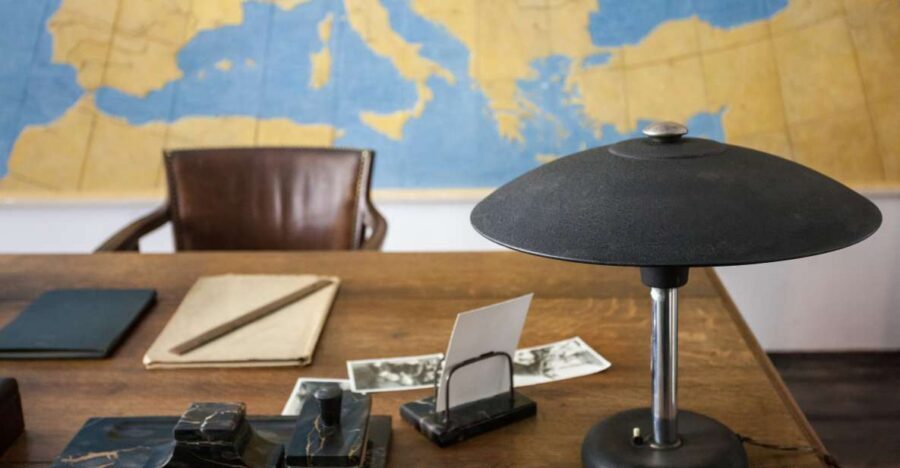
One of the standout sections is the visit to Oskar Schindler’s personal office, including the symbolic Survivor’s Ark.
Even if you only spend a few minutes here, it tends to hit differently because it pulls the story down to one person’s choices inside a vast and brutal system. The museum also frames Schindler as someone who saved over 1000 lives—a huge claim, but one the exhibits tie back to concrete details rather than leaving it as a vague legend.
Here’s what I suggest: don’t rush this stop. You’ll get more out of it if you slow down right after the heavier rooms, because the office section acts like a turning point in tone—still serious, but focused on what resistance could look like when survival depended on action.
Jewish Krakow Under Nazi Occupation: Personal Stories Over Abstract Facts
If you remember only one thing from your visit, let it be this: the museum puts personal dramas next to large-scale Nazi policies. That’s how it avoids feeling cold.
You’ll encounter:
- personal narratives tied to specific stages of the occupation
- survivor interviews and recorded recollections
- artifacts and photographs that make the past feel like a collection of real lives, not just numbers
This matters for you because it changes what history means on the ground. It shifts the question from what happened in WWII to how people endured it—what choices they had, what they lost, and what hope could realistically look like.
It’s also why you should expect emotion. Several reviews specifically called out how survivor interviews made the experience moving. Go in knowing it’s not a casual museum visit.
You can also read our reviews of more tours and experiences in Krakow





How Long 90 Minutes Works (And When You Might Need More)
The ticket is for a 90-minute experience. That’s enough time to get through the timeline rooms at a normal pace—especially if you’re reading the main explanations and pausing for the most powerful exhibits.
That said, here’s the reality: the museum is information-heavy. If you’re the type who stops at every photo and reads most text, you might feel like you’re sprinting to finish before your timed window closes. If you’re traveling with someone who likes to move faster, it can also be a small challenge to keep everyone together.
My practical advice:
- Plan to be inside early enough for the first rooms to land well.
- Don’t try to absorb every line. Choose the rooms that speak to you most and then come back to supporting displays.
- If a recorded section is playing, let it run while you’re there. That’s where the museum becomes more than visuals.
The Skip-The-Line Promise: What It Does Well
A skip-the-line ticket only matters if the entry process is smooth. That’s the whole reason people buy it.
What you’re getting here:
- No long wait at the ticket window
- Entry at your allocated time, using a digital ticket
- A straightforward arrival flow—show the ticket and go in
Reviews also highlighted that you could walk past the queue and enter directly, as long as you met the time rules.
Two small cautions based on what can happen in real life:
- Make sure your ticket is exactly the one sent by Krakowbooking. One review noted confusion when they tried to enter with a barcode from an app, and their day was fixed only after they contacted the provider.
- Double-check your ticket time. Reviews mention it may deviate slightly from what you thought you chose.
If you do those things, this ticket tends to feel like real value, not just a marketing phrase.
Price and Value: Is $24 Worth It?
At $24 per person, you’re paying for three things:
- Time savings (avoiding a long queue)
- A museum experience that mixes photos, artifacts, timeline structure, and survivor accounts
- A timed entry plan that keeps your visit efficient
To judge value, ask yourself a simple question: would you rather spend that time walking into the museum and beginning the story—or waiting outside while the queue grows? For this particular museum, the line can be the difference between a tense day and a focused one.
Also, the ticket is described as skip-the-line entrance only. A guide isn’t included. That’s not necessarily bad. The museum provides lots of information, including English text next to exhibits, so you can do it independently. But it does change what kind of traveler it suits, which I’ll cover next.
Who This Ticket Suits Best (And Who Might Want a Guide)
This experience fits best if you:
- want a clear walkthrough of WWII in Krakow/Poland
- prefer a museum that uses storytelling, photos, and recorded memories
- like self-guided pacing, because the exhibits explain themselves with text on-site
- want the emotional impact of survivor interviews and personal stories
It may feel less ideal if you:
- want a deep focus on Schindler alone (the museum covers much more than one man)
- need a guided tour for context in every room, because the ticket doesn’t include a guide
It also isn’t suitable for children under 14, based on the provided info. This is a heavy subject, and you’ll be better off with a younger traveler only if their age and maturity clearly fit the content.
Practical Rules That Affect Your Visit
Before you go, know the rules so you don’t lose time at the door:
- Bring your passport or photo ID
- Flash photography isn’t allowed
- Video recording isn’t allowed
- No pets
- No weapons or sharp objects
- Avoid luggage or large bags
The museum is listed as wheelchair accessible, and there are lifts in the building. Still, at least one review noted cobblestones can make some wheelchair movement hard. If this affects you, plan extra time and consider arriving with a bit of buffer.
Also check the rules you’re traveling with: this is one of those museums where you’ll move smoothly if you travel light.
A Few Smart Tips to Make Your 90 Minutes Better
- Arrive close to your entry window. Being too early or too late can block entry.
- Travel with the mindset of reading and listening. The museum uses interviews and audio memories, not just captions.
- Pick your pace. If you’re overwhelmed, focus on key rooms first, then come back if you still have time.
- Watch for small interactive elements. One review mentioned stamp points and a free collection tied to them. It’s small, but it gives your visit a built-in purpose beyond just looking.
If you want the museum to stick with you, slow down in the sections that connect personal stories to the broader system. That’s where it becomes more than a stop on your Krakow list.
Should You Book This Skip-The-Line Ticket?
If you’re visiting Oskar Schindler’s Factory in Krakow, yes, book the skip-the-line ticket. For the money, it saves you from the outside queue and gets you into a museum that combines chronology, Jewish community history, and survivor storytelling in a way that feels structured and honest.
I’d especially book it if:
- you’re on a tight Krakow schedule
- you don’t want your day derailed by waiting
- you’re comfortable with a serious, emotional museum experience
Skip it only if you strongly prefer a fully guided tour experience with a dedicated guide leading every room. This ticket is for entry and access—you’ll get the museum content directly, but not a guide included.
If you’re ready for history told through people, this is one of Krakow’s best uses of 90 minutes.