REVIEW · WIELICZKA
Auschwitz-Birkenau & Salt Mine Tour in One Day from Krakow
Book on GetYourGuide →Operated by Amazing Krakow Tours · Bookable on GetYourGuide
One day can be heavy and magical. This Auschwitz-Birkenau + Wieliczka Salt Mine tour packs two unforgettable places into 11–12 hours, with a real English guide and timed entry that keeps the day moving. You get the seriousness of one of the world’s most tragic sites, then you swap the historical weight for something physical and surprising underground in a UNESCO-listed salt mine.
I especially like that you’ll have professional guides at both stops, which matters a lot at Auschwitz-Birkenau where details and context are everything. I also love the contrast built into the route: after the concentration camp, the Wieliczka Mine shows how miners shaped salt into dozens of sculptures and bas-reliefs—still there, still human.
The main drawback is simple: it’s long and strict. You’re looking at a full day, modest dress rules, small bag limits, and lots of walking—plus the mine is cold (around 14–15°C).
In This Review
- Key highlights worth knowing
- A one-day Auschwitz-Birkenau and Wieliczka Salt Mine combo
- Price and value: what $164 buys you
- Getting there from Krakow: timing, pickup, and transfers
- Auschwitz-Birkenau: what your English guide really helps with
- Birkenau walking pace: planning for a few hours of real weight
- Wieliczka Salt Mine: 14–15°C, 800 steps, and salt-carved art
- What to wear and pack: modest clothes, small bags, and ID
- Who should book this trip (and who should skip it)
- How to make the most of 11–12 hours without burning out
- Should you book this one-day Auschwitz-Birkenau and Salt Mine tour?
- FAQ
- How long is the Auschwitz-Birkenau & Salt Mine one-day tour?
- What is included in the tour price?
- Is food and drinks included?
- What should I bring?
- What are the dress rules?
- Are large bags allowed?
- Is the Salt Mine route wheelchair accessible?
- Do I need to book in advance?
- Is the tour refundable?
Key highlights worth knowing
- Skip-the-line entry so you spend more time inside and less time waiting outside
- English live guides at both Auschwitz-Birkenau and the Salt Mine
- Salt-carved sculptures and bas-reliefs made in the mine, still preserved in salt
- 800 steps in the mine route (about 350 down at the start), then a lift back up
- A one-day plan that connects two major UNESCO-worthy sites without splitting your schedule
A one-day Auschwitz-Birkenau and Wieliczka Salt Mine combo
This is the kind of day trip you book when your Krakow days are limited but you still want the real hits. The format is straightforward: you’ll go from Krakow to Auschwitz-Birkenau first, then continue on to the Wieliczka Salt Mine for the underground portion.
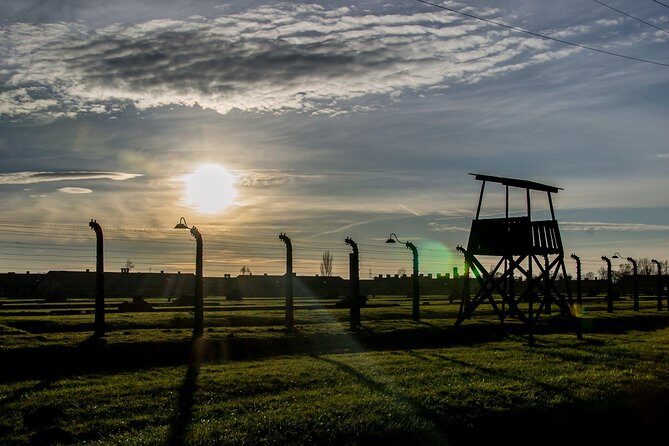
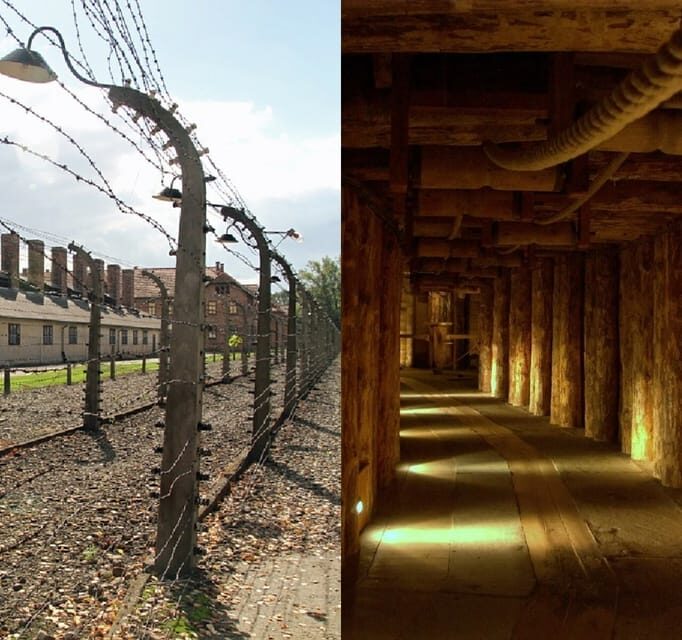
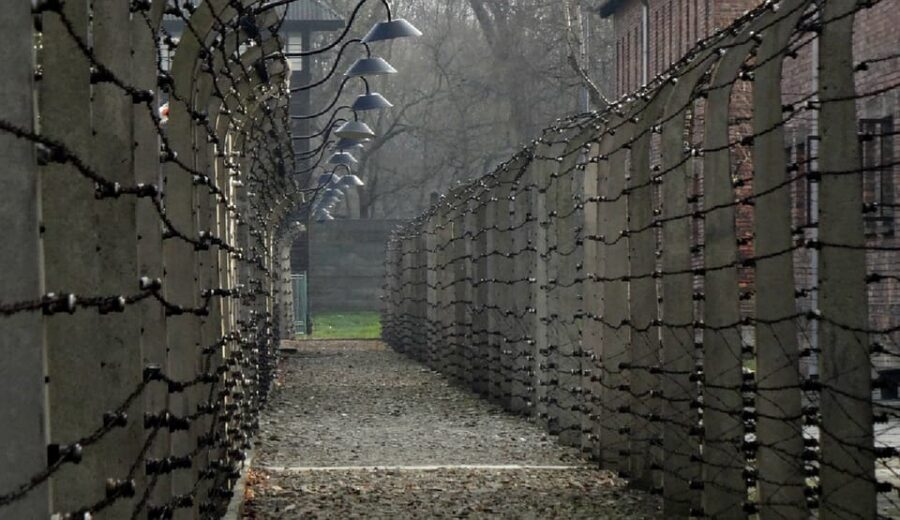
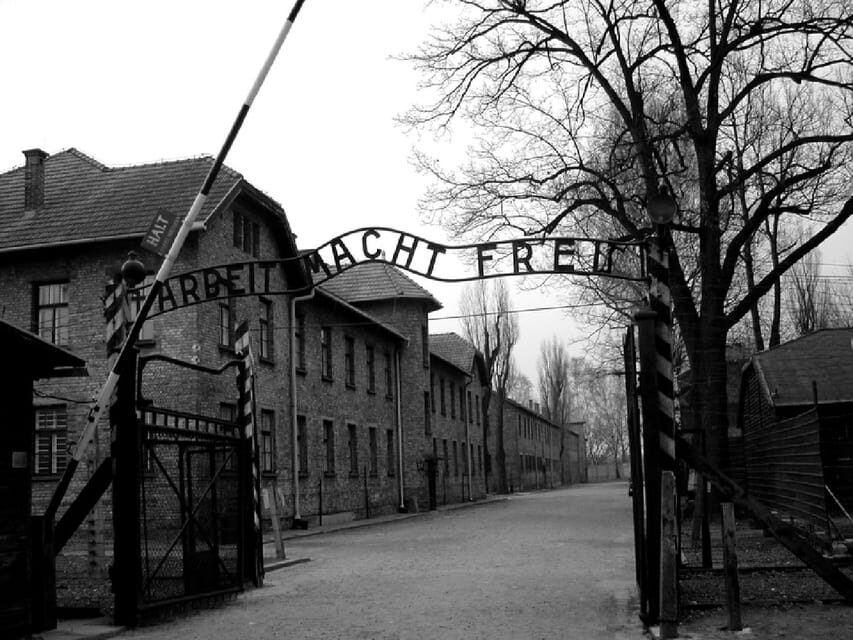
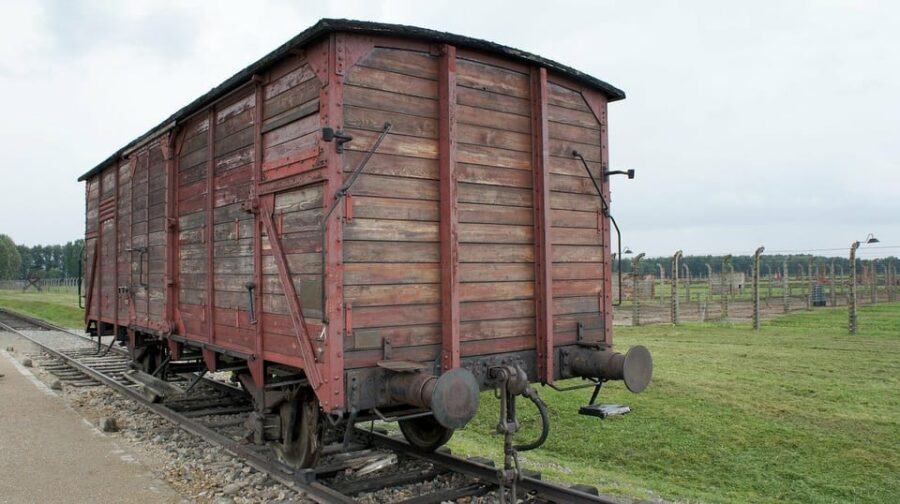
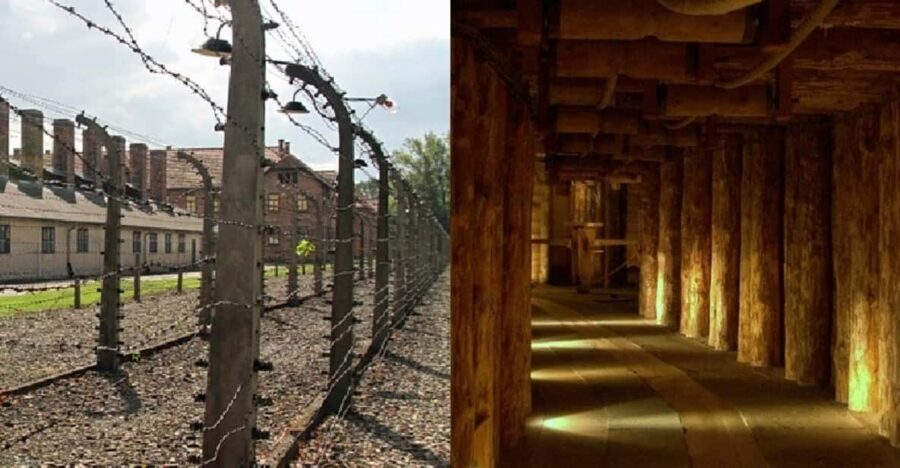
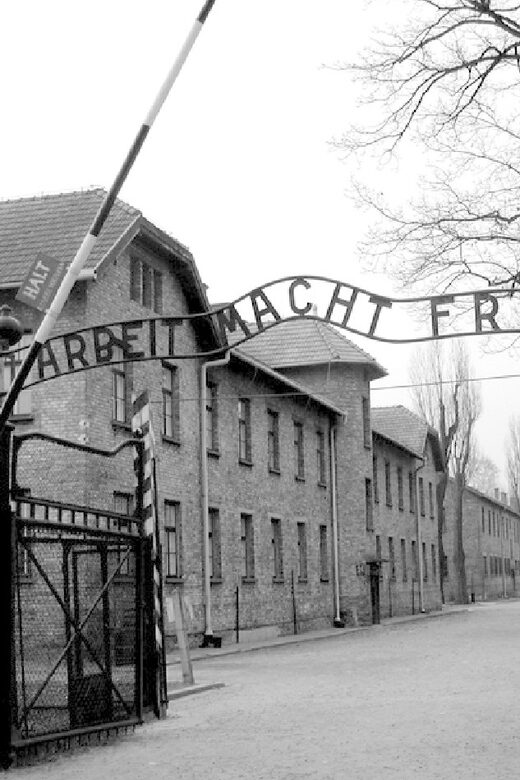
Auschwitz-Birkenau is not just a sightseeing stop. It’s a place of atrocity on an industrial scale, built by the Nazis in 1940 near Oswiecim, with an estimated death toll of over 1.1 million people from 28 nationalities. Almost 90% of those people were Jews. Seeing it with an English guide helps you keep facts straight and makes the site more than a set of buildings.
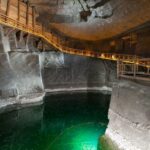
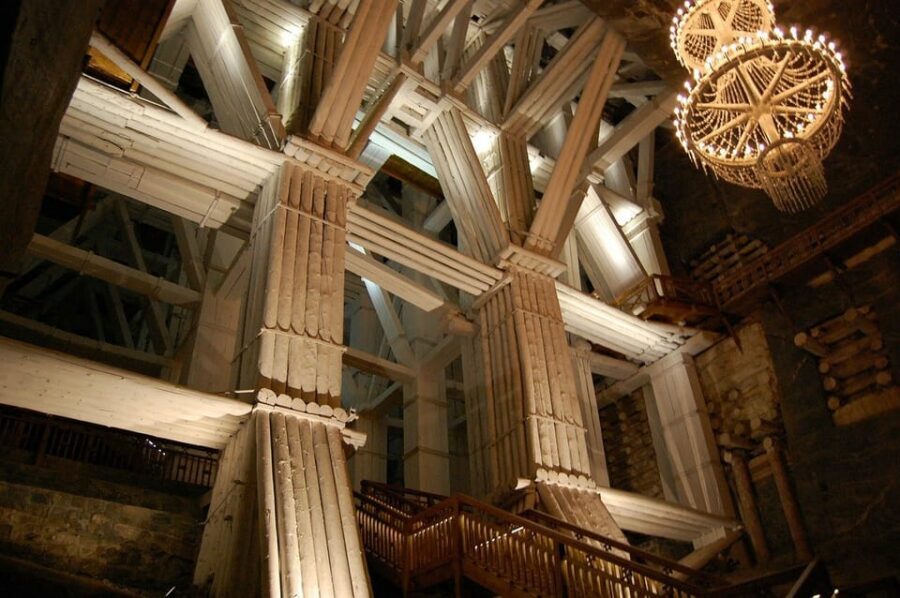
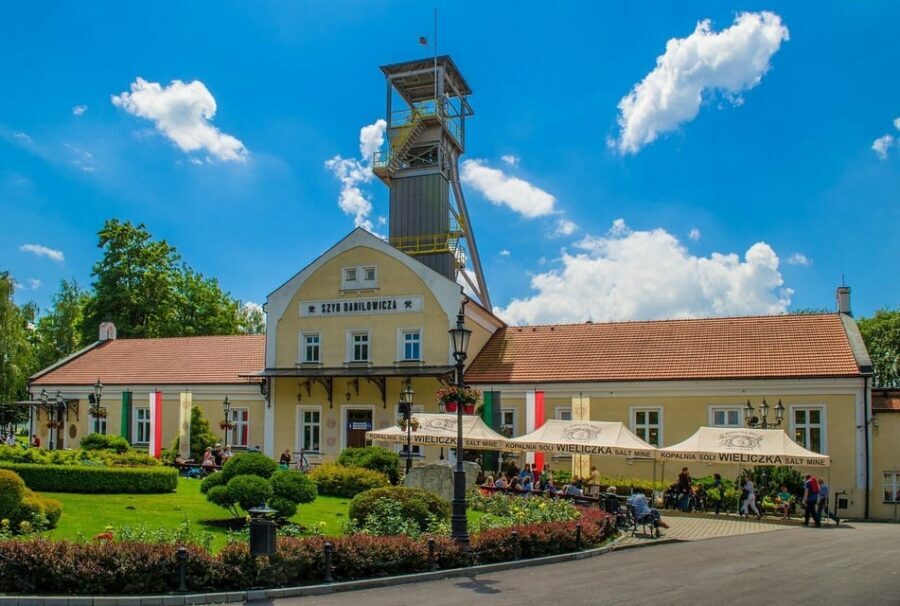
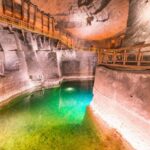
Then comes the pivot. The Wieliczka Salt Mine is listed on the UNESCO Cultural and Natural World Heritage list and draws more than a million visitors a year. Here, you’ll walk through chambers where miners left dozens of sculptures and bas-reliefs cut directly out of salt—art made underground, preserved by the very material that formed the mine.
The practical win of a one-day combo is time. The emotional reality is that you’ll likely feel the distance between “history and horror” and “salt-carved creativity” more sharply than you expect. That’s not a bad thing. It’s a reminder that human life can contain both brutality and stubborn imagination—and that you’re seeing both in a single day.
You can also read our reviews of more tours and experiences in Wieliczka
Price and value: what $164 buys you
The price is $164 per person for an 11–12 hour day. At first glance, that’s not “cheap,” but when you break down what’s included, it starts to look like fair value—especially if you care about guidance.
You’re getting:
- Entrance to Auschwitz-Birkenau
- Entrance to Wieliczka Salt Mine
- Professional guides in both places
- A professional English-speaking driver
- Round-trip transfers in an air-conditioned minivan/minibus
- Skip-the-ticket-line entry
What you’re not getting is food and drinks, and you don’t have a private guide (it’s a guided group tour). That’s normal for these big-site days.
Why this bundle is worth it:
- Auschwitz-Birkenau is a place where a guide changes the experience. The site has layers, and without context it can feel confusing or overly overwhelming.
- Coordinating transport between Krakow, Auschwitz, and Wieliczka on your own takes time and planning—plus you’d still need tickets and likely language support.
- Skip-the-line access helps you protect your schedule, which is vital when you’ve only got 11–12 hours total.
If you’re the type who likes to see a lot but still wants structure, this price structure makes sense. If you want maximum independence and you’re comfortable handling complex timing yourself, then a do-it-yourself approach might cost less—but you’d likely trade away the guided context that makes the day meaningful.
Getting there from Krakow: timing, pickup, and transfers
This tour runs 11–12 hours and operates on starting times you can check when booking. The meeting point may vary depending on the option you choose, so you’ll want to double-check your exact pickup spot.
One practical tip: your exact pickup hour can be confirmed the afternoon of the day before the trip. That’s a real-life schedule detail, and it helps you avoid sitting around all day wondering if you’re about to be picked up at 8 a.m. or 1 p.m. Still, it’s smart to keep your phone charged and watch your confirmation message.
The drive is handled in an air-conditioned minivan or minibus, with a professional English-speaking driver. That matters more than you’d think on a long day. You want stress-free transportation because you’ll have two different kinds of walking and attention later—quiet, careful attention at Auschwitz-Birkenau, then steady steps underground in Wieliczka.
Auschwitz-Birkenau: what your English guide really helps with
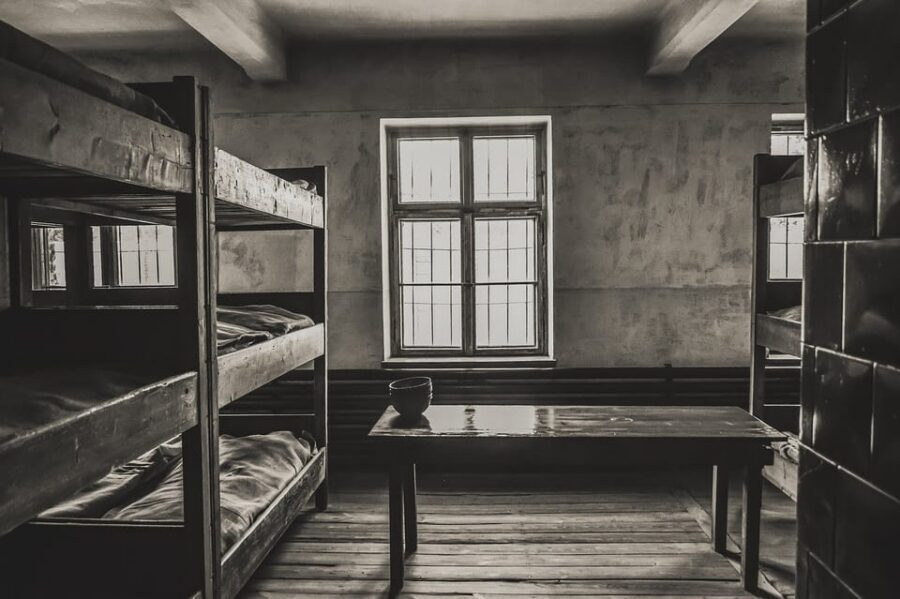
Auschwitz-Birkenau is the largest former Nazi concentration camp and one of the most studied mass atrocities in history. The site can feel big, spread out, and emotionally intense. This is where a good guide earns their keep.
With this tour, you’ll spend time with a guide in English, and the goal is clarity. A well-reviewed experience here included guides who explained history and details clearly and vividly, helping you connect what you’re seeing with why it matters.
In at least one praised setup, the Auschwitz-Birkenau guide also served as the driver for part of the day. Even when that isn’t the case, the experience tends to feel smoother when the same team helps you understand the route and timings.
What you should know before you go:
- Dress modestly and follow the site’s expectations. This isn’t just a rule; it’s a tone-setter for the visit.
- Expect to focus on the story, not just photos. You’ll likely want to put your phone away and let the guide’s explanations do the heavy lifting.
- You may feel slowed down by the atmosphere. That’s normal.
You’ll come away with a stronger understanding of how Auschwitz operated, who was targeted, and how large-scale genocide worked in practice. The guide’s job is to keep the narrative grounded, and it can prevent you from leaving with only impressions.
Birkenau walking pace: planning for a few hours of real weight
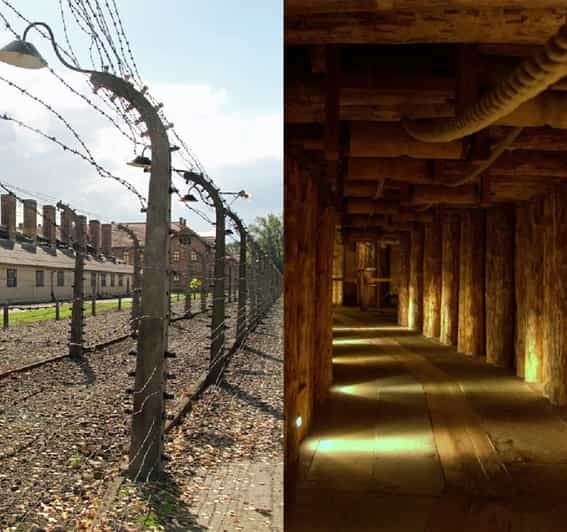
After the Auschwitz stop, you continue through Birkenau, the larger section of the complex. The tour is built to cover both Auschwitz-Birkenau and the Salt Mine the same day, which means your time at each site is structured.
In a typical experience described by participants, the Auschwitz and Birkenau portion lasted around three hours with a knowledgeable guide. That lines up with what most people need: enough time to see key areas and hear context, without racing so hard that the meaning gets lost.
Pace is important here. This isn’t a “speedrun history” stop. You’ll want comfortable shoes because you’ll be walking on-site, and you’ll likely stand still at multiple points. Also remember that you’ll be going from a serious environment into a cold underground mine later. Saving your energy is smart.
Emotionally, the day has two phases:
1) Heavy, factual, controlled attention at the camp.
2) Cold, physical, visually detailed walking underground.
If you’re tired after phase one, it’s easy to feel cranky about phase two. The better approach is to treat the mine as a different kind of learning—hands-on, visual, and physical—rather than as a distraction.
Wieliczka Salt Mine: 14–15°C, 800 steps, and salt-carved art
Then the tour shifts underground. Wieliczka Salt Mine is one of Poland’s treasured monuments in cultural history, and it has a UNESCO listing. The most memorable part is the fact that the mine isn’t just tunnels—it’s decorated. The miners left dozens of sculptures and bas-reliefs cut out of salt.
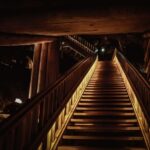
Plan for the physical side of this stop. The route includes 800 steps, with about 350 steps down at the beginning. Yes, that’s a workout. The good news is there’s a lift to the top at the end of the route, so it’s not an endless staircase punishment.
Also plan for the temperature. The mine is around 14–15°C. Even if Krakow is warm outside, you’ll feel cooler underground. Bring a layer you can handle for a couple of hours.
You’ll spend about 2–2.5 hours at the Salt Mine as part of the guided portion. That’s a solid amount of time to see the main attractions without feeling like you’re getting rushed.
One more practical note: some group flows may include time beyond the main guided walk, such as access to the Salt Mine Museum afterward. Don’t count on extra time in a strict sense, but it’s a common add-on pattern.
What you’ll leave with here is a different kind of appreciation:
- At Auschwitz-Birkenau, you’re learning how people suffered under a system of terror.
- At Wieliczka, you’re seeing how workers shaped their environment and left long-lasting work behind.
Same country, different human stories—both worth your full attention.
What to wear and pack: modest clothes, small bags, and ID
This day trip has strict rules because you’re entering two highly regulated sites. Getting this wrong is one of the easiest ways to spoil your day, so I’d follow the guidelines carefully.
Bring:
- A passport or ID card
No-go items:
- Shorts
- Short skirts
- Sleeveless shirts
- Luggage or large bags
Bag limits are very specific: your maximum luggage/bag/purse/backpack size must be 30 × 20 × 10 cm (A4 sheet size). That means you’ll want a small day bag, not a full carry-on situation.
Dress approach:
- Keep it modest, and dress for the weather on the surface.
- Add a warm layer for the mine since it’s around 14–15°C underground.
If you’re traveling with a lot of gear, this is the day to travel light. In a long 11–12 hour itinerary, you want to move easily and avoid security delays.
Who should book this trip (and who should skip it)
This tour is rated highly for a reason: it’s organized, English-guided, and it combines two major destinations in one day. But it’s not for everyone.
You should consider it if:
- You want an English live guide for both Auschwitz-Birkenau and the Salt Mine
- You’re short on time in Krakow and don’t want to split the stops across multiple days
- You’re comfortable with walking and a long day
It may not be suitable if:
- You have mobility impairments (the tour is not suitable for people with mobility impairments)
- You’re traveling with children under 14 (not suitable for children under 14)
Also remember the emotional weight of Auschwitz-Birkenau. Even if you’re prepared, it’s still intense. If you know you’re sensitive to heavy history content, you may want to plan for slower pacing or choose a different approach.
For fitness: the mine’s 800 steps are the big physical factor. You’ll have a lift at the end, but the down-steps at the beginning are still part of the deal.
How to make the most of 11–12 hours without burning out
This is the part people underestimate. The day has two very different environments—outdoor site walking and underground stair steps—so your “energy strategy” matters.
A few practical moves:
- Wear comfortable shoes with good grip. The mine route includes steps, and you’ll be walking for hours across two stops.
- Bring what you need for warmth under 14–15°C mine conditions.
- Keep your bag small to follow the limits and reduce hassle at security.
- Plan your lunch expectations carefully. Food and drinks are not included, so you’ll want to plan where you’ll eat on your own (or at least budget for it).
Also, mentally prepare for a structured day. You’re not free-roaming for hours. That’s a good thing here—especially at Auschwitz-Birkenau, where the story needs guidance.
If you get a guide like Marek, as some groups have described, you’ll likely appreciate the clarity and vivid way the history is explained. And if your driver is someone praised for punctual pickup and smooth driving—like Tomasz—that helps the day feel less stressful before you even reach the camp or the mine.
Should you book this one-day Auschwitz-Birkenau and Salt Mine tour?
I’d book it if you want maximum value from limited time and you care about getting context from an English guide. The combination is efficient: transport is handled, ticket entry is included with skip-the-line, and you get professional guidance at both sites. For $164, you’re paying for structure and expertise, not just transportation.
I would think twice if:
- You need strict accessibility support (this isn’t suitable for mobility impairments)
- You’re traveling with kids under 14
- You don’t want a long, demanding day with modest dress rules and small-bag limits
- You’re not comfortable with heavy historical content
One more reality check: the tour is non-refundable, so make sure your dates are solid before you lock it in.
If your Krakow schedule can handle an intense, structured day, this is a strong choice.
FAQ
How long is the Auschwitz-Birkenau & Salt Mine one-day tour?
It lasts about 11–12 hours.
What is included in the tour price?
Included are professional guides in Auschwitz-Birkenau and the Salt Mine, a professional English-speaking driver, round-trip transfer in an air-conditioned minivan or minibus, entrance to Wieliczka Salt Mine and Auschwitz-Birkenau, and skip-the-ticket-line entry.
Is food and drinks included?
No. Food and drinks are not included.
What should I bring?
Bring your passport or ID card.
What are the dress rules?
You need to dress modestly. Shorts, short skirts, and sleeveless shirts are not allowed.
Are large bags allowed?
No. Your bag must be no larger than 30 × 20 × 10 cm (A4 sheet size). Luggage or large bags are not allowed.
Is the Salt Mine route wheelchair accessible?
The tour is not suitable for people with mobility impairments, and the mine route includes 800 steps.
Do I need to book in advance?
Yes. Since March 2020, booking in advance is the only way to ensure you are able to visit.
Is the tour refundable?
No. The activity is non-refundable.