REVIEW · WIELICZKA SALT MINE
From Krakow: Wieliczka Salt Mine Tourist Route
Book on GetYourGuide →Operated by Xtrip · Bookable on GetYourGuide
Salt, light, and stone below Krakow.
This UNESCO stop is one of Poland’s big heritage stories, because you’re not just touring rooms—you’re learning how salt mining shaped local life. I love the hand-carved salt art you’ll see as you move through chambers, and I love how an expert guide turns the visuals into clear, human-scale explanations.
One catch: the 4-hour format can feel a bit tight. If you like to linger, some rooms may pass fast.
In This Review
- Key highlights worth clocking
- Why Wieliczka’s underground feels like more than a museum visit
- Meeting in Krakow: Wielopole 2 and a smooth start
- The descent: 800 steps, 14–16°C air, and what to do before you go
- 20 chambers and 135 meters down: the underground route that keeps moving
- Salt sculptures and bas-reliefs: what miners left behind
- St Kinga’s Chapel: the stop people remember
- The guide experience: licensed expertise in several languages
- Pacing in a 4-hour UNESCO visit: what the schedule feels like
- Price and value: why $33 can feel fair (or not)
- What to pack (and what to skip) for a comfortable underground tour
- Who should book this route, and who might want to reconsider
- Should you book the Wieliczka Salt Mine Tourist Route?
- FAQ
- How long is the Wieliczka Salt Mine tourist route?
- How much does it cost?
- Where do I meet the guide in Krakow?
- Is entry to the salt mine included?
- Do I need to buy tickets in advance?
- Are food and drinks included?
- What should I bring?
- Can I bring luggage?
- Is there somewhere to use the restroom during the tour?
- Is the tour suitable for people with mobility impairments?
Key highlights worth clocking
- UNESCO World Heritage underground route that feels like a working history site
- 20 chambers reached as far as 135 meters down
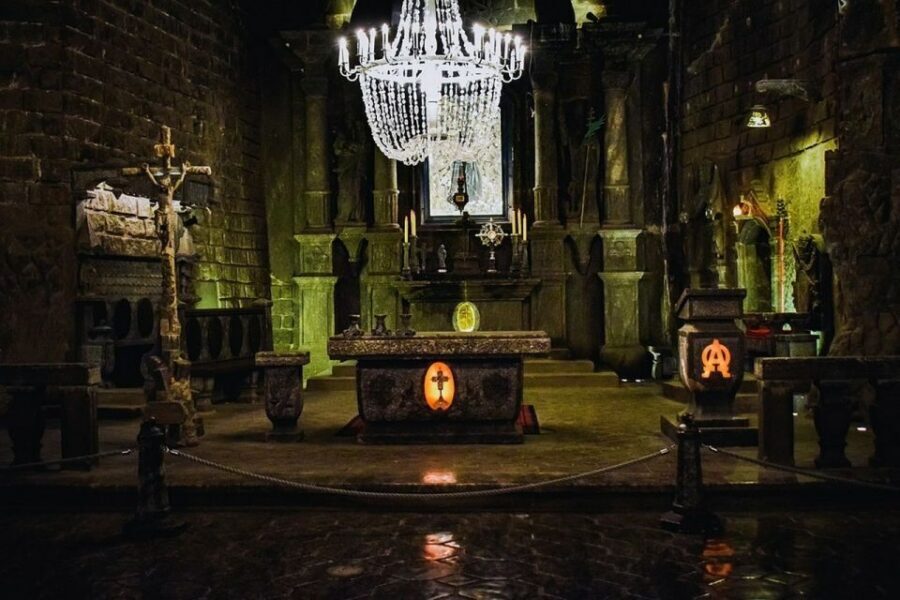
- St Kinga’s Chapel, a standout salt-carved experience
- Salt sculptures and bas-reliefs left behind by miners
- Expert licensed guide with live commentary in multiple languages
- Lift back up after the underground portion, so you’re not walking the whole way out
Why Wieliczka’s underground feels like more than a museum visit
Wieliczka works because it’s both dramatic and readable. You get the wow factor—underground chambers, salt walls, and carved religious and decorative works—but you also get context about how mining actually happened. It’s the kind of place where the details don’t feel random; they connect.
The route you’re taking is built around discovery. As you descend, you’ll see where miners left dozens of sculptures and bas-reliefs carved directly into salt. That’s not a small point: it means you’re looking at art that grew out of labor, not a separate show put in later.
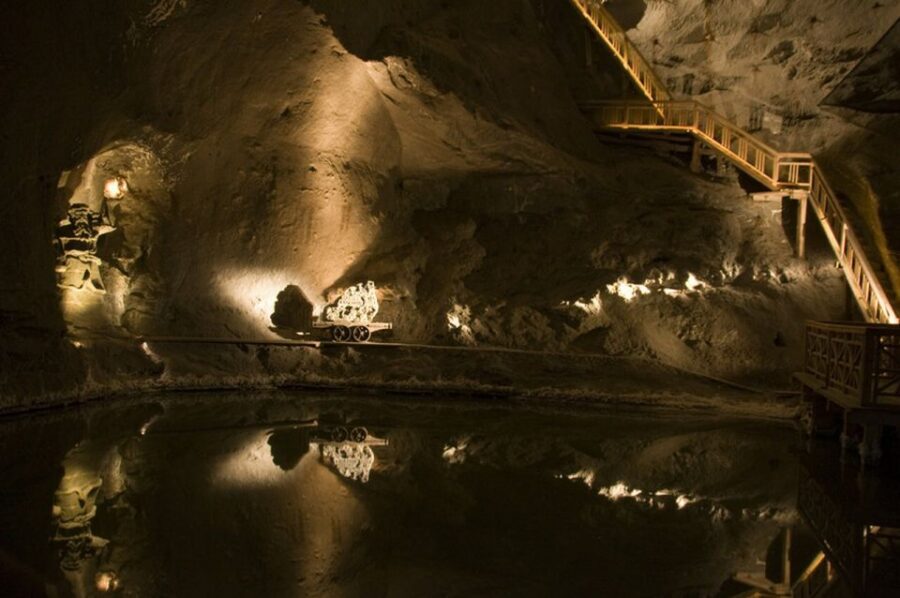
And yes, you’ll also see saline lakes and the underground spaces that made salt extraction so important in the first place. Even if you think you know “a salt mine,” the combination of scale and carving tends to reset your expectations.
You can also read our reviews of more tours and experiences in Wieliczka Salt Mine.
Meeting in Krakow: Wielopole 2 and a smooth start
Your guide meets you at the tourist stop on Wielopole 2 in Krakow. That matters because it keeps the morning simple: you’re not hunting around multiple pickup points right before a scheduled entry.
Pickup is optional if you’re staying in Krakow city center. If you choose pickup, it’s usually a convenience win, especially if you’re traveling with limited time or you don’t want to deal with taxis right before heading to the mine.
You’ll also skip the ticket line. That’s practical value. In a popular site, a short wait can quietly turn into a long one, and skipping that time helps protect the tour’s full underground experience.
The descent: 800 steps, 14–16°C air, and what to do before you go
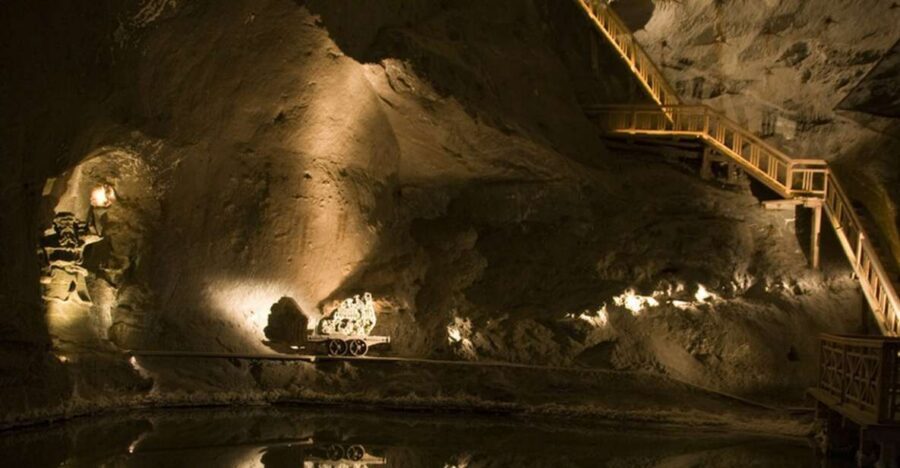
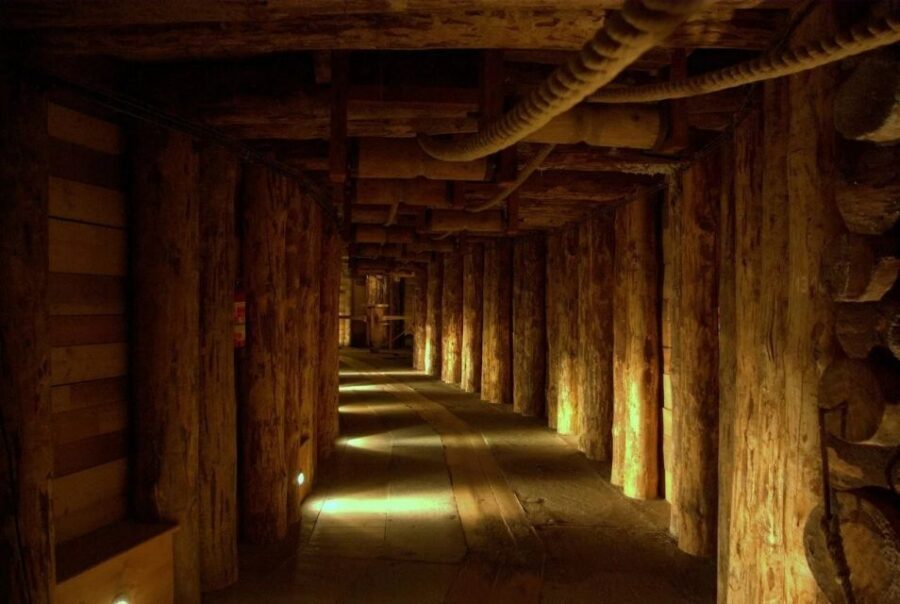
The tour takes you 800 steps down into the mine. That’s not just a number—it shapes your whole visit. Comfortable shoes aren’t a suggestion here. You’ll want grip, support, and a steady pace so you don’t spend the first part worrying about your footing.
Temperatures below ground stay consistently between 14°C and 16°C. In practice, that means even on a mild Krakow day, you’ll likely feel cool once you’re under. I’d dress like you’re entering a cool indoor space, not like you’re staying outdoors.
There’s also a luggage rule that’s easy to forget until the moment you arrive. Luggage larger than 30 x 20 x 10 cm isn’t allowed inside the mine, but you can leave it on the bus. If you’re traveling light, you’ll breeze through; if you’re hauling big bags, plan to travel with a smaller day pack.
Finally, there are toilets along the route, roughly 40 minutes and 90 minutes into the tour. That timing helps if you’re scheduling water breaks and restroom visits without losing too much tour time.
20 chambers and 135 meters down: the underground route that keeps moving
This tourist route is designed around multiple underground spaces, not just one big highlight. You’ll explore 20 chambers, reaching up to 135 meters (443 feet) underground. That scale is part of what makes Wieliczka so memorable: the mine doesn’t feel like a corridor; it feels like a world.
As you travel chamber to chamber, your guide explains past salt extraction methods and mining techniques. That’s important for two reasons.
First, it stops the visit from becoming only visual. You’ll look at the salt formations and carvings with a clearer sense of what the miners were doing and how the mine functioned.
Second, it helps you notice the “why” behind what you’re seeing. Even when you don’t know mining history, the guide’s explanations turn the space into a story you can follow.
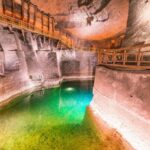
And you’ll see saline lakes and underground chambers that show how water and salt interact over time. That’s another reason the place feels different from typical historic interiors. It’s not just stone and walls; it’s a working environment shaped by materials and processes.
Salt sculptures and bas-reliefs: what miners left behind
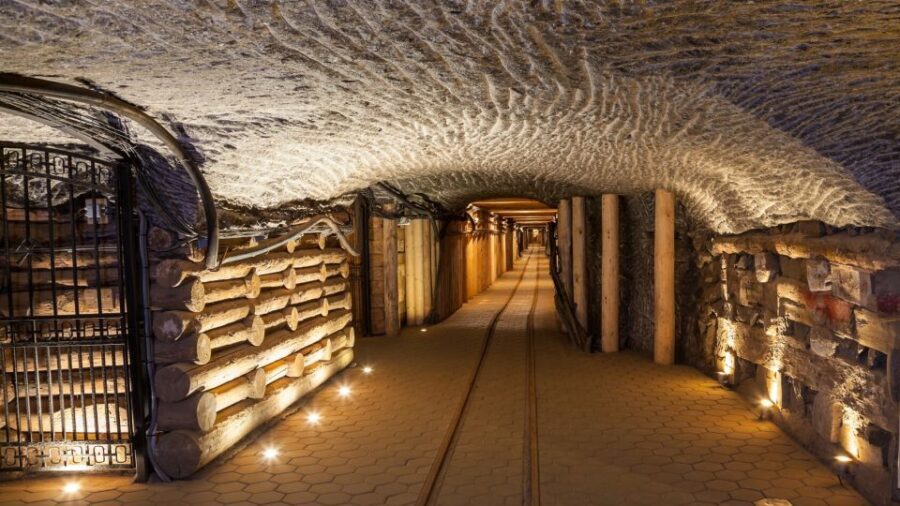
One of the most praised parts of this experience is the moment you realize the carvings are everywhere. You’ll see dozens of sculptures and bas-reliefs cut out of the salt, left by miners over time.
What I like about this is the way it changes your eye. Instead of walking through a room looking for the big photo spot, you start noticing smaller works. The carvings invite you to slow down mentally, even if you can’t physically slow down due to the tour’s pacing.
There’s also something uniquely human in this kind of work. These aren’t generic decorations. The guide’s explanation connects the art to mining life and religious culture, so the carvings feel like a record of people trying to make meaning in a hard, technical environment.
If you’re the kind of traveler who likes crafts, folk art, or “how did they do that,” this section is one of the strongest reasons to book.
St Kinga’s Chapel: the stop people remember
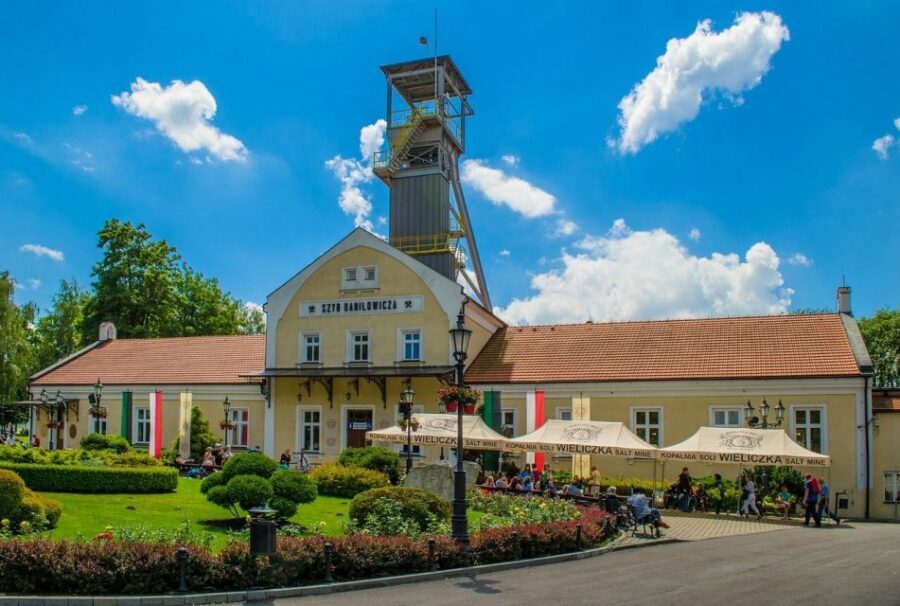
Among the chambers, St Kinga’s Chapel is singled out as a unique experience. You’re not just seeing a room; you’re seeing a salt-carved religious space that shows what mining materials can become when people put skill and faith into the same work.
Even if you’re not religious, chapels tend to land because of their design focus—light, shape, and symbolic detail. Here, the medium matters. Salt is different from wood or stone. When you’re in the chapel, you can feel how the material limits and shapes what creators can do.
This is the kind of stop where your guide’s commentary helps you read the room faster. Without an explanation, you might appreciate it visually and miss the deeper connection. With the guide, it becomes a “I get it now” moment.
The guide experience: licensed expertise in several languages
The tour runs with a professional, licensed guide in English, Spanish, French, German, Italian, or Polish, plus it includes a driver for the transport portion. That combination is the sweet spot for a day like this: you get movement without chaos, and you get interpretation without guessing.
A lot of visitors rate this tour highly for the guide. The comments point to guides who are both expert and engaging, not just reciting facts. In a place like Wieliczka—where there’s a lot to see in a fixed time slot—good guiding makes the difference between feeling rushed and feeling informed.
If you care about learning, this is a strong choice. Your guide explains mining techniques and past methods of salt extraction, so you’re not only collecting photos—you’re leaving with a mental map of what the mine was and why people built so much underground.
Pacing in a 4-hour UNESCO visit: what the schedule feels like
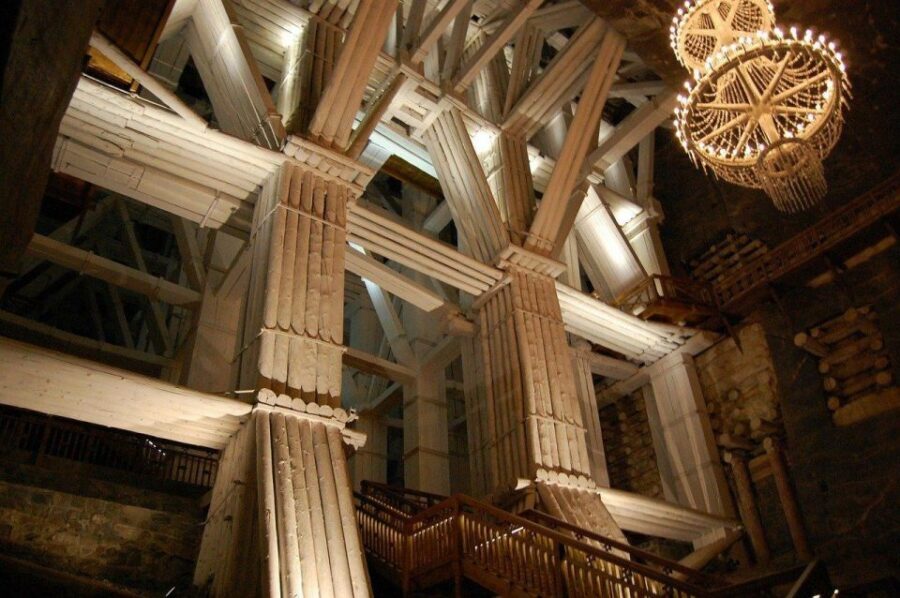
This tour lasts about 4 hours. That’s long enough to explore multiple chambers and get a guided narrative. It’s also short enough that the pace can feel brisk, especially around the busier rooms.
That’s a real consideration. One of the most repeated “small complaint” themes is that there’s a lot to see and not much time to linger in each spot. So if you’re the type who likes to stop and stare for several minutes, I’d go in with a mindset of selective focus: pick a few carvings or scenes to study, and let the rest move as part of the flow.
Also, you descend on foot and then return via lift upwards. The lift helps with fatigue at the end, but you’ll still earn your visit on the way down. Plan for it.
Price and value: why $33 can feel fair (or not)
At around $33 per person for a 4-hour guided UNESCO visit, the value depends on your travel style.
If you want a structured tour with an expert guide, entry included, and time saved by skipping the ticket line, the price starts to look reasonable. You’re also getting transport help through a professional English-speaking driver and optional pickup.
Where cost becomes a concern is when you’re traveling in a group with kids or you’re comparing it to shorter self-guided attractions. Some people feel the pricing can be on the high side for what fits into the time window, and others wish family options were more flexible.
My take: treat it as a “pay for guidance and time-saving” experience. If that matches what you want—especially for your first visit to Wieliczka—then it’s a strong deal. If you prefer freedom and slower wandering, you might feel the cost more sharply because the schedule stays tight.
What to pack (and what to skip) for a comfortable underground tour
You don’t need much, but a few choices matter.
Bring:
- Comfortable shoes with good grip
Plan for rules:
- No luggage larger than 30 x 20 x 10 cm inside the mine (leave it on the bus)
- If you’re traveling with a child under 150 cm, notify the local partner in advance so a child seat can be arranged
On-site needs:
- Toilets are available at roughly 40 minutes and 90 minutes into the tour
- The underground temperature stays 14–16°C, so dress accordingly
If you pack light, the whole experience feels easier. You won’t spend mental energy managing bags at each turn.
Who should book this route, and who might want to reconsider
This tour is a good fit if you want:
- A guided, structured visit to a top UNESCO site
- Clear explanations of salt mining and what you’re seeing underground
- A route that includes key highlights like St Kinga’s Chapel
It’s less ideal if you have mobility concerns. It’s listed as not suitable for people with mobility impairments. Also remember the 800-step descent is part of the experience design, not optional.
For everyone else, it tends to work well for couples, solo travelers, and families who are comfortable moving through multiple chambers and following a group schedule. If you travel with kids, it can still be a win, but keep an eye on the pacing and your family’s tolerance for stairs.
Should you book the Wieliczka Salt Mine Tourist Route?
I’d book this route if you want the site’s big highlights plus a guide who explains the “how” behind the mine. The combination of licensed commentary, 20 chambers, and iconic spaces like St Kinga’s Chapel is exactly what makes Wieliczka feel like more than a photo stop.
I’d think twice if you hate tight schedules or need lots of time to linger in each room. The 4-hour window can feel rushed, and you’ll feel that more in the middle of the route.
If you’re deciding in one sentence: book it for guided value and UNESCO highlights; go in with realistic expectations about pacing.
FAQ
How long is the Wieliczka Salt Mine tourist route?
The tour lasts about 4 hours.
How much does it cost?
The price is $33 per person.
Where do I meet the guide in Krakow?
Meet your guide at the tourist stop located at Wielopole 2 in Kraków.
Is entry to the salt mine included?
Yes, entry to the salt mine is included.
Do I need to buy tickets in advance?
No, you’ll skip the ticket line as part of the tour experience.
Are food and drinks included?
No. Food and drinks are not included.
What should I bring?
Wear comfortable shoes. Also plan for cooler underground temperatures (14–16°C).
Can I bring luggage?
Luggage larger than 30 x 20 x 10 cm is not allowed inside the mine. You can leave larger items on the bus.
Is there somewhere to use the restroom during the tour?
Yes. Toilets are available along the route, roughly 40 minutes and 90 minutes into the tour.
Is the tour suitable for people with mobility impairments?
No. It’s not suitable for people with mobility impairments.