REVIEW · MEMORIAL AND MUSEUM AUSCHWITZ BIRKENAU
Krakow: Auschwitz-Birkenau Private Guided Tour
Book on GetYourGuide →Operated by ComFort Tours Cracow · Bookable on GetYourGuide
A visit to Auschwitz-Birkenau has a way of sticking with you. This private day trip takes the hardest parts of the plan off your shoulders: hotel pickup in Krakow, a set route you can follow without stress, and a guide to help you make sense of what you’re seeing. It’s heavy, yes. It’s also one of the clearest ways to understand the scale of the Holocaust and how it was carried out.
Two things I really like: the door-to-door transportation (no buses to figure out, no ticket-line chaos), and the emphasis on pacing. You’re given time to walk, read, and process on your own instead of being shoved forward every minute. The main drawback to consider is that this is not a short, comfortable stroll. Expect lots of walking and standing, and it’s not suitable for wheelchair users or people with mobility impairments.
In This Review
- Key highlights worth planning for
- Why a private Auschwitz-Birkenau tour feels less chaotic
- Door-to-door transport from Krakow: the real value driver
- Auschwitz I: a structured route with self-paced orientation time
- Auschwitz II-Birkenau: gas chambers, railway remains, and reflection time
- Pacing, guides, and the value of being allowed to absorb
- Timing that can protect the rest of your Krakow day
- Food, water, and what you should plan to carry
- What to bring (and what gets left behind)
- Price and value: is $670 a good deal for this day?
- Who should book this Auschwitz-Birkenau private tour
- Tips to make the day work better in real life
- Should you book? A simple decision guide
- FAQ
- FAQ
- How long is the Auschwitz-Birkenau private guided tour from Krakow?
- Does this tour include hotel pickup and drop-off?
- Are tickets included, and do I skip the ticket line?
- What language is the guide and audio in?
- Is food included during the tour?
- What are the pickup time limits in Krakow?
- What should I bring, and what is not allowed?
- Is this tour suitable for kids or wheelchair users?
Key highlights worth planning for
- Door-to-door pickup and drop-off from your Krakow accommodation
- Skip-the-ticket-line entry to Auschwitz-Birkenau Memorial and Museum
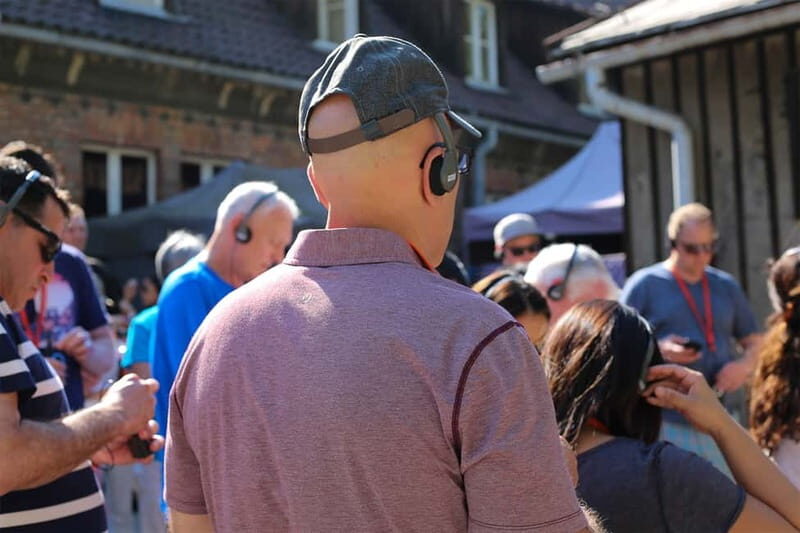
- Paper guide, map, and language support so you can follow the sites at your own pace
- Focused route through Auschwitz I and Auschwitz II-Birkenau, including key remains
- English host/guide support throughout the day with an audio guide included
Why a private Auschwitz-Birkenau tour feels less chaotic
Auschwitz-Birkenau is not the kind of place where you want to be hunting for tickets, arguing with transit times, or trying to translate signs while your schedule ticks on. This private format helps because the day is built around one plan: pick you up, get you there on time, guide you through the key areas, then bring you back.
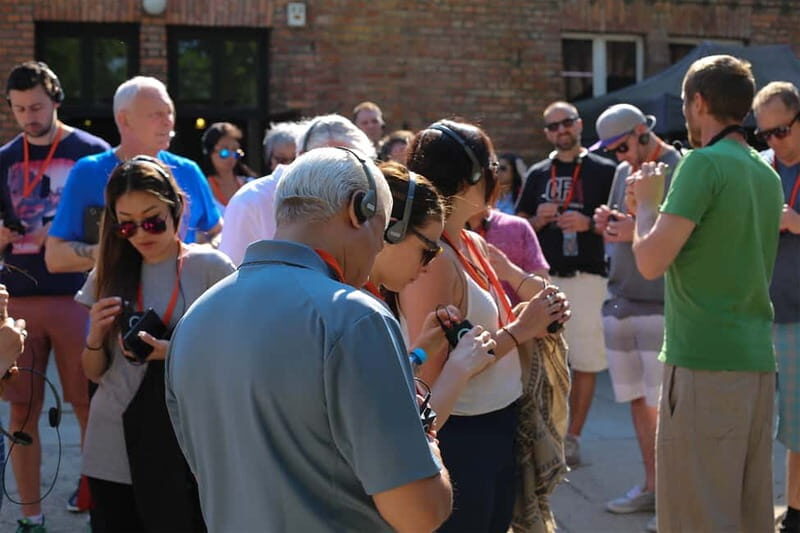
Private also tends to mean calmer communication. Your host/greeter is listed as English-speaking, and there’s a tour assistant available from pickup through drop-off. That matters here, because even a small confusion (what entrance to use, where to stand, which time to meet) can drain energy you’d rather spend inside the memorial.
One more practical point: the tour includes a paper guide and map support. In a place this big and emotionally intense, it’s a relief to have a way to orient yourself quickly.
You can also read our reviews of more guided tours in Memorial And Museum Auschwitz Birkenau
Door-to-door transport from Krakow: the real value driver
The biggest “wow” feature on this tour is the logistics. You’re picked up directly from your accommodation in Krakow and transported in an air-conditioned Lexus. Then you’re brought back afterward, with the day designed to fit into a 7-hour block.
You get a window for pickup: between 6:00 AM and 1:30 PM. The exact time is communicated the day before, and you’re asked to keep your phone on and wait about 10 minutes in the lobby. That’s not a small detail—arriving 30 seconds late at a meeting point is easy to do when you’re trying to get ready and stay calm. This tour is smoother when you treat the timing as serious.
In reviews, the vehicle experience is often praised as comfortable, and drivers like Kacper and Mateusz (also described as very professional and friendly) show up in the feedback. Even if your driver is someone else, the pattern is the same: safe driving, on-time pickup, and clear coordination.
Also note the tour is listed as a private group. That can matter if you don’t want to synchronize with a large crowd. You still walk and see the site at the memorial’s rhythm, but the “getting there” part is under control.
Auschwitz I: a structured route with self-paced orientation time
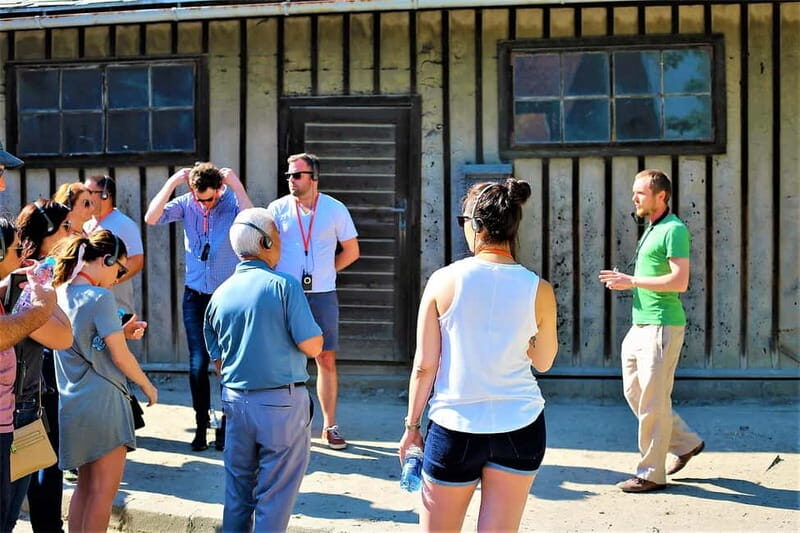
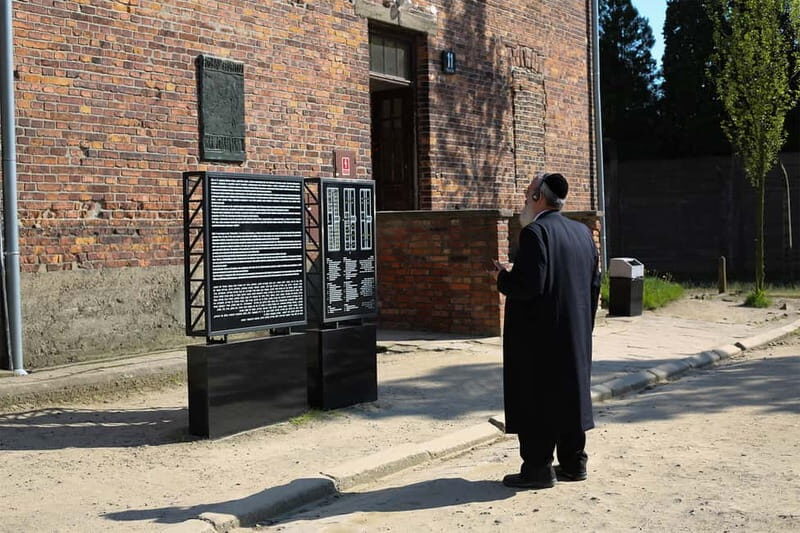
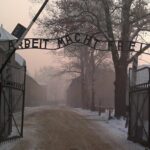
Auschwitz I is where the day starts, after about an hour and 15 minutes of travel. You’ll arrive and then move into the Auschwitz I area for a walking experience planned around key remains. You’ll be able to follow the route with help from a paper guide and a map in your chosen language (English in this tour’s listed language support).
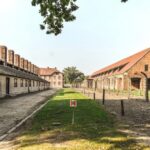
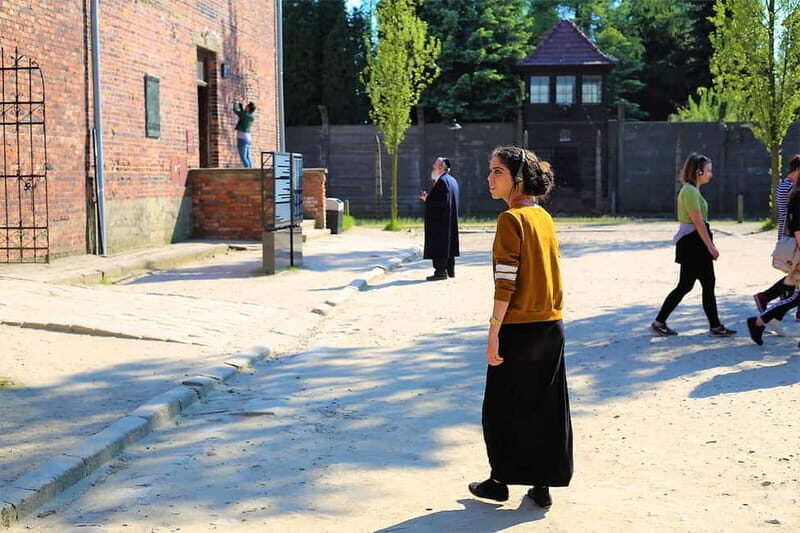
What you’re likely to see here includes barracks, watchtowers, and crematoriums. The goal is not just sightseeing. It’s understanding how the camp operated and how the system was organized. The route is designed so you can read the context and connect details to what the site shows you now.
A key detail: even though you have guiding support, the experience is described as “self-guided” on the route with your map and guide materials. That’s a good thing. In Auschwitz I, people often want a second look, or they need a minute after something hits hard. Having flexibility helps you stay grounded.
Practical expectation: you’ll likely spend around 2 hours in Auschwitz I. That’s enough time to move through the main sections without turning it into a rushed sprint. Still, it’s not “stand still and watch.” You’ll be walking and reading.
If you’re sensitive to intense topics, plan how you’ll handle it. Some people use the map like a checklist. Others slow way down at certain areas. Either approach works best if you don’t feel pressured to keep up with a group.
Auschwitz II-Birkenau: gas chambers, railway remains, and reflection time
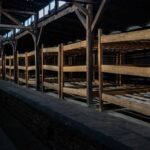
After Auschwitz I, you continue toward Auschwitz II-Birkenau for another walking experience. You’ll see remains connected to the transport of prisoners and the camp’s killing operations, including gas chambers and the remains of the railway used to bring people to the camps.
This is the part of the day where self-paced time really matters. The site is huge and spread out, and the emotional weight is heavy. The memorial experience is built around allowing you to look, pause, and process. You’ll also have support from a tour assistant, so you’re not left on your own trying to interpret everything.
The route here is listed as about 75 minutes of sightseeing time. In practice, that can feel short if you stop frequently, but it’s still a meaningful length. It forces a balance: you see major areas without turning it into a day that drags into exhaustion.
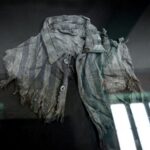
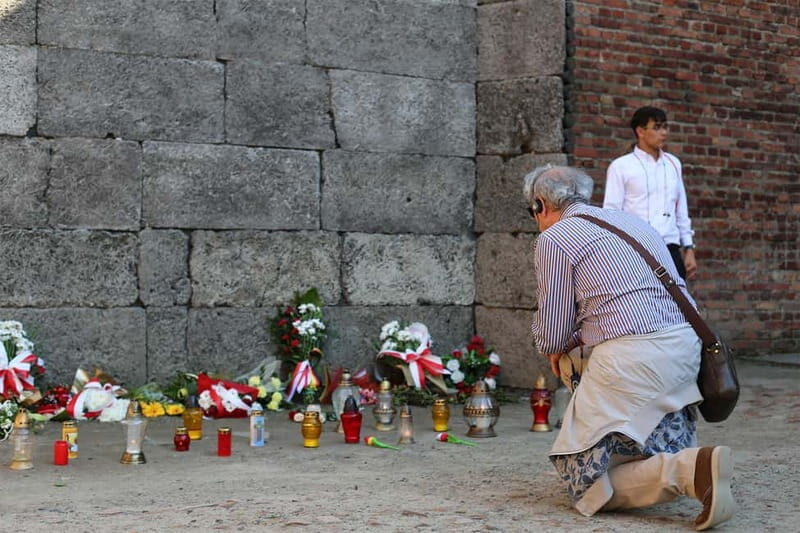
There’s also a “commemorate the camp’s victims and discover stories of survival” component on the memorial site. That’s important, because Auschwitz isn’t only about what happened. It’s also about what people endured and survived, and how the memorial keeps those stories from being reduced to dates.
One more thing I appreciate: the tour includes time for you to explore on your own before heading back to Krakow. When you’re moving between two intense sites, that free buffer helps you avoid the feeling that every minute is scheduled.
Pacing, guides, and the value of being allowed to absorb
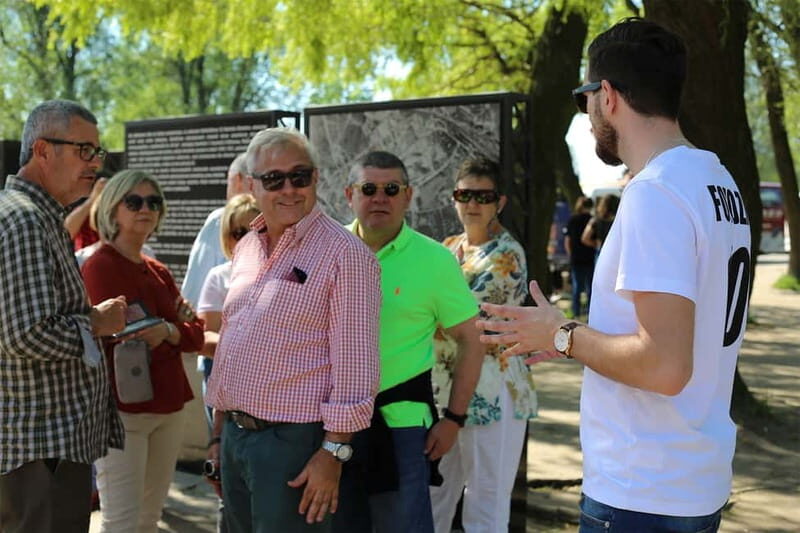
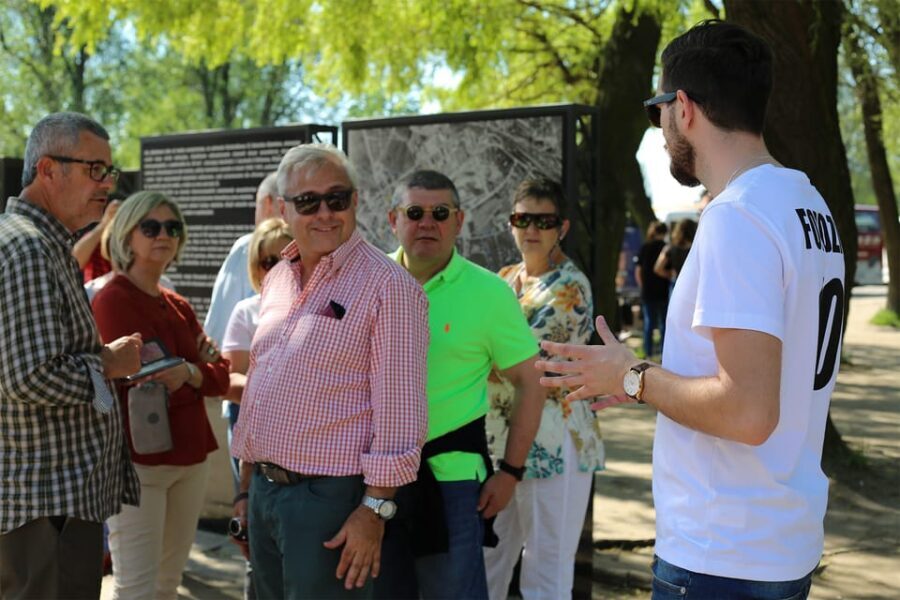
Auschwitz tours can go two ways: either you’re guided closely with constant narration, or you feel like you’re left with information overload and no help connecting it. This tour sits in the middle. You get guiding support, plus the paper guide and map structure that helps you know where to look and how to read the site.
Reviews highlight that guides can be passionate and informative, with one mentioned example where a guide was praised for being incredible and ensuring people felt included. Other feedback mentions the experience is intense and tragic but exactly the kind of history we shouldn’t forget.
That said, there’s one consideration that shows up in the feedback: in some cases, the tour felt like it could be rushed, with less time for real questions. That doesn’t mean the experience is bad—it means you should come prepared to accept that Auschwitz is a high-demand schedule and everyone’s emotional needs vary. If you need extra time to ask questions, it helps to arrive early, show enthusiasm for the subject, and ask directly when you have the chance.
Also, the tour is marketed as not rushing you through the museum at your own pace. In reality, “pace” here is more about flexibility within the planned route than about unlimited time. You’ll want comfortable shoes and patience.

Timing that can protect the rest of your Krakow day
Because the day is structured around pickup and drop-off, it’s easier to plan the rest of your time in Krakow. The tour is listed as 7 hours total. That means you can often still do other things afterward—especially if you get an earlier pickup.
A review note said they were back in Krakow by around 1:30 PM, which is a big deal when you want to enjoy the city later without losing the whole day. Pickup times are not guaranteed, but the tour is built for a single-day rhythm, not an overnight shuffle.
Two short breaks are mentioned in feedback too. So you’re not trapped in a nonstop stretch from door to door. Still, don’t assume you’ll have time for a full meal. Build your expectations around the reality that this is mostly a walking and reading day.
Food, water, and what you should plan to carry
Food and drinks are not included unless you choose a lunch add-on. That’s a crucial value detail. If you tend to get hungry, plan something for your energy before you leave your accommodation.
The tour rules also list that you can’t bring luggage or large bags. That affects what “snack plan” you can bring. You should be able to bring small personal items, but big bags are off the table.
If you’re thinking about comfort, bring what you need for the day: a refillable bottle if you can manage it within the site rules, and snacks only if you’re confident they fit the memorial’s bag restrictions. The tour is not listed as including food, so treat meals as optional extras.
Also keep in mind the dress expectations: sleeveless shirts are not allowed. Weather-appropriate clothing matters because the day involves outdoor walking between areas.
What to bring (and what gets left behind)
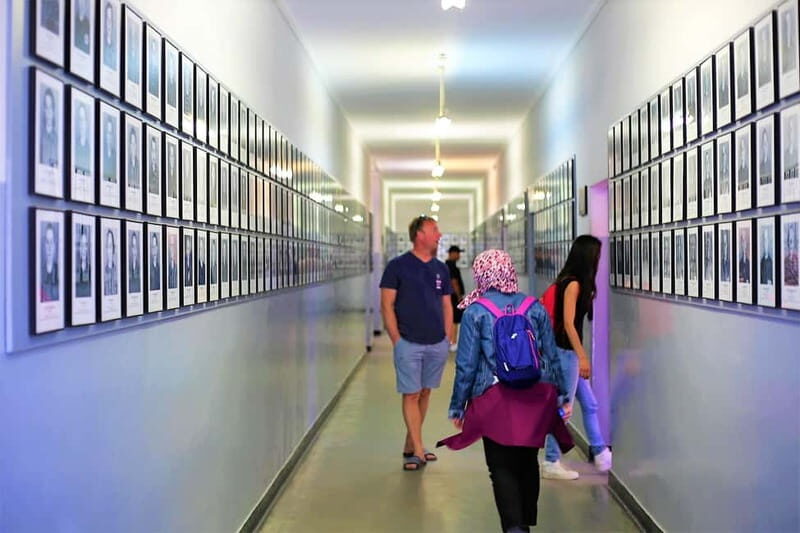
For this tour, your packing list is straightforward, but read it carefully. You’ll need:
- Passport or ID card
- Comfortable shoes
- Weather-appropriate clothing
And leave these at home:
- Pets
- Weapons or sharp objects
- Smoking
- Luggage or large bags
- Sleeveless shirts
- Alcohol and drugs
This matters because it can turn into a stressful start if you show up with the wrong bag or the wrong clothing. A smooth morning is usually the difference between coping well and feeling irritated before you even enter.
Price and value: is $670 a good deal for this day?
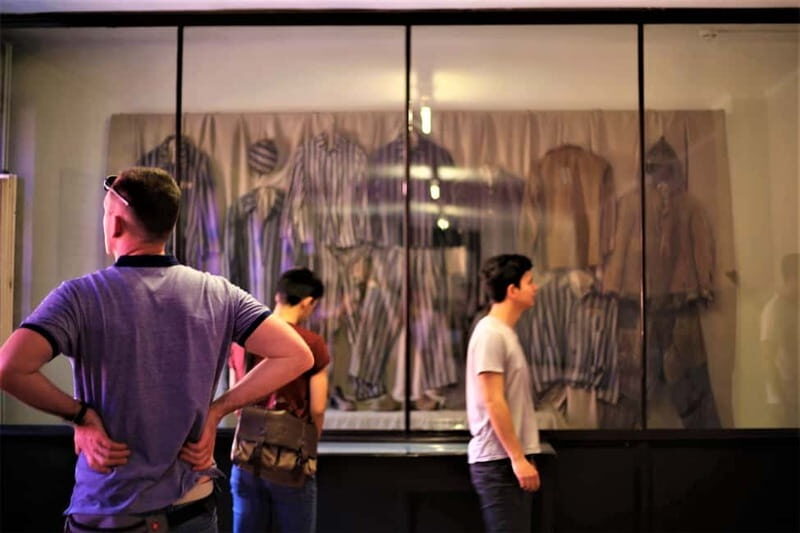
The price is listed at $670 per group, with “up to 1” noted, which suggests pricing depends on how many people your private group includes. That’s important: the value isn’t just the ticket. It’s the package.
Here’s what you’re paying for in practical terms:
- Entry and admission to the Auschwitz-Birkenau Memorial and Museum
- Skip-the-ticket-line convenience
- Hotel pickup and drop-off from Krakow
- Transport in an air-conditioned Lexus
- English guide support and an English audio guide listed
- A paper guide and map structure to help you navigate the site
If you tried to DIY this, you’d likely pay separately for transport, tickets, and time costs. In addition, the stress factor goes up—Auschwitz logistics are not the place to experiment with public transit or last-minute tickets.
The best way to judge value is to ask: do you want a guided route plus transport to remove mental load? If yes, the price can make sense. If you’re comfortable building your own day and you’re traveling solo with patience for logistics, you might decide the added cost isn’t necessary. But if you want a smoother day with a guide, this format is built for that.
Who should book this Auschwitz-Birkenau private tour
This tour is a strong fit if you want:
- Door-to-door convenience from Krakow
- A guided, structured visit with paper map support
- English-language help and an audio guide
- A day that fits into a single 7-hour window
It’s not suitable for:
- Children under 12
- People with mobility impairments
- Wheelchair users
If you’re traveling with anyone who needs special accessibility considerations, you’ll want to look for a different arrangement designed for those needs.
The tour also isn’t set up for long, casual pacing. You should be ready for serious walking, reading, and emotional processing.
Tips to make the day work better in real life
Auschwitz days go better when you reduce decision fatigue. Here are a few habits that match how this tour is built:
- Confirm your pickup expectations the day before, since pickup time is not guaranteed exactly as requested.
- Keep your phone on during pickup time, and wait in the lobby.
- Wear shoes you can walk in for a long time. This is not a sneakers-and-sunhat day.
- Plan for limited food options since food isn’t included unless you add lunch.
- If the route feels rushed, use the map and pause when you need to. The format includes self-paced elements for a reason.
It’s also smart to know you might encounter mixed vibes in the group. Some days feel quiet and reflective; other days are more talkative. Either way, focus on your own pacing and questions.
Should you book? A simple decision guide
Book this tour if you want the Auschwitz-Birkenau day to feel organized from the moment you leave your hotel. The transport plus skip-the-line entry plus guided support is the core value. You’ll spend your energy on the memorial, not on logistics.
Skip it (or consider another format) if you can’t handle lots of walking, or if you need an accessibility-focused alternative. Also, if you strongly prefer fully flexible museum time with no pressure from any schedule, this is still a structured day with planned time windows.
If your goal is: see the sites in the right order, understand what you’re looking at, and get back to Krakow without stress—then this private tour is a solid choice.
FAQ
FAQ
How long is the Auschwitz-Birkenau private guided tour from Krakow?
The total duration is listed as 7 hours.
Does this tour include hotel pickup and drop-off?
Yes. You’ll be picked up from your accommodation in Krakow and returned there afterward.
Are tickets included, and do I skip the ticket line?
Entry/Admission to the Auschwitz-Birkenau Memorial and Museum is included, and the tour offers skip-the-ticket-line convenience.
What language is the guide and audio in?
The host/greeter is English, and an audio guide is included in English. A guide book and map are provided in your chosen language for the self-paced parts.
Is food included during the tour?
Food and drinks are not included unless a lunch add-on is selected.
What are the pickup time limits in Krakow?
Pickup is possible between 6:00 AM and 1:30 PM, and you’ll be informed about the exact time the day before.
What should I bring, and what is not allowed?
Bring your passport or ID card and wear comfortable shoes and weather-appropriate clothing. Not allowed items include pets, weapons or sharp objects, luggage or large bags, sleeveless shirts, smoking, and alcohol or drugs.
Is this tour suitable for kids or wheelchair users?
It is not suitable for children under 12. It’s also not suitable for wheelchair users or people with mobility impairments.