REVIEW · MEMORIAL AND MUSEUM AUSCHWITZ BIRKENAU
Auschwitz Subcamps from Krakow
Book on GetYourGuide →Operated by All in Krakow · Bookable on GetYourGuide
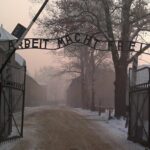
Auschwitz has more than one face. This tour focuses on the Auschwitz subcamps that many visitors never see, with a guided story that helps you understand what the Nazi system looked like beyond the main gate photos. You’ll spend time at Juden Rampe and then move through key subcamp areas tied to day-to-day exploitation and control, plus an on-site exhibition that’s meant to explain how these places worked. One important consideration: this is not Auschwitz I or Auschwitz II, so if those are your must-sees, you may feel like you paid for the wrong version of the trip.
What I really liked is the clear emphasis on the people caught in the subcamp machinery, not just the big headline history. I also like the structure: you get a guided visit of multiple locations, plus private bus pickup from Kraków, so you’re not juggling transport or entry timing. The drawback is pacing. One review-style reality check is that the day can feel rushed for the amount charged, especially if you’re hoping for a slower, deeper museum-feel at each site.
In This Review
- Key takeaways before you go
- Auschwitz subcamps: why this version matters
- Getting there from Kraków: bus time and meeting point reality
- Stop-by-stop: Juden Rampe and the first guided segment
- The Subcamps Exhibition: what it’s doing for your understanding
- SS Canteen and warehouse spaces: the brutality of “normal”
- Auschwitz III (Monowitz) Exhibition: connecting forced labor to the broader network
- Time, pacing, and the big trade-off vs Auschwitz-Birkenau Museum
- Price and value: what you’re paying for, and what to check first
- Who this tour suits best
- What to pack and how to stay sane (and respectful)
- Should you book Auschwitz subcamps from Kraków?
- FAQ
- Where do I meet for this Auschwitz subcamps tour?
- How long is the tour?
- What language is the tour guide?
- What sites are included in the Auschwitz subcamps visit?
- Is Auschwitz-Birkenau Museum admission included?
- What should I bring and what is not allowed?
Key takeaways before you go
- You’re seeing subcamps, not the main Auschwitz I and Auschwitz II areas
- Guided time is spread across multiple subcamp sites so you get a fuller system picture
- Juden Rampe, SS Canteen, and Auschwitz III Monowitz are core stops
- You’ll spend real time at an exhibition designed to explain what you’re seeing
- Group tour pacing can feel fast, so adjust expectations
Auschwitz subcamps: why this version matters
Most first-time visitors arrive thinking Auschwitz will be one big, unified story. But Auschwitz was a system, and the subcamps were part of how the Nazis controlled forced labor, production, and logistics across many locations. This tour helps you connect those dots by taking you into areas that are connected to the larger story, yet often left out of the standard Auschwitz-Birkenau visit.
If you care about understanding how a concentration camp network functioned in real life, you’ll probably appreciate the angle here. You’re not just looking at a single dramatic moment—you’re seeing places that reflect routine: work assignments, supply flows, and the brutal organization that kept everything moving.
The other reason this works well is that it’s framed as an “untold” or less-covered side of the story. That doesn’t mean it’s lighter. It means the guide’s job is to explain what each building and area was used for, and how prisoners experienced those spaces. That context can change how you read the remaining traces.
You can also read our reviews of more tours and experiences in Memorial And Museum Auschwitz Birkenau.
Getting there from Kraków: bus time and meeting point reality
You meet at Floriana Straszewskiego 14, at the K+R Bus Bay next to Hotel Maltański. Plan to arrive about 15 minutes early—this kind of trip starts on time, and it’s not the day for a late-running buffer. From Kraków, you’ll ride by coach to the Auschwitz area for about 75 minutes.
This matters more than it sounds. When you’re headed into a site like this, the extra time on the bus gives you a chance to mentally shift gears. It also keeps logistics simple: you don’t have to figure out public transport, parking, or transfers.
Once you arrive, you’ll go through an express-style security process (the tour includes a skip-the-line express security check). After that, the day shifts from travel-mode to memorial-mode fast.
Stop-by-stop: Juden Rampe and the first guided segment
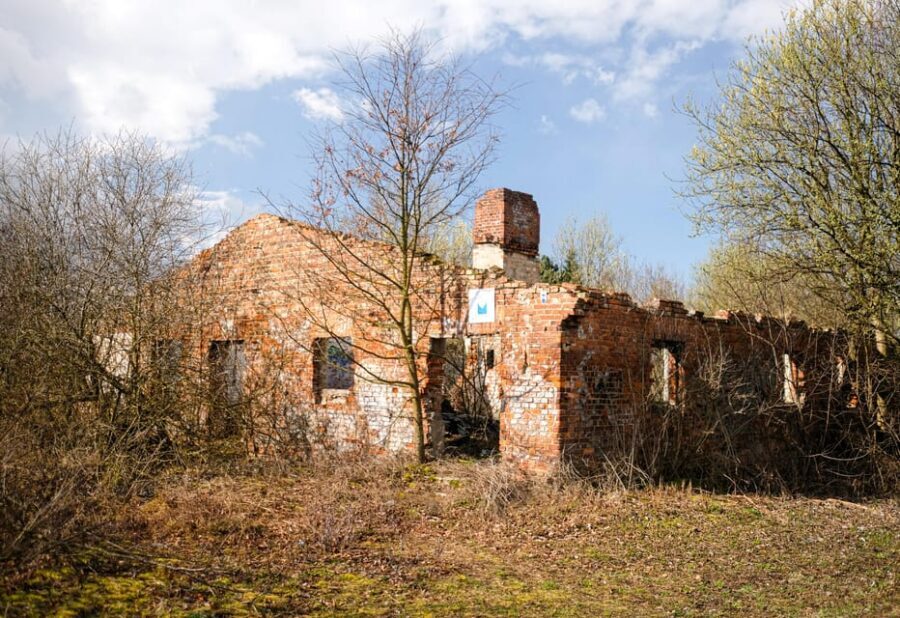
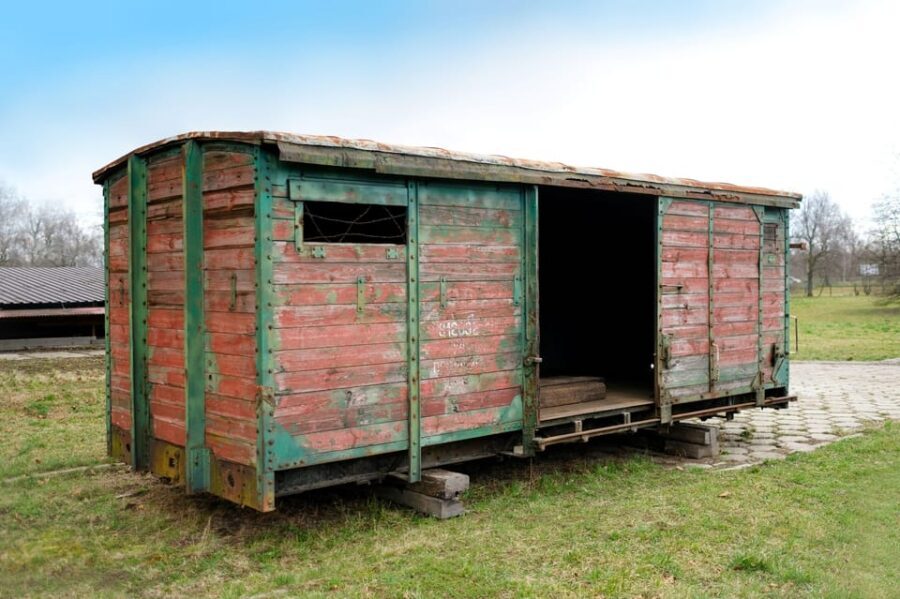
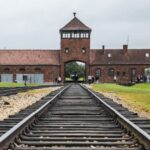
The first major on-site stop is Auschwitz Birkenau (Judenrampe), with about 30 minutes guided. Juden Rampe is one of those places where the setting alone can do a lot of heavy emotional work. What makes a guided visit important here is that the guide can explain the function of the area—how it fit into the process of selection, movement, and control.
This first guided block is also where you get your bearings. If you’ve never seen Auschwitz before, that orientation time helps you avoid the classic problem: you look, you feel, but you struggle to connect what you’re seeing to what the Nazis intended.
Then you move into a longer guided hour at additional subcamp-related areas. Even though the time block is just labeled generally, the tour includes key locations such as the Subcamps Exhibition, the SS Canteen, the Potatoes and Cabbage Warehouse, and the Women Subcamp Bor-Budy. Translation: this isn’t a quick drive-by. It’s structured so you actually encounter multiple types of spaces—intended for work, feeding, administration, and containment.
The Subcamps Exhibition: what it’s doing for your understanding
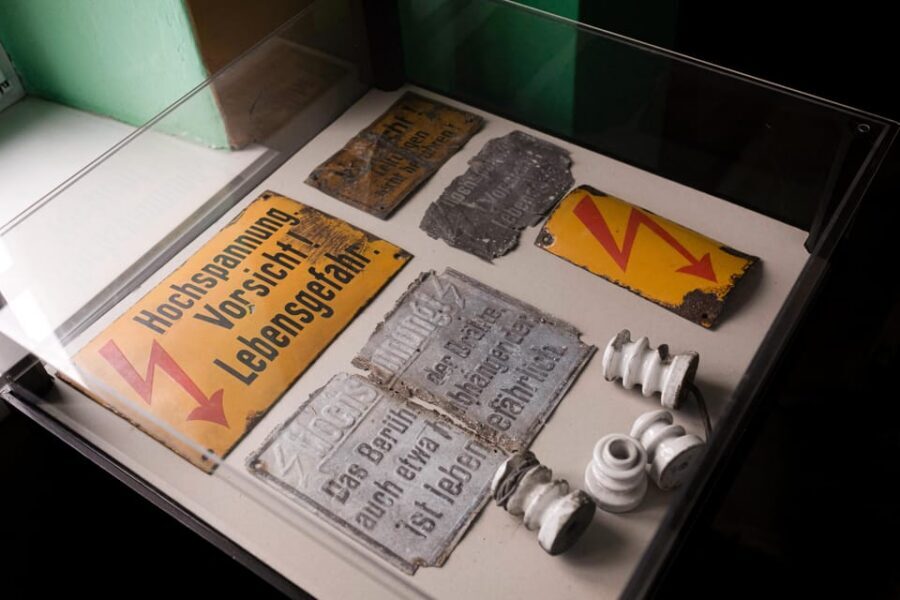
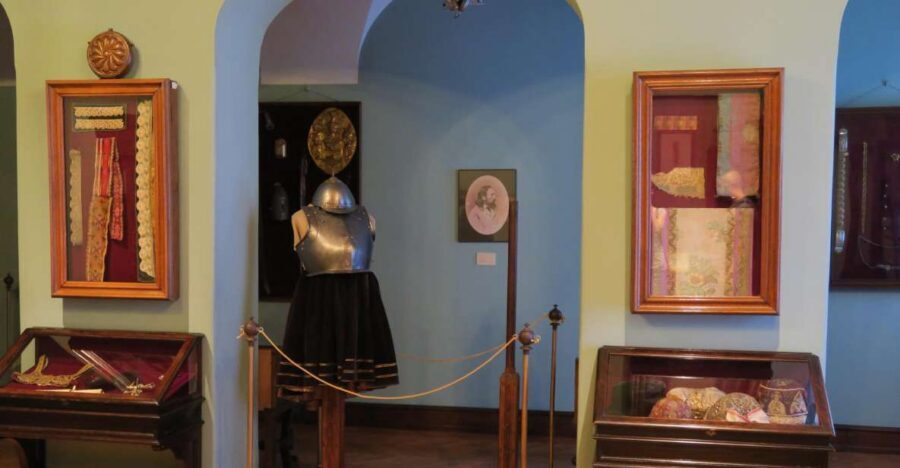
A big part of the value here is that you’re not only wandering. You’re getting explanation through an exhibition tied to the subcamp system. That’s crucial because subcamps can look confusing at first glance. There’s no guarantee you’ll instinctively understand which building was used for what, or how it connected to the larger machinery of Auschwitz.
An exhibition like this gives you a framework you can carry between sites. You’re better able to notice details and ask the right kinds of questions, like: What was the purpose of this space? Who likely worked here? How did the system keep prisoners cycling through labor and confinement?
Also, an exhibition helps you pace your own emotional load. You can read, regroup, and absorb without constantly feeling like you’re staring at empty structures with no context. That doesn’t make the experience easier. It just makes it clearer.
SS Canteen and warehouse spaces: the brutality of “normal”
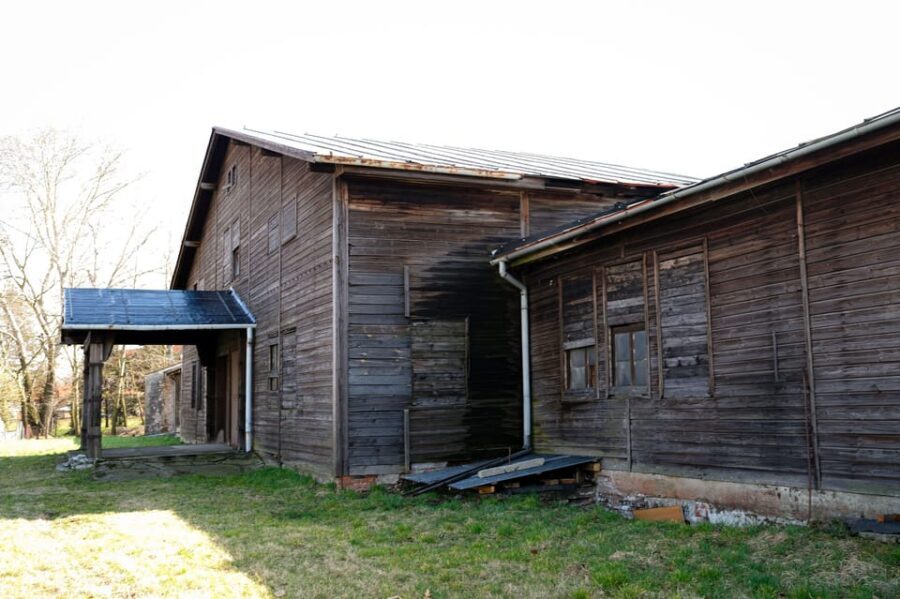
You’ll also visit places included on the route like the SS Canteen and the Potatoes and Cabbage Warehouse. These aren’t just “rooms.” In the context of Auschwitz’s subcamp system, they point to a grim theme: the Nazi apparatus ran on logistics as much as terror.
The SS Canteen is especially jarring because it’s tied to feeding and routine, things people usually associate with everyday life. Seeing how the camp system separated comfort and hunger—who ate, who didn’t, and how food was handled—can land hard. And that’s exactly why guided interpretation matters. You’re not meant to treat these buildings like generic industrial ruins.
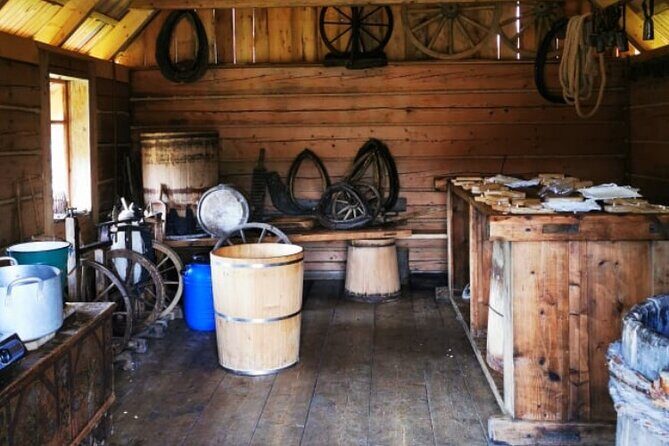
The warehouse stops add a different angle. Warehouses are where the camp’s economic and industrial logic shows up. Food storage, supplies, and production needs don’t sound like the words people use for Auschwitz, but forced labor systems required it. Seeing that side can make the larger system feel more real and more horrifying at the same time.
Auschwitz III (Monowitz) Exhibition: connecting forced labor to the broader network
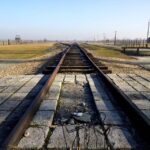
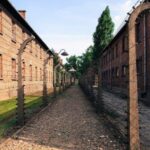
Your last major guided stop is Memoriale Auschwitz III (Monowitz), Oświęcim, with about 1 hour guided plus an exhibition component. Monowitz—often associated with industrial forced labor—helps you understand why subcamps existed in the first place.
When you’re at Monowitz, try to focus on the “system logic.” That means asking yourself how the camp wasn’t only a place of imprisonment, but also a place organized for work output and control. The exhibition time is where the guide’s interpretation helps you link your earlier stops to this final piece.
You’ll likely leave with a stronger sense of how Auschwitz-Birkenau functioned as a network, not a single location. That’s one of the best reasons to choose this tour in the first place.
Time, pacing, and the big trade-off vs Auschwitz-Birkenau Museum
Here’s the trade-off you need to understand up front: this tour does not include Auschwitz I or Auschwitz II. It’s subcamps-focused, and the standard main sites are listed separately as not included (the Auschwitz-Birkenau Museum admission is not included).
That matters because if what you want most is the classic Auschwitz-Birkenau experience, you may feel shortchanged by the scope. Even within the subcamp theme, you’re touring several sites in one day and the structure is built for efficiency. One recurring frustration with shorter multi-stop memorial tours is that they can feel rushed, and the number of locations can outpace how fast your brain can emotionally absorb everything.
If you’re the kind of visitor who wants slow reading time at every major exhibit, this may not be your perfect match. If you’re the kind of visitor who wants the bigger system picture and you’re okay with a brisk but structured pace, you may find it fits your style.
Also note: the tour is scheduled for about 8 hours total, including bus travel and a included break. That’s a long day at an emotionally intense place, so plan your energy accordingly.
Price and value: what you’re paying for, and what to check first
The listed price is $99 per person. One review reality check is that the tour has sometimes been priced around 86 euros, and people felt the pace didn’t fully justify the cost. I get that reaction, and you should consider it carefully.
So what are you actually paying for?
- Guided subcamp interpretation across multiple locations (not just one site)
- Pickup and transportation from Kraków by private coach
- Entrance tickets to the Auschwitz subcamps areas included on this program
- Express security access rather than waiting in a longer line
- A tour designed specifically for the subcamp theme, not the main Auschwitz I/II route
What you’re not getting:
- Admission to Auschwitz-Birkenau Museum (Auschwitz I and/or Auschwitz II)
From a value standpoint, this is a good choice if subcamps are your goal and you want a guided system story without planning transfers. If you mainly want Auschwitz I and II, you’ll be better served by a different day plan that includes those areas.
If you’re on a budget, consider this rule of thumb: a multi-site memorial tour is only “worth it” if the guidance matches your needs. If you’re the type who needs time to read every label and sit longer in quieter zones, you’ll want either fewer stops or a plan that includes the main sites with more breathing room.
Who this tour suits best
This is a solid fit if you:
- Want the subcamp system story and you like when a guide stitches sites together into one explanation
- Prefer a guided day trip from Kraków with transport handled
- Are comfortable with a focused, multi-stop format rather than a slow museum marathon
It might not be ideal if you:
- Must see Auschwitz I and Auschwitz II as your priority
- Get frustrated when tours feel rushed
- Want the most time possible in each single location rather than moving between several sites in one day
Also, this tour is described as available only with All in Krakow, so if that provider is part of your decision, you’re already choosing the logistics and guide style that come with it.
What to pack and how to stay sane (and respectful)
This isn’t the time for nice shoes. Bring comfortable shoes and comfortable clothes, plus weather-appropriate layers. You’ll be outdoors at a memorial site, and your feet will do the work before your emotions kick in fully.
A few practical rules from the tour info:
- Bring a valid ID or passport (and student ID if applicable)
- Alcohol and drugs are not allowed
- Unaccompanied minors are not allowed
- Avoid alcoholic drinks in the vehicle
One more tip: keep your expectations aligned with the format. You can’t slow time, but you can control your mindset. I like to bring a small notebook or use my phone notes to jot questions for the guide, then I can focus better when the guide is speaking.
Should you book Auschwitz subcamps from Kraków?
Book it if you want a guided look at subcamps like Juden Rampe and Auschwitz III (Monowitz) and you’re interested in the Nazi camp system as a network. The logistics are handled—pickup from Kraków, express security, and guided time across multiple sites—so you can focus on learning and reflecting instead of planning.
Skip or reconsider if Auschwitz I and Auschwitz II are your top priorities, or if you know you struggle with fast-paced memorial tours. In that case, you may feel like the day covers too much territory without enough slow reading time.
If you’re deciding last-minute, I’d use this checklist:
- Do you specifically want subcamps rather than the main sites?
- Are you okay with an 8-hour memorial day and multiple stops?
- Do you value guided interpretation more than unstructured time?
If your answers lean yes, this is a meaningful, memorable day—and one that adds an important piece to the Auschwitz story.
FAQ
Where do I meet for this Auschwitz subcamps tour?
You meet at Floriana Straszewskiego 14, at the K+R Bus Bay next to Hotel Maltański. The tour ends back at the same meeting point.
How long is the tour?
The total duration is about 8 hours, including bus transfer and guided time at the stops.
What language is the tour guide?
The live tour guide is in English.
What sites are included in the Auschwitz subcamps visit?
The included stops include Juden Rampe, the Subcamps Exhibition, Potatoes and Cabbage Warehouse, Auschwitz III Monowitz Exhibition, the SS Canteen, and Women Subcamp Bor-Budy.
Is Auschwitz-Birkenau Museum admission included?
No. Admission to Auschwitz-Birkenau Museum is not included in this tour.
What should I bring and what is not allowed?
Bring comfortable shoes and weather-appropriate clothing, and have a valid ID or passport (and student ID if applicable). Alcohol and drugs are not allowed, unaccompanied minors are not allowed, and alcoholic drinks are not allowed in the vehicle.