REVIEW · MEMORIAL AND MUSEUM AUSCHWITZ BIRKENAU
Auschwitz-Birkenau: Memorial Entry Ticket and Guided Tour
Book on GetYourGuide →Operated by Xtrip · Bookable on GetYourGuide
Auschwitz-Birkenau hits hard, and the best way to handle it is with skip-the-line tickets and a live guide with headsets. This setup helps you focus on what you’re seeing, instead of getting stuck in logistics while your group stands around. I like that the visit is organized around two key areas, so you get the full story from Auschwitz I to Auschwitz II-Birkenau without guessing the route.
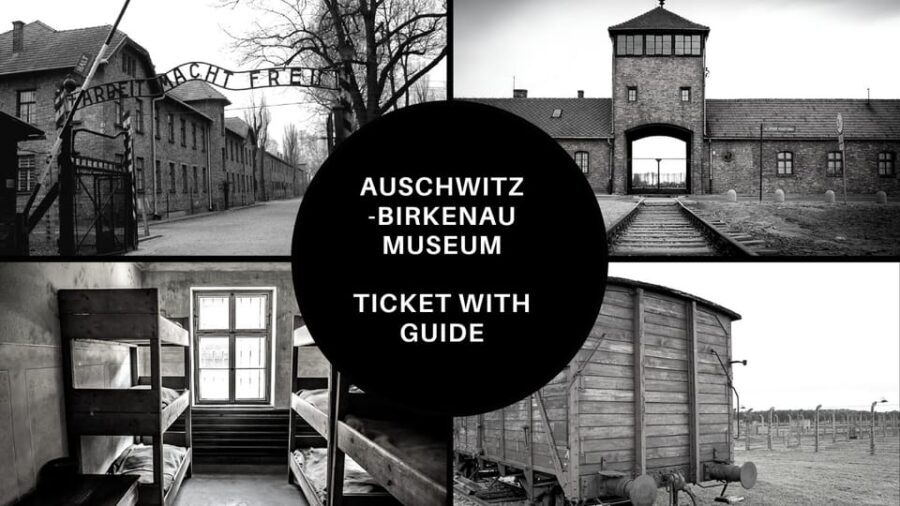
What makes this especially useful is that you’re not just reading plaques on your own. You get guided stops at the entrance gate, barracks, and the railway platform, and you can actually hear the guide even when the group spreads out (headsets are included).
One thing to keep in mind: the schedule is firm, and timing can shift. Your tour start time is approximate, names must match your ID exactly, and if you’re late you can easily lose time for the second part.
In This Review
- Key Things I’d Put on Your Radar
- Auschwitz-Birkenau: why this guided format is practical
- Price and value: what $55 gets you (and what it doesn’t)
- Meeting at Auschwitz I: the spot you must find
- Auschwitz I: the gate, barracks, and why headsets matter
- The guide’s role: what you gain beyond signs
- Transfer to Auschwitz II-Birkenau: the railway walk begins
- Handling the hardest stops: practical tips for a respectful visit
- What’s included: tickets, guide, and headsets (the real win)
- Not included: transport, food, and the things you should plan yourself for
- Who this tour is best for (and who should think twice)
- A note on bookings: what to do so you don’t waste your first minutes
- Should you book this Auschwitz-Birkenau guided tour?
- FAQ
- How long is the Auschwitz-Birkenau memorial guided tour?
- Is the entrance ticket included, or do I buy it separately?
- Where do I meet the guide?
- What language is the guided tour?
- Do I need my own transport to Auschwitz?
- What are the bag and clothing rules?
Key Things I’d Put on Your Radar
- Skip-the-line entry saves your energy for the hardest parts of the day.
- Headsets in English help you follow the guide without straining.
- Two-site route covers Auschwitz I and Auschwitz II-Birkenau in one guided flow.
- On-site transport takes you from Auschwitz I to Auschwitz II for the second half.
- Tight visitor-service pacing means you should arrive prepared and on time.
- Strict entry rules (ID matching, bag size, clothing) can trip you up fast if you’re casual.
Auschwitz-Birkenau: why this guided format is practical
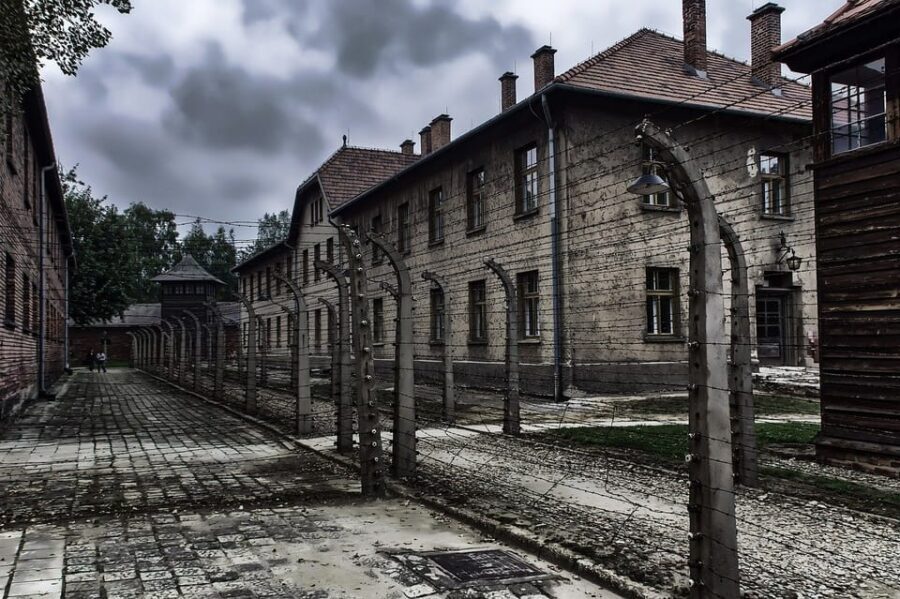
Auschwitz-Birkenau isn’t the kind of place where you want to “wing it.” Even if you’ve read background material before, the on-site layout is wide and specific, and the details matter. That’s where a guided structure becomes more than convenience. It turns a collection of buildings and gates into a guided route you can understand.
I also appreciate that this tour is built around listening. With included headsets, you’re not playing the guessing game of whether you can hear the explanation from ten steps away. In a place like this, clarity helps you stay present instead of distracted.
The other practical advantage is pacing. This isn’t an open-ended museum roam. It’s a planned visit split into Auschwitz I and Auschwitz II, with a short transfer between them, so you’re not scrambling to figure out how much time you have left.
You can also read our reviews of more tours and experiences in Memorial And Museum Auschwitz Birkenau


Price and value: what $55 gets you (and what it doesn’t)
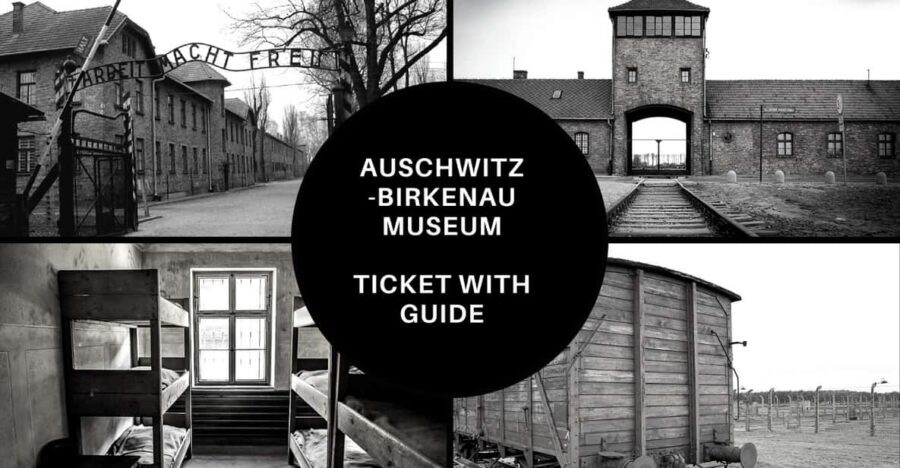
At $55 per person for a 210-minute experience, the price starts to make sense when you match it to what you receive: skip-the-line entry, a live English guide, and headsets. Those three items are real value because they remove three common pain points—waiting, confusion, and noise.
The big trade-off is that your transport to and from Auschwitz is on you. There’s no hotel pickup or drop-off included, so you’ll want to budget for your own ride. If you’re coming from Kraków or another nearby base, you’ll need to plan your timing so you arrive early enough to meet the guide without stress.
Also, this tour doesn’t include food or drinks. That means your “cheap” day can get expensive if you leave it too late and end up paying for convenience snacks. Bring water plans in mind, and don’t assume there will be time for a long sit-down meal between sites.
Meeting at Auschwitz I: the spot you must find
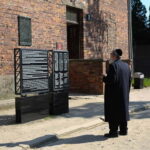
You meet your guide at Auschwitz I, right by the gate leading to the parking area, next to the information boards. That’s a specific landmark, and it’s exactly the kind of detail you want to get right the first time.
Arriving early helps because timing is approximate and can shift (the tour start can change by up to two hours). The memorial’s own visitor-service pace also determines how long things last and how the route flows. In other words, your best strategy is to show up calm and ready, not “just in time and hoping.”
One more rule that deserves respect: your name has to match your passport or ID exactly. If your booking name doesn’t line up, entry might be refused. It’s not the kind of thing you can fix quickly on-site, so double-check your details before you go.
Auschwitz I: the gate, barracks, and why headsets matter
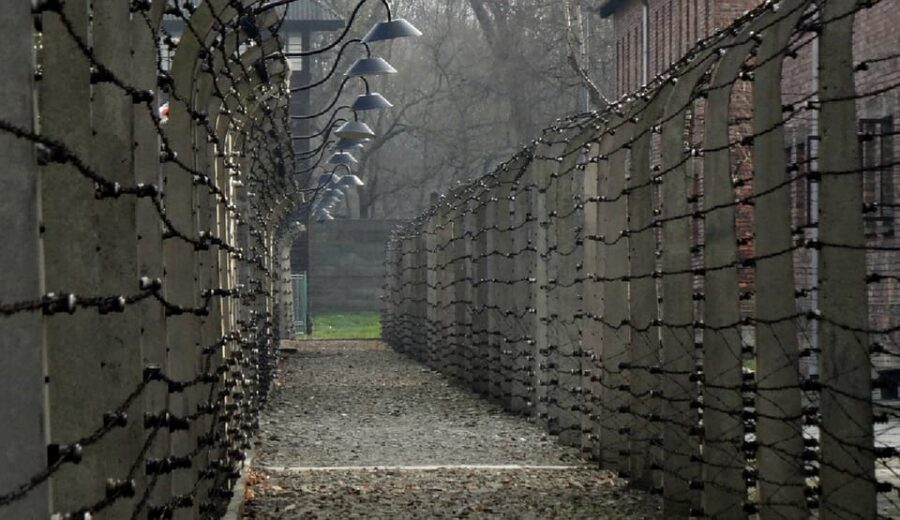
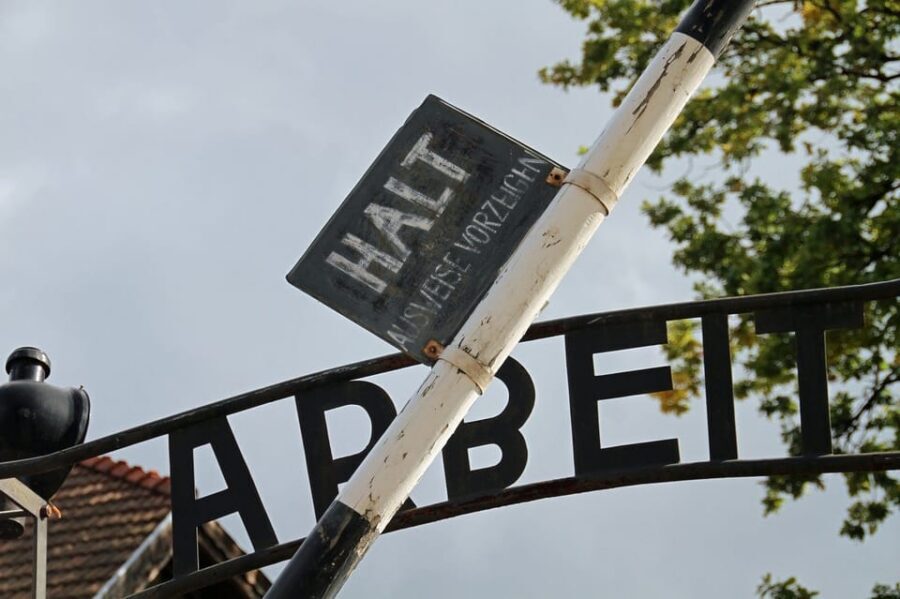
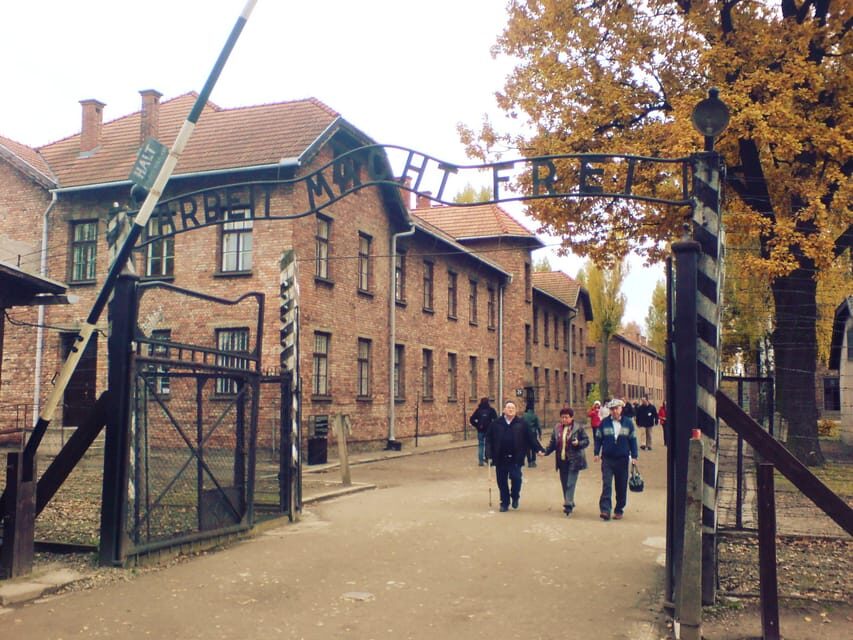
The first part of your guided walk takes you into Auschwitz I, built in 1940 in the suburbs of Oświęcim. You’ll start by passing the infamous entrance area—one of the most recognizable sights tied to the camp—and then move through the camp’s structure and remnants.
What I like about starting here is that it gives you a foundation. Auschwitz I isn’t just “another section.” It frames the system: the scale, the structure, and the way the camp was organized. When the guide explains what you’re seeing on the ground—especially in the barracks—you’re not just looking at walls. You’re walking through how people were forced to live and how the machinery of persecution worked.
The included headsets matter more than they sound. In a place where the group may shift position, loud crowds are common, and paths can be spread out, the audio keeps the narrative intact. It also reduces the temptation to drift away from your group to chase better sightlines.
There’s also a practical expectation-setting piece: some exhibitions are presented in barracks the people were forced to occupy. That design choice is powerful, but it can also feel intense and tight. Comfortable shoes are not optional here.
The guide’s role: what you gain beyond signs
Auschwitz can be read from signage, but a good guide helps you do something more useful: connect what you’re seeing to what it meant in context. You’ll learn about the estimated total death toll—over 1.5 million people—and about the harsh reality of the nationalities represented, with nearly 90% being Jewish.
You’ll also hear explanations tied to specific areas you pass: the entrances, the barracks, and the transitions between camp zones. That guided framing helps you avoid turning a visit into a checklist. It becomes a route that makes sense, even when your emotions don’t.
Just keep one consideration in mind: the tour pace is controlled by the memorial’s visitor service. If your start is delayed, you might not get the same amount of time in each section, because the route has to keep moving.
You can also read our reviews of more guided tours in Memorial And Museum Auschwitz Birkenau

Transfer to Auschwitz II-Birkenau: the railway walk begins
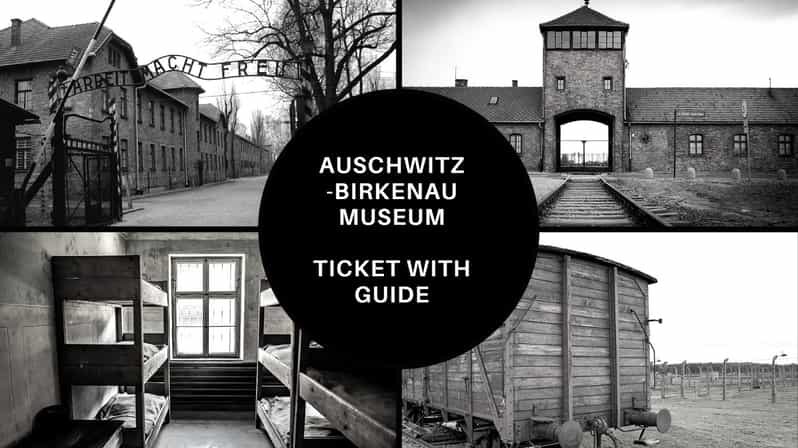
Once the first part finishes, you take a bus available on-site for a short ride to Auschwitz II-Birkenau. This transfer is important because it creates a clean break between the two camp areas. It also sets up the next part of the story with less rushing.
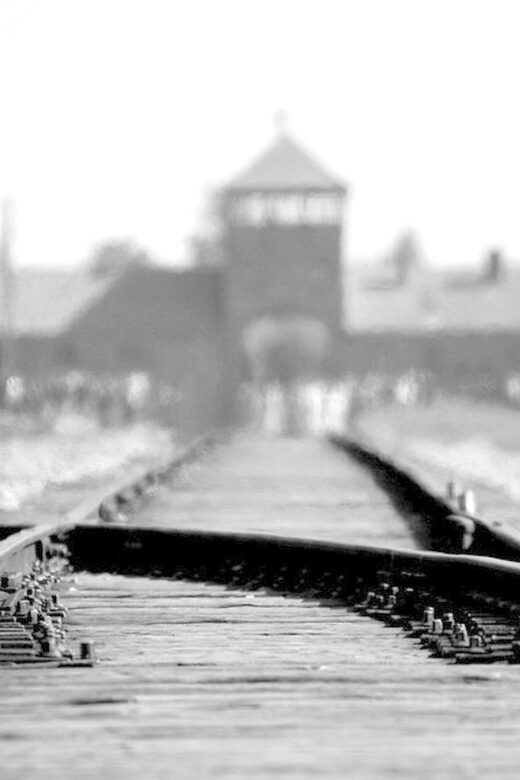
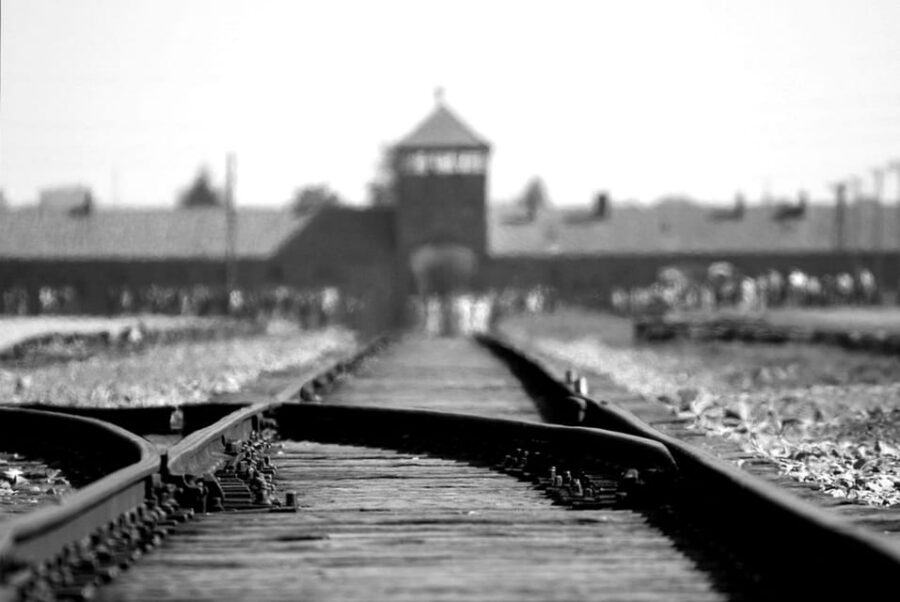
At Auschwitz II-Birkenau, the guide continues with the second half of the tour. You’ll walk along the railway that enabled transports to the camp. That detail is worth taking slowly. The railway isn’t just a piece of infrastructure; it’s part of the system of arrival and control, and it changes how you experience the space.
You’ll also see ruins of gas chambers, the place where people were killed on a mass scale. This is likely the most emotionally difficult part of the visit. It’s also where the guide’s explanations can help you understand what you’re looking at—without turning the visit into spectacle.
Handling the hardest stops: practical tips for a respectful visit
I won’t sugarcoat it: this is one of the most difficult sites on earth. You should plan your body and your head, not just your route.
Wear comfortable shoes because you’ll be walking on uneven ground and moving through wide outdoor areas. Dress for restrictions too: shorts aren’t allowed, and sleeveless shirts aren’t allowed. Weapons or sharp objects are also prohibited, and you can’t bring luggage or large bags.
If you’re the type who likes to take photos for later, set expectations now. Your tour experience here is built around listening and walking the route. You can always revisit your notes afterward and fill in details that you might miss in the moment.
Also, travel time matters because your tour is timed—about 210 minutes total. If you arrive late or lose minutes at the start, the second part can be shortened, and you may not see everything you hoped for.
What’s included: tickets, guide, and headsets (the real win)
This experience includes:
- Skip-the-line entrance tickets to Auschwitz-Birkenau Memorial and Museum
- A guided group tour with a live English guide
- Headsets so you can hear clearly
For me, that’s the core package. The memorial’s site is large and the narrative is complex. Without headsets, a group tour can turn into half-heard facts and long gaps. Without skip-the-line entry, you’re adding waiting time to an already intense day.
Not included: transport, food, and the things you should plan yourself for
No hotel pickup, no drop-off. You’ll use your own transport means to get to Auschwitz and back. The upside is flexibility—your schedule isn’t chained to a hotel bus. The downside is that you must handle timing.
Food and drinks also aren’t included. If you need snacks, buy or pack them ahead of time where you’re staying, and don’t count on a long break on-site.
The tour also includes specific rules that can affect what you bring:
- Bag size limit: 30x20x10 cm
- Bring your passport or ID card
- Follow the clothing restrictions (no shorts, no sleeveless shirts)
These limits may feel strict, but they’re also part of keeping the visitor flow manageable at a major memorial site.
Who this tour is best for (and who should think twice)
This tour is not suitable for children under 14 and it’s also not suitable for people with mobility impairments. If you or someone in your party needs mobility accommodations, check options that match your requirements.
If you’re comfortable with a structured walking route and you want the strongest context possible, you’ll likely find this format effective. It’s especially good for first-time visitors who want more than surface-level facts but also don’t want to get lost on-site.
If you hate group schedules, this isn’t your kind of visit. The pace is determined by the memorial’s visitor service, and time is approximate. You’ll need a mindset that says, “I’m here for the route, not for maximum control.”
A note on bookings: what to do so you don’t waste your first minutes
One recurring problem in experiences like this is not the tour itself—it’s the lead-up details. The operator is Xtrip, and timing or meeting info can sometimes feel close to the start. Because your tour is time-sensitive, I recommend doing two things:
- Re-check your exact meeting instructions the day of your visit.
- Save a way to contact the operator if anything doesn’t look right at the meeting spot.
Those first minutes matter because the tour runs on a tight flow. If you’re standing around searching for your guide, you may lose time that you can’t easily get back.
Should you book this Auschwitz-Birkenau guided tour?
If you want the best balance of meaning, structure, and hearing the explanation clearly, I’d say yes. The skip-the-line tickets plus headsets are practical wins, and the guided two-part route helps you understand Auschwitz I and Auschwitz II-Birkenau as a connected story instead of two random stops.
Book it if you’re ready to follow the pace, check your name against your ID, and respect the entry rules. The visit is designed to move, and that helps you see both sections.
Skip it (or choose a different format) if you’re looking for maximum flexibility, or if mobility and age constraints make a group walking tour unrealistic for your party.
FAQ
How long is the Auschwitz-Birkenau memorial guided tour?
The duration is listed as 210 minutes. Starting times can vary, so check availability for the specific slot you want.
Is the entrance ticket included, or do I buy it separately?
Your ticket is included. You get skip-the-line entrance tickets to the Auschwitz-Birkenau Memorial and Museum as part of the experience.
Where do I meet the guide?
Meet at Auschwitz I, right by the gate leading to the parking, next to the information boards. Your guide meets you there.
What language is the guided tour?
The live guided tour is English.
Do I need my own transport to Auschwitz?
Yes. There’s no hotel pickup and drop-off, so you’ll use your own transport means to get to Auschwitz and back. A bus is provided on-site to move from Auschwitz I to Auschwitz II.
What are the bag and clothing rules?
You should bring a passport or ID card and wear comfortable shoes. Shorts and sleeveless shirts aren’t allowed. Luggage or large bags aren’t allowed, and the maximum bag/purse/backpack size is 30x20x10 cm.