REVIEW · KRAKOW
Kraków: Guided Tour of the Torture Museum
Book on GetYourGuide →Operated by Araneus Sebastian Wadycki · Bookable on GetYourGuide
Some history hits the body, not just the brain.
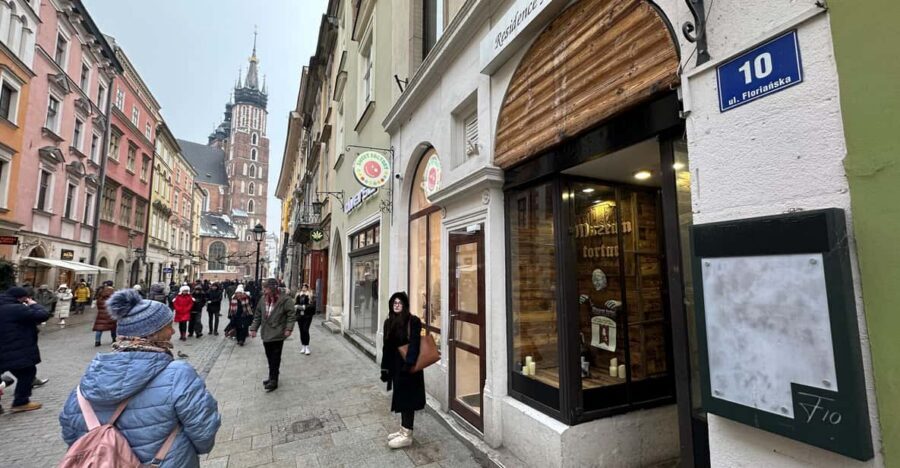
At Krakow’s Torture Museum on Florianska 10, you’ll get a guided look at how punishment evolved, with medieval and modern torture devices presented in a hands-on, story-driven way. What I like most is the clear progression from older methods to newer ones, and the way the guide makes the details feel like a live performance rather than a textbook. One drawback: the subject matter is graphic in theme, so if you get squeamish easily, plan to handle it carefully.
This is also one of those Krakow stops that’s short enough to fit into a packed day. With a small group capped at 10 and a live English guide (plus a host who can be sarcastic in a theatrical way), the pace stays snappy and you’re not stuck listening to long monologues. If you prefer quiet museums with minimal drama, this may feel like too much show—yet if you’re after something memorable and different, it delivers.
In This Review
- Key things to know before you go
- Why the Torture Museum on Florianska 10 feels like more than a museum
- What the “valid 1 hour” format means for your schedule
- Medieval to modern devices: how the museum’s story teaches without going soft
- The executioner and aides: the theatrical layer that shapes your attention
- The guided walkthrough: what you’ll actually do during the visit
- Price and value: is $9 worth your time?
- Who should book this Kraków Torture Museum tour
- Should you book this tour?
- FAQ
- Where is the Torture Museum in Krakow?
- How much does the guided tour cost?
- How long is the tour?
- Is the tour guided or self-paced?
- What group size should I expect?
- Is the experience wheelchair accessible?
- What languages is the tour available in?
- Does the tour include medieval and modern devices?
- Is free cancellation available?
Key things to know before you go
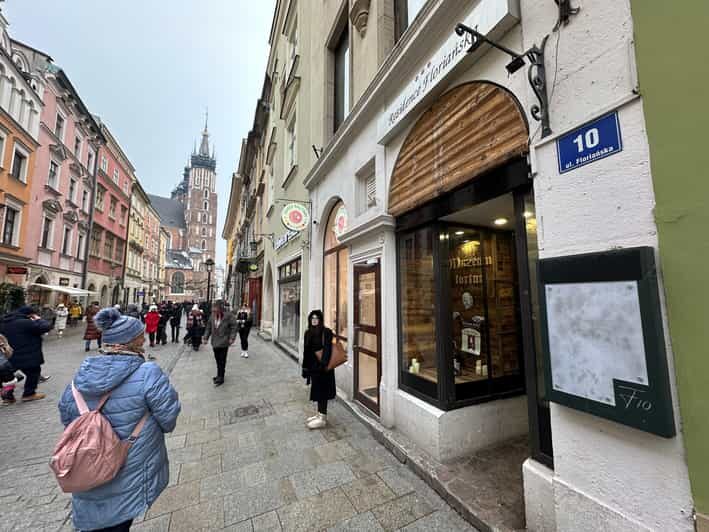
- Florianska 10 location: easy to plug into a walk through Krakow’s center.
- A live English guide: the tour is hosted, not self-paced.
- Medieval to modern punishment: the displays cover more than one era, including the guillotine.
- The executioner show element: the museum has an executioner and aides guarding the experience.
- Small group size: limited to 10 participants, so questions and interaction feel more natural.
- Wheelchair accessible: the tour is listed as accessible.
Why the Torture Museum on Florianska 10 feels like more than a museum
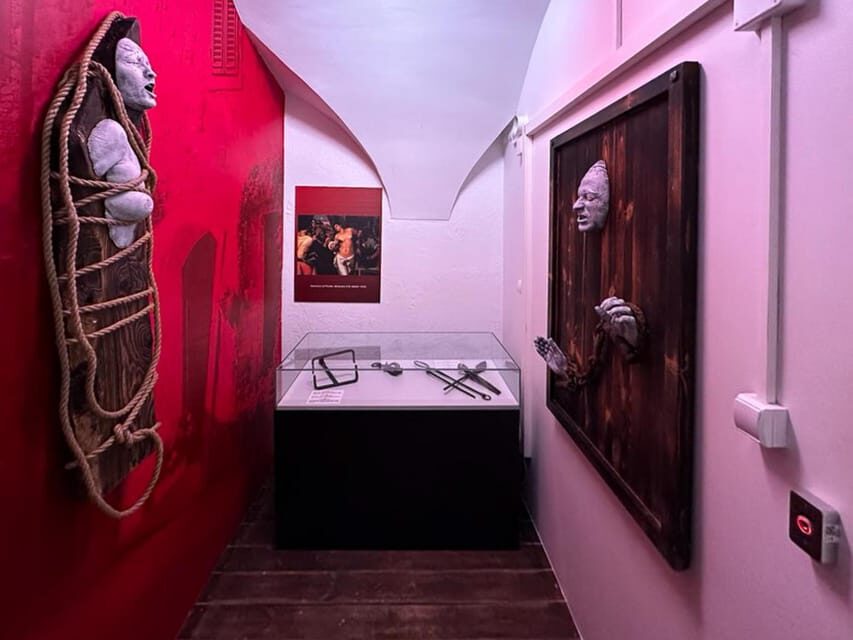
Krakow has no shortage of history stops. This one is different because it’s built like a dramatic walkthrough. You’re not just reading labels. You’re being guided through a theme—how punishment was imagined, designed, and carried out across time—and you’re doing it under the watch of a theatrical staff presence.
The setting matters. Located at Florianska 10, the museum sits in the same general orbit as many classic Krakow sights, so you won’t have to plan a whole day just to reach it. It also helps you keep the visit from feeling like a long detour. Think of it as a sharp, concentrated experience you can pair with other central stops.
Two parts of the presentation really land. First is the range: you’ll see devices from medieval times and then move toward more modern-era methods, so the message isn’t one-note. Second is the guide style. The tour is described as having a sarcastic, theatrical host who makes the gruesome details come alive, and the reviews back up that energy. Guides like Kamil come up specifically for being fun and for involving the group while explaining the torture types clearly.
That combination is why I think this museum works as a travel moment. It’s not trying to be cozy or gentle. It’s trying to be unforgettable.
You can also read our reviews of more guided tours in Krakow


What the “valid 1 hour” format means for your schedule
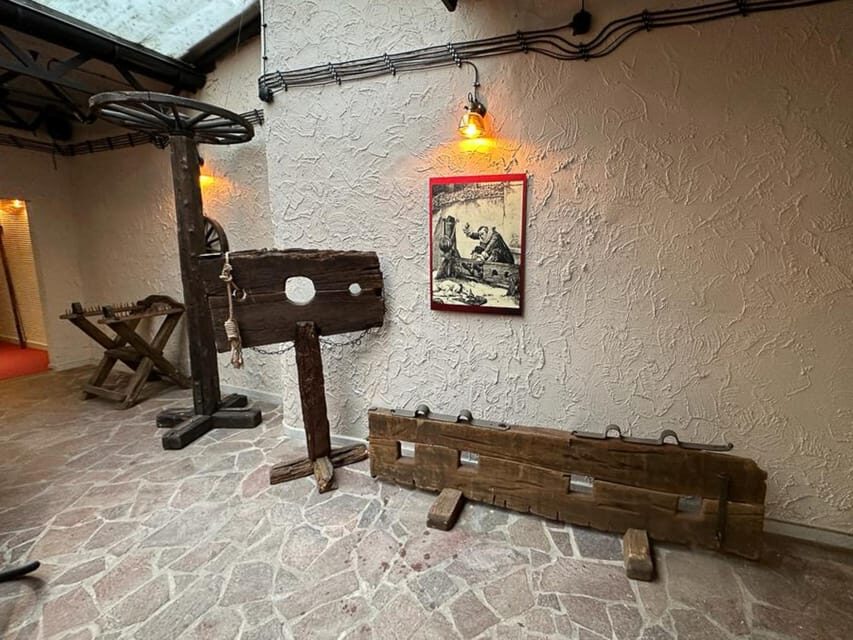
Your ticket is valid for 1 hour from first activation. That wording is important. It suggests you’re not buying a floating all-day pass—you’re starting the clock when you begin. In practical terms, you should time it so you arrive when you’re ready to start, not when you still need a long coffee break.
A guided tour also changes how you experience time. Instead of roaming at your own pace, you’ll follow the guide’s route and story order. If you tend to read every label in a slow, careful way, you may feel a little rushed in the time window. On the other hand, that time pressure is part of what makes it efficient for a day in Krakow.
For planning, I’d treat it like a one-hour commitment you can fit between bigger sights. You’ll get a complete structured experience in that window, then you can move on without dragging the day down.
Medieval to modern devices: how the museum’s story teaches without going soft
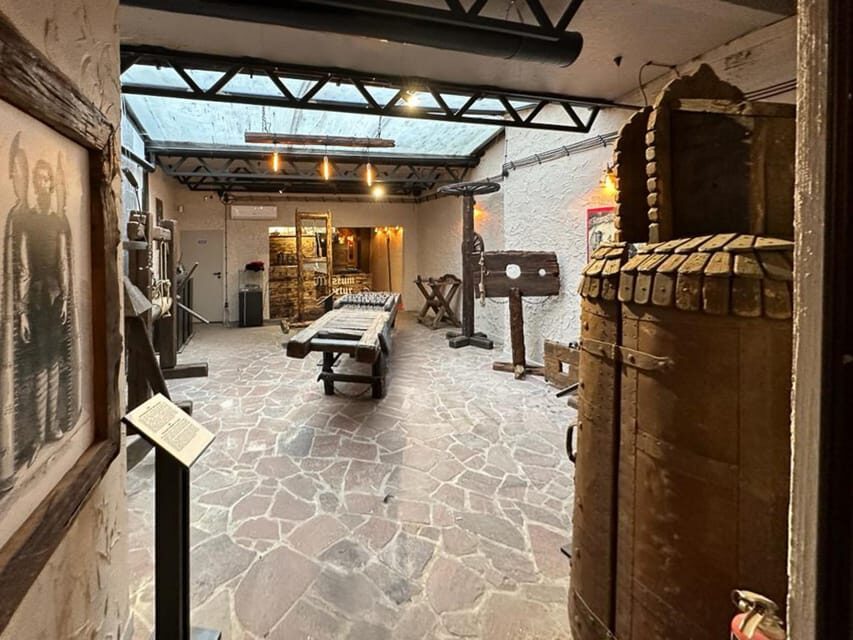
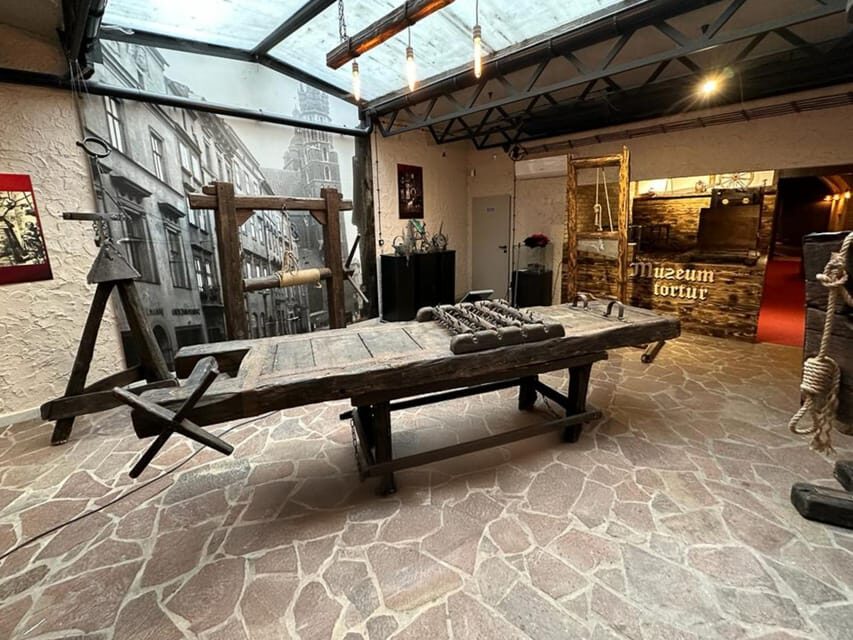
The big concept of the Torture Museum is the evolution of punishment. The tour focuses on how methods changed from medieval approaches toward modern systems. That means the displays aren’t just random props. They’re presented as a timeline—older devices first, then later developments.
You’ll see detailed reconstructions of torture devices, including well-known examples like the iron maiden. You’ll also encounter the infamous guillotine used during the French Revolution. Including that shift into a modern, revolutionary context is one reason the tour doesn’t feel stuck in dark-ages fantasy. It frames cruelty as something people designed and systematized across different periods.
One thing I like about this approach is that it gives you a broader lens than a single era would. If you only saw medieval instruments, you might come away thinking punishment was just superstition and local violence. By also showing the later “modern” side, the museum’s theme pushes you to consider how societies rationalized harm in different forms.
A note of honesty: this is not a museum you visit for comfort. The theme is human cruelty, and it’s presented visually. If you know you get upset by graphic content, bring your best self-control and keep your expectations realistic: you’re walking into a staged, fear-focused exhibition.
The executioner and aides: the theatrical layer that shapes your attention
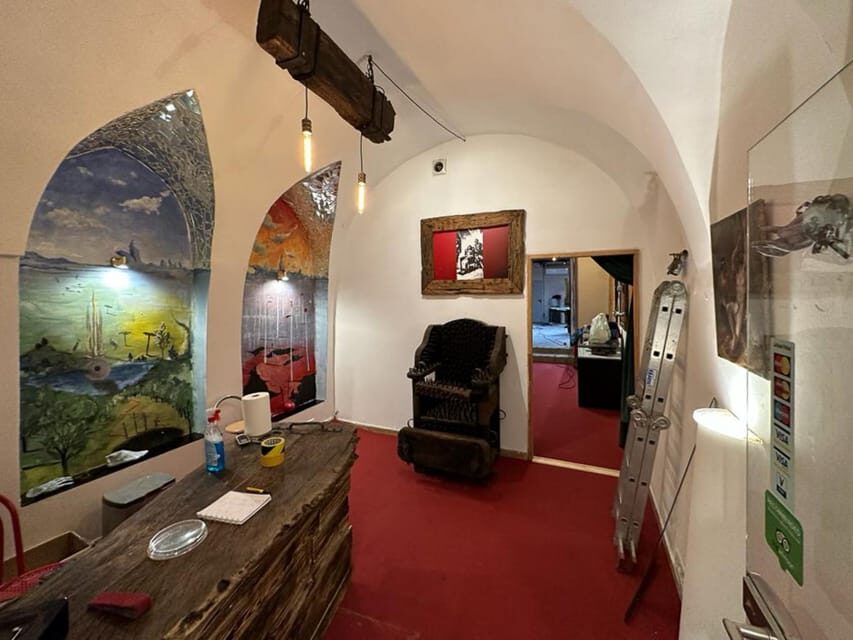
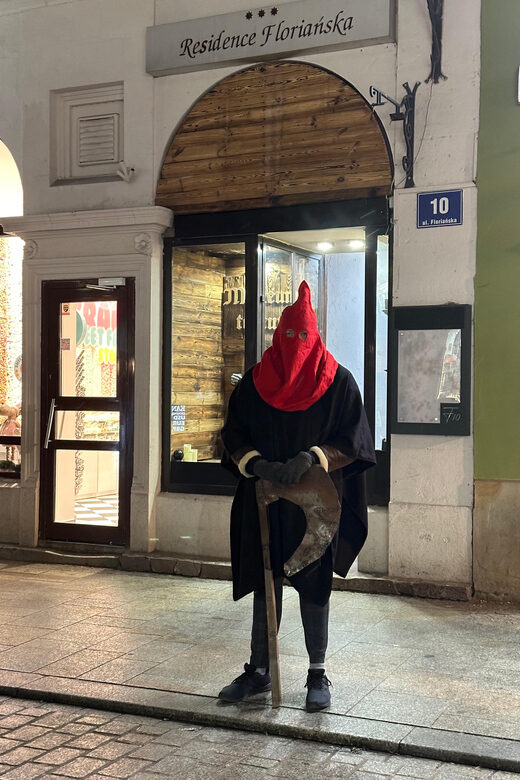
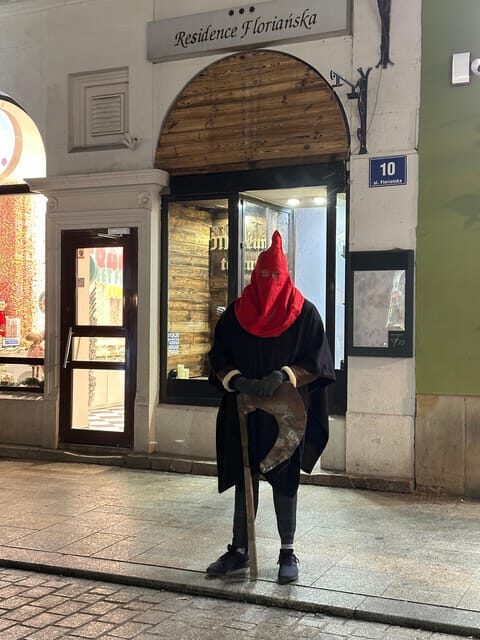
A museum can show you objects. This one also tries to control your attention. The experience is guarded by an executioner and his aides, and that adds a live, unsettling energy to the tour.
In a normal museum, you can tune out a guide and just scan displays. Here, the presence of an executioner-style performer makes it harder to mentally check out. It also explains why the tour is often described as thrilling and adventure-like, not just educational.
The host’s delivery matters too. The tour includes a guide described as thrillingly sarcastic, and that matches the reviews that call out guides like Kamil for making it memorable. The strongest praise in the feedback isn’t just about seeing devices. It’s about how the guide helps you understand what you’re looking at and keeps you involved rather than passive.
In practical terms, you’ll likely get more out of the experience if you’re willing to play along. If you want a purely academic presentation, this may feel too playful in tone for the subject matter. But if you want a tour that’s theatrical while still trying to explain the basics, this is the right kind of stop.
The guided walkthrough: what you’ll actually do during the visit
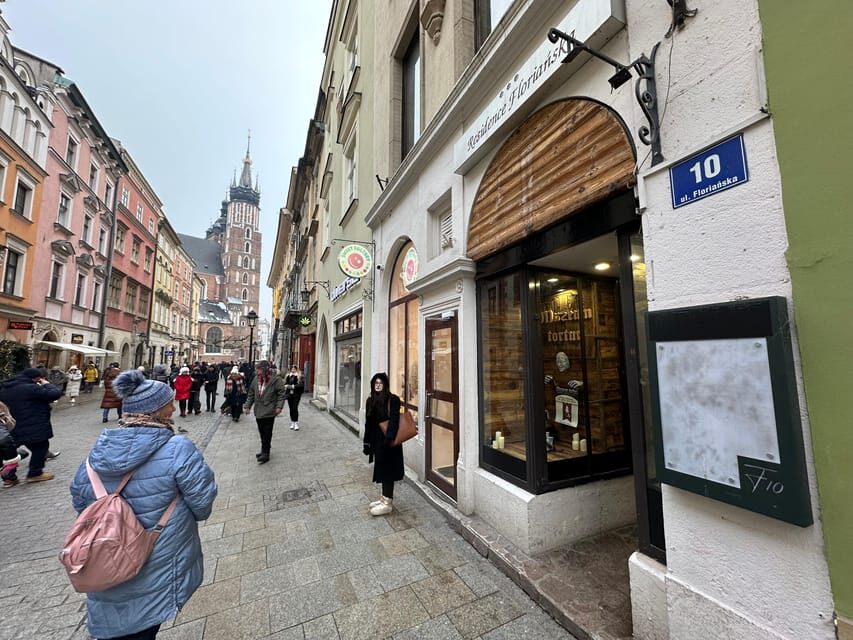
Your tour is a live guided walkthrough in English. It’s hosted as a small group experience with a limit of 10 participants, which usually helps with interaction and keeps the guide from having to talk to a huge crowd.
From what’s described, the visit starts when you step through the gates at Florianska 10, then moves through the museum’s reconstructions and devices. You’ll learn about how someone could perish in many different ways, framed through the devices on display—from older medieval methods to later-era examples. The guillotine is called out as part of the modern section, so expect at least one focal point that anchors the later timeline.
There’s also a strong character-driven element. The executioner and aides aren’t just background—they’re part of the atmosphere that makes the tour feel like a macabre guided event. That’s why it’s often recommended for people looking for something different in Krakow, not just another room full of artifacts.
The host doesn’t just point. The experience is positioned as educational but also intentionally intense. If you’re curious how guides balance instruction with theatrical horror, this is one of the more straightforward ways to see that style in action.
You can also read our reviews of more museum experiences in Krakow






Price and value: is $9 worth your time?
At $9 per person, this is priced like a low-cost, high-impact attraction. For that kind of money, you’re paying for three main things:
- A live English guide (not just a self-guided entry).
- A structured theme that covers multiple time periods (medieval to modern, including the guillotine).
- The staged, interactive feel—executioner presence and a sarcastic host style.
In many tourist cities, paying a similar amount gets you a generic ticket with no real guidance. Here, the guidance appears central to the experience. That matters for value because it turns the displays into a narrative. You don’t just see devices—you learn how the story connects them.
The other value angle is time. The visit is valid for 1 hour from first activation, so you’re not committing half a day. That makes it easier to justify even if your day in Krakow is already packed.
The only time $9 might not feel like value is if you strongly dislike theatrical horror themes or you don’t want graphic subject matter in any form. In that case, you’ll likely feel uncomfortable rather than impressed, and no price helps that.
Who should book this Kraków Torture Museum tour
This tour is a good fit if you like history but you also enjoy experiences that are more than quiet rooms and soft voices. I’d especially recommend it if you:
- want a short guided activity in central Krakow
- enjoy themed attractions with a strong guide personality
- are curious about how punishment systems changed over time
- can handle dark content without it ruining your mood for the rest of the day
It may be a poor fit if you’re easily distressed by graphic themes or you want a kid-friendly, family-style museum atmosphere. The materials are explicitly focused on torture devices, so you should assume the tone will be heavy.
Also consider your travel style. If you usually hate guided groups and prefer free roaming, the small group size (10 participants max) will help, but you’ll still be following a set route and timing.
Should you book this tour?
Book it if you want a memorable, one-hour guided experience that mixes education with a theatrical presentation, and you’re okay with the dark subject matter. The combination of an English-speaking host, the medieval-to-modern storyline, and attention to well-known devices like the iron maiden and the guillotine makes it more structured than a typical “see some objects” ticket.
Skip it if you’re looking for a gentle, traditional museum visit. This is meant to be intense. If that’s not your style, you’ll probably feel better choosing something else in Krakow.
FAQ
Where is the Torture Museum in Krakow?
The museum is at Florianska 10 in Krakow.
How much does the guided tour cost?
The tour price is listed as $9 per person.
How long is the tour?
The ticket is valid for 1 hour from first activation.
Is the tour guided or self-paced?
It’s a live guided tour with an English-speaking guide.
What group size should I expect?
The tour is a small group limited to 10 participants.
Is the experience wheelchair accessible?
Yes, it’s listed as wheelchair accessible.
What languages is the tour available in?
The live tour guide is listed as English.
Does the tour include medieval and modern devices?
Yes. The tour covers devices from medieval to modern times, including a guillotine.
Is free cancellation available?
Yes. Free cancellation is offered up to 24 hours in advance for a full refund.