REVIEW · KRAKOW
Krakow: Auschwitz-Birkenau Tour & Museum Expert Guide
Book on Viator →Operated by Discover Poland · Bookable on Viator
Two camps, one sobering day.
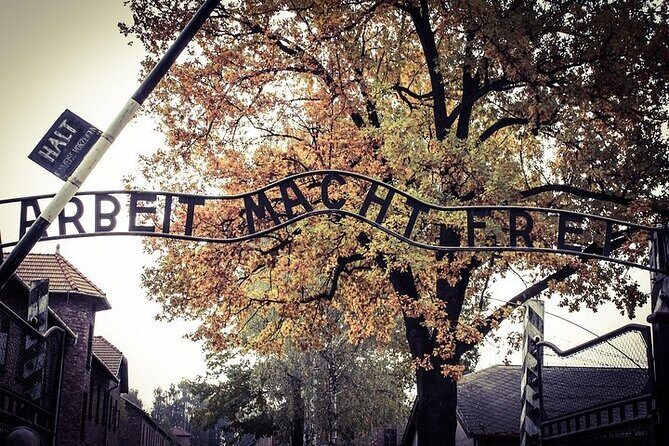
This Auschwitz-Birkenau tour from Krakow is interesting because it pairs approved English guidance with headsets, so you can follow along even when the museum rules keep everything moving. I love that you visit Auschwitz I with time to see the barracks and the Arbeit Macht Frei gate, then continue on to Brzezinka for Auschwitz II (Birkenau). One possible drawback: timing can be very early, and the site’s entry flow can mean waiting in line.
In my experience reading about how this day runs, the quality of the English explanation matters a lot. Guides like John, Norbert, and Paulina are highlighted for clear communication and a human, respectful way of framing what you’re looking at. There are also short breaks (including a quick coffee stop in Oswiecim), but the schedule is tight—so if you need lots of restroom time or long pauses, you’ll want to plan carefully.
The value is real on paper: about $30.23 gets you round-trip transport in an air-conditioned van or mini-bus, admission, and professional help if something goes wrong. Still, food and drinks aren’t included, so you’ll want your own snacks and water to avoid feeling wiped out by a long, emotional day.
In This Review
- Key things to know before you go
- Krakow to Oswiecim: the ride plan and early-start reality
- Auschwitz I: what the 2.5 hours is really for
- Brzezinka (Birkenau): seeing Auschwitz II’s scale in 1.5 hours
- Breaks, walking, and what to bring so you don’t get derailed
- Headsets, English guides, and how to make the narration stick
- Price and value at about $30.23 (and where extra costs show up)
- Respect, emotion, and behavior: how to handle the day well
- Should you book this Auschwitz-Birkenau tour from Krakow?
- FAQ
- How long is the Auschwitz-Birkenau tour from Krakow?
- Is round-trip transportation from Krakow included?
- Where is the meeting point in Krakow?
- Are admission tickets included?
- Are headsets provided for the guided parts?
- What language is the tour guide?
- Do I need to bring ID or a passport?
- What should I bring for the day?
- Is this tour suitable for people with mobility or serious health restrictions?
- Can the departure time change?
Key things to know before you go
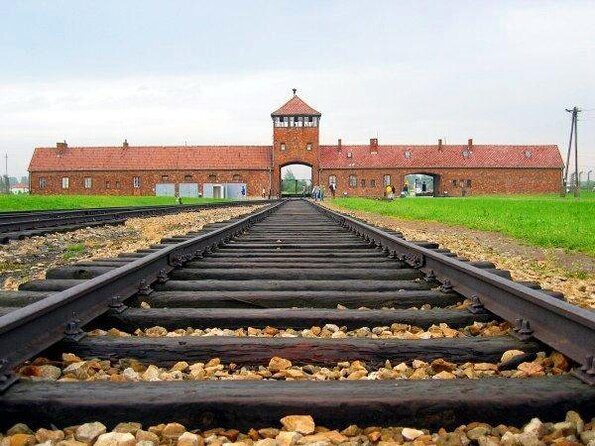
- Licensed English local guide, officially approved by the Auschwitz-Birkenau Museum for the core interpretation
- Auschwitz I and Birkenau on the same day with a structured flow and headsets
- Short breaks only and limited time at each site, shaped by museum entry conditions
- Queue time is possible due to high tourist traffic, so patience is part of the trip
- You’re responsible for what you eat and drink, since meals aren’t provided
- Small group cap of 30 people, which helps you hear the guide better
Krakow to Oswiecim: the ride plan and early-start reality
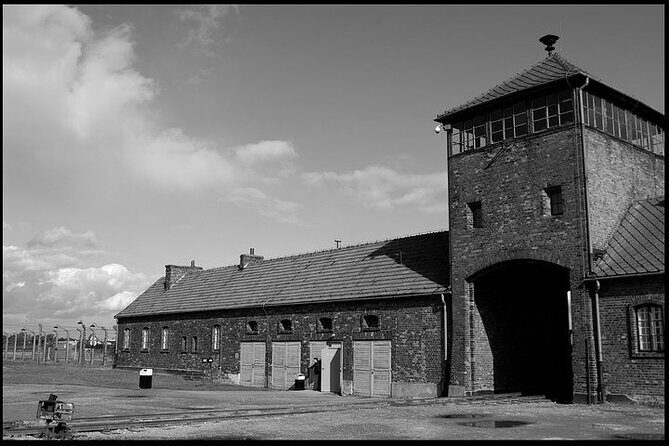
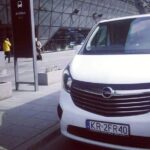
This is a day trip that’s built around getting to Oswiecim early enough to work with the museum’s entry rules. You start in Kraków, at Pawia 18B (near public transportation), and you’re picked up by an air-conditioned van or mini-bus for the round-trip drive. The total time on the ground plus transit is roughly 7 to 8 hours.
Here’s the part you should mentally prepare for: the departure time may change due to Auschwitz-Birkenau museum policy. That can mean earlier pickup than you planned for, and it can also mean you arrive and then wait while the site opens and groups are processed. On a solemn day like this, waiting is not what anyone wants—but it’s a reality you can plan around.
The good news is the trip is coordinated, and you do get a friendly English-speaking leader with you during transportation. In Oswiecim, there’s a short pause—think coffee and a quick look at outdoor exhibits—before you meet the officially approved guide who leads the museum portions.
You can also read our reviews of more guided tours in Krakow
Auschwitz I: what the 2.5 hours is really for
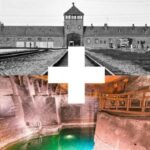
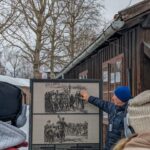
Auschwitz I is the most structured introduction point. You’ll spend about 2 hours 30 minutes here with a guided tour led by the museum-approved guide, and admission is included. This is where you’ll see major elements that become symbols of the site: barracks, watchtowers, and the infamous Arbeit Macht Frei gate.
What makes this stop valuable isn’t just the shock. It’s how the guide connects the physical layout to how the camp functioned—systematic oppression, forced labor, and the deliberate machinery of cruelty. The exhibits include personal belongings, photographs, and documents. These are the objects that help you shift from a general idea of history into something more concrete and harder to forget.
You’ll also have time for memorial moments: there are monuments and memorials dedicated to the victims of the Holocaust, and the day’s pace includes a respectful pause to take that in. If you’ve ever tried to read about Auschwitz on your phone in a line, you know how easy it is to miss meaning. A guided start helps you get your bearings fast, and the headsets help you stay locked in even when groups are moving.
Practical note: this portion is not the place for multitasking. The site is quiet in spirit, and you’ll likely feel that shift. Bring an open mind, not a checklist.
Brzezinka (Birkenau): seeing Auschwitz II’s scale in 1.5 hours
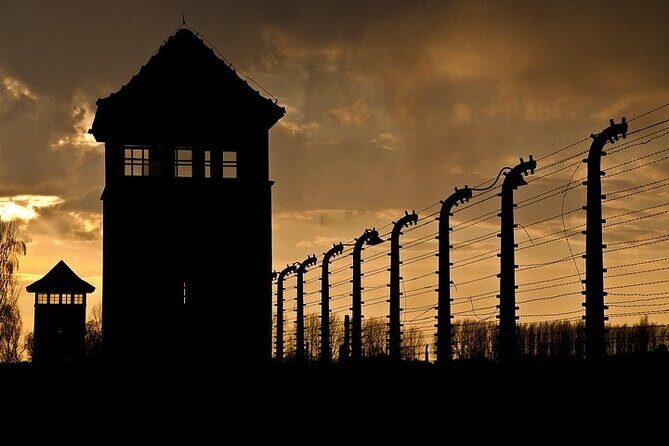
After a short break (planned as up to 15 minutes), you move to Birkenau, also known as Auschwitz II, in Brzezinka. The drive between the two is short—about 3 minutes—and the tour guide continues the narrative.
You’ll have roughly 1 hour 30 minutes at Birkenau, and admission there is free as part of the tour. This camp is the largest one, constructed in 1941, and it was built for the specific Nazi goal of making Europe Judenrein—free of Jews. Your guide should place the camp in context: how the system worked, what prisoners endured, and how selection and forced processes shaped life and death.
Birkenau is where the scale hits hardest. It’s also where context matters most. The tour explanation includes the grim reality of living conditions and the role of cruel pseudo-scientific medical experiments carried out by prominent Nazi doctors, including Josef Mengele. You’ll also hear about the liberation timeline—specifically that the gates were opened on January 27, 1945, by the 60th Army of the First Ukrainian Front.
Because your time here is limited, don’t expect to roam freely for hours. Instead, think of Birkenau as the place where the guide helps you connect what you’re seeing to what you already learned at Auschwitz I. If you come in expecting a long, slow walk with total freedom, you might feel rushed. If you come in ready to absorb the story in a focused way, you’ll likely find it powerful and coherent.
Breaks, walking, and what to bring so you don’t get derailed
This is not a gentle stroll day. Expect walking across camp grounds and outdoor spaces, and be ready for weather. The tour encourages you to bring umbrellas or raincoats, since conditions can change and much of the experience is outside.
The breaks are short. The plan includes a quick pause in Oswiecim and then brief gaps between key segments. During the day, breaks are no longer than 10 minutes, and the tour ends with at least a 20-minute break where you can visit a bookstore, grab groceries, or simply reset. Still, meals aren’t included.
My strong advice: treat food and hydration as part of your preparedness plan. Bring snacks you can handle easily with a headset on, plus water. It’s easy to forget this on an emotional day—until you’re tired, thirsty, and trying to solve the problem while the group moves. One improvement that would help many people is exactly what you can do yourself: come ready with enough to get through the day without relying on cafes or vending machines.
Also bring sturdy walking shoes. People note that the amount of walking can be significant, and you’ll be standing and moving on uneven ground. If it’s hot, add a hat and plan for sun.
Headsets, English guides, and how to make the narration stick
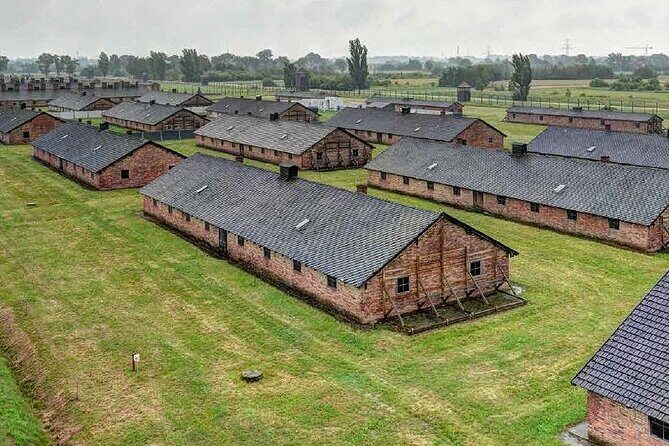
This tour includes headsets, which is a big deal at Auschwitz and Birkenau. The guides are leading licensed English commentary, and the equipment helps you hear the guide clearly while the group is in motion. That’s especially helpful if you’re traveling with other languages around you or if wind and distance make normal listening hard.
The biggest driver of satisfaction is the quality and tone of the guide. In the feedback included here, certain guides are praised for adding detail beyond what you might read on display panels, and for answering questions in a way that stays respectful. Names that come up: John, Norbert, and Paulina. You can’t control who you’ll get, but you can control your part: listen for the guide’s structure, not just isolated facts.
A gentle warning: even with a great guide, some people in group settings do things that feel disrespectful—like taking selfies or posing for photos after guidance was given. You can’t police others, but you can model the right behavior and keep your own focus tight. If you want to ask questions, do it with care and timing, not in the middle of key moments.
You can also read our reviews of more museum experiences in Krakow


Price and value at about $30.23 (and where extra costs show up)
Let’s talk money in real terms. The price is listed at $30.23 per person, and that includes round-trip transport from Kraków, the licensed English guide, entry fees, and headsets. For a day that includes Auschwitz I admission and a full guided interpretation, that can feel like good value—especially compared to paying separately for transport and museum entry.
Where you’ll feel extra costs: food and drinks. The tour doesn’t include meals, so plan on spending your own money for snacks, water, and anything you pick up during that 20-minute break at the end.
Also note the time structure: Auschwitz I is scheduled for 2 hours 30 minutes, and Birkenau for 1 hour 30 minutes. If you’re hoping for long lingering time in every area, this format is a tradeoff. You’re paying for expert guidance and getting both camps in one day, not for open-ended freedom.
If you’re the type who likes a clear plan and hates logistical stress, this is the kind of value that works. If you’re the type who needs a slower pace and extra breaks, you may end up spending extra time and energy managing your comfort.
Respect, emotion, and behavior: how to handle the day well
This is one of those tours where “best practices” matter. You’ll be walking through a memorial space tied to genocide, mass murder, and systematic cruelty. The guide will set the tone, and it’s worth following it.
A few practical things that help the day go smoothly:
- Keep your phone away when the guide is talking through key moments.
- Ask questions if they’re relevant, but don’t derail the group during memorial pauses.
- Skip selfies and staging. If someone else does it, don’t let it yank you out of the moment.
Emotionally, the structure can be stabilizing. You move from Auschwitz I’s detailed exhibit areas to Birkenau’s open scale, then you get a final break to reset. That rhythm helps many people absorb the experience without burning out too early.
At the same time, don’t expect this day to feel “easy.” Even with a polished guide, it can be heavy. Treat it like a meaningful appointment, not a casual stop.
Should you book this Auschwitz-Birkenau tour from Krakow?
If you want a guided day trip that covers both Auschwitz I and Birkenau with English headsets, museum-approved commentary, and round-trip transport, this is a strong option—especially for your first visit to the camps. The low-to-mid price for the included guide and admission is a real plus, and the small group size helps the experience stay focused.
I’d book with this mindset:
- You’re okay with a potentially very early departure.
- You can handle short breaks and bring your own snacks and water.
- You’re ready to listen closely and move when the site schedule moves.
I’d hesitate if you have serious mobility or health limitations, or if you know you need frequent long restroom stops to feel comfortable. And if your schedule is inflexible (morning plans you cannot change), the possibility of departure-time shifts makes this a risky fit.
If you do decide to go, go prepared: shoes, weather protection, and food. Then let the guide do their job. This is one of those days where preparation buys you calm, and calm helps you pay attention.
FAQ
How long is the Auschwitz-Birkenau tour from Krakow?
The tour runs about 7 to 8 hours, depending on conditions on the day.
Is round-trip transportation from Krakow included?
Yes. The tour includes round-trip transport by air-conditioned vehicle (van or mini-bus) between Krakow and the Auschwitz-Birkenau area.
Where is the meeting point in Krakow?
The meeting point is Pawia 18B, 31-154 Kraków, Poland.
Are admission tickets included?
Yes for Auschwitz I. Admission for Birkenau (Auschwitz II) is free as part of the tour plan.
Are headsets provided for the guided parts?
Yes. Headsets are included so you can hear the guide clearly.
What language is the tour guide?
The tour is offered in English, with a licensed English-speaking local guide.
Do I need to bring ID or a passport?
Yes. You’re encouraged to bring an ID or passport, since security at the entrance may ask for it.
What should I bring for the day?
Bring umbrellas or a raincoat if weather is bad, and expect significant walking. Food and drinks are not included, so bringing snacks and water can help.
Is this tour suitable for people with mobility or serious health restrictions?
It’s not recommended for people with serious health or mobility restrictions.
Can the departure time change?
Yes. Departure time may change due to Auschwitz-Birkenau policy, and you’re encouraged to contact the day before to confirm the exact departure time.