REVIEW · KRAKOW
Krakow: River Cruise & Guided Visit to Former Plaszow Camp
Book on GetYourGuide →Operated by INTERCRAC Ltd. · Bookable on GetYourGuide
Plaszow isn’t the kind of place you rush through. This tour pairs a calm Vistula River catamaran ride with an expert live guide who helps the vanished camp layout make sense. You also get built-in pauses for respect, not just checkmarks of sights.
I especially like the focus on the Monument of Torn-Out Hearts and the way the story connects visible locations to real lives. One big consideration: there is a lot of walking on uneven ground, including stretches through scrub and rubble, so it may not fit everyone, especially if you have mobility limits or are traveling with kids.
In This Review
- Key moments that make this tour hit hardest
- Why the Vistula River cruise matters before Plaszow
- Meeting in Krakow: where the tour starts by the water
- The 3-hour flow: cruise, Podgórze memorial, Plaszow camp
- Onboard audio on the catamaran: Wawel, bridges, Bielany, and Skałka
- Ghetto Heroes Square in Podgórze: chairs that symbolize absence
- Plaszow Camp: following the layout where structures are gone
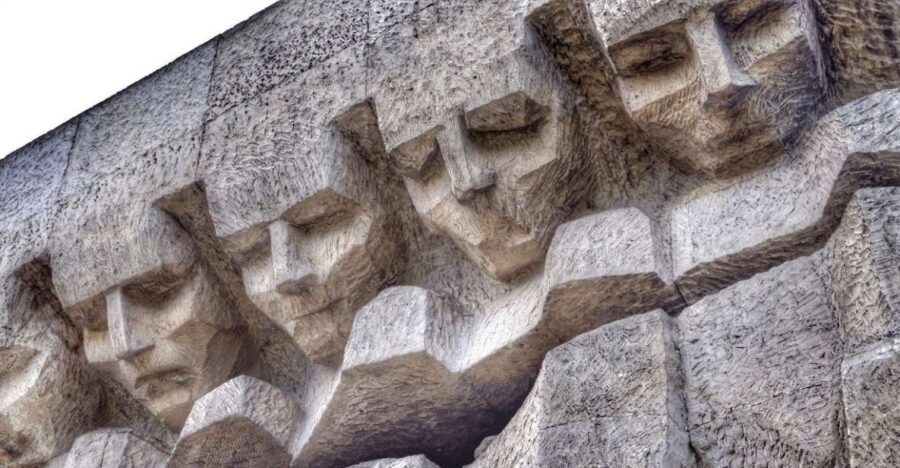
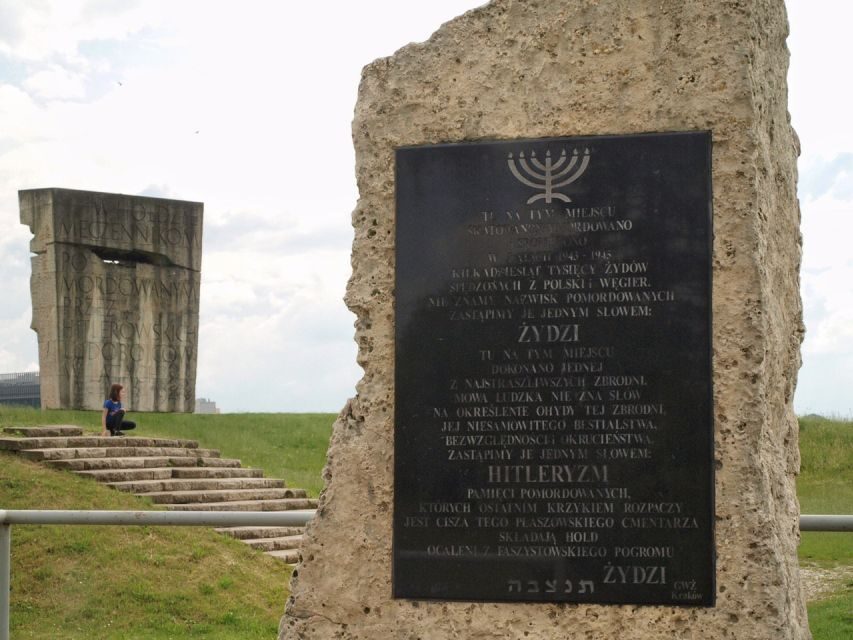
- Monument of Torn-Out Hearts: when the open space does the talking
- Oskar Schindler’s connection: work permits and transfers
- Walking reality check: the part many people underestimate
- Price and value: what $56 gets you in 3 hours
- Who should book this tour?
- Should you book the Krakow cruise and former Plaszow camp tour?
- FAQ
- How long is the tour?
- Where do I meet the tour?
- Is there a live guide?
- Do I get an audio guide on the cruise?
- What’s included in the cruise?
- What sights do we pass or visit after the cruise?
- What does the Plaszow visit include?
- Is the tour offered in languages other than English?
- Is the tour suitable if I have mobility issues?
- What about cancellation?
Key moments that make this tour hit hardest
- Expert live guiding at Plaszow, with the camp’s layout explained where structures are gone
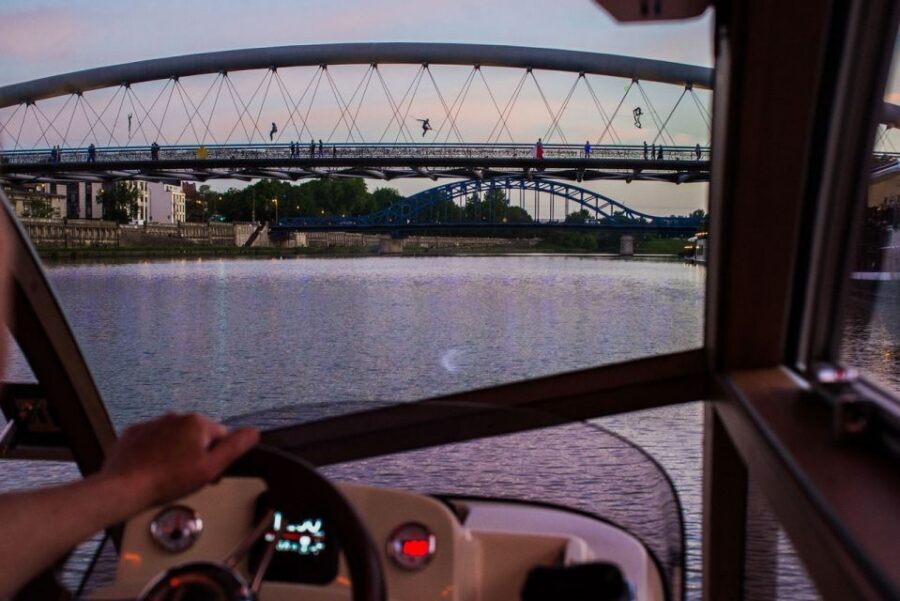
- Vistula River views plus onboard audio covering major Krakow landmarks
- Ghetto Heroes Square in Podgórze, with its metal chairs memorial design
- Tracing Plaszow through surviving elements, like the Grey House and roll-call area
- The Monument of Torn-Out Hearts, placed for careful reflection in an open, quiet space
Why the Vistula River cruise matters before Plaszow
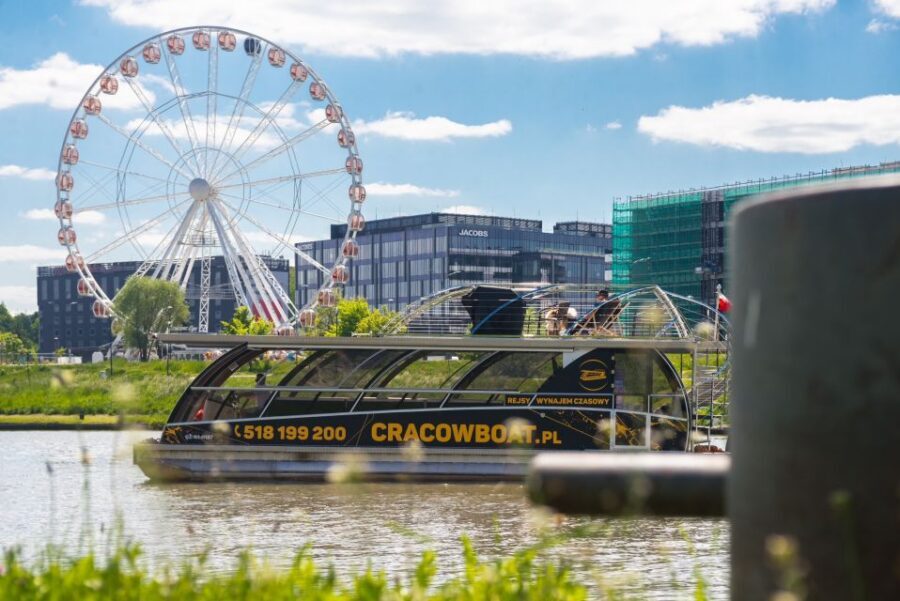
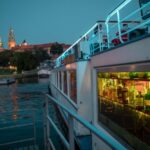
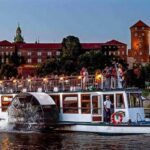
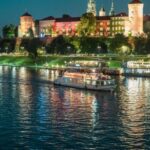
I like tours that set your head in the right place. Starting on the river does that. From the water, Krakow feels open and flowing, with landmarks gradually appearing and disappearing as the boat moves. That matters because Plaszow is not a “see it and move on” stop. It’s a place where silence and space do real work.
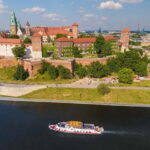
You’re also given stories in a way that feels less like a lecture and more like guided attention. Onboard, you’ll hear about Wawel’s royal past, the monasteries of Bielany and Skałka, and the bridges that connect different eras of the city. That framing helps you understand Krakow as a living city—then makes the shift to the camp more meaningful.
You can also read our reviews of more boat tours in Krakow
Meeting in Krakow: where the tour starts by the water
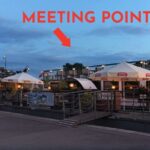
You’ll meet at Inflancki Boulevard, right by the water tram stop called Paulinska. Look for the person holding a Cracow Boat sign.
This is the kind of start where timing matters. Arrive about 10 minutes early. Once the group departs, latecomers can’t join and tickets aren’t refundable. If you’re walking from elsewhere in Krakow, give yourself a little buffer—this meeting point is close to the river but still easy to miss if you show up rushed.
The 3-hour flow: cruise, Podgórze memorial, Plaszow camp
This is a compact tour, but it covers three different emotional “zones”:
1) One short one-way catamaran cruise on the Vistula with onboard audio
2) A walking segment that takes you past Ghetto Heroes Square in Podgórze
3) The guided Plaszow Camp visit, led live in English, focusing on what remains and what those remnants mean
The tour runs about 3 hours total. Part of it is walking with a live guide at Plaszow; the cruise portion uses audio.
Onboard audio on the catamaran: Wawel, bridges, Bielany, and Skałka
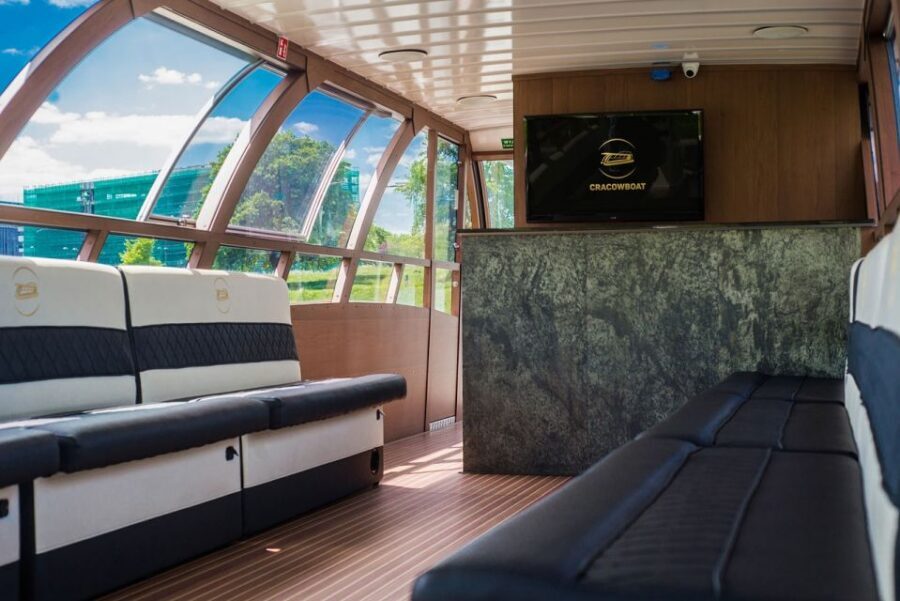
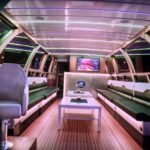
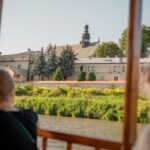
The cruise is short, but it’s well used. You’ll ride a catamaran for a one-way stretch along the Vistula River, and the sights come with English audio guidance.
What I think works best here is the mix of city landmarks and “how the city connects.” You’re not just looking at pretty views. The audio ties what you see to what Krakow used to be and how different places line up along the river.
You’ll hear stories connected to:
- Wawel, including its royal past
- the monasteries of Bielany and Skałka
- bridges that link centuries together visually and geographically
Even if you’ve already read about Krakow, seeing these elements from the water can change how your brain maps the city. It’s easier to remember where things are once you’ve watched them glide past.
Ghetto Heroes Square in Podgórze: chairs that symbolize absence
After the cruise, you’ll walk past Ghetto Heroes Square in the Podgórze district. This is one of those memorials where the design carries the message without needing extra explanations.
The square was transformed in 2005 into a memorial space. The standout detail is the installation of large metal chairs. The chairs symbolize forced departures and absence—so the visual language hits quickly. It’s not loud or theatrical. It’s spare, direct, and it forces a pause.
This stop also helps you emotionally prepare for Plaszow. You’re moving from a symbolic memorial created after the war to a site that is more about what is left behind—open space, surviving elements, and the weight of silence.
You can also read our reviews of more guided tours in Krakow
Plaszow Camp: following the layout where structures are gone
This is the heart of the tour. The former Plaszow Camp was established in 1942 on grounds that had included Jewish cemeteries. It started as a forced-labor camp and later became a concentration camp. More than 35,000 people were imprisoned there, and thousands lost their lives.
Here’s the key thing: there are few structures remaining. That can make some sites feel flat. This tour avoids that problem by guiding you through the former layout using what survives and what can be interpreted from the terrain.
During the visit, you trace key areas such as:
- the Grey House
- the roll-call area
- remnants of important buildings
- mass graves
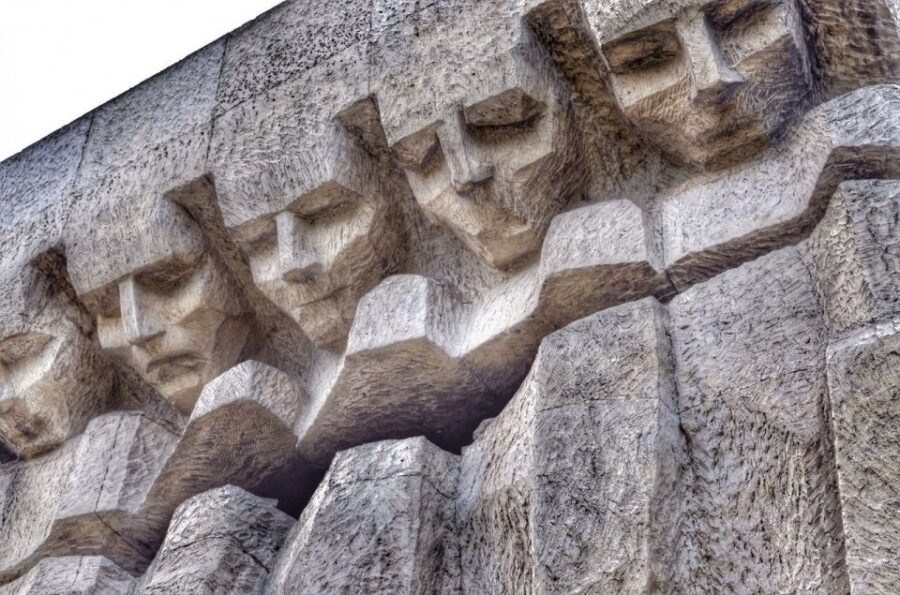
- the Monument of Torn-Out Hearts
You’re not just walking. You’re learning where parts of the camp were and what daily procedures and confinement meant on the ground. The tour’s strength is that the guide turns scattered remnants into a coherent picture.
One small detail that stands out from past experiences: a guide named Ewa was singled out for expert knowledge and for inviting questions. That’s exactly what you want here. If you’re the type who processes better by asking, this format gives you that chance.
Monument of Torn-Out Hearts: when the open space does the talking
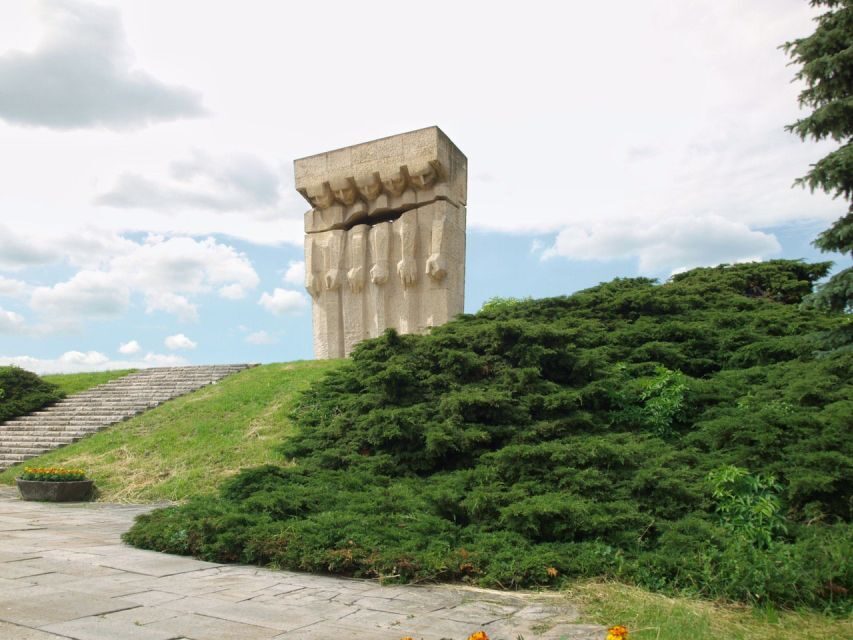
The Monument of Torn-Out Hearts is a named stop in the Plaszow visit, and it plays a specific role. It’s part of a broader moment of remembrance where the setting matters as much as the object itself.
With few structures remaining, the site’s power comes from open space and quiet. That’s not an accident. It gives you room to absorb what you’re seeing without distraction.
I like this pacing because it respects how grief and history work in your body. You don’t get crammed with facts and then rushed out. You get time to notice the scale of an area that once held people under brutal control.
Oskar Schindler’s connection: work permits and transfers
A big part of the narrative on the tour is the story of Oskar Schindler. You’ll hear how he arranged work permits for prisoners registered in Plaszow and later helped transfer them to his factory.
The impact is enormous: the story says this process saved more than a thousand lives. The value of including it is that it adds a human dimension to what otherwise can feel like pure numbers. It also keeps the Plaszow story from ending at horror. It continues into choices and risk, which is a different kind of history lesson.
Walking reality check: the part many people underestimate
Here’s the honest practical piece: there is a lot of walking.
One previously shared experience described walking at least around 2 km to reach the camp area, followed by additional walking on uneven ground. Another person estimated the total walking time and distance as around 5 miles, including paths that may feel unfinished, with rubble and vegetation like nettles.
That doesn’t mean you can’t do the tour—but it does mean you should check yourself first:
- If you have joint issues or limited stamina, consider a different option.
- If you’re traveling with kids, think hard about whether they can handle long, uncomfortable walking.
- Wear comfortable walking shoes and dress for weather. The tour operates in all weather conditions.
A site like this also makes you slow down naturally. Even if the walking seems manageable on paper, you’ll likely move slower once you’re reading, listening, and reflecting.
Price and value: what $56 gets you in 3 hours
At about $56 per person for a 3-hour experience, you’re paying for three things at once:
- a live expert guide at Plaszow
- a one-way catamaran cruise with English audio
- an included single tram ticket
The cruise alone is a nice city perspective. The live guiding at Plaszow is where the value really lives, because good camp interpretation is not something you can easily improvise from signage. The audio also supports the cruise portion so you get context without constantly scanning a guidebook.
Where the value can feel uneven is if your priorities are mostly sightseeing. Plaszow is not a site packed with intact buildings. The learning comes from explanation, surviving elements, and the layout. If you’re expecting lots of photo-friendly structures, you might feel disappointed. But if you want to understand what the place was and why it matters, the format is strong.
Who should book this tour?
This tour fits best if you:
- want a guided interpretation of Plaszow rather than a self-guided walk
- like learning from someone who can connect locations to events
- appreciate a respectful pace that includes reflection
- want a river view of Krakow in the same outing
I’d also say it’s a good choice if you already know the basics of Krakow’s Jewish history and want a more specific, place-based understanding of Plaszow and the Schindler story.
It might be less suitable if:
- you can’t handle longer walking on uneven ground
- you need an option with minimal walking
- you’re looking only for lots of visible ruins or buildings to photograph
Should you book the Krakow cruise and former Plaszow camp tour?
If you’re balancing time in Krakow and you want both scenery and meaning, I’d book this. The pairing of the Vistula catamaran with a guided Plaszow Camp visit is a smart way to move through the day with your senses turned on, then your thoughts turned toward remembrance.
Just be honest about walking. Put on good shoes, plan on spending real energy outdoors, and treat the camp visit as a serious learning experience, not a quick stop.
If you want a single, high-impact outing that connects Krakow’s landmarks to one of the most difficult chapters of European history, this is a solid pick.
FAQ
How long is the tour?
The duration is 3 hours.
Where do I meet the tour?
Meet at Inflancki Boulevard, next to the water tram stop called Paulinska. Look for the person with a Cracow Boat sign.
Is there a live guide?
Yes. There is a live expert guide at Plaszow, in English.
Do I get an audio guide on the cruise?
Yes. Audio guidance is included for the cruise portion, in English.
What’s included in the cruise?
You get a one-way short cruise on the Vistula River on a catamaran, with audio.
What sights do we pass or visit after the cruise?
You’ll walk past Ghetto Heroes Square in Podgórze, and then visit the former Plaszow Camp.
What does the Plaszow visit include?
The guide helps you trace the camp layout through surviving elements such as the Grey House, the roll-call area, remnants of key buildings, mass graves, and the Monument of Torn-Out Hearts.
Is the tour offered in languages other than English?
The group tours are only in one language, English.
Is the tour suitable if I have mobility issues?
The tour includes walking as part of the experience, and the ground around the camp can be uneven. If walking is a concern, you should think carefully before booking.
What about cancellation?
Free cancellation is available up to 24 hours in advance for a full refund.