REVIEW · OSKAR SCHINDLER S FACTORY
Krakow: Schindler’s Factory Guided Tour
Book on GetYourGuide →Operated by Krakowbooking · Bookable on GetYourGuide
This tour hits hard, fast. You’ll step into the original Oskar Schindler enamel factory and hear how the war reshaped real lives in Krakow, year after year. I like that the setting is the actual space tied to Schindler’s work, not just a generic museum stop.
One caution: if you expected hands-on factory scenes from how enamel goods were made, the experience is more exhibition-and-story driven than production-line focused.
What I really appreciated is the story focus, especially the stop at Survivor’s Ark and the way your guide connects big Nazi decisions to daily fear, hunger, and uncertainty. It’s also worth knowing the group format can feel a bit large, and the flow inside can be more of a careful information route than a breezy walk.
In This Review
- Key things I’d pay attention to
- Krakow’s Schindler Enamel Factory: what you’re really touring
- Meeting point and how the tour moves (90 minutes to 2 hours)
- Inside the exhibits: the factory space turns into wartime narrative
- Schindler’s office moment and the meaning of Survivor’s Ark
- How the guide ties everyday life to Nazi policy
- Group size, pacing, and what to do if you want more factory detail
- Price and value: is $46 worth it?
- Practical stuff that can trip you up (ID, rules, and timing)
- Who this tour suits (and who might not)
- Should you book this guided tour?
- FAQ
- FAQ
- How long is the Krakow Schindler’s Factory guided tour?
- Where do I meet the guide?
- Does the tour include skip-the-line entry?
- What languages are available for the guided tour?
- Is food included?
- What do I need to bring for entry?
- Is the museum wheelchair accessible?
- Is there a minimum age requirement?
- FAQ
- What is not allowed inside the museum?
Key things I’d pay attention to
- Skip-the-line entrance so you don’t waste time waiting outside
- Original 1937 factory building that gives the WWII story a real address in Krakow
- Personal accounts of life under Nazi occupation delivered by a live guide
- Schindler’s office and the Survivor’s Ark symbolism (a key emotional moment)
- Recreated historical spaces that help you picture what words mean
- Expect a group tour dynamic; quieter, slower pacing depends on the group size
Krakow’s Schindler Enamel Factory: what you’re really touring
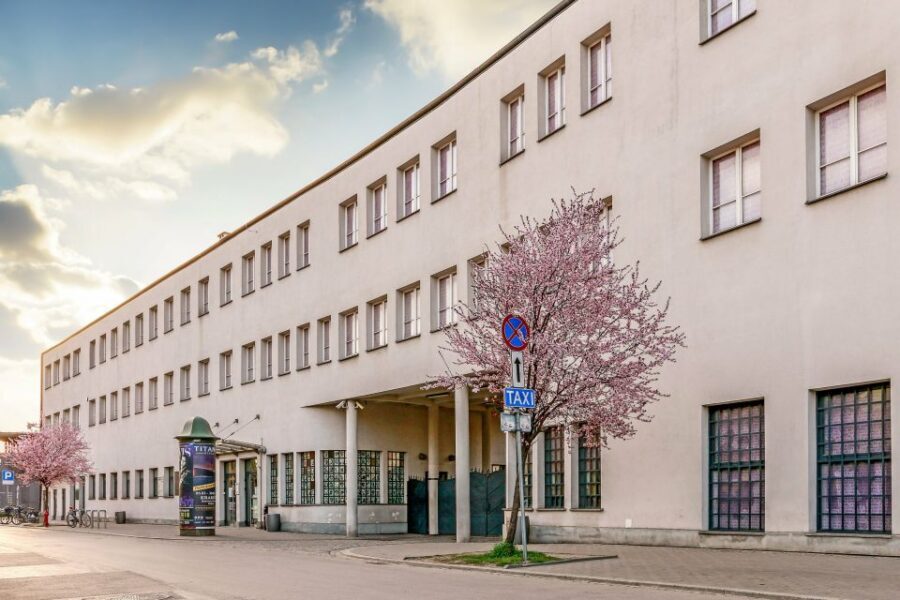
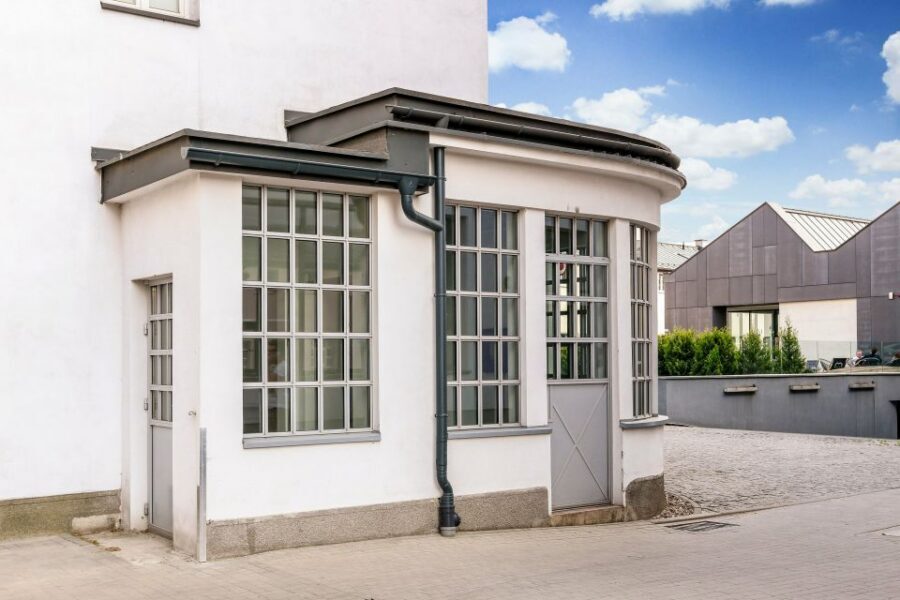
This isn’t a tour that starts with charts and dates. It starts with place. The museum sits in the building of the original enamel factory connected with Oskar Schindler, known as Oskar Schindler’s Deutsche Emailwarenfabrik. The factory dates back to 1937, and that matters because you’re not learning WWII from a distance—you’re learning it from the walls where part of the story unfolded.
You’ll also get a clear timeline setup before the stories pile up. Your guide frames the Nazi invasion of Poland beginning September 1, 1939, and then brings in the Krakow link: Schindler, a Sudeten German, is believed to have arrived in Krakow on September 6, around the time German troops entered the city. That gives the tour a sense of causality, not just chronology.
And then there’s the emotional anchor. The tour makes room for the symbolic weight of Survivor’s Ark, which is tied to Schindler’s efforts to save more than 1,000 people. Even if you know the broad outline already, standing in a museum space built around that symbol tends to make the story feel more specific, not more abstract.
You can also read our reviews of more guided tours in Oskar Schindler S Factory

Meeting point and how the tour moves (90 minutes to 2 hours)

Plan to arrive a little early. The meeting point is right outside the museum entrance at the Oskar Schindler’s Enamel Factory. You’ll spot a greeter carrying a GetYourGuide logo banner.
Once everyone assembles, you’ll head inside as a group. This is a guided tour with live commentary in English and Spanish, and it runs about 90 minutes to 2 hours depending on timing and the day’s schedule. The pace isn’t frantic, but it is structured—your guide is moving you through exhibition spaces while telling linked personal stories.
A practical detail: you’ll want your physical ID or passport ready. Entry depends on it, and the museum staff won’t let you through without a matching photo document.
Inside the exhibits: the factory space turns into wartime narrative
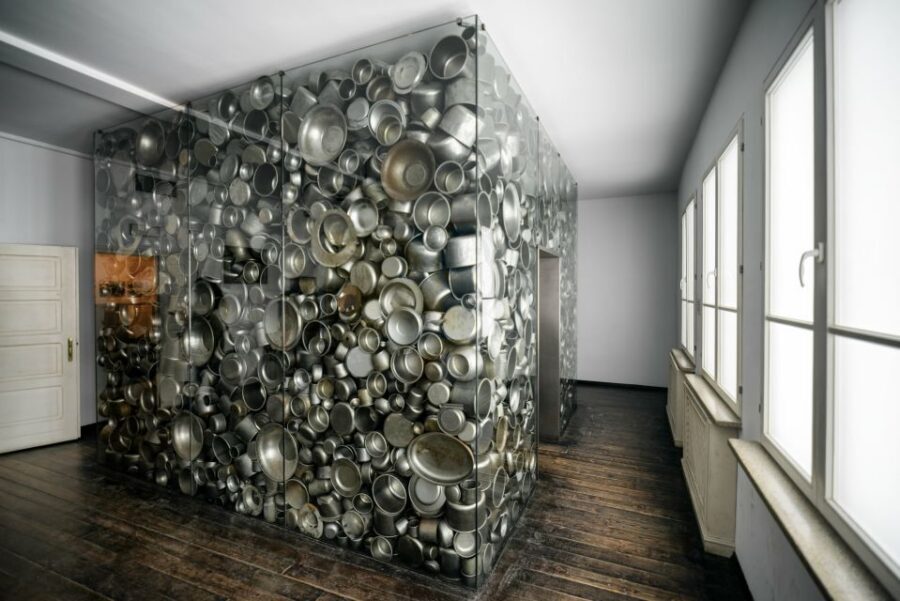
Inside, the experience is set up like a guided interpretation of how war penetrated everyday life. You’ll move through exhibition content inside the factory building itself, and the guide’s job is to connect the Nazi occupation to the human scale.
Here’s what you should expect as the tour builds:
- You’ll hear stories about Krakow’s citizens living under Nazi Germany for nearly six years.
- You’ll learn how everyday survival played out—through disruptions, pressure, and fear that didn’t stay theoretical.
- You’ll see how the big machinery of the regime intersected with individual dramas.
The best part of this format is that the guide doesn’t treat WWII as a single event with a tidy ending. Instead, it comes across as long-term control that changed routines and options. Your guide shares personal stories that help you understand what it meant to live through occupation, not just what happened during key dates.
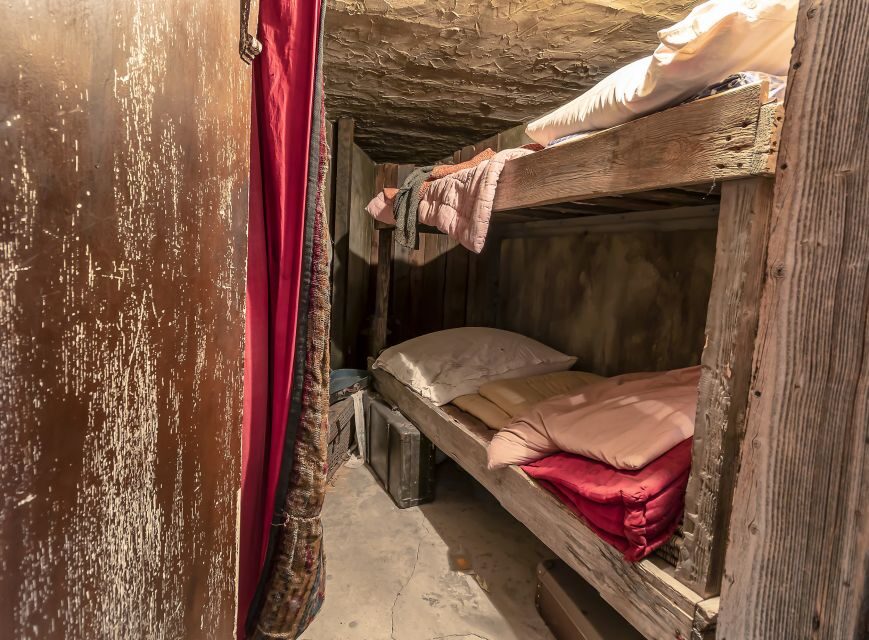
Also, some spaces include reconstructions of historical locations. In plain terms: you’re not only reading panels. You’re looking at dramatized settings and letting the guide translate what you’re seeing into lived experience. It’s one of those details that can make the difference between a museum you tolerate and a museum that makes you pay attention.
Schindler’s office moment and the meaning of Survivor’s Ark
The tour’s emotional centerpiece is the visit that centers on Schindler himself and the symbolic Survivor’s Ark. You’ll learn about the person who saved over 1,000 lives, and you’ll hear about it in the context of the space connected to his work—his personal office area is part of the route.
This is the moment where the tour tends to shift from background context to direct meaning. Up to this point, you’ve gathered the setting and the pressures. Now the guide emphasizes what Schindler’s actions represented inside that environment—risk, choices, and moral weight under a regime designed to crush options.
Even if you already know the broad story of Schindler, the guided approach makes a difference because it keeps returning to why the symbol matters. Survivor’s Ark isn’t just a name. It’s a framing device that turns survival into a story with purpose, not just an accident of fate.
How the guide ties everyday life to Nazi policy
What makes this tour more than a memorial is the way it bridges policy and ordinary life. WWII history can become a list of systems: deportations, forced labor, repression. This tour uses personal stories to show how those systems touched daily decisions.
During the walk, you’ll likely notice how your guide keeps linking:
- the wider structure of the Nazi regime,
- to the specific experience of individuals in Krakow,
- and then back again to what that meant for survival.
That’s why the tour works even if you’re not a WWII specialist. You get a guided lens for understanding the intersection between history and daily life. Instead of memorizing facts, you start learning how people coped, how fear shaped movement and speech, and how choices could mean life or death.
This is also where a good guide matters. A guide can make a difference between a tour that feels like information delivery and one that feels like story with context. The language options (English and Spanish) help, too, so you’re not stuck on a half-understood version of the story.

Group size, pacing, and what to do if you want more factory detail
There’s one reality check: this is called Schindler’s Factory, but the experience isn’t mainly a workshop showing enamel-making processes. One possible drawback is that if you arrive hoping to see how they used to make pots or the exact production technique, you might feel the route is more of a maze-like information layout than a walk through working factory equipment.
Another practical consideration is group size. On some days the group can feel quite large, which can affect how quickly you move and how much personal attention you get. There’s also a chance that group flow inside can overlap with other tours, which can make certain areas feel busier than you’d like.
So here’s the best way to manage expectations:
- If you want story + context anchored in a real building, this is a strong choice.
- If you want factory mechanics and step-by-step manufacturing, you may find this tour doesn’t match that goal.
Price and value: is $46 worth it?
At about $46 per person for 90 minutes to 2 hours, the value comes down to what’s included. You’re not just paying for entry. You get:
- an expert guide,
- a tour in your chosen language (English or Spanish),
- and a skip-the-line entrance ticket.
That combination matters in Krakow, where museums can have busy hours. Skip-the-line access is one of those quiet-value perks that makes the morning or afternoon feel less stressful. And for a museum built on complex, sensitive context, having a guide you can ask questions of (even just through the route) is usually worth more than squeezing extra time in the galleries on your own.
Also, the tour length is reasonable. You’re not stuck for half a day, but you do get enough guided time to connect the dots. For many visitors, that’s the sweet spot: enough structure to feel informed without turning the story into something you rush.
If you’re traveling with a tighter budget, focus on this question: do you want guided interpretation or do you prefer reading at your own pace? If you want guided interpretation, the price makes sense.
Practical stuff that can trip you up (ID, rules, and timing)
This museum is strict. Before you go, make sure you’re ready for these rules:
- Bring a passport or photo ID for every participant. No photo ID, no entry.
- Avoid flash photography and video recording inside.
- No large luggage or big bags. Keep it light.
- No smoking and no open fires.
- No pets in the museum.
You’ll also want to think about comfort. This is a guided route through exhibit rooms, so wear shoes you’re fine with for walking on museum flooring. Also, because it’s not designed like a casual stroll, it’s smart to keep your schedule flexible enough to arrive on time for the group departure inside.
On suitability: it’s wheelchair accessible, which is a big plus. But it’s also not suitable for children under 14, so plan accordingly if you’re traveling with young kids.
Who this tour suits (and who might not)
This guided tour is a good match if you:
- want a guided WWII story that centers Krakow’s civilian experience,
- care about understanding how the occupation affected everyday life,
- appreciate a route that uses a real, historical site rather than an abstract exhibit,
- are comfortable with emotionally heavy subject matter and story-based pacing.
It may not be the best fit if you:
- expected a hands-on factory walkthrough about how enamel items were produced,
- hate group tours and want total silence,
- need lots of freedom to linger without a structured pace.
If you’re the type who likes to know what you’re looking at before you walk into a museum, you’ll probably love the guide’s job here: turning the building into a framework for meaning.
Should you book this guided tour?
Yes, I’d book it if your goal is to understand the Schindler story in its Krakow setting with real guided context. The original factory building, the Survivor’s Ark focus, and the guide’s emphasis on personal stories make it more than a quick ticket through an exhibit.
But book with the right expectations. This is not mainly about industrial process. It’s about WWII occupation, human choices, and survival—handled through guided narrative inside a site tied to Schindler’s work.
If group size affects you, pick a time when you can tolerate a busier indoor flow. And if you’re traveling with teens or older kids, the age guidance makes this a solid choice for the right group.
FAQ
FAQ
How long is the Krakow Schindler’s Factory guided tour?
It lasts about 90 minutes to 2 hours, depending on the starting time and day’s schedule.
Where do I meet the guide?
Meet the greeter in front of the entrance to the Oskar Schindler’s Enamel Factory museum. You’ll see someone with a GetYourGuide logo on the banner.
Does the tour include skip-the-line entry?
Yes. Your ticket includes skip-the-line entrance to the museum.
What languages are available for the guided tour?
The live tour guide is available in English and Spanish.
Is food included?
No. Food and drinks are not included.
What do I need to bring for entry?
Bring your physical passport or photo ID for every participant.
Is the museum wheelchair accessible?
Yes, the activity is wheelchair accessible.
Is there a minimum age requirement?
Yes. It is not suitable for children under 14.
FAQ
What is not allowed inside the museum?
No pets, no smoking, no large luggage or large bags, and no flash photography or video recording.