REVIEW · KRAKOW
Auschwitz Birkenau Guided Tour Small Group with Hotel Pick up
Book on Viator →Operated by Krakow Auschwitz - Tours · Bookable on Viator
Worth the early start.
This is one of those Krakow day trips that’s built for real people: hotel pickup, a licensed English guide inside Auschwitz-Birkenau, and headphones so you don’t miss a word. You get round-trip transport from the city, admission for the museum visit, and a structured route that helps you avoid getting stuck in long entry lines.
There’s also a strong human touch in how the day is run. When your guide is empathetic and clear (names like Barbara or Anna show up in guides passengers talk about), the history lands in a way that feels respectful, not like a box-checking exercise. One possible drawback: it’s a long, early, walking-heavy morning, and the schedule can feel fast—so if you want lots of quiet time to linger at your own pace, you may want to think carefully.
In This Review
- Key Points I’d Plan Around
- Hotel Pickup In Krakow: Less Stress, More Time
- The Headphones + English Guide Setup (And Why It Helps)
- Auschwitz I: Fast Entry, Then the Real Pace Begins
- Birkenau II: The Visual Shock and the Need for Clear Narration
- Timing Breakdown: How a 7-Hour Day Really Feels
- What You Actually Get for the Price
- Entry Requirements You Must Not Forget
- The One Real Catch: Walking Pace and Mobility Limits
- Small Group Size: Why It Works Better
- Food, Breaks, and the Lunch Question
- Best Fit: Who Should Book This from Krakow
- Should You Book This Auschwitz-Birkenau Tour from Krakow?
- FAQ
- What’s the pickup time from Krakow?
- How long does the tour last?
- Is the Auschwitz-Birkenau admission ticket included?
- Will I have an English guide and headphones?
- Is round-trip transportation included?
- What do I need to bring to enter the museum?
- Is food included?
Key Points I’d Plan Around
- Door-to-door hotel pickup from Krakow to keep your morning simple
- Headphones included so the guide’s narration stays clear as you move
- Admission and museum guide covered for Auschwitz I and Birkenau
- Up to 25 people in a small group, which usually keeps things organized
- A morning-focused schedule (pickup runs roughly early morning, confirmed the day before)
Hotel Pickup In Krakow: Less Stress, More Time
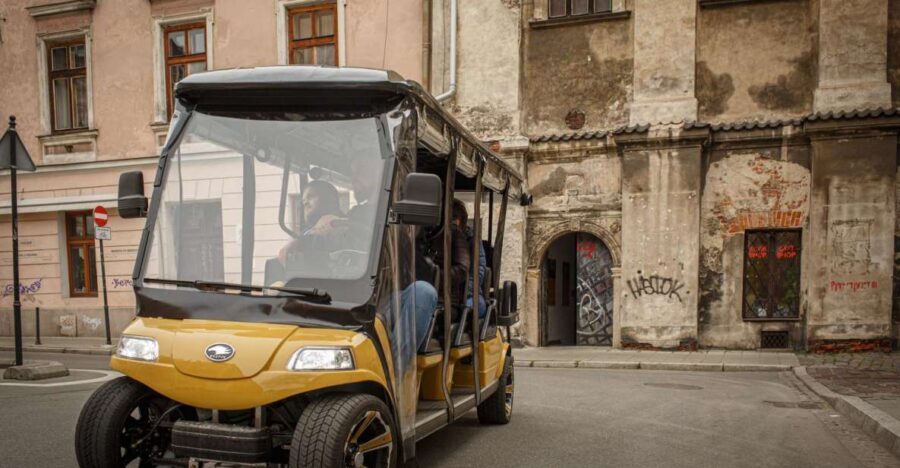
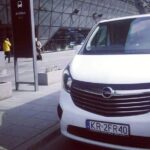
The best part of this tour is that it doesn’t make you play transport Tetris at the start of the day. Pickup happens from your accommodation—hotel, apartment, hostel, or a meeting point—during the early window (about 07:30 to 09:30, depending on your exact confirmation). Then you’re on the road to Auschwitz pretty quickly, with the drive taking around 1 hour 15 minutes after pickup.
For you, that matters because Auschwitz-Birkenau isn’t a “quick look” site. You’ll want your head in the right place before you arrive. When the logistics are handled, you can focus on the experience instead of worrying about buses, tickets, or where the group is meeting.
A small but useful detail: the service uses air-conditioned transport (minivan/coach), and vehicles are disinfected before each service. It’s not the reason to book, but it’s a comfort boost on a long day.
You can also read our reviews of more guided tours in Krakow
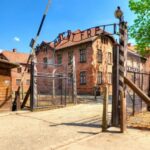
The Headphones + English Guide Setup (And Why It Helps)
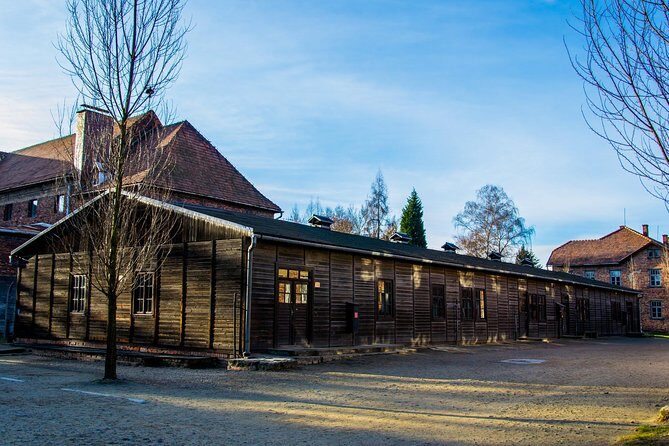
Inside the camps, it’s easy to feel lost—distance, crowds, and sensory overload don’t exactly encourage calm note-taking. That’s where headphones become a practical lifesaver. You’ll have headphones included so you can hear your English-speaking licensed museum guide while you walk the route.
Also, this tour includes the museum guide’s commentary as you move through Auschwitz and Birkenau, rather than just dropping you in the grounds. You’re not left to piece together meaning from signs alone. A good guide can help you understand what you’re seeing without turning the visit into a lecture marathon.
One timing note from how the day is structured: the visit includes about 3.5 hours of sightseeing across the two camps, so you’ll be moving often. Headphones help keep the pace from feeling chaotic, even when the schedule is tight.
Auschwitz I: Fast Entry, Then the Real Pace Begins
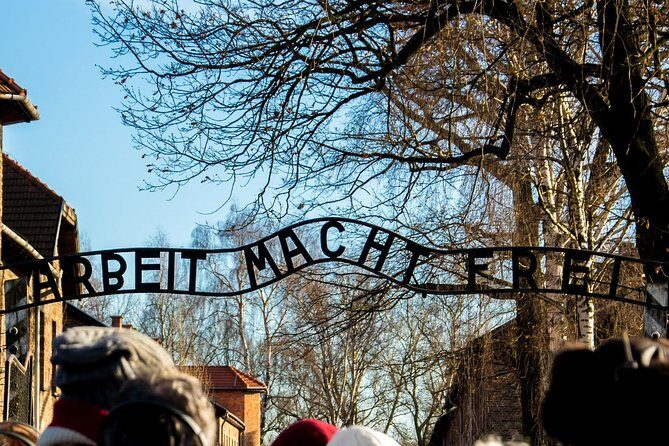
At Auschwitz, the tour is designed to reduce friction. You get entry as part of the guided experience, which helps you avoid the worst of long waiting lines.
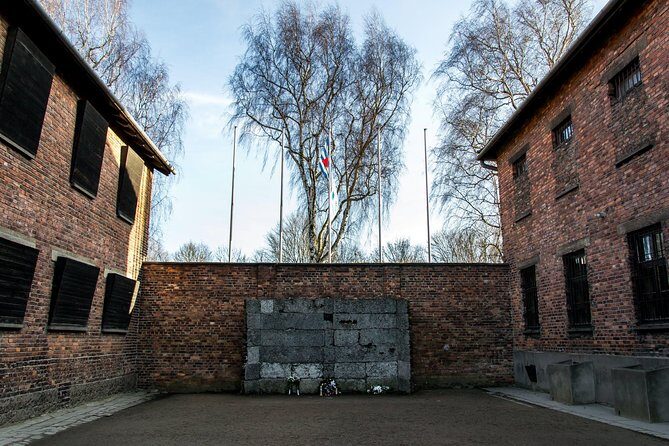
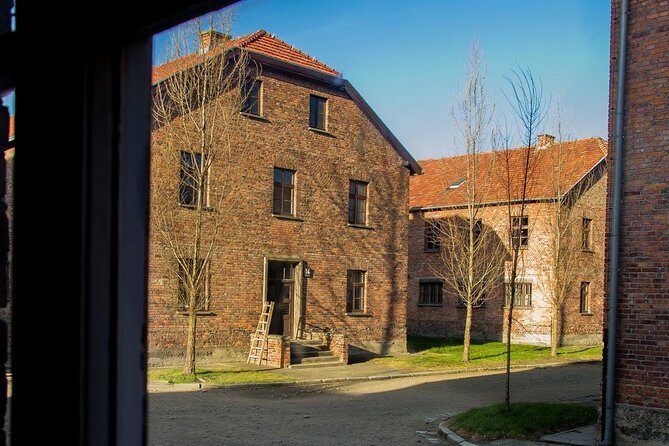
What you’ll experience here is Auschwitz I—the part many people think of when they say Auschwitz. It’s where the museum explanations and artifacts really shape your understanding. You’ll likely feel the emotional weight immediately, because the site is built to communicate what happened with documents, photographs, and preserved spaces.
Here’s what to expect in a practical sense:
- The route is paced to cover core areas without losing the thread of the guide’s story.
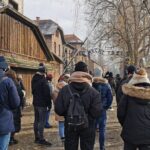
- You’ll be doing a lot of walking over uneven terrain.
- You’ll have headphone narration guiding your attention to what matters.
A considerate heads-up: in the pace of a structured tour, you might not have long gaps for silent wandering. People who want to read everything word-for-word may feel a bit rushed. That doesn’t mean the tour is wrong—it just means you should plan your expectations.
Birkenau II: The Visual Shock and the Need for Clear Narration
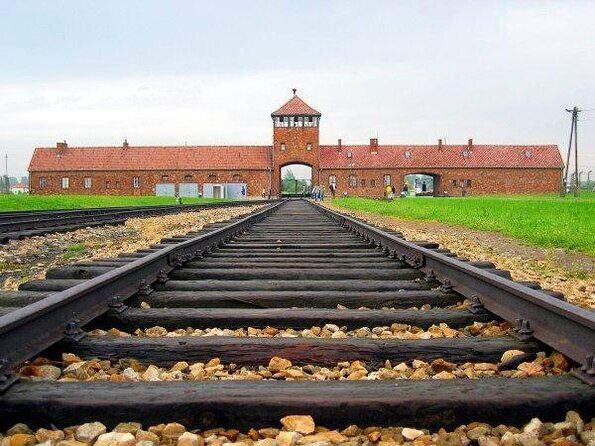
Then you shift to Birkenau (often called Auschwitz II). If Auschwitz I hits you with documentation, Birkenau hits you with scale. It’s larger, more open, and it’s the place where the reality can feel almost impossible to grasp from a casual viewpoint.
You’ll travel between both camps as part of the program, and the guide continues the story as you move through Birkenau. Many visitors find this camp especially hard to process because it’s so vast and visually stark. The narration matters here because it helps you connect what you’re seeing to how the system worked.
One reason this guided format works: without explanation, it’s easy to look at the ground and buildings and still miss the “why” behind the layout. With headphones, you can keep your focus on meaning while your legs keep you moving.
Timing Breakdown: How a 7-Hour Day Really Feels
On paper, the day is about 7 hours total. In reality, it’s a very morning-heavy timeline:
- Pickup from Krakow between roughly 07:30 and 09:30 (your exact time is confirmed in advance)
- Drive to Auschwitz about 1 hour 15 minutes
- Guided museum visit around 3.5 hours, covering sightseeing in both Nazi camps: Auschwitz and Birkenau
- Return to Krakow afterward, dropped back to your accommodation or another destination in the city
There’s also sometimes a documentary shown during the trip, subject to availability. If it’s offered, it can be a good mental warm-up—because the day is so heavy that a quick framing helps.
Where the “7 hours” can catch people is pacing. If you arrive exhausted, you’ll feel the walk more. If you arrive ready, it’s still a tough visit—but it feels manageable.


What You Actually Get for the Price
This tour lists at $30.23 per person, and that number is what makes it attractive for many budgets—because it’s not just a bus ride.
You’re getting:
- Round-trip shared transfer from Krakow (door-to-door pickup/drop-off)
- A licensed museum guide in English inside Auschwitz-Birkenau
- Admission included (the museum ticket is part of the package)
- Headphones rental included
- Transportation between Auschwitz and Birkenau during the visit
And what you’re not getting:
- Food and drinks
So I’d frame the value like this: you’re paying for organized entry, guided interpretation, and transport. That’s usually the hardest combo to DIY if you want it to be smooth and respectful—especially with the need to coordinate timing at the camps.
Entry Requirements You Must Not Forget
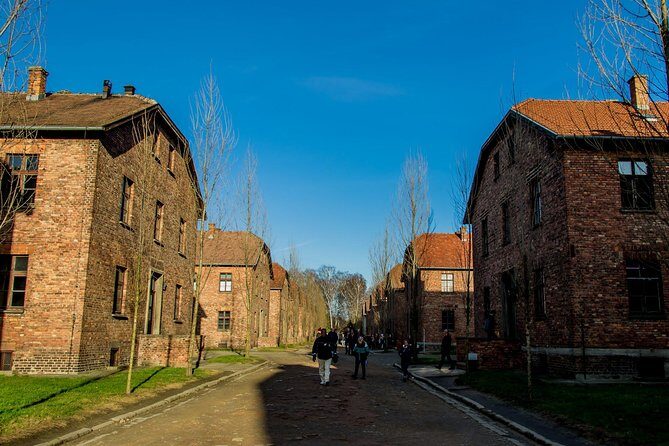
Auschwitz-Birkenau is strict, and the tour instructions clearly point to the essentials.
Bring:
- Your ID or passport. Guards may check before entry, and without it you won’t be able to enter.
- A bag that stays within the size limit: 30 x 20 x 10 cm max for backpacks or handbags.
Wear:
- Comfortable walking shoes. You’ll be on your feet for hours, and there are steps and uneven areas.
- Plan for real walking effort, not sightseeing-on-a-stroll.
If you’re traveling with a bigger bag than allowed, you’ll want to rethink what you bring. This tour doesn’t include gear storage, and the limit is part of how security works.
The One Real Catch: Walking Pace and Mobility Limits
This tour is best for people who can handle:
- Long walking stretches
- Steps and uneven surfaces
- A guided route where the group keeps moving
Some visitors specifically note that the grounds aren’t easy for mobility needs and recommend private options if you can’t keep up. That matches the reality of how the sites are laid out.
So here’s my practical call: if mobility is limited, don’t assume you can “slow down a bit” without consequence. This format is built around group pace and scheduled coverage. A private tour might be the better fit when your body needs time, breaks, and a different rhythm.
Small Group Size: Why It Works Better
The group size has a cap of 25 travelers. That’s big enough to feel social, but small enough that pickup logistics and camp navigation tend to stay controlled.
What I like about that size range is that it usually supports headphones and guide communication without you feeling totally swallowed. It’s also easier for drivers to manage arrivals and drop-offs when the headcount isn’t huge.
In reviews people talk about smooth organization—on-time pickups, clear communication, and drivers who help the transition from bus to guide. The takeaway for you: you’re buying less stress at the start and end, which is a big deal for a day that already has a lot going on.
Food, Breaks, and the Lunch Question
Food isn’t included, so you’ll want a plan. Many day tours like this offer optional lunch boxes, and some passengers mention having lunch arrangements provided for an extra fee.
If you’re sensitive to hunger on long walks, consider grabbing something before pickup or ask whether an optional lunch box is available on your date. At minimum, bring water if allowed by your own plan for bag size and what the day requires—because the tour itself doesn’t promise drinks.
Also, expect the day to be structured with minimal downtime. Breaks happen, but they’re not the kind where you can wander off and reset completely.
Best Fit: Who Should Book This from Krakow
This is a strong fit if you:
- Want hotel pickup and drop-off without dealing with bus schedules
- Prefer an English guided visit with headphones rather than self-guided wandering
- Want a day that’s organized enough to reduce waiting and confusion
- Are okay with a steady pace and lots of walking
It’s also a good choice if you’ve never been before. The guide’s narration helps stitch together what you see across both camps.
On the other hand, it may not be ideal if you:
- Need extra time to pause, read slowly, or rest frequently
- Have mobility constraints that make steps and uneven surfaces a problem
- Want long reflective breaks independent of group timing
Should You Book This Auschwitz-Birkenau Tour from Krakow?
Yes, if you want a smooth, guided, small-group Auschwitz-Birkenau day with practical support. The best value points are the bundled essentials: transport from Krakow, admission, an English guide, and headphones—all while keeping entry logistics simpler.
I would not book if you already know you struggle with fast pacing or uneven walking and you’re looking for a slow, flexible experience. In that case, you’ll likely feel better with a private option so the visit matches your body and your comfort level.
If you’re a typical able-bodied visitor who can handle a long morning, this tour is the kind that makes the trip workable. And once you’re there, you’ll be glad someone handled the schedule so you can focus on what the memorial is trying to teach.
FAQ
What’s the pickup time from Krakow?
Pickup is offered between about 07:30am and 09:30am, and the exact time is confirmed the day before your tour.
How long does the tour last?
The full experience takes about 7 hours.
Is the Auschwitz-Birkenau admission ticket included?
Yes. Admission and the guided museum experience are included.
Will I have an English guide and headphones?
Yes. The tour includes an English guided tour in Auschwitz and Birkenau, and headphones are provided so you can hear the guide clearly.
Is round-trip transportation included?
Yes. You get round-trip shared transfer by air-conditioned minivan/coach, plus transportation between both camps.
What do I need to bring to enter the museum?
Bring your ID or passport, because guards may check before entry. Also note the bag limit: backpacks or handbags can’t exceed 30x20x10cm.
Is food included?
No. Food and drinks are not included.