REVIEW · KRAKOW
Segway Tour Krakow: Jewish Quarter Kazimierz- 2-Hours of Magic!
Book on Viator →Operated by Segway Point Krakow - City Tours & Rental · Bookable on Viator
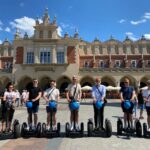
Kazimierz moves fast when you glide. This 2-hour Segway tour is a fun way to get your bearings in Krakow’s Jewish Quarter without spending the whole day on your feet. Segway training comes first, so you get helmeted up and practicing before you roll into the streets, and the route strings together major stops like Old Synagogue area stories, Plac Wolnica, and Market Square in a tight loop.
I also like the photo-stop rhythm and short bursts of storytelling—enough time to learn, then move on. One thing to consider: the English can be a little tricky at times depending on your guide’s accent, though you can usually get repeat explanations if you ask.
In This Review
- Key Highlights You’ll Feel on This Tour
- Entering the Segway Flow: Training, Helmets, and Confidence
- Why Kazimierz Works So Well on a Segway
- Old Synagogue Stop: Learning the Area Through One Point of Reference
- Plac Wolnica to Market Square: Squares That Tell Two Stories
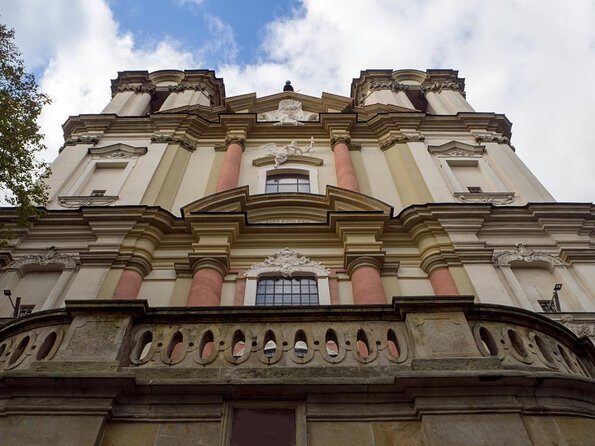
- Corpus Christi Church (Kosciol Bozego Ciala): A Different Religious Layer
- Church on the Rock (Kosciol na Skalce): Why This Stop Feels So Unique
- Szeroka Street: The Neighborhood Moves Here
- Remuh Cemetery: A Moment of Stillness in the Middle of Motion
- Father Bernatek Footbridge: The Photo Stop That Helps You Remember the Route
- Guides, Pace, and the English Question
- Price and Value: What You Get for $57.81
- Who Should Book This and Who Should Skip It
- Small Practical Tips That Make the Ride Better
- Should You Book This Segway Tour of Krakow’s Jewish Quarter?
- FAQ
- How long is the Segway Tour Krakow Jewish Quarter?
- What’s the price per person?
- Is the tour offered in English?
- Where does the tour start?
- Does the tour include Segway training?
- Are helmets and safety gear provided?
- Are there weight limits?
- Is alcohol allowed before or during the tour?
- Can I cancel and get a refund?
Key Highlights You’ll Feel on This Tour
- 15-minute practice and safety briefing before you leave the starting area, so first-timers can keep up
- Kazimierz in 2 hours: synagogues, squares, churches, and cemetery stops in one efficient loop
- Helmets and safety gear provided, plus rules like no riding if you’re under the influence of alcohol
- Stops made for photos, so you’re not just watching from the curb
- Insider tips from your guide for local restaurants and shops after the main route
- Small-ish groups (max 30), which helps you stay together without feeling cramped
Entering the Segway Flow: Training, Helmets, and Confidence
The tour starts at Sienna 17 (Segway Point Krakow), with a quick safety briefing and Segway usage training. It’s not one of those “good luck” setups. You get helmeted and coached through how to balance, steer, and slow down—plus what to do when you need to pause. That first practice matters, because the rest of the experience is about seeing places, not fighting the machine.
You’ll want to take the practice part seriously, even if you’ve ridden scooters before. The goal is to leave feeling smooth and in control. One reason I think this works so well for families and groups is that people tend to relax right after they get the hang of it.
Who this is best for: first-time Segway riders, mixed-age groups, and anyone who wants a guided intro to Kazimierz without committing to a long walking day.
You can also read our reviews of more tours and experiences in Krakow.
Why Kazimierz Works So Well on a Segway
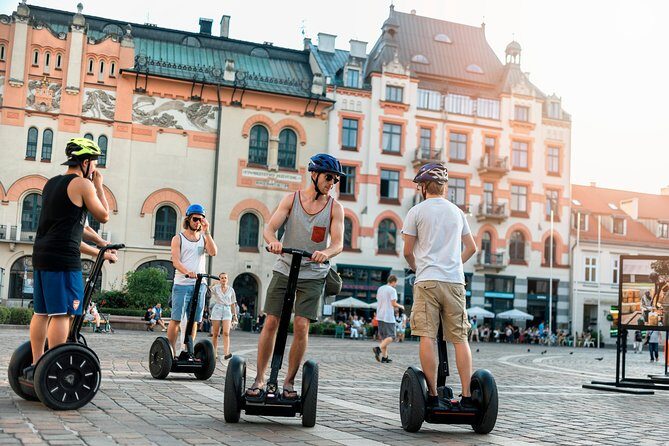
Kazimierz is the Jewish Quarter area in Krakow, and it’s full of layered history in a relatively compact space. On foot, you can cover a lot, but it can also feel stop-and-start, especially if you’re balancing attractions, photos, and family pace. On a Segway, you keep momentum—so the tour feels like you’re moving through the story rather than stepping through it one street at a time.
This also makes the experience feel like a real introduction. You see where the main squares sit, you get a sense of the side streets like Szeroka Street, and you learn how religious and community landmarks cluster here. In two hours, you don’t just tick boxes—you build a mental map.
You also get a nice change of pace from the more obvious tourist routes. Even if you plan to do a walking tour later, this one helps you place everything in context.
Old Synagogue Stop: Learning the Area Through One Point of Reference
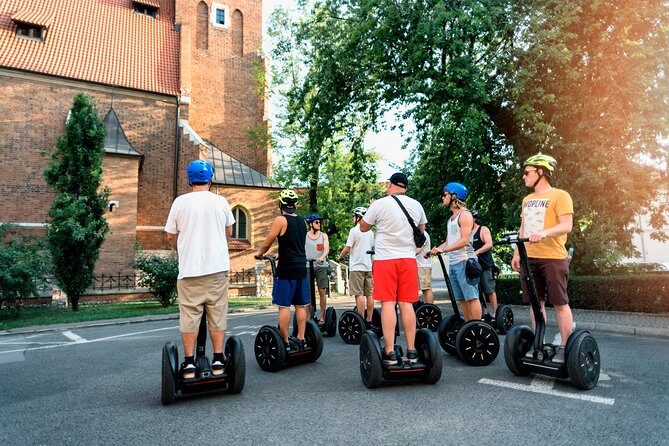
The first real sightseeing moment is focused on the Old Synagogue area. The guide uses it as a jumping-off point to explain the story of the synagogues connected with the neighborhood.
You don’t want to treat this like a history lecture you’re trapped in for an hour. Instead, think of it as a framework. Once you understand what the guide is pointing to here, later stops like Remuh Cemetery make more sense, and the streets don’t feel like random alleys.
Practical tip: listen for the guide’s connections—who used these places, what the synagogues represented in community life, and how the neighborhood’s story ties to what you see next.
Plac Wolnica to Market Square: Squares That Tell Two Stories
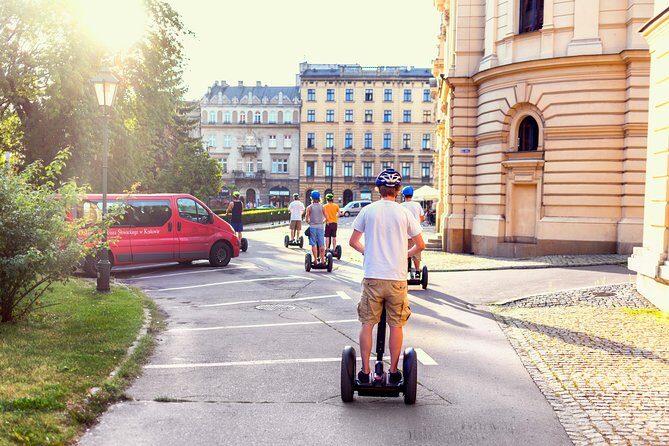
Then you roll into Plac Wolnica, where you’ll hear the story of the square. Squares in older European neighborhoods are more than open space—they’re where community life concentrates. Here, you’re getting the “why this place matters” version, not just a description of buildings.
After that, you reach Market Square—and you’ll actually pass through that area more than once during the loop. That second sweep is useful. It helps you compare what you noticed earlier with a new viewpoint, so the square feels less like one flat scene and more like a place you can navigate.
Even if you’re not a museum person, squares work well with this kind of tour because you can absorb the atmosphere quickly, then move on.
Small drawback to expect: these are short stops (about ten minutes each), so you’ll absorb the highlights rather than get ultra-detail on any one location. If you want deep, slow history, pair this with a walking tour later.
Corpus Christi Church (Kosciol Bozego Ciala): A Different Religious Layer
Next up is Corpus Christi Church (Kosciol Bozego Ciala). This stop shifts the lens from synagogues to how other faith traditions shaped the neighborhood landscape.
The value here is balance. The guide’s stories help you understand that Kazimierz wasn’t only one story running at once. Landmarks sit side by side for a reason, and seeing those contrasts helps you grasp how neighborhoods change over time.
If you’re hoping for dramatic interior time, the tour format suggests you’ll focus on the stop and the explanation rather than a long, detailed visit. Plan to get your “in-depth church moment” from a separate longer visit if that’s your priority.
Church on the Rock (Kosciol na Skalce): Why This Stop Feels So Unique
Then you get Church on the Rock (Kosciol na Skalce). The name alone makes you curious, and the guide uses the stop to tell you why it matters in the local story. This is one of those places where your first reaction might be visual, but the guide’s explanation turns it into something you remember.
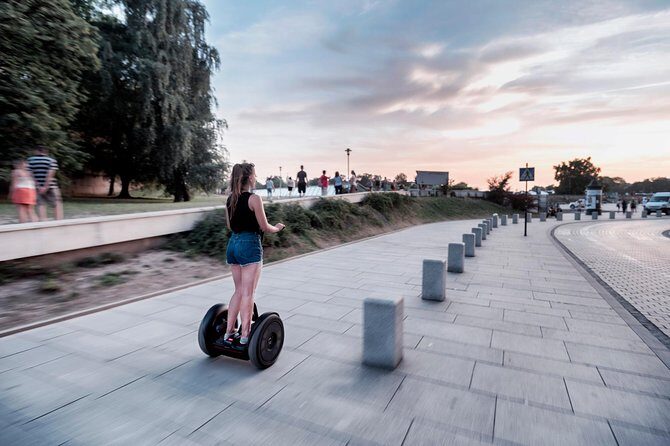
On a Segway, you’ll also get a sense of how the site sits relative to the streets around it—useful, because it helps you picture the neighborhood in 3D instead of as a postcard.
Szeroka Street: The Neighborhood Moves Here
Szeroka Street is where the tour slows your attention in a helpful way. Instead of jumping between landmarks, the guide tells the story of the street itself. Streets are where daily life happens, and you’ll often learn more from how a guide describes a street than from what you see in one single building.
This stop also helps you connect the dots between major sites. When your tour returns toward the more “official-looking” spots, you’ll already have a feel for the surrounding streets.
If you’re taking photos, this is a good moment to do it without rushing. The route is designed so you can pause and frame a shot, then keep moving.
Remuh Cemetery: A Moment of Stillness in the Middle of Motion
The tour heads to Remuh Cemetery next. This is one of the stops where you’ll likely feel the change in tone right away. A cemetery is not just another attraction; it carries personal and community meaning.
The guide provides context and tells you why this place matters. Even with a short stop, it can shift the way you interpret everything you’ve already heard. The rest of Kazimierz becomes more than architecture and names.
Practical note: treat this stop with extra respect. On any religious or commemorative site, you’ll get the most from slowing your pace and listening closely.
Father Bernatek Footbridge: The Photo Stop That Helps You Remember the Route
Finally, you reach Father Bernatek Footbridge. This is a useful ending because it gives you a broader view and a natural “wrap-up” feeling. The guide shares the story of the bridge, and then it becomes a perfect place to take photos before the tour winds down and heads back.
This stop matters even if you don’t think of yourself as a photo person. It’s where your mental map clicks. You can look back on the loop you traveled and understand how all those earlier points sit in relation to each other.
Guides, Pace, and the English Question
Your experience depends a lot on the guide, and the tour has strong examples of that. I’ve seen groups mention guides like Tom, Zee, and Arthur for being friendly and helpful, and for making the ride feel both fun and organized. If you ask questions, these guides tend to answer and keep the energy up.
Still, English can be hit or miss depending on accent. That’s not a deal-breaker, but it’s worth planning for. If you’re sensitive to audio issues, pick a spot close enough to hear clearly, and don’t hesitate to ask for repetition. One helpful approach: ask a question at the start of the tour so you know how your guide explains things.
Also note: the total guide time after training is about 1 hour 45 minutes, so you’re not stuck in one long monologue.
Price and Value: What You Get for $57.81
At $57.81 per person for about 2 hours, this is priced like an experience, not a basic walking tour. The value comes from how many moving parts are handled for you:
- Segway rental for the full tour time
- Safety gear including helmets
- Training so you’re not learning from scratch on busy streets
- A guide who covers the route with stories and photo opportunities
- Insider tips for food and local spots afterward
Another value point: the itinerary lists admission as ticket-free for the stops it includes. That means you avoid the common “add-on fees” that can quietly inflate the total cost of sightseeing.
When this feels like a bargain: if you want a fast orientation to Kazimierz and you don’t want to spend the day on your feet. When it’s not the best fit: if you only care about maximum historical detail and are happy walking slowly for longer.
Who Should Book This and Who Should Skip It
I’d point you toward this tour if you:
- want an efficient intro to Krakow’s Jewish Quarter
- are traveling with friends or family who want something active but still guided
- have never ridden a Segway and want training that actually helps
- like the idea of mixing serious stops (like Remuh Cemetery) with lighter, moving-around sightseeing
You might skip it if:
- you’re strongly sensitive to accents or audio clarity
- you prefer slow museum-style history over short interpretive stops
- you want lots of time inside buildings (this tour structure keeps stops compact)
Family note: one group reported kids ages 9 to 15 picked it up quickly and had no trouble learning. If you’re bringing teenagers, that’s a strong sign the training works.
Small Practical Tips That Make the Ride Better
A few things can make this tour feel smoother and more comfortable:
- Wear layers. Some guides run the route even in chilly months, and gloves can be a smart move in early spring.
- Use the training time. If you rush it, you’ll feel tense later.
- Bring a camera/phone strap. You’ll be moving, stopping, and taking photos.
- Sit and listen during the quiet stops. Remuh Cemetery and the church stops are where you’ll get the most meaning with less rushing.
Also, don’t underestimate how much your comfort level affects enjoyment on a Segway. Once you’re steady, the whole tour stops feeling like work.
Should You Book This Segway Tour of Krakow’s Jewish Quarter?
If your main goal is to get your bearings in Kazimierz fast, this is a solid choice. The mix of quick Segway training, a tightly planned two-hour loop, and stops that range from squares to cemetery gives you a way to understand the neighborhood without exhausting yourself.
Book it if you want an active, guided intro with photo moments and practical food/shop tips at the end. Consider skipping if your top priority is slow, deep history with long time inside sites. For most people, though, this hits the sweet spot: movement, context, and a memorable route you’ll recognize later when you explore on your own.
FAQ
How long is the Segway Tour Krakow Jewish Quarter?
The tour lasts about 2 hours, including around 15 minutes of Segway training and about 1 hour 45 minutes of guided touring.
What’s the price per person?
The price is listed as $57.81 per person.
Is the tour offered in English?
Yes, the tour is offered in English.
Where does the tour start?
The meeting point is Sienna 17, 33-332 Kraków, Poland.
Does the tour include Segway training?
Yes. You get a safety briefing and a training session at the beginning so you can practice before riding.
Are helmets and safety gear provided?
Yes. Helmets and other necessary safety gear are included.
Are there weight limits?
Yes. The minimum weight is 30 kg (65 lb) and the maximum is 135 kg (300 lb).
Is alcohol allowed before or during the tour?
No. Participants under the influence of alcohol are not allowed.
Can I cancel and get a refund?
You can cancel up to 24 hours in advance for a full refund. If you cancel less than 24 hours before the start time, the amount paid is not refunded.