REVIEW · KRAKOW
Krakow: Full-Day Auschwitz-Birkenau & Salt Mine Guided Tour
Book on GetYourGuide →Operated by LegendaryKrakow · Bookable on GetYourGuide
Auschwitz and a salt mine in one day is heavy. I like the way this tour moves from the Auschwitz-Birkenau memorial into the striking, human-scale artistry of Wieliczka Salt Mine. One possible drawback: it’s a long, walking-heavy day, so you’ll want solid shoes and a realistic energy plan.
You’ll leave Krakow early, ride in licensed transport, and get a guided walk through both UNESCO-listed sites. The upside is structure: you’re not guessing how long things take or how to make sense of what you’re seeing. The reality check is emotional too—Auschwitz requires a steady, respectful pace, not multitasking.
In This Review
- Key highlights I’d plan around
- How the 12-hour Auschwitz + Wieliczka day really works
- Getting to Auschwitz-Birkenau from Krakow without wasting morning energy
- Inside Auschwitz-Birkenau: what the guided walk helps you see
- A few things to be ready for
- The Auschwitz part: how long you’ll actually spend and why that matters
- Lunch in Kraków: a short reset before you go underground
- Wieliczka Salt Mine: sculptures, chambers, and the walk with 800 steps
- Temperature and steps: plan for the mine like it’s part of the hike
- What the guides and small-group setup mean for your day
- Price and value: is $118 a fair deal for both UNESCO sites?
- What to pack and wear (so your feet don’t ruin the day)
- Who should book this tour, and who might prefer a different plan
- Should you book this Krakow Auschwitz-Birkenau & Salt Mine tour?
- FAQ
- What is the duration of the Krakow Auschwitz-Birkenau and Salt Mine tour?
- Where do I meet the guide in Kraków?
- Does the tour include lunch?
- What is included in the $118 price?
- Is ticket entry handled for you?
- What languages are the guides available in?
- What do I need to bring?
- What clothing and items are not allowed?
- Is this tour suitable for children or people with mobility impairments?
- How cold is the Salt Mine, and how many steps are there?
Key highlights I’d plan around
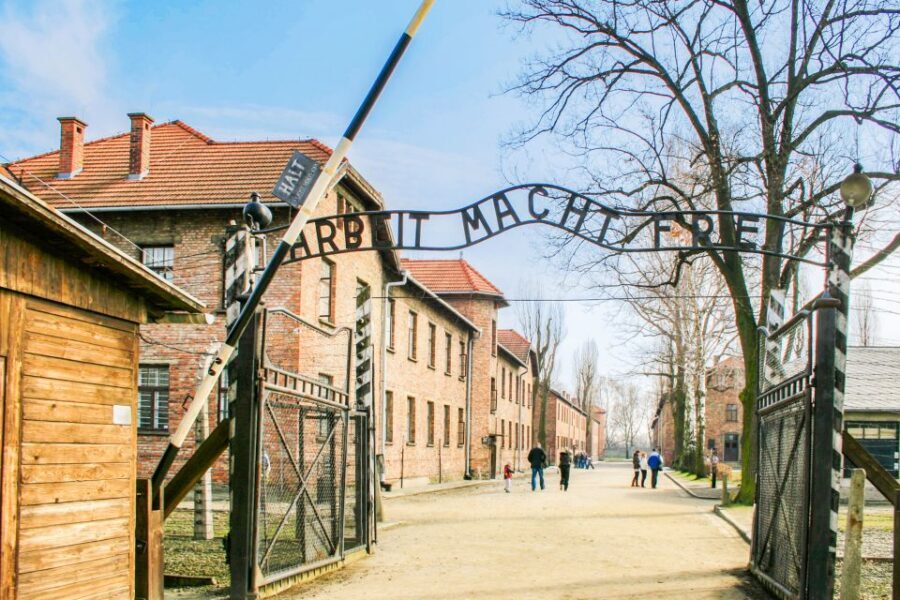
- Skip-the-ticket-line structure that helps you actually see what you booked
- Auschwitz-Birkenau guided walk focused on how the camp worked and how genocide unfolded
- Wieliczka underground route with salt chambers, corridors, and lakes plus carved sculptures
- Cold but manageable mine conditions (about 14–15°C) and a route with 800 steps
- English live guides plus small-group options, so questions aren’t always stuck in the back
- Realistic day planning: built-in breaks for travel and lunch so you’re not sprinting between stops
How the 12-hour Auschwitz + Wieliczka day really works
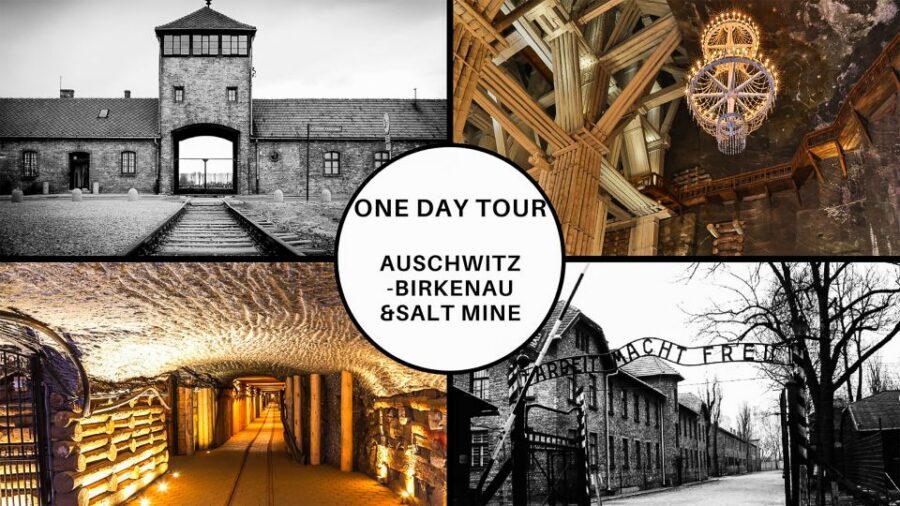
This is the classic long-day combo from Krakow: you start with Auschwitz-Birkenau, then shift gears to the underground world of the Wieliczka Salt Mine. The schedule is designed to fit a full guided experience into a single 12-hour block, but it still feels long because it’s two big sites, not two quick stops.
You’ll typically do the bus ride out of Krakow (about 80 minutes), have a break and guided time at Auschwitz-Birkenau (about 3.5 hours), then travel onward. After that, you’ll have lunch time in Krakow before heading back out to the mine for a guided underground tour (about 2.5 hours). Exact departure time and the precise order of breaks and visits can be confirmed the day before by email, so don’t assume the same rhythm every time.
You can also read our reviews of more guided tours in Krakow

Getting to Auschwitz-Birkenau from Krakow without wasting morning energy
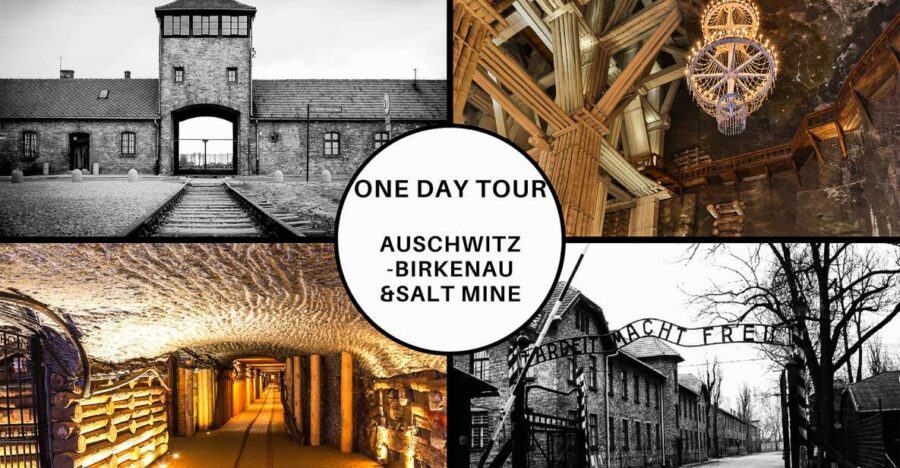
Early starts are part of the deal. You may have pickup options depending on what you selected—some departures include hotel pickup, and you’ll look for the LegendaryKrakow logo on the vehicle. If you’re meeting directly, the meeting point is the tourist stop at Wielopole 2 in Kraków.
The practical win here is that transport is handled end-to-end. You’re not trying to arrange trains, transfers, and ticket timing while also trying to mentally shift into a solemn visit. One extra thing I’d do: bring patience for small time changes. Departure is described as approximate and can shift by a few hours, so set your day around the tour, not your tour around your day.
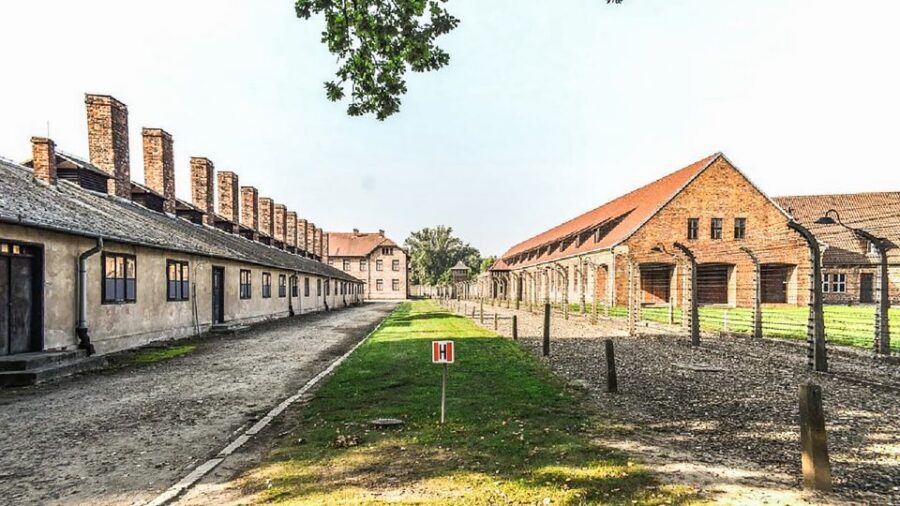
What to expect on arrival: you’ll be moving through a memorial site that requires a respectful pace. That matters because you’re not only seeing buildings—you’re trying to understand scale, function, and human impact, often in a linear walk where stopping to process is built into the experience.
Inside Auschwitz-Birkenau: what the guided walk helps you see

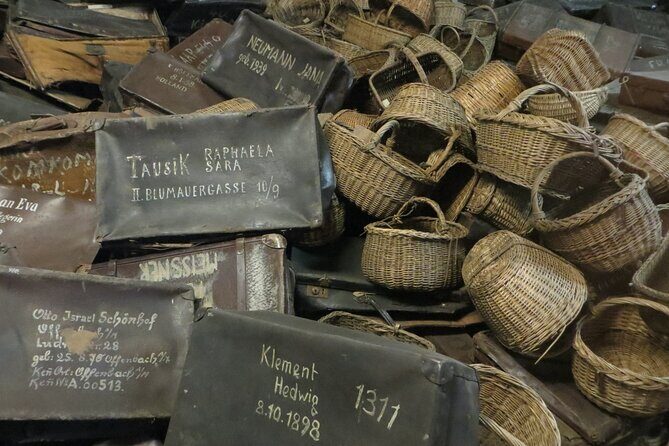
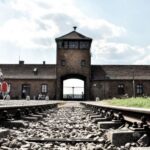
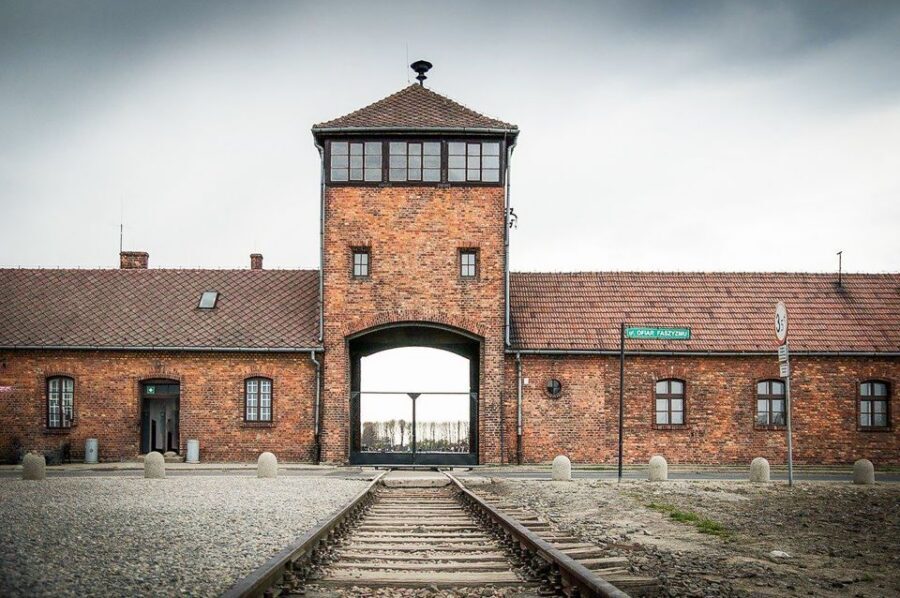
Auschwitz-Birkenau is the largest former Nazi concentration camp and one of the most important Holocaust sites to visit in Europe. The tour frames it clearly: the Nazis built the camp in 1940 in the suburbs of Oswiecim, and it became the place of deaths and executions of an estimated over 1 million people from 28 nationalities, with almost 90% of them being European victims of Jewish origin.
On a guided walk, that can be more than numbers on a page. A good guide helps you connect what you’re seeing to what it meant—how the camp was organized, why certain areas existed, and how the machinery of genocide worked. If you come in expecting only a “tour,” you might miss the point; the best visits treat it like a structured lesson you experience with your feet.
A few things to be ready for
- It’s emotionally intense. People describe it as sad, somber, and hard to believe happened. Plan to feel that.
- You’re walking in real spaces. Comfort matters less than staying steady with your attention and your body.
- Audio matters. In any group tour, sound can vary depending on where you’re standing. If you’re near the edges and the guide’s voice fades, move a bit closer early so you don’t miss details.
The Auschwitz part: how long you’ll actually spend and why that matters
You get about 3.5 hours of guided time at Auschwitz-Birkenau, plus a short break built into the day. That time window is significant enough to cover the key areas without turning the visit into a rush-through.
Why that matters: Auschwitz has a way of grabbing your attention, then slowing it down. If the schedule were shorter, you’d likely feel like you’re skimming. If it were longer without breaks, fatigue would take over. Here, the structure tends to keep you focused—especially if your guide is calm and organized, as many drivers and guides are in this kind of operation.
You’ll also get the context that Auschwitz-Birkenau has been a UNESCO World Heritage site since 1979, which is helpful because it explains why the site is preserved and interpreted so carefully.
You can also read our reviews of more tours and experiences in Krakow




Lunch in Kraków: a short reset before you go underground
Between Auschwitz and the mine, there’s lunch time in Kraków (about 1 hour). Lunch is included only if you choose an option that states lunch is included. Vegetarian and vegan meals are available for those lunch options.
This break is more useful than it looks. After Auschwitz, your brain needs a reset and your body needs basic fuel. I’d treat the lunch hour like a recovery window, not a sightseeing hour. Eat, drink water if allowed, and use the time to get ready for the salt mine’s cooler air and stairs.
If you’re traveling in a smaller group, you’ll likely stick together. That’s good, because the day depends on timing between sites and the mine route.
Wieliczka Salt Mine: sculptures, chambers, and the walk with 800 steps
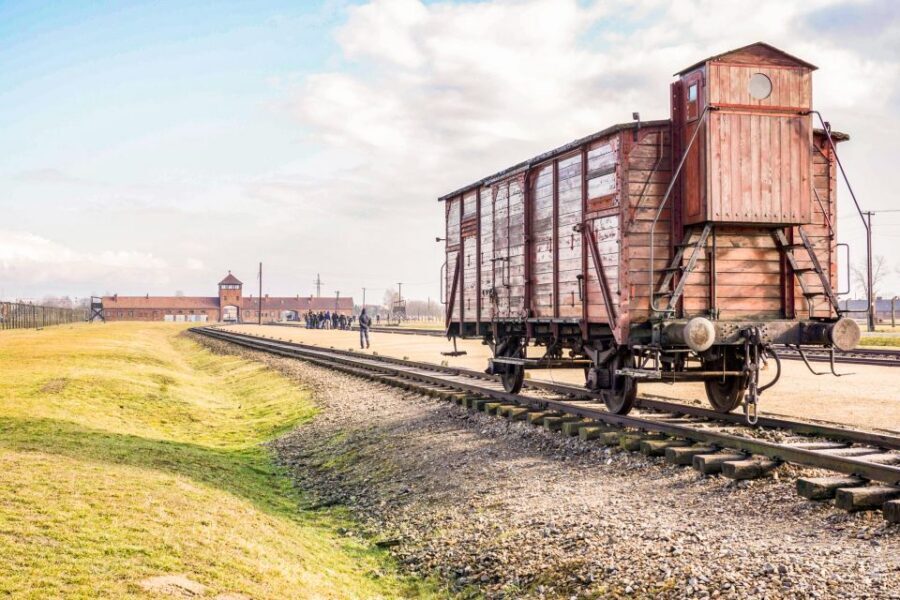
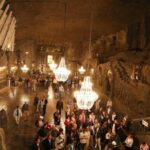
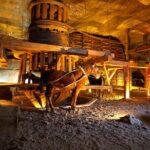
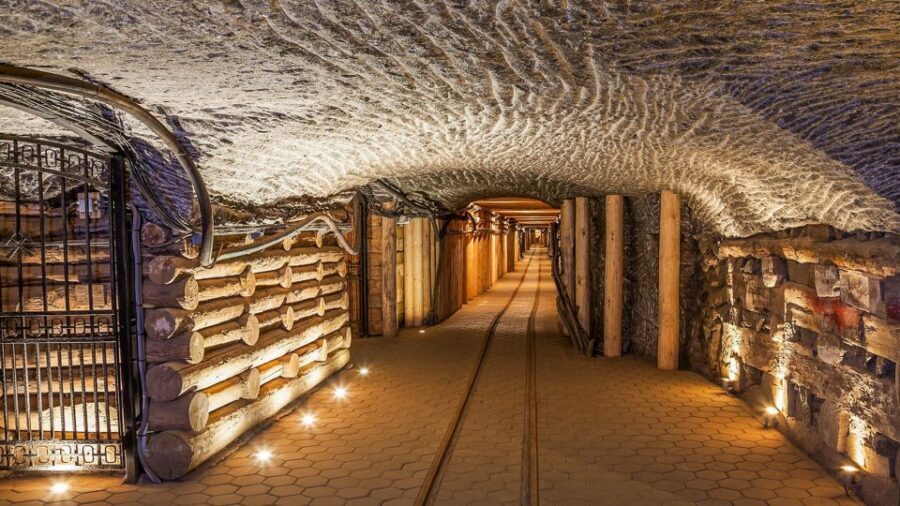
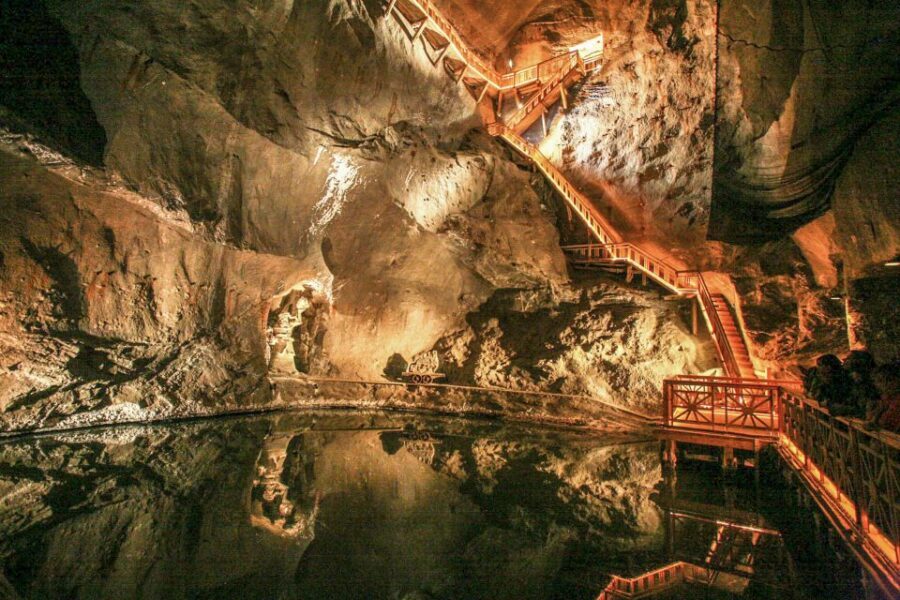
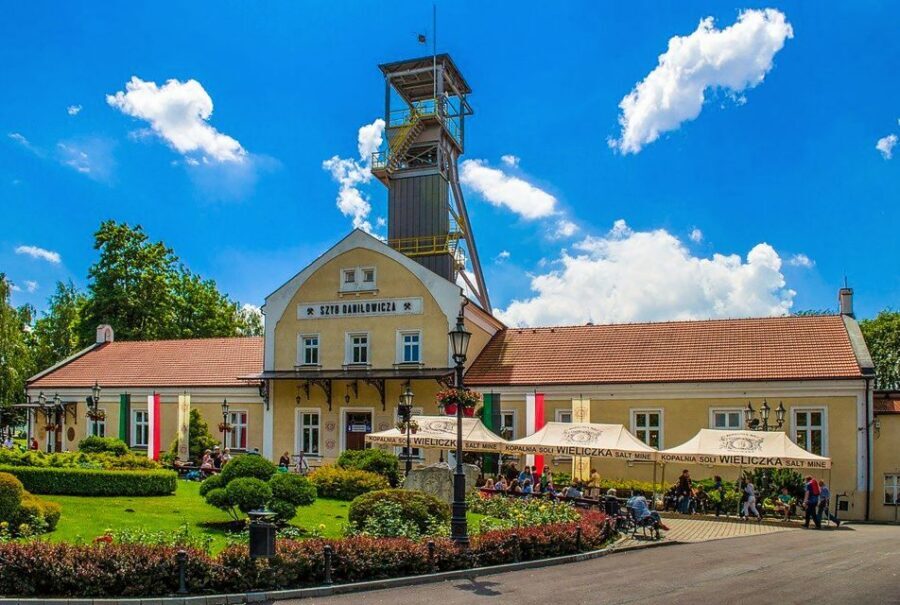
Wieliczka Salt Mine is one of Poland’s most treasured cultural monuments, and it’s on the UNESCO list too (since 1978). The mine experience is famous for its salt sculptures and reliefs—work left behind by miners over time, carved into the walls and shaped into dozens of artworks.
Here’s the part I think most first-timers underestimate: it isn’t a flat “show.” It’s a moving underground route with winding corridors, salt chambers, and lakes. One reason this tour packs value is that your 2.5-hour guided mine visit gives you a narrative for what you see below ground, instead of only reacting to the visuals.
Temperature and steps: plan for the mine like it’s part of the hike
- Temperature: around 14–15°C inside, so bring a layer.
- Steps: about 800 steps total, with roughly 350 at the beginning taking you down into the mine.
- Lift: there’s a lift to the top at the end of the route.
That step count is the real headline for your planning. Even if you’re not a hardcore hiker, the mine still involves sustained walking and stair climbing. If you have a busy day already, or if your feet run hot and tired easily, bring comfortable footwear and take it at a steady pace.
What the guides and small-group setup mean for your day
The tour includes live guides for both Auschwitz-Birkenau and the Salt Mine, with language options depending on your selected choice (English, Spanish, and Italian are mentioned). On the day itself, the guide you get is a key factor for clarity—especially at Auschwitz, where the material is heavy and details matter.
In practical terms, a good guide does three things:
- Sets respectful tone without turning it into theater.
- Makes the complex story navigable while you’re walking.
- Keeps the group moving at a pace that fits both history and physical reality.
This kind of operation often uses different guides and drivers across different departures. You might see names like Piotr, Matthew, Tarek, Michael, Marek, Marik, Michal, Chris, or Mallek mentioned in customer feedback, and you may also meet mine guides such as Yvonna. You can’t control the person, but you can control your preparation: be ready with questions, and don’t hesitate to ask for clarification if something doesn’t click.
Price and value: is $118 a fair deal for both UNESCO sites?
At $118 per person for a 12-hour day, the value comes from the fact you’re paying for more than “transport and entry.” You’re buying:
- Entrance fees to Auschwitz-Birkenau and the Salt Mine
- Licensed transportation
- Guides for both sites
- Skip-the-ticket-line access
- Lunch only if you select that option
If you tried to piece this together on your own, you’d likely spend time coordinating tickets, arrival windows, and guide coverage. That costs money too—just in a different currency: your time and stress. Here, the day is organized so you can focus on the experience.
One timing tip also affects value: booking at least 5 days in advance is recommended for the best price. Also note the tour states that from March 2020, booking in advance is the only way to ensure you can visit, and ticket date changes aren’t always possible. So booking earlier isn’t just about saving a bit—it’s about protecting your plan.
What to pack and wear (so your feet don’t ruin the day)
This day has two very different environments: open air and memorial pathways, then cooler underground spaces with stair work.
Bring:
- Passport or valid photo ID (required for Auschwitz entry)
- Comfortable shoes (you’re walking a lot)
- A warm layer for the salt mine (about 14–15°C underground)
Wear:
- Modest clothing out of respect for the memorial and the site rules
- Avoid shorts and sleeveless shirts
Don’t bring:
- Luggage or large bags (not allowed)
- Alcohol in the vehicle
- Anything that would violate the tour’s behavior rules (intoxication isn’t allowed)
Small practical thought: if you’re the kind of person who packs too much “just in case,” this is the day to simplify. You want hands free and time efficient.
Who should book this tour, and who might prefer a different plan
This tour fits best if you:
- Want a one-day Auschwitz + Wieliczka combo from Krakow
- Are comfortable with a long day and lots of walking
- Prefer a structured guided format with skip-the-line access
- Can follow a modest dress code and site rules
It’s not suitable if:
- You’re traveling with children under 14
- You have mobility impairments (this route includes many steps)
If you have flexibility in your schedule, it’s worth considering splitting Auschwitz and the mine across separate days, because both are demanding—physically and emotionally. But if time is tight, this one-day plan can be a smart, efficient way to hit both UNESCO sites with guidance.
Should you book this Krakow Auschwitz-Birkenau & Salt Mine tour?
Yes—if you want an organized, guided way to see two UNESCO-listed giants in one shot. The experience is worth it when you approach it with the right expectations: expect seriousness at Auschwitz, expect stairs and cool air at the mine, and expect a long day on foot.
Book it if you value structure and want the peace of mind that entrances and guides are handled, plus skip-the-ticket-line. Think twice only if your energy or mobility is limited, or if you know long walking days will leave you miserable. This tour is not about checking boxes fast. It’s about moving through places that mean something—slow enough to understand, fast enough to finish.
FAQ
What is the duration of the Krakow Auschwitz-Birkenau and Salt Mine tour?
The tour lasts about 12 hours.
Where do I meet the guide in Kraków?
Meet your guide at the tourist stop located at Wielopole 2 in Kraków.
Does the tour include lunch?
Lunch is included only if you select an option that includes it. Vegetarian and vegan meals are available for those lunch options.
What is included in the $118 price?
It includes entrance fees for Auschwitz-Birkenau and the Salt Mine, guided tours (with an English live guide, depending on the selected option), licensed transportation, and hotel pickup/drop-off if that option is selected. Lunch is included only if you select it.
Is ticket entry handled for you?
Yes, the tour includes skip-the-ticket-line entry.
What languages are the guides available in?
The guides are available in English, Spanish, and Italian depending on the selected option.
What do I need to bring?
Bring a passport or valid photo ID, and wear comfortable shoes.
What clothing and items are not allowed?
Shorts, sleeveless shirts, and luggage or large bags are not allowed. Alcohol and intoxication are also not allowed in the vehicle.
Is this tour suitable for children or people with mobility impairments?
No. It is not suitable for children under 14 or for people with mobility impairments.
How cold is the Salt Mine, and how many steps are there?
The Salt Mine is around 14–15°C. The route involves about 800 steps, with about 350 steps down at the beginning, and there is a lift to the top at the end.