REVIEW · KRAKOW
Krakow: Jewish Quarter Kazimierz & Schindler’s Factory & Ghetto Guided Tour
Book on Viator →Operated by excursions.city · Bookable on Viator
Krakow tells its WWII story in layers. This guided walk stitches together Kazimierz, Schindler’s Enamel Factory, and the Krakow Ghetto sites into one easy-to-follow route, with entry handled so you don’t waste time on ticket lines. I love that the tour is led by real locals with strong storytelling, including guides such as Magdalena, Barbara, Krzysztof, Dominika, Joanne, Helena, Phil, and Phill. One trade-off: the day is long on your feet, and the museum experience can feel crowded if the group is large inside.
If you want context before you walk into the heavy stuff, this one helps. It also avoids the common problem of jumping from stop to stop without understanding what you’re looking at—Kazimierz first, then Schindler’s museum, then the ghetto wall and memorial sites.
In This Review
- Key things to know before you go
- Jewish Krakow in One Long Walk: Kazimierz to the Ghetto
- Kazimierz Streets: What You’re Really Seeing Before WWII
- Schindler’s Enamel Factory: Skipping the Ticket Line Is Real Value
- Kraków Under Nazi Occupation: How the Museum Design Shapes Your Feelings
- Plac Bohaterów Getta and the Chair Memorial: The Ghetto Wall Comes Into Focus
- The 5 Hours on Foot: Pace, Break, and What to Bring
- Price and Value: When $83.27 Makes Sense
- Who Should Book This Tour (and Who Might Want Another Plan)
- Should You Book? My Straight Answer
- FAQ
- What language is the tour offered in?
- What do I need to enter Schindler’s Factory Museum?
- Is the Schindler’s Factory museum ticket line skipped?
- How long is the tour and what physical effort should I expect?
- Where does the tour start and end?
- Does the tour run in bad weather?
- Can I cancel for a refund?
Key things to know before you go
- Small-group pacing (up to 25) keeps the walk manageable and the guide easier to hear.
- Schindler’s Factory entry is handled for you, so you can skip the long ticket line.
- Narrow, dark museum rooms are part of the experience design, not just bad luck.
- The ghetto walk includes major memory sites, like Chair Memorial and Under the Eagle Pharmacy.
- All-weather schedule means you’ll go rain or shine, so plan footwear accordingly.
Jewish Krakow in One Long Walk: Kazimierz to the Ghetto
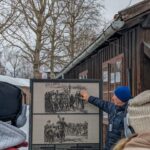
This tour gives you a clean arc: life before the war, the occupation years, and then the ghetto and its tragic end. You start in Kazimierz, Krakow’s historic Jewish Quarter, where the streets and courtyards still carry the feeling of older community life. It’s not just a “look at buildings” tour; your guide explains the people and rhythms that shaped the neighborhood over time.
Kazimierz is also the best warm-up. You’ll get your bearings fast—what you’re seeing, why it mattered, and how it connects to what comes next. That matters, because Schindler’s Factory and ghetto memorial stops hit hard, and you’ll feel the weight more when you understand the background first.
You should also know this is a physically steady day. Reviews and the tour structure point to lots of standing and walking, and some people report it can add up to around 10,000 steps. If you have mobility limits, come with a plan for breaks and slow pace.
You can also read our reviews of more guided tours in Krakow
Kazimierz Streets: What You’re Really Seeing Before WWII
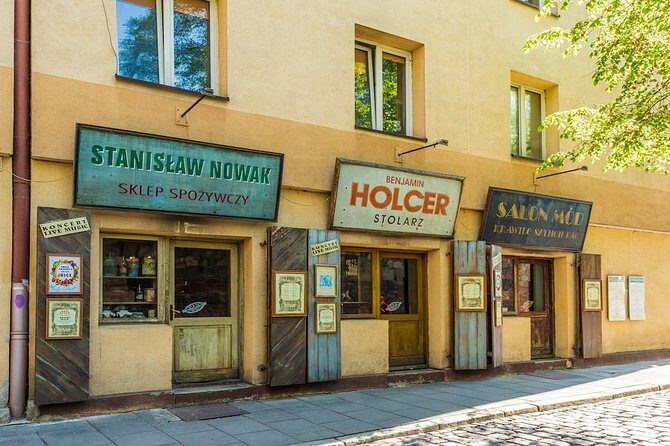
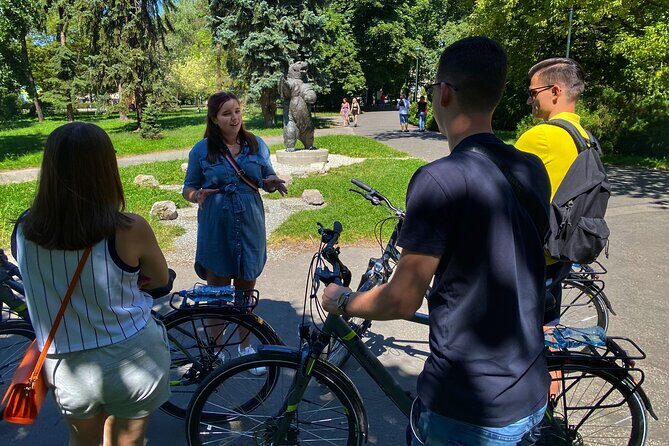
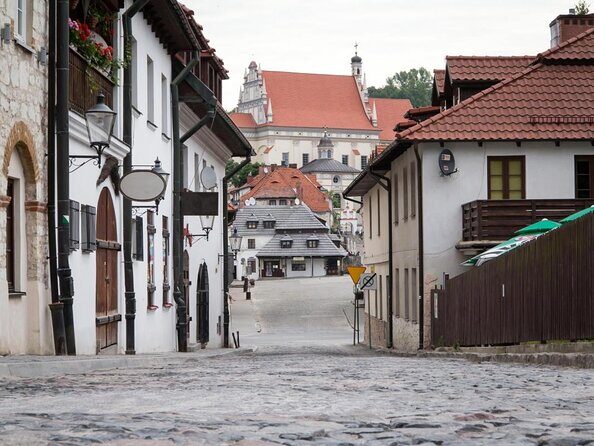
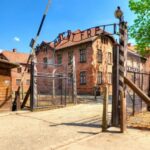
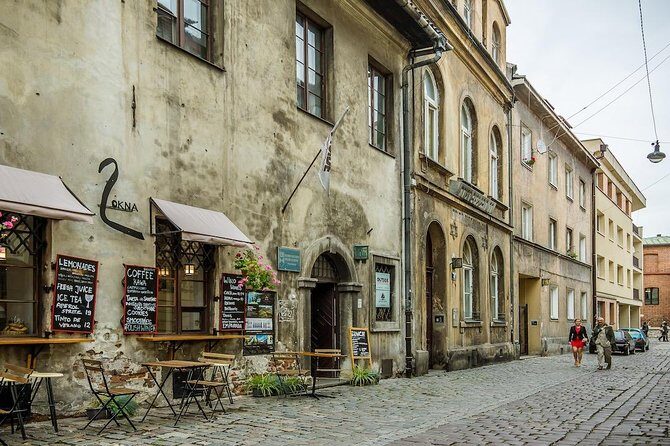
The Kazimierz portion lasts about 2 hours and is built around the feel of the place. You’ll walk through narrow cobbled streets lined with historic synagogues, prayer houses, and old townhouses. Even if you don’t know the names of every building, your guide puts the neighborhood on a timeline, so you understand what existed long before the war.
What I like about this start is the way it turns architecture into story. Instead of listing facts, the tour frames daily life—faith, learning, community, merchants, rabbis, and families. You’re not expected to read a museum label on a street corner; you’re guided through the meaning of what’s still there.
If you’re offered an optional upgrade for a more guided Kazimierz district walk, it can be worth considering. It’s the part of the day where your brain is still fresh, and a deeper guided version can help you connect the street layout to what you’ll learn later.
Schindler’s Enamel Factory: Skipping the Ticket Line Is Real Value
Next comes Oskar Schindler’s Enamel Factory, where the museum focuses on Kraków under Nazi Occupation 1939–1945. This stop is about 1 hour 30 minutes, and the big practical win is no waiting in line for tickets—entry is handled ahead of time.
Why that matters: Schindler’s museum is in high demand. Even a short delay can wreck a tight walking plan, especially when your next stop is the ghetto area. Here, you trade hassle for time with a guide—exactly what you want.
There’s also a detail that’s easy to miss but important: the museum uses personalized tickets. You must provide the full names of all participants and bring a passport or ID for entry. If you show up without ID, you can be denied entry. So do not treat this like a normal museum ticket.
One more reality check: your time in the museum can feel busy depending on group size inside. Some people feel the guide’s words are harder to catch when the museum group is large, since the building layout and room size limit how well everyone can see. The fix is simple: listen closely early, and don’t worry if you can’t catch every detail in every room.
Kraków Under Nazi Occupation: How the Museum Design Shapes Your Feelings
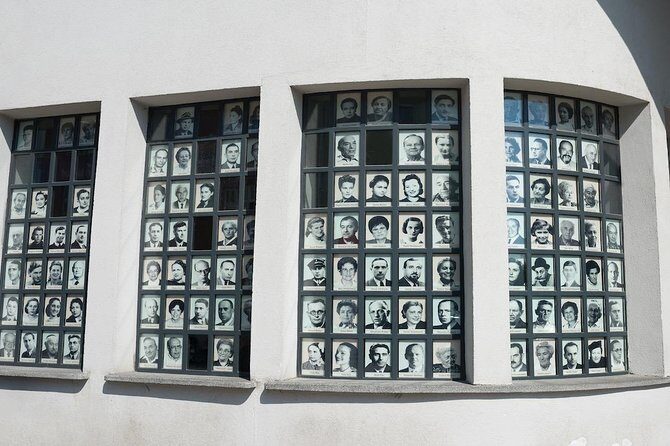
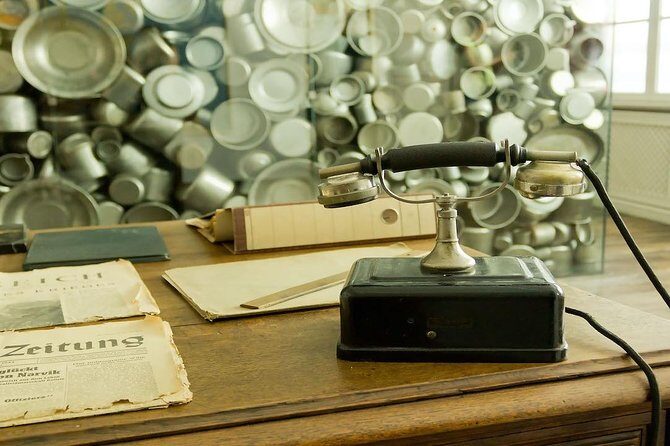
In Schindler’s Factory Museum, you’re stepping into a building that once housed Schindler’s factory. Today it’s a museum, and the structure is used for storytelling rather than showing the original machinery. The point is the atmosphere: the exhibition uses narrow corridors and dim, confined rooms designed to recreate the sense of fear and pressure people experienced under Nazi rule.
That design choice isn’t just aesthetic. It changes how you move. You slow down without being asked, you look longer, and you feel more boxed in—an intentional way of making the occupation years tangible. Your guide helps you interpret what you’re seeing, including the way the museum presentation shifts from general occupation context to daily life experiences for Jewish and non-Jewish residents.
This is also where the tour tends to be the emotional centerpiece. People often rate this part as the highlight because the museum doesn’t stay at biography-level. It connects Schindler’s story to the wider reality of occupation Krakow—daily disruptions, danger, and the moral complexity of survival.
If you like guides who talk with clarity and energy, you may be in good shape here. Names that have shown up in attendee experiences include Helena, Krzysztof, and Phil/Phill, and multiple guides are described as strong storytellers in this setting.
Plac Bohaterów Getta and the Chair Memorial: The Ghetto Wall Comes Into Focus
After Schindler’s Factory, you head into the Krakow Ghetto area with a guided stop at Plac Bohaterow Getta (Ghetto Heroes Square). Remnants of the old ghetto wall still stand nearby, and the tour treats those leftovers like something more than scenery. They become proof of what happened right here.
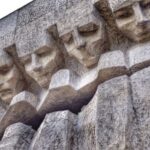
The main memorial stop is the Chair Memorial. It’s made of empty chairs, each one representing a life lost. The effect is quiet, and your guide’s job is to keep the meaning clear without turning it into a lecture that flattens the moment.
From there, you’ll also see the Under the Eagle Pharmacy, connected to Tadeusz Pankiewicz, the pharmacist who risked his life to help provide medicine, shelter, and hope to ghetto residents. That’s one of the most grounded parts of the walk: it brings the story back to ordinary needs—medicine, care, and hiding someone long enough to survive.
This last section is about understanding memory in place. You leave with a clearer sense of why certain spots matter, not just that they’re historically significant.
The 5 Hours on Foot: Pace, Break, and What to Bring
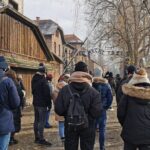
The tour runs about 5 hours, and it’s spread across three major segments. You’ll start with Kazimierz, then go to Schindler’s Factory, then finish at the ghetto sites. A short break for lunch is built into the day, and some experiences describe it as around 30 minutes.
Still, don’t assume you’ll be able to sit down for an entire meal. The day has standing time, and you’ll be walking between areas. I recommend bringing a bottle of water and a snack or packed lunch so you’re not hunting for food right when energy drops.
Timing can be a little fluid at Schindler’s museum. For from January 1, 2026, the tour times are approximate and can shift due to museum scheduling. You can choose a preferred time when booking, but the exact time isn’t guaranteed—so I’d avoid booking another timed activity right after.
Also, plan for weather. The tour runs rain or shine, and the museum design can be chilly because of the dim rooms and corridors. Wear comfortable shoes you trust. If you slip on old sidewalks, you lose the joy fast.
Price and Value: When $83.27 Makes Sense
At $83.27 per person, you’re paying for three things that add real value in Krakow:
- A licensed guide for the full arc (Kazimierz → Schindler’s Factory → ghetto memorial sites), so you’re not reading history alone while walking.
- Museum entry handled for you, including skipping the long ticket line. Time saved is travel money saved.
- Admission included for the Schindler’s Factory portion, meaning your biggest paid entry stop is already covered.
Is it “cheap”? No. But it’s also not just a museum ticket. You’re buying context, pacing, and interpretation across multiple sites that would be harder to connect on your own—especially the shift from pre-war neighborhood life to occupation conditions and then to the ghetto’s final chapter.
If you’re the kind of traveler who prefers meaning over checklists, this price usually feels fair.
Who Should Book This Tour (and Who Might Want Another Plan)
This tour is a strong fit if you want a structured, guided route through Krakow’s most important WWII-era sites without spending your entire day figuring out the logistics.
It’s also a good match for you if:
- you want to start in Kazimierz so the story makes more sense before you reach the ghetto memorial sites
- you prefer a guide to explain what you’re seeing in Schindler’s Factory Museum
- you want a small-group pace (up to 25)
It may be less ideal if:
- you get overwhelmed by dark, narrow museum corridors and want a lighter or more flexible visit
- you strongly dislike crowded interiors, because the museum can get busy and the room layout limits visibility
- you need a very relaxed walking day with lots of downtime
A practical tip: if you’re short on time in Krakow, pairing Kazimierz + Schindler’s + ghetto sites in one go is efficient. If you have more days, you could also consider doing Kazimierz or Schindler’s at a separate time for a slower, less crowded feel—but this tour is built to do the connected story.
Should You Book? My Straight Answer
Yes, I’d book this tour if your goal is understanding. The combination of Kazimierz context, the Schindler’s Factory museum experience, and the ghetto memorial stops gives you a coherent path through a difficult history.
Book it especially if you want the guide to handle the heavy lifting—what to pay attention to, how the locations connect, and how the museum’s design changes the way you read the story.
Skip it or plan carefully if you’re sensitive to long periods of standing, crowded museum rooms, or dark narrow corridors. In those cases, consider going with extra break time on your own schedule.
FAQ
What language is the tour offered in?
The tour is offered in English. The group tours run in only one language, and you select your language when booking.
What do I need to enter Schindler’s Factory Museum?
You must provide the full names of all participants when reserving and bring a passport or ID for entry to Schindler’s Factory Museum.
Is the Schindler’s Factory museum ticket line skipped?
Yes. The tour includes a way to skip the long ticket lines for the museum.
How long is the tour and what physical effort should I expect?
The tour lasts about 5 hours. It’s recommended for people with moderate physical fitness, and it involves standing and walking.
Where does the tour start and end?
It starts at Szeroka 24, 31-053 Kraków and ends at Apteka pod Orłem, Plac Bohaterów Getta 18, 33-332 Kraków.
Does the tour run in bad weather?
Yes. The tour goes ahead in all weather, including rain or shine.
Can I cancel for a refund?
Yes. There is free cancellation up to 24 hours before the experience’s start time for a full refund.
If you want, tell me your travel dates and whether you’re doing Schindler’s on the same day as other Krakow plans. I’ll help you build a low-stress schedule around this 5-hour route.