REVIEW · KRAKOW
Krakow: Auschwitz-Birkenau and Wieliczka Salt Mine Day Trip
Book on GetYourGuide →Operated by Krakowbooking · Bookable on GetYourGuide
One of the hardest days in Europe.
This Krakow day trip pairs an English-guided Auschwitz-Birkenau visit with the unforgettable Wieliczka Salt Mine, so you can see both extremes of human history in one long, well-paced outing. The day is built around licensed guides, comfortable transport, and real time on the ground at two major sites.
I especially like the way the Auschwitz portion is structured around what’s still there: original buildings, the gas-chamber area, and Birkenau’s layout. I also really like the switch to the salt mine, where you’ll walk through an underground world with statues and chapels carved from rock salt, plus guides who focus on what the mine was like through the centuries.
The main drawback is the physical load. You’re dealing with a long day and serious walking, plus the mine includes 800 steps (and it starts with a steep set of them).
In This Review
- Key things to know before you go
- The 11-hour rhythm: how this Krakow day trip stays on track
- Auschwitz-Birkenau: what you’ll see and how to handle it
- From gas chambers to Birkenau’s tracks: getting the scale right
- Wieliczka Salt Mine’s underground city: carvels, chapels, and healing air
- 800 steps and tight ceilings: the physical reality of Wieliczka
- Lunch breaks, photos, and snacks: your best strategy for a long day
- Price and value for $131: guides, transport, and two sites in one day
- Who this day trip fits best (and who should skip it)
- Should you book this Auschwitz and Wieliczka tour?
- FAQ
- How long is the Krakow Auschwitz-Birkenau and Wieliczka Salt Mine day trip?
- Is food included?
- Does the tour include hotel pick-up and drop-off?
- Are tickets and museum entries included?
- How many steps are there at the salt mine?
- What are the bag and luggage rules?
- Is this tour suitable for claustrophobia or mobility issues?
Key things to know before you go
- English-speaking, licensed guides at both Auschwitz-Birkenau and Wieliczka help you make sense of what you see.
- Skip-the-ticket-line is useful because both sites can be very busy.
- A long day (11 hours) means you should plan for fatigue, not just photos.
- The mine is stair-heavy: about 800 steps, with roughly 350 at the beginning.
- Name matching is strict at Auschwitz-Birkenau, so use the exact spelling on your ID.
- Food isn’t included, so decide in advance whether to pack snacks or buy onsite.
The 11-hour rhythm: how this Krakow day trip stays on track
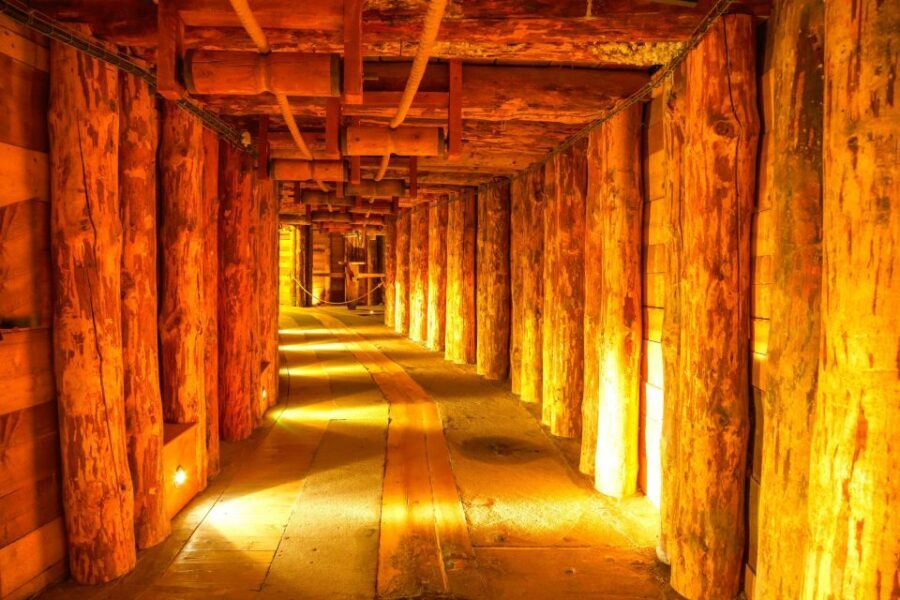
This tour is designed for people who want maximum impact without needing to plan two separate logistics headaches. You leave Krakow by air-conditioned bus, and you return to your hotel area afterward with pick-up and drop-off built in. That matters because these sites are far enough from Krakow that doing it solo can turn into a time sink.
The day runs about 11 hours, and it’s not just “see everything fast.” The structure is meant to keep you moving between the two attractions while still giving you time for a guided experience. You’ll also get a lunch break of 40–60 minutes on the stretch between Auschwitz and the salt mine route. Depending on the day’s flow, that lunch window can feel short, so I treat it like a practical pause, not a leisurely meal.
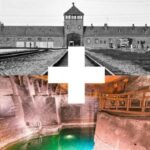
The vibe is straightforward: quiet seriousness in Auschwitz-Birkenau, then a striking change of setting underground at Wieliczka. If you prefer one site at a time, you might feel the contrast is intense. But if you like your sightseeing to be efficient and meaningful, this pairing works.
You can also read our reviews of more tours and experiences in Krakow

Auschwitz-Birkenau: what you’ll see and how to handle it
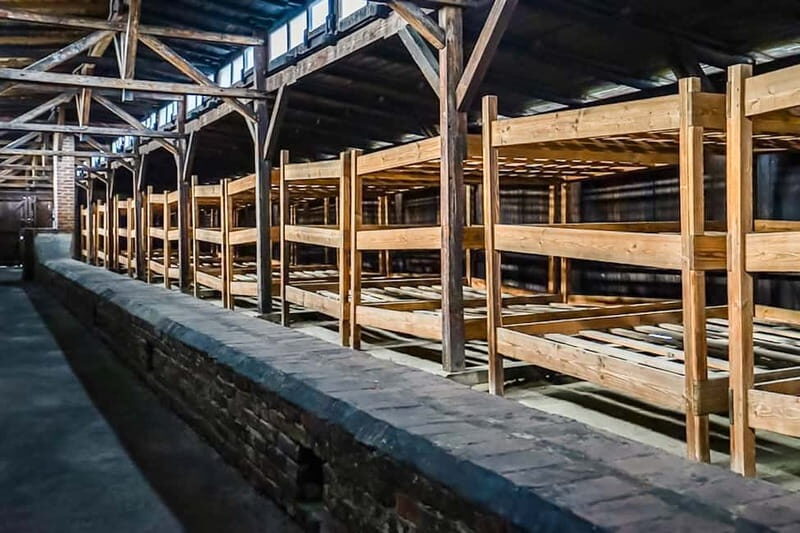
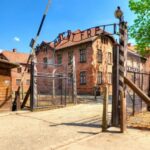
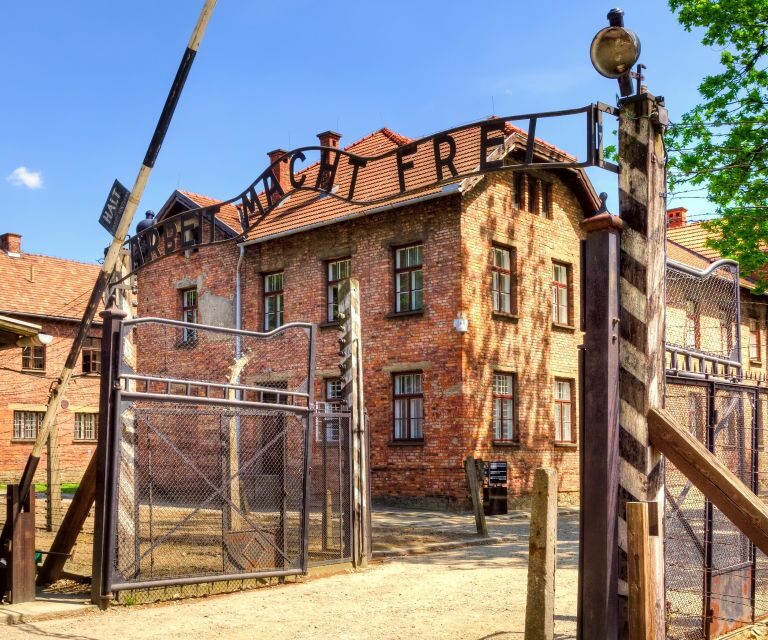
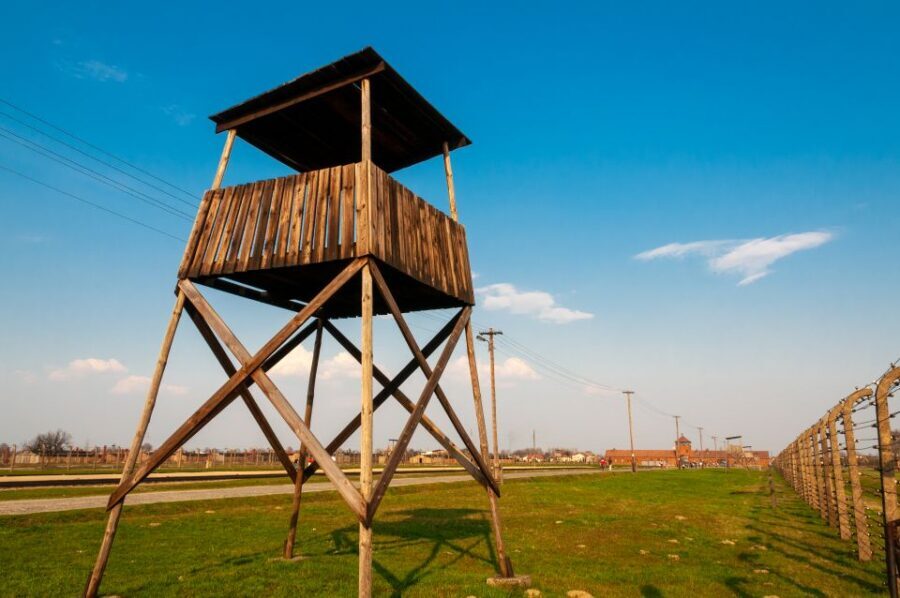
Auschwitz-Birkenau is not a casual stop. It’s an outdoor memorial and museum with a guided program that focuses on the history and genocide carried out during World War II. You’ll take a licensed guided tour and see key surviving elements, including remains of prison blocks and the area tied to the gas chambers.
What makes the experience more than a checklist is how the guide helps you connect the physical layout to the human reality. The camps are laid out in a way that can feel confusing if you’re walking on your own. With a licensed guide, you’re more likely to understand why you’re seeing certain buildings, pathways, and boundaries—and how prisoners were processed and used for forced labor.
One detail I found especially useful comes from what guides are trying to show you even when the site surprises people. In one case, a guide was asked about inscriptions marked with an H on the sandstone surfaces near the ground. He said he had never noticed them despite doing this work for years. It’s a reminder to slow down a bit with your eyes, not just your feet. If something seems strange or specific, it’s worth asking.
From gas chambers to Birkenau’s tracks: getting the scale right
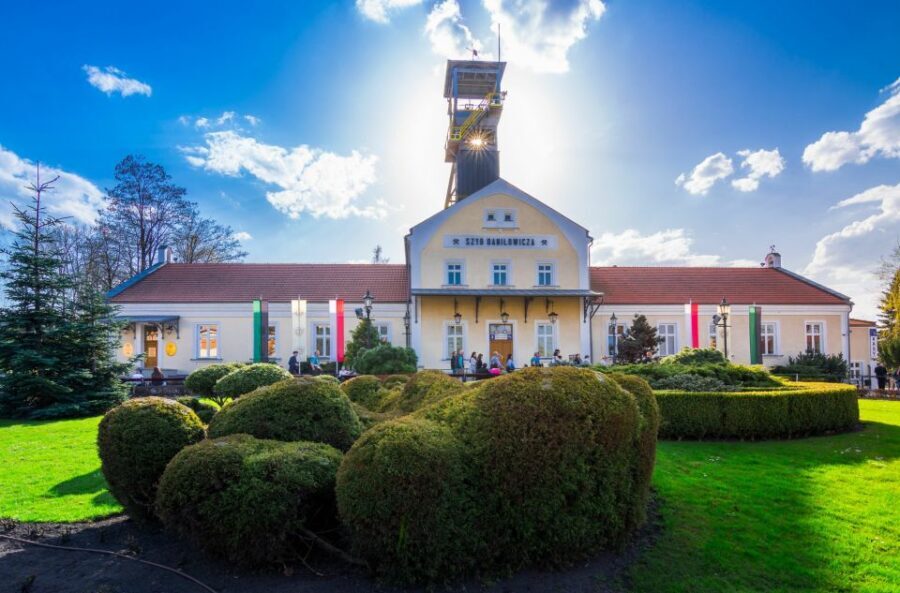
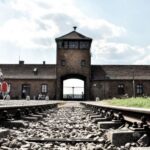
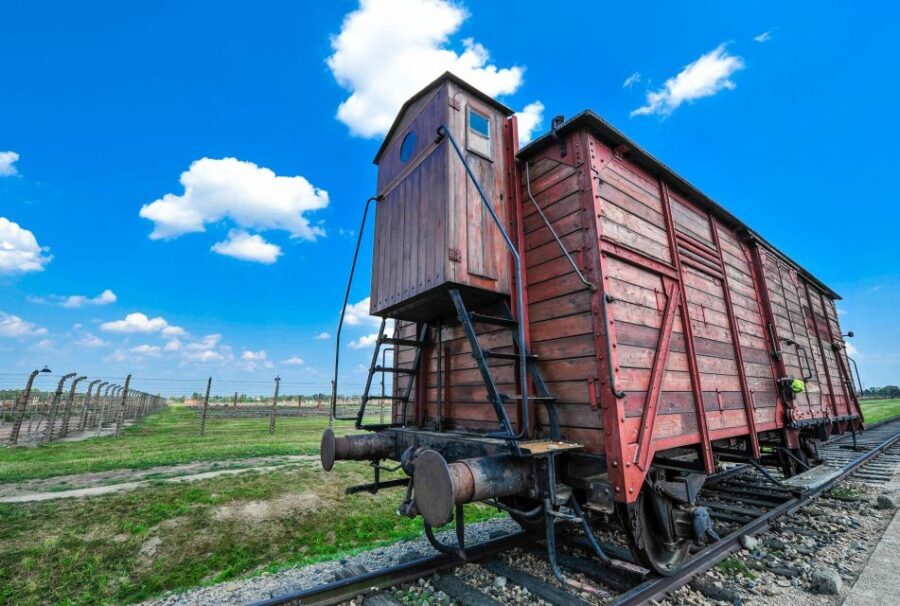
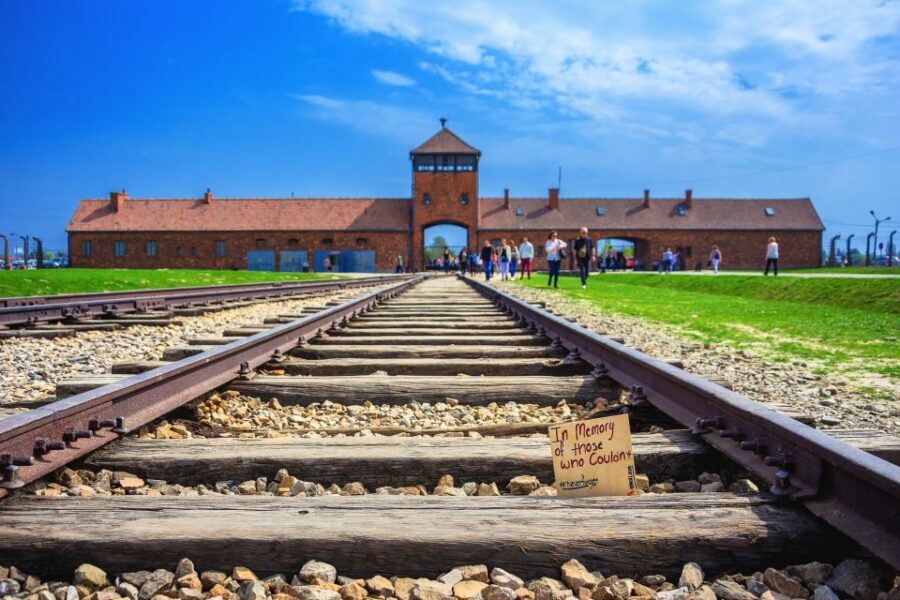
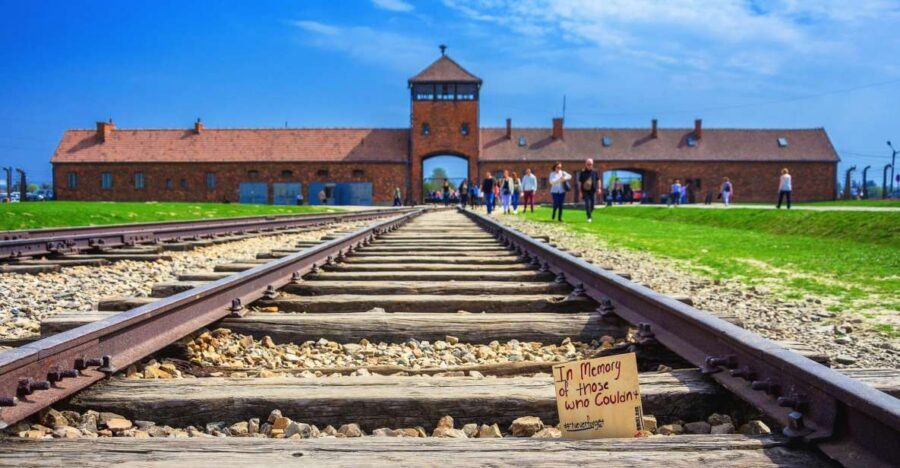
The Birkenau part is where the scale really hits. In addition to the remaining structures, you’ll see the railway ramp remains—the place where prisoners arrived and faced their fate. That one visual anchor can make everything else feel more grounded, because it ties the story to a specific piece of physical infrastructure.
I like that this tour doesn’t treat Auschwitz-Birkenau like a theme park route. Instead, you’re shown major components that help explain how the system functioned: arrival points, prison areas, and areas connected to the extermination process. You’ll likely spend time standing in spots that feel emotionally heavy. That’s normal. It’s also why the guide’s pacing matters.
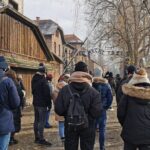
You may also encounter crowds. On a full-day tour, the group movement is key, and this itinerary is built to keep you on schedule. The “skip the ticket line” feature helps here, but you’re still entering museums and memorial spaces where lines and crowd density can happen. I recommend you bring a calm mindset and expect some waiting, even with good organization.
Wieliczka Salt Mine’s underground city: carvels, chapels, and healing air
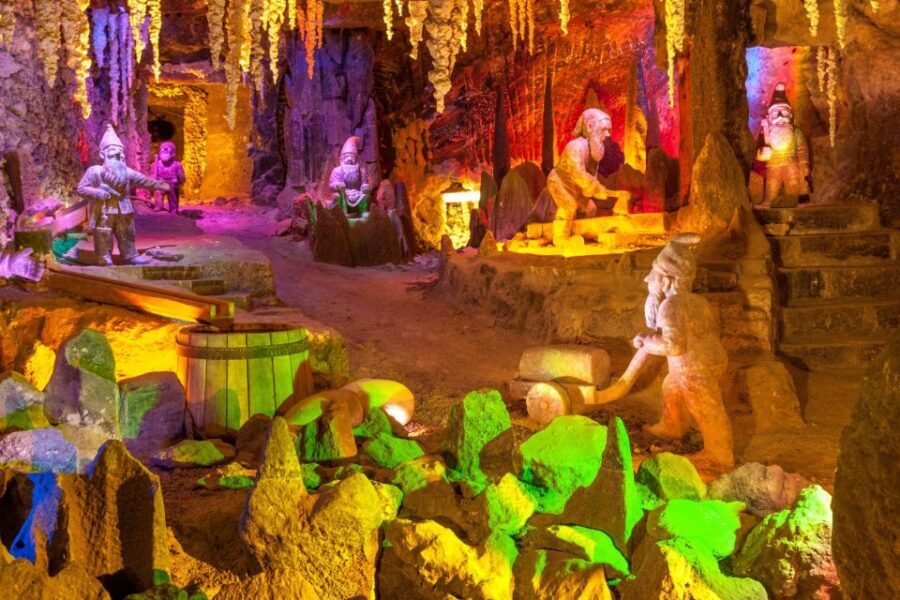
Once you leave the intensity of Auschwitz-Birkenau, Wieliczka Salt Mine feels like a different planet. The mine tour is led by a local guide, and it focuses on the history of salt extraction and mining that goes back to the Middle Ages. That timeline matters. Salt mining wasn’t just a job; it shaped trade, engineering, and the economy around Krakow.
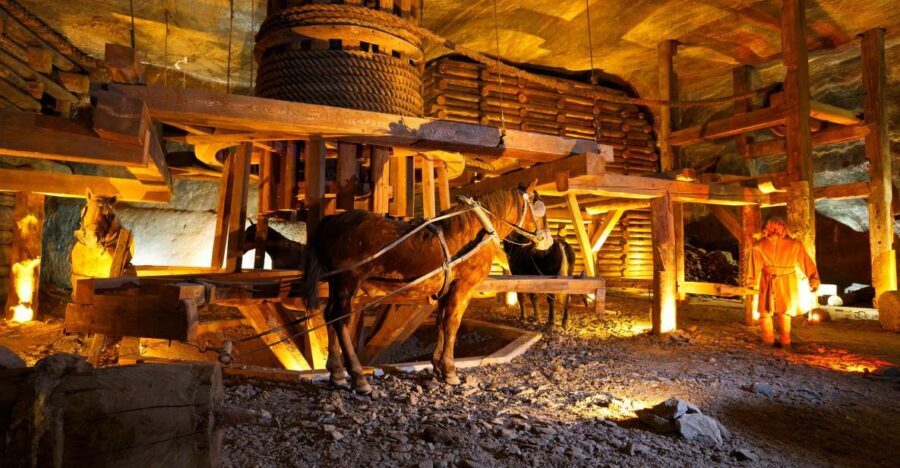
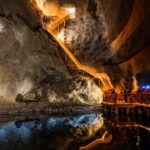
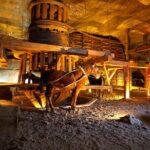
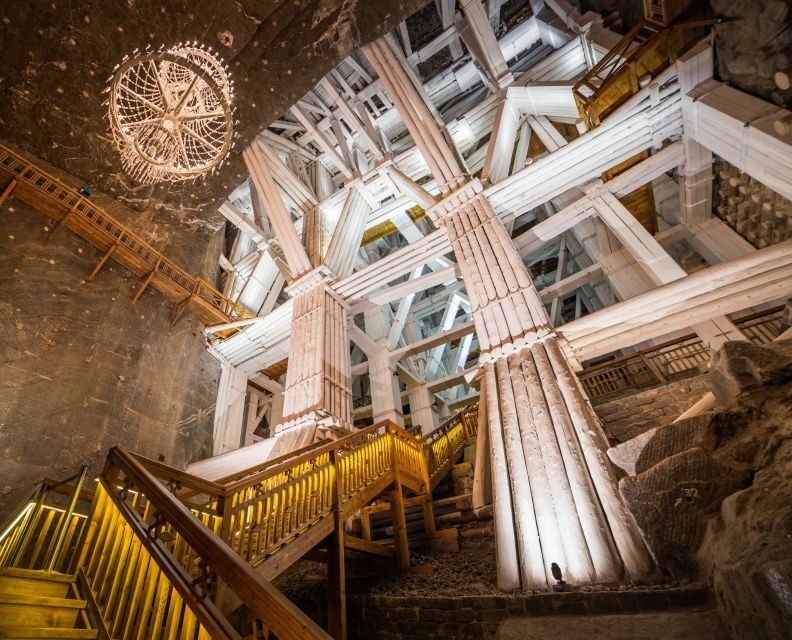
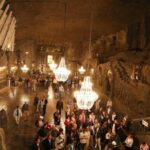
What you’ll remember most are the salt-carved statues and chapels. The mine includes an underground world that the tour describes as an underground city, complete with features carved out of rock salt. It’s not just pretty. The carvings help you picture people working and worshiping underground long before modern tourism existed.
You’ll also hear about the special climate and micro-element-filled air and the mine’s supposed healing properties. I treat this part the way I treat any wellness claim tied to a place: as part of the site’s story, not a medical promise. Still, many people find the atmosphere soothing after a difficult morning, and you might notice the calm feeling that comes from being underground in a cooler, controlled environment.
800 steps and tight ceilings: the physical reality of Wieliczka
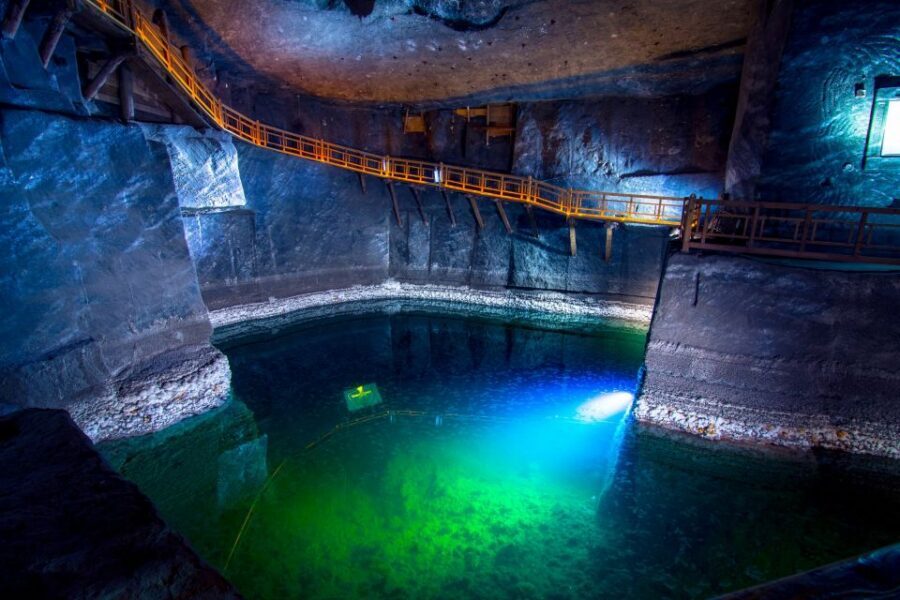
The mine tour is stunning, but you should go in with clear expectations about your body. The tour guidance is specific: there are 800 steps to climb, with about 350 steps at the beginning as you head down into the mine. That means you’re not just walking around hallways—you’re working through a stair-heavy route from the start.
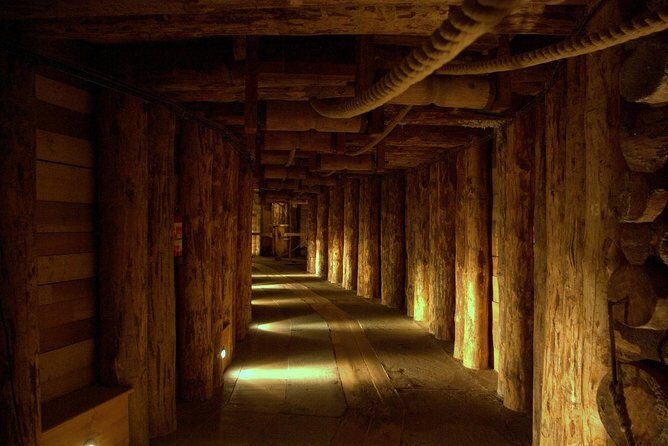
Also plan for uneven conditions. In some parts you may face low ceilings, especially if you’re tall. If you carry a bag, pay attention to restrictions: no luggage or large bags are allowed inside, and the permitted size is limited (the rule is about maximum dimensions, so keep yours small and simple).
At the end of the mine tour, the guidance says the elevator is used only to get to the surface from the bottom. That means you’re not counting on the elevator as an early exit if you get tired mid-route. If you’re prone to claustrophobia, this part is a particular challenge. It’s not just the stairs—it’s also the enclosed underground feel.

Lunch breaks, photos, and snacks: your best strategy for a long day
The tour includes a 40–60 minute lunch break between the mine and Auschwitz. That’s long enough to grab something and reset, but short enough that a slow sit-down meal can make you late. Because food and drinks aren’t included, you’ll want a plan before you’re hungry.
I’ve learned this the practical way: when you don’t pack, you can end up stuck waiting in lines while groups shuffle between transport segments. If you can, bring a simple backup snack in your day bag. If you don’t pack, you can still find food onsite, but expect crowds.
For photos, here’s a balanced take. Auschwitz-Birkenau is a place where you’ll want to focus on what the guide is explaining rather than trying to take perfect pictures. At the mine, you’ll have more opportunities to photograph the carved interiors and unusual spaces. My advice is to treat the camera like a second brain: useful for remembering, but not the main job.
Price and value for $131: guides, transport, and two sites in one day
At $131 per person, the value comes from the structure, not just the ticket price. You’re paying for:
- round-trip convenience with pick-up and drop-off
- travel by air-conditioned bus
- licensed, English-language guiding at Auschwitz-Birkenau and Wieliczka
- entry tickets to both major sites
- organization that keeps the day from turning into chaotic self-guided navigation
If you were to stitch this together yourself—transport, timed museum entry, and two different licensed guides—the cost can add up quickly. Here, you’re buying a single bundle that manages timing and language. The “skip the ticket line” piece can also save time at busy moments.
Still, there are extra costs in the real world. Food and drinks aren’t included, and you’ll likely want water and snacks across a long 11-hour day. That’s why I think of the final cost as “the tour price plus what you spend on basics.”
Who this day trip fits best (and who should skip it)
This is best for people who want a guided, English-language day that covers both Auschwitz-Birkenau and Wieliczka Salt Mine without spending your travel day on planning. It also works well if you appreciate clear, organized movement through crowded attractions.
I’d be cautious if any of these apply:
- You have mobility impairments, since the tour isn’t recommended and the mine has many steps.
- You have claustrophobia, because the mine involves enclosed underground spaces.
- You’re traveling with children 13 and under, since the tour isn’t recommended for younger kids.
- You’re carrying more than the permitted small bag size or you plan to bring luggage or baby carriages, since those aren’t allowed in the sites.
If you’re comfortable walking long distances and handling intense subject matter, you’ll likely feel that the day is heavy but well guided. If you want a gentler pace, a split itinerary (one site per day) is usually easier on the heart and feet.
Should you book this Auschwitz and Wieliczka tour?
I think you should book it if you:
- want English licensed guides at both places
- value a ready-made plan that fits within one 11-hour day
- are physically prepared for 800 steps at the salt mine
- can handle emotional content with respect and attention
I’d skip it if you’re not up for stair-heavy underground walking, if you struggle with enclosed spaces, or if you need a slower pace with more flexibility. Also, be sure your ID name matches exactly when you book, because entry can be refused if the name doesn’t match.
In short: this is a demanding day, but it’s built for people who want meaning and efficiency. If that matches your style, this is a strong Krakow choice.
FAQ
How long is the Krakow Auschwitz-Birkenau and Wieliczka Salt Mine day trip?
The duration is 11 hours. Starting times depend on availability.
Is food included?
No. Food and drinks are not included, so plan for lunch during the 40–60 minute break.
Does the tour include hotel pick-up and drop-off?
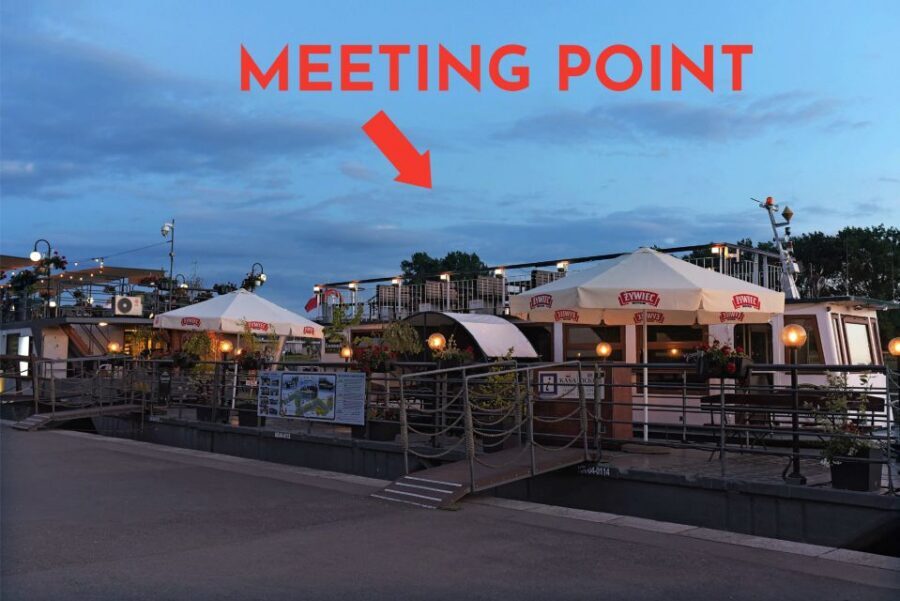
Yes. Pick-up is included from the Radisson Blu Hotel or Hotel Maltański, with drop-off back at your pick-up area.
Are tickets and museum entries included?
Yes. Entrance tickets and licensed live guides are included for both Auschwitz Birkenau Museum and Wieliczka Salt Mine.
How many steps are there at the salt mine?
You should expect 800 steps to climb, including about 350 steps at the beginning when going down.
What are the bag and luggage rules?
You can’t bring luggage or large bags. Baby carriages are also not permitted. The allowed size is based on a maximum dimension of 30 x 20 x 10 cm.
Is this tour suitable for claustrophobia or mobility issues?
No. It is not recommended for people with walking disabilities or claustrophobia.