REVIEW · KRAKOW
Auschwitz and Birkenau Tour
Book on Viator →Operated by Royal Tours Krakow · Bookable on Viator
Hard stops. Soft-spoken history.
This Auschwitz and Birkenau trip is built for one thing: getting you from Krakow to both camps with less hassle and more time on-site. You get hotel pickup/drop-off, air-conditioned minivan transport, and a guided walkthrough that includes admission to Auschwitz I and Auschwitz II. It’s heavy content, but the logistics are designed to keep the day from falling apart.
What I like most is the practical setup: tickets are included and you have headsets so you can actually follow along. The other big plus is the structure—Auschwitz I first, then a transfer to the much larger Birkenau—so you see the whole system, not just one slice. One thing to consider: the tour length can run long with museum timing changes, and the camps involve a lot of walking on uneven ground, so you’ll want comfortable shoes and a steady pace.
In This Review
- Key Points Before You Go
- Auschwitz and Birkenau From Krakow: The Real Win Here
- Time-Saving Minivan Pickup and Headsets That Help You Focus
- Auschwitz I: The Iron Gate, Block 11, and the Preserved Gas Chamber Area
- Auschwitz II Birkenau: The Vast Death Camp and the Ruins That Don’t Need Words
- Pacing, Walking, and What to Wear for a 4-to-7 Hour Reality
- Price and Value: What $46.91 Buys (and What It Doesn’t)
- Guide Quality, Hearing, and When the Day Changes
- Should You Book This Auschwitz and Birkenau Tour?
- FAQ
- How long is the Auschwitz and Birkenau tour from Krakow?
- Are admission tickets to Auschwitz I and Auschwitz II included?
- Do I get headsets to hear the guide?
- Is hotel pickup and drop-off included?
- What language is the guided tour offered in?
- Is food included during the tour?
- What is the cancellation window?
Key Points Before You Go
- Admission tickets for both sites are included, so you avoid the most common day-of headaches
- Hotel pickup/drop-off plus air-conditioned minivan helps you save time and energy
- Headsets are provided, which makes the guide’s explanations easier to hear in dense, quiet areas
- Auschwitz I details include Block 11 and the preserved crematorium/gas chamber area
- Birkenau scale is the focus, including the ruins of crematoriums and gas chambers and the vast footprint
- Small group size (max 30) helps keep the experience from feeling like a cattle line (most days)
Auschwitz and Birkenau From Krakow: The Real Win Here
If you only have one day, this is one of the most straightforward ways to tackle Auschwitz and Birkenau from Krakow. The tour is priced at $46.91 per person, and the day comes with the big essentials you’d otherwise have to juggle: transport, a guide, and admission to both Auschwitz I and Auschwitz II (Birkenau).
The duration is about 4 to 7 hours, depending on how the museum schedule shapes the day. That range matters because Auschwitz visits aren’t like a typical “see it and snap photos” stop. Your time gets shaped by entry flow, the guide’s pace, and the transfer window between the two sites.
The content itself is what makes this trip so important. Auschwitz I is where you get the structure of the camp and the machinery of terror laid out. Birkenau is where the scale hits you—vast, ruined, and relentless. Seeing both in one outing helps you connect the dots instead of treating them as separate sites.
You can also read our reviews of more tours and experiences in Krakow.
Time-Saving Minivan Pickup and Headsets That Help You Focus
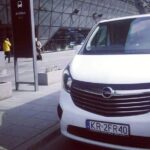
The logistics are a big part of why this tour works for many people. You can arrange pickup from a designated meeting point, and the experience includes hotel pickup and hotel drop-off. Transport is by air-conditioned minivan, and the tour is capped at up to 30 travelers, which helps keep movements manageable.
Two practical items show up repeatedly as “this is why it’s worth it” in real-world experiences:
- Headsets to hear the guide clearly
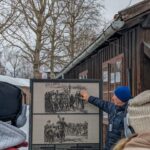
This is not a luxury feature. In the camps, you need your attention on what you’re seeing, not on how far you are from the speaker. One highlight from the experience is that the guide is delivered through a microphone setup with headsets, so you can follow without straining.
- Driver and guide handling the flow
When a driver gets you to the right place on time, the day feels controlled. Several people also noted communication and problem-solving when meeting points got mixed up, including a guide/driver making sure the group still connected.
That said, one caution from the experiences is that hearing quality can depend on the guide’s voice and the day’s setup. Headsets are included, but if you get a guide who speaks very quietly, it can still be frustrating. If you’re sensitive to audio issues, bring your own expectation that you may need to adjust position slightly during explanations.
Auschwitz I: The Iron Gate, Block 11, and the Preserved Gas Chamber Area
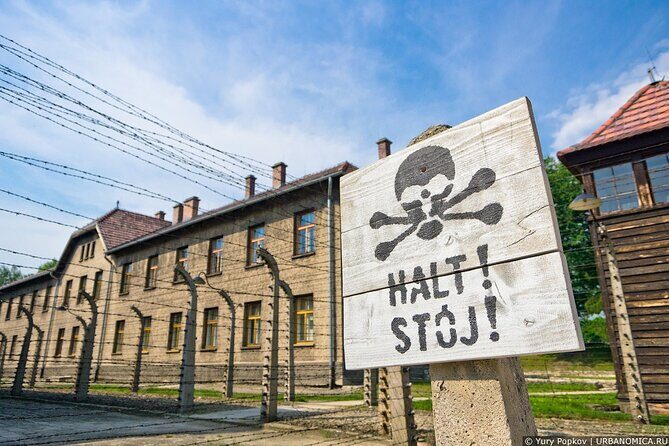
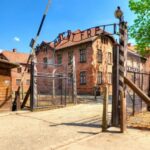
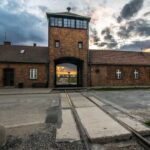
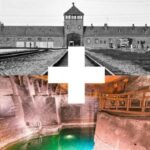
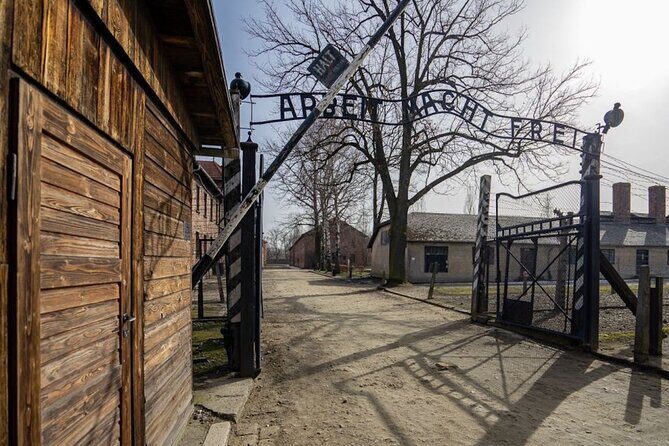
Auschwitz I is where the tour starts at Panstwowe Muzeum Auschwitz-Birkenau. Expect a guided walk through the camp’s core layout, including the entry point with the iron gate bearing the slogan Arbeit Macht Frei (Work Sets You Free). It’s one of those details that hits hard because it’s propaganda placed at the threshold of what followed.
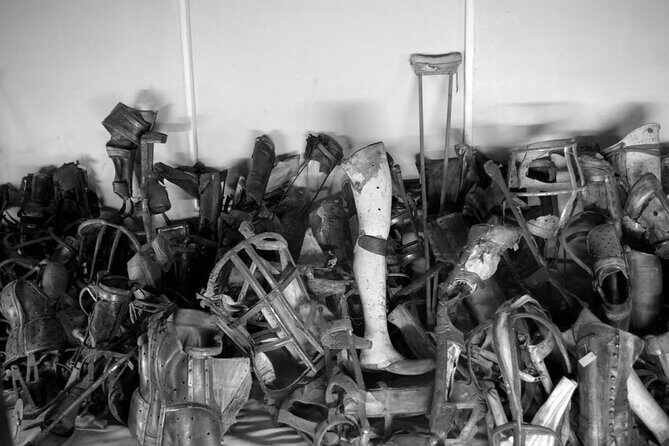
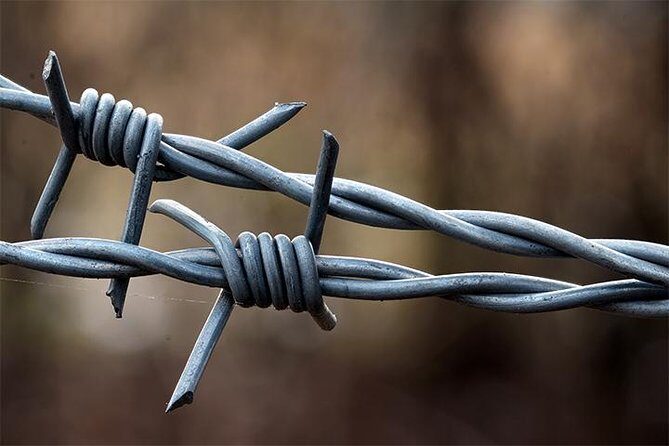
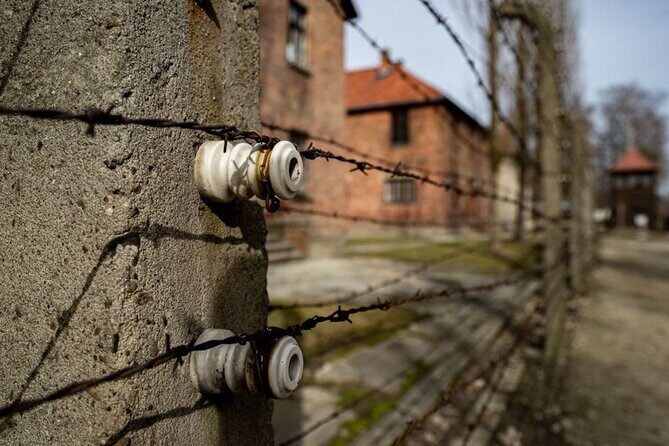
From there, you’ll see the camp’s 22 brick barracks, which functioned as prisons holding hundreds of thousands of victims of the Holocaust. The guide’s job here is to give context without turning it into a lecture you can’t emotionally hold. The most intense stop in Auschwitz I is usually the one tied to punishment and isolation.
You’ll be directed toward Block 11, often called a prison within the prison. Here, the explanation focuses on special torture chambers, including dark chambers and standing cells, where punishments were carried out. One specific point covered in the tour description is that the first attempts to kill people with Zyklon B took place in this block. If you’ve ever wondered how the system escalated from imprisonment to industrial killing, this is one of the places that connects the timeline.
At the end of Auschwitz I, the tour brings you to the only preserved crematorium and gas chamber area. Even without extra theatrics, standing there forces the scale and purpose into focus. If you’re the type who needs time to absorb, build in a slower pace in this segment. Don’t try to rush through the last part just to keep up.
What can feel like a drawback here: time and emotional intensity move together. Some people come out feeling like they want more time in certain areas, especially if the day’s schedule gets pushed by museum timing. If you prefer long, quiet wandering, keep your expectations realistic: this is a guided route with transfers.
Auschwitz II Birkenau: The Vast Death Camp and the Ruins That Don’t Need Words
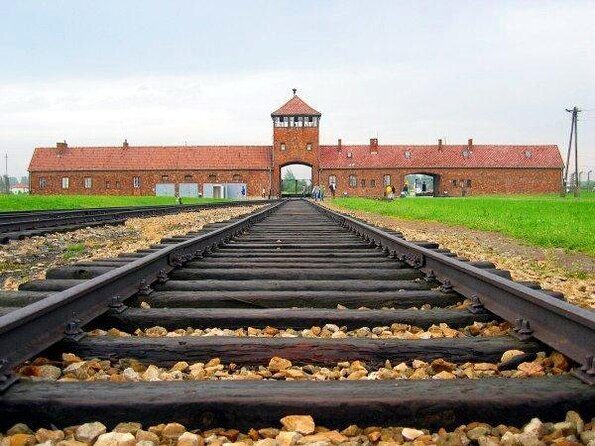
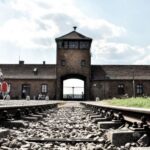
After Auschwitz I, you transfer to Auschwitz II Birkenau by minivan. The contrast is immediate. Birkenau is described as about 25 times larger than Auschwitz I, and the tour frames it as the largest of the death camps.
The key number to hold onto here is the scale of murder: over 1,100,000 people were murdered at Birkenau. When you’re standing among the remains, that number stops being abstract. The camp layout—open space, multiple barrack ruins, and the distances between points—does something maps can’t.
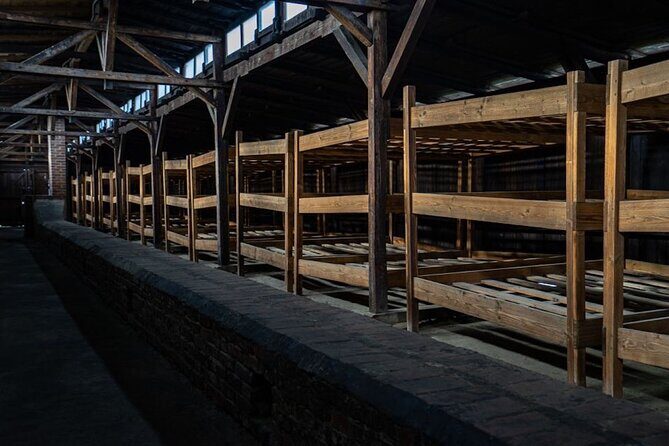
The tour covers the remains of the crematorium and gas chamber setup. Between 62 wooden barracks (now in ruins) you’ll see the foundations and traces tied to four crematoriums and gas chambers, which were destroyed by the Nazis in an effort to hide evidence of their crimes.
This part of the experience is often the one people remember long after they land back in Krakow. Not because it’s “more dramatic,” but because it’s harder to picture what happened here without seeing the footprint. Birkenau is less about a single preserved room and more about the emptiness where thousands were processed.
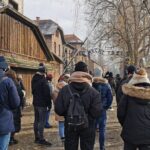
One practical note: much of Birkenau is outdoors, and timing can affect how cold or warm you are. If weather is a concern, plan layers even in shoulder seasons. Comfortable footwear matters here more than in Auschwitz I, because uneven ground and long walking come into play.
Pacing, Walking, and What to Wear for a 4-to-7 Hour Reality
This tour is listed at roughly 4 to 7 hours. That’s a wide range for a reason: museum authorities can shape the start time, and the camps don’t run like clockwork sightseeing.
You’ll want to plan for:
- A lot of walking
One clear theme from the experiences is that uneven ground is real. Flat shoes are a must, especially if your feet bruise easily.
- Moderate physical fitness
The tour is noted as requiring moderate physical fitness. That doesn’t mean “athlete level,” but it does mean you should be able to walk long stretches with minimal breaks.
- Outdoor exposure at Birkenau
Birkenau’s remains are largely outdoors, so expect wind and weather to play a role.
If you have tight scheduling at home—like a work commitment later in the day—be careful. A few people ran into the problem of the tour starting later than originally booked and then not having enough time to stay for the full Birkenau segment. Auschwitz tours can also change start times depending on museum operations, so treat this day like it needs breathing room.
Food and drinks are not included, so plan to eat before you go and carry water if that fits your day. Since the camps can be emotionally draining and physically demanding, you don’t want low-energy fatigue adding stress.
Price and Value: What $46.91 Buys (and What It Doesn’t)
At $46.91, this doesn’t look expensive for a day that includes both Auschwitz sites, guided explanations, and transport from Krakow. The value comes from what’s bundled, not just the sticker price.
You’re getting:
- admission to both Auschwitz I and Auschwitz II
- guided tour with a driver/guide
- headsets so you can hear
- hotel pickup and drop-off
- air-conditioned minivan transport
- a group size capped at 30 travelers
What you’re not getting is also clear: food and drinks are not included. That’s the one place you’ll likely spend extra, especially if you want a calm meal after your final stop.
One more value point: the tour description notes a mobile ticket and confirmation at booking. In practice, that tends to reduce day-of ticket anxiety. Still, it’s wise to keep your confirmation handy and arrive early to your pickup point, since meeting points can be assigned via designated locations rather than your exact hotel lobby.
Guide Quality, Hearing, and When the Day Changes
This kind of tour lives or dies on two things: communication and control of timing.
The positive side is strong. Many experiences describe guides who speak clearly through microphone and headset setups, with delivery that’s respectful and empathetic without turning the day into a performance. People also praised how well organized the pickup and route were, including someone who had a booking worry and found that tickets were already purchased ahead of time—no long queue drama.
But there are real cautions you should take seriously:
- Time changes can cut into Birkenau
One unhappy experience described a tour that started about two hours later than booked, forcing the group to leave early and miss part of Birkenau. The tour info also flags that the final start time depends on museum authorities and can change. That’s not in your control, so build flexibility.
- Hearing problems can happen
Even with headsets, there’s a report where a guide’s voice was too quiet and the person felt the experience wasn’t worth the money because they couldn’t hear explanations well. Headsets are included, but you should be prepared to ask the driver/guide for help if something feels off.
- Comfort issues with transport can happen
One review mentioned the minibus air-conditioning working only for the front seats, which left others uncomfortable on a longer drive back. Transport is air-conditioned on paper, but physical comfort can still vary by seating.
If you’re choosing this tour, the best strategy is simple: arrive with patience, wear shoes you can walk in all day, and keep your schedule flexible.
Should You Book This Auschwitz and Birkenau Tour?
I’d book this tour if you want a guided, two-camp visit with admission included and a transport plan that minimizes Krakow-to-camp stress. The price is reasonable for what’s bundled, and the headsets plus smaller group size (up to 30) are strong signals that the experience is designed for understanding, not just ticket stamping.
I’d think twice or at least adjust expectations if:
- you have an inflexible time commitment later the same day (start times can shift)
- you’re very sensitive to audio quality and prefer guaranteed volume (some experiences mention hearing issues)
- you know you struggle with long walking over uneven ground
Overall, Auschwitz and Birkenau are not “easy sightseeing.” But this tour handles the hard parts—transport, admission, and guided context—so you can focus on what matters: seeing the full system at both sites, with less logistics getting in the way.
FAQ
How long is the Auschwitz and Birkenau tour from Krakow?
The tour is listed at approximately 4 to 7 hours.
Are admission tickets to Auschwitz I and Auschwitz II included?
Yes. Admission tickets to both sites are included.
Do I get headsets to hear the guide?
Yes. Headsets are included to help you hear the guide clearly.
Is hotel pickup and drop-off included?
Yes. Hotel pickup and hotel drop-off are included, using designated meeting points as needed.
What language is the guided tour offered in?
The tour is offered in English.
Is food included during the tour?
No. Food and drinks are not included.
What is the cancellation window?
Free cancellation is available up to 24 hours in advance for a full refund. If you cancel less than 24 hours before the experience starts, the amount paid is not refunded.