REVIEW · KRAKOW
Auschwitz-Birkenau Guided Tour from Krakow with Hotel Pickup
Book on Viator →Operated by DISCOVER CRACOW · Bookable on Viator
Four hours of history, and it hits hard.
This Krakow-to-Auschwitz-Birkenau day trip turns a stressful, confusing commute into a clear plan, with a licensed museum guide and hotel pickup to get you there without guesswork. You’ll see Auschwitz-Birkenau Memorial and Museum up close, learn how the Nazi camp system worked, and visit both sections that document the Holocaust in chilling detail.
Two things I really like: you get headsets, which make the guide’s narration easier to follow on-site, and the tour covers both Auschwitz I and Birkenau so you leave with a fuller picture instead of one side of the story. On top of that, the admission ticket is included, so you’re not scrambling for paperwork when you arrive.
One possible drawback: it’s a long day with heavy subject matter. Between the drive time and the time in the camps, you should expect a 7.5-hour outing that can feel draining even before you step inside.
In This Review
- Key things to know before you go
- Krakow Pickup That Actually Makes the Day Easier
- The Licensed Guide: Why Context Matters at Auschwitz-Birkenau
- Auschwitz I: Concentration Camp Remains and the Weight of Permanence
- Birkenau (Auschwitz II): The Open-Air Scale You Can’t Unsee
- Timing, Breaks, and What to Bring for a 7.5-Hour Day
- Price and Value: What You’re Paying for at About $70
- Who This Tour Suits Best (and Who Should Rethink)
- Should You Book This Auschwitz-Birkenau Tour From Krakow?
- FAQ
- How long is the Auschwitz-Birkenau guided tour from Krakow?
- Is hotel pickup included?
- Are admission tickets included?
- Does the tour include a guided visit with a licensed museum guide?
- Are headsets provided?
- Do I need to bring ID or a passport?
- Are breaks part of the tour?
- Is food and drinks included?
- What should I wear or bring for weather?
- Are children allowed?
Key things to know before you go
- Hotel pickup in Krakow reduces stress and helps you start on time
- Headsets keep you hearing the guide clearly during the walk-throughs
- Licensed English-speaking guide gives context you’d likely miss on your own
- You see Auschwitz I and Birkenau (Auschwitz II) for a more complete account
- Multiple short breaks are built in, plus a longer pause afterward
- Bring ID/passport for security before entry
Krakow Pickup That Actually Makes the Day Easier
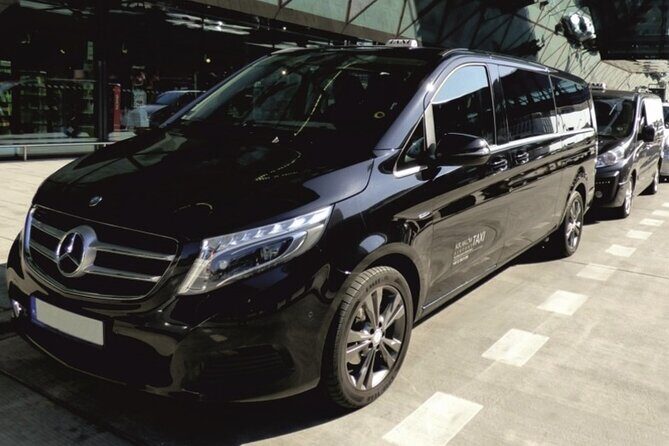
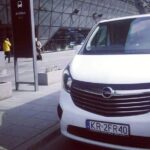
Auschwitz-Birkenau is not the kind of trip where you want to figure out transport on the fly. This tour removes that headache with hotel pickup in Krakow, then a direct run toward Oswiecim (Oświęcim). The drive is about 1 hour 30 minutes each way, so the total road time adds up fast.
Here’s why that matters: once you’re inside the memorial system, the visit is highly structured. You don’t want to lose minutes at the start of the day. A smooth pickup means you’re more likely to arrive with energy for the entry process and the first guided segment.
When you get to the area, you’ll have a short pause to grab coffee or look around outside. It’s not a long “tourist break,” but it can help you reset your brain a bit before the guided part begins. Later, after the main guided time, you get about 20 minutes to shop for essentials (bookstore or grocery) or just step back for air before heading back to Krakow.
Also, keep an eye on the meeting spot. The start and end location is listed as Pawia 18B in Kraków, and you may be picked up from your hotel or from that set point depending on how you book. Either way, I like that the day is anchored to a clear location, not a vague meeting “somewhere nearby.”
Practical tip: bring your patience and your layers. Even in good weather, you’ll walk and stand. In bad weather, you’ll be glad you packed for it.
You can also read our reviews of more guided tours in Krakow
The Licensed Guide: Why Context Matters at Auschwitz-Birkenau
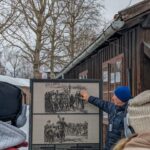
This isn’t a place where “audio-only” is enough. What you’re looking at is complicated, layered, and designed to be understood in sequence. That’s where the guide earns their keep.
The tour uses a licensed English-speaking museum guide, and that licensing matters because the story is not just general history. It’s specific. You’ll hear why the camps were built, how the extermination system operated, and how the memorial explains the evidence that remains.
The guides are praised for how they communicate. In feedback, names like Ilana and Michael show up for different parts of the experience. Ilana is noted for clear explanations and even a bit of humour that helps you stay oriented, while Michael is singled out for leading the camp sections in a way that improved understanding of the Final Solution. The point isn’t that the subject becomes light. It’s that the explanation becomes easier to follow when your brain is overloaded.
You’ll also have headsets, which is a quiet win. On-site audio can be unpredictable, and the camps aren’t set up for comfortable “face-to-face” listening in every moment. With headsets, you can keep your attention on what the guide is pointing out.
Balanced expectation: the guide can’t make the visit cheerful. What they can do is make it legible. They help you connect the physical remains to the timeline and purpose of the camp system.
Auschwitz I: Concentration Camp Remains and the Weight of Permanence
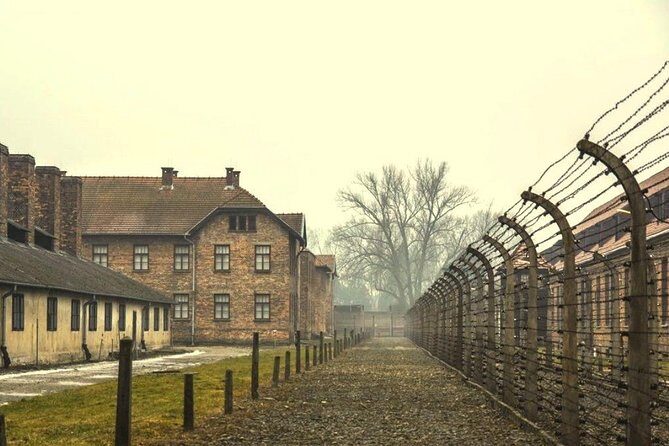
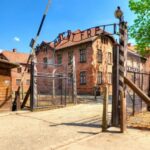
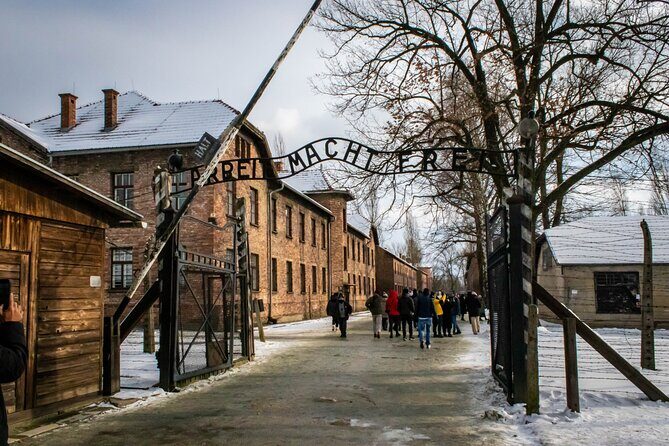
Auschwitz I (the main Auschwitz camp area) is where the memorial experience often starts to feel intensely personal, even though you’re surrounded by history. You’ll spend about 2 hours 30 minutes here with admission included.
A key part of this stop is the scale of murder and the official purpose of the site. The museum area commemorates the lives of those killed within the camp complex. Roughly 1.5 million people were killed during the Holocaust, and the victims included Jewish people, Polish people, Romani people, Russian POWs, and others. That mix is important, because it underlines that this was not a single-target tragedy.
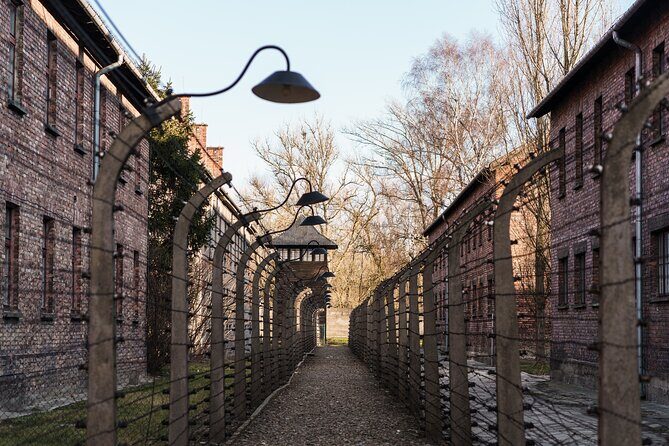
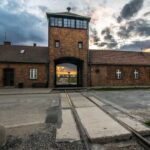
What makes Auschwitz I different from Birkenau is the “built-in” feel of the place: the remnants and original features communicate the machinery of control. The tour focuses on both what you can still see and what those objects and spaces meant operationally. That’s also why having a guide helps. Without interpretation, you might recognize buildings and fences, but miss the why behind their layout.
One drawback to be aware of: the visit is emotionally heavy and you’ll likely feel mentally tired even if you’re physically fine. The tour includes breaks, but they’re short—no longer than about 10 minutes during the guided portion. That’s usually enough to stand up, drink water, and breathe, but it won’t be a full reset.
If you’re prone to getting overwhelmed in quiet places, plan to take breaks when they come, rather than forcing yourself to “push through.” Your job here is to observe and understand, not to prove endurance.
Birkenau (Auschwitz II): The Open-Air Scale You Can’t Unsee
Birkenau, also called Auschwitz II-Birkenau, is the larger and more notorious camp area. This stop lasts about 1 hour 30 minutes, and admission is free for this segment as listed.
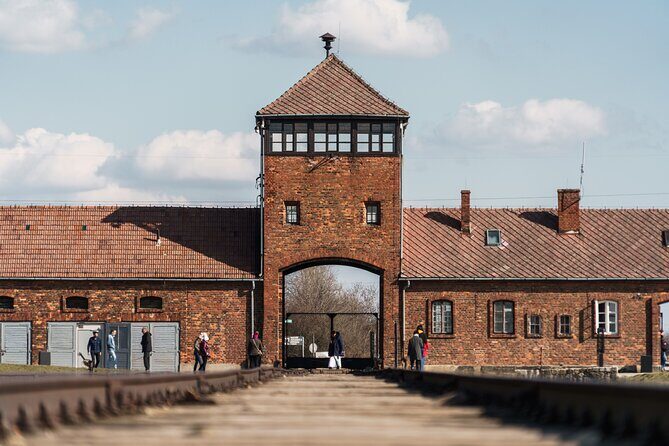
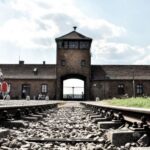
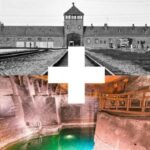
Birkenau feels different immediately. It’s open-air, more spread out, and the remnants (including barracks remains, watchtower areas, and the famous railway ramp where people were separated on arrival) show the Holocaust’s system at a huge scale.
This is the part of the day where the “distance” becomes a lesson. You’re not just looking at evidence; you’re experiencing how the camp’s layout enabled control over mass numbers of people. The vastness itself becomes part of the message. That’s why Birkenau can linger in your mind longer than Auschwitz I, even though you spend less time there.
A balanced note: the tour time in Birkenau is shorter than Auschwitz I, so you won’t have hours to wander and process in silence. That’s not a flaw of the tour—it’s how guided memorial visits are managed. Still, if you know you’ll need extra time to absorb, plan for your own quiet processing afterward during the short pause after the tour.
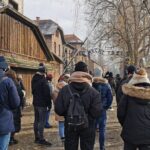
Also, since Birkenau is outdoors, weather becomes a real factor. The tour runs in all weather conditions, and you’ll be happy you brought a raincoat or umbrella if skies turn. Dress for walking and standing, not for looking good in photos. You’ll thank yourself.
Timing, Breaks, and What to Bring for a 7.5-Hour Day
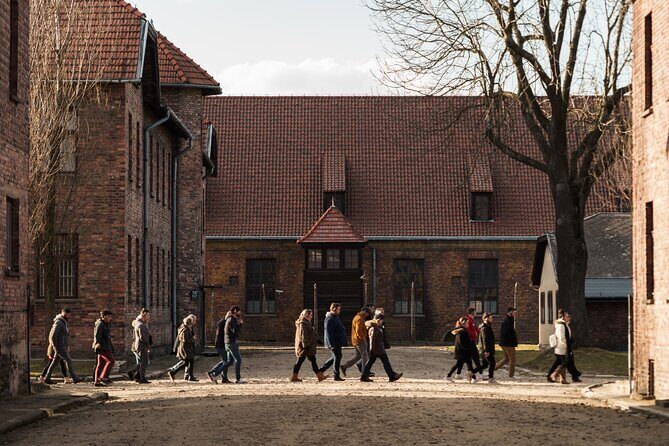
This tour is about 7 hours 30 minutes total, and the transportation time is roughly 3.5 hours on the road for both sides. That’s a big commitment. I like tours like this because the time is structured, but you still need to plan your body like it’s a full-day outing.
Breaks are built in, but they’re modest. During the guided portion, breaks are no longer than 10 minutes. That keeps momentum, but it means you should treat these breaks as quick reset moments, not meal times.
After the guided stops, you do get at least 20 minutes for a bookstore or grocery stop, or just a breather. This is where you can pick up something small to drink or eat. Since food and drinks aren’t included, bring your own snacks and water.
What I’d pack:
- A bottle of water and a couple of easy snacks
- A rain layer (umbrellas are useful, but raincoats can be better on wind)
- A small bag you can keep with you without fuss
- Your ID or passport
ID is a big deal here. Security before entrance can ask for it, so don’t leave it in your room “for later.” Bring it with you.
One more practical detail: operations in all weather means you should expect conditions to change. If it’s cold, you’ll want a coat. If it’s wet, you’ll want something that keeps you dry enough to keep paying attention.
Price and Value: What You’re Paying for at About $70
At about $69.68 per person, you’re paying for more than transportation. You’re paying for a guided museum-grade explanation plus the logistics that help you arrive on time and stay on schedule.
Here’s the value breakdown that matters in real life:
- Admission is included where it counts, so there’s no surprise at the door
- A licensed museum guide is guiding the narrative through Auschwitz and Birkenau
- Hotel pickup and drop-off in Krakow saves time and stress
- Headsets improve the experience and reduce strain from straining to hear
The group size is capped at 90 travelers. That can be a lot, but it’s also not an unlimited free-for-all. The presence of headsets suggests the tour is set up for listening even with a crowd.
What’s not included is also important: no food or drinks. If you’re the type who spends on bottled water and snacks at tourist stops, factor that into your day. Also, expect no long lunch break. You’ll want to come prepared so you aren’t hunting food during a time window that isn’t meant for it.
Balanced take: this is not the cheapest way to visit, but it’s a cost you can justify if you care about understanding. In places like this, “seeing” and “understanding” aren’t the same thing, and the guide is what makes the difference.
Who This Tour Suits Best (and Who Should Rethink)
This tour is best for people who want a structured visit with expert guidance and minimal hassle. If you’re coming from Kraków and you don’t want to manage the commute yourself, the pickup plus guided format is a strong fit.
It can work for many adults, but the content is serious. The tour allows children, yet it’s not recommended for kids aged 14 and under due to the seriousness and drastic views. That’s a useful guideline. If you’re deciding for a teen or younger, consider their ability to handle difficult images and topics, and consider how they might respond to minimal breaks and a long, emotionally intense day.
I’d also say this: if you want a totally quiet self-paced museum visit, this format may feel too scheduled. The tour is designed to cover major areas efficiently—Auschwitz I, then Birkenau—and keep you moving.
On the other hand, if you like clear narration and you want to leave with a coherent sense of what you saw and why it matters, this tour is built for you.
Should You Book This Auschwitz-Birkenau Tour From Krakow?
If your priority is a smooth Krakow-to-memorial day with hotel pickup, a licensed guide, and headsets, then yes, it’s an easy choice. For many people, it’s also the safer option emotionally, because the guide helps you stay oriented and makes sure you understand what you’re looking at.
I’d book it if:
- You want both Auschwitz I and Birkenau in one day
- You prefer structure over planning transport and entry details
- You want admission handled and you’ll benefit from expert context
I’d think twice if:
- You need a self-paced visit with long silent time
- You’re not prepared for a long day with very heavy subject matter
- You’re traveling without ID/passport and would scramble at security
Either way, treat this visit as a serious, respectful commitment. Your preparation—snacks, rain gear, and ID—does a lot to make the day easier to get through and easier to understand.
FAQ
How long is the Auschwitz-Birkenau guided tour from Krakow?
The total experience time is about 7 hours 30 minutes. This includes travel time to and from Auschwitz-Birkenau.
Is hotel pickup included?
Yes. The tour includes hotel pickup and drop-off in Krakow.
Are admission tickets included?
Yes. The admission ticket is included for the Auschwitz stop, and the Birkenau segment is listed as admission ticket free.
Does the tour include a guided visit with a licensed museum guide?
Yes. You’ll have a licensed English-speaking museum guide leading the Auschwitz and Birkenau parts of the visit.
Are headsets provided?
Yes. Headsets are included for the tour.
Do I need to bring ID or a passport?
Yes. Before entrance security, they may ask for your ID or passport.
Are breaks part of the tour?
Yes. Breaks during the tour are no longer than 10 minutes. After the main tour, you also get at least 20 minutes for a break or a quick stop.
Is food and drinks included?
No. Food and drinks are not included, and the tour notes that there may not be a lunch break, so you should bring snacks and drinks.
What should I wear or bring for weather?
The tour operates in all weather conditions. Dress appropriately and consider bringing an umbrella or raincoat.
Are children allowed?
Children are allowed, but it is not recommended for children aged 14 and under due to the seriousness of the place and drastic views.