REVIEW · KRAKOW
Auschwitz-Birkenau: private or group & Schindler’s Factory option
Book on Viator →Operated by Krakow4you · Bookable on Viator
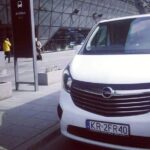
Auschwitz-Birkenau is heavy. This day trip from Kraków makes it more bearable by keeping things clear, guided, and paced. You start with a private car pickup and a driver, then you get a structured visit to Auschwitz I and Birkenau with a local guide adding context and empathy.
Two things I really like: the door-to-door comfort (hotel pickup and drop-off, bottled water, and snacks), and the way guides such as Alicja Wróbel and Dariusz bring real human details without turning it into a lecture. One possible drawback: the Auschwitz experience has strict rules, so even when you choose a more private setup, you may still join official museum group formats and the overall timing can feel rushed if your guide is working against a tight schedule.
In This Review
- Key things worth knowing before you go
- Why This Kraków-to-Auschwitz Day Feels More Than a Ticket
- The Drive to Auschwitz: Use It to Get Your Bearings
- Auschwitz I: Museum Rules, the Bag Limit, and What You’ll Actually Notice
- Birkenau Walking Time: Watchtowers, Chain Fences, and the Scale Problem
- Schindler’s Factory in Podgórze: The Kraków Connection You Might Not Expect
- What You’re Paying For at $239.65 (And When It Feels Worth It)
- Time, Crowds, and Pacing: How to Avoid the Rushed Feeling
- Who This Tour Fits Best (And Who Should Think Twice)
- Should You Book This Auschwitz-Birkenau Day Trip?
- FAQ
- How long is the Auschwitz-Birkenau and Schindler’s Factory option?
- Is hotel pickup and drop-off included?
- Does Schindler’s Factory happen every time?
- What language is the tour in?
- Are entrance tickets included?
- Is lunch included?
- Is there a bag size limit at Auschwitz?
- Is the tour suitable for children?
- What is the cancellation policy?
Key things worth knowing before you go
- Hotel pickup + private car: you avoid the long scramble to reach the camps and you can ask questions on the drive.
- Auschwitz I + Birkenau in one day: you see both sites, not just the headline parts.
- Official museum tours still matter: Auschwitz has its own guide system, so your local guide works within those constraints.
- Schindler’s Factory option in Podgórze: it connects Kraków’s occupied-story to what you’re seeing in the camps.
- Bag size limits at Auschwitz: bring as little as possible, especially if you plan to follow the 20 x 30 cm rule.
- Not for kids under 14: it’s recommended to skip for younger travelers due to the site’s intensity.
Why This Kraków-to-Auschwitz Day Feels More Than a Ticket
Auschwitz-Birkenau is not the kind of place you want to rush through with a tired group and a vague audio guide. What I like about this particular setup is that it treats your day like a real plan: you’re picked up from your hotel in Kraków, driven out in comfort, and met by a guide who keeps the storyline coherent.
You’ll also appreciate the emotional tone. Guides like Alicja Wróbel are known for empathy and for adjusting the visit to your questions and background. Even when the subject is brutal, the approach stays human. That matters because the goal is not shock. The goal is understanding what happened and keeping the memory intact.
One more practical plus: the day is built around the sites, not around moving you around Kraków all morning. You get time where it counts, plus breaks and basic comforts like bottled water and local snacks.
You can also read our reviews of more private tours in Krakow


The Drive to Auschwitz: Use It to Get Your Bearings
Most of the day starts with the trip from Kraków to the camp area. Expect about 1.5 hours each way. On a cold day, this is not just transport. It’s also your first chance to frame the visit, especially if your guide talks through the basics before you arrive.
I’d treat the drive as free time to ask questions. In the car you can ask about Polish history, what the camps system was, and how Auschwitz I and Birkenau connect. Some guides also take a more flexible approach, building in extra context during the ride rather than forcing everything into the walking portion.
Small tip: pack your questions, not your bags. Auschwitz has strict carry limits, and you will feel better keeping things light for the walk and the museum rules.
Auschwitz I: Museum Rules, the Bag Limit, and What You’ll Actually Notice
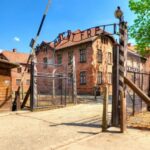
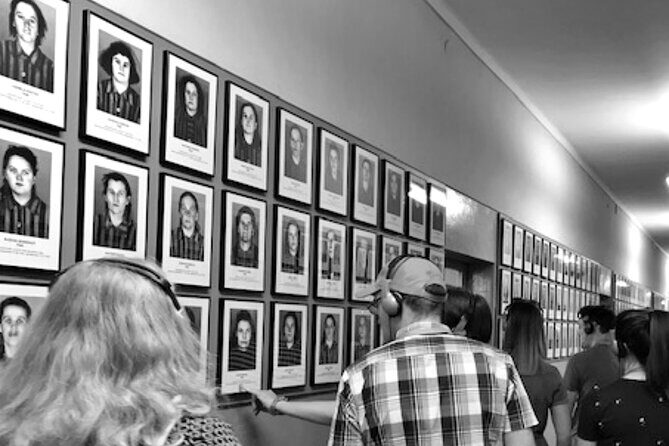
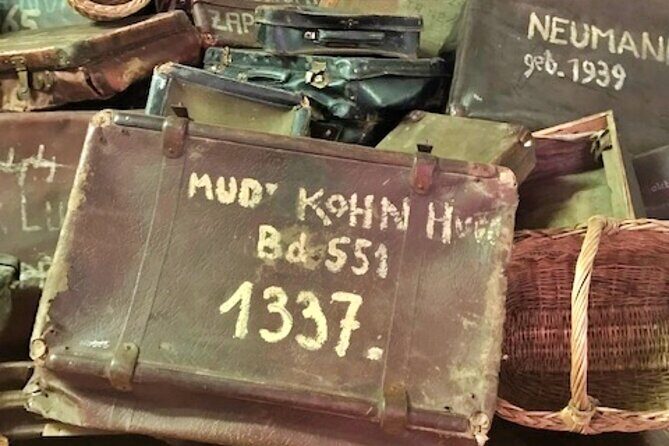
Auschwitz I is the site many people picture first, and it’s also where the museum format helps you make sense of the larger system. You’ll see preserved parts of the camp layout and exhibits that include personal possessions taken from prisoners. The visit is serious, and the best tours handle that seriousness with respect and steady pacing.
This is also where you’ll want to be ready for museum logistics. The tour includes an official museum component, and Auschwitz has a maximum bag size of 20 x 30 cm (about 7.8 x 11.8 inches) for the museum area. If you show up with a big daypack, you may end up dealing with restrictions instead of focusing on the stories.
Here’s what makes the guided approach feel valuable at Auschwitz I: without a guide, it’s easy to see objects and signs but miss what they meant in context. With a guide, you get the storyline—what the camp looked like, what the administration did, and why the exhibits were arranged the way they are.
If you care about language: the tour information says you can get English for the general part, and other languages are only possible when visiting Auschwitz I. So if you’re traveling as a group and language matters, confirm that detail before you go.
Practical reality check: even when you’re on a “private” arrangement, Auschwitz I often uses official museum guides and official structure. Think of your local guide as the person helping you understand what you’re looking at, even when you’re in an official tour format.
Birkenau Walking Time: Watchtowers, Chain Fences, and the Scale Problem
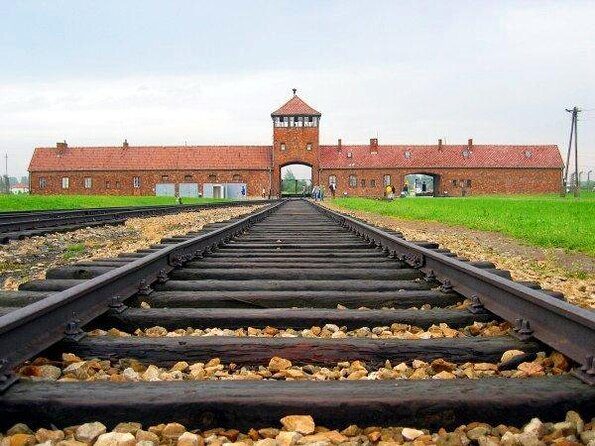
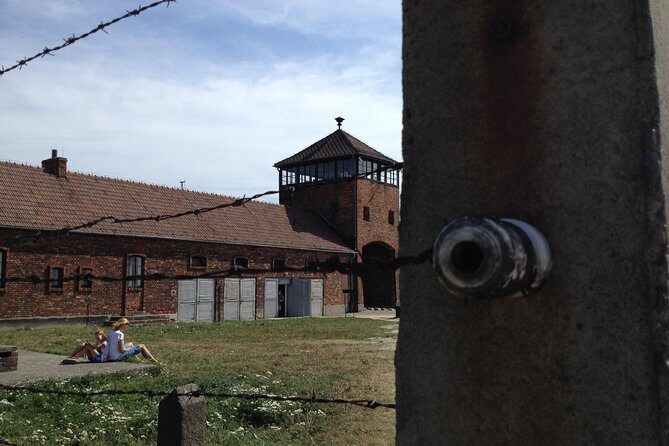
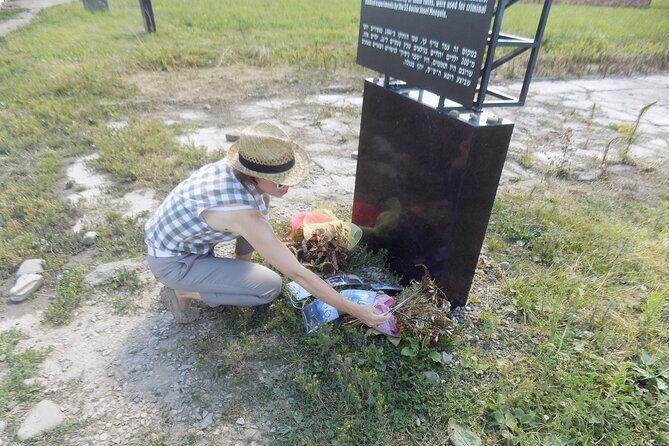
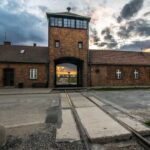
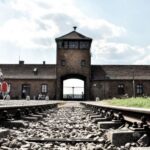
Birkenau (Auschwitz II) is the bigger site, and it’s where the scale lands hardest. The walking can be substantial, and it’s easy to understand why people say you can only truly grasp it when someone explains what you’re seeing. At Birkenau, original features like watchtowers and chain fences are part of the preserved setting, and they’re not just scenery.
This is also where the best tours help you “read” the camp. Your guide points out how the camp functioned, what certain areas were used for, and how the layout connects to the atrocities you’re learning about. A guide also helps you slow down at the spots that deserve your attention, instead of letting you speed past them because you’re just trying to finish.
Timing matters here. Some tours feel paced nicely; others get compressed. One key consideration from real-day experience: if your Auschwitz portion gets squeezed due to schedule, you may feel the guide is forced to move faster than you’d like. If you want more reflection time, say so early. Ask your guide to slow down when you need it, and plan to accept that museum timing can be non-negotiable.
My advice for Birkenau:
- Wear comfortable walking shoes. Uneven ground is part of the place.
- Bring minimal items to protect your energy.
- Assume you’ll want quiet time. Build it in, even if the day feels full.
Schindler’s Factory in Podgórze: The Kraków Connection You Might Not Expect
If you choose the option that includes Schindler’s Factory, you’ll add a stop in Kraków’s Podgórze district. This is a different kind of museum visit. It’s not the camp site, but it helps you understand the occupied city where people lived under Nazi control—and where Oskar Schindler’s story connects to the human choices made during that time.
Schindler’s Factory today is a museum in the former factory setting, and you also get context around why Schindler’s List was filmed there. That film connection isn’t the point in itself. The value is that it gives you a visual entry to the idea of “Kraków under occupation,” then the museum brings you back to facts and personal stories.
The tour format here is designed for your understanding, not just photo stops. With a private guide included for selected options, you should feel like you get better meaning per minute. The Podgórze visit runs about 2 hours, so it won’t swallow your whole day.
If you’re trying to decide whether to add it: I think this stop is worth it if you want the Auschwitz day to connect to life beyond the camp gates. It gives you a second lens—how occupation worked in Kraków, not just how the camps system operated.
What You’re Paying For at $239.65 (And When It Feels Worth It)
At $239.65 per person, this is not a cheap day trip. The value comes from bundling several things that are usually sold separately: hotel pickup and drop-off, private comfortable transportation, a local guide, and admission tickets for the Auschwitz and Schindler’s Factory components (when selected).
You’re also getting small but real comforts: bottled water and local snacks. In a long day at a solemn site, those details reduce stress. Less stress means you can focus on what you’re there to understand.
So when is it worth the money?
- When you want a guide who can explain what you’re seeing and help you manage the pace.
- When you prefer not to deal with public transport timing and camp-site group confusion.
- When you want the option to add Schindler’s Factory without organizing it yourself.
When might it feel less worth it?
- If you expect a truly private tour inside Auschwitz with no official structure at all. Auschwitz has its own museum guide rules, and your experience can include official group formats with headphones.
- If you’re very time-sensitive and want guaranteed slow pacing. Some schedules are tighter than others.
My practical approach is simple: if you book this, plan to treat your guide’s context as the main value, not the idea that you’ll have total control over museum pacing.
Time, Crowds, and Pacing: How to Avoid the Rushed Feeling
Auschwitz has a way of turning any schedule into a stress test. Even with unlimited time mentioned for exploring the grounds, the parts that rely on official museum tours can still create pressure. The difference between a good day and a frustrating one is often pacing.
Here’s what you can do:
- Ask your guide how they plan the day. Get a sense of where time is flexible and where it isn’t.
- Request extra time for Auschwitz I or Birkenau if you know what you want to focus on.
- Don’t overload your schedule with other Kraków plans the same day. This tour needs mental space.
Also be ready for crowds. Even when you’re on a smaller or private arrangement, Auschwitz can still be busy. The best guides help you avoid getting swept up in constant movement. If your guide is rushed, that doesn’t help anyone. But if your guide has room to slow down, you should feel a more thoughtful rhythm.
Who This Tour Fits Best (And Who Should Think Twice)
This tour fits best if you want:
- A structured day with clear context during a difficult visit.
- A private car transfer so your energy is intact for walking and museum time.
- A guide who can answer questions and help you process what you’re seeing.
The tour guidance also says to have moderate physical fitness for the day. Birkenau involves plenty of walking, and Auschwitz I can be demanding too, especially with uneven ground.
It’s also not recommended for children under 14. That’s not a judgment call about your kids. It’s about the site’s intensity and your ability to keep the visit meaningful for them.
If you’re traveling with teenagers and you’ve already prepared them—then a guided visit can be a more responsible way to handle it. If you’re traveling with younger kids, skip this and choose a different Kraków history day.
Should You Book This Auschwitz-Birkenau Day Trip?
I’d book it if you want the comfort of hotel pickup, the efficiency of one organized day, and a guide who helps you understand what the camp layout and exhibits mean. For many travelers, the extra cost compared to a DIY trip is really paying for emotional pacing and context, not just transport.
I would not book it if your top priority is absolute control of every minute inside the museum, or if you’re expecting a perfectly private experience with no official structure involved. Auschwitz is special, and its rules shape your day.
If you do book: bring a small bag, wear good shoes, and tell your guide how you want the day to feel. Your best outcome isn’t speed. It’s a visit you can actually absorb and respect.
FAQ
How long is the Auschwitz-Birkenau and Schindler’s Factory option?
The experience lasts about 7 to 9 hours.
Is hotel pickup and drop-off included?
Yes. The tour includes hotel pick-up and drop-off in Kraków.
Does Schindler’s Factory happen every time?
No. Schindler’s Factory is included only if you choose the option that adds the Podgórze visit.
What language is the tour in?
The general tour is organized in English. Other languages are only possible when visiting Auschwitz I.
Are entrance tickets included?
Yes. Admission tickets are included for the Auschwitz visit, and for the Schindler’s Factory museum when that option is selected.
Is lunch included?
No. Lunch is not included.
Is there a bag size limit at Auschwitz?
Yes. Each person is allowed a maximum size bag of 20 x 30 cm (7.8 x 11.8 inches) in the Auschwitz Museum.
Is the tour suitable for children?
It is not recommended for children under 14.
What is the cancellation policy?
You can cancel for a full refund up to 24 hours in advance. If you cancel less than 24 hours before the start time, the amount paid is not refunded.