REVIEW · KRAKOW
Auschwitz-Birkenau Tour with Private Transport Altenative Tour
Book on Viator →Operated by ComFort Tours Cracow · Bookable on Viator
One day. Big emotional weight. This private Auschwitz-Birkenau outing is built around getting you there comfortably from Kraków and then guiding you through some of the most haunting parts of the Auschwitz system without wasting time. I especially like the door-to-door pickup idea, because you’re not sharing a van or playing wait-and-switch with strangers.
The second thing I like is that lunch is included, so the day stays focused instead of turning into a food hunt with uncomfortable timing. The main drawback to think about is that the company clearly notes Auschwitz I and Auschwitz II-Birkenau main-camp entrance isn’t included in the tour price, so you need to plan for possible additional admission and ticket timing.
In This Review
- Key things I’d pay attention to
- Door-to-door private transport from Kraków (and why it matters)
- What you do and don’t see: Auschwitz I and Auschwitz II main camps
- Oświęcim: the extension area, mass grave, and final execution sites
- Birkenau in a focused way: crematorium/gas chamber 1 and the commandant’s surroundings
- “Interest Zone” context and extermination-zone stops in Birkenau
- Auschwitz III (Monowitz): the Sauna building and the scale lesson
- Timing, pace, and what to bring for a long, emotionally heavy day
- Price and value: does $455.34 per person make sense?
- Booking reality checks: pickup shifts and ticket timing
- Should you book this private Auschwitz-Birkenau tour?
- FAQ
- What is the duration of the Auschwitz-Birkenau tour with private transport?
- Where does the tour start and end?
- Is pickup included, and where do they pick me up?
- When can pickup happen?
- What language is the tour offered in?
- Is lunch included?
- Do I need to purchase tickets separately for Auschwitz?
- Which sites are included in the itinerary?
- Is this a private group tour?
- What physical fitness level is required?
Key things I’d pay attention to
- Private car from Kraków with round-trip transport, no shared vehicle
- Lunch included, helpful when the day’s already long and intense
- Two memorial zones in one day, plus extra Auschwitz-related stops
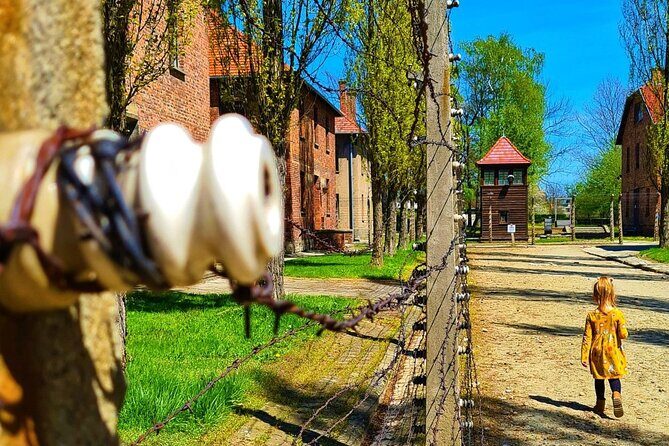
- Birkenau landmarks you can’t miss, including the Death Gate and the main SS barracks
- Auschwitz III (Monowitz) added, with the disinfection/processing Sauna building
- What you don’t cover: Auschwitz I and Auschwitz II-Birkenau main camps are not included in the price note
Door-to-door private transport from Kraków (and why it matters)
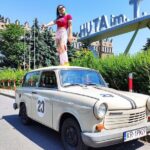
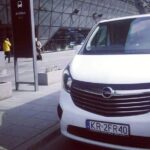
This tour is a rare setup where the logistics are designed to reduce stress before you even reach the memorials. You’re picked up from your address in Kraków, the car is just for your group, and the day runs on a plan that starts and ends back in Kraków.
In plain terms: you skip the shared-van scramble. You also get a more comfortable ride for a long, emotionally demanding day. The Auschwitz sites are about an hour from Kraków, so private transport isn’t a luxury detail—it’s part of making the day manageable.
Pickup timing is flexible within a wide window (7:00 AM to 1:30 PM). Your exact time is confirmed the day before by WhatsApp/email/text. That’s convenient, but it also means you should treat the day like a schedule you’re committed to, not a casual morning. If you’re the type who likes certainty, you’ll want to keep your phone notifications on and confirm details early the day before.
You can also read our reviews of more private tours in Krakow


What you do and don’t see: Auschwitz I and Auschwitz II main camps
Here’s the key reality check: the tour description states that entrance to Auschwitz I and Auschwitz II-Birkenau main camps is not included in the price.
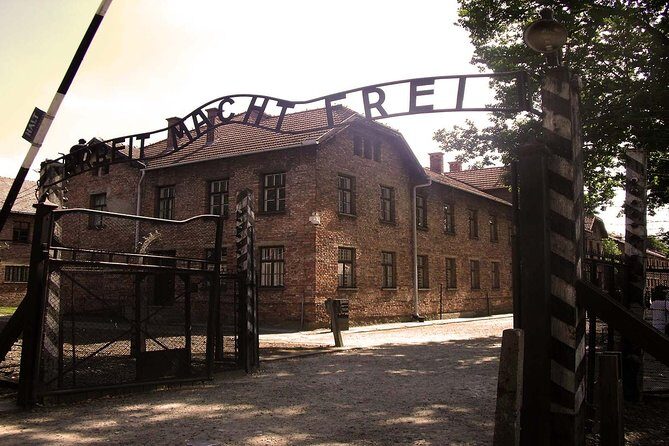
At the same time, the itinerary includes multiple Birkenau-related stops and Auschwitz-related areas (including Birkenau’s Death Gate, crematorium and gas chamber areas, the main SS barracks, and Auschwitz III/Monowitz). So the tour is still very much Auschwitz-centered—but you should expect that access to the main-camp entrance areas may require extra planning on your part.
If you’re hoping to do the full, classic main-camp visit at Auschwitz I and the full Auschwitz II-Birkenau circuit, this isn’t clearly priced as that complete package. If you want a focused day that still covers major sites across the Auschwitz system, this structure can work well.
My practical advice: when you book, ask (in writing if possible) which exact entrance tickets are included on the day and whether any part of Auschwitz I or Auschwitz II is a separate add-on. That one question can save you real frustration if ticket availability is tight.
Oświęcim: the extension area, mass grave, and final execution sites
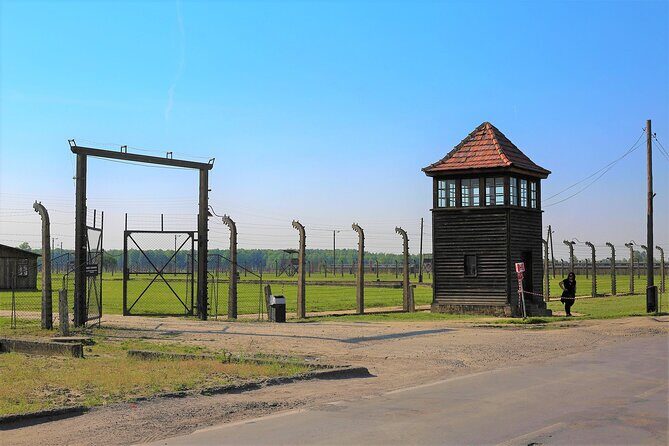
Your day starts in Oświęcim (the town tied to Auschwitz). This portion isn’t about quick photo stops. It’s about understanding how the camp expanded and how violence continued even late in the war.
You’ll visit the memorial to the final victims of Auschwitz and a mass grave area connected to prisoners shot during the camp evacuation in January 1945. That detail matters because it pushes the story beyond the early operation dates and forces you to face what happened at the end—when the world was moving on, but the atrocities did not stop neatly.
Next comes the so-called camp extension area. This includes the SS barracks and the last women’s camp section, plus the site of the final public execution. Walking through an area like this can feel like your brain keeps trying to organize it into categories: work, punishment, housing, execution. The site resists easy sorting, and your guide’s job is to keep your attention on what the spaces were used for.
One benefit of this tour format is that you aren’t forced into a long day of pure marching. The schedule assigns time here (about two hours) so you can actually absorb what you’re seeing, not just be rushed past it.
Birkenau in a focused way: crematorium/gas chamber 1 and the commandant’s surroundings
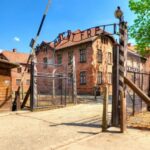
Then you head to Brzezinka (Birkenau). This is the part many people think of immediately when they hear Auschwitz.
You’ll see the first crematorium and gas chamber area—an extremely heavy stop, but also one that gives the day a concrete anchor. After that, you’ll move through key command and punishment-related locations, including the former villa of the camp commandant and gravel pits described as sites of punishment and execution for clergy and members of the Polish intelligentsia.
A detail I’m glad this tour includes is the pre-war theater that was later used to store Zyklon B. It’s one of those locations that forces a specific kind of understanding: how everyday infrastructure was repurposed for mass murder. The mind keeps asking how something ordinary could be transformed into a tool of extermination. Your guide’s explanations help you process that without turning it into vague horror.
You’ll also pass key transport-and-selection context:
- the Polish Ramp (first prisoner transport platform)
- the Old Jewish Ramp, described as the main selection site for European Jews
Even if you already know terms like ramp and selection, seeing these spaces in person helps your brain map the system. And that’s a big reason this tour format can feel valuable.
“Interest Zone” context and extermination-zone stops in Birkenau
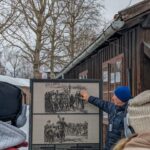
In Birkenau, the tour adds a context component using maps and aerial photographs from 1944 to explain the so-called Interest Zone. For many visitors, that piece helps connect the camp to what sat around it: not just cages and buildings, but a wider system designed to keep the machine going.
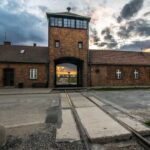
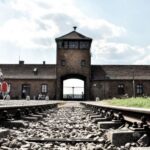
You’ll then see Birkenau’s Death Gate and the main SS barracks. The Death Gate is one of those locations people talk about because it feels like a literal threshold. Standing there, the language of numbers turns into a sense of motion and control—who moves, who gets stopped, and what happens next.
The tour also includes time in the extermination zone. Expect stops that cover Bunker 1 (Red House) and Bunker 2 (White House), plus remains of dressing rooms for victims and a cemetery of Soviet POWs. If you’ve ever wondered how Auschwitz was not only an industrial killing operation but also a broader network of deprivation and death, these details push you in that direction.
The schedule allocates about 30 minutes for this “Interest Zone + extermination area” section in the outline provided. That can feel tight for a place that makes you slow down naturally. A private guide or guide-led group pacing helps—if your guide keeps things organized, you’ll get value without feeling like you’re being chased.
Auschwitz III (Monowitz): the Sauna building and the scale lesson
The final memorial stop is Auschwitz III (Monowitz), also described as Monowitz. This part is short in time (about 30 minutes in the outline), but it’s one of the most important additions for anyone trying to understand Auschwitz as a whole system, not just two famous sections.
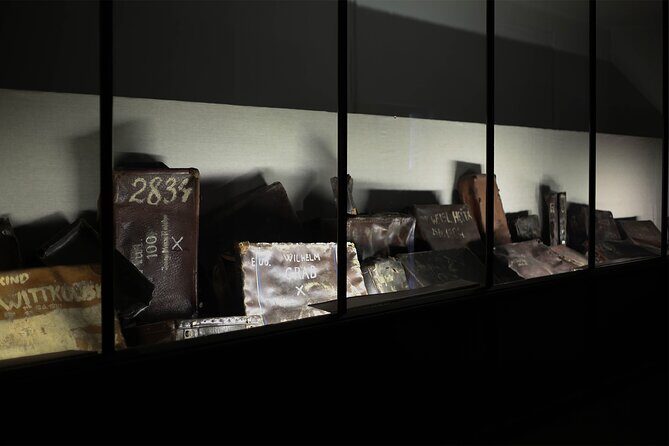
You’ll see the Sauna building used for prisoner disinfection and belongings processing. That stop is chilling because it shows how camp logic worked in layers: bodies processed, belongings processed, movement processed. Even when the “big action” is elsewhere, the system depends on constant handling.
The tour ends at the memorial to victims of Auschwitz-Monowitz. This is where the day often gives you a final clarity: Auschwitz wasn’t one simple site with one function. It was an interconnected system, with Auschwitz I, Auschwitz II-Birkenau, and Auschwitz III all acting like parts of the same brutal machine.
Timing, pace, and what to bring for a long, emotionally heavy day
This tour is about 7 hours total. You should plan to start with a calm morning, because you’re not just traveling—you’re also managing emotional intensity.
You’ll have moderate physical fitness needs. You’ll also be spending time outdoors, walking between memorial areas. Wear shoes you’re comfortable standing in and walking in for hours. Bring a light layer even in warmer months; memorial days can feel like you’re moving between sun and shade without control.
Food is handled for you: lunch is included, so you can keep your energy steady without rushing to find a meal at the wrong moment. Still, I like to suggest carrying water with you if you’re personally sensitive to long days, even if water stops may happen through the day. (Some drivers have been described as making a refreshment stop afterward, which is thoughtful, but not something you should bank on.)
As for guides: the tour notes the guided tour of surrounding sites. In at least some situations, the day’s staffing can rely on museum staff guides. One name that has come up is a driver named Daniel, described as punctual and careful, with extra care like a water stop and going beyond the baseline at the end. The lesson for you: you might get a tour experience that feels more personal than the average day, but don’t assume any single guide style. Expect variation.
Finally, pacing matters at Auschwitz. If your guide sets a fast rhythm, you’ll feel it immediately in the heat and in the emotion. If you tend to process slowly, tell your guide early that you want a bit more time at key points.
Price and value: does $455.34 per person make sense?
At $455.34 per person, this is not a budget day trip. You’re paying for private transport, lunch, and guided coverage across multiple memorial-related locations. In other words, you’re paying for the convenience of a car that doesn’t shuffle people and a plan that doesn’t waste time.
For two people or a small group, private transport can start to make sense because you’d likely otherwise pay for separate taxis or spend money in other ways that add up quickly. Also, when the day is emotionally hard, saving time and reducing friction can be worth real money.
The main value question is admissions: the tour explicitly states that Auschwitz I and Auschwitz II-Birkenau main-camp entrance is not included in the price note. If you end up needing extra ticket costs to fully cover your desired experience, the overall value equation changes.
My practical take: if you want privacy, a structured plan, and you’re comfortable handling any extra admissions for main camps, the price can be fair. If your goal is the full main-camp circuit and you’re trying to keep costs totally fixed, you’ll want to confirm exactly what’s included before you pay.
Booking reality checks: pickup shifts and ticket timing
One thing to understand is that major memorial sites can have seasonal pressure. That can affect ticket timing and entry flow.
Your pickup time is confirmed the day before, but the window is wide. A big change isn’t the norm you should plan on, but it’s wise to be prepared for schedule adjustments close to departure. Keep flexibility in your morning routine.
There’s also an important ticket lesson. The tour description and notes suggest parts of the day require specific access. In some situations, people have found that tickets weren’t secured exactly as expected right away, which can compress time once entry is possible. This isn’t something you can fully control, but you can reduce the risk by:
- confirming which admissions are included versus not included
- asking whether tickets will be prearranged or handled at the entrance
- building in buffer time around the tour start
If you’re traveling with limited time in Kraków, treat this tour as your anchor appointment. Don’t book late-night trains the same day.
Should you book this private Auschwitz-Birkenau tour?
I’d book it if you want a private, guided Auschwitz system day trip with lunch included and you like the idea of visiting multiple memorial zones without shared-vehicle logistics. It’s especially appealing if you’re comfortable with the fact that your day is focused on key Auschwitz-related areas (including Auschwitz III/Monowitz) rather than a guaranteed all-inclusive run through the main camps.
I would pause before booking if you’re aiming specifically for Auschwitz I and Auschwitz II-Birkenau main-camp entry as part of a fully priced package. The price note about entrance matters, and ticket timing can affect how much time you actually get inside.
If you do book, do yourself a favor: ask your operator to confirm the exact admissions situation in writing, then be ready for an early day and a very intense experience.
FAQ
What is the duration of the Auschwitz-Birkenau tour with private transport?
The tour is listed as approximately 7 hours.
Where does the tour start and end?
It starts and ends in Kraków with round-trip transportation.
Is pickup included, and where do they pick me up?
Yes. Pickup is offered from your address in Kraków. You’ll need to provide the address.
When can pickup happen?
Pickup time is possible between 7:00 AM and 1:30 PM, but your preferred time is not guaranteed. You’ll be told the exact time the day before by WhatsApp/email/text.
What language is the tour offered in?
The tour is offered in English.
Is lunch included?
Yes. Lunch is included, and you do not need to bring food for the day.
Do I need to purchase tickets separately for Auschwitz?
The tour notes that entrance to Auschwitz I and Auschwitz II-Birkenau main camps is not included in the price. You should plan for separate admission for those main camps if you want to enter them.
Which sites are included in the itinerary?
The stops listed include Oświęcim (camp extension and final victims memorial), Brzezinka (including first crematorium and gas chamber area and ramps), Birkenau-related sites (such as Death Gate and main SS barracks, plus extermination-zone locations), and Auschwitz III (Monowitz) memorial, including the Sauna building.
Is this a private group tour?
Yes. It is described as a private tour/activity, and only your group participates.
What physical fitness level is required?
The tour states that travelers should have a moderate physical fitness level.